Key takeaways
- Pick tools by job (drafting, SEO, AI visibility, social, email, outreach, automation), not by who has the loudest launch post.
- A general assistant like ChatGPT or Claude covers most drafting. Specialist tools earn their price only when they plug into your data.
- AI search is now a channel of its own. Promptwatch Data shows ChatGPT sends 39% of its citations to product and landing pages, so your own site matters more than ever.
- Most teams need 4 to 6 tools, not 25. Start with one per job and cut anything nobody opens twice a month.
- Prices below are snippets from third-party sources. Confirm on vendor pages before you buy.
How this list is organised
Most "best AI marketing tools" lists are a pile of logos. You finish reading and know nothing about which one to open on Monday morning. So this guide is organised by job: the thing you actually need done.
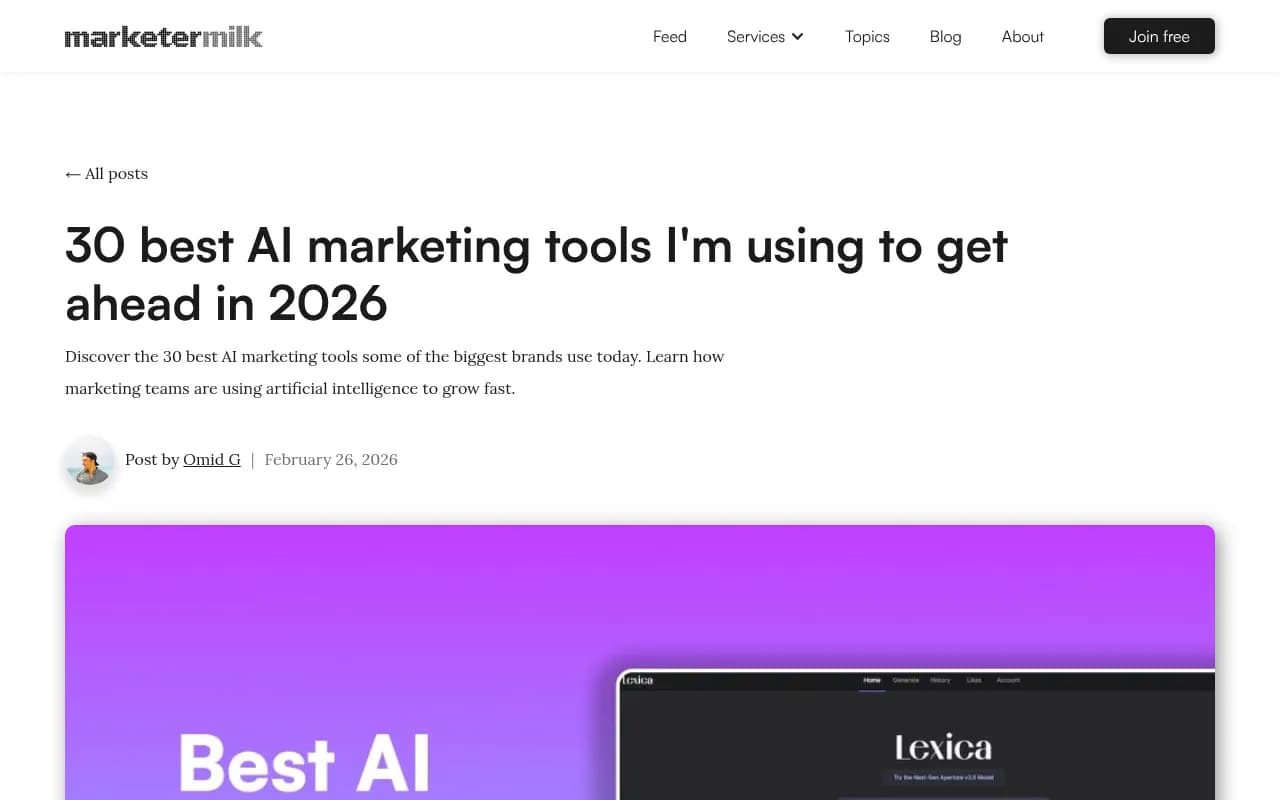
A note on the word "tested." I'm not claiming a lab-grade benchmark. My research pulled from roundups (Marketer Milk's list of 30, GWI's 25, Insider One's 17), a Reddit thread where practitioners said Semrush and Claude were their top two, and vendor data. I found no standard methodology for testing by job, so the grouping and the verdicts here are my judgment calls. Where I haven't verified a price, I say so.
The SamCart post I read asked a better question than most: who sits in the brain seat? That is the real filter. If the tool decides your strategy, it will produce confident, generic marketing. If you decide and the tool executes, it saves hours.
The 25 at a glance
| Job | Tool | Best for | Watch out for |
|---|---|---|---|
| General drafting and strategy | ChatGPT | Brainstorming, outlines, analysis | Needs your brand context every time |
| General drafting and strategy | Perplexity | Sourced research | Verify the sources it cites |
| Brand copy | Jasper | Teams that need brand voice | Cost for solo users |
| Short copy | Copy.ai | Quick variations | Thin on long-form |
| SEO suite | Semrush | Keyword and competitor data | Learning curve |
| Content optimization | Surfer SEO | On-page scoring | Scores can become a crutch |
| Content optimization | Clearscope | Editorial teams | Premium pricing |
| AI search visibility | Promptwatch | Tracking and fixing AI visibility | More than a solo blogger needs |
| AI search visibility | Otterly.AI | Cheap basic monitoring | Tracks, doesn't fix |
| Design | Canva | Fast on-brand visuals | Templates look alike |
| Voice | ElevenLabs | Voiceovers | Rights and disclosure rules |
| Social | Buffer | Simple scheduling | Light analytics |
| Social | Sprout Social | Reporting and inbox | Price |
| Social listening | Brand24 | Mention alerts | Noise on broad terms |
| ActiveCampaign | Automation | Setup time | |
| Brevo | Budget email and SMS | Fewer advanced features | |
| CRM and automation | HubSpot | One system for everything | Cost climbs fast |
| Outreach | Apollo.io | Prospecting | Data decay |
| Outreach | Instantly.ai | Cold email at volume | Deliverability discipline |
| Enrichment | Clay | Custom lead workflows | Needs design effort |
| Workflow | Zapier | Connecting apps | Task limits |
| Workflow | n8n | Technical teams | You host and maintain |
| Attribution | HockeyStack | B2B marketing attribution | Needs clean data |
| Competitive intel | Crawl-based tools like Crayon | Tracking rivals | Mostly enterprise |
| Workspace | Notion AI | Campaign docs | Not a marketing tool as such |
Job 1: Thinking, research and first drafts
This is where most people start, and honestly where most of the value still lives.
ChatGPT and Perplexity
ChatGPT is the default for outlines, angle brainstorming, rewriting, and data cleanup. If you only pay for one AI tool, make it this or Claude. Marketer Milk's list leads with Claude for "any marketing task," and the Reddit thread agrees that a general assistant plus an SEO suite beats a dozen niche apps.
Perplexity is better when you need sources. I use it for market research where I want links I can check, then take those links into my own notes.
Perplexity
The weakness of both is context. Every session starts cold. Paste in your brand guidelines, audience notes and two examples of writing you like, or you get beige copy.
Jasper and Copy.ai
Jasper earns its place when several people write for one brand and you need the voice to hold. For a solo marketer it is hard to justify over a general assistant. Copy.ai is quicker for short variations like subject lines and ad headlines.
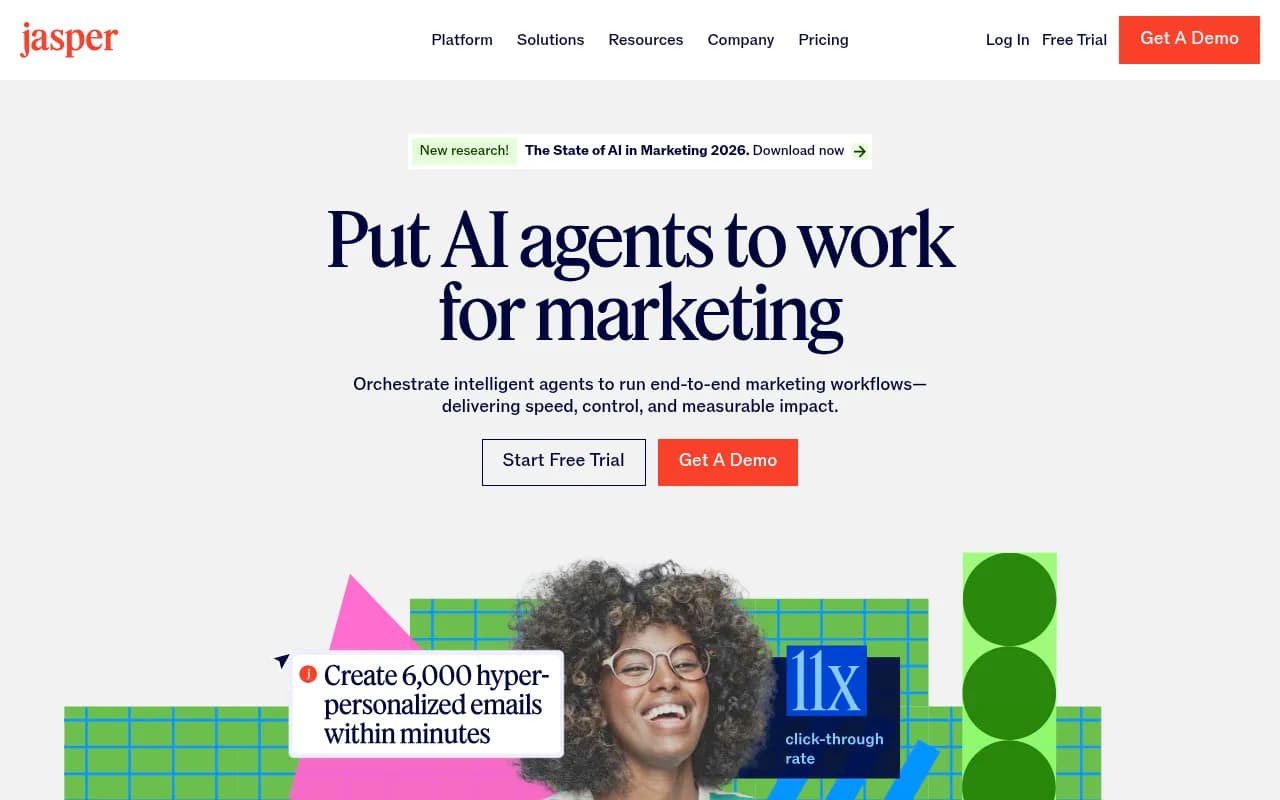
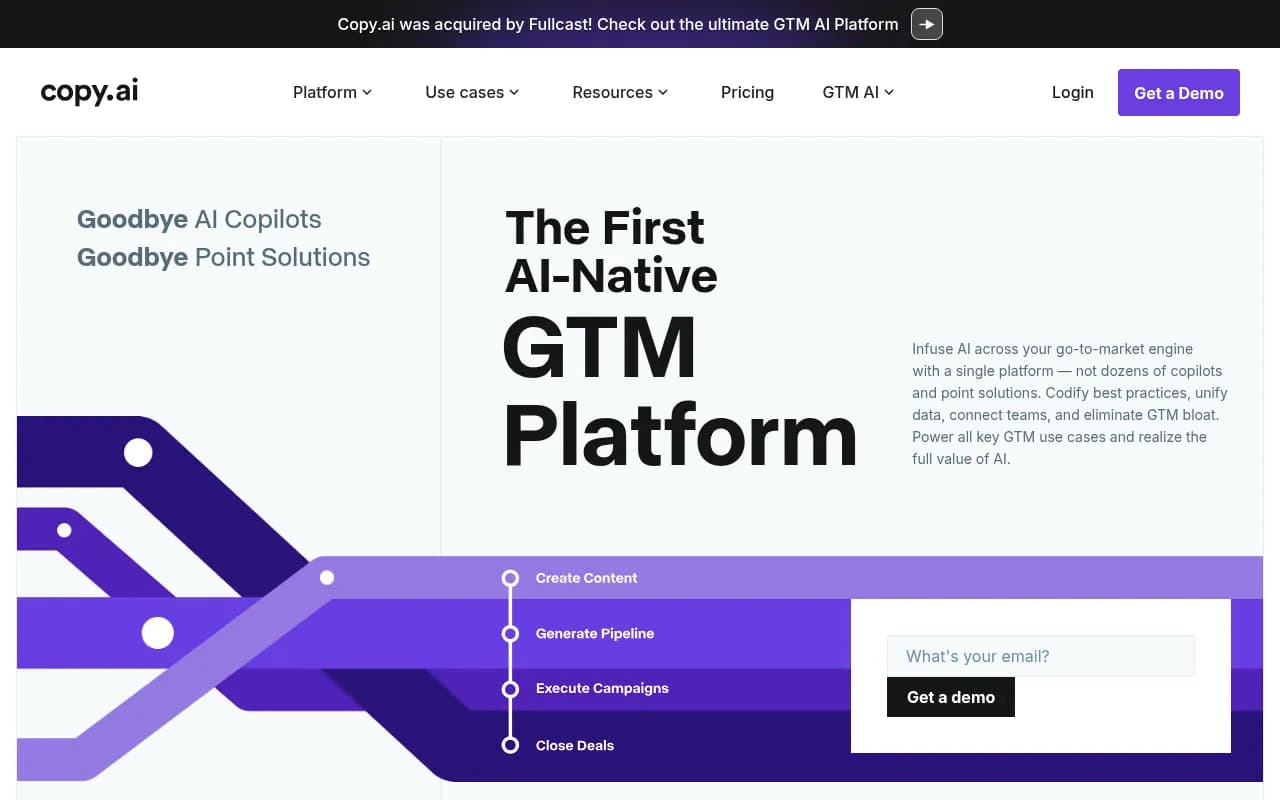
I did not verify current pricing for either, so check before committing.
Job 2: SEO research and content optimization
Semrush
Semrush keeps coming up in practitioner threads for good reason: keyword data, competitor gaps, site audits, and now an AI visibility toolkit. Third-party snippets put Pro from about $139.95 a month and Semrush One with the AI Visibility Toolkit from $199 a month. Treat those as unverified.
Surfer SEO and Clearscope
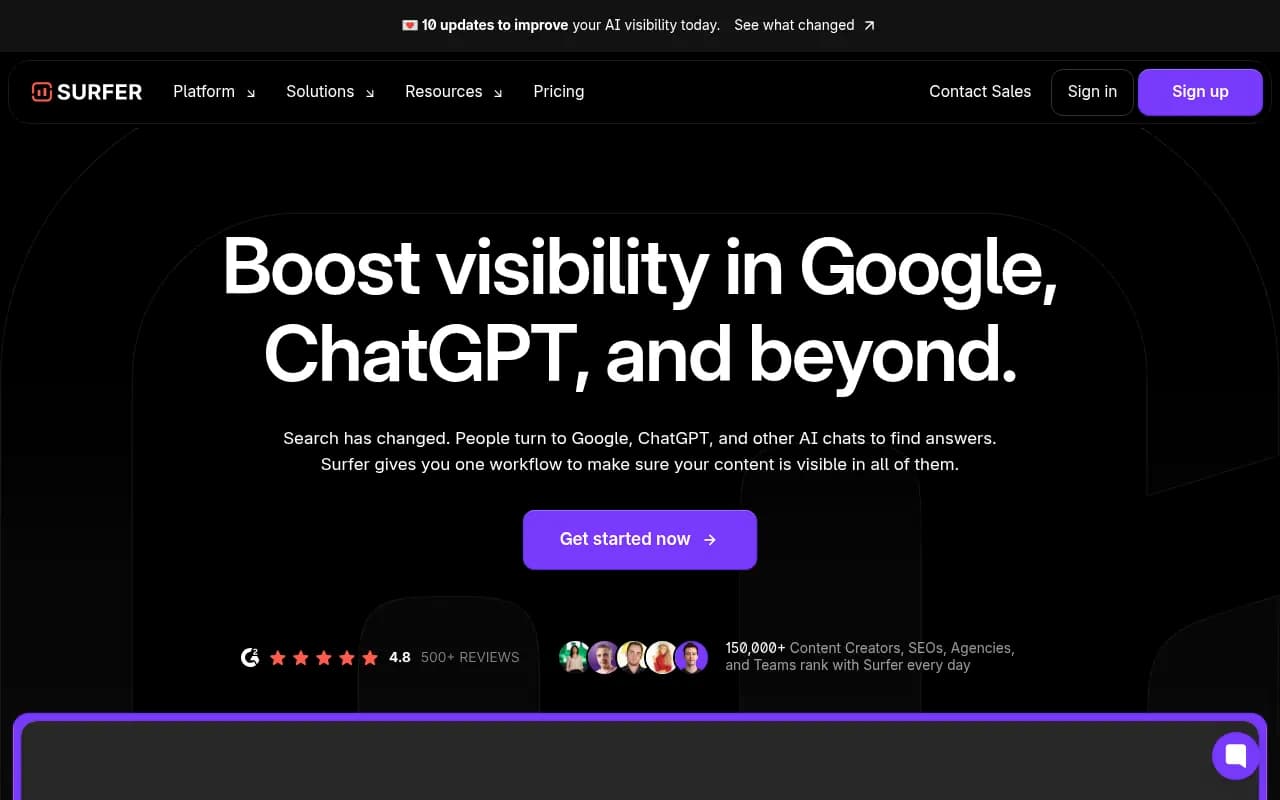
Surfer SEO scores a draft against top-ranking pages. One third-party source lists Essential at $79 a month billed annually ($99 monthly) and Scale at $175 annually ($219 monthly). Useful for editing passes. Dangerous if you chase the score and write something nobody wants to read.
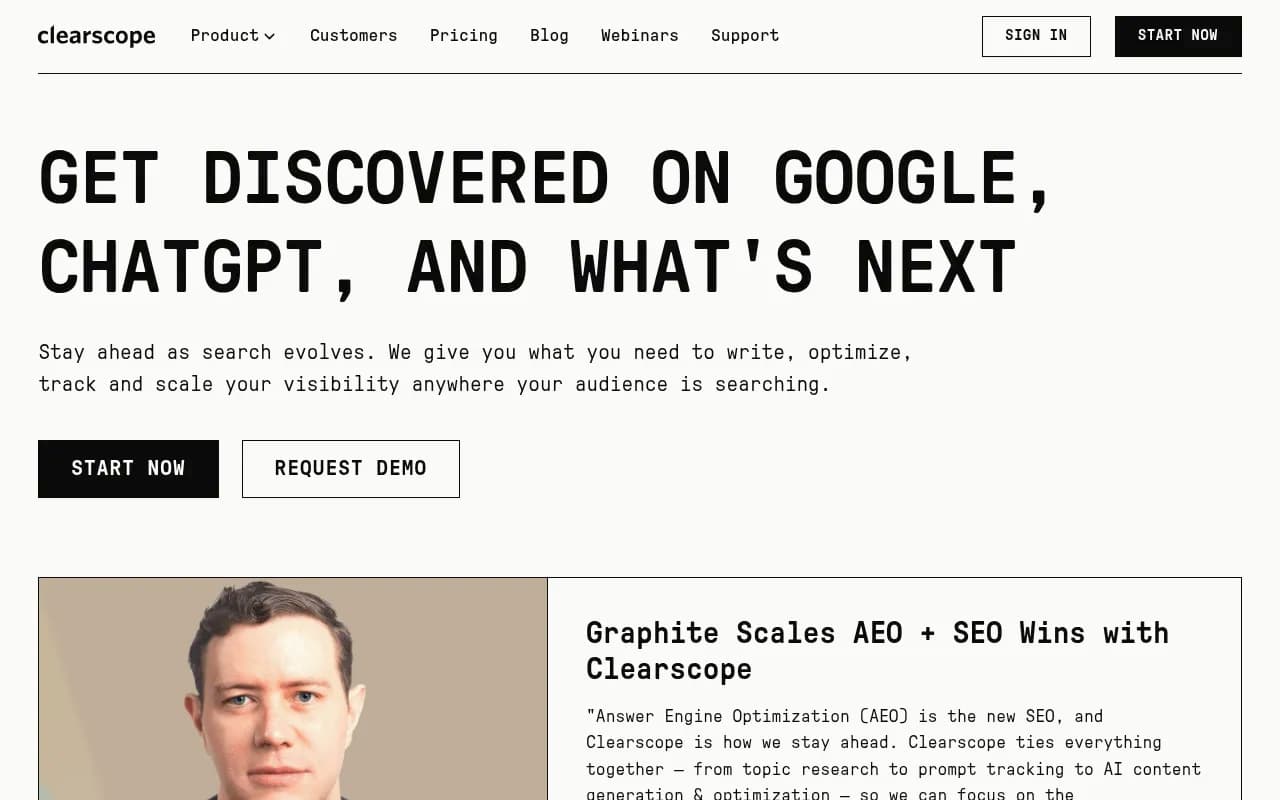
Clearscope does a similar job with a more editorial feel and a higher price tag.
If you want more options in this category, the software directory at surferstack.com lists dozens of content optimization tools with reviews.
Job 3: Getting cited in AI search
This is the job that did not exist as a budget line three years ago. People ask ChatGPT, Perplexity and Google AI Overviews what to buy, and the answers name brands. If you are not in them, you lose traffic you never knew you had.
What gets cited? Promptwatch Data's ChatGPT citation share by content type report (Sep 28 to Oct 4, 2026) found product pages are the most cited type at 22.4%, with landing pages at 16.8%. Listicles take 13.6% and reviews just 1.7% overall, though reviews rise to 5.6% for branded prompts like "is HubSpot good for startups." For commercial prompts, product pages, landing pages, listicles and comparisons make up almost 70% of citations.
The practical read: keep pricing, specs and "who it's for" complete on your product pages, get into the roundups ChatGPT cites, and collect reviews on trusted sites.
One more caution. Don't build a strategy on Reddit seeding. According to Promptwatch's social citation data for the same week, social platforms made up only 0.46% of ChatGPT's citations, and Reddit fell from 5.19% to 0.09%. Google AI Overviews is different: 12.2% of its citations came from social platforms, with YouTube at 4.28%. The Reddit drop on August 14, 2026 is covered in its own report.
Promptwatch
Promptwatch is the one I'd start with if AI visibility is a serious priority. Most tools in this category answer "was my brand mentioned?" Promptwatch goes on to the harder part: it shows which prompts you're missing, flags content gaps, writes and publishes articles through its Content Agent to WordPress, Webflow or Framer, then tracks whether those pages get crawled, cited and clicked. IP-verified AI crawler logs and visitor analytics tie visibility to actual traffic. Pricing starts free for ChatGPT only, with paid plans from $95 a month. Confirm on promptwatch.com/pricing.

Cheaper monitoring-only options
Otterly.AI is an affordable tracker. It tells you where you appear but does not do the fixing, which is fine if you already have a content team.

For a broader field, the GEO software directory at bestgeosoftware.com compares many more platforms.
Job 4: Design, video and voice
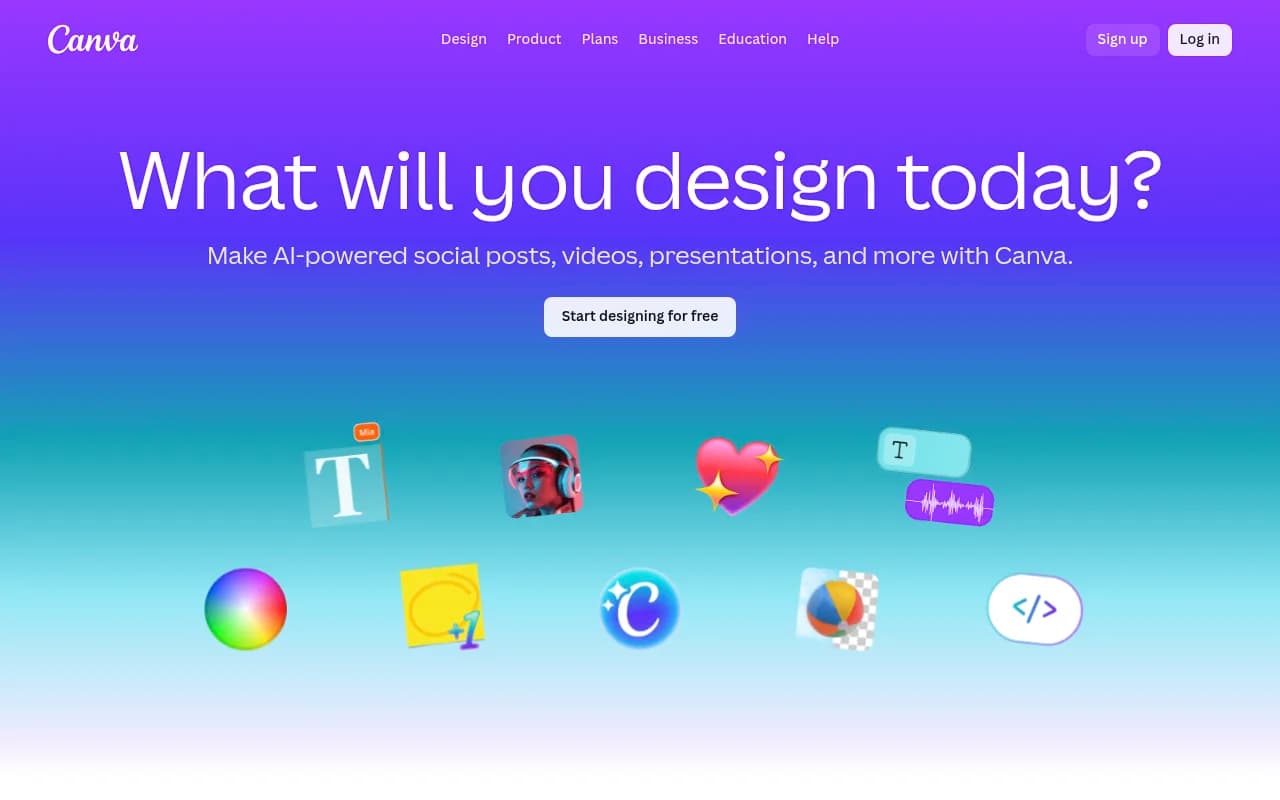
Canva is still the fastest way to produce on-brand social graphics, decks and ad variants. Lock a brand kit so the AI features stay inside your colors and fonts.
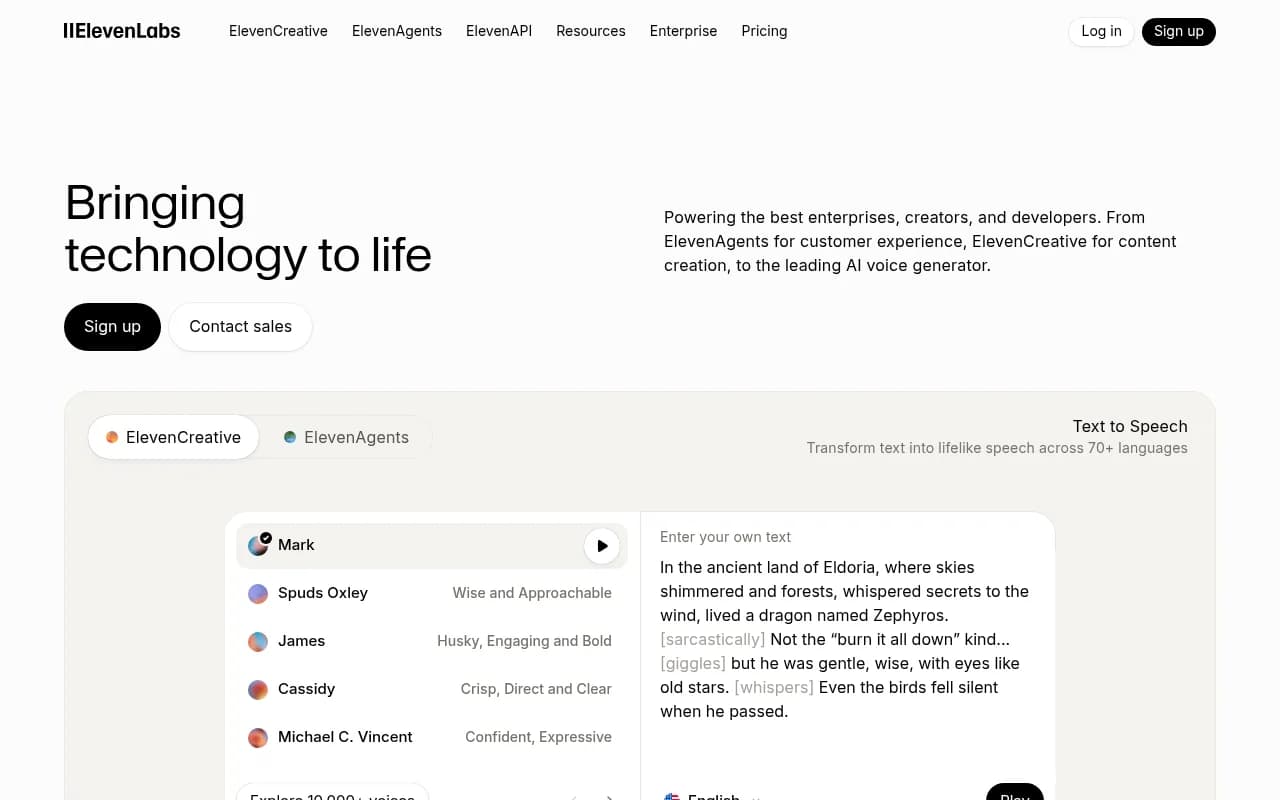
ElevenLabs handles text-to-speech for explainer videos and podcasts. Check usage rights and disclosure norms in your market before publishing synthetic voices.
Job 5: Social media and listening
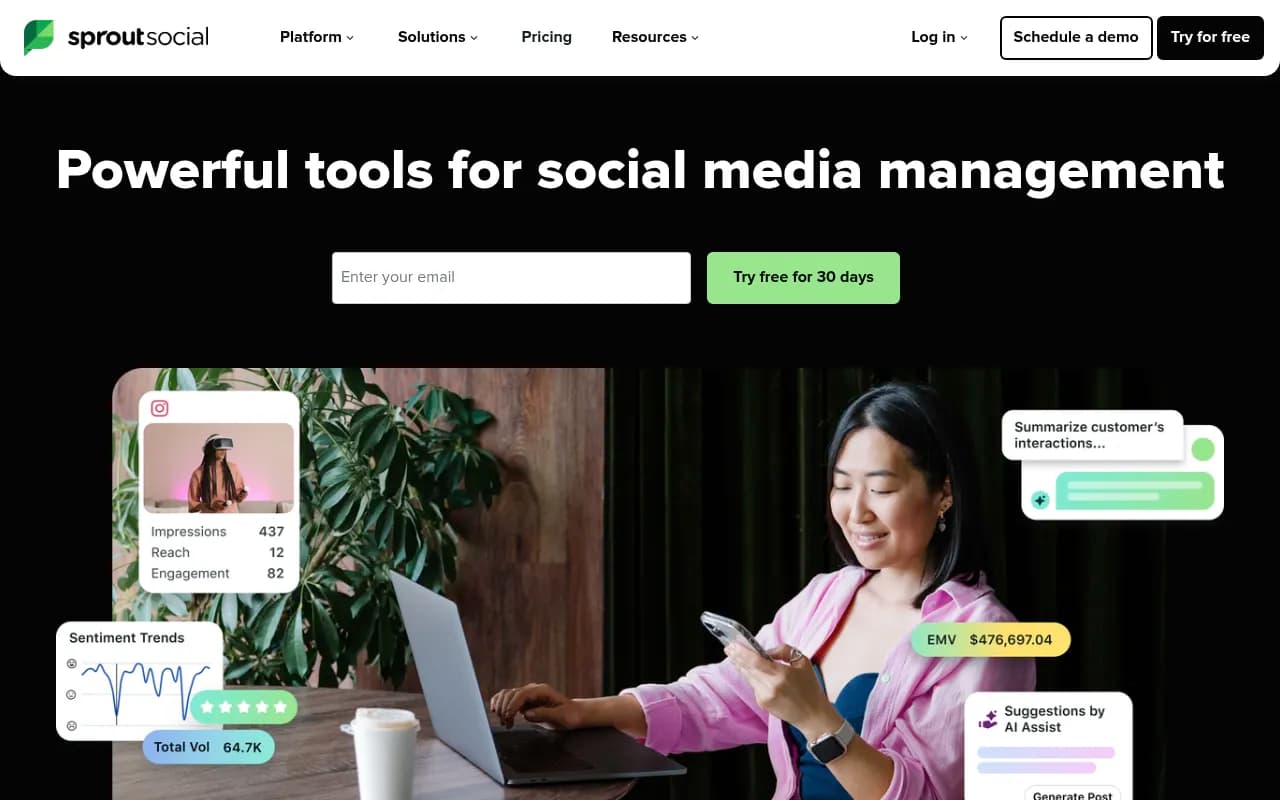
Buffer is the simple choice: queue posts, check basic numbers, move on. Sprout Social costs more but gives you a unified inbox and real reporting for teams.
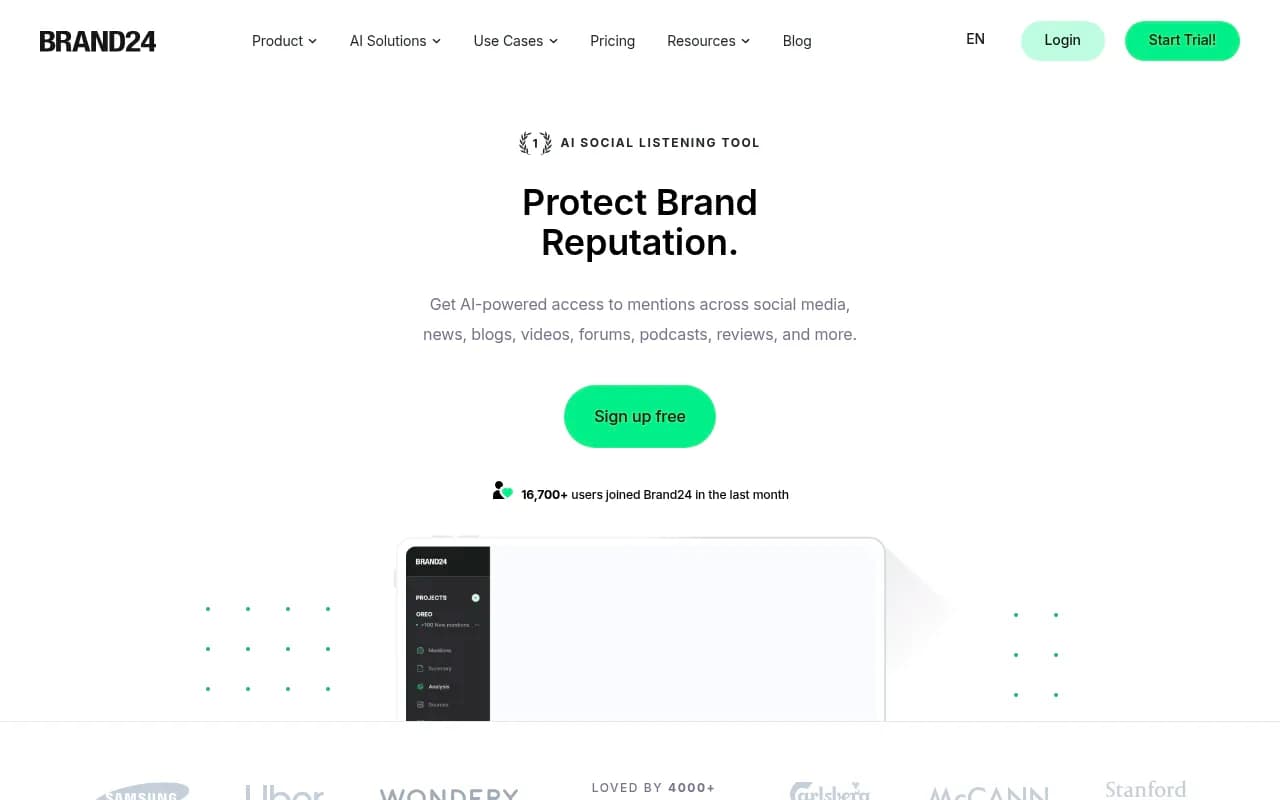
Brand24 watches for mentions across the web and social. Set narrow keywords, or the alerts become noise within a week.
Job 6: Email and lifecycle
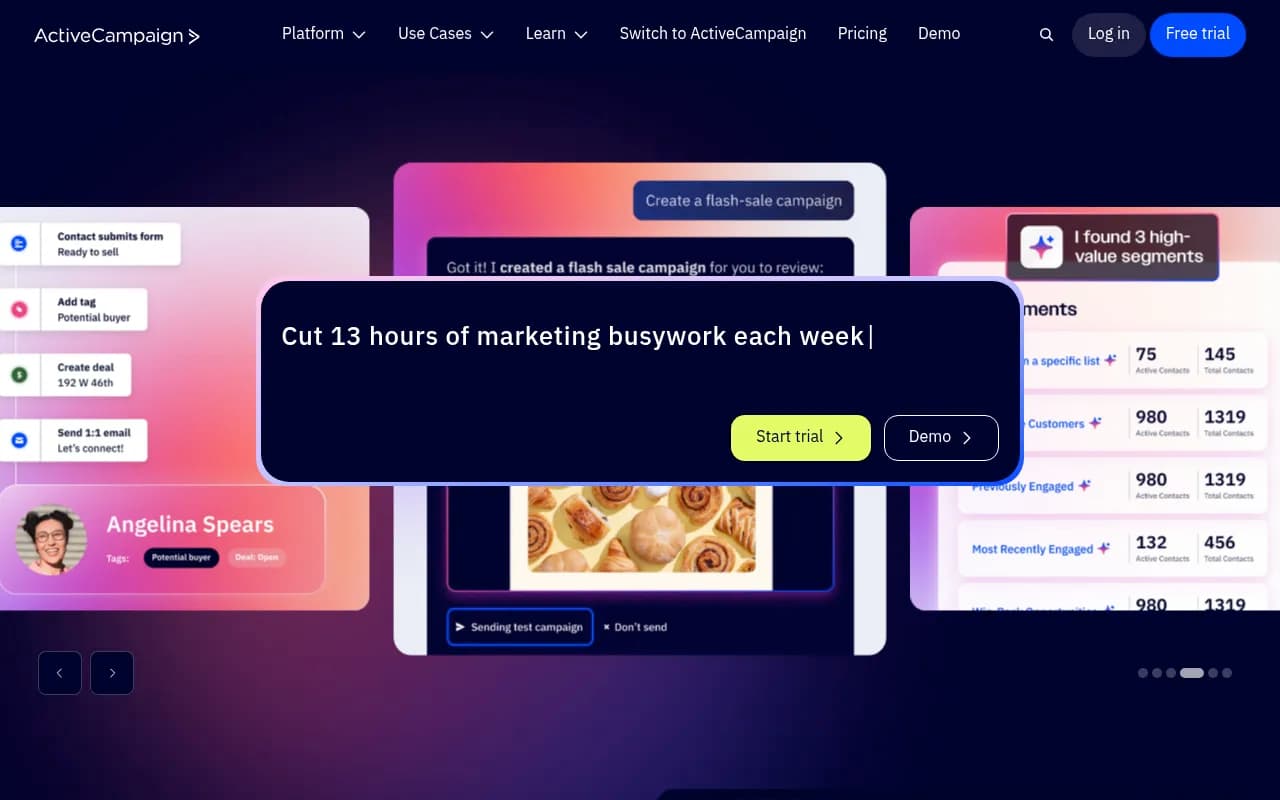
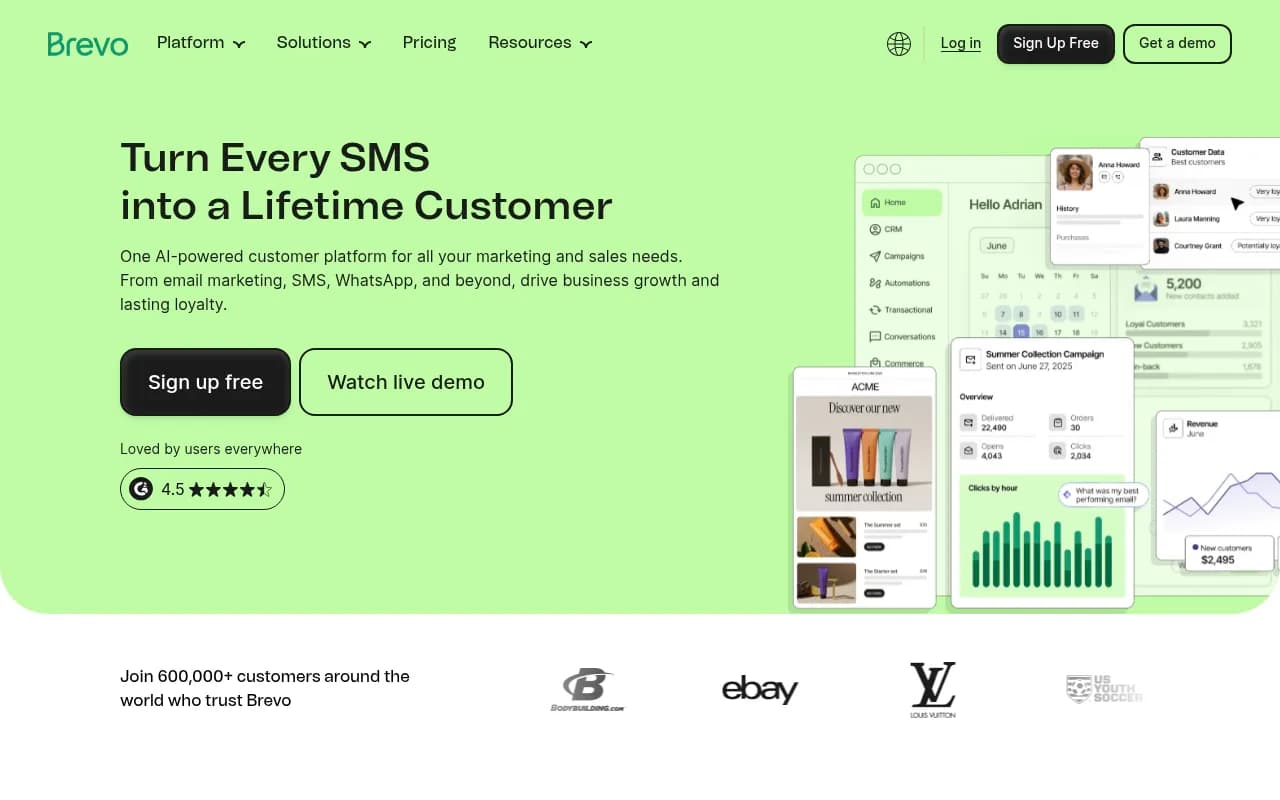
ActiveCampaign is strong when you need behavior-based automation: abandoned carts, onboarding sequences, lead scoring. Brevo covers email, SMS and a light CRM for less.
AI inside these tools mostly writes subject lines and picks send times. Nice, not transformative. The real gain is the automation logic you build yourself.
Job 7: Outreach and lead data
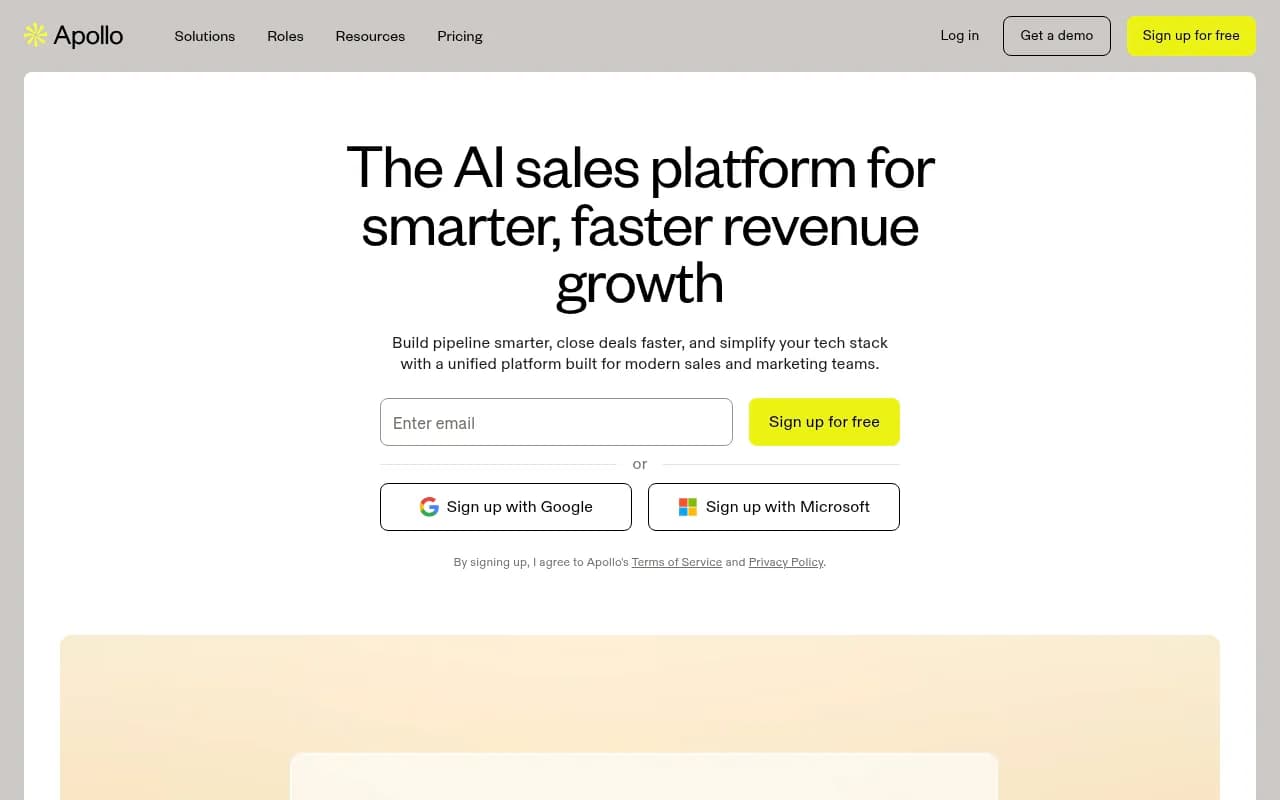
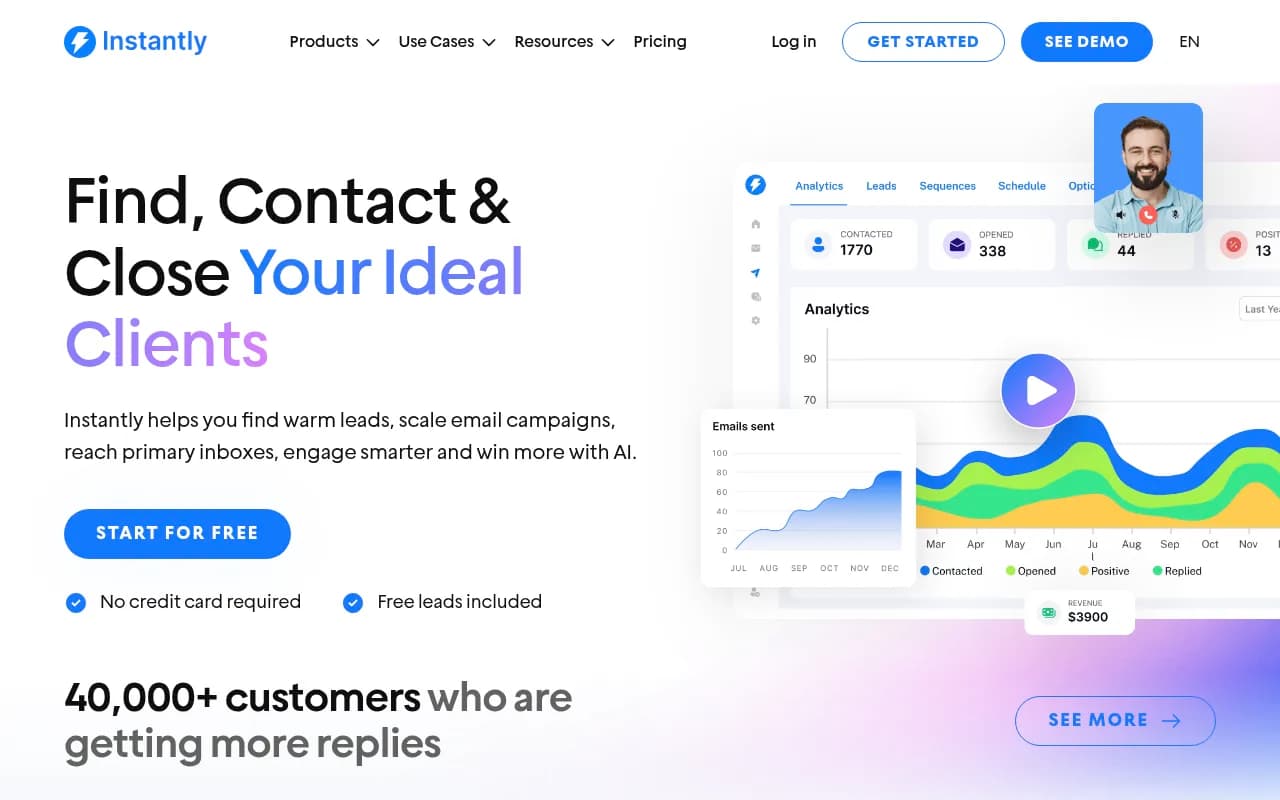
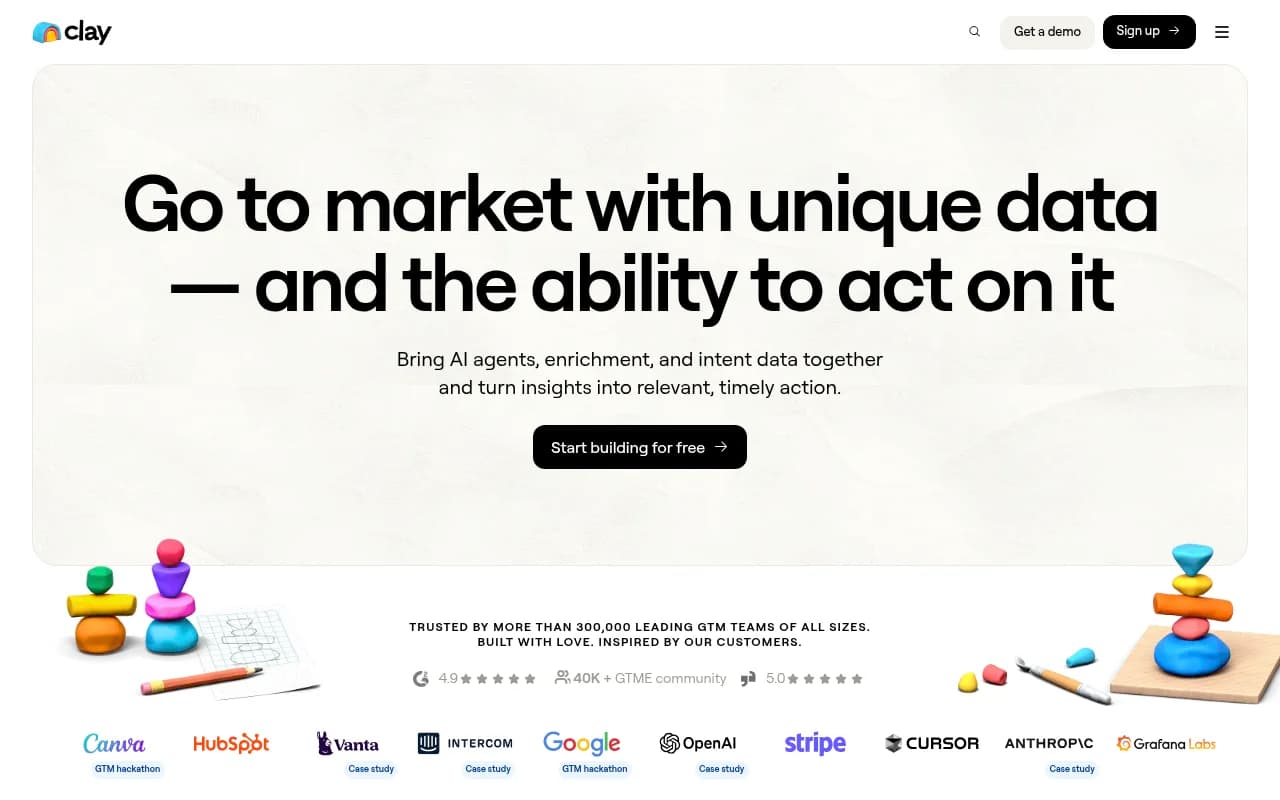
Apollo.io is a good all-rounder for finding contacts and sequencing messages. Instantly.ai focuses on sending cold email at volume. Clay stitches data sources together so you can build custom enrichment and personalization workflows.
A warning I'll repeat: AI makes bad outreach cheaper to send, not better to receive. Personalize on something real, or skip it.
Job 8: The all-in-one platform
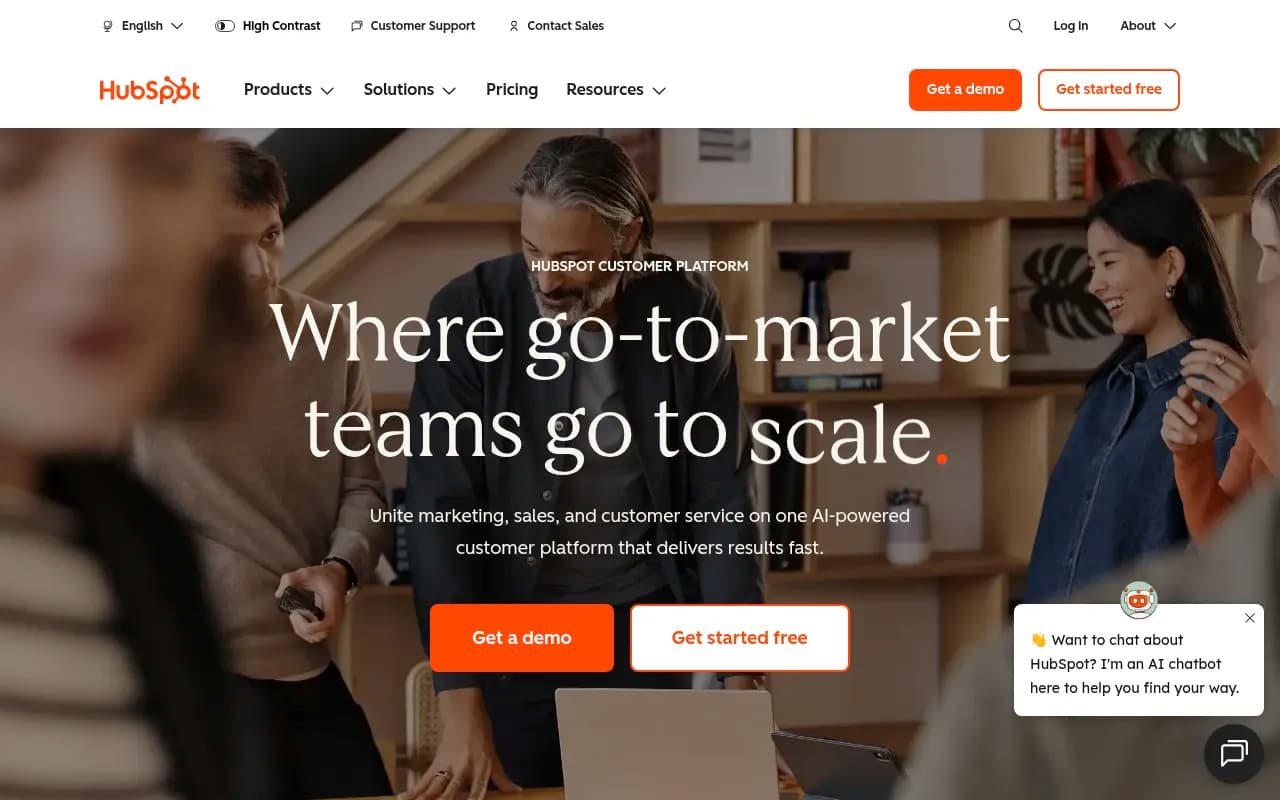
HubSpot is the big single-system pick. One review source quotes Marketing Hub Professional from $800 a month and the Customer Platform Professional from $1,300 a month, with AI agent credits from $10 per 1,000. Those figures are from a third party, so verify them. HubSpot positions its Agent Hub as the home for AI agents built on CRM data, which makes sense if your data already lives there.
The trade-off is cost and lock-in. Small teams often do better with a lighter CRM plus a few specialist tools.
Job 9: Automation glue
Zapier connects thousands of apps with minimal setup. n8n gives technical teams more control and can be self-hosted.
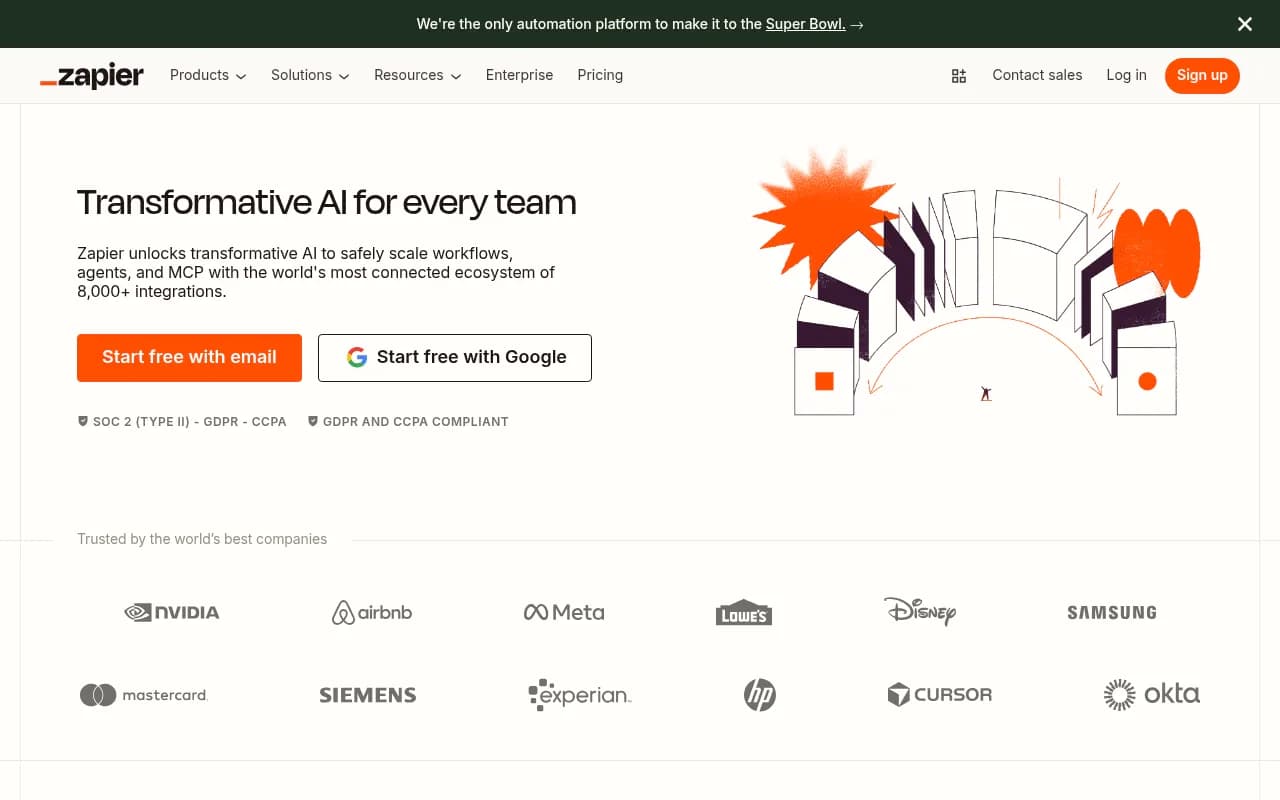
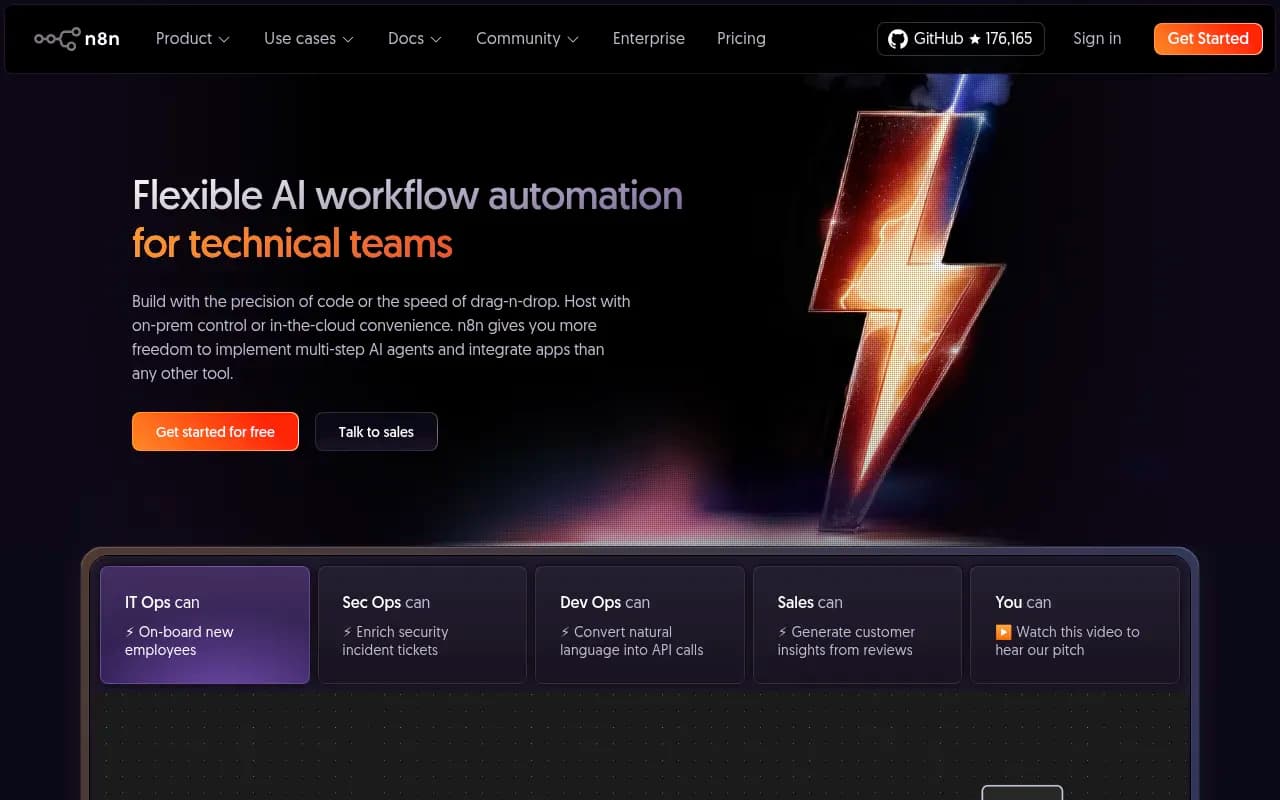
This category quietly saves the most time. A workflow that pushes new leads into your CRM, drafts a first reply and pings Slack beats any shiny content generator.
Job 10: Measuring what worked
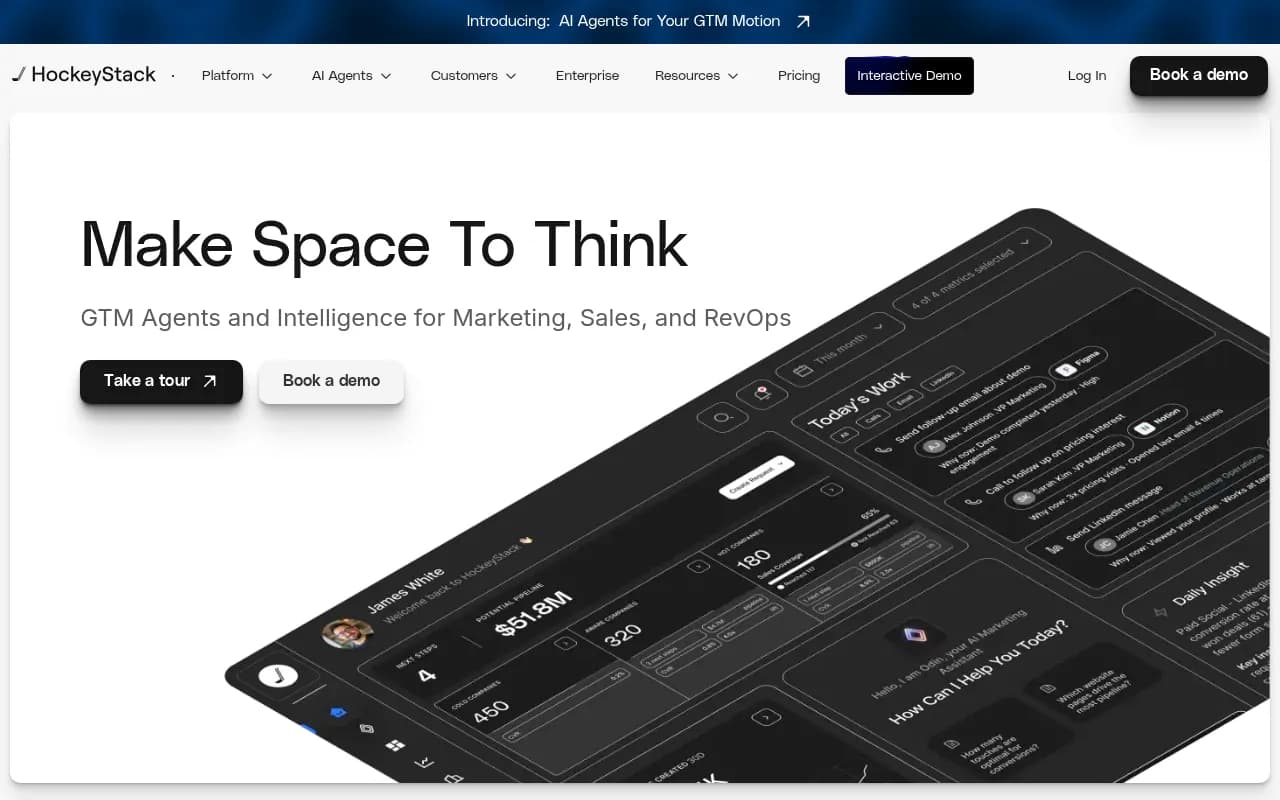
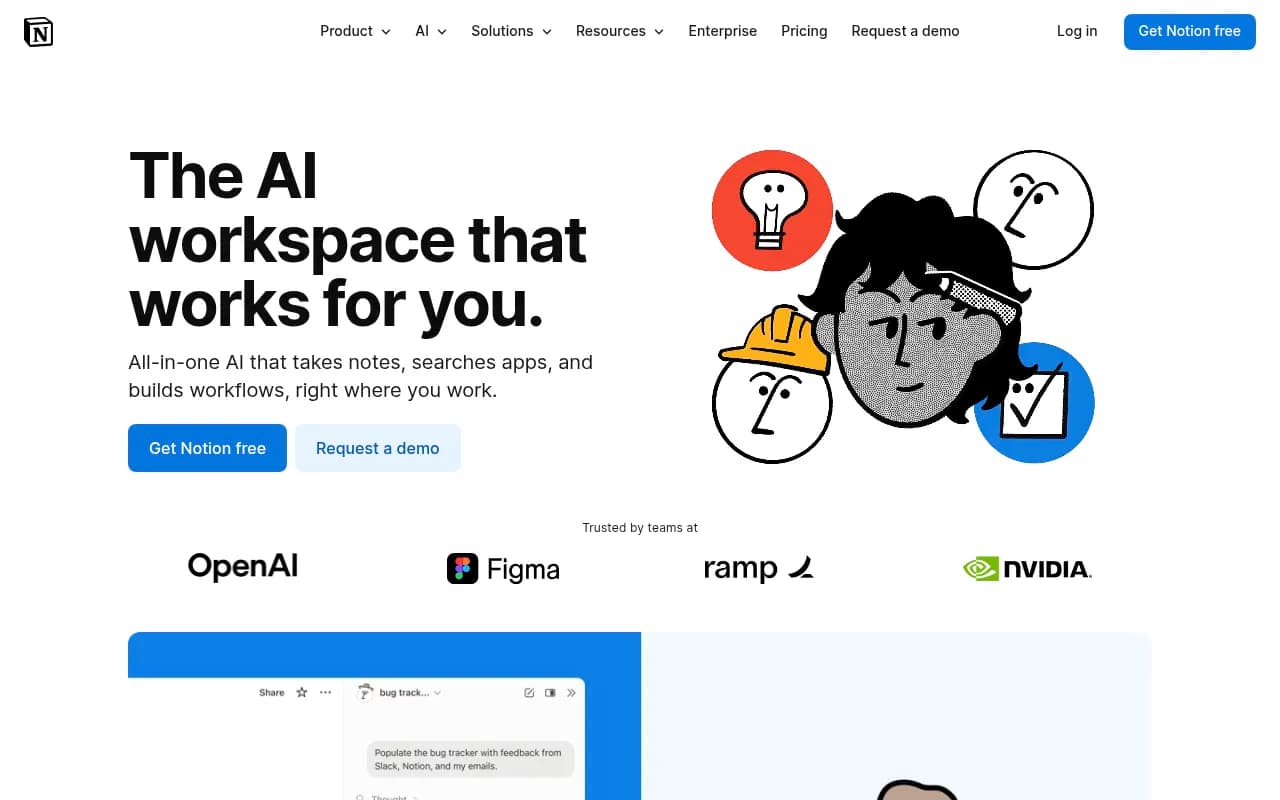
HockeyStack is built for B2B attribution, connecting ads, content and CRM so you can see which touches lead to revenue. It needs clean data to be useful. Notion AI is not an analytics tool, but it is handy for summarizing campaign retros and keeping briefs in one place.
What I'd buy by team type
| Team | Start with | Add later |
|---|---|---|
| Solo founder | ChatGPT or Claude, Canva, Buffer | Semrush |
| Small content team | ChatGPT, Surfer SEO, Semrush | Promptwatch for AI visibility |
| B2B demand gen | HubSpot or ActiveCampaign, Apollo.io, Clay | HockeyStack |
| Agency | Semrush, Promptwatch, Zapier | Sprout Social |
| Developer-tool company | Promptwatch, ChatGPT | n8n |
How to run your own test
Skip vendor demos. Take one real task and run it through two tools:
- Pick a job you do weekly, like a brief, a nurture sequence or a competitor teardown.
- Time it start to finish, including editing.
- Score the output on one question: would I publish this under my name?
- Check whether the tool connects to the systems you already use.
- Re-test after 30 days. If nobody opened it, cancel.
What the roundups get wrong
The lists I read lean heavily on adjectives like game-changing and transformative. Few say which tasks they stopped doing by hand. Some of the ones that did, like the Reddit practitioners, named only two tools. That pattern matches my experience: a general assistant, an SEO data source, and then one tool per job where you hit a real bottleneck.
If you would rather hand strategy and execution to specialists, an agency like 1001 SEO Media combines technical SEO, content and generative engine optimization, and uses Promptwatch for AI visibility work. For everyone else, pick the one job that costs you the most hours this month, trial a tool on it, and measure before adding the next.
For agentic SEO tools specifically, the agentic SEO directory at agenticseotools.com is a useful next stop.