Key takeaways
- An AI writer is a fast first-draft engine, not a GEO strategy. The brief, the original facts and the human edit decide whether a page gets cited.
- Start with one question, phrased the way a buyer would type it into ChatGPT, then match the content type to that intent. Promptwatch Data shows each intent rewards a different mix.
- Structure matters more than word count: answer first, self-contained sections, visible FAQs, crawlable HTML.
- Almost half of ChatGPT responses cite 10 or more domains, so measure across many prompts and plan to share every answer with other sites.
- Publishing is the midpoint. Track crawls, citations and traffic, then refresh pages before they decay.
Why an AI writer alone won't get you cited
I've watched a lot of teams buy an AI writer, push out 50 articles in a month, and then wonder why ChatGPT never mentions them. The tool did its job. The workflow around it didn't exist.
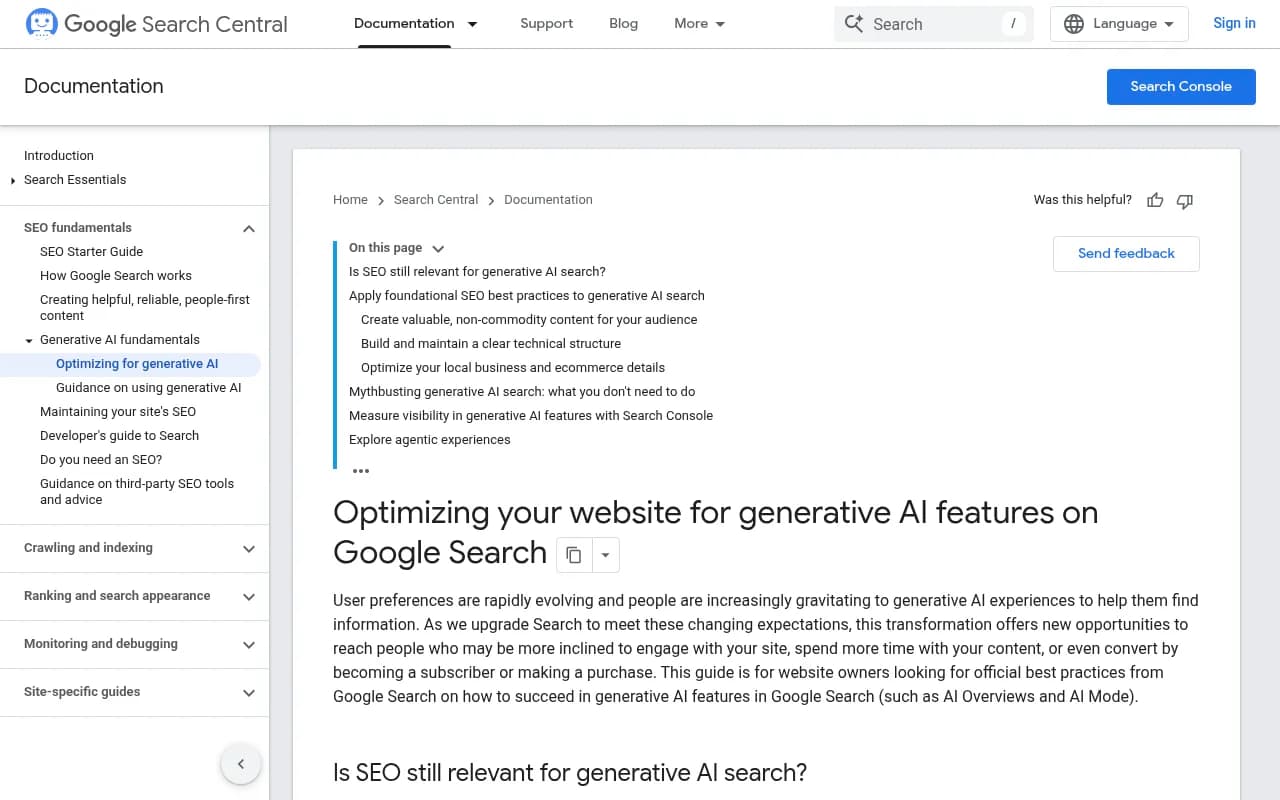
Google's own guidance on generative AI features in Search says to create non-commodity content that is helpful, reliable and people-first, meaning unique, expert-led material that goes beyond common knowledge. That is exactly what a raw AI draft is not. A model trained on the same web as everyone else will produce the average of that web.
So the job of the AI writer is speed. Your job is the inputs (the question, the facts, the proof) and the outputs (structure, edit, measurement). The rest of this guide walks through that split in six steps.
A quick note on labels. GEO, AEO and AI search optimization get used interchangeably. Google says it does not treat them as separate practices. Don't spend time on the naming debate.
Step 1: Pick one question and one intent
The Relato GEO workflow makes a point I agree with: the first step is the brief, and specifically deciding which single question the piece answers, in the buyer's words. Write the prompt the way someone would actually type it into ChatGPT before you pick a keyword.
A useful test: if two writers read your brief and produce drafts answering different questions, the brief isn't done.
Then decide the intent, because it changes what you should write. Promptwatch Data on which content types ChatGPT cites (Sep 28 to Oct 4, 2026) splits citations by prompt type:
| Prompt intent | Example | Most cited types (share of citations) |
|---|---|---|
| Commercial | best CRM for small businesses | Product pages 26.0%, landing pages 20.6%, listicles 15.0%, comparisons 7.9% |
| Informational | how does a CRM work | Product pages 19.1%, landing pages 13.9%, listicles 13.6%, how-to guides 10.7%, docs 8.5% |
| Branded | is HubSpot good for startups | Product pages 23.3%, landing pages 22.8%, reviews 5.6%, FAQ pages 4.8% |
Across all prompts, product and landing pages together take about 39% of citations. Editorial formats combined take 43%. A blog post is not the only thing an AI writer should be producing. For commercial intent, your draft might be a comparison page or a better product page, not a 2,000-word article.
Research the question before you generate anything
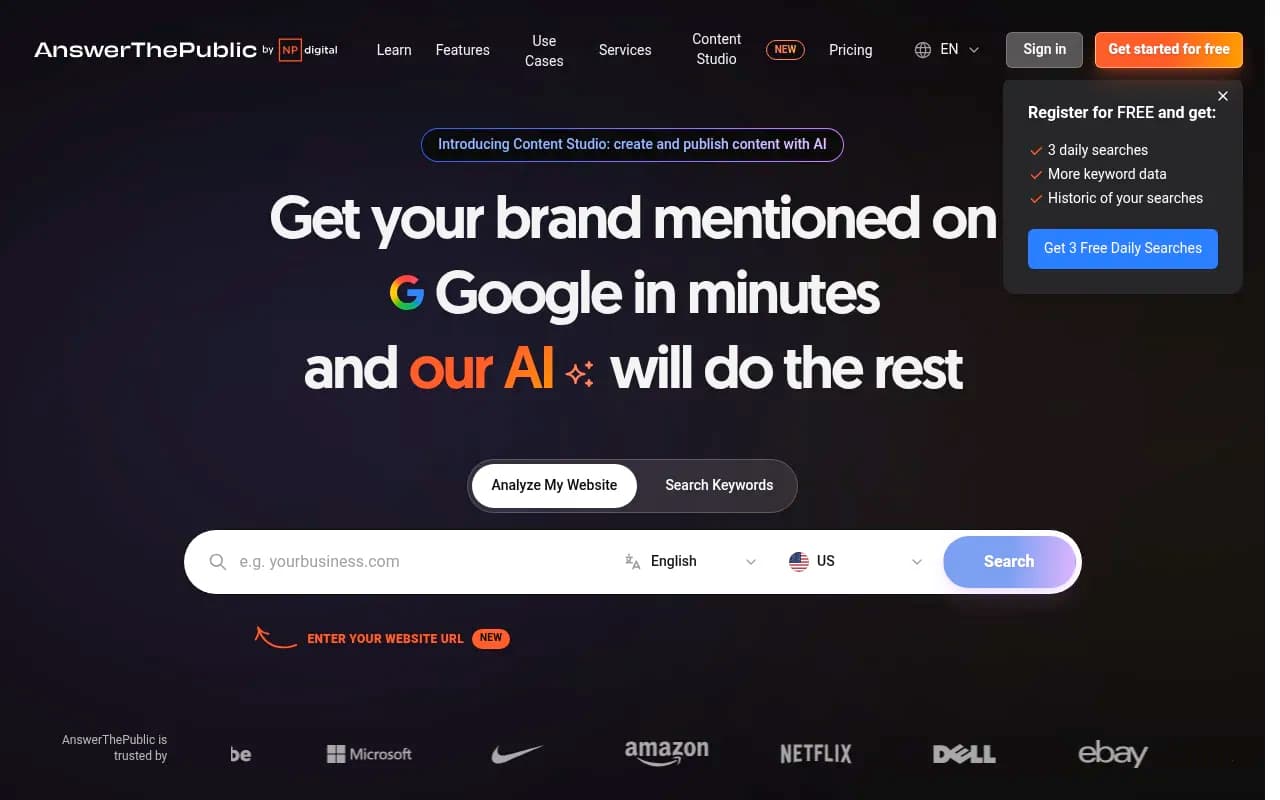
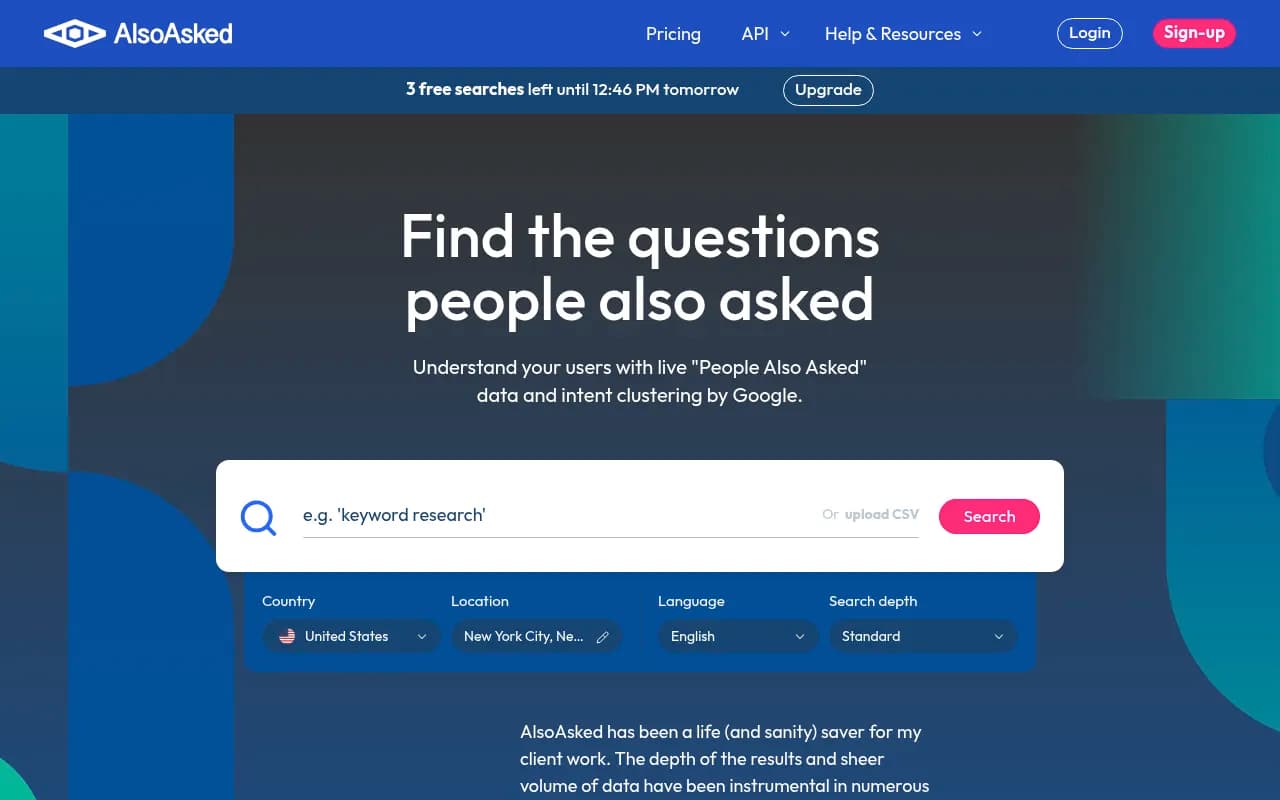
For question discovery, tools like AnswerThePublic and AlsoAsked surface the phrasing people use. Promptwatch's prompt intelligence adds monthly volumes, difficulty and the query fan-outs AI runs per response, which tells you the sub-questions your page needs to cover.
Step 2: Build a brief the AI writer can't wriggle out of
Most AI writers fail at the input stage. If you type a keyword and press generate, you get commodity content. A good brief includes:
- The single question and the intent (commercial, informational, branded)
- The target reader and what they'll do next
- Follow-up questions a buyer is likely to ask
- Your own proof: numbers, screenshots, customer quotes, internal data, pricing
- Competing sources AI already cites for the prompt
- Brand facts, tone of voice and words to avoid
- Internal links to include
The totheweb GEO checklist puts it well: answer the main question completely, then add what a buyer would need next. A clear definition of the problem, the main options or trade-offs, examples or proof, and follow-up questions. The goal isn't length. It's completeness.

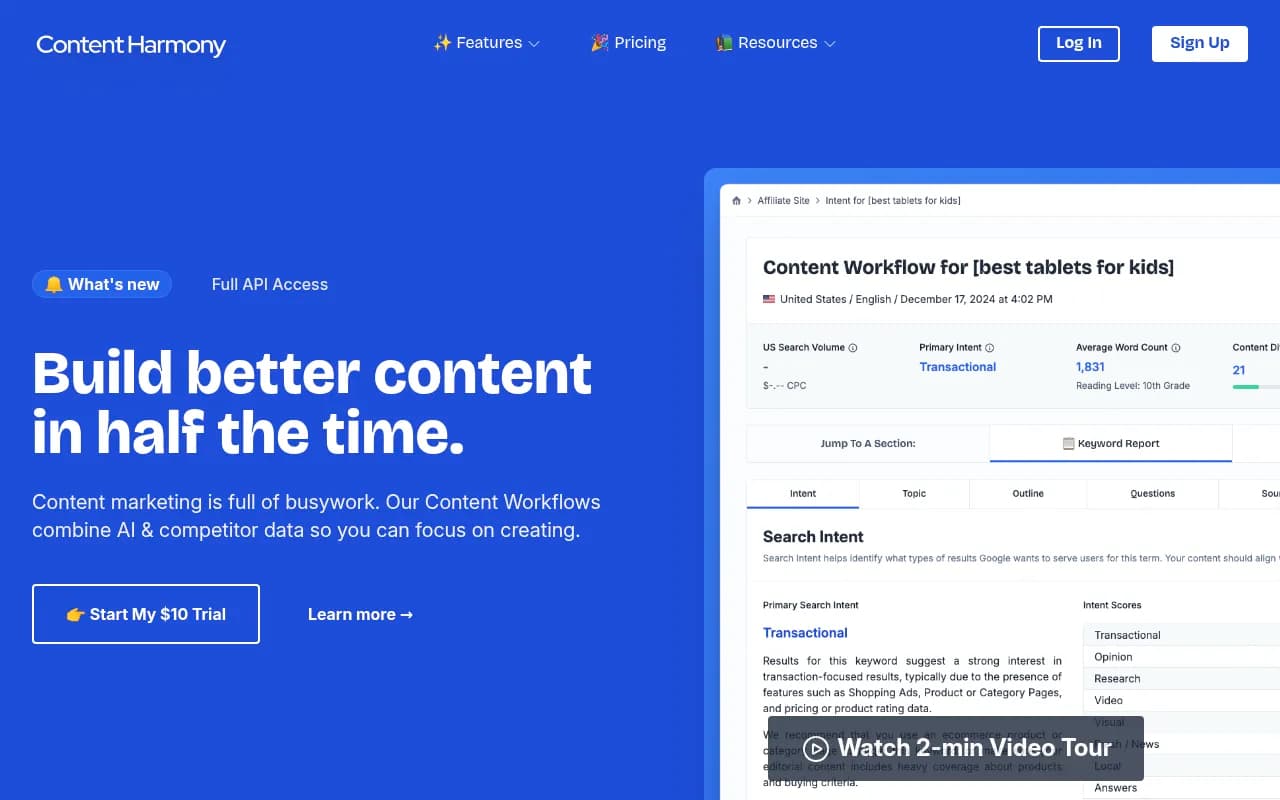
Brief tools help here. Content Harmony, Dashword and Frase all produce SERP-based briefs. Surfer's walkthrough, in this Surfer Academy tutorial, covers checking search intent first, then building an outline from competitor research.
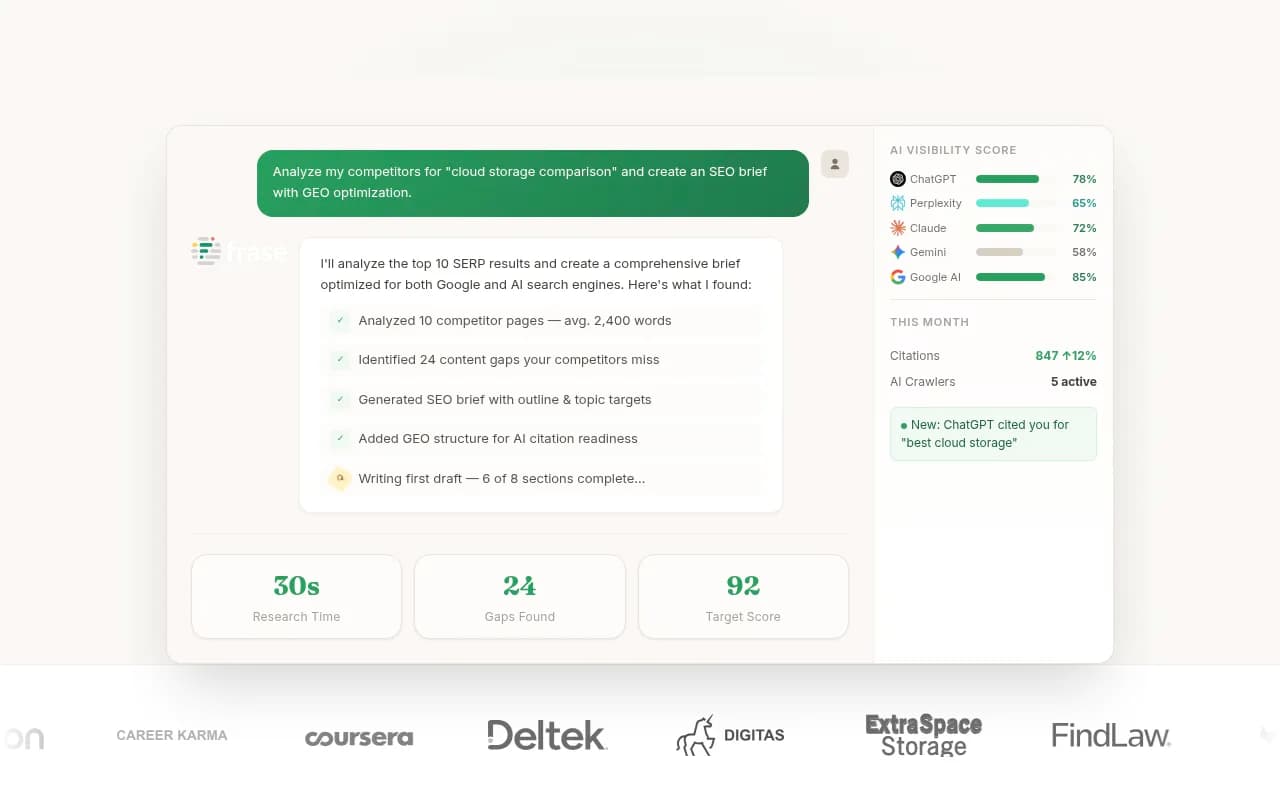
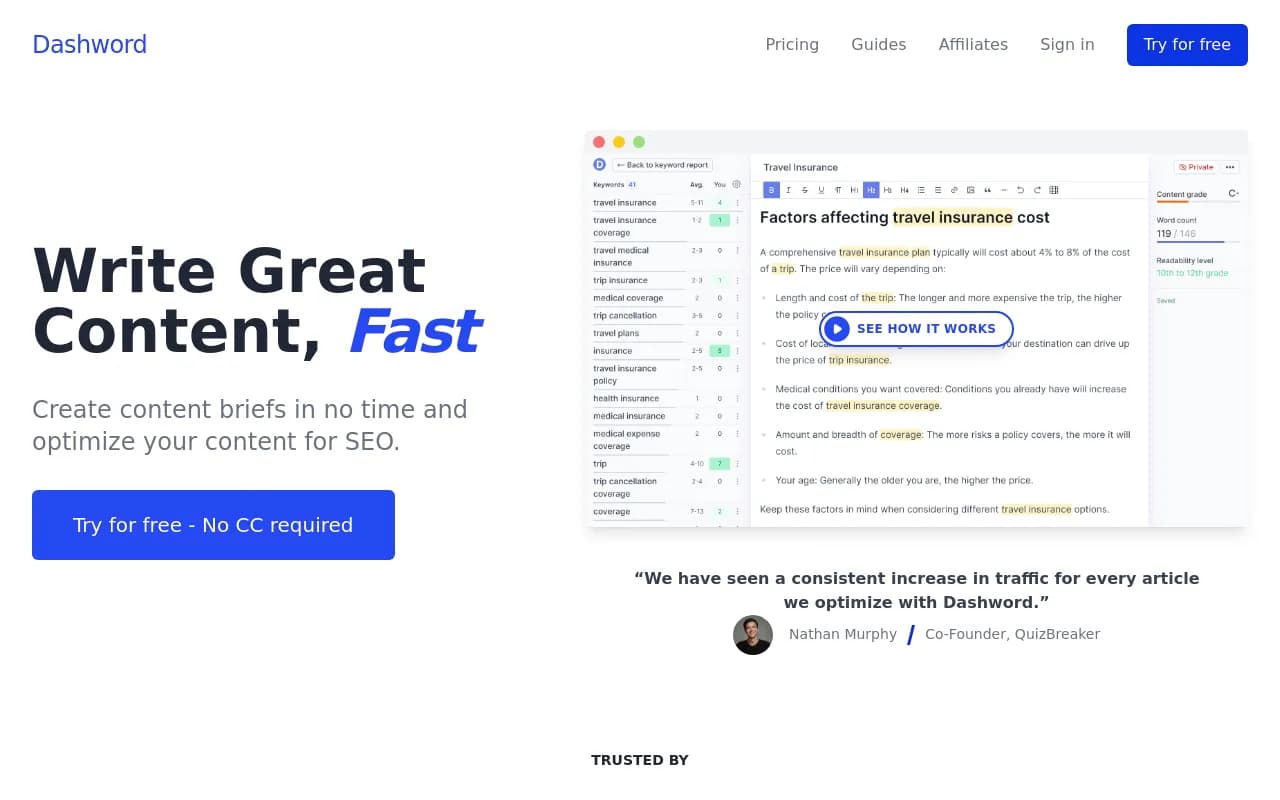
One thing the briefs from SEO tools usually miss is what AI systems actually cite. That's where an AI visibility platform helps. Promptwatch maps your pages against the prompts AI answers (content gap analysis) and can turn any citation's prompts into a content brief, so the brief starts from real answer gaps instead of keyword guesses.

Step 3: Choose the AI writer for the job
There are two kinds of AI writers in 2026, and mixing them up causes most of the disappointment.
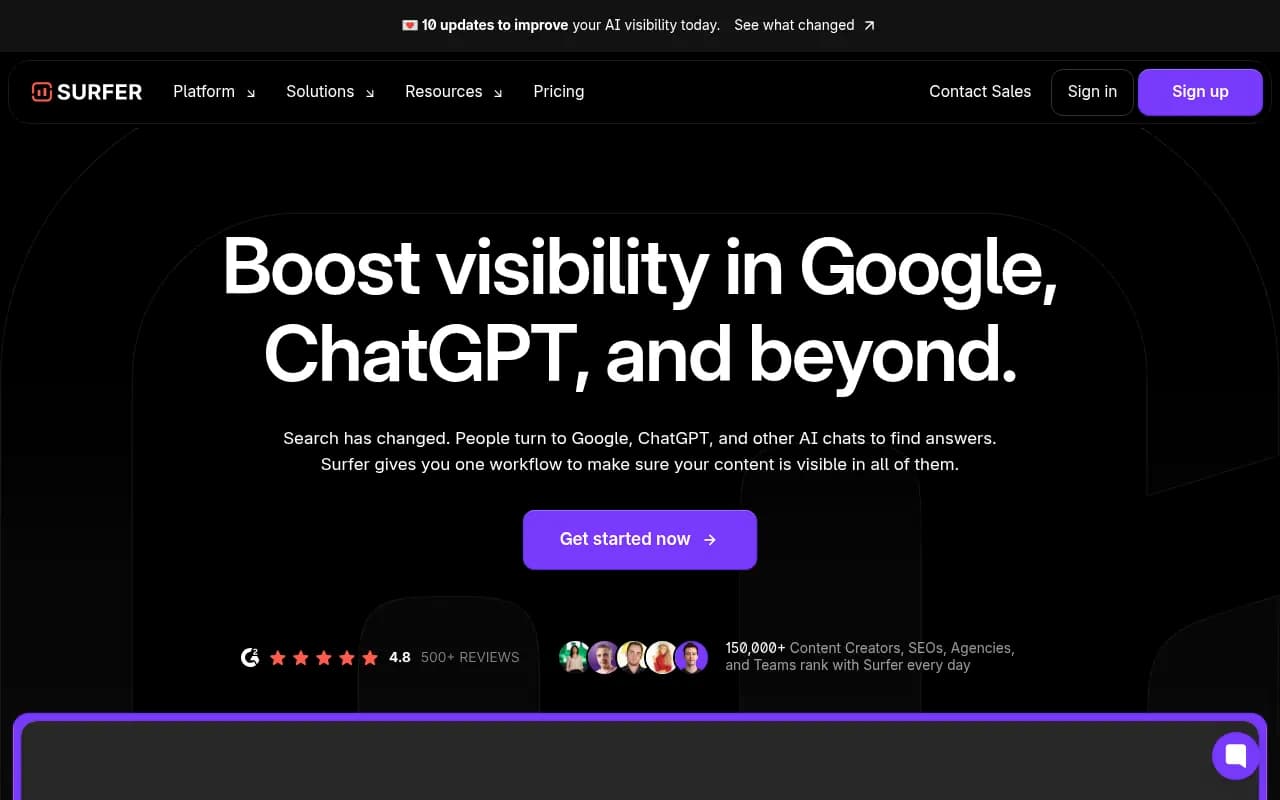
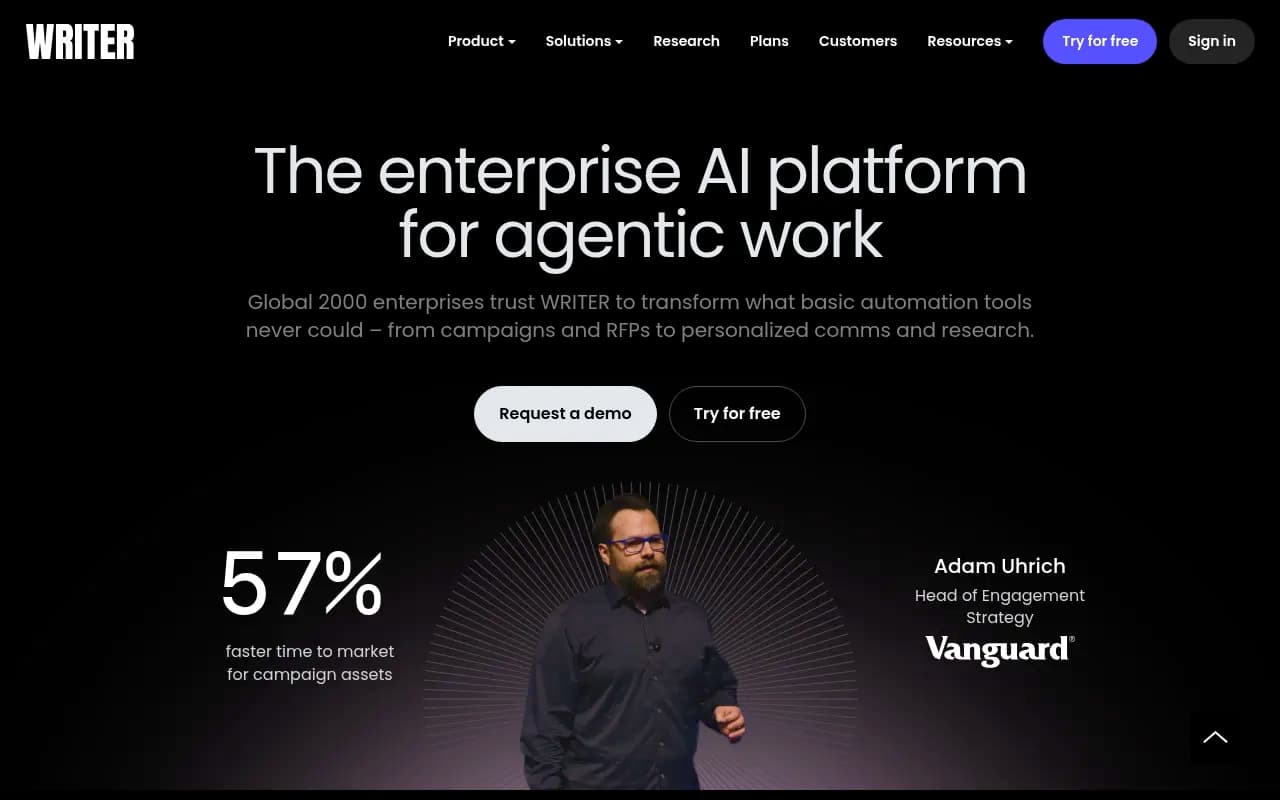
Drafting assistants (ChatGPT, Jasper, Copy.ai, Rytr, Writer) work from your brief and you control the process. Autopilot platforms (Byword, Outrank, Gentura, Skribra and similar) research, write and publish with less supervision. Optimization editors (Surfer, Clearscope, NeuronWriter, MarketMuse) score and guide a draft after or while you write.
| Tool type | Examples | Good for | Watch out for |
|---|---|---|---|
| General drafting | ChatGPT, Jasper, Copy.ai | First drafts from a detailed brief, rewrites, FAQ generation | Generic output if the brief is thin |
| Governed enterprise writing | Writer | Brand rules, compliance, team workflows | Setup effort |
| SEO writing platforms | Surfer SEO, Frase, NeuronWriter | Outline, term coverage, scoring | Chasing a score instead of answering the question |
| Autopilot article engines | Byword, Outrank, Skribra | Volume on low-risk topics | Thin, unverified claims |
| Optimization plus visibility | Promptwatch Content Agent | Writing against measured AI visibility gaps, publishing to Webflow, Framer or WordPress | Business or Enterprise plan for the full agent |
My opinion: for anything money-related, use a drafting assistant with a strong brief and a human editor. Save autopilot engines for supporting content where a wrong detail costs you little.
The Promptwatch Content Agent is different from a generic writer because it is grounded in your visibility data. It plans, writes and publishes against gaps in the prompts AI answers, uses your Knowledge Base and Brand Book for facts and tone, and offers a review inbox where you approve, edit or decline each piece, or run it hands-off. Published pages are then tracked for crawls, citations and AI traffic.
Step 4: Draft for extraction, not for a results page
SEO writing optimizes for a crawler and a results page. GEO writing optimizes for retrieval and extraction: clear definitions, self-contained sections, and formatting a model can lift without mangling the meaning.
Practical rules to put in your AI writer's prompt:
- Open with a two or three sentence summary that names the topic and who the page is for. Older SEO copy builds up to the point. AI reads the opening lines first to decide what the page covers.
- Make each section answer one question well enough to stand alone.
- Use question-style H2s and H3s where it's natural, and put the answer in the first sentence under each.
- Define technical terms where they first appear.
- Use lists and tables for options, steps and comparisons.
- Write conversationally. Use natural variations of a concept instead of repeating one keyword.
- End major sections with a concrete fact, not a vague wrap-up.
The Search Engine Land step-by-step guide claims pages with clear H2/H3 and bullet structure are 40% more likely to be cited, and that Q&A formats perform well because they match how people ask. Treat the exact percentage with some caution, since it's a single source, but the direction matches everything else I see.
A prompt skeleton you can reuse
Write a section for the question: "{question}".
Reader: {persona}. Intent: {commercial|informational|branded}.
Start with a 2-sentence direct answer.
Then cover: definition, main options and trade-offs, one worked example.
Use ONLY these facts and numbers: {pasted facts with sources}.
If a fact is missing, write [NEEDS SOURCE] instead of guessing.
Tone: {brand tone}. No filler intros, no generic conclusion.
That "[NEEDS SOURCE]" line is the most valuable thing in the skeleton. It turns hallucinations into a to-do list.
Step 5: Edit like a human with something to say
The edit is where the page becomes non-commodity. Budget real time for it.
- Fact-check every number against its source. Delete anything you can't verify.
- Add what only you know: your pricing logic, a customer result, a screenshot of your own dashboard, a mistake you made.
- Cut hedging and filler. AI drafts love throat-clearing intros and tidy closing paragraphs.
- Check that each section survives being quoted on its own.
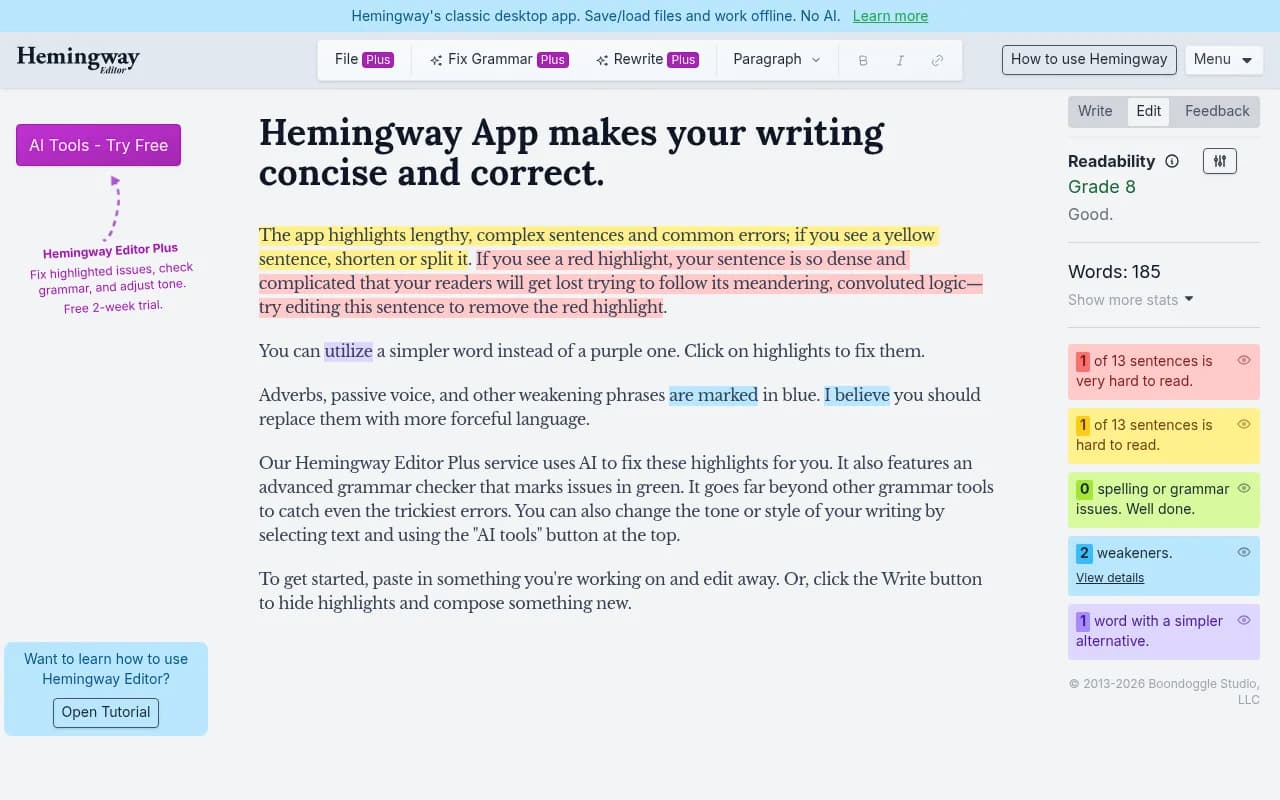
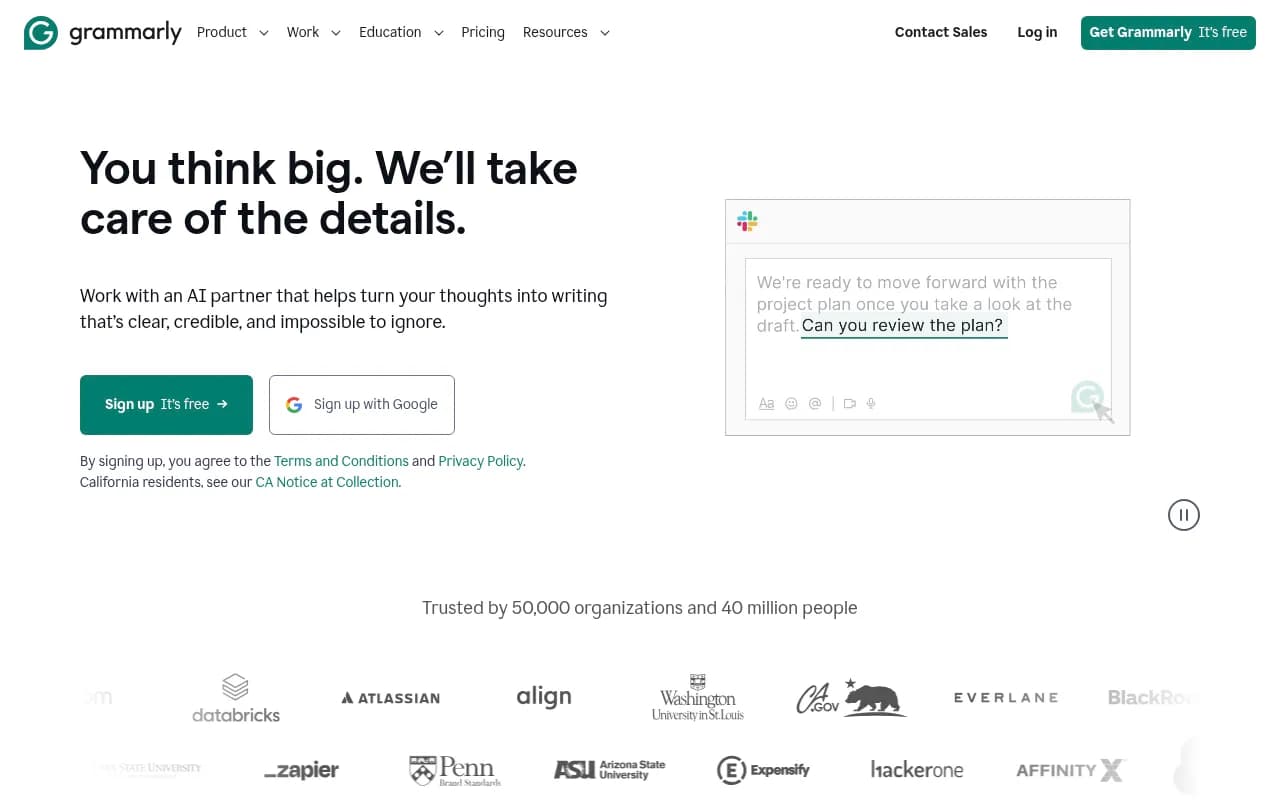
- Run a readability pass with Hemingway App or Grammarly.
If you're short on people to do this, or want the whole process run by senior specialists, an agency can take it on. 1001 SEO Media does content production and generative engine optimization as a service, if you'd rather hand over the workflow.
Structure the page technically
The totheweb audit notes that pages fail for plain reasons: broken heading order, vague title tags, no summary at the top, and no visible FAQs or schema. AI uses your HTML as the map of the page. Keep important content in crawlable HTML, not behind scripts or tabs. Schema App and Yoast SEO help with structured data on the CMS side.
Step 6: Publish, then confirm AI can actually read it
A page ChatGPT can't crawl is a page it can't cite. Check robots.txt, response codes and rendering. Promptwatch's crawler logs are IP-verified, so you can see GPTBot, OAI-SearchBot, ClaudeBot and PerplexityBot visits, which pages they read and what errors they hit. Its free Agentic Readiness Check also shows which AI crawlers can reach your site. For a DIY route, Screaming Frog crawls for structural problems and Google Search Console shows indexing.
Publish on a stable URL, add internal links from relevant existing pages, and put the date and author on the page.
Step 7: Measure across many prompts, not one
It's tempting to type your target prompt into ChatGPT once, see your brand, and celebrate. Don't. Promptwatch Data on unique domains per ChatGPT response (Sep 28 to Oct 4, 2026) found 47.6% of responses cite 10 or more domains, 66.1% cite at least 8, and only 6% cite three or fewer. For organic prompts, 52.5% cite 10 or more. Brand-specific prompts are tighter, with 5 domains the most common count at 14.9%.
What that means for you:
- You will share almost every answer with many other sites. Winning is about being one of the ten, and in a good position.
- Earn mentions on third-party reviews, listicles and forums, not just your own pages.
- Track position and how the model describes you, not only whether you're cited.
Track a panel of prompts daily. Options range from lightweight trackers like Otterly.AI and Peec AI to broader platforms. If you want to see the whole loop in one place, Promptwatch ties visibility score, share of voice, citations, AI-referred visitor analytics and the Action Board together, so underperforming pages come back as tasks. The GEO software directory at bestgeosoftware.com lists more options if you want to compare.


Step 8: Refresh before content decays
AI citations have a shelf life, and it varies by format. Promptwatch Data on the half-life of content in ChatGPT followed every page cited on July 6, 2026 for 90 days:
| Content type | Still cited after 30 days | Still cited after 60 days |
|---|---|---|
| Landing pages | 78% | 69% |
| Docs | 76% | 67% |
| Comparisons | 72% | 63% |
| Listicles | n/a | 60% |
| Product pages, reviews, how-tos | n/a | about 55% (half-life 74 to 77 days) |
| News | half gone by day 36 | 41% |
The report notes the top four types only cross 50% in the final week, when the tracking window ends, so their real half-life is likely near or beyond 90 days. Still, the direction is clear. News is a short burst. Comparisons, listicles and landing pages last. A sensible refresh schedule:
- Product and pricing pages: whenever prices, features or specs change
- Listicles and how-to guides: review every 60 days
- News and announcements: treat as disposable, don't refresh
- Comparisons: recheck competitor facts quarterly
An AI writer is genuinely good at this part. Feed it the old page, the changed facts and the new prompts you're missing, and ask for a diff-style update you can review. Promptwatch's Content Refresh gives git-diff-style updates for existing pages.
A weekly rhythm that works
| Day | Task |
|---|---|
| Monday | Review visibility and citation changes; pick 3 gaps |
| Tuesday | Write briefs with real proof and facts |
| Wednesday | Generate drafts with the AI writer |
| Thursday | Human edit, fact-check, add original material |
| Friday | Publish, check crawl access, log what to measure |
Small teams can run this with one editor and one AI writer. Larger ones can split roles. The point is to keep the loop closed so you learn which formats get cited for your category.
Common mistakes
- Publishing AI drafts without original facts. This is the fastest route to commodity content.
- Chasing a content score instead of answering the question.
- Writing only blog posts when the data says product and landing pages dominate commercial citations.
- Hiding the answer below a long intro.
- Checking one prompt, once.
- Ignoring crawlability. Promptwatch Data shows markdown files make up just 0.05% of AI search citations, so clean HTML pages are what AI search reads.
Where to go from here
If you only change three things this week: write the brief around one buyer question, make your AI writer cite only facts you supply, and measure across a panel of prompts instead of one. Keep specs, prices and positioning on product pages complete and factual, publish step-by-step guides for pre-purchase questions, and keep docs public and crawlable. For more tools in this space, the agentic SEO tools directory is a good next stop.