Key takeaways
- Freelance blog posts mostly run $150 to $600 for mid-level writers, while AI subscriptions cost roughly $20 to $100 a month. The sticker prices are not the real comparison, because editing, fact-checking and publishing time is where the money goes.
- Google does not ban AI content. It does penalize publishing lots of pages without adding value, and that policy applies whether humans or machines wrote them.
- AI wins on speed, volume and first drafts. Humans win on original reporting, voice, judgment and anything where a wrong fact is expensive.
- The cheapest workable setup for most teams is a hybrid: AI drafts, a named human adds something the model couldn't know, and someone reads every page before it goes live.
- Several widely quoted cost studies come from vendors selling their own tools. Treat their numbers as marketing until you can check them.
The sticker price is the wrong number
Everyone starts the AI-versus-freelancer debate with price. A freelancer quotes $400 for a post. ChatGPT costs $20 a month. Done, right?
Not really. The $20 subscription gets you a draft. It does not get you a draft that is accurate, on-brand, differentiated, and safe to publish under your name. Somebody has to do that part, and that somebody has a salary or an hourly rate.
The flip side is also true. A $500 freelance article is not really $500 either. You brief the writer, review the draft, manage revisions, format it in your CMS and write the meta description. One vendor estimate puts that overhead at around five hours of your time per article. That figure comes from Averi, which sells a competing product, so I would treat it as a rough ceiling rather than a fact. But the direction is right: neither option is as cheap or as expensive as it looks on the invoice.
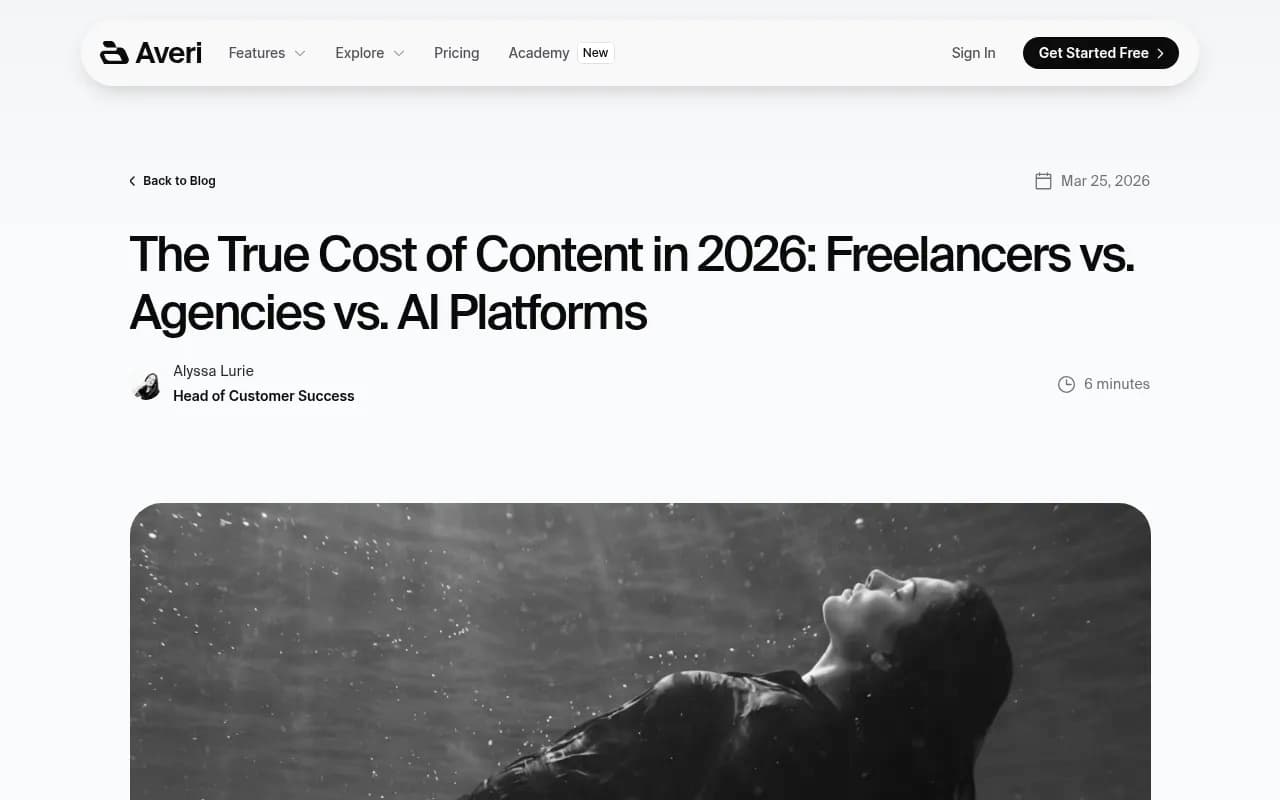
The Averi article is worth reading for its framework of hidden costs (management time, context loading, SEO tooling, publishing). Just discount its conclusion that its own product wins on every metric. A table where one vendor is the best at everything is a sales page.
What human freelancers cost in 2026
Rates vary enormously, and the surveys disagree with each other because they sample different people.
| Source | Blog post rate | Notes |
|---|---|---|
| EFA rate chart | $0.25 to $0.40 per word, or $75 to $100 per hour | Business and marketing writing is $0.50 to $1.00 per word |
| Mediabistro | $150 to $300 junior, $300 to $600 mid-level, $600 to $1,500 senior | For 800 to 1,500 word posts |
| Peak Freelance | $250 to $399 most common | For a 1,500-word post |
| January 2026 survey of 500 writers | Average $0.42 per word | Cited in a Medium summary |
| 2025 State of Freelance Writing | 46.6% charge $0.05 to $0.10 per word | Only about 2% charge over $1.00 |
That last row matters. Nearly half of working freelance writers charge under ten cents a word, and Mediabistro notes that rates below $0.10 usually mean junior writers or content mills. So when someone says humans cost $0.05 a word, they are describing the bottom of the market. You get what that rate buys.
Other formats cost more per piece. Mediabistro lists a mid-level landing page at $750 to $2,000, a single marketing email at $175 to $400, and a white paper at $2,500 to $5,000 for mid-level writers. Those are the formats where the writer's judgment drives revenue, and the price reflects it.
Hidden costs of freelancers
- Briefing time. A good brief takes 30 to 60 minutes, and output quality tracks brief quality closely.
- Ramp-up. Every new writer starts from zero on your product, audience and voice.
- Turnover. When a writer leaves, the context leaves with them.
- SEO and publishing. Most freelancers hand you a Google Doc. Optimization, internal links and CMS formatting are on you unless you pay extra.
What AI writing costs in 2026
Tool pricing is a mess. Sources contradict each other and several are stale, so check vendor pages before you buy. Here is what I would trust.
| Tool | Typical price | Best at |
|---|---|---|
| ChatGPT Plus | about $20/month | General drafting, brainstorming, research |
| Claude Pro | about $20/month | Long-form drafts, matching a voice |
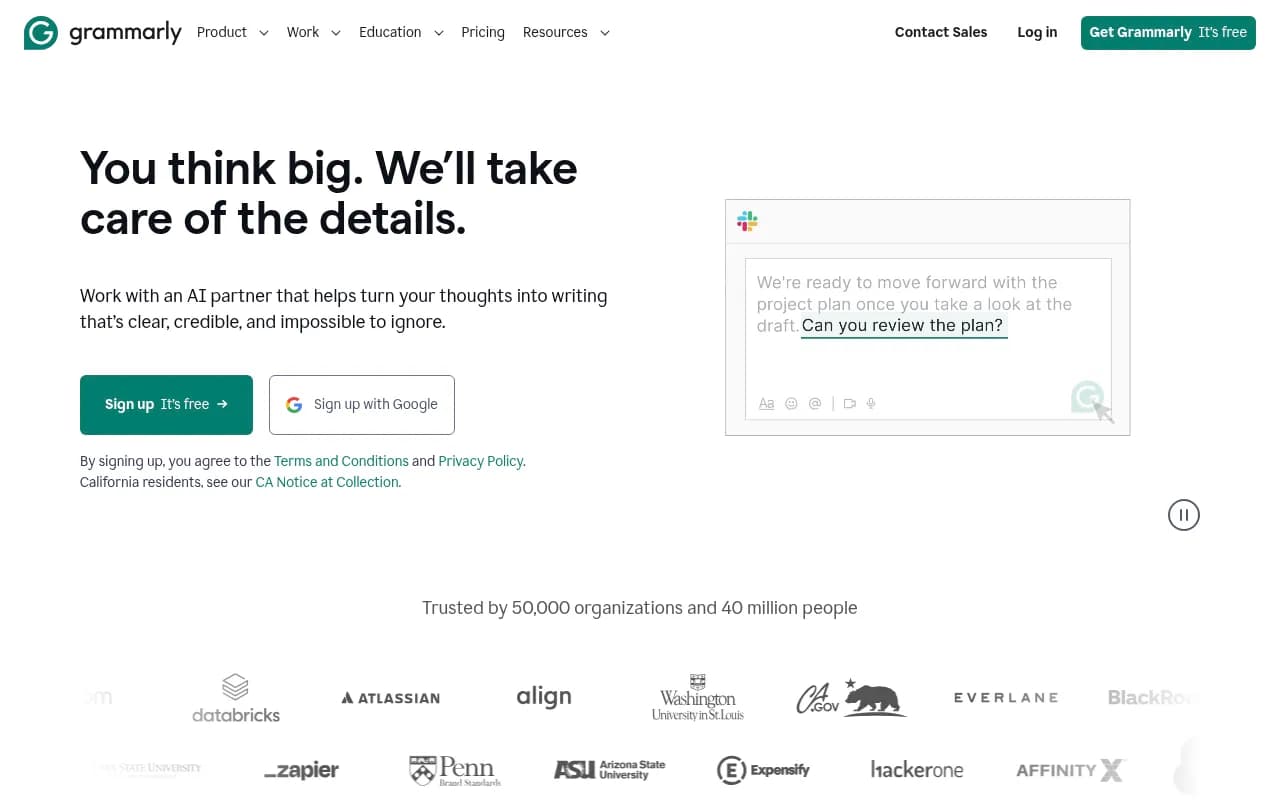
| Jasper | $59/month billed yearly, $69 monthly (per Jasper's own page) | Brand-voice marketing copy |
| Writesonic | from about $39/month (one source) | Budget SEO drafts |
| Copy.ai | Starter around $49/month (one source) | Short, templated copy |
| Rytr | about $9/month | Cheap short-form drafts |
| SEO optimizers such as Surfer or Frase | $39 to $99/month | Content scoring, briefs |
The Jasper numbers illustrate the problem. Three sources gave three different entry prices for the same product. When that happens, cite the vendor's own page and move on.
If you want to see what the main options look like, here are a few cards.
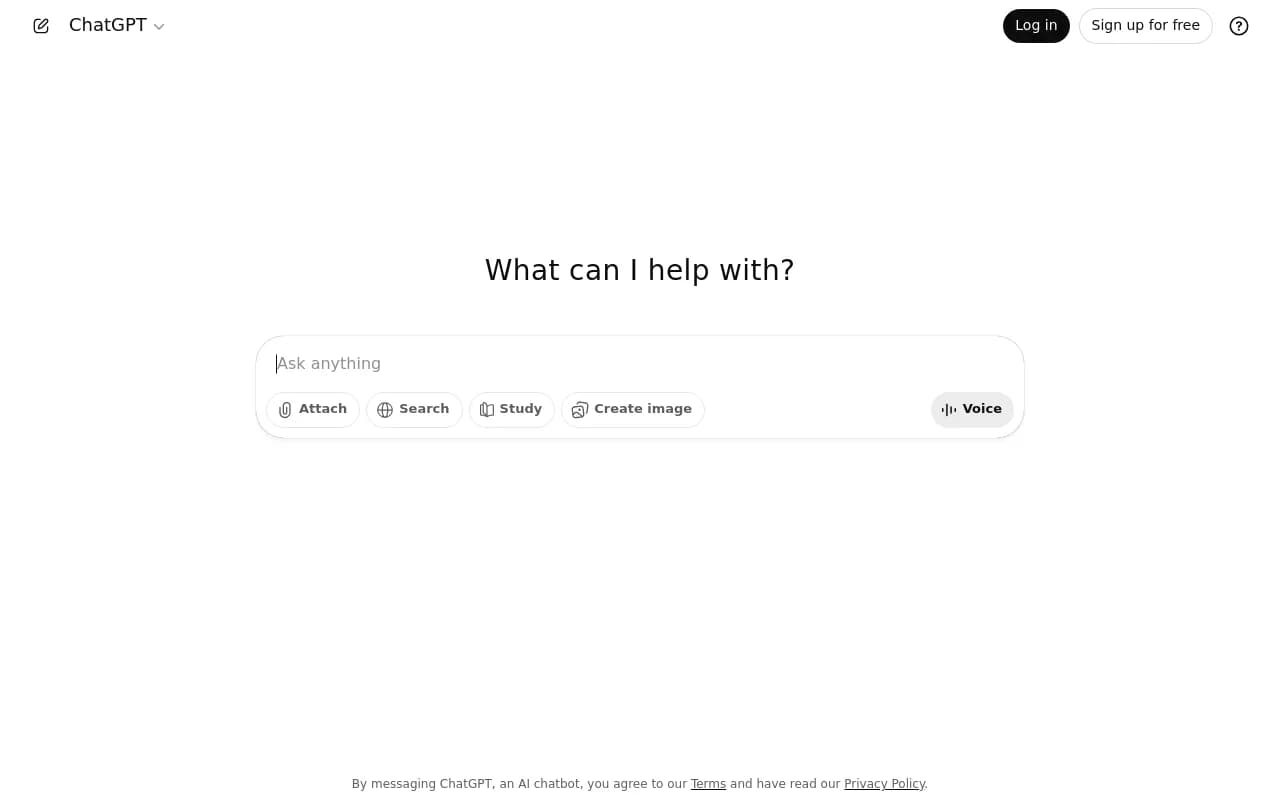
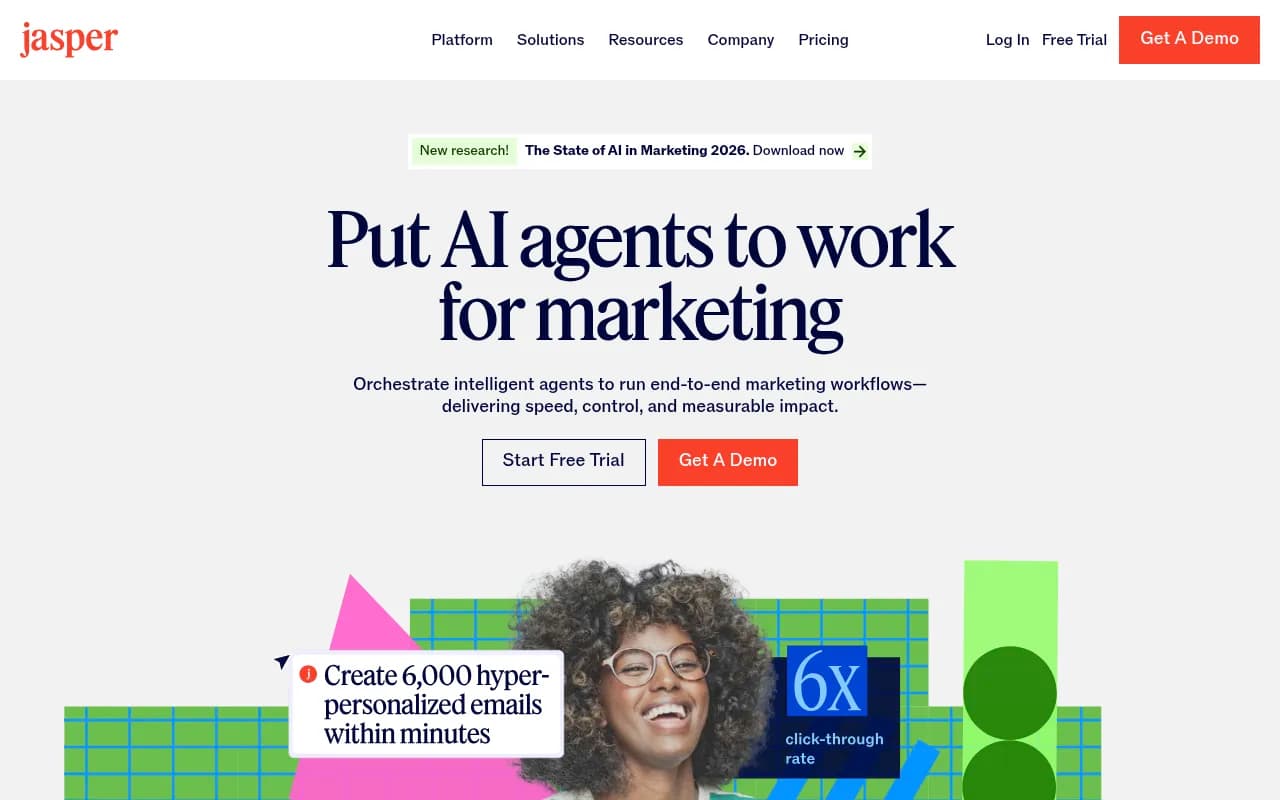
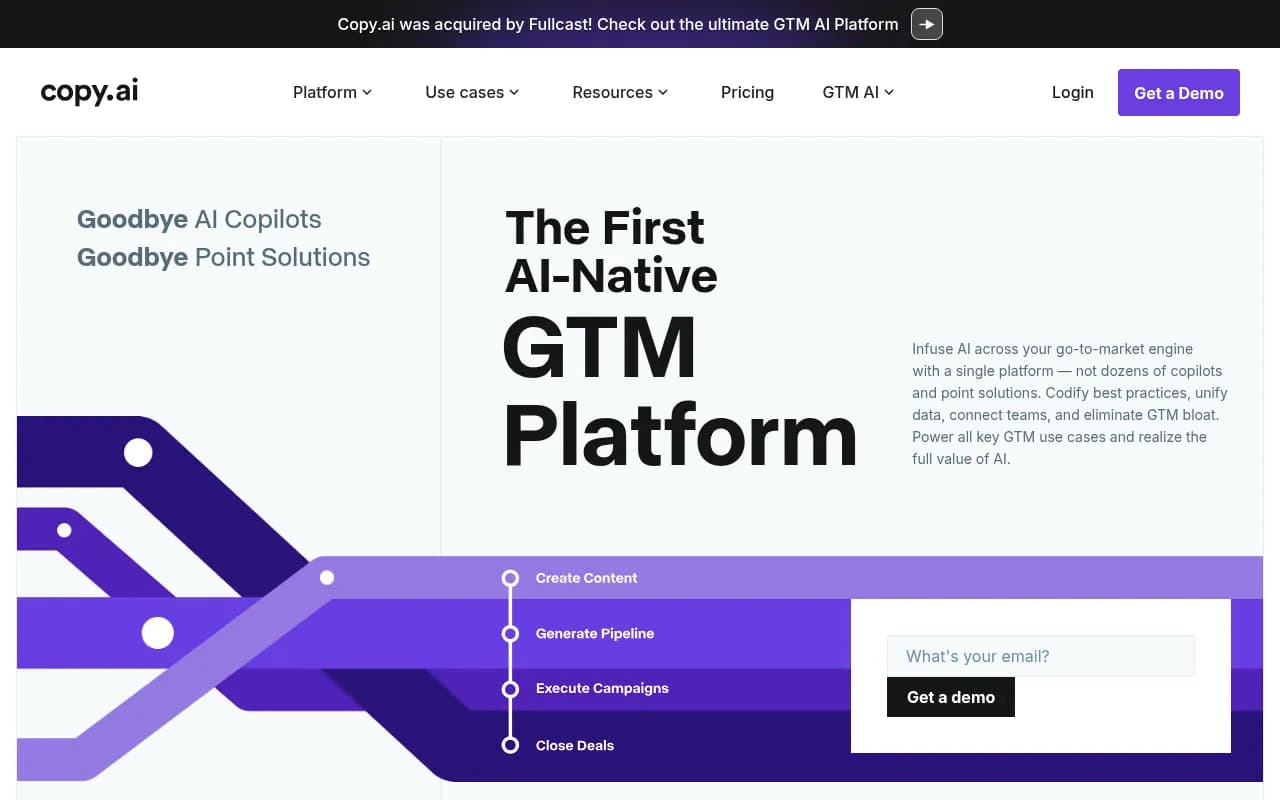
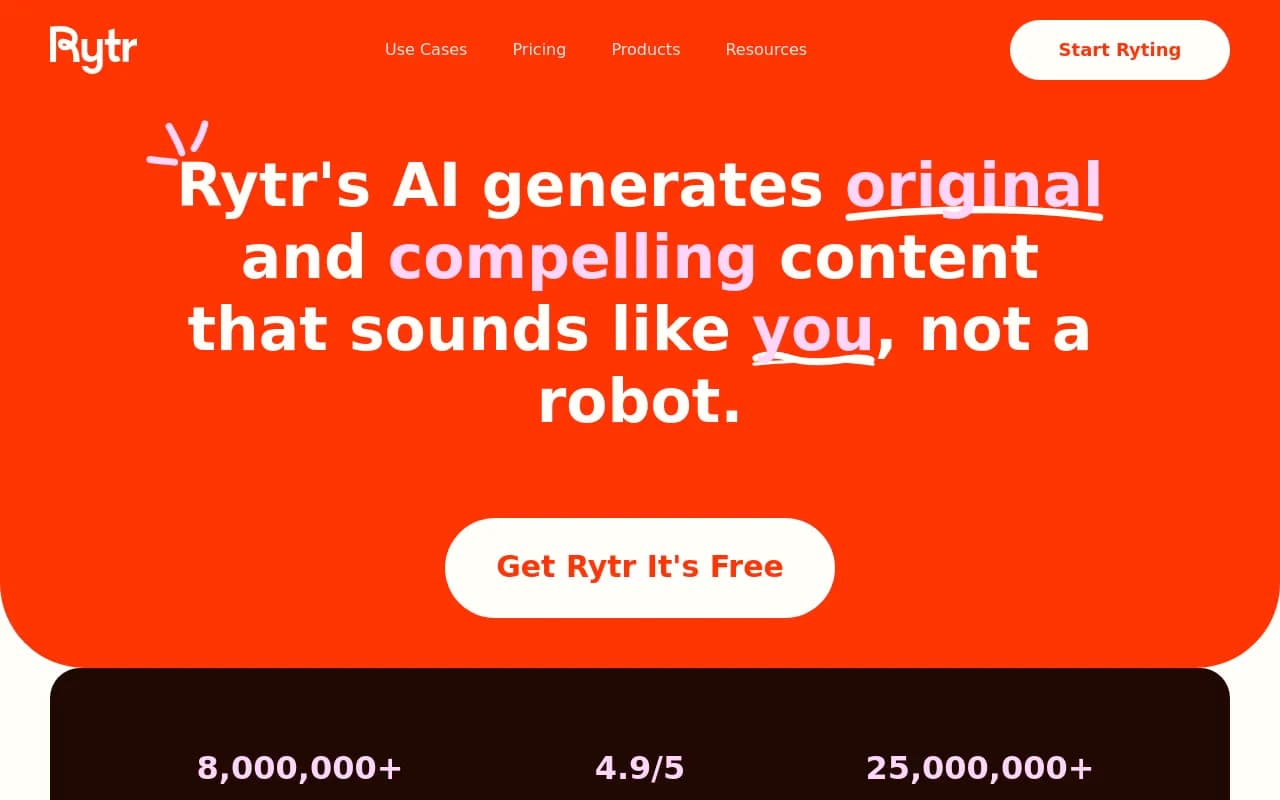
One piece of advice from the Futurefactors comparison I agree with: start with ChatGPT or Claude, and pay for another tool only when you can name something the general model can't do for you.
Hidden costs of AI
The subscription is the cheap part. The expensive parts are:
- Editing time. I could not find a trustworthy independent study of how long it takes to edit an AI draft into something publishable. Anyone quoting a precise number is guessing. Expect it to vary hugely with topic and prompt quality.
- Fact-checking. Models predict likely word sequences and they hallucinate. One Frase author found that an AI-assisted research note had invented a Semrush statistic. Verify every number against its original source.
- Context. The model starts fresh each session. Voice, positioning and audience have to be loaded in again, every time, unless you build that into a workflow.
- Tooling around the draft. Keyword research, optimization, publishing and analytics are all still separate jobs.
One Reddit thread about a content mill is a useful reality check on how the economics work in practice. The mill priced AI-edited articles assuming four to six AI-generated articles per hour, which works out to $60 to $90 an hour for an experienced AI editor. In other words, the human did not disappear. The human got cheaper per article and was asked to produce far more of them.
The real cost per article
Nobody has published an independent, non-vendor study of fully loaded cost per article for AI versus freelancers. The vendor figures disagree wildly: the same Averi article gives $375 to $750 per article for freelancers in one place and over $1,000 in its comparison table. So build your own estimate. Here is a simple model.
| Cost line | Freelancer | AI draft + in-house editor |
|---|---|---|
| Writer or tool | $300 to $600 (mid-level) | $20 to $100/month spread over output |
| Briefing | 30 to 60 min | 15 to 30 min of prompting and context |
| Review and edits | 45 to 90 min | 60 to 180 min, depending on quality bar |
| Fact-check | Mostly the writer's job | Entirely yours |
| Publishing and SEO | 30 to 60 min | 30 to 60 min |
Plug in your own hourly rate for whoever does the editing. If that person costs $60 an hour and spends two hours turning an AI draft into something good, the AI article costs about $120 plus a few dollars of tooling. A mid-level freelancer at $400 plus an hour of your time at the same rate is about $460. AI wins on cost in that scenario, often by a lot. But if editing balloons to five hours because the draft was weak, the gap closes fast. And if the page needs expert knowledge the editor does not have, the AI route may not work at all.
What Google actually says about AI content
This is the question that scares people most, and the answer is less dramatic than the rumors.
Google's own guidance on generative AI content (last updated October 1, 2026) says AI use is not banned. What it warns about is generating many pages without adding value, which can violate the scaled content abuse policy. That policy, introduced March 5, 2024, applies whether automation or humans are involved. Google also expects human review because models can hallucinate, and that applies to metadata too.
What about ranking data? Two studies get cited a lot, and both come with a caveat: they rely on AI detectors, so they measure content that reads as AI, not content that actually was.
- Ahrefs (June 2026, via Frase): across 1M pages from 100,000 SERPs, with detection on 150,000 of them, detected AI content averaged 27.1% at position 1 and 30.9% at position 10. About 5% of pages in positions 1 to 3 were detected as fully AI.
- Semrush (April 2026, via Frase): in a sample of 42,000 blog posts, pure AI content held position 1 only 9% of the time, versus 80% for predominantly human-written content.
Those two results point in somewhat different directions, which is the honest summary: AI content can rank, but pure unedited AI content does worse than content with substantial human input.
As for the March 2026 core update, secondary sources claim it hammered sites publishing AI pages at volume, with traffic drops of 50 to 80%. SEOmatic points out that Google did not name specific policies or sites in its 2026 spam updates, so that number is unverified. Be skeptical of any precise percentage tied to that update.
Which content AI search actually rewards
If part of your goal is getting cited in ChatGPT and other AI answers, the format matters more than the author. In Promptwatch Data's report on which content types ChatGPT cites most (Sep 28 to Oct 4, 2026), product pages took 22.4% of classified citations and landing pages 16.8%. Listicles got 13.6%, how-to guides 8.7%, general articles 6.1% and comparisons 5.9%.
For commercial prompts, product pages, landing pages, listicles and comparisons made up almost 70% of citations. The pattern is that ChatGPT cites specific, factual pages. Generic filler blog posts are not on the list. That is a problem for the lazy version of AI content, because filler is exactly what a model produces when you give it a vague prompt and no source material.
Longevity matters too. Promptwatch Data's content half-life report found that news pages lose half their citations in about 36 days, while landing pages and docs stay cited for months. If you are choosing where to spend a human writer's budget, durable page types are the better bet.
To see whether any of this content is getting picked up, tools like Promptwatch can show which of your pages AI models cite and which prompts you are missing. The same exercise tells you whether a given page type is worth a freelancer's fee.

When AI wins
- First drafts of informational content where the facts are public and easy to verify.
- High-volume, low-stakes formats: product descriptions, meta descriptions, FAQ variants, social post variations.
- Repurposing. Turning a webinar transcript or a long report into summaries, emails and snippets.
- Research scaffolding. A tool like Perplexity helps you pull sources fast, as long as you click through and check them.
- Editing support. Grammarly and similar tools catch errors cheaply on the final pass.
Perplexity
When a human freelancer wins
- Anything with a point of view. Thought leadership, opinion pieces and brand storytelling need a person who has actually formed an opinion.
- Original information. Interviews, first-hand testing, customer stories, proprietary data. A model cannot produce a fact it has never seen, and Google's guidance and the practical SEO advice both point to this as the thing that sets pages apart.
- High-stakes accuracy. Medical, legal and financial content, where EFA rates run $1.00 to $1.50 per word for medical writing for a reason.
- Conversion copy. Landing pages and sales emails, where a good writer's judgment about what to leave out earns the fee.
- Niche audiences. If your readers will spot a shallow explanation in the first paragraph, hire someone who knows the subject.
The hybrid workflow most teams should use
The winning setup in 2026 is not a choice. It is a division of labor.
- Strategy stays human. Someone decides what to publish and why, using Search Console data and prompt research rather than a hunch.
- AI produces the scaffold. Outline, first draft, alternate headlines, summaries.
- A named human adds what the model couldn't know: an expert quote, your own data, a first-hand observation.
- Someone fact-checks every number against the original source.
- A person reads the page before it ships. Never publish a draft nobody has read.
- Publish only at a pace you can actually review.
SEOmatic and Razor Rank suggest a good self-test before you scale up. Does each page contain at least one fact that appears nowhere else on your site? Did a person read 20 random pages before launch? If the answer to either is no, slow down.
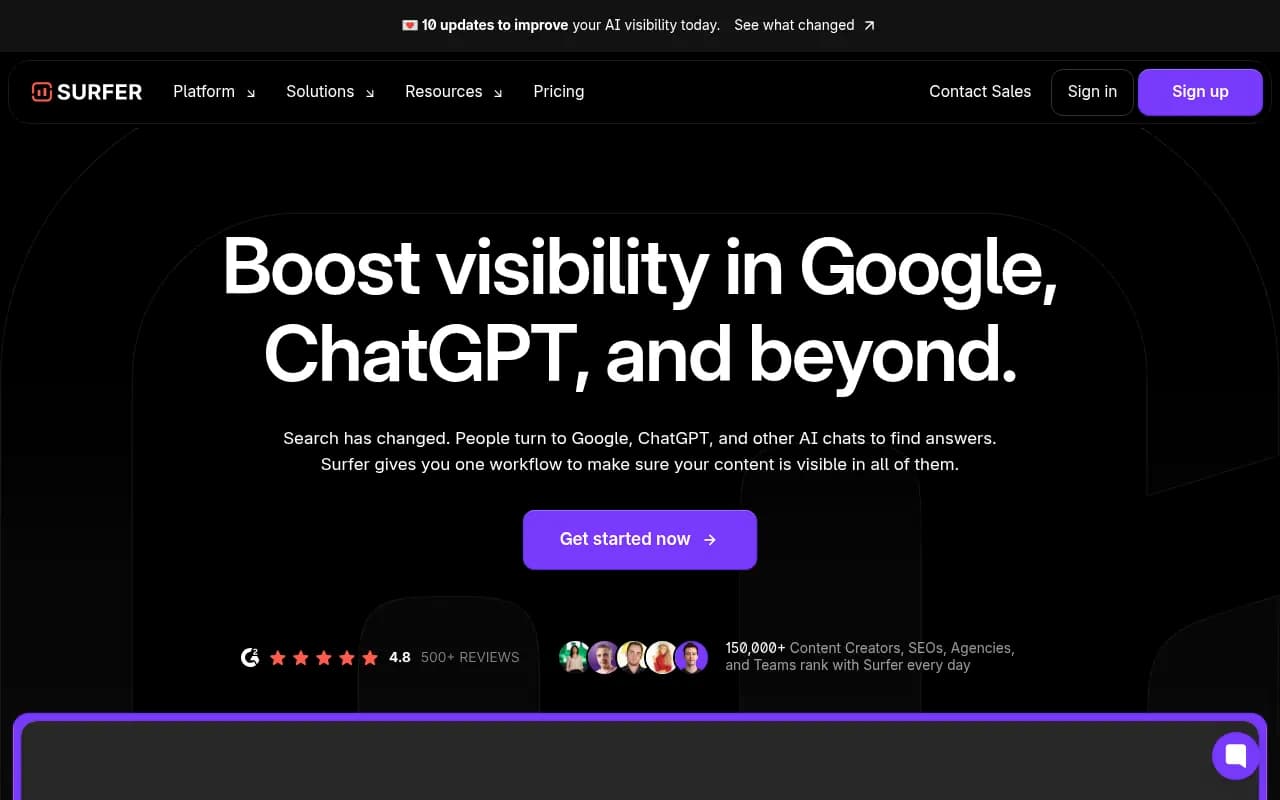
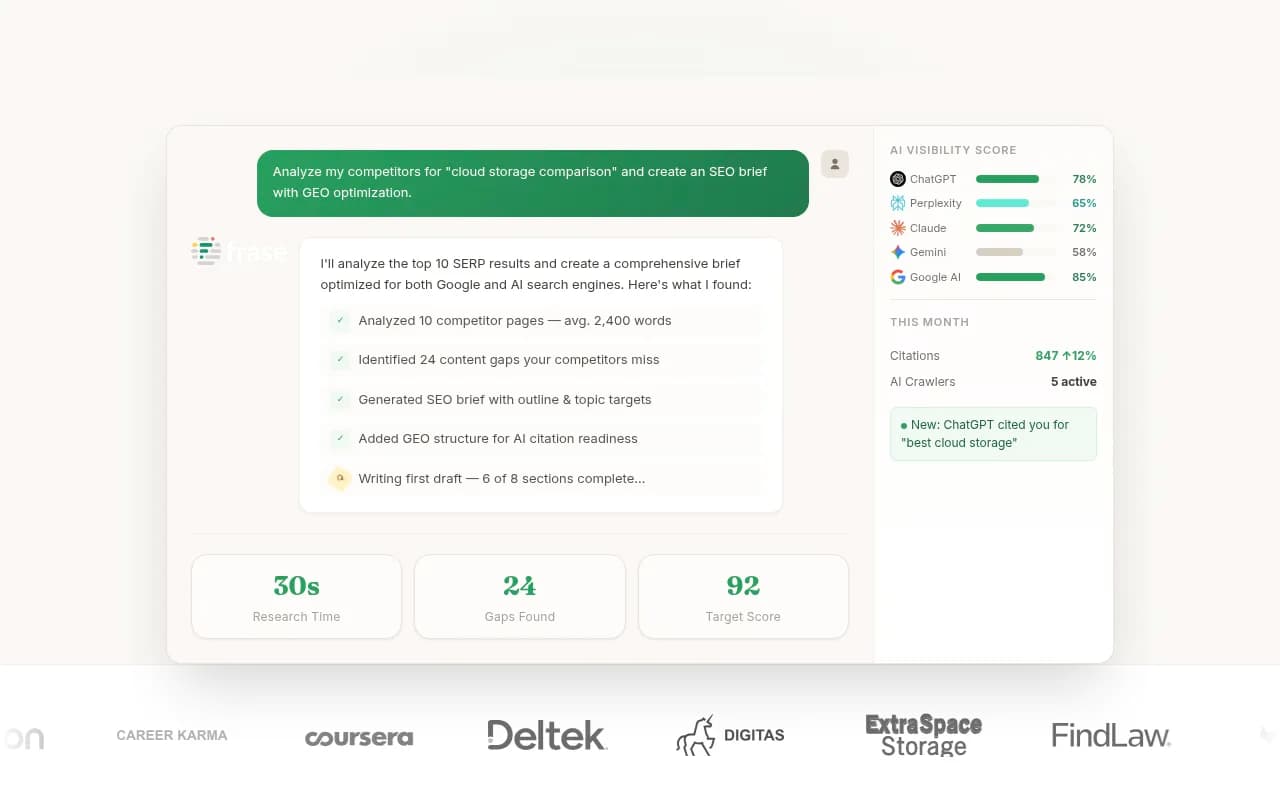
If you want tools that sit between the model and your CMS, options like Surfer SEO, Frase and Clearscope handle optimization and briefs, and the broader directory at surferstack.com lists many more.

Quick decision guide
| Situation | Best choice |
|---|---|
| 20+ low-stakes pages per month on a tight budget | AI draft with a human editor |
| Flagship guide meant to earn links and citations | Skilled freelancer, AI for research support |
| Regulated or technical topic | Subject-matter freelancer, AI only for formatting |
| Sales page or launch email | Experienced copywriter |
| Refreshing old posts | AI-assisted refresh, human review |
| No one on your team can judge quality | Hire a freelancer or agency until someone can |
That last row gets ignored. AI makes producing text cheap. It makes judging text no cheaper. If nobody in your organization can tell a good article from a plausible one, the AI route will quietly fail.
A note on hiring help
If you would rather not run this yourself, a specialist agency is a third option. 1001 SEO Media, which publishes this site, offers content strategy and production alongside technical SEO and AI search work. Agency pricing varies widely, so ask for a scoped quote and look at how they handle review, not just output volume.
Bottom line
AI is cheaper per draft. Humans are cheaper per good page when the topic is hard or the stakes are high. The expensive mistake is using AI to flood a site with pages nobody read, because Google's policies and ChatGPT's citation patterns both favor specific, verified, useful content. Pick the cheaper tool for commodity work, pay a person for judgment and original material, and measure what actually gets traffic and citations before you scale either one.