Key takeaways
- "AI-powered" means wildly different things across SEO tools -- from genuine machine learning to glorified templates with a chatbot wrapper
- There are two distinct categories: tools that use AI to speed up traditional SEO tasks, and tools that track whether AI search engines actually mention your brand
- Most platforms excel at one category but not both -- knowing which you need saves you from buying the wrong thing
- Content generation features vary enormously in quality; the best ones are grounded in real SERP data and prompt intelligence, not just GPT-4 with a logo on it
- For AI search visibility specifically, monitoring is only half the job -- the tools that help you act on what they find are in a completely different league
Every tool in the SEO space now has "AI" somewhere in its marketing. AI-powered audits. AI content scoring. AI keyword clustering. AI this, AI that. It's gotten to the point where the label tells you almost nothing.
So let's be honest about what's actually going on.
In 2026, "AI-powered" in an SEO tool can mean any of the following: a large language model generating content drafts, a machine learning model predicting ranking changes, NLP-based semantic analysis of your content, a rules-based automation system with "AI" in the name, or -- increasingly -- a platform that monitors how AI search engines like ChatGPT and Perplexity respond to queries about your brand.
These are not the same thing. Not even close. And buying the wrong tool because you didn't know the difference is an expensive mistake.
This guide breaks down what AI features actually exist across 12 major platforms, what they're genuinely good at, and where the marketing language runs ahead of the reality.
The two categories of "AI SEO tool" in 2026
Before comparing specific platforms, you need to understand the split that's happened in this market.
Category 1: AI for traditional SEO tasks
These tools use AI to make existing SEO workflows faster or smarter. Think keyword clustering, content briefs, on-page optimization scoring, site audit prioritization, and content generation. The underlying SEO tasks haven't changed -- AI just handles more of the grunt work.
Tools like Surfer SEO, Clearscope, MarketMuse, Frase, and Semrush's content tools fall here. So do writing assistants like Jasper and Copy.ai when used for SEO content.
Category 2: AI search visibility tracking
This is newer and genuinely different. These tools monitor what AI search engines (ChatGPT, Perplexity, Google AI Overviews, Claude, Gemini, Grok, etc.) actually say when someone asks a question relevant to your brand or industry. Do they mention you? Do they recommend your competitors? What sources do they cite?
This category didn't really exist two years ago. Now it's one of the fastest-growing segments in marketing technology.
The honest reality: most tools are strong in one category and weak or absent in the other. A few are trying to do both.
What "AI-powered" actually means, platform by platform
Semrush
Semrush has layered AI into almost every part of its platform -- keyword intent clustering, predictive traffic forecasts, content optimization scoring, and competitive analysis. The AI features here are genuinely useful and grounded in real data. The keyword intent classification is particularly good; it goes beyond simple informational/transactional labels into more nuanced intent modeling.
What Semrush calls "AI" in its content tools is mostly NLP-based scoring against top-ranking pages. That's legitimate and valuable. The predictive ranking features use machine learning on historical data, which works reasonably well for established sites with traffic history.
Where it gets murkier: Semrush has added AI visibility tracking, but it uses fixed prompt sets rather than dynamic, real-world prompt monitoring. You're seeing a curated slice of AI search behavior, not the full picture.
Ahrefs
Ahrefs is more conservative about AI claims than most, which is refreshing. Its "AI features" are primarily NLP-based content gap analysis and SERP intent classification -- both genuinely useful, both clearly explained. The AI-assisted content briefs pull from real backlink and SERP data, which makes them more grounded than pure LLM-generated briefs.
Ahrefs Brand Radar tracks brand mentions in AI search, but it's limited to fixed prompts and lacks AI traffic attribution. It's a starting point, not a complete solution.
Surfer SEO
Surfer's AI content scoring is one of the more honest implementations in the market. It analyzes top-ranking pages and gives you NLP-based suggestions for entities, terms, and structure. The score is a proxy for "does this content look like what's currently ranking" -- useful, but not magic.
The AI content generation feature (Surfer AI) produces drafts grounded in SERP data rather than just prompting a generic LLM. That's a meaningful distinction. The output still needs editing, but the research layer is solid.
What Surfer doesn't do: anything related to AI search visibility. It's entirely focused on traditional search rankings.
Clearscope
Clearscope's AI is NLP-based content grading -- it analyzes your content against top-ranking pages and scores it on term usage and relevance. Clean, focused, and genuinely useful for on-page optimization.
The "AI" label here is accurate but narrow. It's not generating content, predicting rankings, or monitoring AI search engines. It does one thing well: tells you whether your content covers the right topics for a given keyword.
MarketMuse
MarketMuse goes deeper than most on content strategy. Its AI models analyze your entire site's content coverage and identify gaps relative to competitors and topic authority. The "content inventory" approach -- mapping what you have vs. what you should have -- is genuinely differentiated.
The AI here is doing real work: topic modeling, authority scoring, and content prioritization. It's not just a GPT wrapper. The tradeoff is price; MarketMuse sits at the higher end of content optimization tools.
Frase
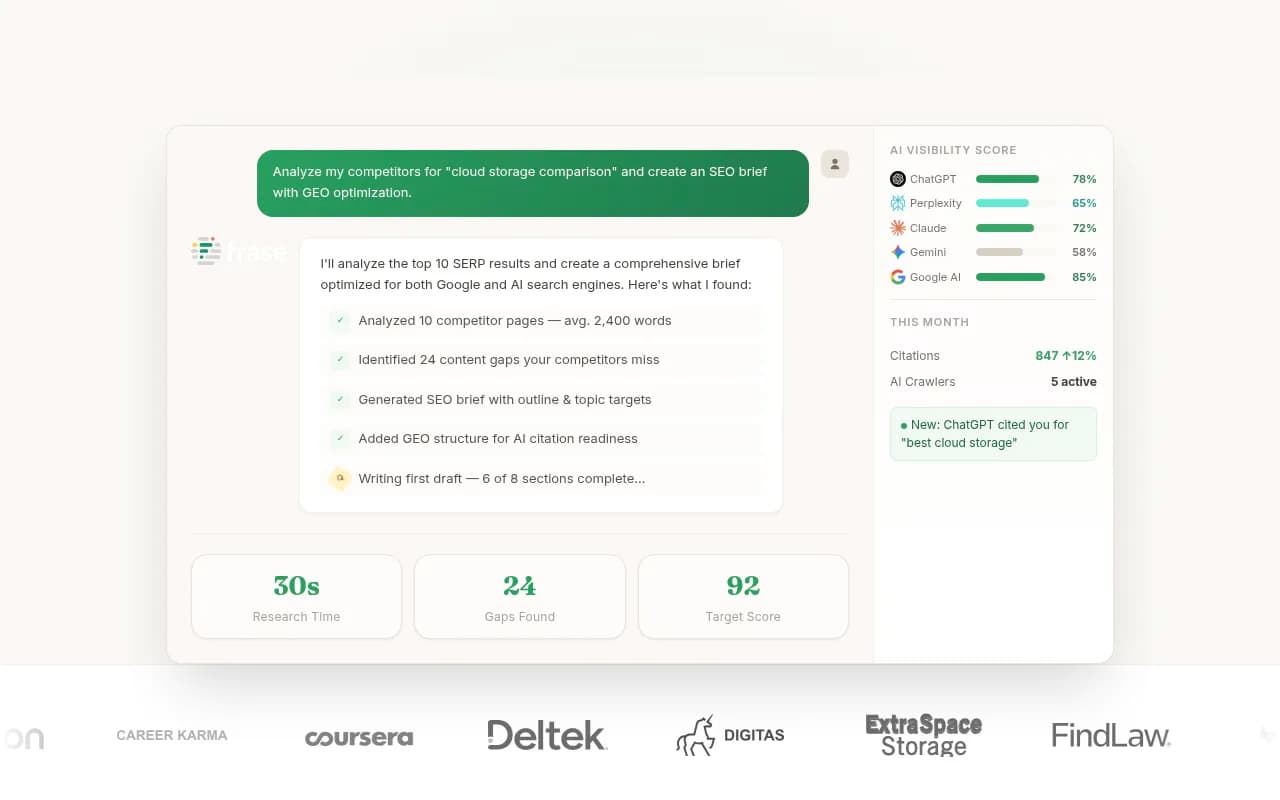
Frase combines AI research (pulling from top-ranking pages and People Also Ask data) with content generation. The research layer is its strongest feature -- it genuinely saves time on brief creation. The AI writing is competent but not exceptional.
Where Frase stands out is workflow: research to brief to draft in one tool, without switching between five different platforms. For content teams that need speed, that integration matters.
Jasper
Jasper is primarily an AI writing tool that's been positioned for SEO use cases. The content generation is good -- it's built on capable LLMs and has templates for SEO-specific formats. But calling it an "AI SEO tool" stretches the definition. It doesn't analyze SERPs, score content against rankings, or do keyword research. It writes.
That's not a criticism -- Jasper is excellent at what it does. Just be clear about what you're buying.
BrightEdge
BrightEdge is an enterprise SEO platform that's been adding AI features for years. Its "DataCube" and AI-powered recommendations are real machine learning applied to large-scale ranking data. For enterprise teams managing thousands of pages, the automated prioritization is genuinely valuable.
BrightEdge has also moved into AI search visibility tracking, which puts it in an interesting position as one of the few platforms trying to bridge traditional SEO and AI search monitoring at enterprise scale.
Conductor
Similar enterprise positioning to BrightEdge. Conductor's AI features focus on content recommendations and workflow automation. It's added AI search visibility tracking as the market has shifted, though it's not the core of the platform.
Moz Pro
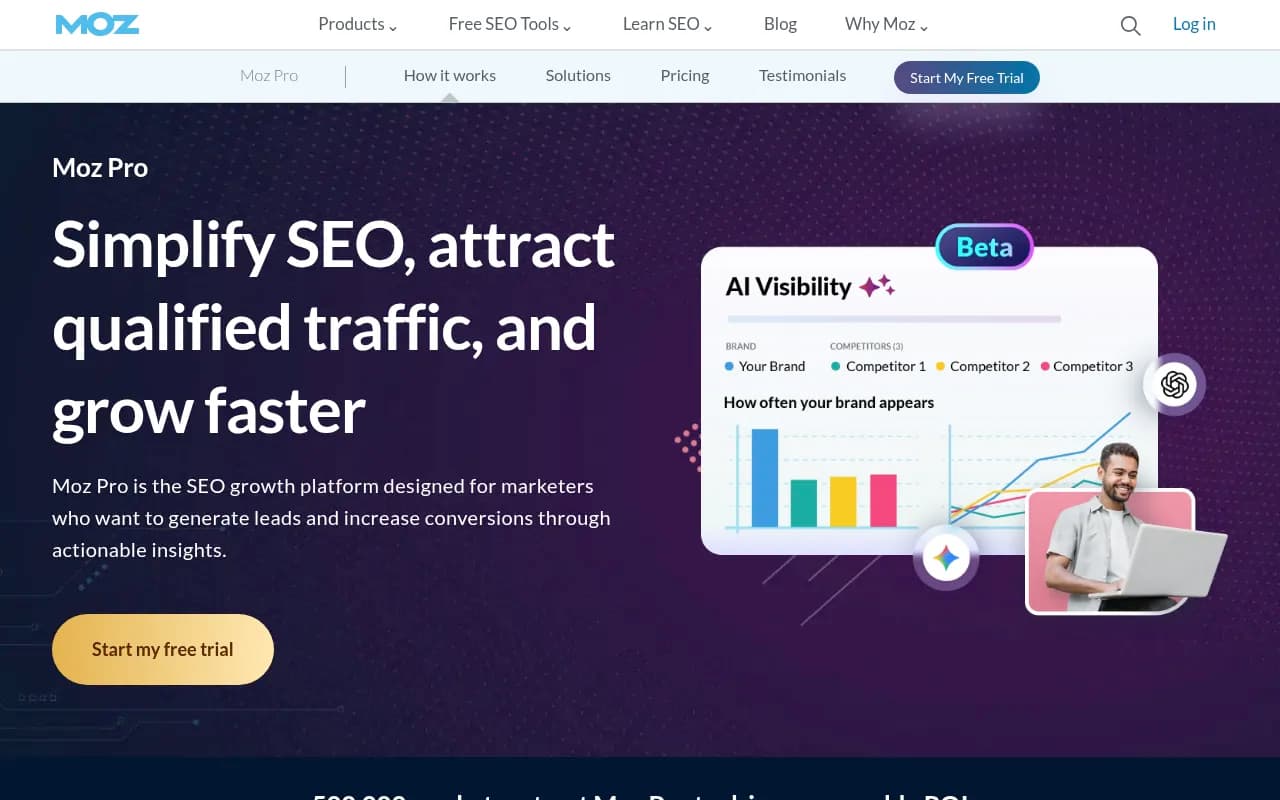
Moz Pro's AI features are more modest than the marketing suggests. The keyword difficulty scoring uses machine learning, and there's some NLP in the content analysis tools. But Moz hasn't moved as aggressively into generative AI features as competitors. It's a solid, reliable platform -- just don't expect cutting-edge AI capabilities.
SE Ranking
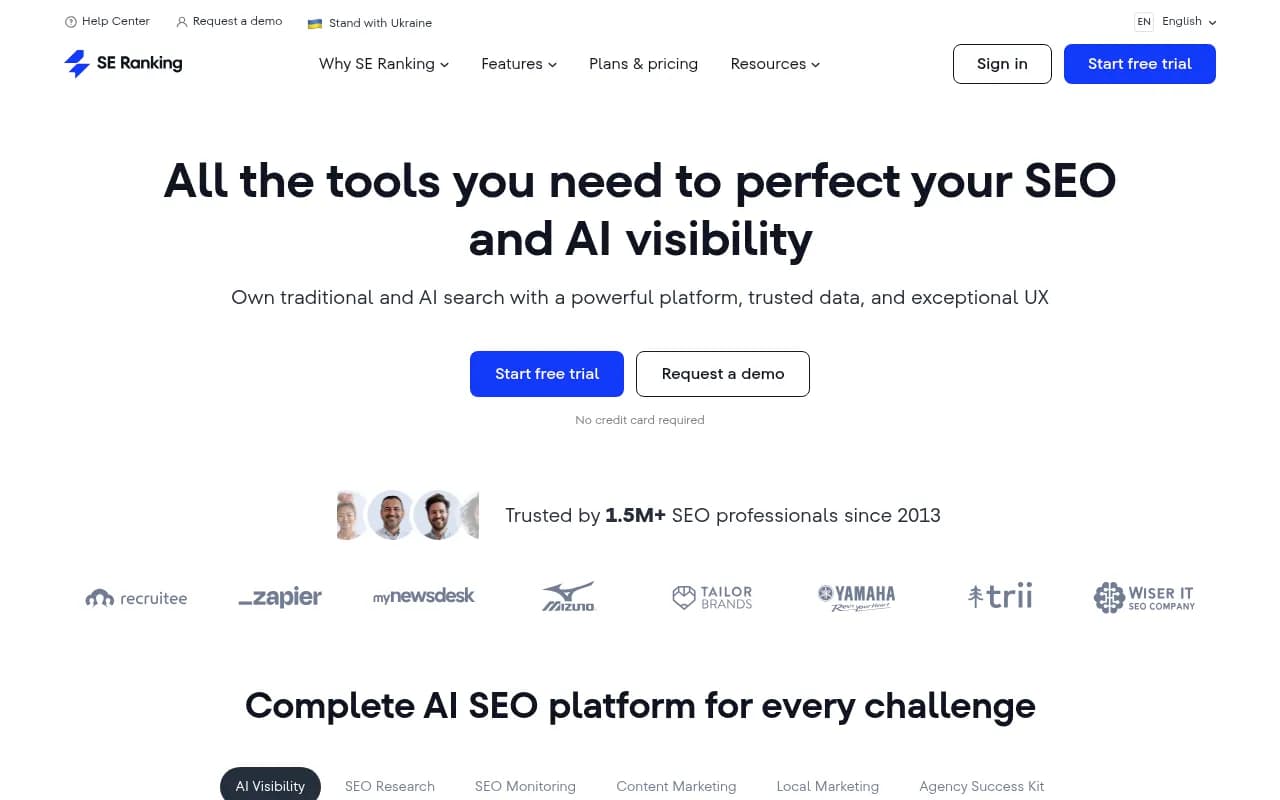
SE Ranking has been expanding its AI features steadily. The AI content generation tools are competent, and the platform has added AI visibility tracking. It's positioned as a more affordable alternative to Semrush with a growing feature set.
Botify
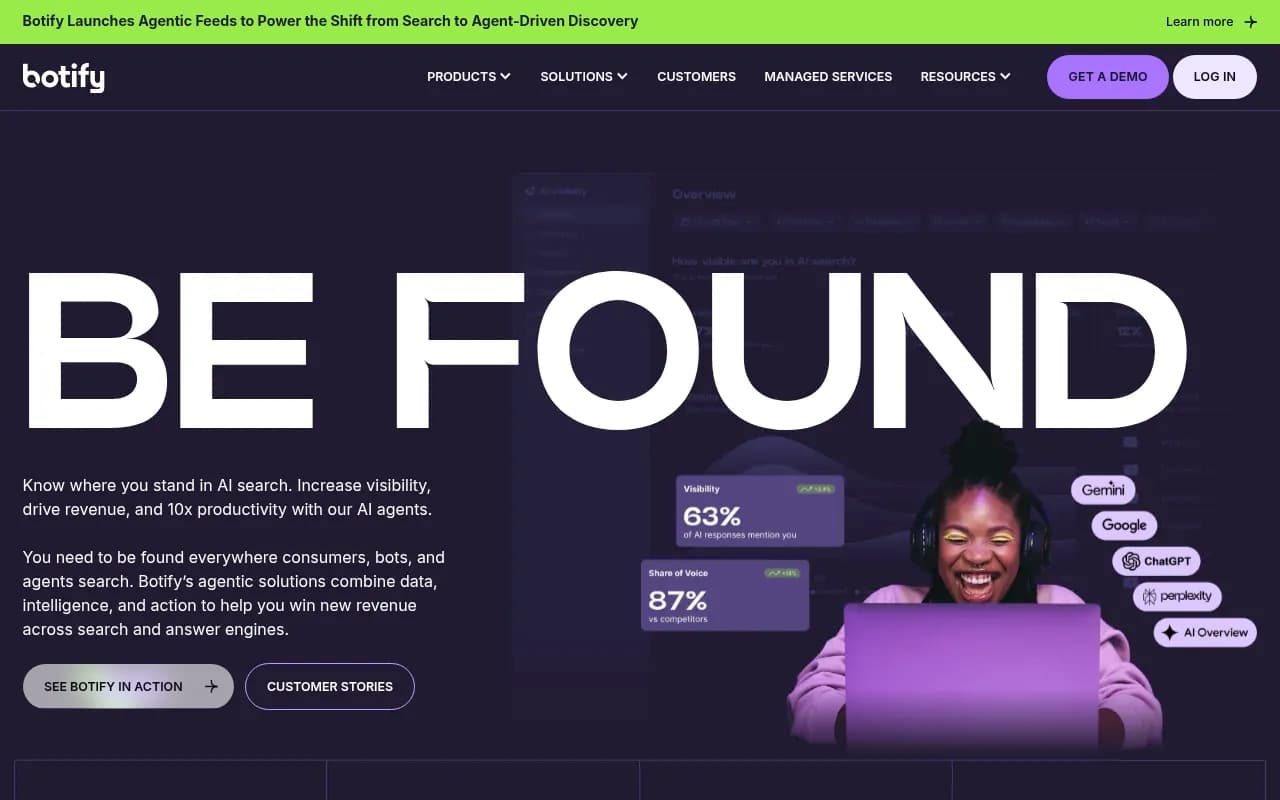
Botify focuses on technical SEO at scale, with AI applied to crawl data analysis and prioritization. The "PageWorkers" feature uses AI to automate technical fixes at scale -- genuinely useful for large sites. It's also been adding AI search visibility features.
The feature comparison you actually need
Here's where things get concrete. These are the AI features that matter, and which platforms actually have them:
| Feature | Semrush | Ahrefs | Surfer SEO | Clearscope | MarketMuse | Frase | BrightEdge |
|---|---|---|---|---|---|---|---|
| NLP content scoring | Yes | Partial | Yes | Yes | Yes | Yes | Yes |
| AI content generation | Yes | No | Yes | No | Partial | Yes | No |
| Keyword intent classification | Yes | Yes | Partial | No | Yes | Partial | Yes |
| Predictive ranking | Yes | No | No | No | No | No | Yes |
| AI search visibility tracking | Limited | Limited | No | No | No | No | Yes |
| Prompt volume data | No | No | No | No | No | No | No |
| Crawler log analysis | No | No | No | No | No | No | No |
| Content gap vs AI responses | No | No | No | No | No | No | No |
That last column of "No" entries is where the real gap is. Traditional SEO tools -- even the AI-enhanced ones -- weren't built to answer the question: "Why isn't ChatGPT recommending my brand, and what do I do about it?"
The newer category: dedicated AI visibility platforms
This is where the market has genuinely moved. A separate class of tools has emerged specifically to track and improve how brands appear in AI search engines.
The split within this category is important: some tools only monitor (they show you where you're visible and where you're not), while others help you actually fix the problem.
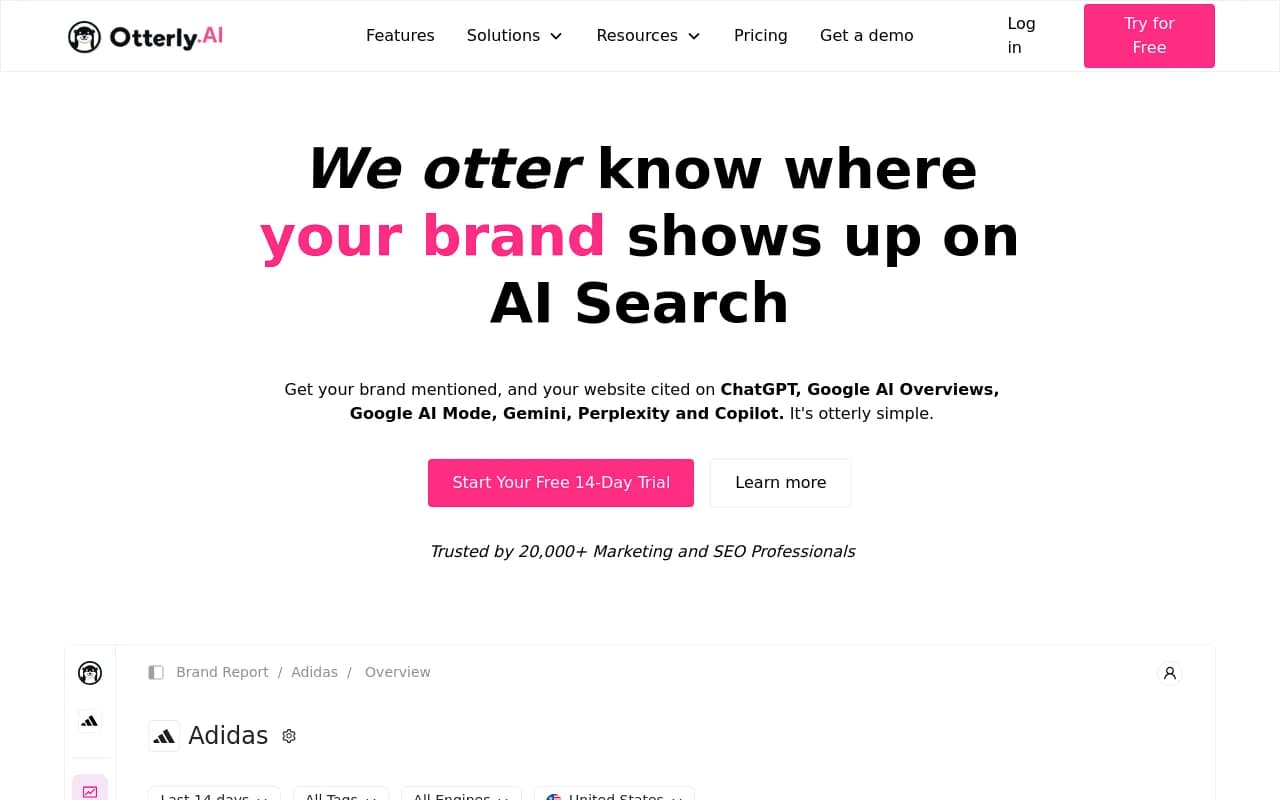
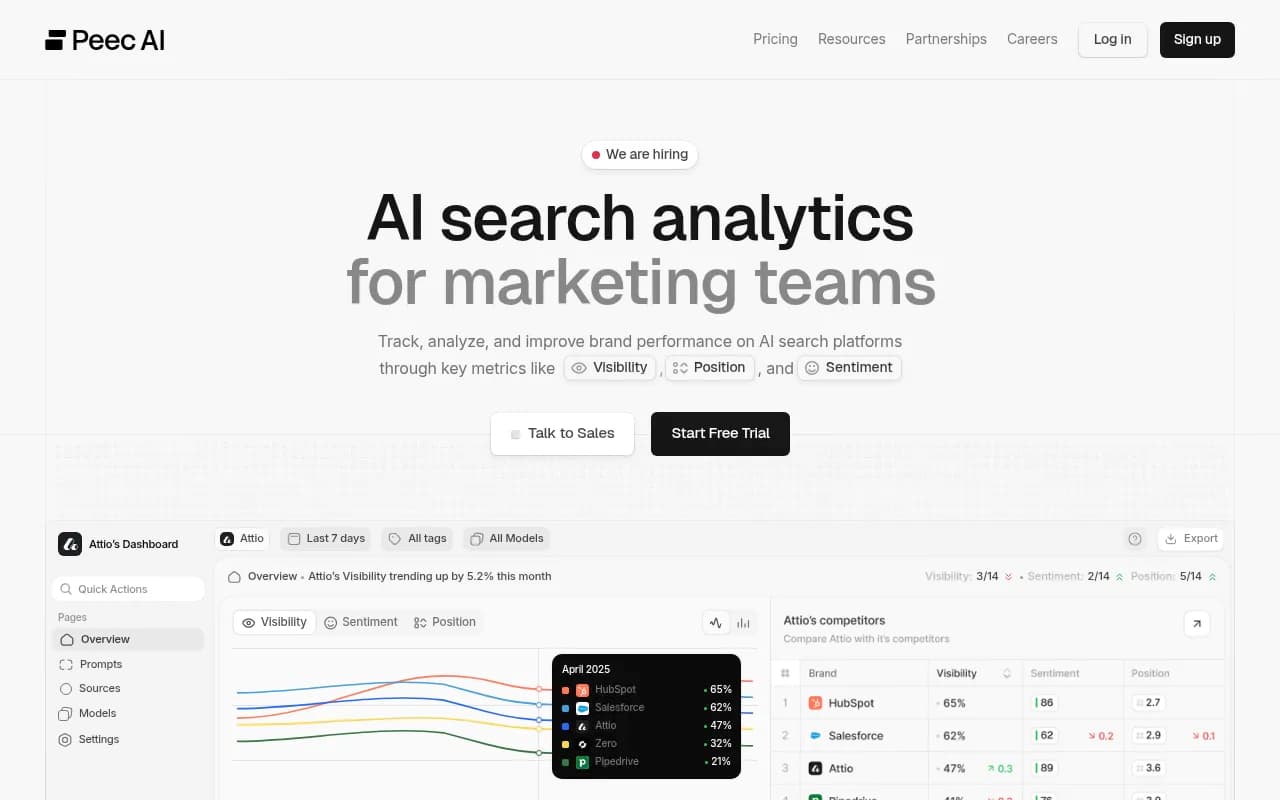
Monitoring-only tools include platforms like Otterly.AI, Peec AI, and several newer entrants. They're useful for understanding your current AI search footprint, but they leave you to figure out what to do next.
The more complete platforms go further. Promptwatch is the clearest example of this -- it runs the full loop from identifying which prompts your competitors appear for but you don't, to generating content designed to fill those gaps, to tracking whether that content actually gets cited by AI models. The answer gap analysis is particularly useful: it shows you the specific topics and questions where AI models are sending traffic to competitors instead of you.

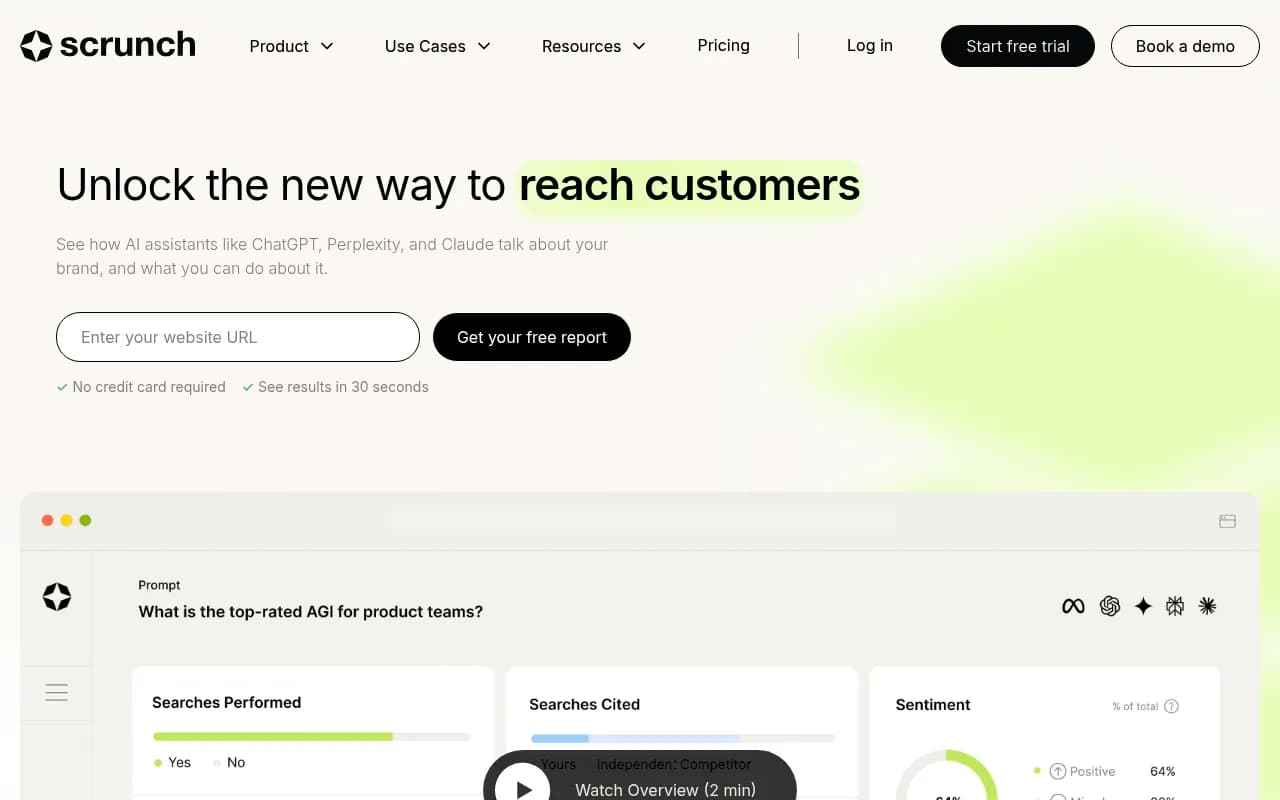
Profound and Scrunch are also worth looking at for enterprise use cases, with strong monitoring capabilities and competitive analysis features.
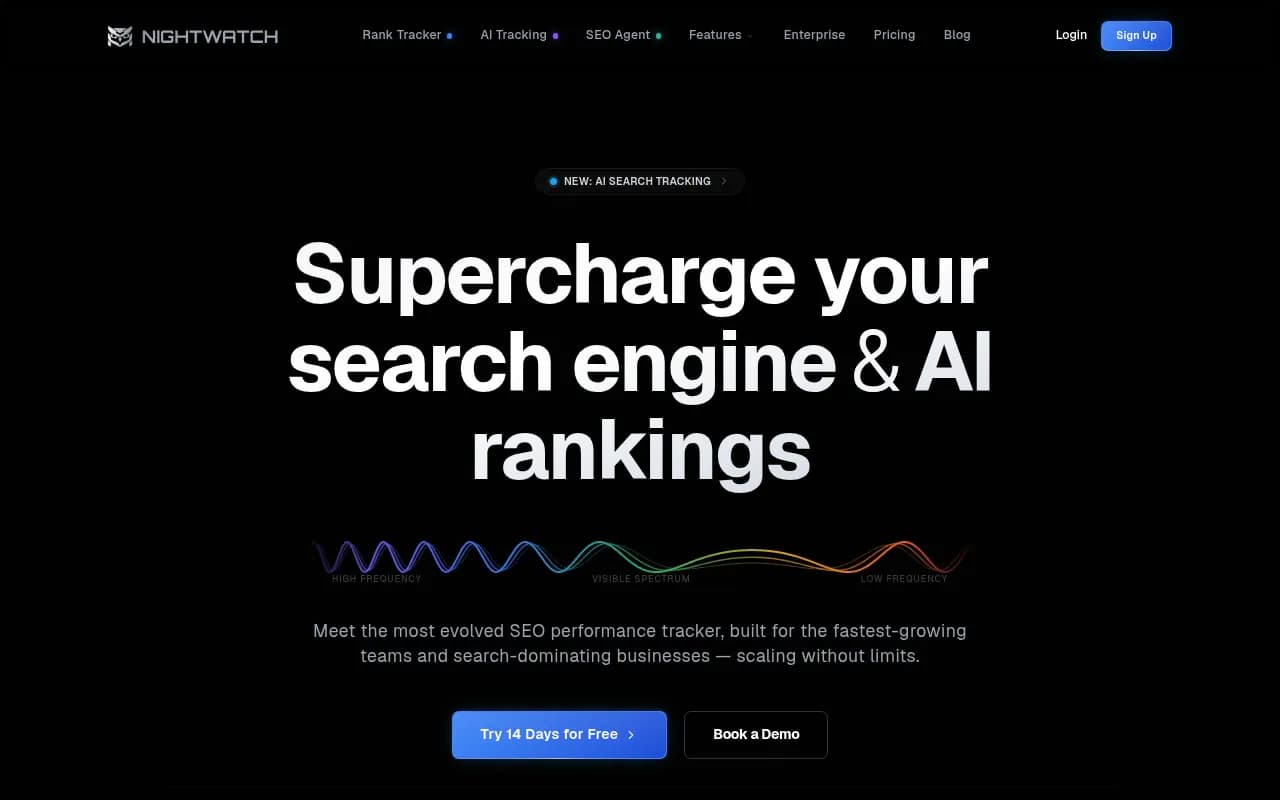
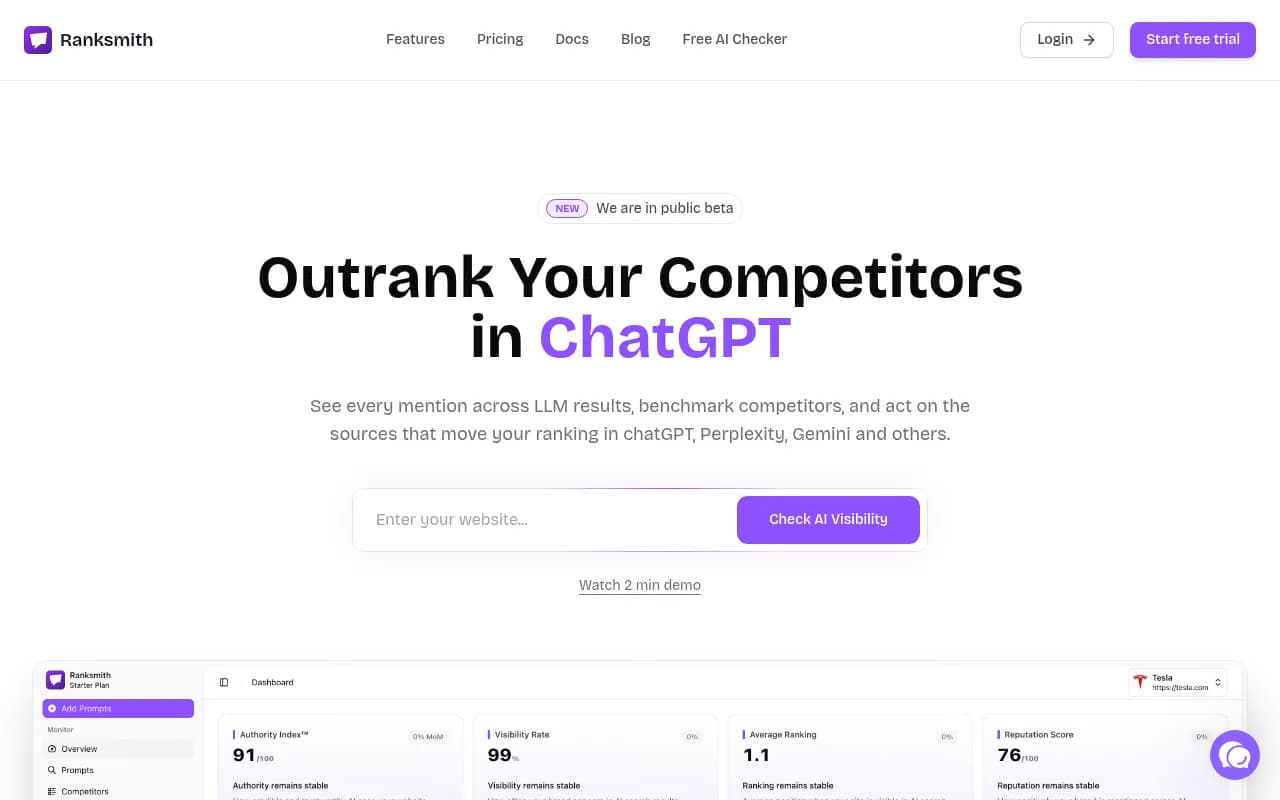
For teams that want something more focused and affordable, tools like Nightwatch, Ranksmith, and Peasy offer AI search tracking without the full platform complexity.
The honest verdict on AI content generation
Every platform with AI content generation is, at some level, using a large language model. The differentiator isn't the model -- it's the data layer underneath it.
Generic AI writing tools prompt an LLM with your keyword and get back a draft. That's fine for speed, but the content has no grounding in what's actually ranking, what AI models are citing, or what your specific audience is asking.
Better implementations -- like Surfer's AI writer, MarketMuse's briefs, or Promptwatch's Content Agents -- ground the generation in real data: SERP analysis, competitor content, prompt volumes, citation data. The output is still AI-generated, but it's engineered around what actually works rather than what sounds plausible.
The practical test: ask the tool where its content recommendations come from. If the answer is "our AI analyzes top-ranking pages," that's legitimate. If the answer is vague, the AI is probably just a chatbot with a content marketing template.
What to actually look for when evaluating these tools
A few questions that cut through the marketing:
Does the "AI" feature use your data or generic training data? Tools that analyze your specific site, your competitors, and real SERP data are more valuable than those applying generic LLM knowledge.
Is there a feedback loop? The best tools show you what changed after you made a recommendation. Content scoring without ranking outcome data is just a guess.
What does "AI search visibility" actually track? Ask specifically: which AI models, how many prompts, how often are they refreshed, are they real user queries or fixed test prompts? The answers vary enormously.
Can you act on what you find? Monitoring your AI search visibility is useful. Being able to generate content that addresses the gaps -- and then track whether it worked -- is the actual goal.
Putting it together: which tool for which job
| Goal | Best tool type | Examples |
|---|---|---|
| On-page content optimization | NLP scoring tools | Surfer SEO, Clearscope, MarketMuse |
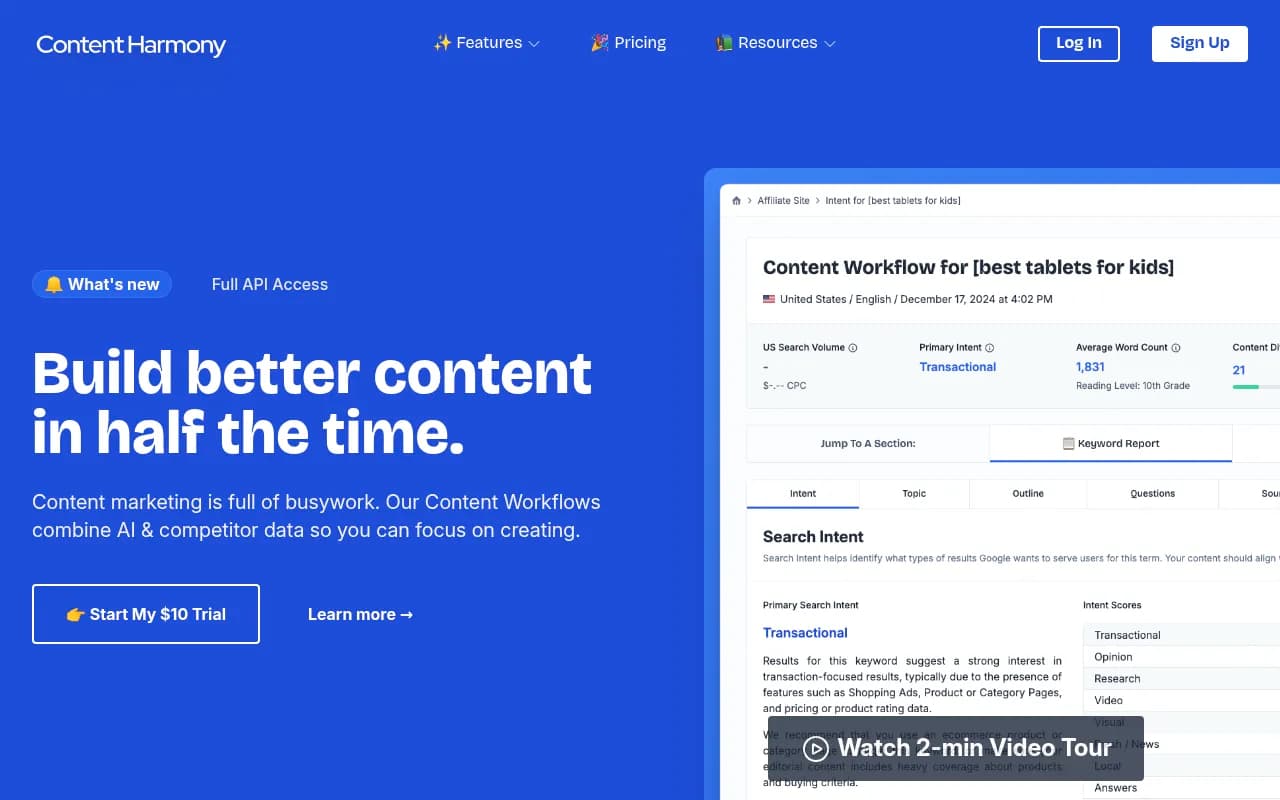
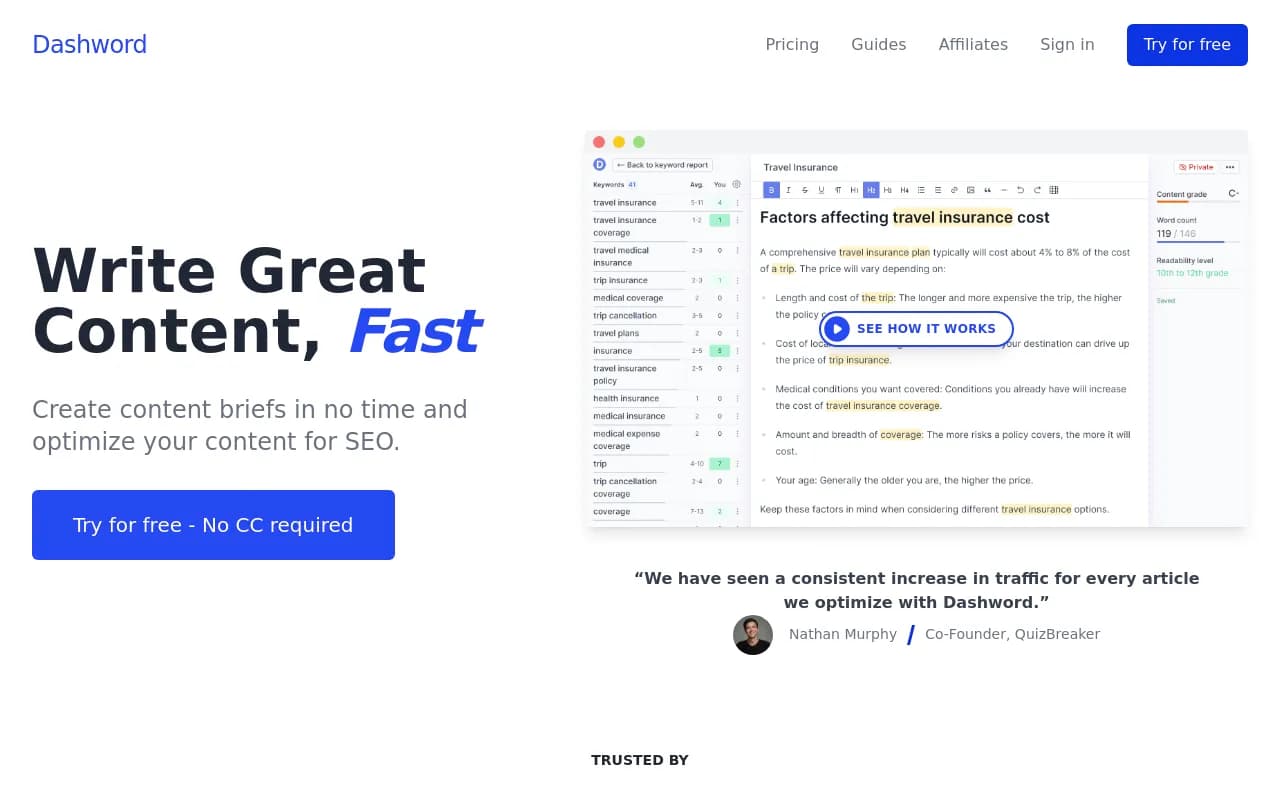
| Content briefs and research | AI research platforms | Frase, Content Harmony, Dashword |
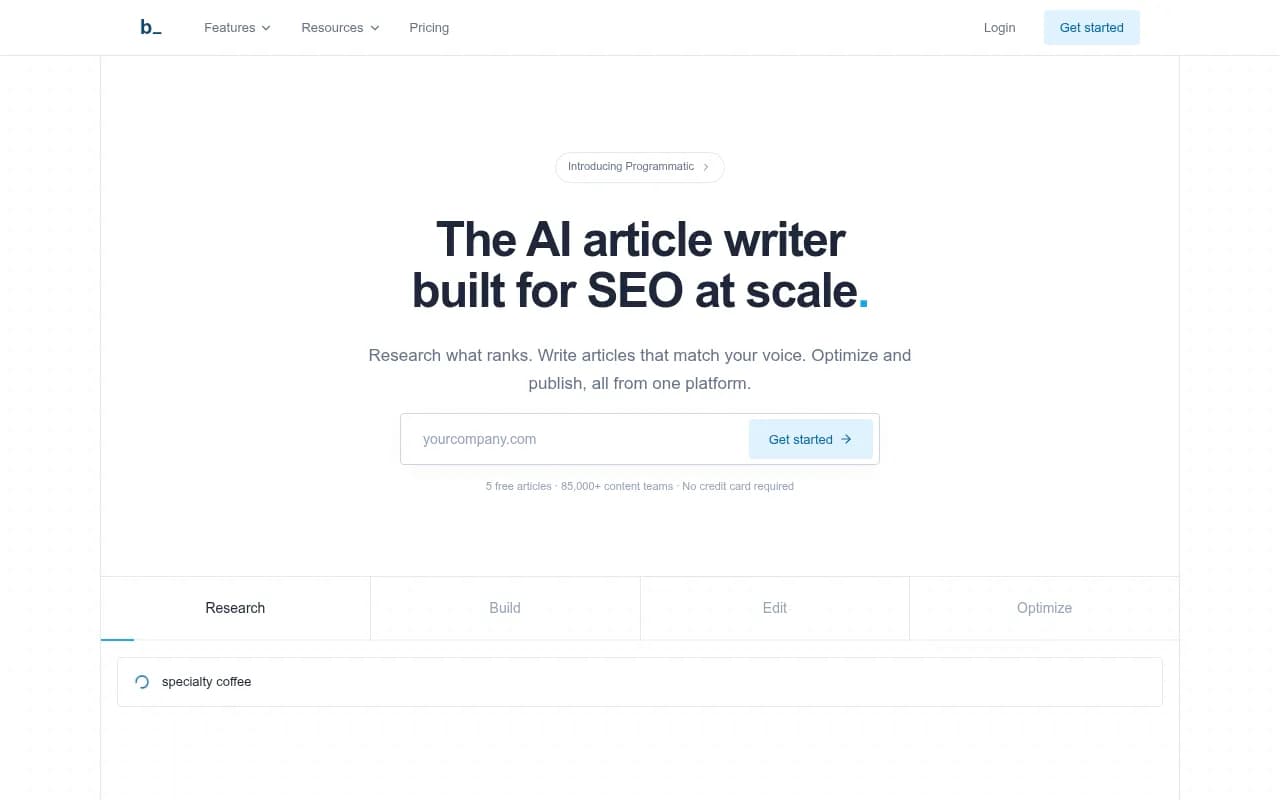
| AI content generation at scale | AI writing tools | Jasper, Content at Scale, Byword |
| Traditional SEO (keywords, backlinks, audits) | Full-suite platforms | Semrush, Ahrefs, Moz Pro |
| AI search visibility monitoring | Dedicated GEO tools | Otterly.AI, Peec AI, Nightwatch |
| AI visibility + content optimization | Full GEO platforms | Promptwatch, Profound, Scrunch |
| Enterprise AI + traditional SEO | Enterprise platforms | BrightEdge, Conductor, Botify |
The bottom line
"AI-powered" in 2026 is a marketing label, not a feature specification. The tools that are genuinely using AI in meaningful ways are doing things like: training models on ranking outcome data, grounding content generation in real SERP and citation analysis, monitoring actual AI search engine behavior rather than fixed test queries, and closing the loop between content creation and visibility results.
The tools that are less genuinely AI-powered are mostly wrapping GPT-4 in a template and calling it an AI content suite.
Neither is necessarily bad -- a good GPT wrapper with smart templates can save real time. But you should know what you're buying.
The more important question for most marketing teams in 2026 isn't "which tool has the most AI features" -- it's "do I have a way to track and improve my visibility in AI search engines, not just traditional Google rankings?" Those are different problems, and right now, most traditional SEO platforms aren't built to solve the second one.