Key takeaways
- A single product query to ChatGPT triggers 8-12 parallel sub-queries behind the scenes -- and your brand needs to appear in those sub-queries, not just the original search.
- 68% of pages cited in AI shopping responses are NOT in the top 10 organic Google results, meaning traditional SEO rankings don't predict AI visibility.
- ChatGPT's shopping experience (launched March 2026) now surfaces products visually with side-by-side comparisons, making AI citation more commercially valuable than ever.
- Fan-out sub-queries target reviews, pricing, comparisons, and "pros and cons" -- content types most e-commerce product pages completely ignore.
- Tracking which sub-queries your brand appears in (and which it doesn't) is the core of a modern AI search strategy for e-commerce.
What query fan-out actually is
When someone types "best running shoes for flat feet under $150" into ChatGPT, the model doesn't retrieve one set of results and call it done. It decomposes that single query into somewhere between 8 and 12 parallel sub-queries, retrieves content for each, and synthesizes everything into one response.
This is query fan-out. And it's the reason your product pages might rank on page one of Google but never appear in a ChatGPT recommendation.
The sub-queries generated from that running shoe example might look something like:
- "best running shoes flat feet 2026"
- "running shoes for overpronation reviews"
- "flat feet running shoes under $150 comparison"
- "Brooks vs ASICS for flat feet"
- "running shoe complaints flat feet Reddit"
- "podiatrist recommended running shoes flat feet"
- "best budget running shoes overpronation"
- "running shoes flat feet pros and cons"
Each sub-query is executed concurrently. The AI isn't taking any single source's word for it -- it's cross-referencing, looking for consensus, and filtering out sources that only appear in one or two of those retrieval paths. If your brand shows up in two of those eight sub-queries, you might get a passing mention. If you show up in six or seven, you're probably getting recommended.
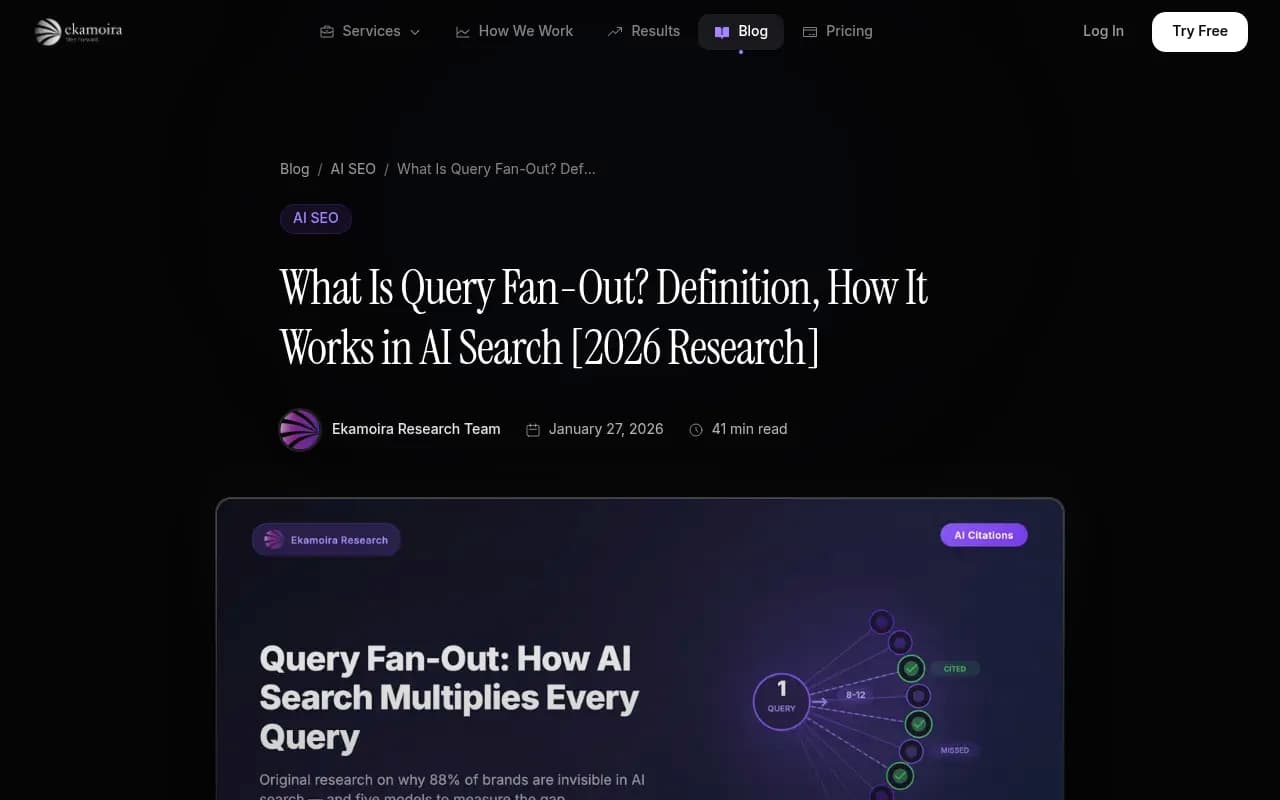
A December 2025 study by Surfer SEO analyzing 173,902 URLs across 10,000 keywords found that 68% of pages cited in AI Overviews were not in the top 10 organic results. That's not a rounding error -- that's a structural shift in how content gets discovered and cited.
Why ChatGPT shopping makes this urgent for e-commerce
In March 2026, OpenAI launched a significantly upgraded shopping experience inside ChatGPT, powered by the Agentic Commerce Protocol (ACP). Users can now browse products visually, compare options side-by-side with price and review data, upload images to find similar items, and refine results conversationally.
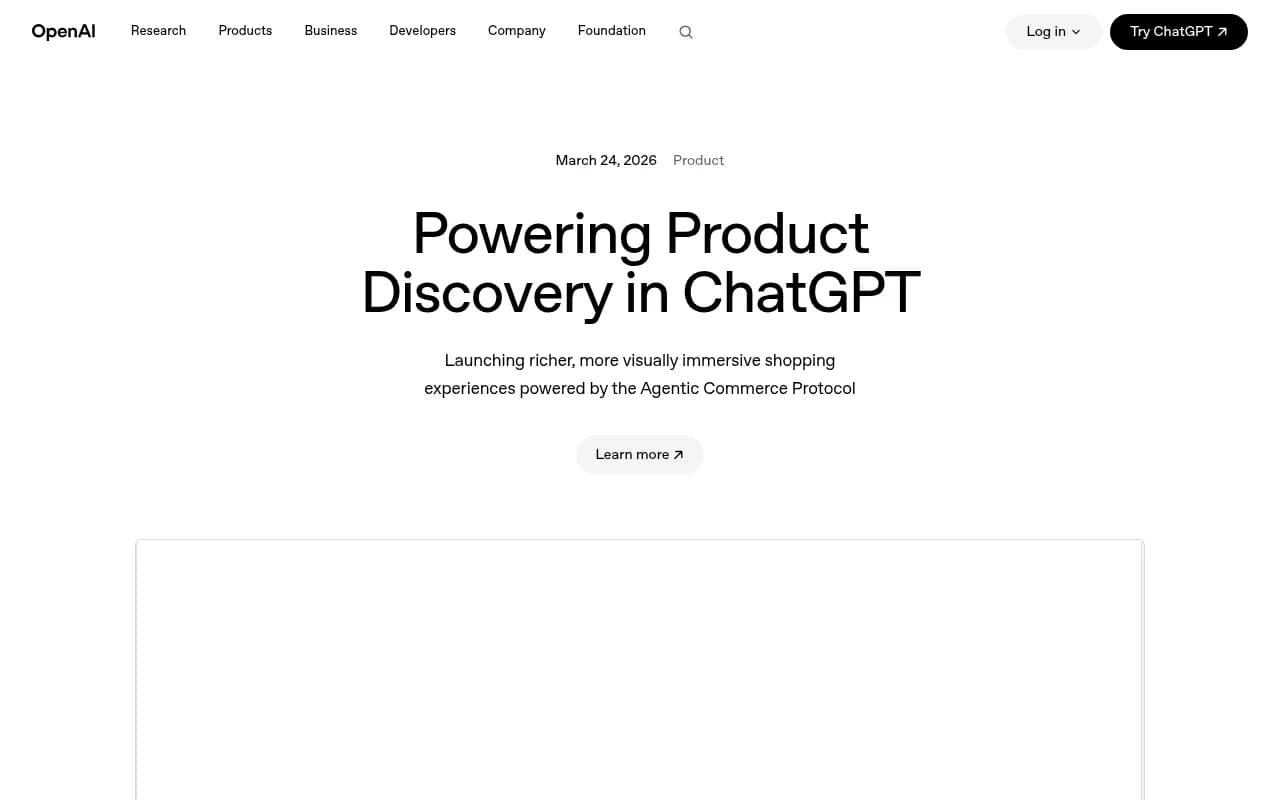
This matters because the stakes just got much higher. ChatGPT shopping isn't just answering informational questions anymore -- it's actively driving purchase decisions. OpenAI's own framing: "For merchants, it brings higher-intent shoppers who are closer to making a decision."
People who ask ChatGPT for product recommendations are often ready to buy. They've already decided they want something; they're asking the AI to help them decide which one. If your product doesn't appear in that conversation, you've lost a sale you never even knew was possible.
The fan-out process determines who appears in those conversations. And most e-commerce brands have no idea it's happening.
How fan-out sub-queries are structured for product searches
Research analyzing over 72,000 AI-generated queries across 8,700+ prompts reveals some consistent patterns in how AI models expand product-related searches. Understanding these patterns is the first step to optimizing for them.
Review and consensus queries
A significant portion of fan-out sub-queries target third-party validation. The AI is looking for Reddit discussions, expert reviews, forum threads, and comparison articles -- not your product page. Phrases like "reviews," "Reddit," "complaints," and "limitations" appear frequently in the sub-query set. If your brand is only visible on your own website, you're invisible to this entire retrieval path.
Price and value queries
"Free," "pricing," "cost," and "budget" appear in a meaningful share of fan-out sub-queries. The AI wants to anchor its recommendation in real pricing context. If your product data isn't accessible in a way AI crawlers can read and cite, you're missing these sub-queries entirely.
Comparison and "vs" queries
AI models routinely generate sub-queries that pit products against each other: "Brand A vs Brand B," "alternatives to X," "X compared to Y." If you don't have comparison content on your site or appear in third-party comparison articles, you're not winning these sub-queries.
Freshness signals
Timestamps matter. Sub-queries frequently include year qualifiers ("2025," "2026") because the AI wants recent information. Product pages that haven't been updated in two years are at a structural disadvantage, regardless of how good the product is.
Intent-specific queries
The AI breaks down the original query by use case. "Running shoes for flat feet" becomes separate sub-queries for overpronation, plantar fasciitis, marathon training, casual use, and so on. Your content needs to address these specific angles, not just the broad category.
The content gap most e-commerce brands have
Here's the honest problem: most e-commerce product pages are built to convert, not to inform. They have a hero image, bullet-point features, a price, and a buy button. That's fine for someone who already knows they want the product. It's useless for an AI model trying to answer "what's the best option for someone with X problem."
The content that wins fan-out sub-queries looks different:
- Long-form buying guides that address specific use cases and personas
- Comparison pages that honestly evaluate your product against competitors
- FAQ content that addresses the "complaints" and "limitations" sub-queries directly
- Review aggregation or user-generated content that signals consensus
- Updated content with clear publication and revision dates
The brands getting cited in ChatGPT shopping recommendations in 2026 are the ones that built this content -- often without knowing why it was working.
Fan-out frequency varies by product category
Not all e-commerce categories trigger the same level of fan-out. Research from 85sixty shows that fan-out frequency and depth vary significantly by intent vertical.
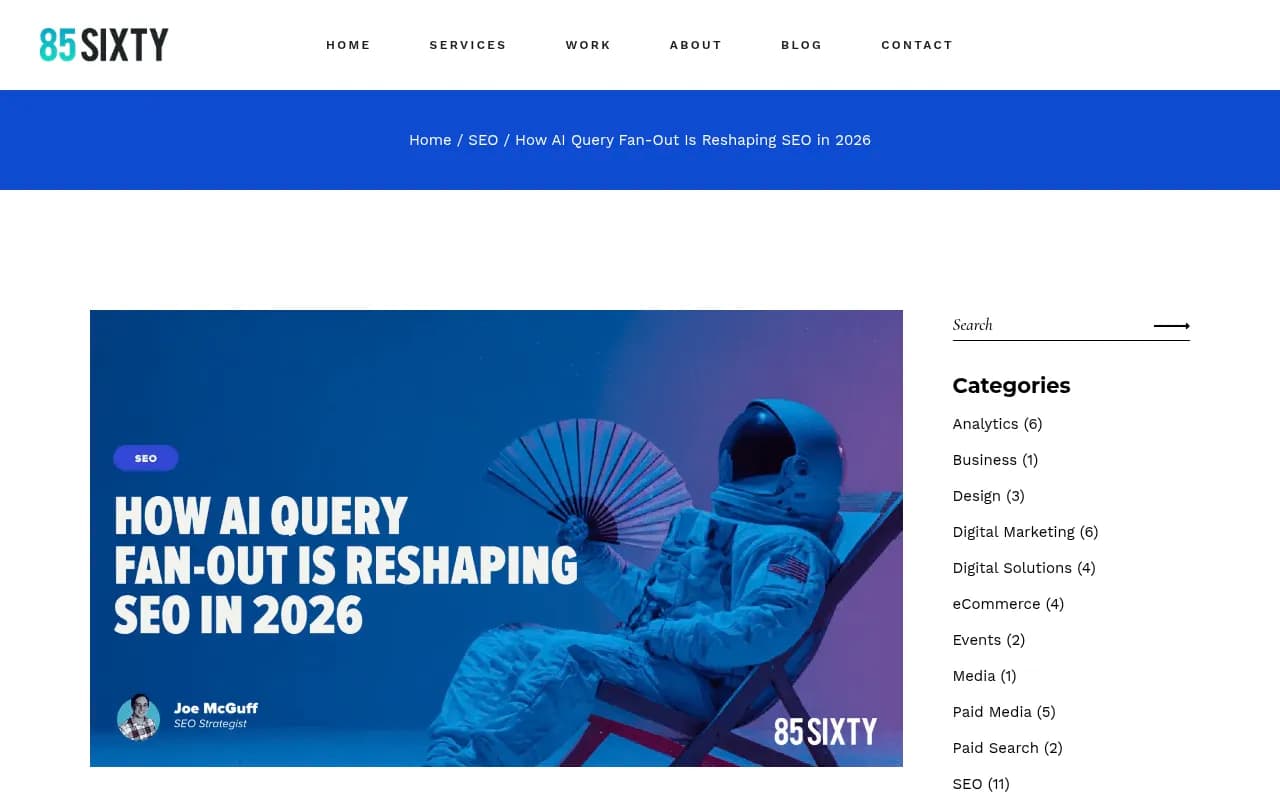
High-consideration purchases -- electronics, appliances, mattresses, software, fitness equipment -- trigger more sub-queries because the AI recognizes the decision complexity. Someone asking about a $1,200 laptop needs more cross-referencing than someone asking about a $15 phone case.
This means the ROI of fan-out optimization is highest in categories where:
- Purchase prices are significant
- Comparison shopping is common
- Reviews and expert opinions carry weight
- The decision timeline is longer than a few minutes
If you sell high-consideration products and you're not thinking about fan-out, you're leaving the most valuable AI-driven traffic on the table.
What "tracking fan-out" actually means in practice
Tracking fan-out isn't the same as tracking keyword rankings. You're not looking at where you rank for a single query -- you're mapping which sub-queries your brand appears in, which ones competitors dominate, and which ones nobody is answering well (your opportunity).
A practical fan-out tracking workflow for e-commerce looks like this:
- Identify your core product queries (the ones customers actually ask)
- Map the likely sub-queries each one generates (review queries, comparison queries, price queries, use-case queries)
- Check which sub-queries your brand currently appears in across ChatGPT, Perplexity, and Google AI Mode
- Identify the gaps -- sub-queries where competitors appear but you don't
- Create content that specifically addresses those gaps
- Monitor whether new content gets crawled and cited by AI models
Step 4 is where most brands stop. They see the gap but don't know what to do with it. The ones winning in AI search are treating those gaps as a content brief.
Tools like Promptwatch are built specifically for this workflow -- the Answer Gap Analysis feature shows exactly which prompts competitors are visible for but you're not, and the Content Agents generate articles grounded in real prompt and citation data to close those gaps.

Comparison: how different tools handle fan-out visibility for e-commerce
Most AI visibility tools were built for brand monitoring, not e-commerce optimization. The distinction matters. Here's how the major categories compare:
| Tool type | Fan-out sub-query tracking | Content gap analysis | ChatGPT shopping tracking | Content generation |
|---|---|---|---|---|
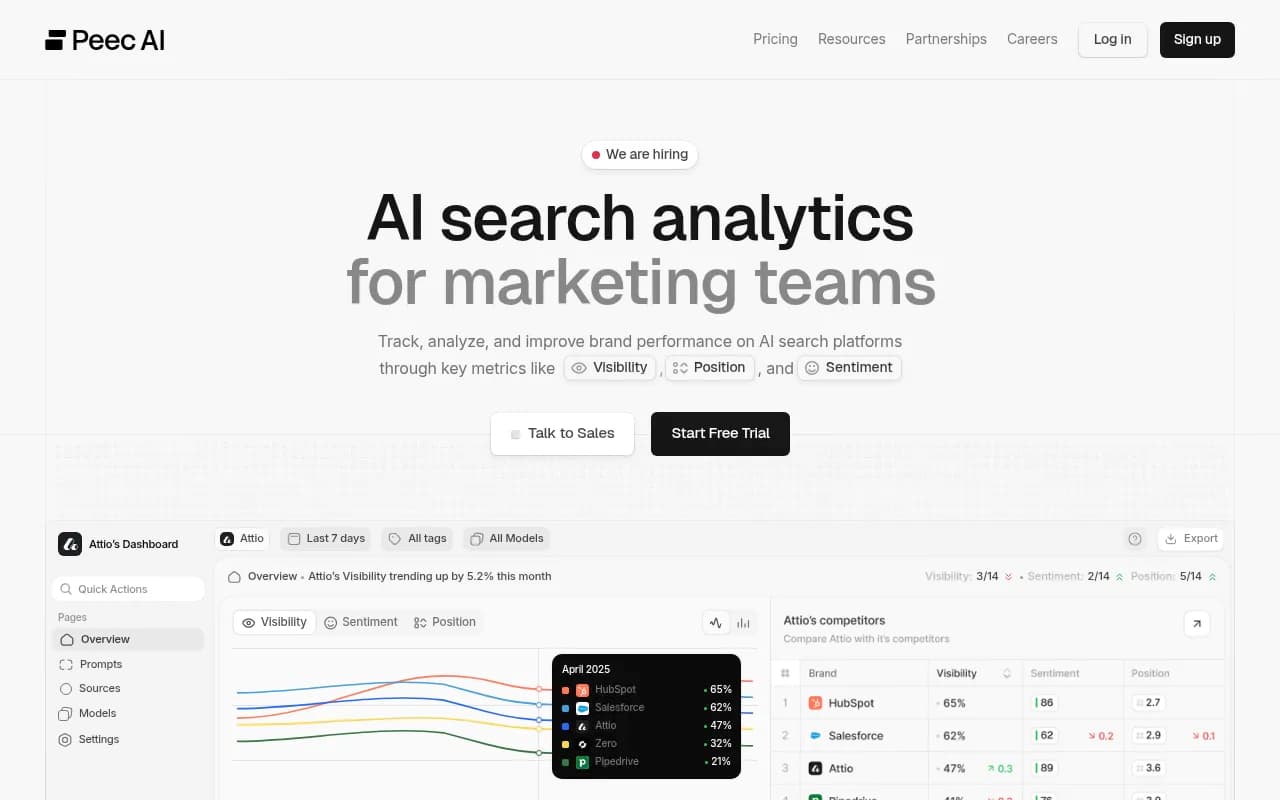
| Monitoring-only (Otterly.AI, Peec.ai) | Partial | No | No | No |
| Enterprise GEO (Promptwatch, Profound) | Yes | Yes | Yes (Promptwatch) | Yes (Promptwatch) |
| Traditional SEO (Semrush, Ahrefs) | No | No | No | Limited |
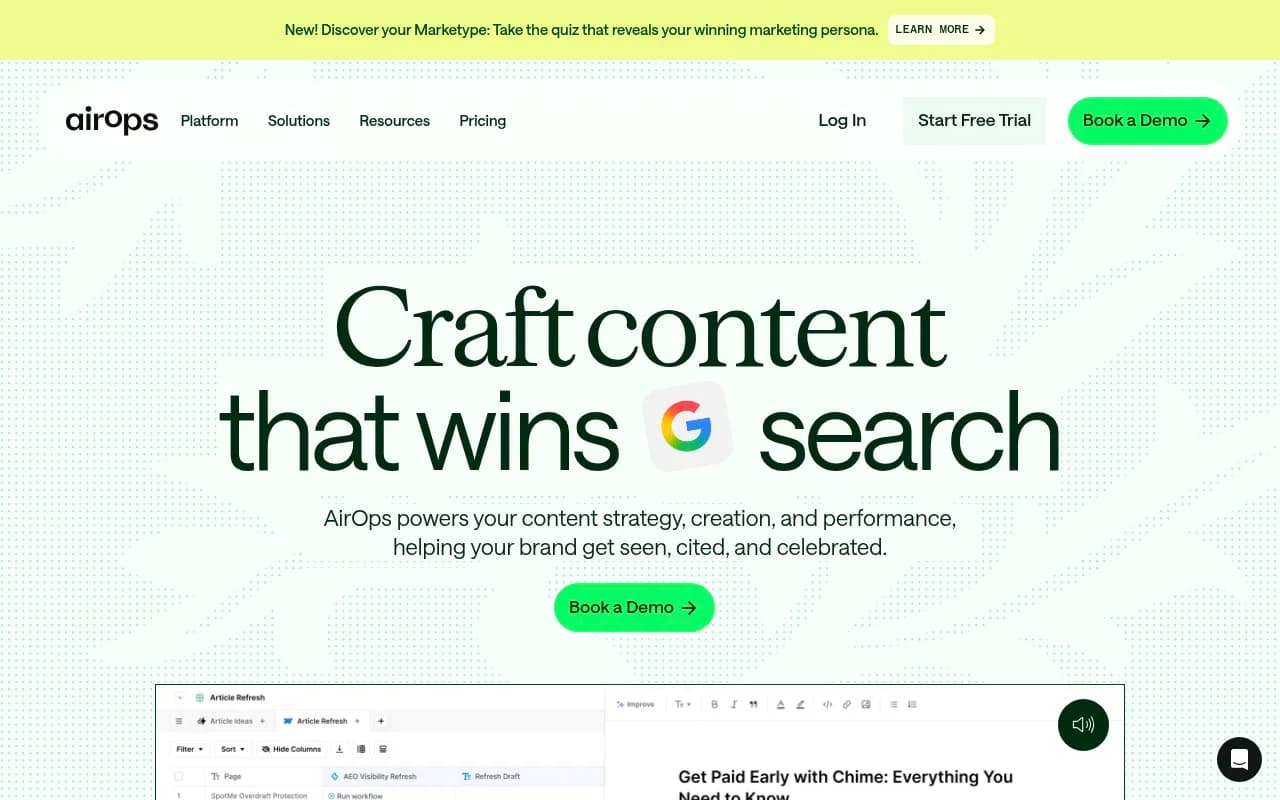
| AI content platforms (AirOps) | No | Partial | No | Yes |
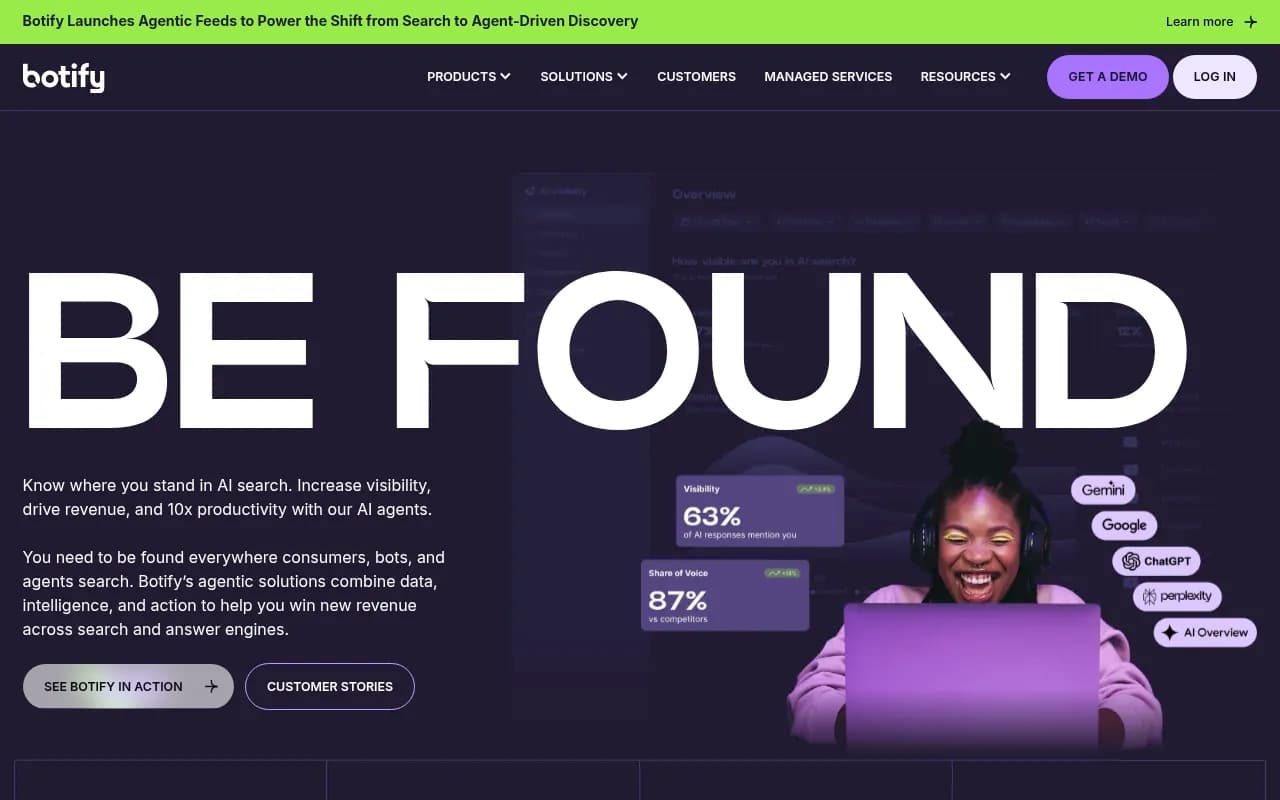
| Specialized e-commerce (Botify) | Partial | No | No | No |
The gap between monitoring-only tools and full optimization platforms is significant. Knowing that you're invisible in a sub-query is useful. Knowing exactly what content to create to fix it -- and then being able to generate that content -- is what actually moves the needle.
Practical strategies for e-commerce fan-out optimization
Build use-case content, not just product pages
Your product page for a standing desk doesn't need to be longer. You need a separate piece of content answering "best standing desks for people with back pain," another for "standing desks for small apartments," and another for "standing desk vs sitting desk productivity." These are the sub-queries the AI generates when someone asks a broad product question.
Get into third-party sources
A significant portion of fan-out sub-queries retrieve content from Reddit, YouTube, review sites, and comparison blogs -- not brand websites. If your product isn't being discussed in those places, you're invisible to entire retrieval paths. Actively seeding reviews, engaging with relevant Reddit communities, and getting into comparison articles matters more for AI visibility than it ever did for traditional SEO.
Make your structured data AI-readable
ChatGPT's Agentic Commerce Protocol pulls product data including price, availability, and specifications. If your product feed isn't clean, complete, and up-to-date, the AI either skips your product or cites outdated information. This is a technical problem with a technical fix -- audit your structured data and product feeds.
Address the "complaints" sub-query directly
This one makes marketers uncomfortable, but it works. AI models generate sub-queries looking for product limitations, common complaints, and "is X worth it" content. If you don't address these questions honestly on your own site, the AI will find the answers on Reddit or a competitor's comparison page. Writing a transparent "who this product isn't right for" section on your product page is counterintuitive but effective.
Update content with clear dates
Freshness signals matter in fan-out. Add clear publication and "last updated" dates to your buying guides and comparison content. The AI is actively looking for recent information -- a guide last updated in 2023 is at a disadvantage against one updated in Q1 2026, even if the underlying information is similar.
The 95% problem: why keyword tools miss fan-out sub-queries
One of the more striking findings from fan-out research: approximately 95% of fan-out sub-queries show zero monthly search volume in traditional keyword tools. They're not phrases people type into Google directly -- they're the internal retrieval queries AI models generate on the fly.
This means keyword research as traditionally practiced is nearly useless for fan-out optimization. You can't find these sub-queries in Semrush or Ahrefs because they don't exist as standalone search queries with measurable volume. They only exist inside the AI's reasoning process.
The implication is that you need to think about fan-out optimization differently from keyword targeting. Instead of asking "what do people search for," you ask "what questions would an AI need to answer to give a complete, confident response to my customer's query?" Those are the sub-queries you need to be visible in.
Measuring success: what to track
Traditional metrics -- organic traffic, keyword rankings -- don't capture AI-driven visibility. For fan-out optimization specifically, the metrics that matter are:
- AI citation rate: how often your brand appears in AI responses to relevant product queries
- Sub-query coverage: what percentage of the likely fan-out sub-queries your content addresses
- Competitor gap: which sub-queries competitors appear in that you don't
- Page-level citation tracking: which specific pages on your site are being cited by which AI models
- AI-attributed traffic: sessions that arrive from ChatGPT, Perplexity, or other AI search engines
The last metric is increasingly trackable. Promptwatch's traffic attribution connects AI citations to actual sessions and revenue, which is the number that eventually justifies the investment to leadership.
Where this is heading
Query fan-out is going to get more sophisticated, not less. As AI models improve their reasoning capabilities, they'll generate more targeted and more numerous sub-queries. The brands that build topical authority now -- covering their product categories from multiple angles, addressing multiple personas, and maintaining fresh content -- will compound their advantage over time.
The e-commerce brands that treat AI search as a separate channel requiring its own strategy are already pulling ahead. The ones waiting for AI search to "mature" before investing are watching competitors get recommended to high-intent buyers they never even knew existed.
Fan-out tracking isn't a niche technical concern. For any e-commerce brand selling products where customers research before buying, it's the core of how AI search visibility works in 2026.