Key takeaways
- Most AI SEO damage in 2026 comes from how teams use their tools, not from the tools themselves: unreviewed AI drafts, vanity prompt tracking, and no link between visibility data and publishing.
- Product and landing pages make up about 39% of ChatGPT citations (Sep 28 to Oct 4, 2026), so a blog-only strategy leaves your best citation surface neglected.
- Reddit and social seeding is now a weak play for ChatGPT but still matters for Google AI Overviews. Treat engines separately.
- Building .md mirrors of marketing pages "for LLMs" is wasted effort. HTML is 99.94% of AI search citations.
- Fix crawler access and rendering first. Everything else depends on AI systems being able to read your pages.
Why tool mistakes are the real problem
Most teams I talk to have bought something in the last year: a writing assistant, a prompt tracker, maybe both. The tools work fine. What goes wrong is the workflow around them. Someone generates 200 articles, nobody reads them, and six months later traffic is flat and the budget is gone.
The research on this topic is noisy. Plenty of agency posts repeat the same list (keyword stuffing, slow mobile pages, thin content), and those are still real. But the newer cost is different. A mistake that used to cost you a Google ranking can now cost you a citation in ChatGPT, Perplexity, Gemini or Google AI Overviews, and those engines behave differently from each other.
Here are nine mistakes I see most often, with what to do instead.
Mistake 1: Publishing AI drafts without a human pass
This is the oldest one and it still tops the list. Writing tools like Jasper and Copy.ai produce passable first drafts in seconds, and that speed is the trap. Teams hit publish on drafts that say nothing new, repeat what the top ten results already say, and carry no first-hand detail.
The cost is double. Google's quality systems have little patience for thin pages, and AI engines have little reason to cite a page that adds nothing to what they already know.
What works better:
- Treat the draft as an outline with sentences attached.
- Add something only you have: your own pricing data, a screenshot, a customer quote, a mistake you made.
- Cut the intro that restates the title.
- Have a subject-matter person read it, not just an editor checking grammar.
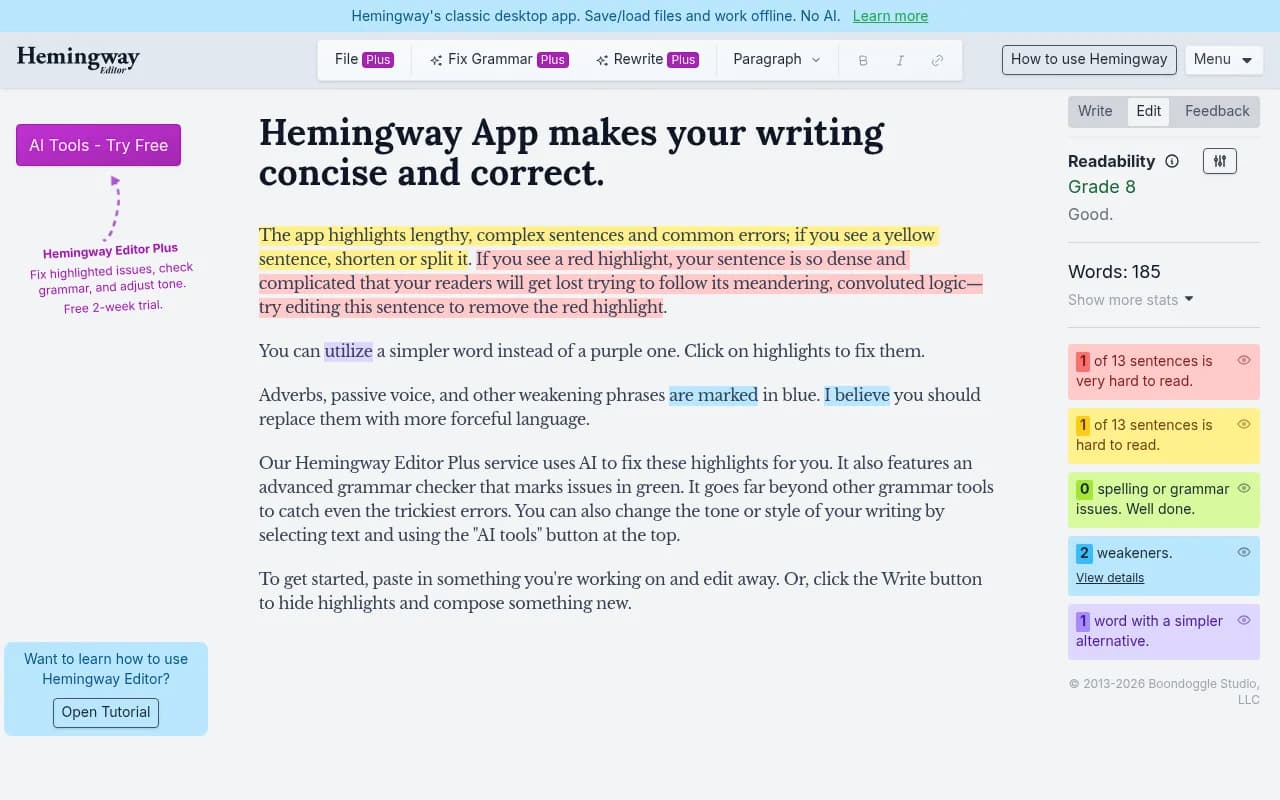
Grammar tools like Grammarly or Hemingway App fix sentences. They do not fix a page that has nothing to say.
Mistake 2: Chasing a content score instead of the reader
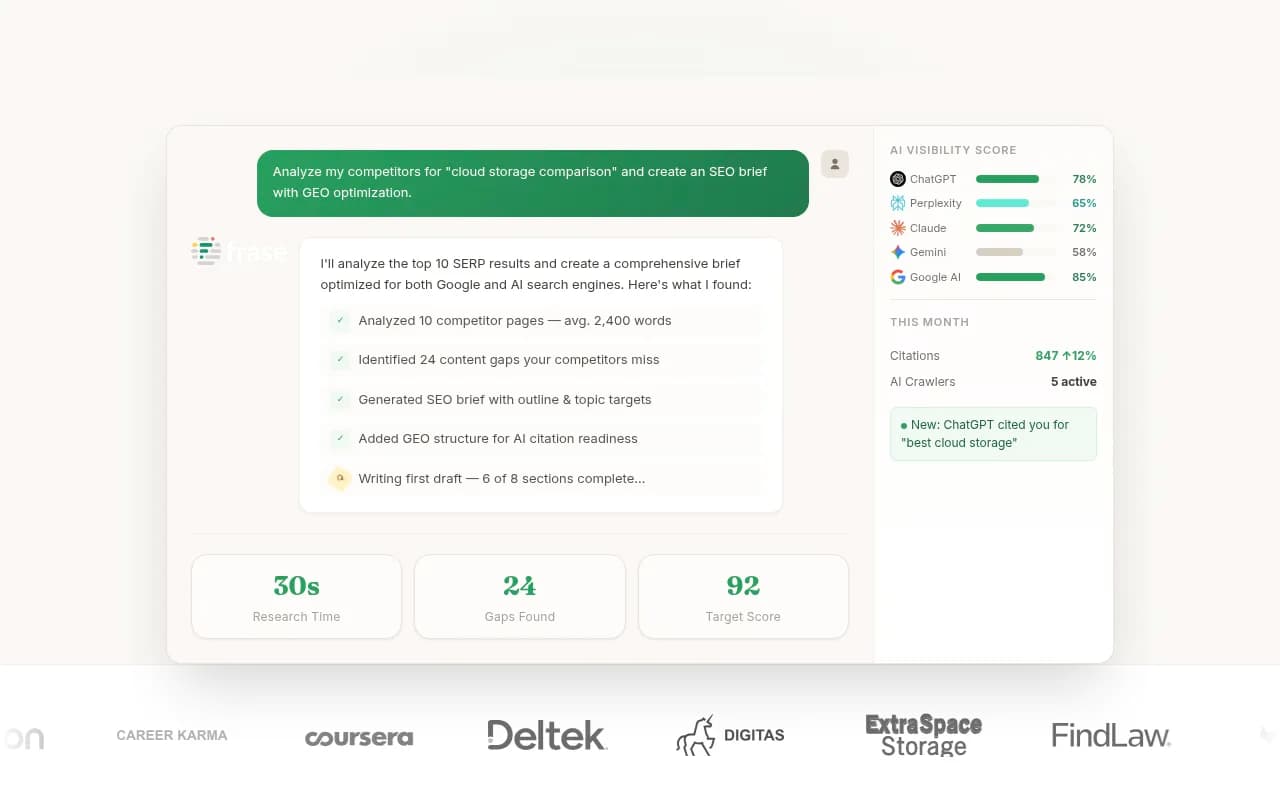
Content optimization tools such as Surfer SEO, Clearscope, Frase and NeuronWriter are useful. They show which terms competing pages cover. The mistake is treating a green score as the goal.
I have seen articles stuffed with 40 "recommended terms" that read like a keyword list with punctuation. The score goes up. The page gets worse. And chasing the same term lists as everyone else produces a page that looks like everyone else's.

Use these tools to find gaps in coverage, then write for a person. If a recommended term does not belong in a sentence naturally, leave it out.
Mistake 3: Optimizing only for blue links
The Boral Agency piece makes a point I agree with: the biggest 2026 mistake is optimizing only for traditional rankings while ignoring AI-powered search behavior. Your rank tracker can say you are position 3 while ChatGPT recommends three competitors and never mentions you.
Classic rank trackers like AccuRanker, Ranktracker and Wincher still matter. They just answer a narrower question now.

Add an AI visibility layer next to them. There are dozens of options, and the GEO software directory at bestgeosoftware.com is a decent place to compare. Promptwatch is the one we use and recommend because it goes beyond "was I mentioned" into crawler logs, citation analytics and content generation.

Mistake 4: Treating the blog as the only citation surface
This one surprised me. Promptwatch Data's ChatGPT citation share by content type report (Sep 28 to Oct 4, 2026) found that product pages are the most cited type at 22.4% of classified citations, and landing pages add 16.8%. That is about 39% of citations going to pages that describe what a company sells.
Listicles are 13.6%, how-tos 8.7%, documentation 7.5%, general articles 6.1%, comparisons 5.9% and news 5.7%.
For commercial prompts the skew is stronger: product pages (26.0%), landing pages (20.6%), listicles (15.0%) and comparisons (7.9%) add up to almost 70%.
| Content type | Share of ChatGPT citations |
|---|---|
| Product pages | 22.4% |
| Landing pages | 16.8% |
| Listicles | 13.6% |
| How-to guides | 8.7% |
| Documentation | 7.5% |
| General articles | 6.1% |
| Comparisons | 5.9% |
| News | 5.7% |
| FAQ | 3.3% |
| Reviews | 1.7% |
If your AI writing tool is pumping out blog posts while your product pages are three sentences and a button, you are feeding the wrong surface. Rewrite product and landing pages first, with specifics: who it is for, what it costs, how it compares. Then map content to prompt intent, and keep documentation public and crawlable.
Also, freshness matters by type. Promptwatch Data's content half-life report shows landing pages and docs stay cited longest, while news loses half its pages within 36 days. Do not build a strategy on news-style posts and expect them to keep earning citations.
Mistake 5: Blocking or breaking AI crawlers without knowing
I would check this before anything else. A surprising number of sites block GPTBot or ClaudeBot through a copied robots.txt, a CDN bot rule, or a security setting nobody remembers enabling. Others serve content only after heavy client-side JavaScript runs, so crawlers see an empty shell.
No content strategy survives that. Your best page cannot be cited if the crawler cannot read it.
How to check:
- Review robots.txt and CDN or firewall bot rules for AI user agents.
- Fetch key pages without JavaScript and see what remains.
- Look at server logs for real AI crawler hits and errors, and verify IPs, since spoofed bots are common.
- Run a technical crawl for broken links, missing sitemap entries and orphaned pages.
For crawling, Screaming Frog SEO Spider, Oncrawl and Botify are the established choices. For rendering problems on JavaScript-heavy sites, Prerender.io exists specifically for this.
Promptwatch's crawler logs show IP-verified AI bot visits per page, which most monitoring tools lack. Promptwatch Data also tracks AI crawler traffic week by week, if you want a benchmark for what normal looks like. Crawler mix shifts fast: Meta-WebIndexer went from about 2% to nearly 38% of tracked AI crawler requests between mid-July and August 9, 2026. A blocklist written last year is probably already out of date.
Mistake 6: Building .md mirrors for LLMs
A few teams got excited about creating markdown versions of every marketing page "so AI can read them." It sounds smart. The data says no.
Promptwatch Data's markdown in AI search report (published Feb 19, 2026, covering ChatGPT, Claude, Perplexity and AI Overviews) found HTML makes up 99.94% of citations. Markdown files are 0.05%, images 0.015%. That is roughly 2000 to 1.
So skip the mirrors for blog and marketing pages. Put the effort into:
- A clear heading hierarchy and semantic markup.
- Content that answers the question directly in the first paragraph under each heading.
- Fixing client-side rendering problems.
Keep .md endpoints for developer docs, where AI coding agents do fetch them. That serves agents, not consumer AI search.
Mistake 7: Relying on Reddit and social seeding for every engine
A lot of 2025 advice said: get on Reddit, seed threads, and ChatGPT will cite you. That advice has aged badly. Promptwatch Data showed reddit.com's share of ChatGPT citations collapsing from roughly 4% to 0.5% on August 14, 2026.
The social media citations by AI model report (Sep 28 to Oct 4, 2026) makes the split clear:
| Engine | Social share of citations | Top platforms |
|---|---|---|
| ChatGPT | 0.46% | LinkedIn (0.3%) |
| Perplexity | 2.7% | LinkedIn and Reddit (0.86% each) |
| Google AI Overviews | 12.2% | YouTube (4.28%), Facebook (2.38%), Reddit (2.15%) |
Google AI Overviews gets about 26 times ChatGPT's social share. So one blanket "community seeding" plan does not fit. If AI Overviews matters to you, YouTube and Facebook presence still pays off. If ChatGPT is the priority, your own product pages and third-party editorial sources carry more weight.
This is also a warning about Reddit automation tools. Tools like ReplyAgent.ai can scale posting, but scaling a tactic whose payoff dropped sharply in one engine is expensive. Check where your target prompts actually pull citations before you spend.
Mistake 8: Tracking prompts without acting on them
This is the mistake I find most frustrating, because it feels like progress. A team buys a prompt tracker, builds a dashboard of 100 prompts, and watches a visibility line wobble each week. Nothing gets published as a result.
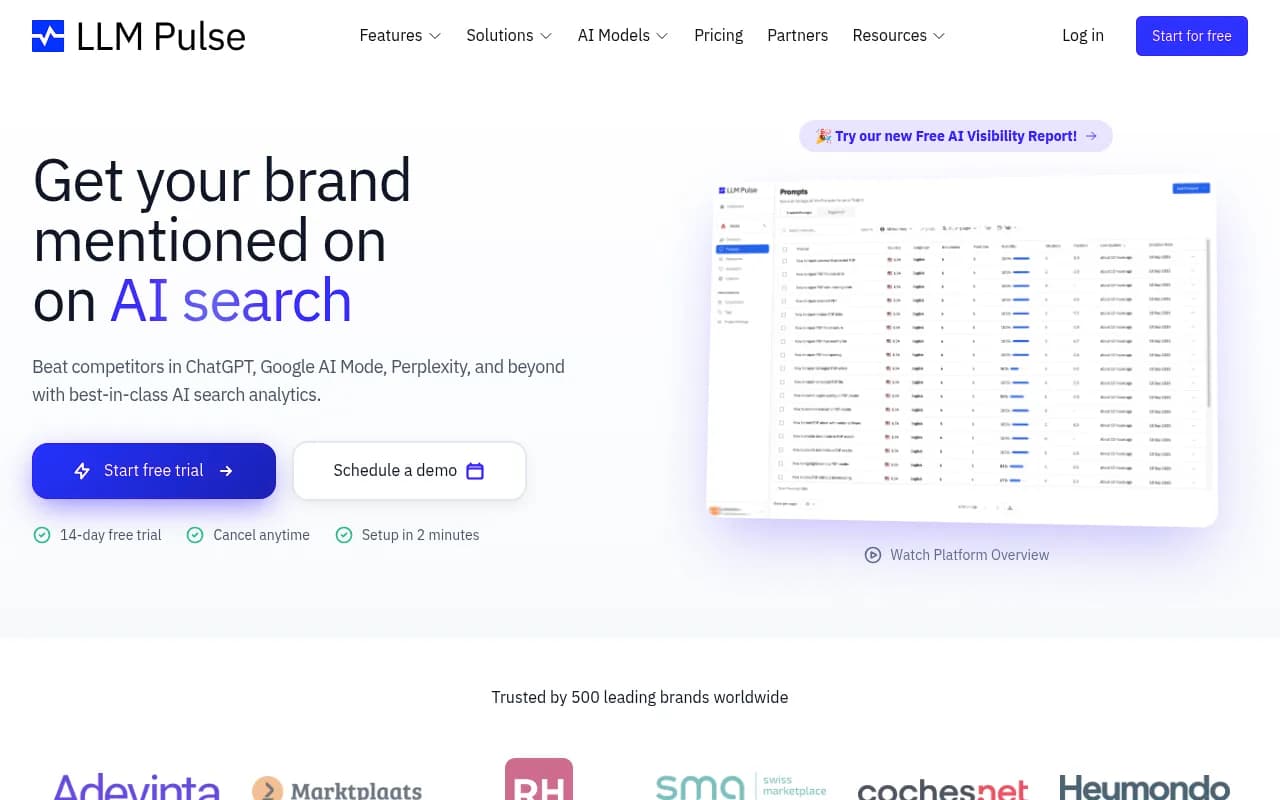
Monitoring-only tools answer "was my brand mentioned?" That is a fine starting question and a bad stopping point. Tools such as Otterly.AI, Peec AI and LLM Pulse are useful for watching trends, but you still need to work out what to publish, write it, and measure whether it worked.


What the loop should look like:
- Find prompts where competitors appear and you do not.
- Check which pages AI cites for those prompts and what content type they are.
- Publish or refresh a page to answer the gap.
- Watch whether it gets crawled, cited and clicked.
- Repeat on the underperformers.
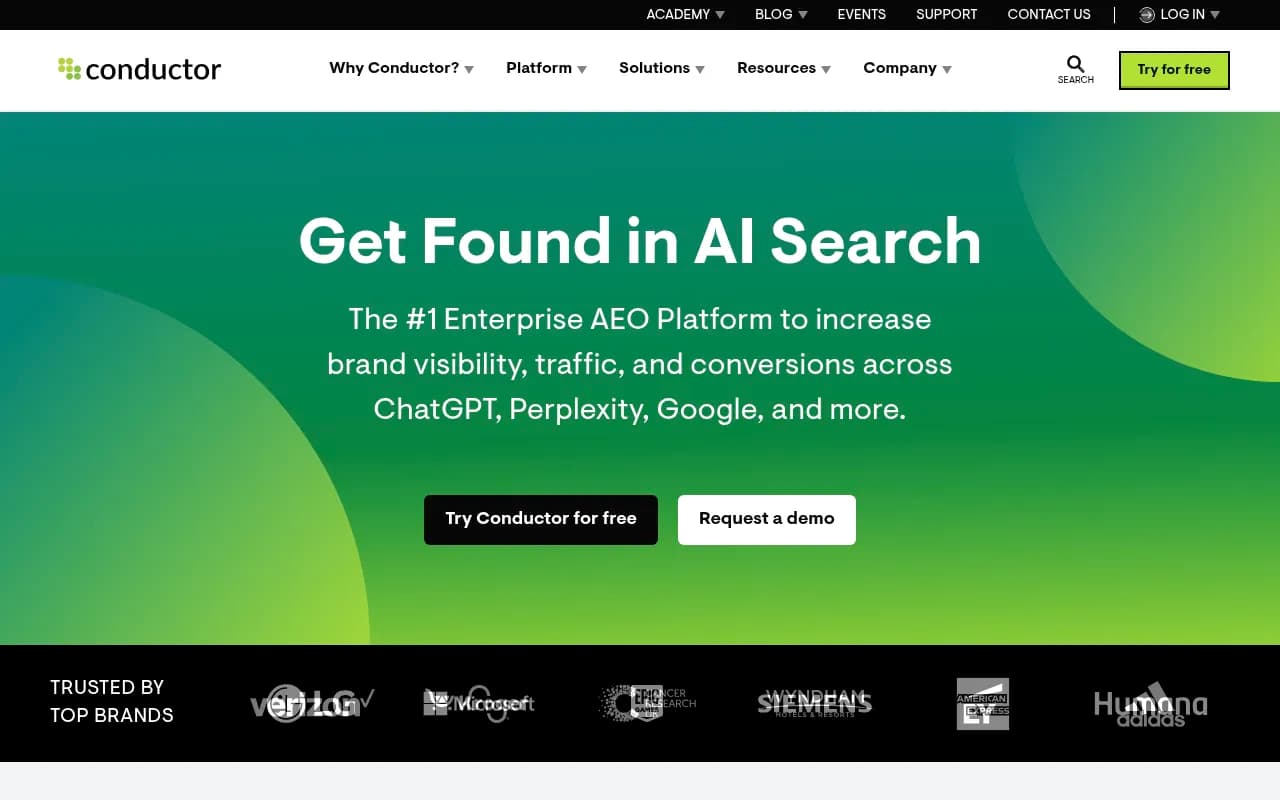
Promptwatch was built around this loop, with content gap analysis, a Content Agent that can publish to Webflow, Framer or WordPress, and an Action Board for prioritizing work. Enterprise tools like Profound, Scrunch and Conductor cover monitoring in depth too. Pick based on whether you want a dashboard or a workflow. For a wider list of options, the AI rank tracking directory at ai-rank-tools.com is worth a browse.


A related warning: do not judge success from a single mention count. Read Visibility Score, Share of Voice, position and citations together. Low share of voice is a coverage problem, late position a prominence problem, and mentions without citations to your own site usually point to content or crawlability.
Mistake 9: Automating content at volume with no quality gate
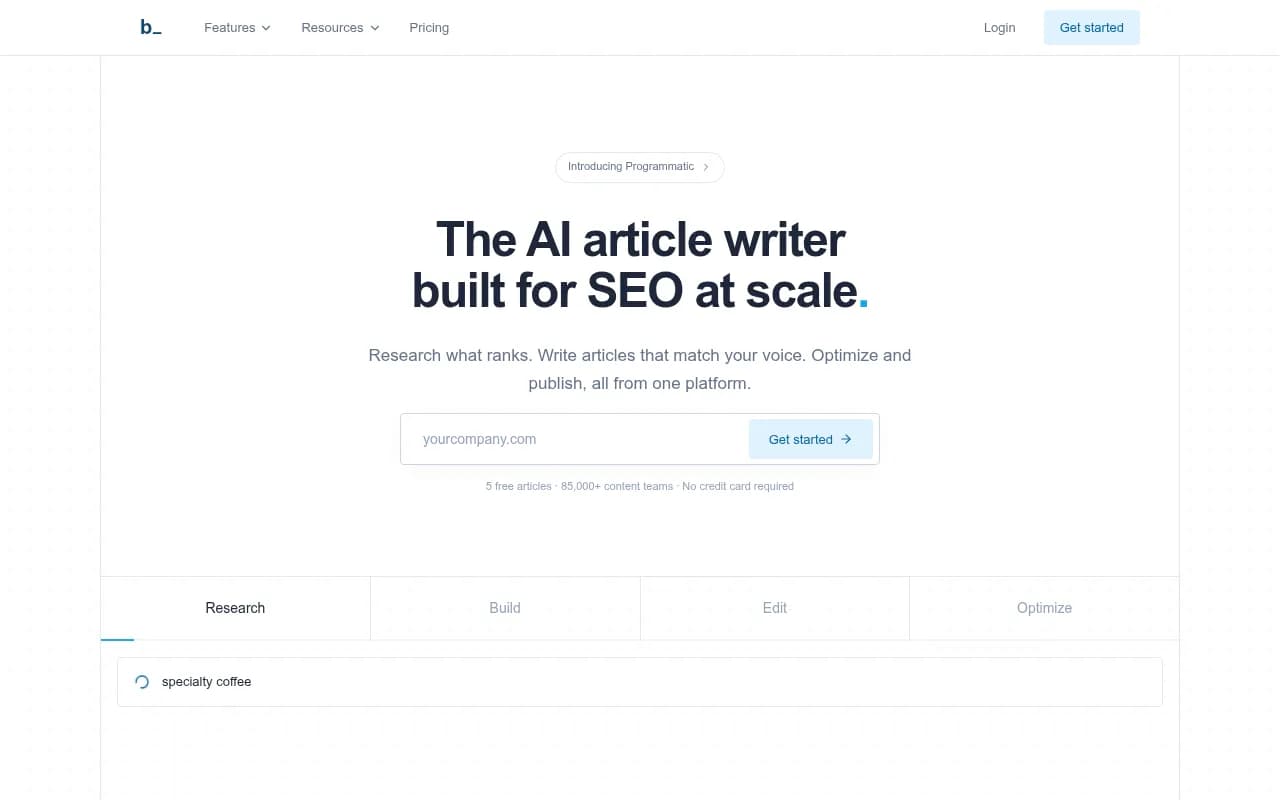
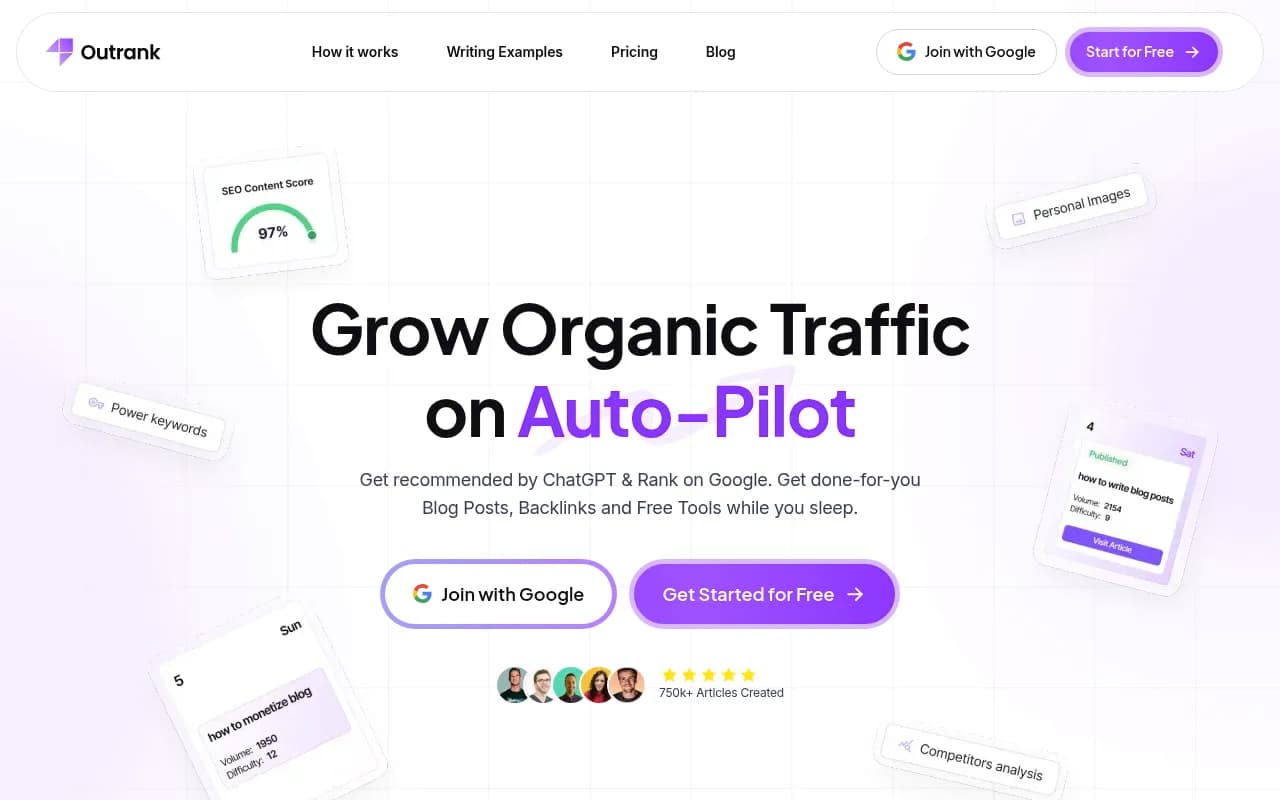
Auto-publishing tools are tempting. Byword, Outrank, Content at Scale and similar platforms promise articles in minutes. Some are fine in the right setup. The mistake is turning on autopilot with no brand input, no facts to ground the writing, and no review step.
The result is predictable: a hundred pages that sound alike, say little, and compete with each other.
Before automating:
- Write a brand book: positioning, tone, facts that are true, claims you must never make.
- Feed the tool real source material, not just a keyword.
- Set a review inbox so a human approves before publishing, at least at first.
- Cap volume until you see which pages get crawled and cited.
- Set up refresh cycles, since stale pages lose citations.
Same goes for bought links. Tools that sell dofollow backlinks in bulk, such as Aura++ DR Booster, carry the same risk they always did, and the Chatter Buzz roundup lists buying links among the costliest mistakes. Also, authority is less clear-cut for AI citations than people assume: Promptwatch Data's domain rank report found sites with DR 46 to 75 earned almost half of ChatGPT citations in August 2026, while DR 91 to 100 fell to about 3%. Mid-authority sites with strong, specific pages can compete.
Basics still matter
None of this replaces the boring stuff. The research I reviewed keeps returning to the same items: slow mobile pages, duplicate content, missing sitemaps, broken links, incomplete Google Business Profiles, inconsistent business names and addresses across directories, and no structured data. Local businesses especially lose ground here.
A few tools help with the basics:
- Google Search Console for indexing and query data, free.
- Yoast SEO or AIOSEO for WordPress metadata and schema.
- Schema App for structured data at scale.
- BrightLocal for local listings and citations.
A quick audit you can do this week
Here is the order I would work in:
- Check robots.txt, CDN rules and rendering for AI crawlers.
- Rewrite your top five product or landing pages with specifics.
- List 20 prompts that matter for revenue and see who gets cited.
- Check which engine matters for you, and match tactics to it (social for AI Overviews, product pages for ChatGPT).
- Add a human review gate to any automated content.
- Delete or merge pages that say nothing new.
If you want an outside team to run this, 1001 SEO Media handles technical SEO, content and AI search work, and publishes this site.
What to remember
The nine mistakes share one root: using a tool as a replacement for a decision. Writing tools do not know what your customers need, trackers do not publish, and automation does not check facts. Pick fewer tools, connect them into a loop from data to published page to measured result, and look at the engine-specific data before copying whatever tactic is trending.