
Key takeaways
- True free plans are rare in 2026. Rytr still has a free-forever tier (10,000 characters a month), while Writesonic and Copy.ai have moved to trials or paid plans only.
- Google does not penalize AI content for being AI. It targets scaled content abuse: many pages with no added value for users.
- General chatbots like ChatGPT, Perplexity and Grammarly are often the best free writing help, because you control the process.
- AI-written filler blog posts are not what ChatGPT cites most. Product pages, landing pages, listicles, how-tos and docs are.
- Safe workflow: use AI for research and drafts, add your own data and experience, fact-check everything, edit hard, publish less.
What "free" means now
I went looking for free AI content writers and found the market has changed. A couple of years ago nearly every tool had a free plan with a few thousand words. Now many of those tools have pivoted. Some became AI search visibility platforms, some went to workflow pricing aimed at go-to-market teams, and some kept a small free tier as bait.
There are four kinds of free:
- Free forever, with a hard cap. You can use it indefinitely but only for a small volume.
- Free trial. Full features for around 7 days, then you pay.
- Freemium chatbots. General assistants that write well when you prompt them properly.
- Free helpers. Grammar, readability and SEO checkers that do not write for you but make your drafts better.
Knowing which one you are looking at saves a lot of wasted setup time.
What the free tiers actually include
These figures come from the vendors' own pricing pages. Always confirm on the page before you commit, because plans change often.
| Tool | Free option | What you get | Paid entry point |
|---|---|---|---|
| Rytr | Free forever | 10,000 characters a month, 40+ use cases, 30+ languages | Lite at $9/mo, unlimited characters |
| Writesonic | 7-day free trial, no free plan | Trial of an AI search visibility platform | Starter at $79/mo billed annually, 15 articles a month |
| Copy.ai | No free plan on the pricing page | Paid Chat plan with 5 seats and unlimited chat words | $29/mo monthly, $24/mo annually |
| ChatGPT | Free tier | General-purpose drafting, limits vary | Paid plans |
| Grammarly | Free tier | Grammar and clarity fixes | Paid plans |
I could not verify current free-tier limits for ChatGPT, Grammarly and several others, so treat those rows as directional.
Rytr
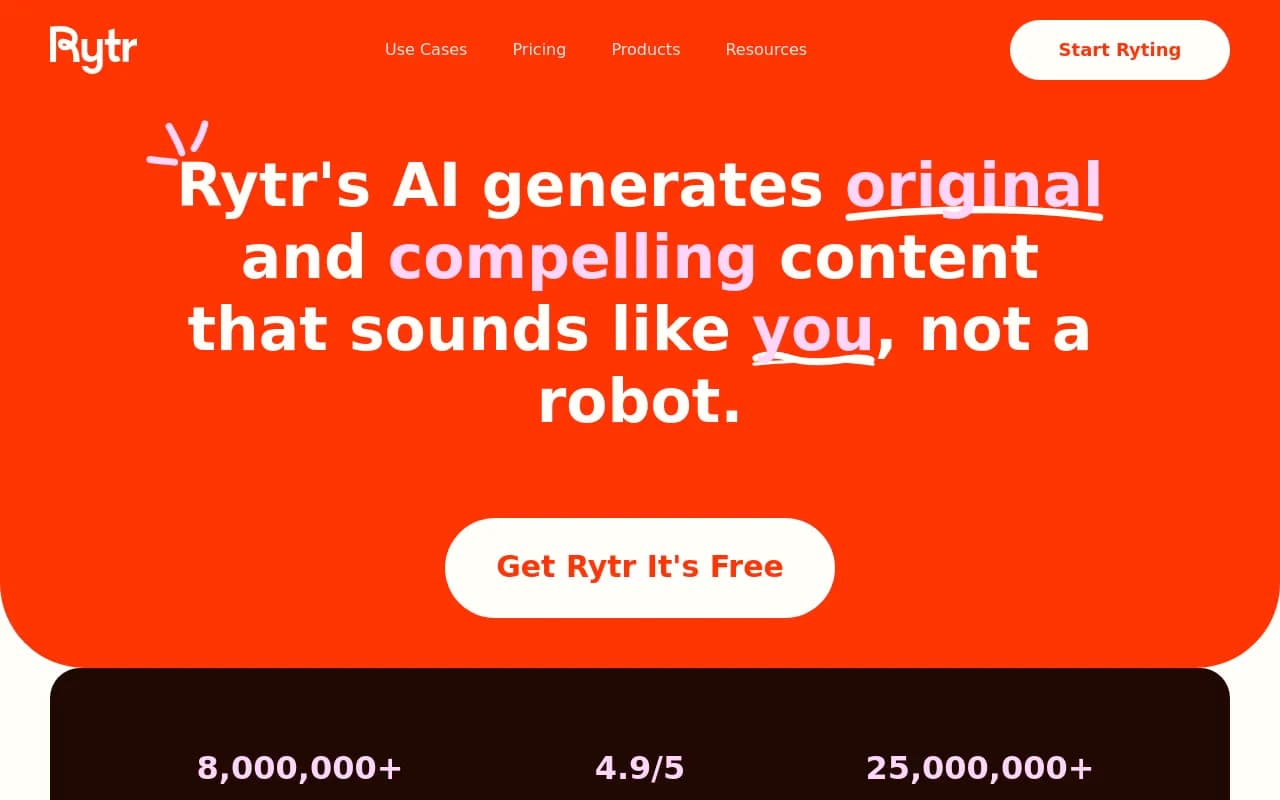
Rytr is the one real free-forever writer I could confirm. The free plan gives you 10,000 characters a month. That is roughly 1,500 to 2,000 words by my own arithmetic, so about one decent article or a lot of short snippets like product blurbs, email openers and social captions.
One caveat. Rytr's pricing page now leans toward relationship and communication use cases, with things like "Engage actions" and person research. Check that it still fits your blogging workflow before building around it. For short-form copy it is fine. For a 2,000-word guide, you will burn through the free allowance in one go.
Writesonic
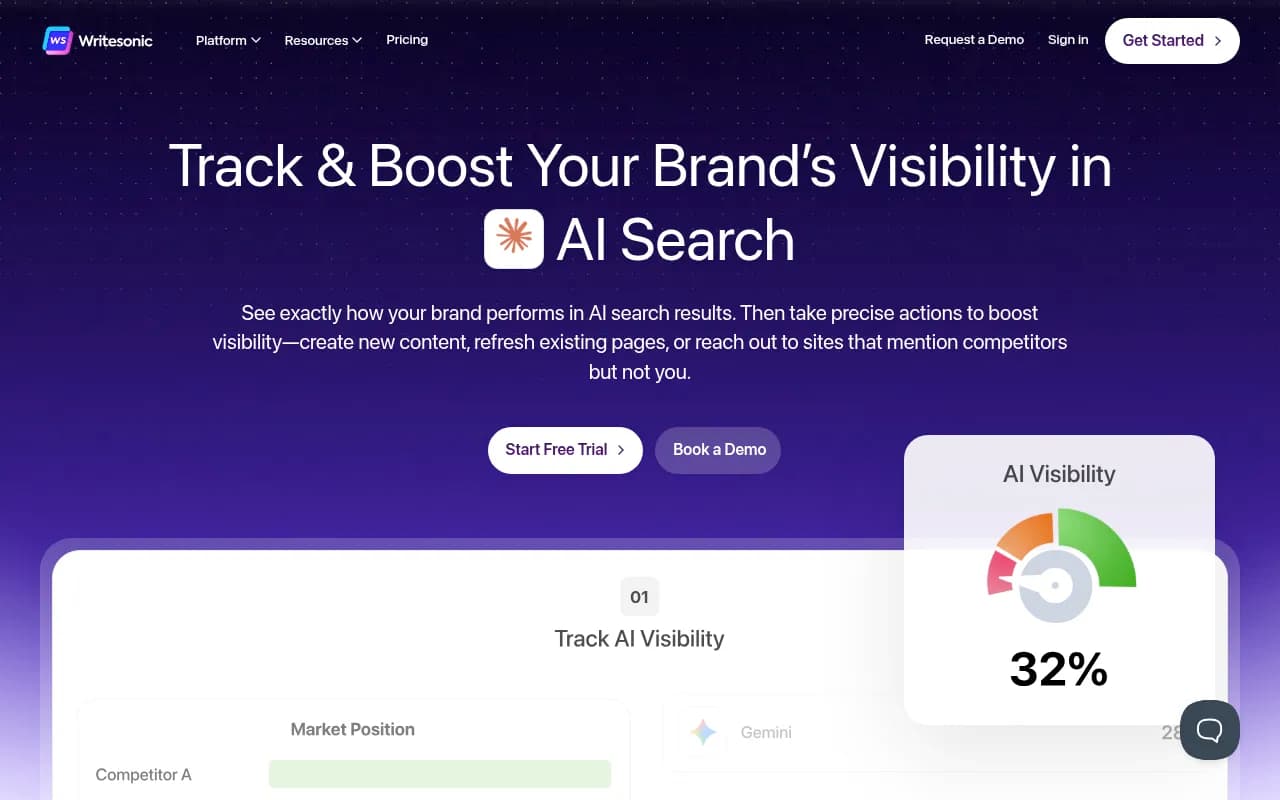
Writesonic used to be the default recommendation for free articles. Today it is positioned as an AI search visibility platform, and there is no free plan, just a 7-day trial. Starter is $79 a month billed annually and covers 15 AI articles a month plus 50 tracked prompts for one user. That is a very different product from the cheap writer people remember. If you see old articles quoting a "from $16" price, ignore them.
Copy.ai
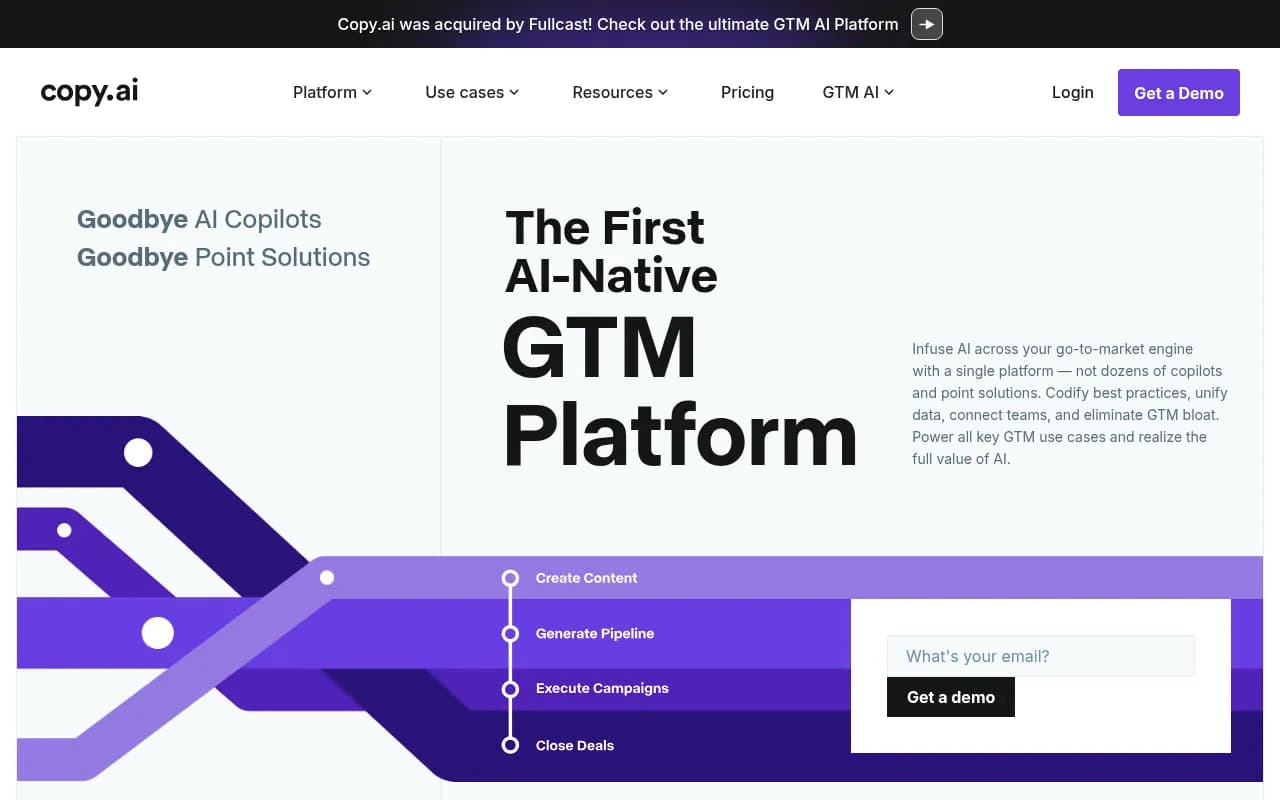
Copy.ai's pricing page showed no free plan. The Chat plan is $29 a month, or $24 a month billed annually, with five seats and unlimited words in chat. Above that, workflow plans start at $1,000 a month. It is now a go-to-market workflow tool more than a blog writer, so it is a poor fit for a solo creator hunting for a free option.
Jasper
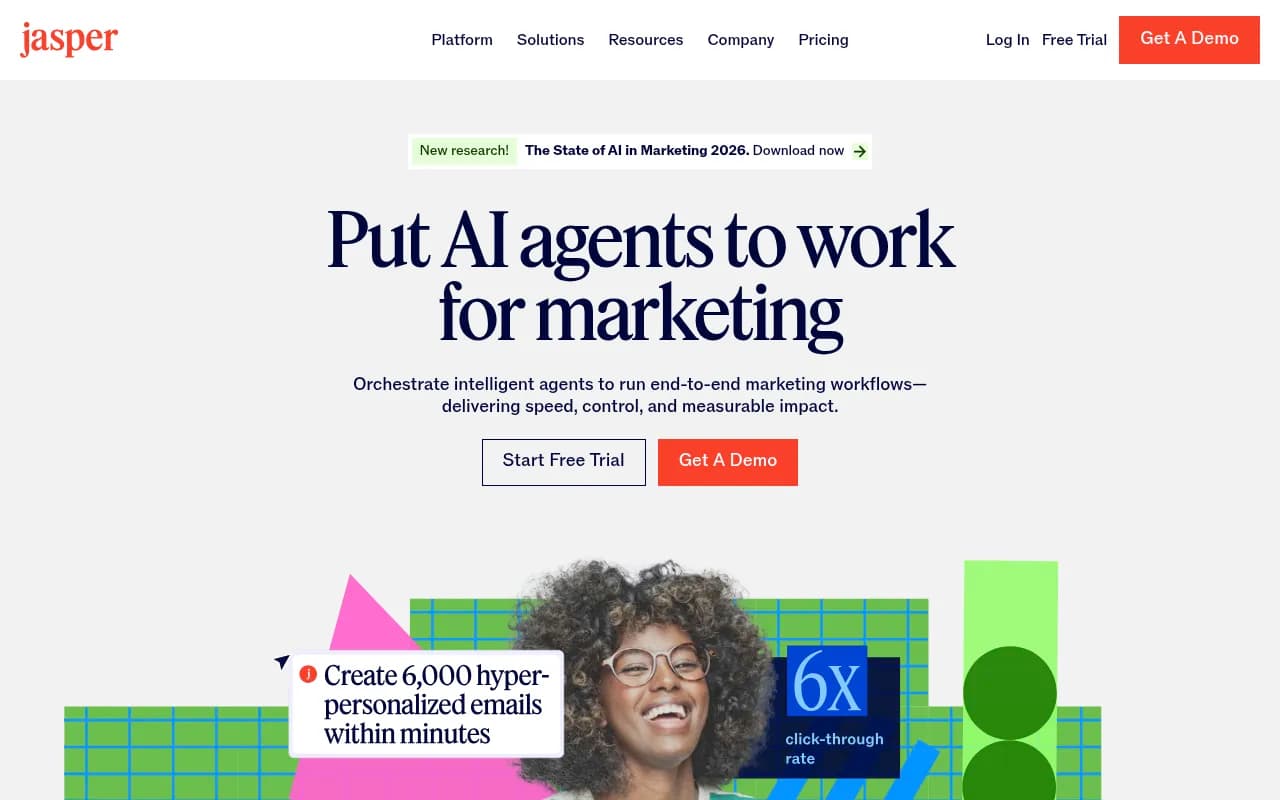
Jasper is built for marketing teams producing long-form content. I could not confirm a current free plan, so assume a trial at best. Fine if your team will pay, not a free writer.
The best free options are not writers at all
Here is my honest opinion. If you want a free workflow that does not burn out in a week, a general chatbot plus free editing tools beats most free-tier writers. You get more control, and you are forced to bring your own thinking, which is exactly what Google wants.
General assistants
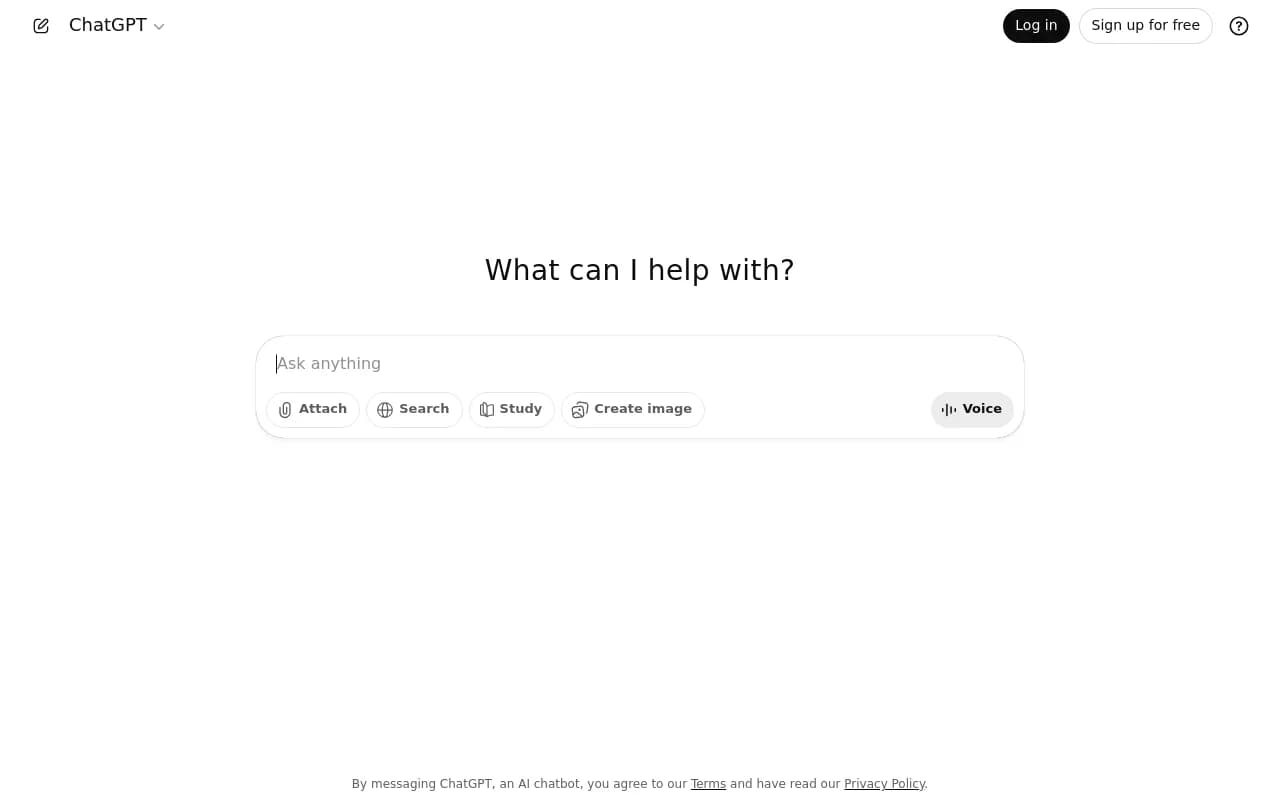
ChatGPT's free tier is good for outlines, first drafts, rewrites and tightening paragraphs. You supply the brief, the facts and the angle. The weakness is that it predicts plausible text rather than retrieving facts, so every number and claim needs checking.
Perplexity
Perplexity is better for the research step because it shows sources you can open and verify. Use it to gather material, not to write the final text.
Editing and clarity
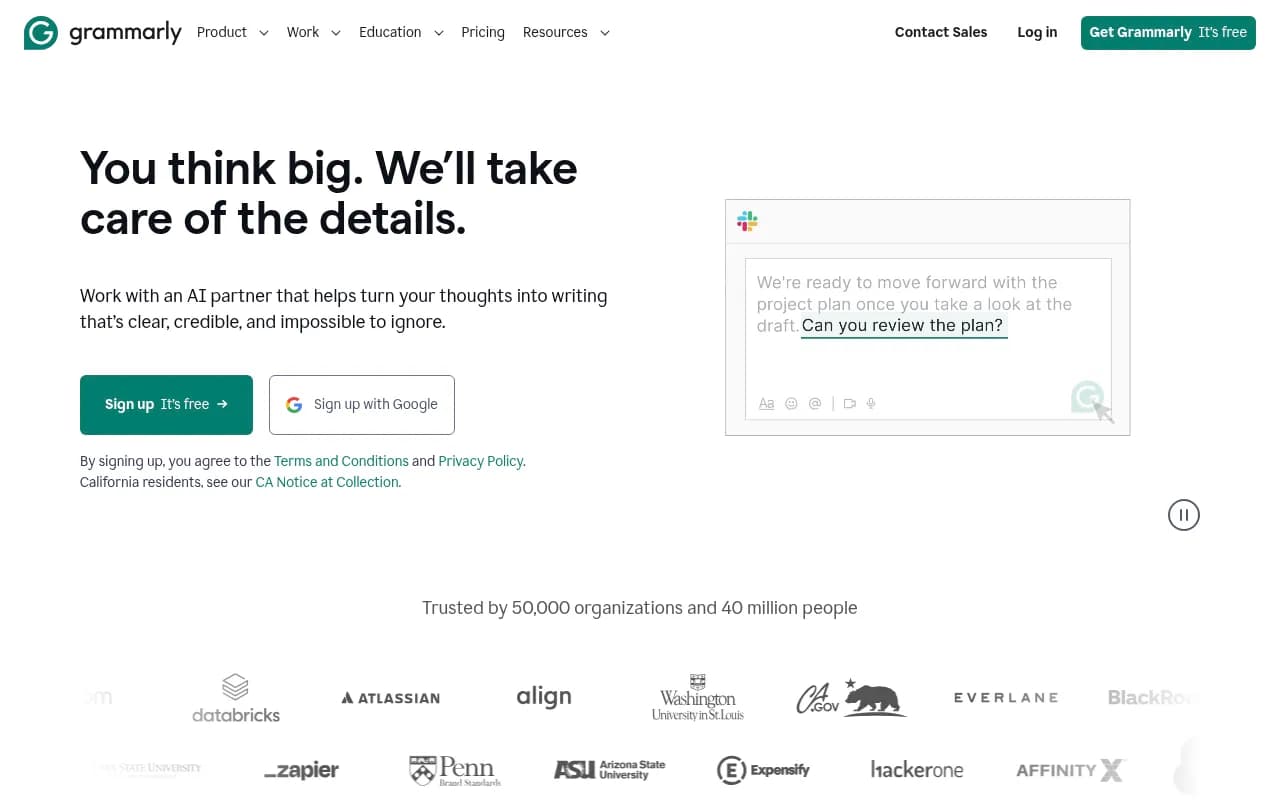
Grammarly's free tier catches grammar and clarity problems in AI drafts, which tend to be clean but bland.
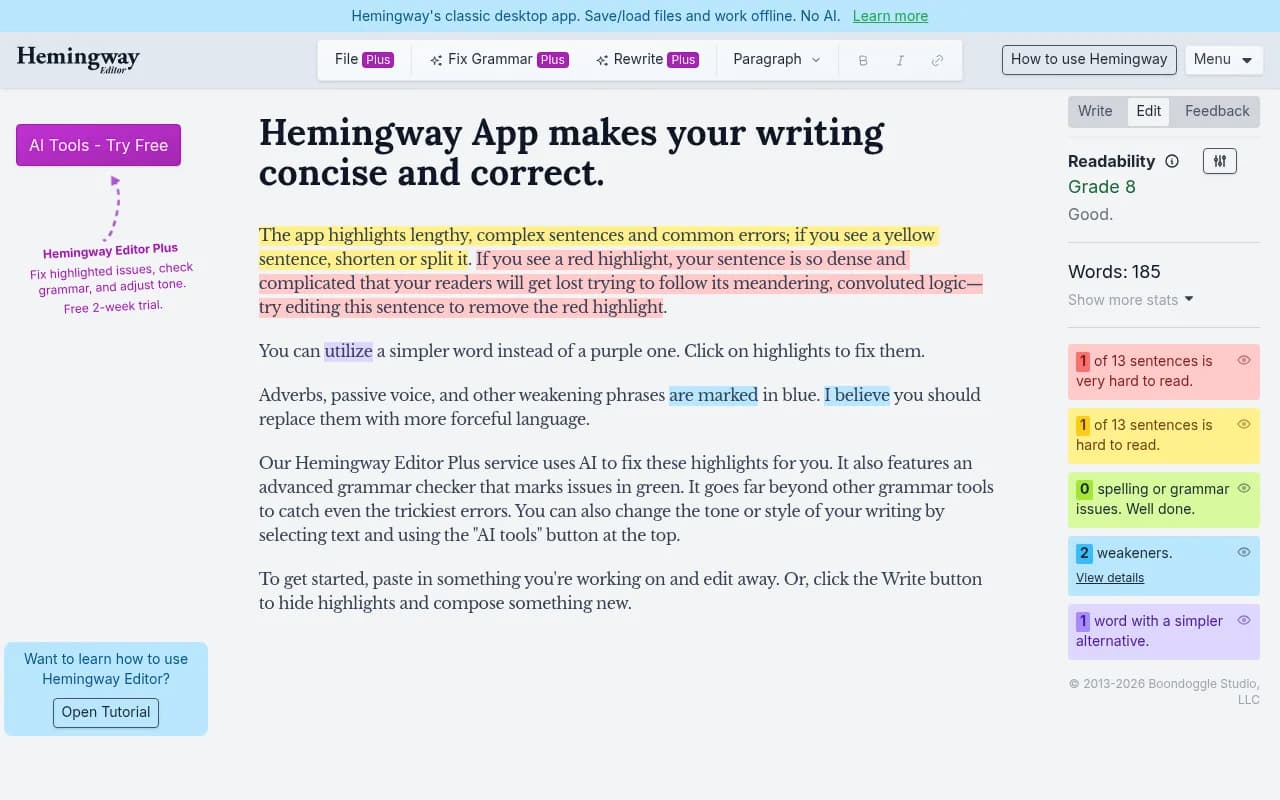
Hemingway App flags long, dense sentences. AI output loves those.
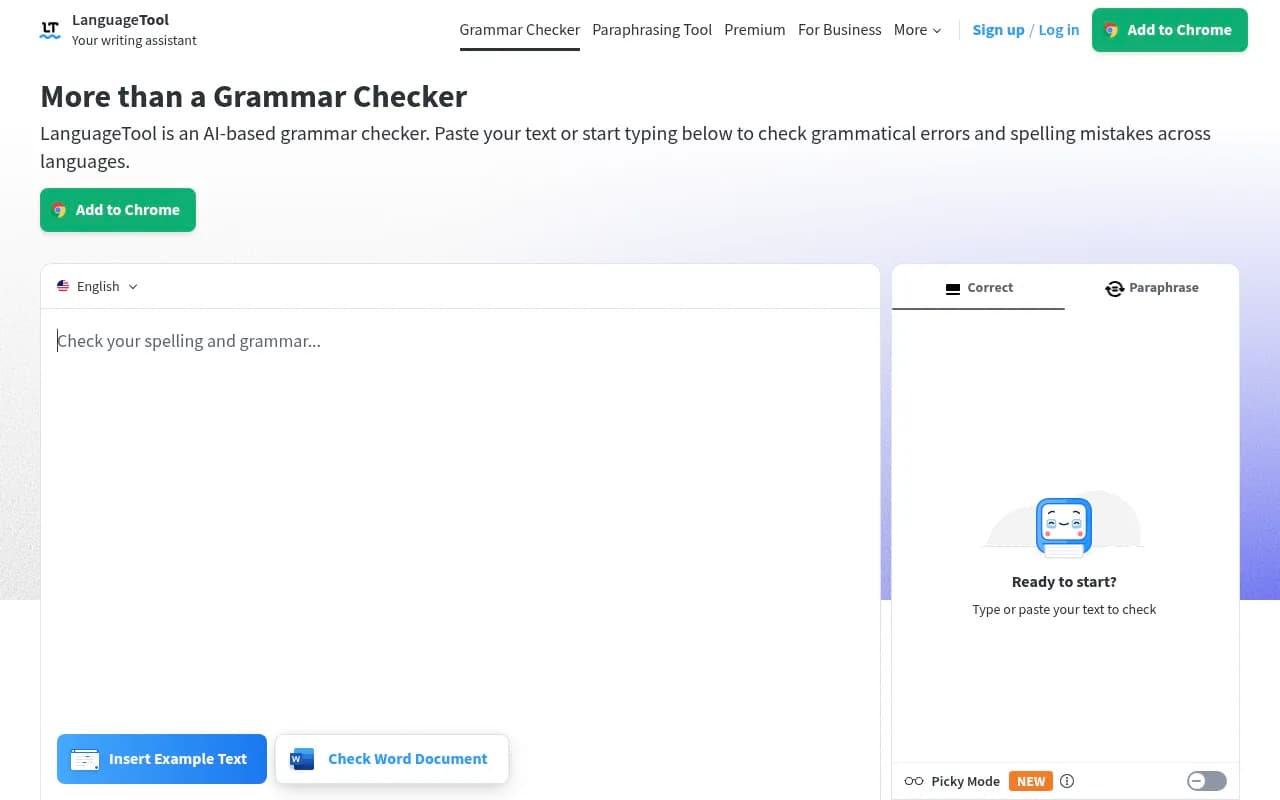
LanguageTool is a solid multilingual option if you write outside English.
Free SEO inputs
Google Search Console is free and tells you which queries you already earn impressions for. That is a better topic source than any AI idea generator.
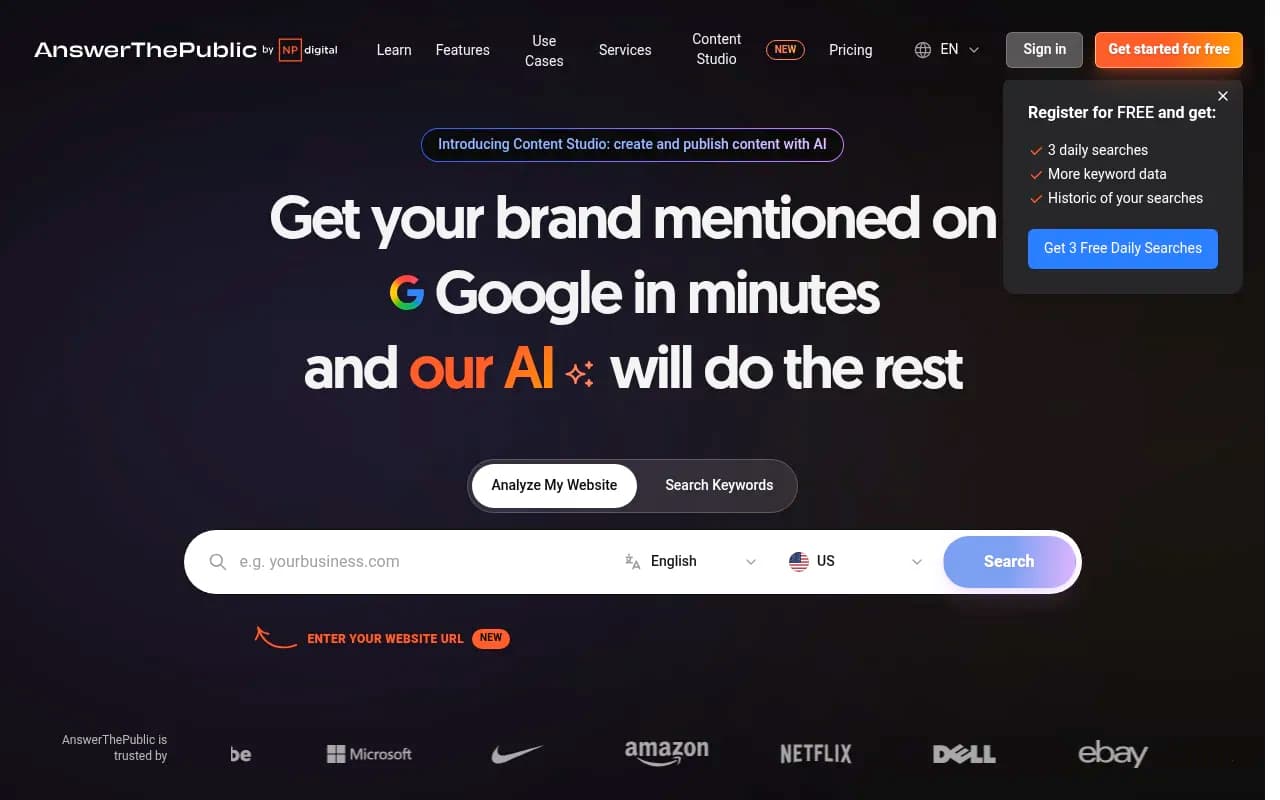
AnswerThePublic is useful for question-style research, with limited free searches.
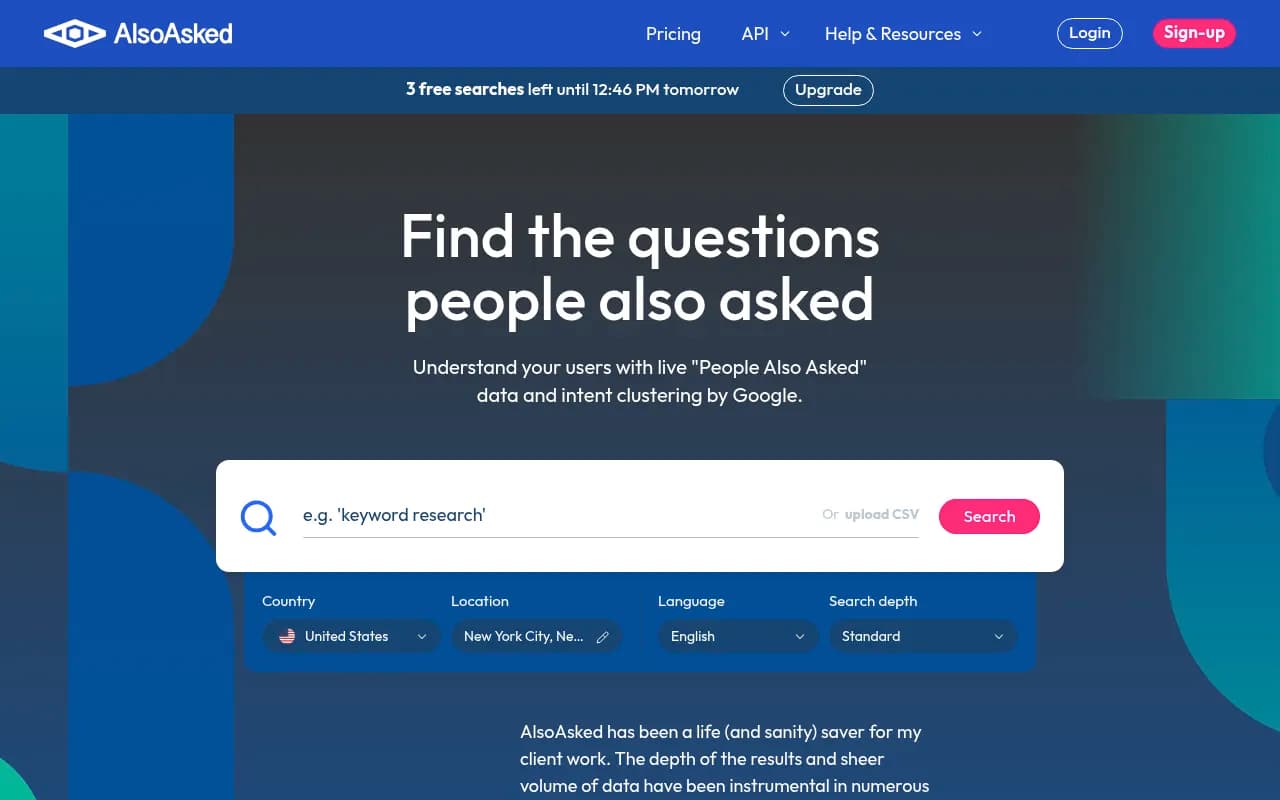
AlsoAsked maps People Also Ask questions, which helps you structure headings around real queries.
Is AI content safe for SEO?
Short version: yes, if you do the work. Google's own guidance (updated October 2026) is more nuanced than the "AI content gets penalized" myth.
What Google says:
- Generative AI can be useful for researching a topic and adding structure to original content.
- Using AI tools "to generate many pages without adding value for users may violate Google's spam policy on scaled content abuse."
- Models "don't retrieve facts, but predict a likely sequence of words," so it is critical to manually fact-check and review AI-generated content before publishing.
- That review covers title elements, meta descriptions, structured data and image alt text, not just body copy.
- Google suggests telling readers how automation was used and adding image metadata.
Notice what is missing. Google does not say AI-written text is banned. It says volume without value is the problem. The Search Quality Rater Guidelines point the same way: raters flag main content with little to no effort, originality or added value. Google also says raters' scores don't directly influence ranking, but they show what the company considers low quality.
The e-commerce rules
If you sell products, there are extra obligations. Google Merchant Center has its own AI-content policies. AI-generated product titles and descriptions must be labeled as AI-generated, and AI-generated images need IPTC DigitalSourceType metadata set to TrainedAlgorithmicMedia. Free tools that bulk-generate product copy rarely mention this.
What actually gets people in trouble
- Publishing dozens of near-identical articles a week from one prompt template.
- Skipping fact-checking, so hallucinated statistics go live.
- Auto-publishing tools that never put a human between the draft and the CMS.
- Rewriting competitors' pages with no new information.
None of that is about the free tier. It is about the process. Paid autopilot tools can get you into the same trouble faster.
A safe workflow for free AI writing
Here is the process I would use with zero budget.
- Pick the topic from real data. Check Google Search Console for queries where you have impressions but few clicks.
- Research with sources. Use Perplexity, open every link, and note the facts yourself.
- Outline with a chatbot. Ask for headings that answer specific questions. Cut anything generic.
- Draft in pieces. Have the AI write sections from your notes, not from its own memory. Paste in your data, quotes and examples.
- Add what only you know. Screenshots, results, opinions, a mistake you made. This is the part that is not replaceable.
- Fact-check line by line. Every statistic, date, price and product claim.
- Edit for voice. Run Grammarly or Hemingway, then read it aloud.
- Check the metadata. Title, meta description, alt text, schema. Google says these need review too.
- Disclose where it matters. A short note on how automation was used is a reasonable trust signal.
- Publish fewer, better pages.
What to write if you want AI search visibility
A lot of free-writer marketing promises traffic from ChatGPT. The citation data does not support the generic-blog approach. Promptwatch Data looked at which content types ChatGPT cited from Sep 28 to Oct 4, 2026:
| Content type | Share of ChatGPT citations |
|---|---|
| Product pages | 22.4% |
| Landing pages | 16.8% |
| Listicles | 13.6% |
| How-to guides | 8.7% |
| Documentation | 7.5% |
| General articles | 6.1% |
| Comparisons | 5.9% |
| News | 5.7% |
| FAQ pages | 3.3% |
| Reviews | 1.7% |
General articles, the thing most free AI writers churn out, get 6.1%. Editorial formats together earn about 43%, but the top slots go to product and landing pages. For commercial prompts, product pages climb to 26.0% and landing pages to 20.6%. For informational prompts, how-tos reach 10.7% and docs 8.5%.
Freshness matters too. The content half-life report found that news pages lose half their citations in about 36 days, while landing pages and docs stay cited for months. So a free AI writer producing trend-chasing posts is building on sand. Spend your limited free output on durable pages: a clear product page, a useful comparison, a how-to that answers a real question.
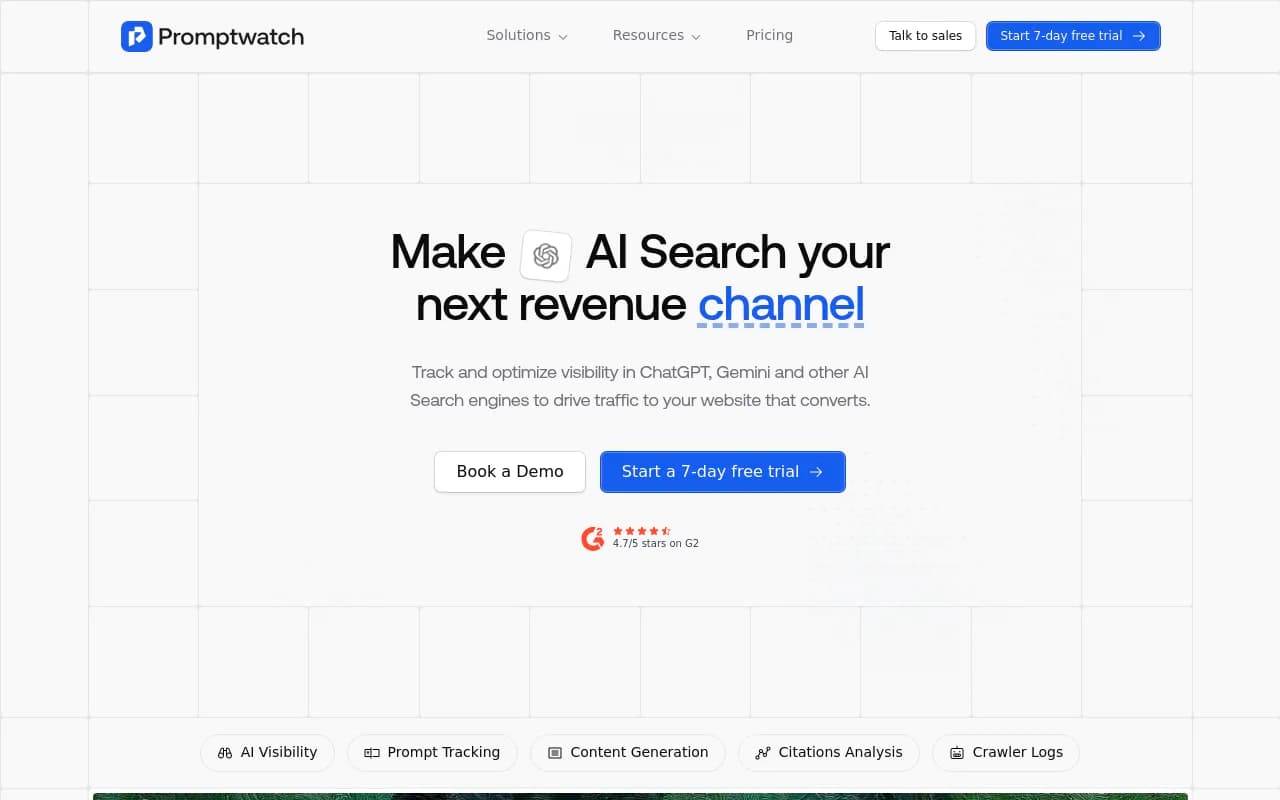
If you want to see whether any of this gets you cited, tools like Promptwatch track how ChatGPT, Gemini, Perplexity and other engines mention and cite your brand. It also has a free AI visibility report you can run without logging in.
When to pay for an SEO-focused writer
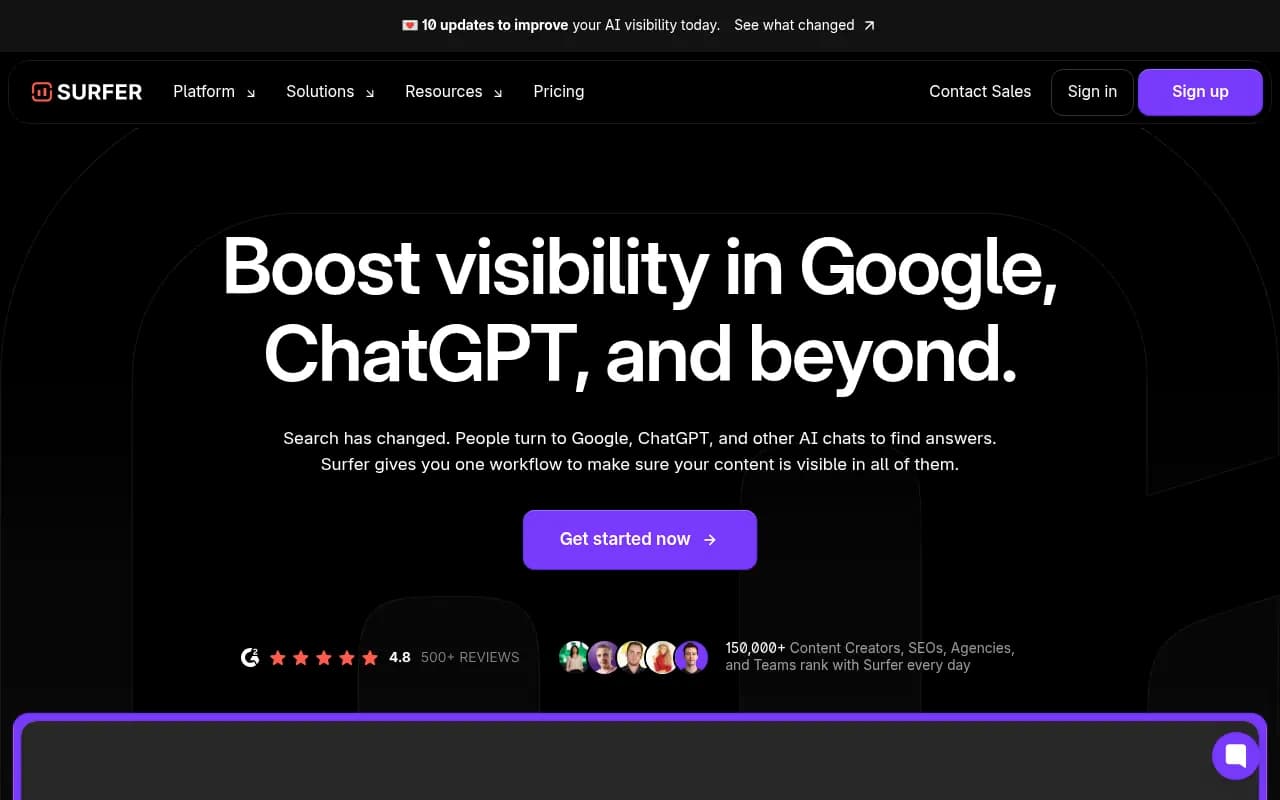
Free is fine for short-form copy and first drafts. Paid tools make sense once you need briefs, optimization scores and workflow. Options worth a look:
| Tool | Focus | Notes |
|---|---|---|
| Surfer SEO | Content optimization with AI writing | Scores drafts against top results |
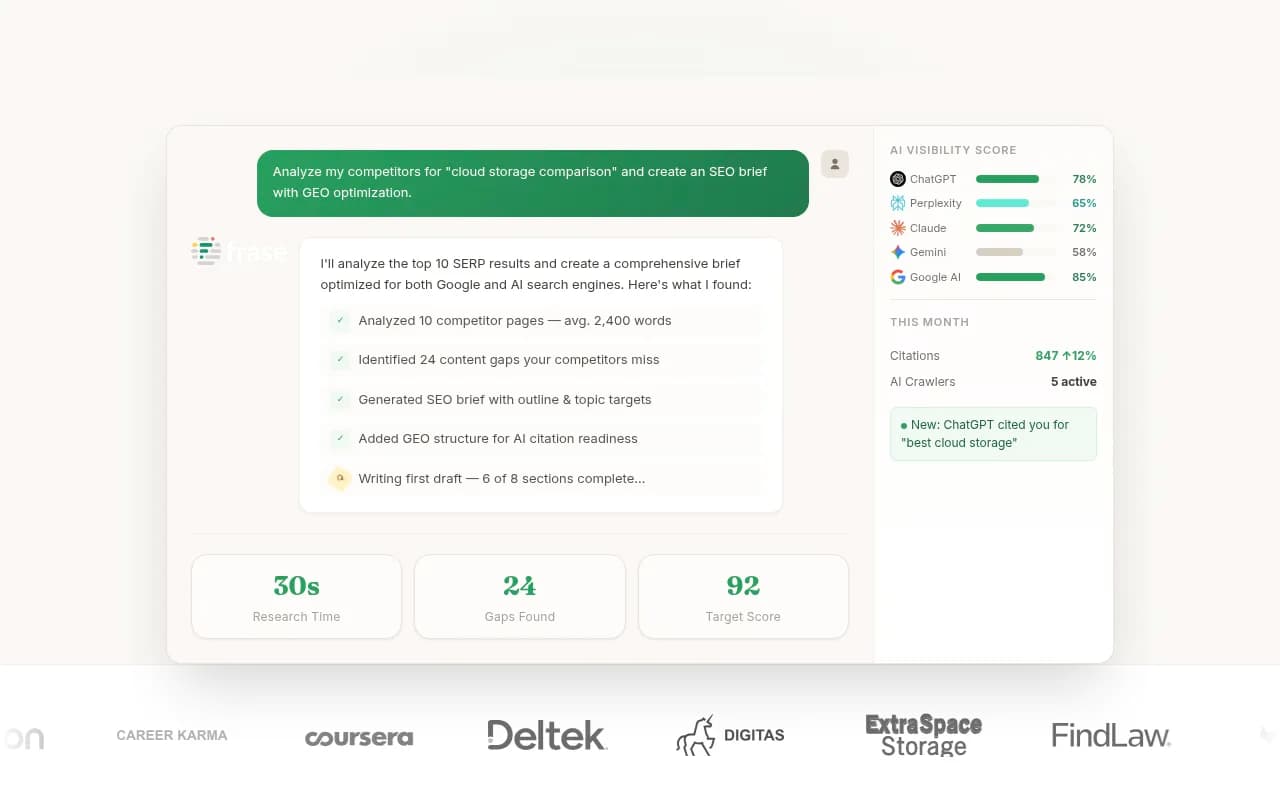
| Frase | Research and briefs | Good for outline building |
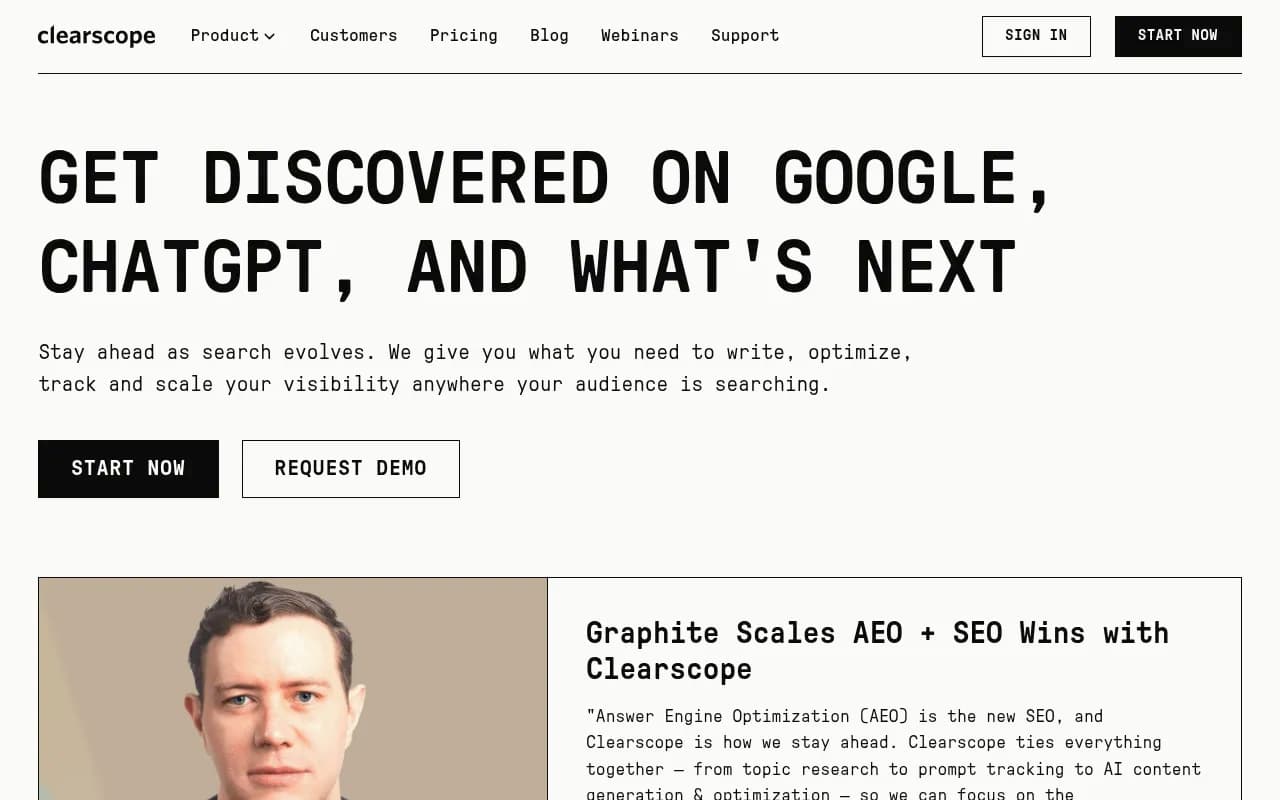
| Clearscope | Content optimization | Premium pricing, editorial focus |
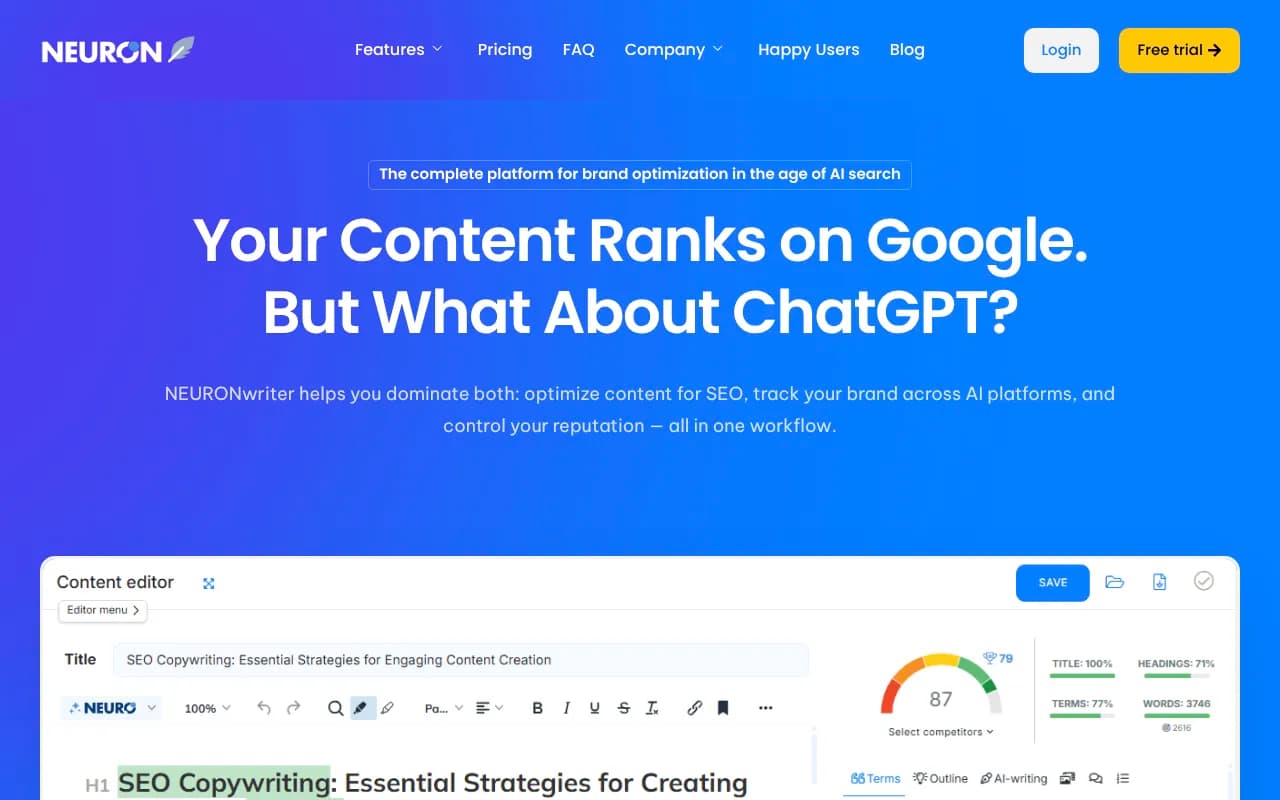
| NeuronWriter | Semantic SEO optimization | Popular budget option |
| Scalenut | SEO content platform | NLP analysis built in |
| Dashword | Briefs and optimization | Simpler interface |
Be careful with the full autopilot category: tools like Byword, Outrank and SEObot publish articles with little human involvement. That is the exact pattern Google's scaled content abuse policy describes. If you use one, put a human review step before anything goes live, and cap volume.
For more options, browse the general software directory at surferstack.com.
Free tools checklist
- Can you export your text, or is it locked behind a paywall?
- Is there a watermark or branding on output?
- Does the character or word cap fit a real article?
- Does the tool cite sources, or does it just generate?
- Does it auto-publish? If so, can you turn that off?
- Is the pricing page current? Vendors change plans often.
Do AI detectors matter?
I found no reliable evidence for using detector scores as an SEO signal, and Google's guidance never mentions them. Don't optimize for detectors. Optimize for accuracy, originality and usefulness. A human-edited draft with your own data is better than a "humanized" one that says nothing new.
Bottom line
The free AI writer is mostly gone. Rytr gives you a small free allowance, the other well-known names are trials or paid, and the chatbots plus free editing tools do the real work. AI content is safe for SEO when a person researches, adds something original, checks every fact and publishes only what is worth reading. Start with Google Search Console, draft with a chatbot, edit by hand, and spend your effort on product pages, how-tos and comparisons rather than another generic blog post.
FAQ
Will Google penalize me for using a free AI writer?
Not for using AI itself. Google's policy targets scaled content abuse, meaning many pages produced without adding value for users.
Is Rytr's free plan enough for blogging?
Probably not. 10,000 characters is roughly one short article a month by my estimate. It suits short-form copy better.
Do I need to disclose AI use?
Google suggests telling readers how automation was used. For product titles and descriptions in Merchant Center, AI-generated text must be labeled.
What is the safest free setup?
A free chatbot for drafts, Perplexity for sourced research, Grammarly or Hemingway for editing, Google Search Console for topics, and a human who fact-checks every claim.