Key takeaways
- Several genuinely useful AEO and GEO tools exist at free or near-free price points, but most cap out at basic monitoring with no optimization features
- The $50-$100/month range is where things get interesting: you start getting prompt tracking, citation data, and some content tooling
- Free tools like Google Search Console still matter for AEO, but they weren't built for it -- you'll need to interpret the data yourself
- Tools like Otterly.AI and Peec AI sit at the affordable end of dedicated AI visibility monitoring, but they're tracking-only
- If you want to actually fix your AI visibility (not just measure it), you'll need to either combine multiple cheap tools or step up to a platform with built-in content optimization
The AEO tool market has exploded. Two years ago, "Answer Engine Optimization" was barely a category. Now there are dozens of platforms, and the pricing ranges from free to $2,000+/month depending on how serious you are.
The good news: you don't need to spend a fortune to get started. The less good news: the free and cheap options have real limits, and knowing those limits upfront will save you a lot of frustration.
This guide breaks down what you actually get at each price point, which tools are worth it, and where the gaps are.
What AEO tools actually do (and why price matters)
Before comparing tools, it's worth being clear on what "AEO tool" even means in 2026. Most platforms in this space do some combination of:
- Tracking how often your brand appears in AI-generated answers (ChatGPT, Perplexity, Gemini, etc.)
- Showing which competitors are being cited and why
- Identifying content gaps -- prompts where competitors appear but you don't
- Generating or briefing content to fill those gaps
- Monitoring AI crawler activity on your site
The problem is that most cheap tools only do the first item. They show you a visibility score and maybe a list of prompts. That's useful for a weekly check-in, but it doesn't tell you what to do next.
The more you pay, generally, the more the tool shifts from "here's your score" to "here's what to fix and how to fix it."
Free AEO tools worth using
Free tools won't give you a dedicated AEO dashboard, but a few genuinely useful ones exist if you know how to use them.
Google Search Console
Still the most honest source of traffic data you have. It won't tell you directly about AI citations, but it will show you if AI Overviews are driving (or stealing) clicks from your pages. Look at the "Search type" filter and watch for impressions without clicks -- that's often a sign your content is being summarized rather than linked.
Perplexity (as a research tool)
This one's a bit meta, but using Perplexity to manually test how AI answers questions about your brand or category is free and surprisingly informative. Search for your core use cases, see who gets cited, and read those cited pages carefully. It's manual, but it works.
Perplexity
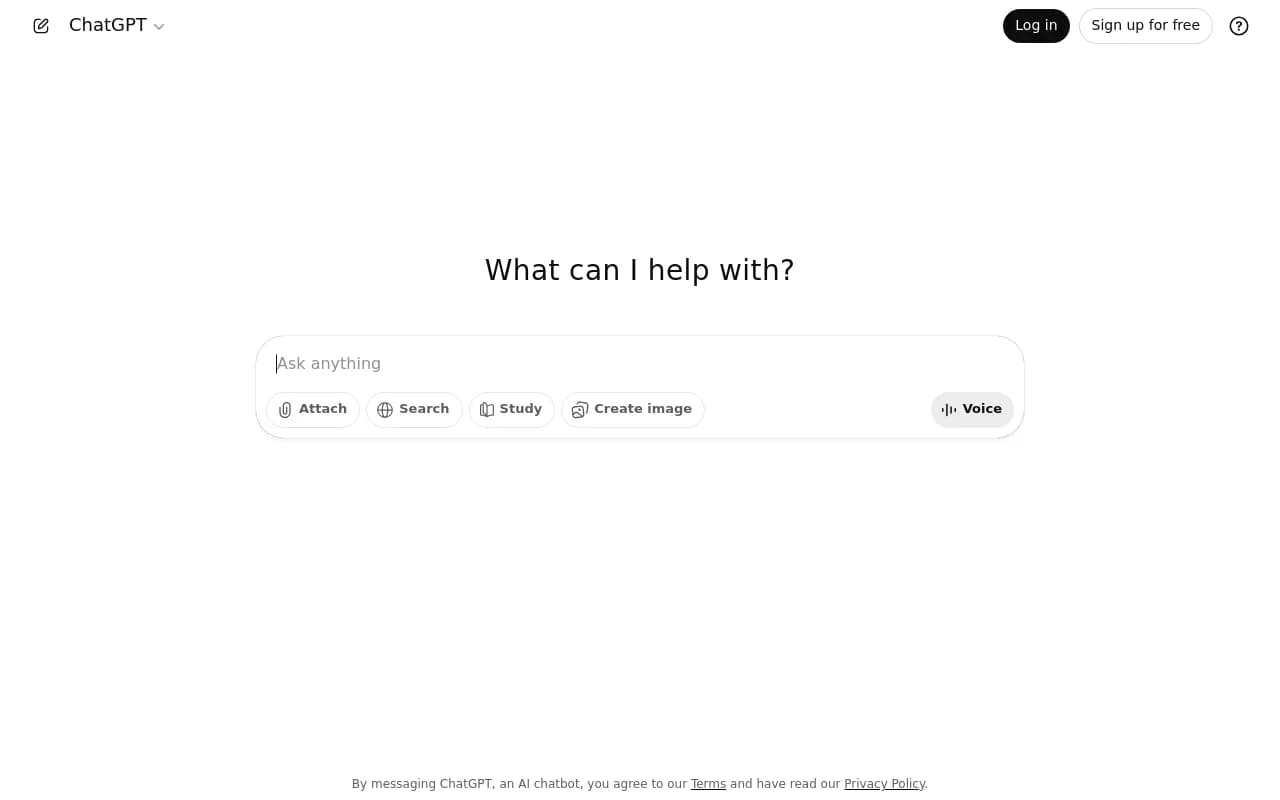
ChatGPT (free tier)
Same idea. Ask ChatGPT questions your customers would ask. See if your brand comes up. If competitors appear and you don't, that's a content gap worth noting. Free tier limits apply, but for basic brand monitoring it's enough.
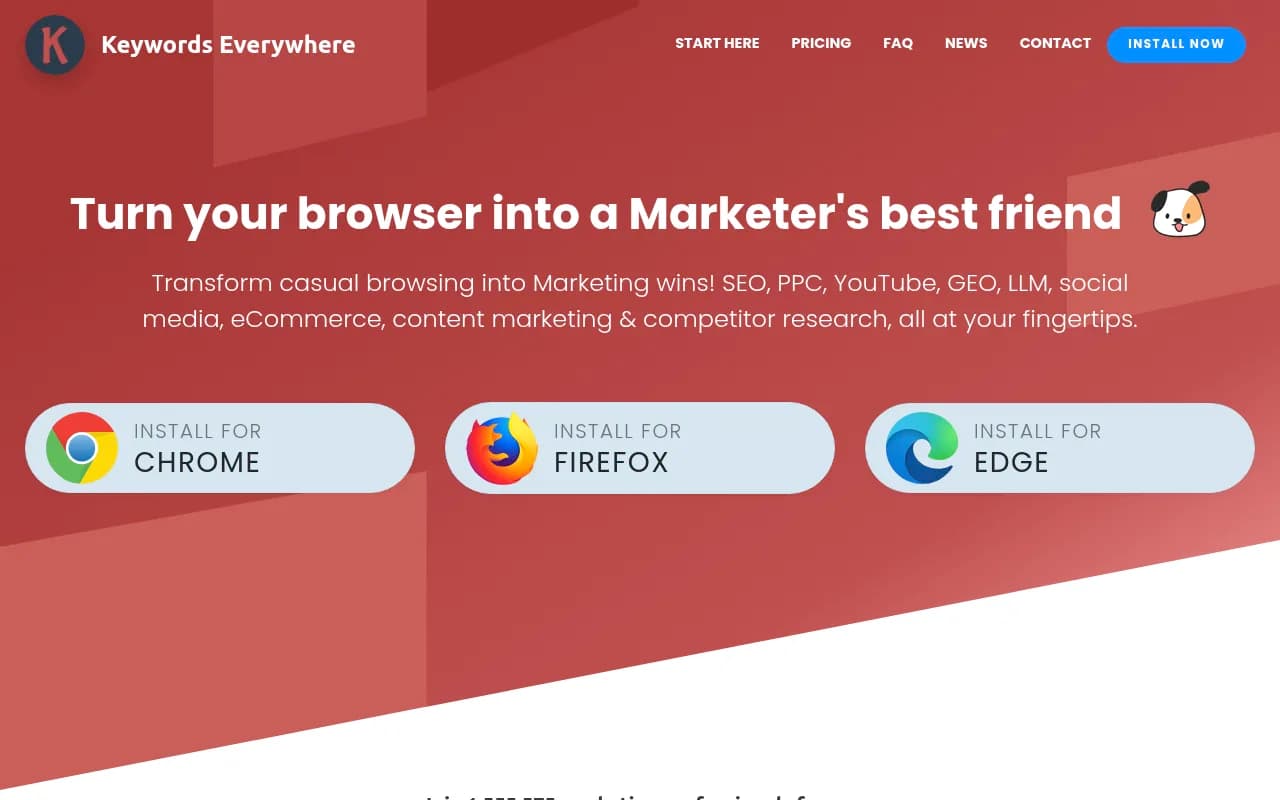
Keywords Everywhere
A browser extension that adds keyword volume and cost-per-click data as you browse. Not AEO-specific, but useful for prioritizing which topics to create content around. The free tier is limited; the paid version is cheap (credit-based, around $10-$15 for casual use).
The honest verdict on free tools: They require manual effort and interpretation. You can learn a lot, but you're assembling a picture from fragments. If you're a solo founder or very early-stage, this is fine. If you're running a real marketing program, you'll outgrow free tools quickly.
The $10-$50/month range: basic monitoring
This is where dedicated (but lightweight) AEO tracking tools live.
Otterly.AI
One of the most affordable dedicated AI visibility trackers. You set up prompts, it checks how often your brand appears in AI responses, and you get a visibility score over time. Clean interface, easy to set up. The limitation is that it's purely monitoring -- no content suggestions, no gap analysis, no crawler data.

Peec AI
Similar positioning to Otterly. Good for teams that want a simple dashboard to check AI mention rates without a lot of complexity. Useful as a starting point, but you'll hit the ceiling fast if you want to actually improve your visibility rather than just track it.

Mentions.so
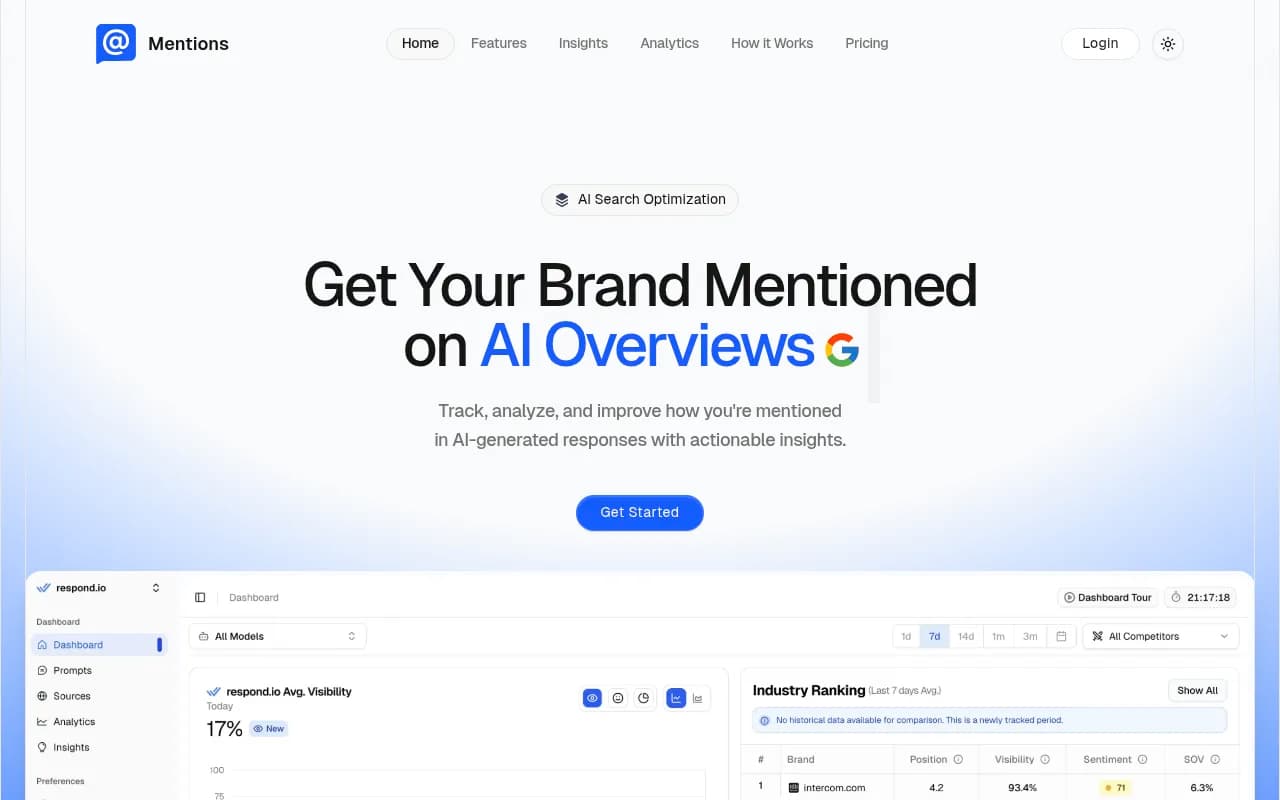
Focused on tracking brand mentions in AI search results. Lightweight, affordable, and does one thing reasonably well. If your main goal is knowing when AI models mention your brand (or stop mentioning it), this covers that.
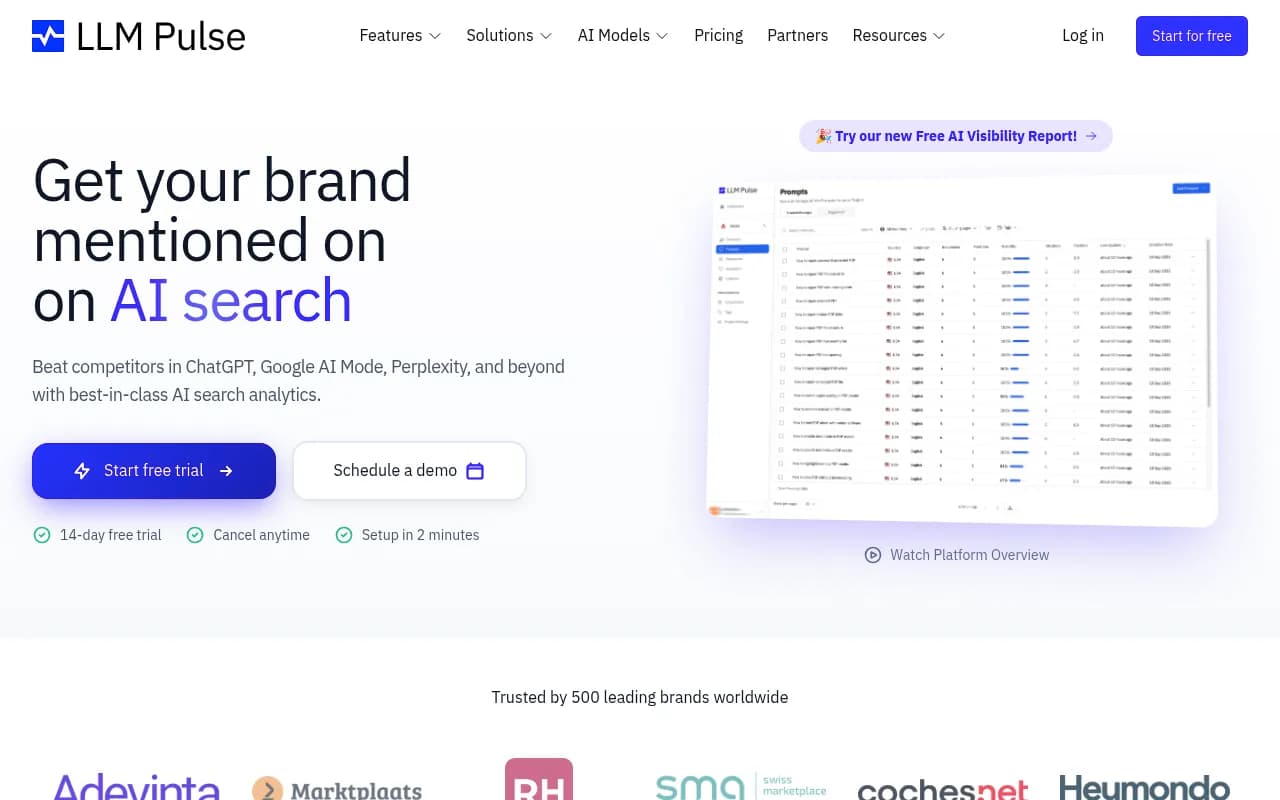
LLM Pulse
Tracks brand visibility across ChatGPT, Perplexity, and a few other models. Affordable entry point for teams that want multi-model coverage without a big commitment.
Airefs
Positioned as an affordable AI search monitoring tool. Good for smaller teams or agencies managing multiple clients on a tight budget.
The $50-$100/month range: where it gets interesting
This is the most competitive price band. You start getting real prompt data, multi-model tracking, and in some cases, basic content tooling.
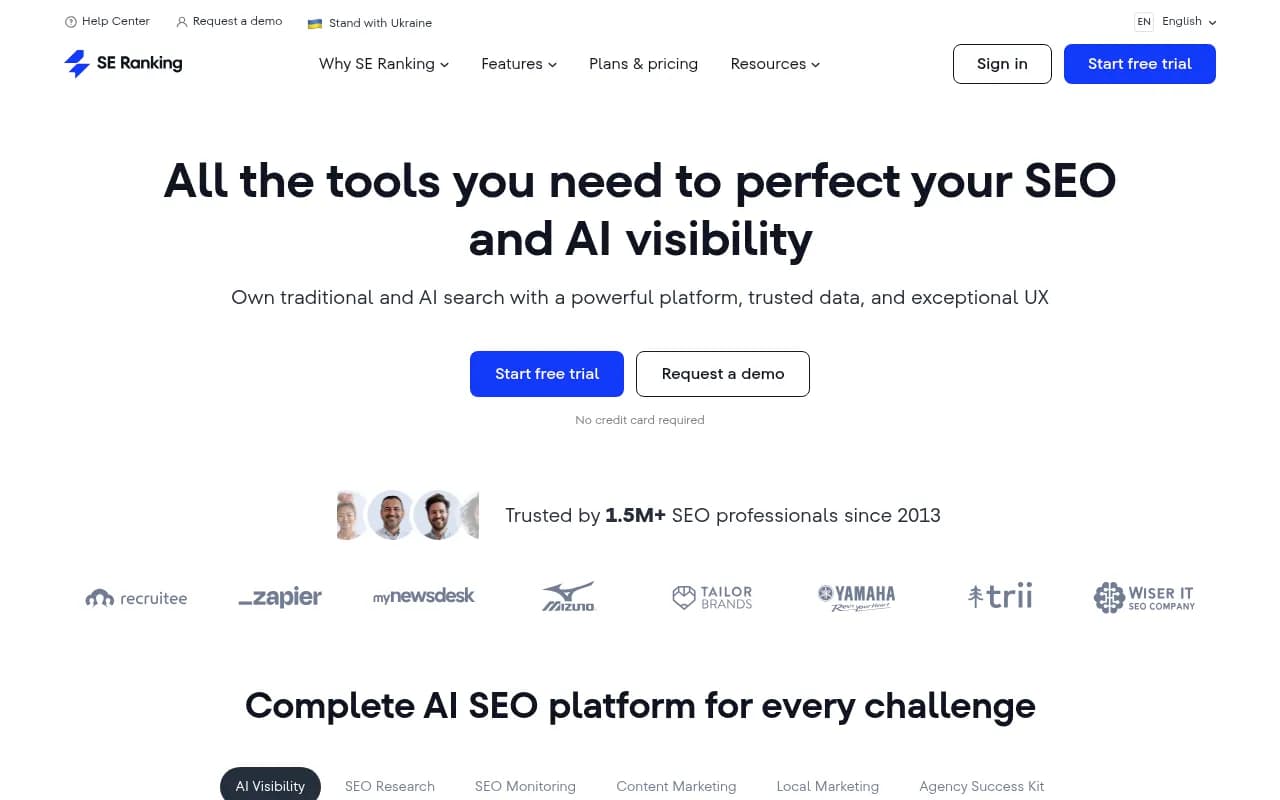
SE Ranking (AI visibility features)
SE Ranking has been expanding its AI visibility features and sits at a price point accessible to most small businesses. It covers traditional SEO alongside AI search tracking, which is useful if you want one tool for both.
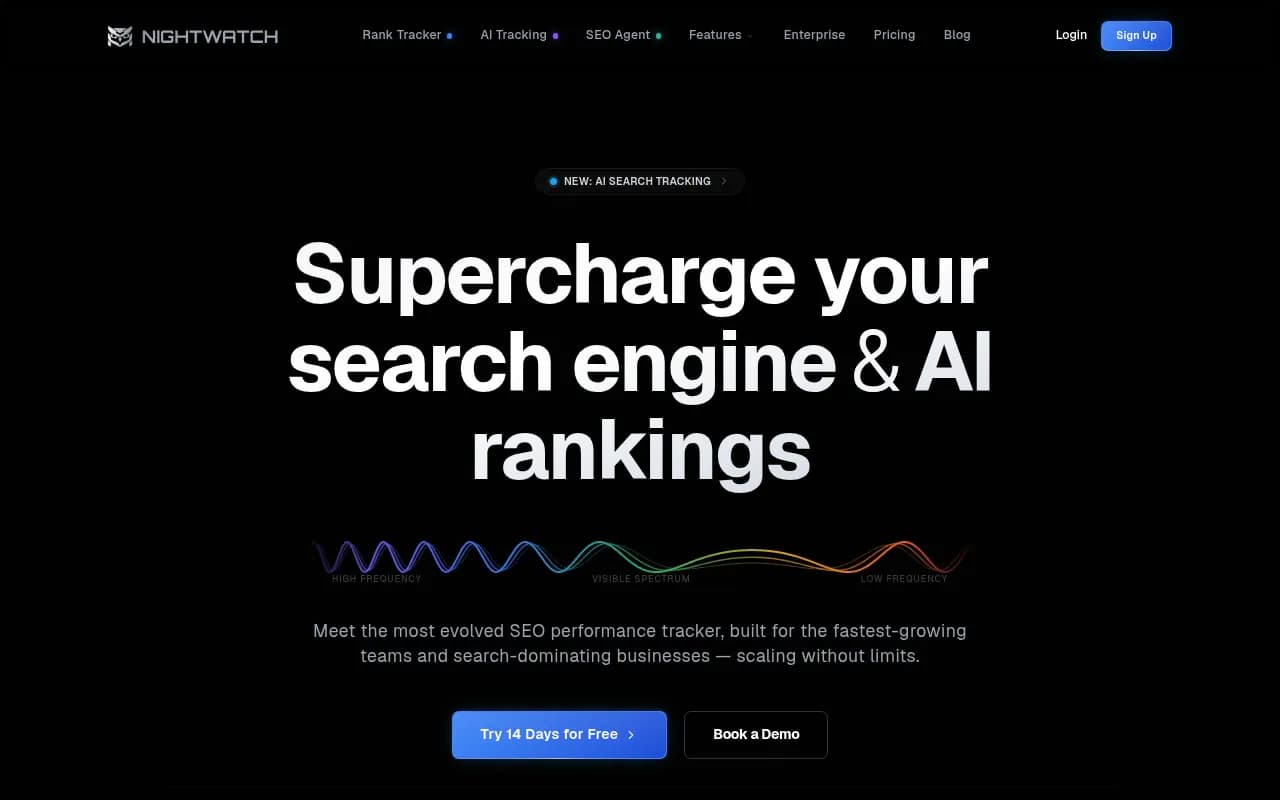
Nightwatch
Primarily a rank tracker, but it's been adding AI search monitoring. Good value if you're already paying for rank tracking and want AI visibility layered on top.
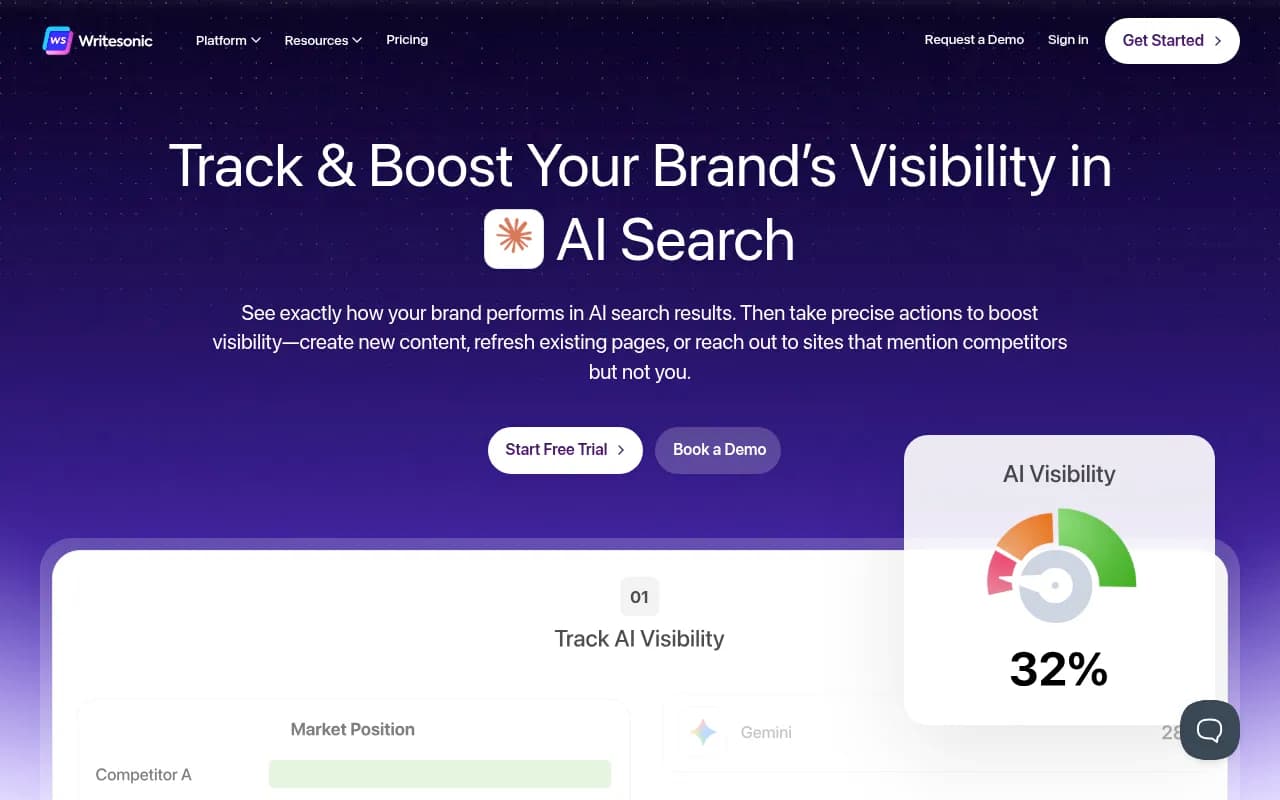
Writesonic
Writesonic has evolved into more than a writing tool -- it now includes AI search visibility tracking and optimization features. At the right plan, it sits under $100 and gives you both content generation and some visibility tracking.
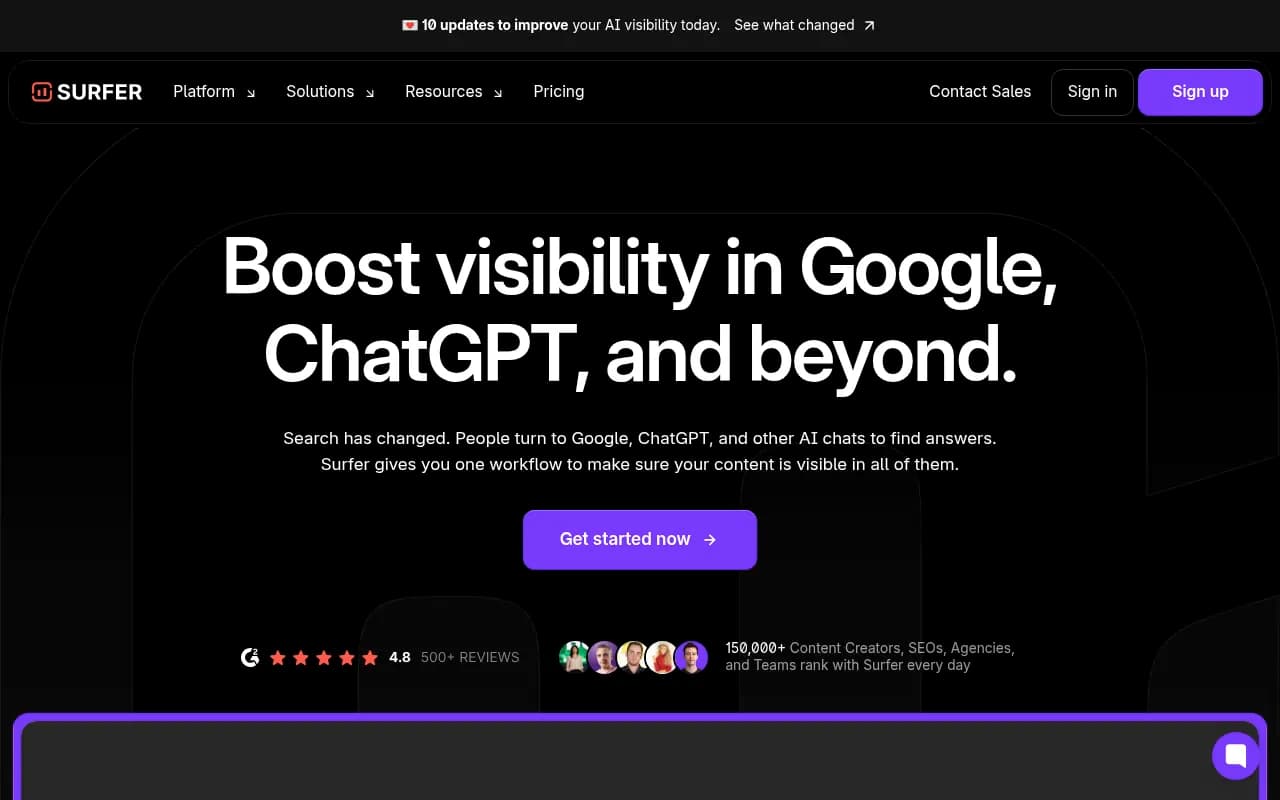
Surfer SEO
Technically just under the $100 mark at $89/month for the entry plan. Primarily a content optimization tool (it tells you how to structure and write content to rank), but increasingly relevant for AEO because well-structured, comprehensive content is exactly what AI models cite. Not a dedicated AEO tracker, but a strong content tool at this price point.
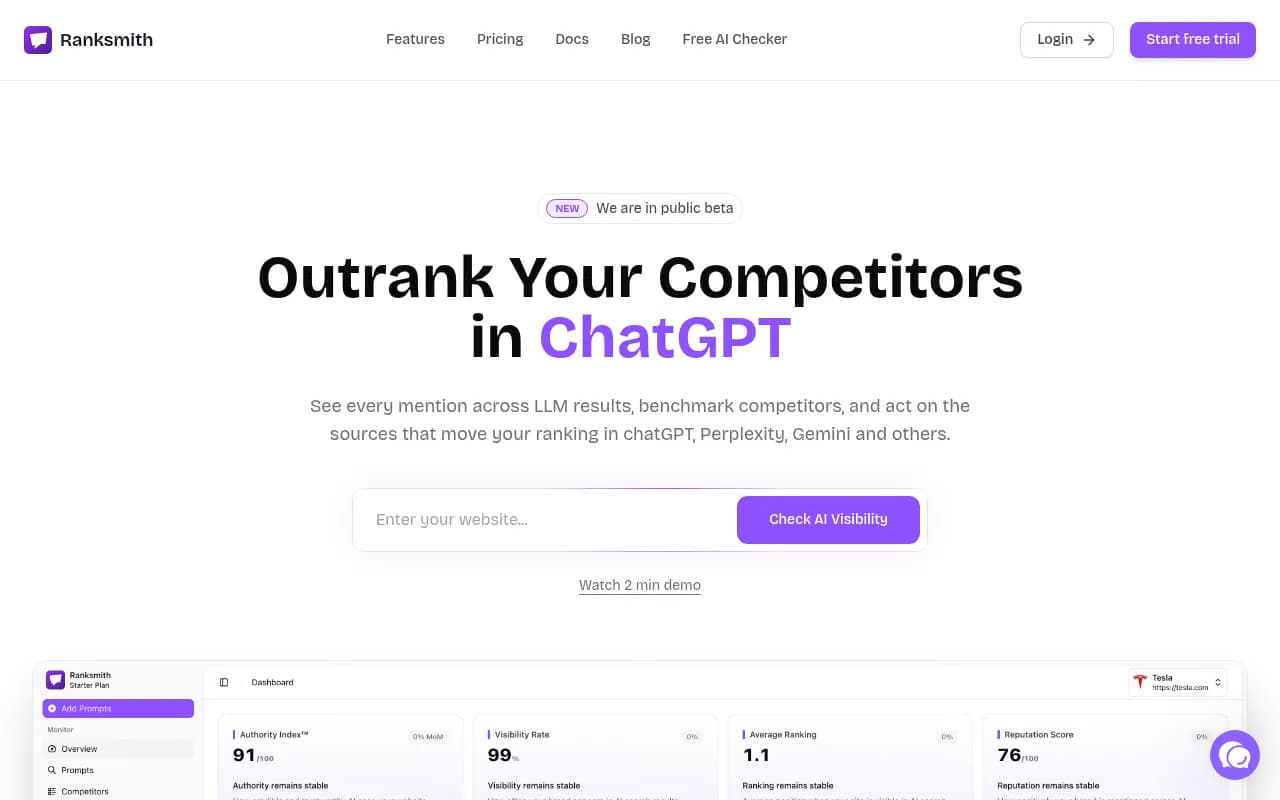
Ranksmith
Focuses on actionable AI search visibility insights rather than just raw data. Good for teams that want clear recommendations, not just dashboards.
Peasy
Real-time AI search performance tracking at an accessible price. Useful for monitoring visibility changes as you publish new content.
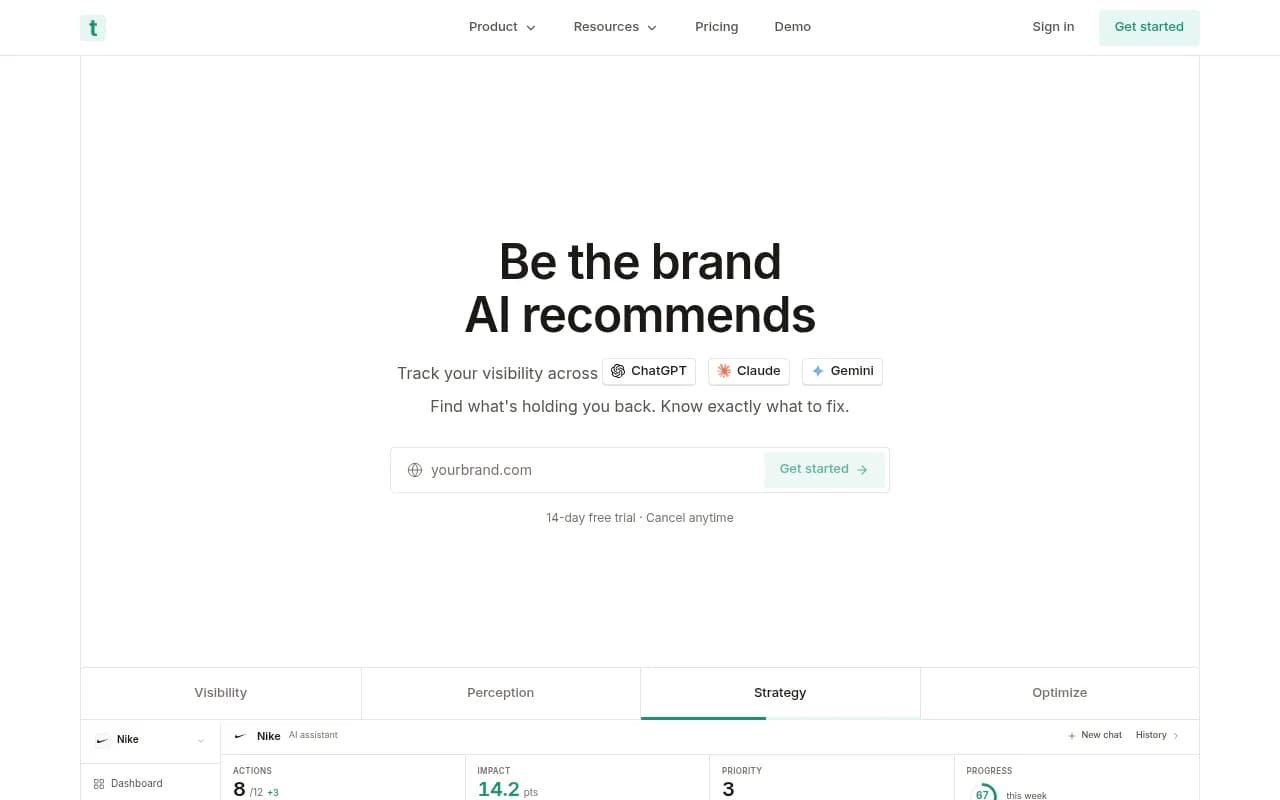
Trakkr.ai
Tracks brand visibility across ChatGPT, Claude, Perplexity, and others. Sits in the affordable range and covers the major models most brands care about.
Comparison table: free and cheap AEO tools
| Tool | Price | AI models tracked | Content features | Gap analysis | Crawler logs |
|---|---|---|---|---|---|
| Google Search Console | Free | Google AI Overviews (indirect) | None | No | No |
| Perplexity (manual) | Free | Perplexity only | None | Manual | No |
| Otterly.AI | ~$19-$49/mo | Multiple | None | No | No |
| Peec AI | ~$29-$49/mo | Multiple | None | No | No |
| Mentions.so | ~$19-$39/mo | Multiple | None | No | No |
| LLM Pulse | ~$29-$49/mo | Multiple | None | No | No |
| Nightwatch | ~$39-$99/mo | Limited | None | No | No |
| SE Ranking | ~$52-$95/mo | Growing | Basic | Limited | No |
| Writesonic | ~$79-$99/mo | Multiple | Yes (writing) | Limited | No |
| Surfer SEO | $89/mo | None (SEO focus) | Yes (optimization) | No | No |
| Promptwatch Essential | $99/mo | 10 models | Yes (AI content) | Yes | No* |
*Crawler logs available on Professional plan ($249/mo)
What you're giving up at the cheap end
It's worth being direct about the tradeoffs.
Most tools under $100/month are monitoring dashboards. They answer "are we visible?" but not "why aren't we visible?" or "what should we do about it?"
The specific gaps you'll hit:
- No prompt volume data (you can't tell which prompts are worth targeting)
- No content gap analysis (you see your score but not which specific topics you're missing)
- No AI crawler logs (you can't see which pages AI bots are actually reading)
- No content generation (you'll need separate tools to create the content)
- Limited model coverage (many cheap tools only track 2-3 AI models)
For a small business doing basic brand monitoring, these limits are fine. For a marketing team trying to systematically improve AI visibility, you'll end up stitching together 3-4 tools and still missing key data.
Combining cheap tools to cover more ground
One practical approach: use a cheap AEO tracker for visibility monitoring, pair it with a content tool for optimization, and use free tools for research.
A reasonable sub-$150/month stack might look like:
- Otterly.AI or Peec AI for visibility tracking (~$30-$50/mo)
- Surfer SEO or Frase for content optimization (~$89/mo)
- Google Search Console for traffic data (free)
- Manual Perplexity/ChatGPT testing for gap research (free)
This covers the basics. The downside is that nothing talks to anything else -- you're manually connecting the dots between "we're not visible for X" and "here's the content we need to write."
When to step up from cheap tools
There's a point where the time cost of manual work exceeds the money you're saving on tools. A few signals that you've hit that point:
- You're spending more than 2-3 hours per week manually testing prompts and interpreting data
- You're publishing content to improve AI visibility but have no way to track whether it's working
- You're managing multiple sites or clients and need consolidated reporting
- You want to know which AI crawlers are hitting your site and which pages they're reading
At that point, a platform like Promptwatch starts making financial sense. The Essential plan at $99/month covers 1 site, 50 prompts, and 5 AI-generated articles per month -- and critically, it includes answer gap analysis that shows exactly which prompts competitors are visible for but you're not. That's the piece most cheap tools are missing entirely.

The jump from "monitoring" to "optimization" is where the real ROI lives. Knowing your visibility score is interesting. Knowing which specific content to create to improve it is actionable.
Content tools that support AEO under $100
If you're focused on creating content that AI models will cite, a few tools help at accessible price points.
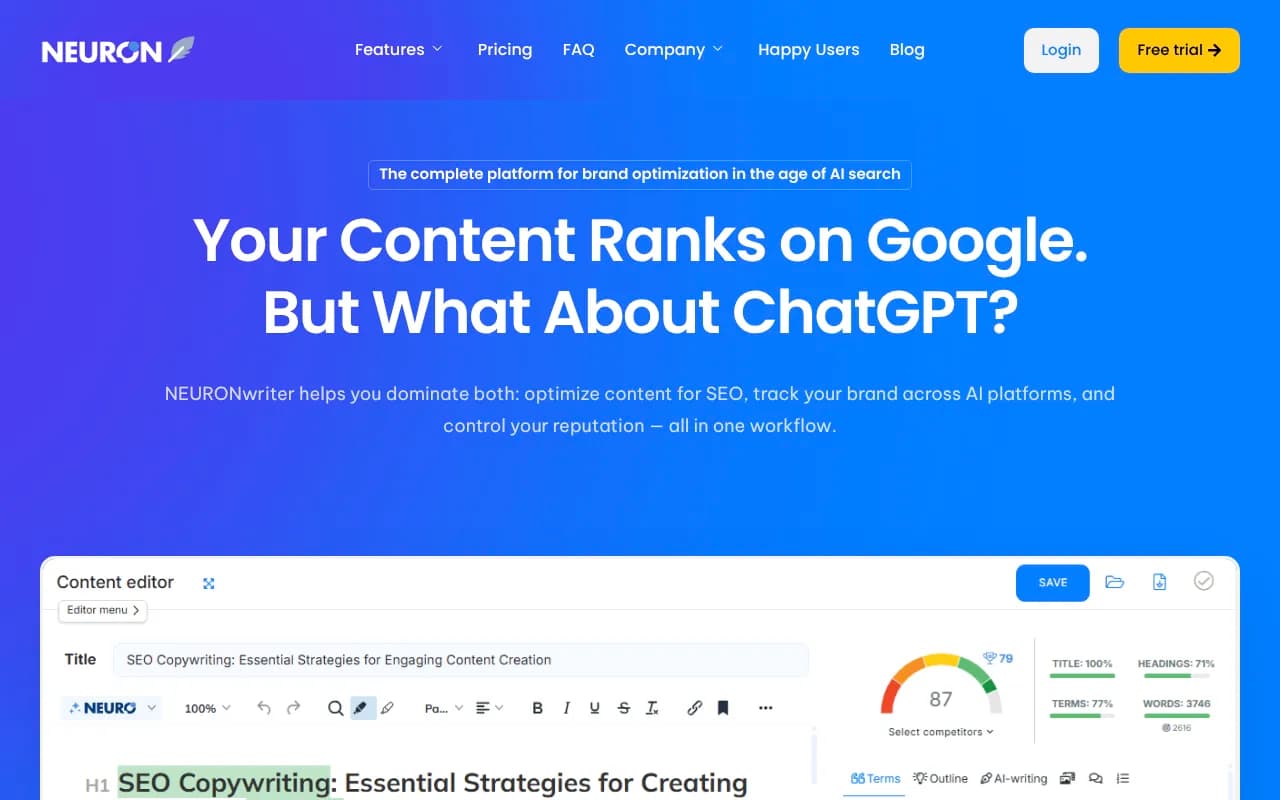
NeuronWriter
AI-powered content optimization with semantic SEO features. Good for making sure your content covers a topic comprehensively, which is exactly what AI models look for when deciding what to cite.
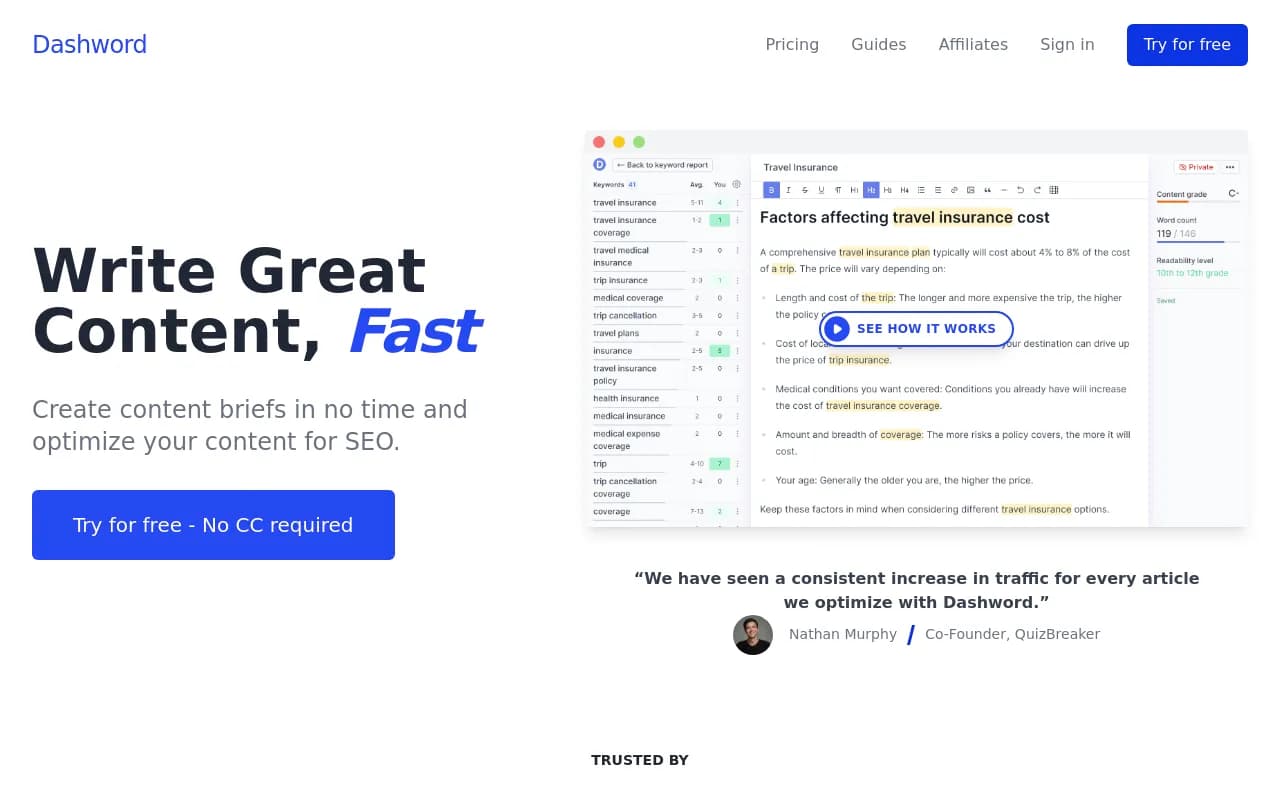
Dashword
Simplified content briefs and optimization. Less complex than Surfer or Clearscope, which makes it faster to use for teams that need to produce content quickly.
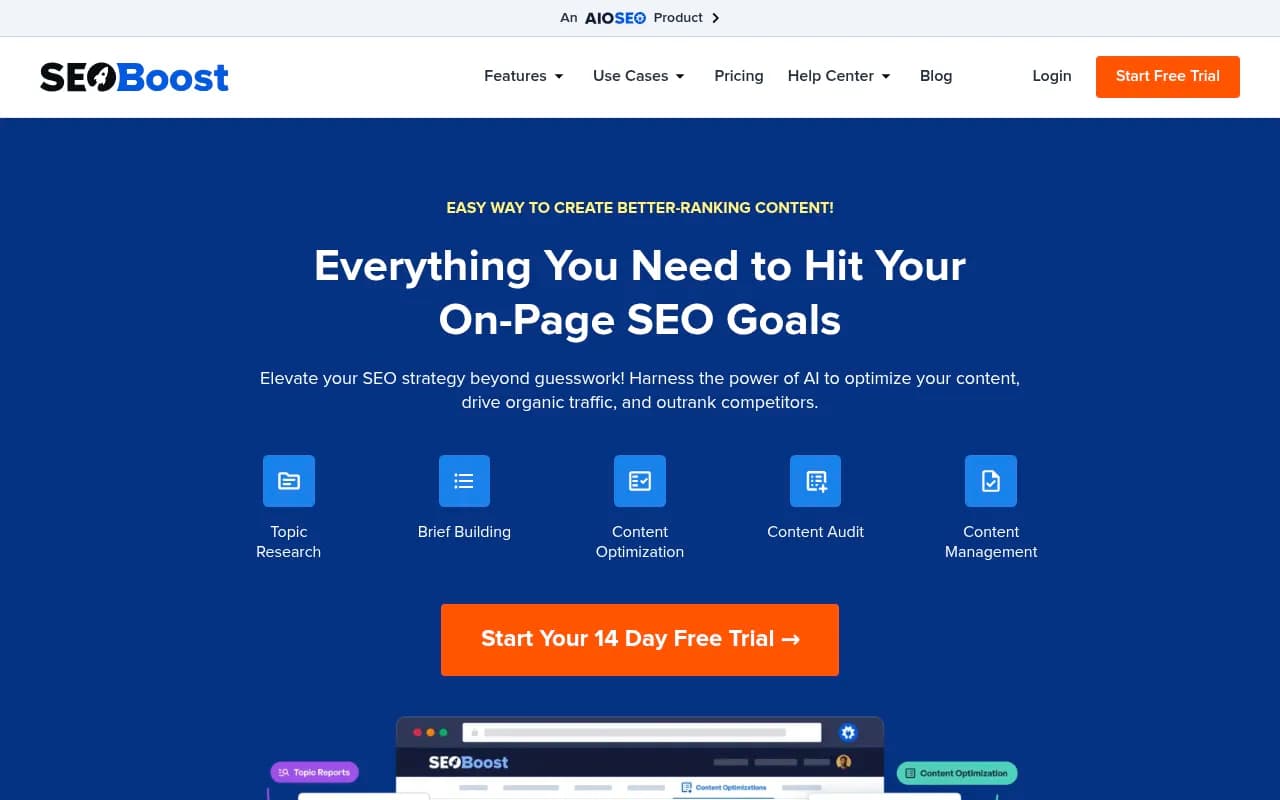
SEOBoost
Real-time SEO feedback as you write. Useful for content writers who want guidance without switching between tools.
Frase
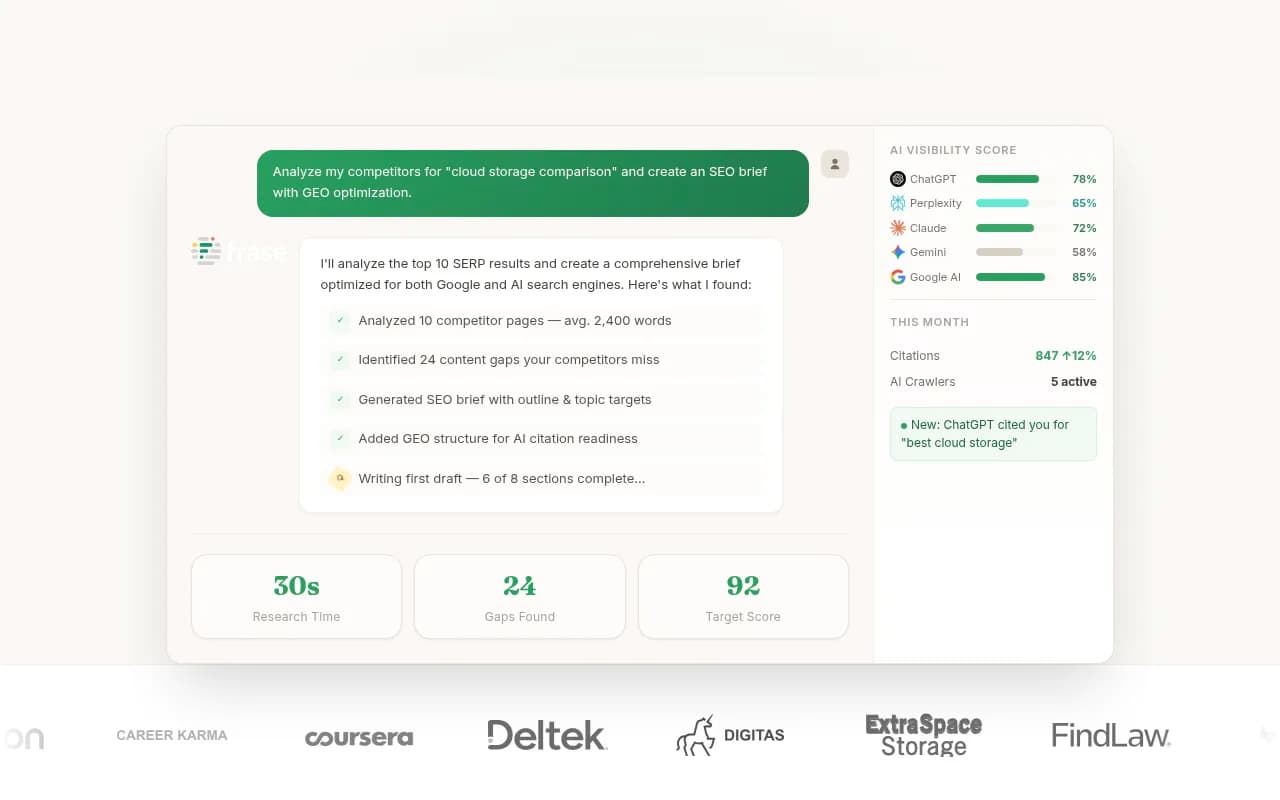
Research and content optimization in one. Frase pulls together what's ranking and helps you build content that covers the topic more thoroughly. Relevant for AEO because comprehensive, well-structured content is more likely to be cited.
The honest summary
Free and cheap AEO tools are genuinely useful for getting started, running basic brand monitoring, and building a rough picture of your AI visibility. If you're a small business or solo marketer, the $30-$50/month range covers the fundamentals.
The ceiling hits fast, though. Most tools under $100/month tell you what's happening but not why, and none of them help you fix it. The gap between "monitoring" and "optimization" is real, and it's where most cheap tools stop.
If you're serious about AI search visibility -- meaning you want to systematically improve it, not just watch a number -- plan to either combine multiple tools (and accept the manual overhead) or budget for a platform that closes the loop between data and action.
The tools exist at every price point. The question is whether you want a dashboard or a system.