Key takeaways
- Google's spam policies list "using automated programs or services to create links to your site" as link spam. Automating the work around a link is fine. Automating the link itself is not.
- The safe zone is prospecting, scoring, enrichment, sequencing mechanics, monitoring and QA. A real editor still has to decide to link.
- Personalized email does not make a paid or exchanged link compliant. Intent and the ranking-credit transfer are what matter.
- Keep a human on the first 50 emails of any campaign, vary anchor text, and qualify paid or sponsored links with rel attributes.
- Recovery from a link scheme action can take months, and the ranking benefit from neutralized links does not come back.
The line Google actually draws
Start with the primary source. Google's spam policies define spam as techniques meant to manipulate Search systems into ranking content highly, and they now also cover attempts to manipulate generative AI responses in Google Search. Violations are caught by automated systems and human review. Affected sites "may rank lower in results or not appear in results at all."
Two link spam examples matter most for this topic:
- Using automated programs or services to create links to your site.
- Widely distributed links in the footers or templates of various sites.
Google also says it will act against spam practices it detects even if they are not listed. So "the policy doesn't mention my exact tactic" is a bad defense.
Other policies overlap with link building more than people expect: expired domain abuse (repurposing an old school or government domain for unrelated content), hidden links, doorway abuse, scaled content abuse and site reputation abuse. If your automation touches any of those, you are in the danger zone regardless of how clever the email sequence is.
Where I think people get confused
The word "automated" covers two very different things. One is automating the admin: scraping, scoring, routing, follow-ups, alerts, reporting. The other is automating the placement: auto-posting to networks, automated link exchanges, automated paid placements, mass guest-post pipelines. The first saves you hours. The second is what the policy is aimed at.
The step automation cannot legitimately do is the one where a third party decides "yes, I'll cite you." That decision has to come from someone who thinks your page is useful to their readers.
What works: automating the work around the link
A good rule from the research: the best automated systems are not the ones that build the most links. They are the ones that demand the least human attention for sorting and chasing, so people can spend time on fit and contribution.
Prospecting and scoring
Let software build lists, filter by relevance and traffic, and score prospects. Reserve human judgment for the top band. You are automating triage, not persuasion.
General SEO suites do the heavy lifting here. Semrush and Moz both cover backlink and competitor gap analysis.

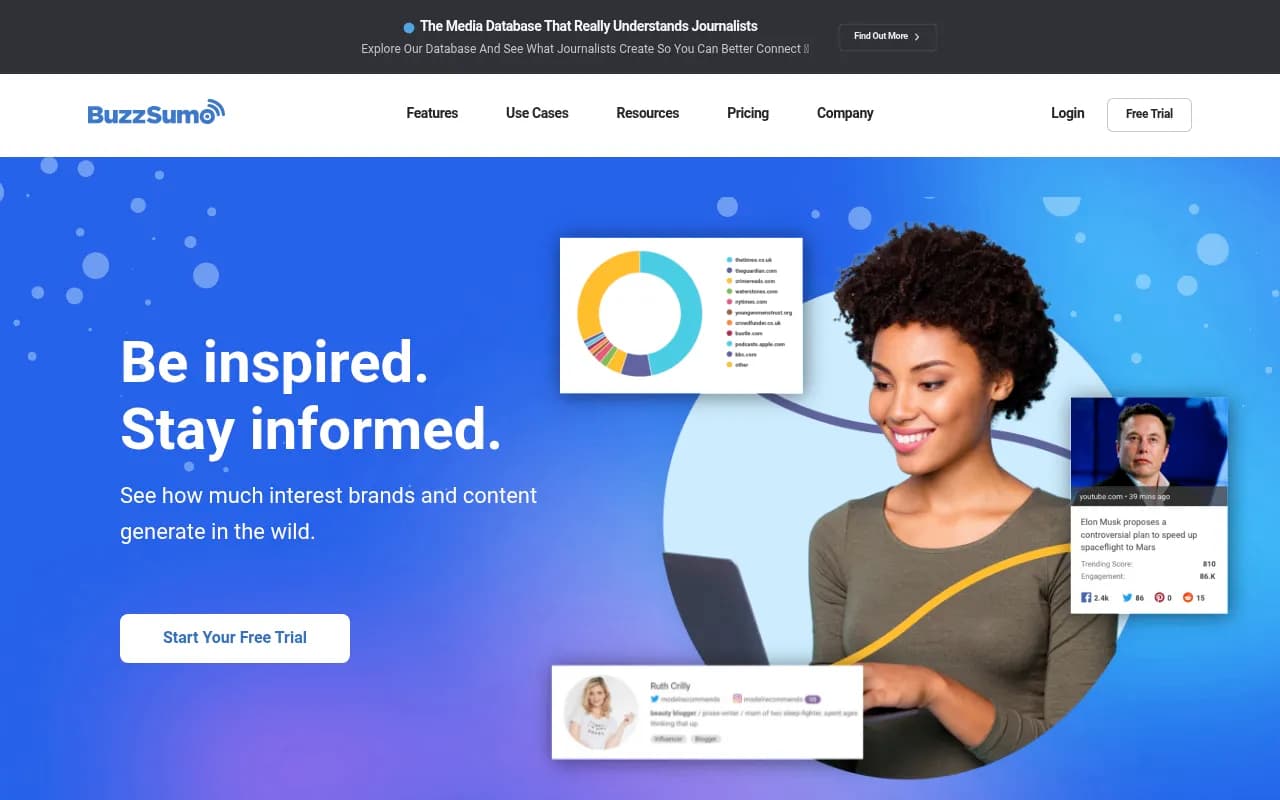
For finding what content already earns links and who shares it, BuzzSumo is useful for sorting prospects by who actually amplifies topics like yours.
Enrichment and segmentation
Finding the right contact and the right context is where automation raises reply rates. Waterfall enrichment and data tools can find emails and company details, and an LLM can summarize a prospect's recent articles so your pitch references something real.

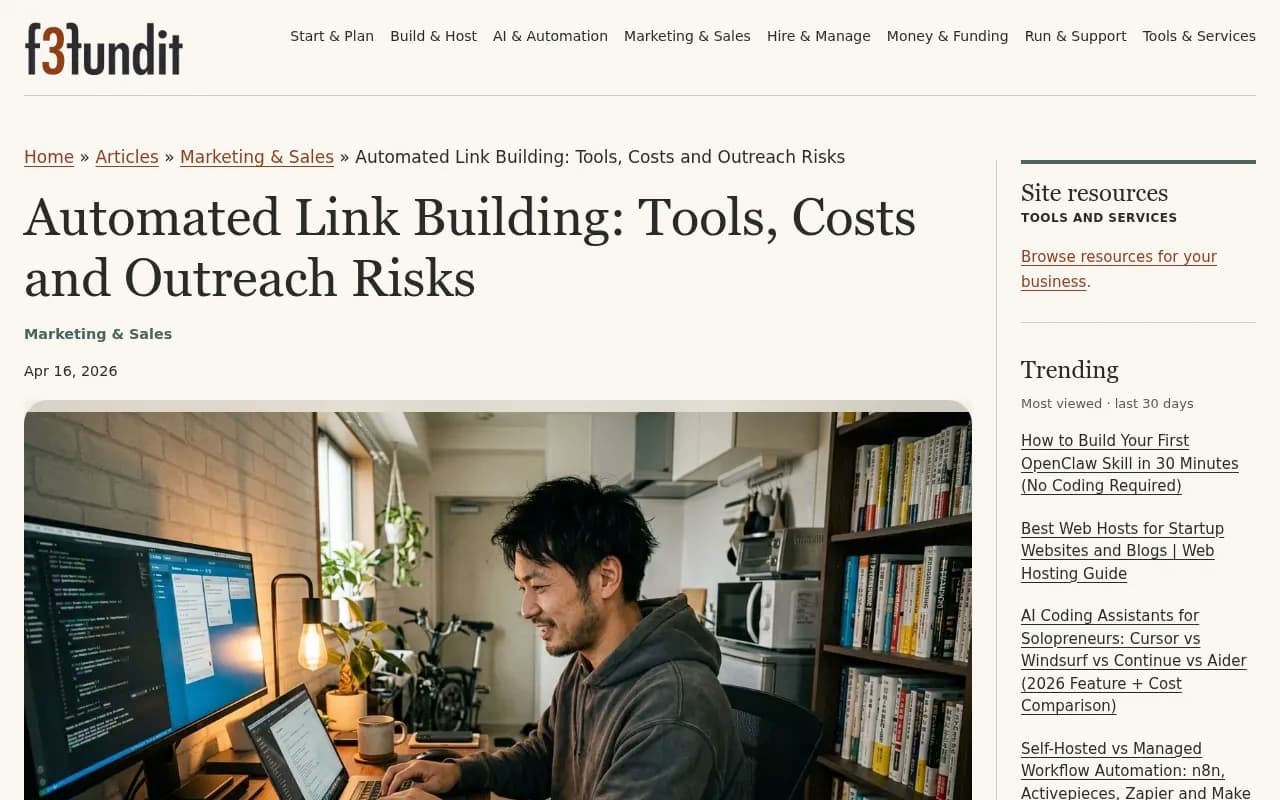
The F3Fundit piece frames this as three phases: extraction, enrichment and execution. That is a fair description. Extraction pulls broken links, outdated stats and content gaps from target publications. Enrichment adds contact and context. Execution is the outreach itself.
Sequencing mechanics
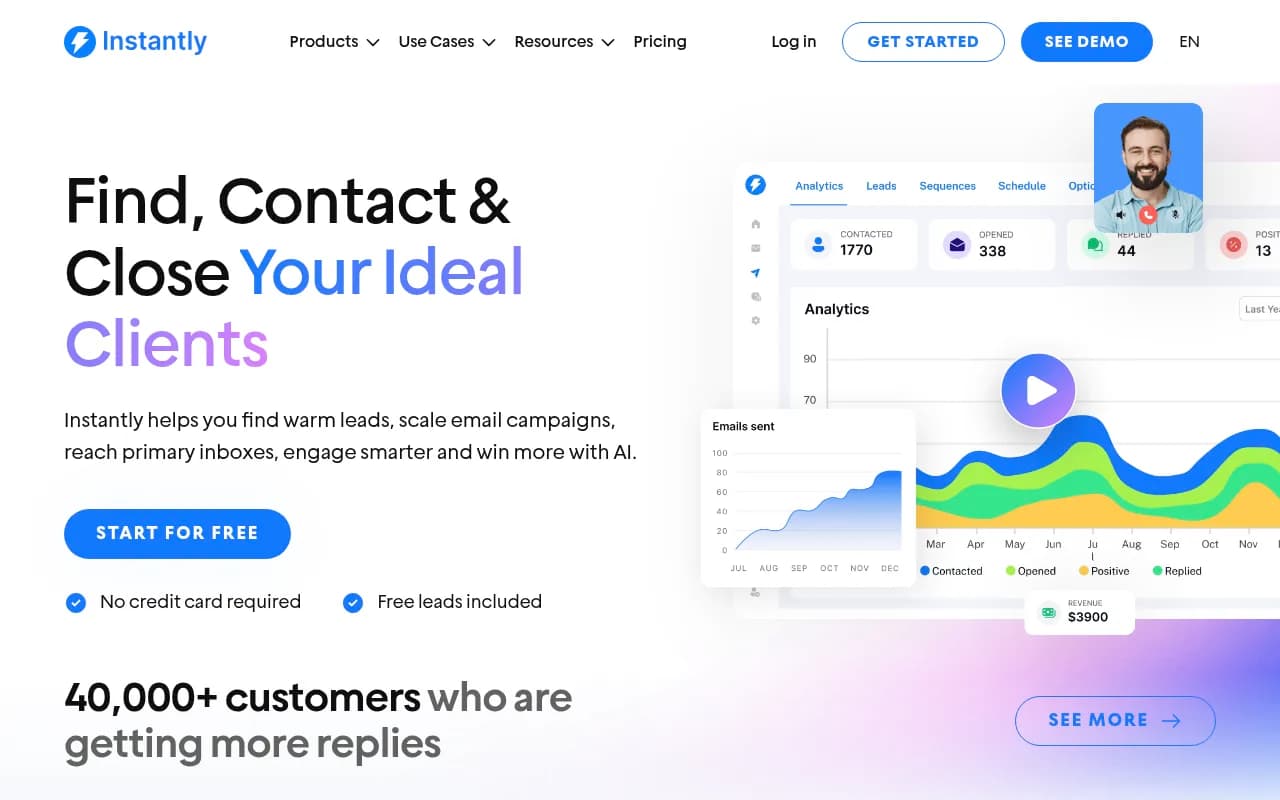
Timing, throttling, follow-up spacing, suppression lists and pauses are all safe to automate. Cold email platforms handle this, and the deliverability side (warm-up, inbox rotation) matters because spam complaints hurt you before Google ever sees your links.
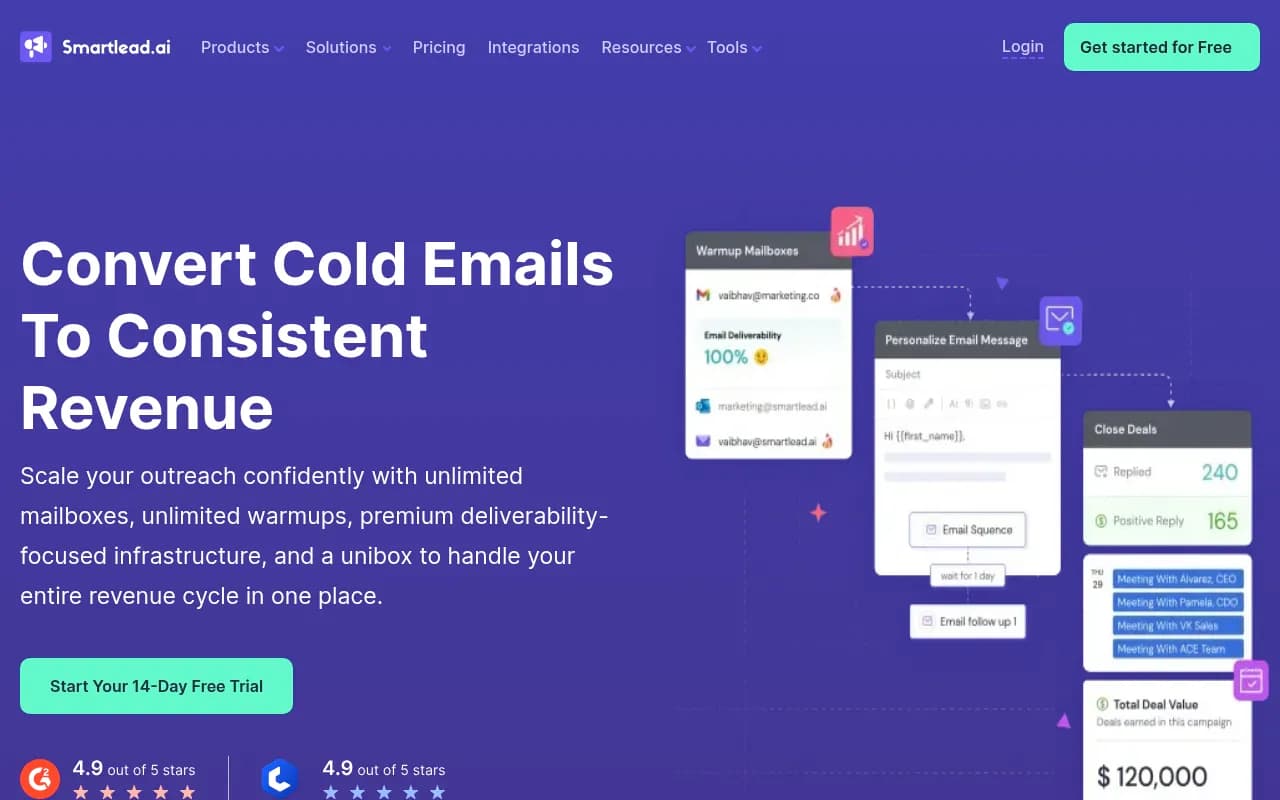
Keep the persuasive parts human: the pitch angle, the relevance proof (why you, why them, why now) and any negotiation lines. A personalized opener from an LLM is helpful. A fully unsupervised LLM talking to editors is a reputation risk.
Monitoring, QA and reclamation
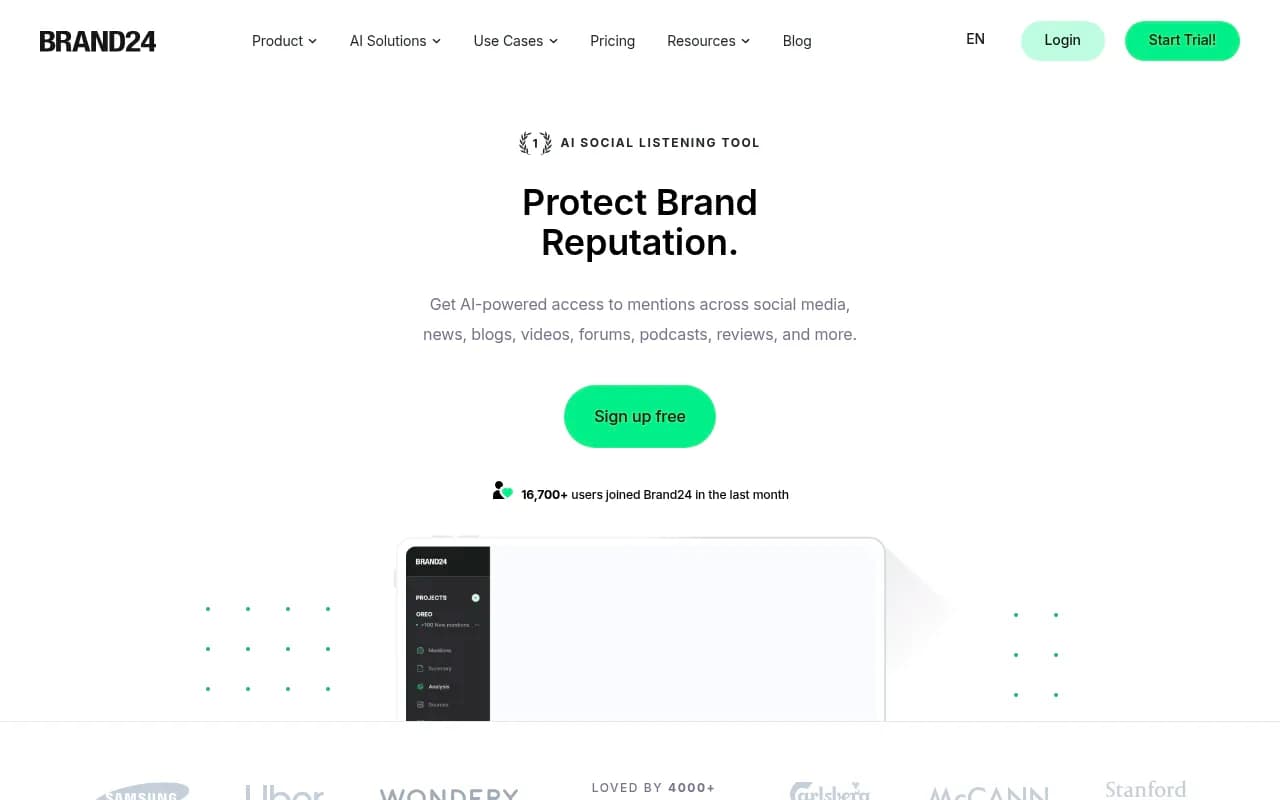
Checking that links are live, still dofollow or properly qualified, and pointing at the right URL is dull work that software does well. Unlinked brand mention reclamation is similar: find mentions, then ask for the link.

Search Console is also your early warning system. Check the Manual Actions report and watch for sudden drops in impressions after a campaign.
Internal links
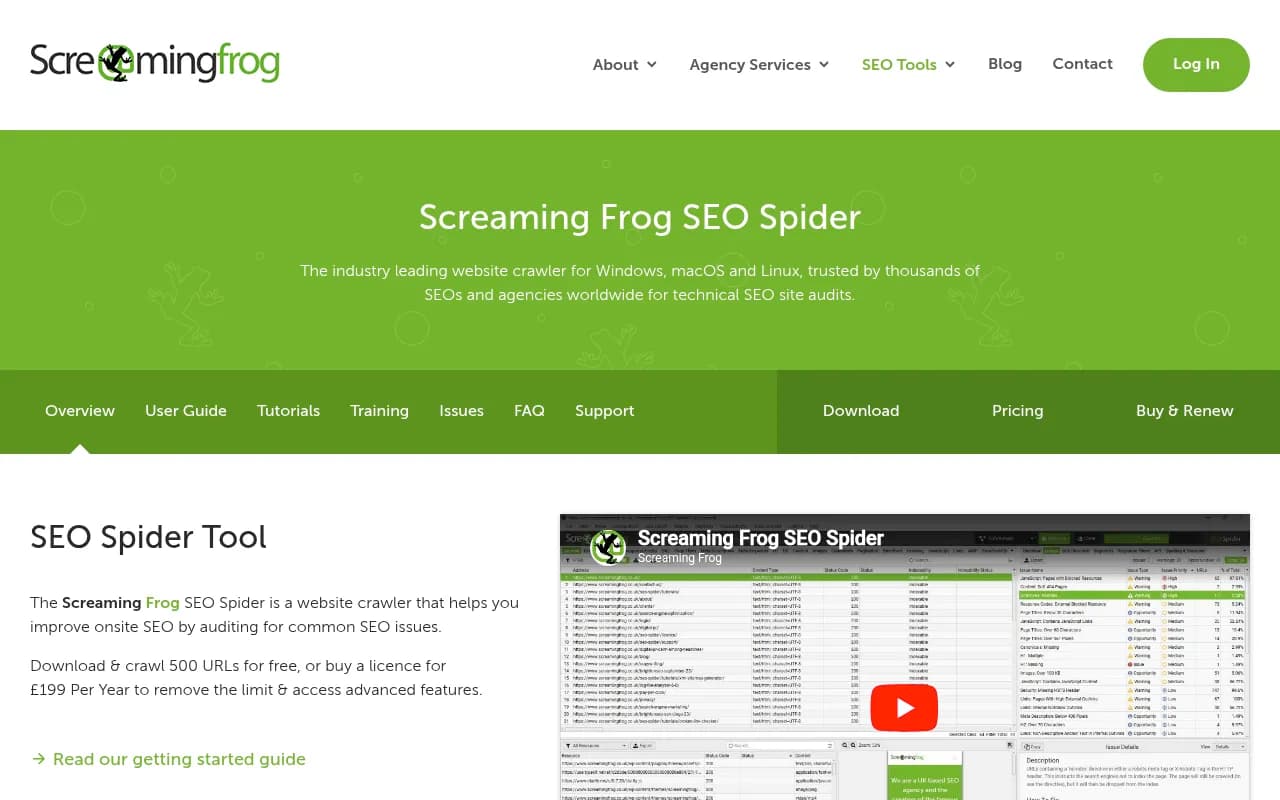
Automating internal link placement is generally safe, since you control both ends. It is also underrated. Plenty of sites have orphaned pages that a crawler like Screaming Frog will show you in minutes.
What gets you penalized
Software-generated links
Auto-posting to blog networks, comment spam, profile links in bulk and anything that mints links without an editorial decision falls under Google's automated-links language. Some of these produce a short bump. One of the sources puts it bluntly: such links are brief, fragile, often discounted, and can trigger penalties when they look like link schemes.
Reciprocal exchange platforms
Credit-based, AI-matched exchanges are marketed as "fully automated, no outreach needed." BlazeHive, for example, lists a reciprocal exchange model from $39 per month with a 14-day trial. Whatever the marketing says, the mechanism is excessive link exchange, which Google names as a spam pattern. I would not build a core strategy on it, and I would never point it at a money site.

Paid links that pass ranking credit
Paying for guest posts that pass PageRank can breach the link spam policy. Google recommends qualifying such links with rel="sponsored" (and rel="ugc" for user-generated content) to show the relationship. A "write for us" page alone does not make a site a link farm, so judge the publication on its editorial standards rather than the label.
Bulk dofollow purchase tools and marketplaces sit in a gray-to-red zone. Vet anything like Aura++ DR Booster very carefully against the policy before you spend.
Template and footer links, hidden links, expired domain tricks
Widely distributed footer links across many sites, single-character hidden links, and repurposed expired domains all appear in Google's documentation. Automation makes these footprints easier to leave at scale.
Generic mass pitches
A mass "I saw your post and thought mine would be a great addition" email wastes time and invites spam complaints. And one point from the F3Fundit article deserves repeating: a personalized email does not, by itself, make the resulting link compliant. If the link was bought or swapped to move rankings, a nice opener does not change that.
Recent updates and how much to read into them
A vendor blog reported that a June 2026 spam update, confirmed with Google by Barry Schwartz on June 24, improves the existing SpamBrain system and does not target link spam or site reputation abuse specifically, nor add new categories. The same source says recovery from spam actions can take months and that for link schemes the ranking benefit from neutralized links cannot be regained. Treat that as a secondary reading of Google's documentation and check Google's own pages before making decisions. The practical takeaway holds either way: being penalized is slow to fix, and the lost link value is gone.
The March 2024 update introduced scaled content abuse, expired domain abuse and site reputation abuse as named policies. If your automation also mass-produces content to host links, you are stacking risks.
A workflow that holds up
This is a five-step setup that blends automation with human review.
- Discover. Pull prospects from competitor backlink gaps, broken links on relevant pages, outdated statistics and unlinked mentions.
- Score and filter. Automate relevance, traffic and spam-signal scoring. Drop the bottom half without a human ever looking.
- Enrich and draft. Find contacts, summarize each prospect's recent work, and have an LLM draft a pitch that says why this matters to their readers.
- Review and send. A person reads the first 50 drafts of a new campaign. If they sound robotic, fix your prompts, not the send button. After that, sample-check.
- Monitor and report. Track replies, live links, anchor text and rel attributes. Alert on lost links. Attribute organic growth to specific campaigns.
For drafting, a general assistant like ChatGPT works, as long as you feed it real prospect context and check every personalization claim.
If you want to glue the steps together without writing code, Zapier, Make and n8n all connect enrichment, email and CRM tools.

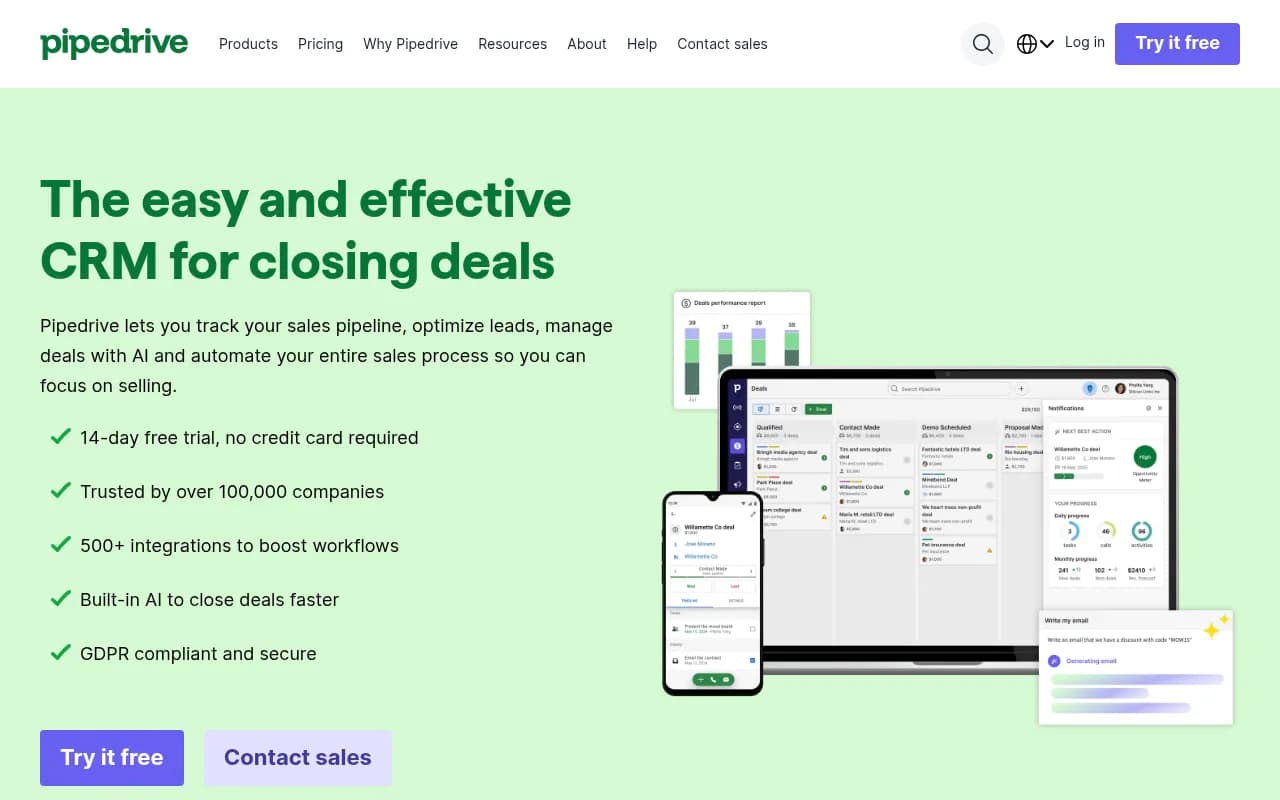
And you need somewhere to track conversations. A CRM such as Pipedrive or HubSpot keeps relationships from living in a spreadsheet.

Anchor text
Don't ask everyone to link with the same keyword. A natural profile mixes branded anchors, naked URLs and contextual phrases. Asking for exact-match anchors in bulk is a footprint on its own.
Tool categories compared
| Approach | Examples | Risk level | Notes |
|---|---|---|---|
| Prospecting and scoring | Semrush, Moz, BuzzSumo | Low | Automates research, not links |
| Enrichment | Clay, FullEnrich, Apollo.io | Low | Check data privacy rules in your region |
| Outreach sequencing | Instantly.ai, Smartlead | Low to medium | Risk is spam complaints, not Google |
| Monitoring and QA | Brand24, Search Console | Low | Safe and underused |
| Template-driven outreach platforms | Respona and similar | Low to medium | Fine if humans own the pitch |
| Reciprocal exchange networks | BlazeHive-style credit swaps | High | Matches excessive link exchange |
| Bulk dofollow buying | Marketplace-style tools | High | Paid links that pass ranking credit |
| Auto-posting and network links | Various | Very high | Direct hit on the automated links policy |
Tools that bundle automated backlinks with auto-published content, such as Outrank or Arvow, deserve the same scrutiny. Ask where the links come from and whether an editor chose to place them.
For a broader view of software in this space, the directory at surferstack.com lists SEO tools with reviews and alternatives.
Manual and managed services
One source argues that "automated link schemes are dead" and that human-verified editorial placements are more valuable as AI-generated content floods the web. I think that is overstated in tone but right in direction. Agencies that vet prospects, run competitor link gap analysis and report on live placements do something software cannot: they convince an editor. The tradeoff is cost and speed. If you want expert help rather than a tool stack, the usual route is a specialist agency or a vetted managed service. The sensible hybrid is to use software for the admin and people for the ask.
Do links still matter for AI search?
I don't have data in this research on how links affect AI citations, so I won't guess. What you can do is measure it. If you track which of your pages get cited in ChatGPT or Google AI Overviews, you can see whether pages with stronger link profiles actually show up more. Tools like Promptwatch can help with that side of the picture, including which sources AI cites in your category. Promptwatch's own data on ChatGPT citation share by domain rank for August 2026 found sites with domain rank 46-75 earned almost half of citations while DR 91-100 fell to about 3%, which suggests a modest, relevant link profile is not a handicap.

Looking at real examples
The F3Fundit article is aimed at solopreneurs and makes a point I agree with: the best links are engineered through outreach that solves a problem for the recipient, such as a broken link, an outdated statistic or a content gap.
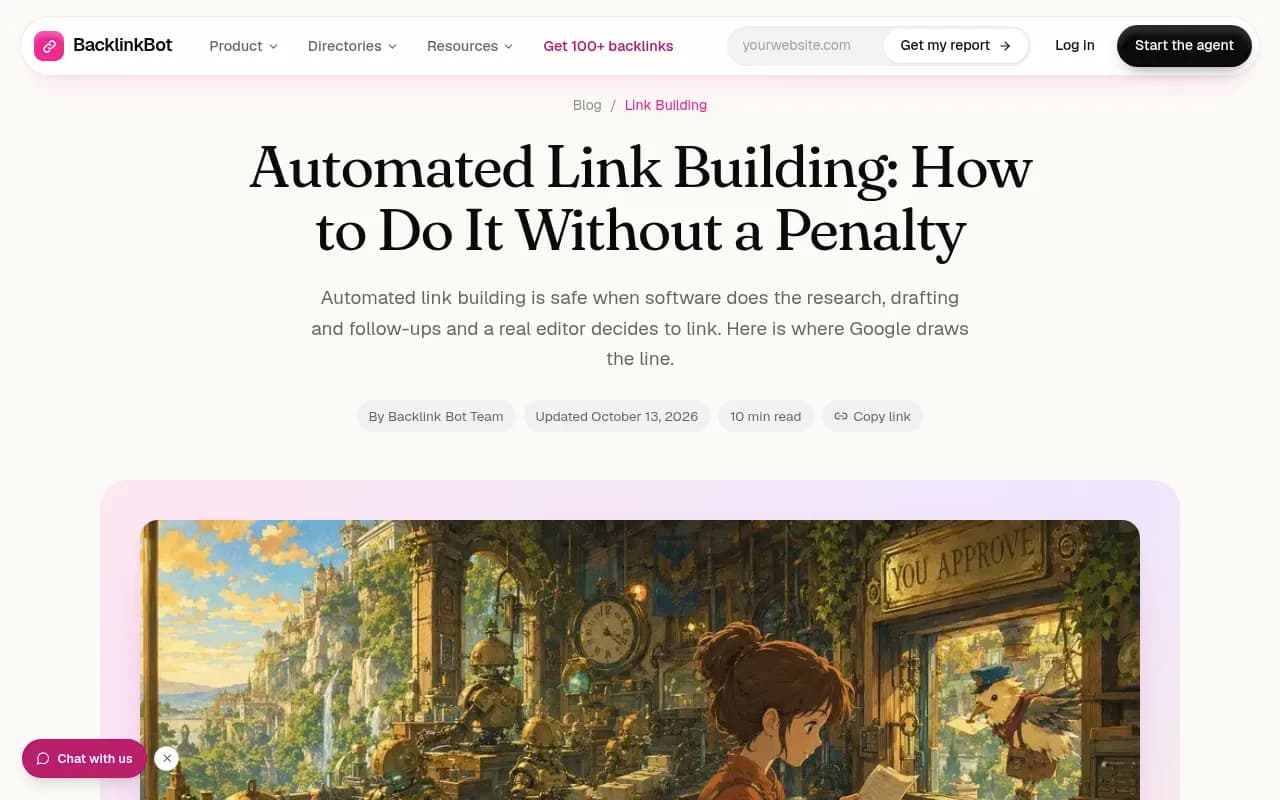
BacklinkBot's guide frames the same idea as a safety test: software does the research, drafting and follow-ups, and a real editor decides to link.
Treat vendor guides like these as opinion. Both sell something. The Google documentation is the arbiter.
Pre-send checklist
- Does a human choose whether to link, with no payment or exchange tied to ranking credit?
- Are paid or sponsored placements marked with rel="sponsored"?
- Is anchor text varied across the campaign?
- Have you read the first 50 drafts?
- Does the target site have real editorial standards and real readers?
- Would you be comfortable showing Google the whole campaign spreadsheet?
If any answer is no, fix it before you send.
Bottom line
Automate the sorting, finding, drafting, scheduling and checking. Do not automate the decision to link. If your approach is "more links, faster," automation will magnify footprints and low-quality placements. If it is "be useful to someone's readers," automation helps you find those readers sooner and follow up more reliably. For a wider view of software options, the directories at bestgeosoftware.com and agenticseotools.com are good places to keep browsing.