Key takeaways
- Traditional SEO tools (rank trackers, keyword tools, content optimizers) were built for Google's crawl-and-index model, which doesn't map cleanly onto how LLMs like ChatGPT decide what to cite.
- ChatGPT doesn't rank pages the way Google does. It draws on training data, retrieval-augmented generation, and citation patterns that most SEO tools can't see or influence.
- Ahrefs data from 2025 found that 28% of ChatGPT's top cited sources don't rank on Google at all — meaning Google rankings are necessary but not sufficient.
- The tools that actually move the needle in AI search are purpose-built for GEO (Generative Engine Optimization): they track citations, identify content gaps, and help you create content that AI models want to reference.
- Monitoring alone isn't enough. You need a platform that closes the loop from gap identification to content creation to traffic attribution.
If you spent 2025 obsessing over your Ahrefs domain rating, tweaking your Surfer SEO content scores, and watching your keyword rankings climb in Google — while wondering why ChatGPT still never mentioned your brand — this guide is for you.
The uncomfortable truth is that the SEO tools most of us relied on last year were largely the wrong tools for the job. Not because they're bad tools. They're excellent at what they were designed for. The problem is that ChatGPT isn't Google, and the mechanics of appearing in an LLM's response are genuinely different from ranking on a search results page.
Let's get into exactly why that gap exists, which tools fell short, and what actually works.
Why traditional SEO tools weren't built for this
Every major SEO platform — Semrush, Ahrefs, Moz, Surfer SEO — was designed around a core assumption: Google crawls pages, indexes them, and ranks them based on signals like backlinks, on-page optimization, and user behavior. Your job is to optimize for those signals.
That model works well for Google. But ChatGPT doesn't operate that way.
When someone asks ChatGPT a question, the model doesn't go fetch a live Google results page and summarize the top three results. It draws on its training data (which has a knowledge cutoff), and when it does use real-time retrieval, it's pulling from a relatively small set of sources it's been trained or prompted to trust. The ranking logic is opaque. There's no PageRank equivalent you can reverse-engineer.
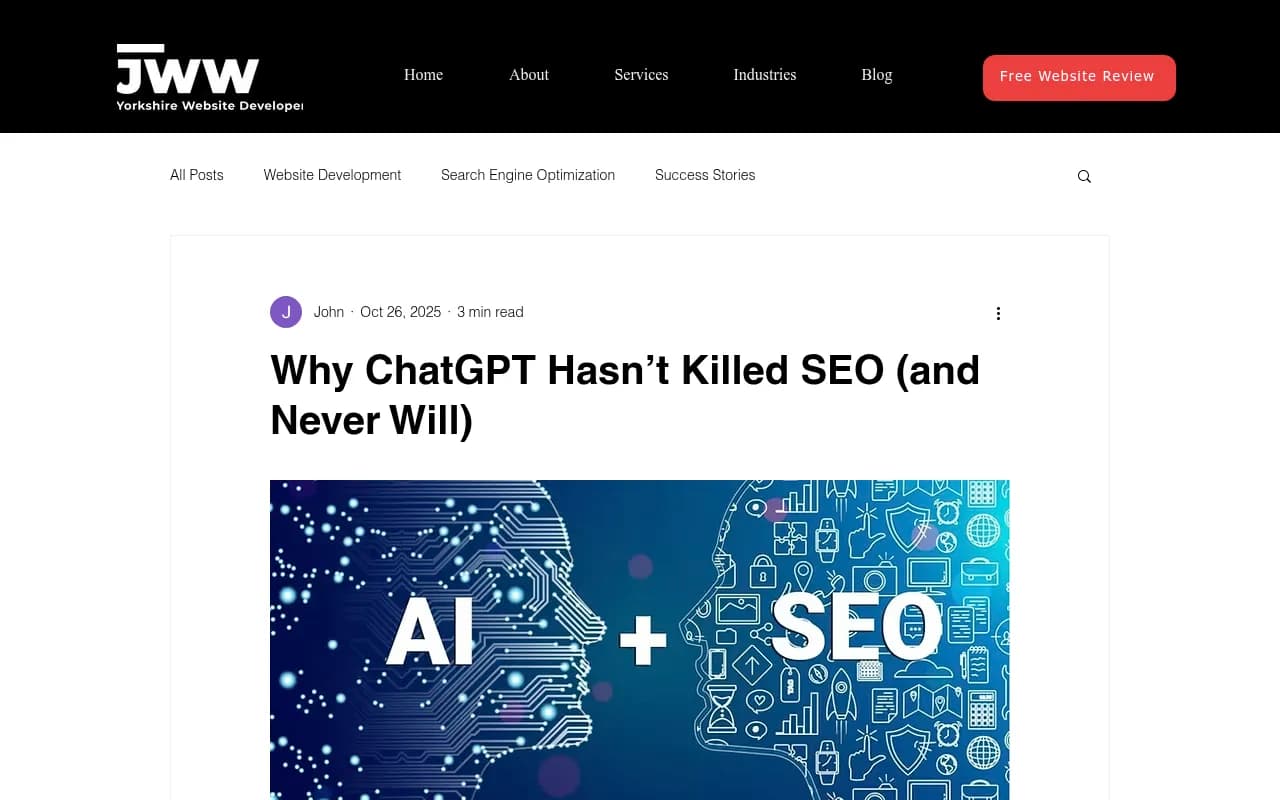
The result: you could have a perfectly optimized page with a DA of 70, ranking #1 on Google for a competitive keyword, and ChatGPT might still cite a Reddit thread, a niche blog, or a YouTube video instead. According to Ahrefs' analysis of ChatGPT's top 1,000 sources, 28% of them don't rank on Google at all. That's not a rounding error — it's a structural difference in how the two systems work.
The specific tools that let you down (and why)
Keyword rank trackers
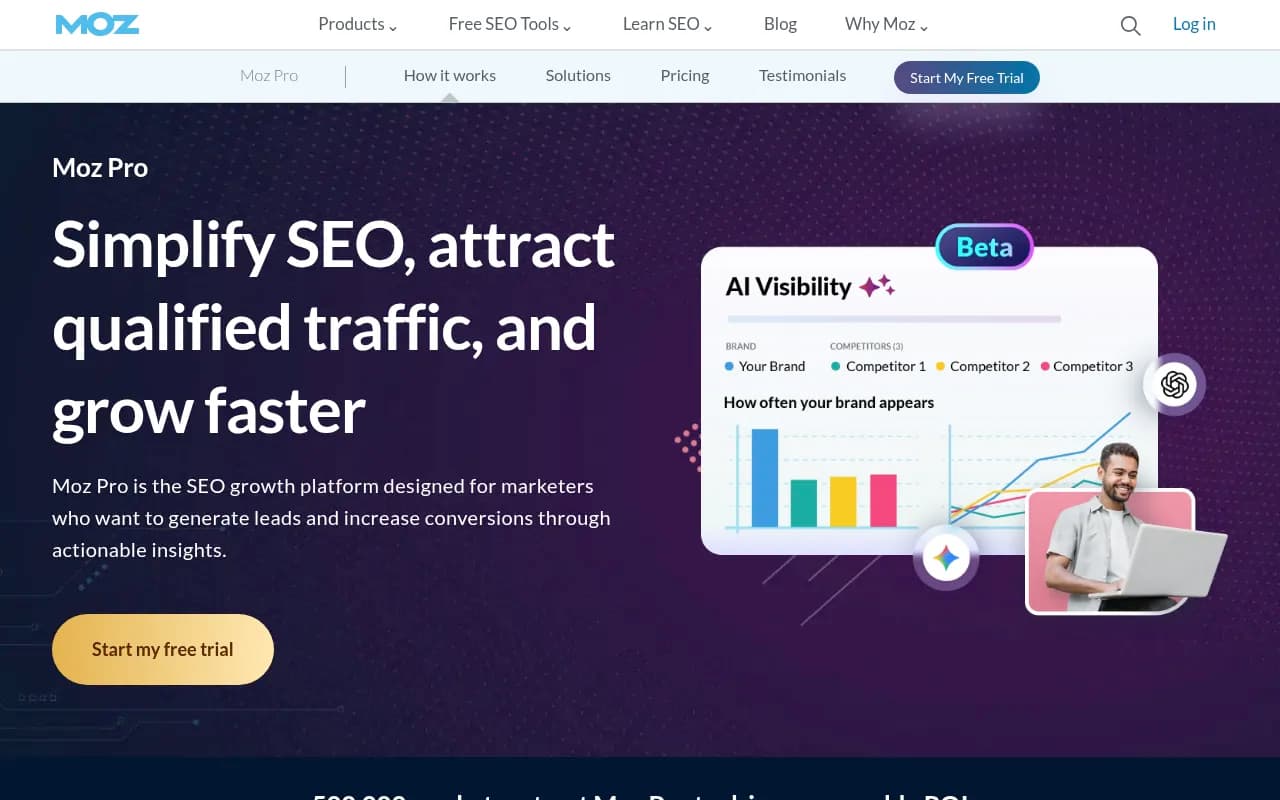
Tools like Semrush, Ahrefs, Moz Pro, AccuRanker, and Wincher are excellent at telling you where you rank on Google. That's genuinely useful. But none of them, in their standard configurations, tell you whether ChatGPT, Claude, or Perplexity is mentioning your brand when someone asks a relevant question.
Tracking your Google position for "best project management software" doesn't tell you whether ChatGPT recommends you when a user types that exact phrase. Those are two different questions with two different answers.
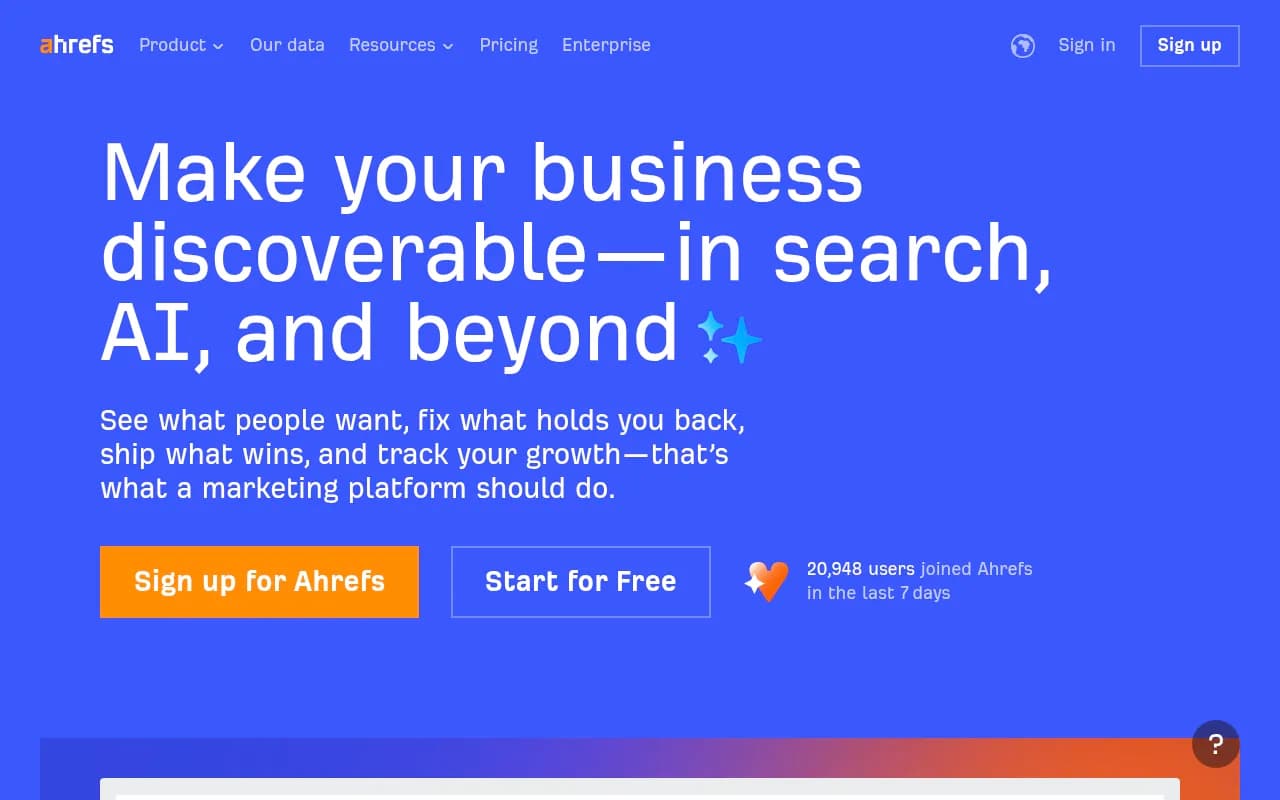
Ahrefs did launch Brand Radar, which adds some AI search monitoring. But it uses fixed prompts and doesn't include AI traffic attribution — so you can see some data, but you can't connect it to actual revenue or act on it systematically.
Content optimization tools
Surfer SEO, Clearscope, Frase, MarketMuse, NeuronWriter — these tools help you write content that scores well against Google's top-ranking pages. They analyze NLP terms, semantic relevance, word counts, and heading structures. All genuinely useful for Google.
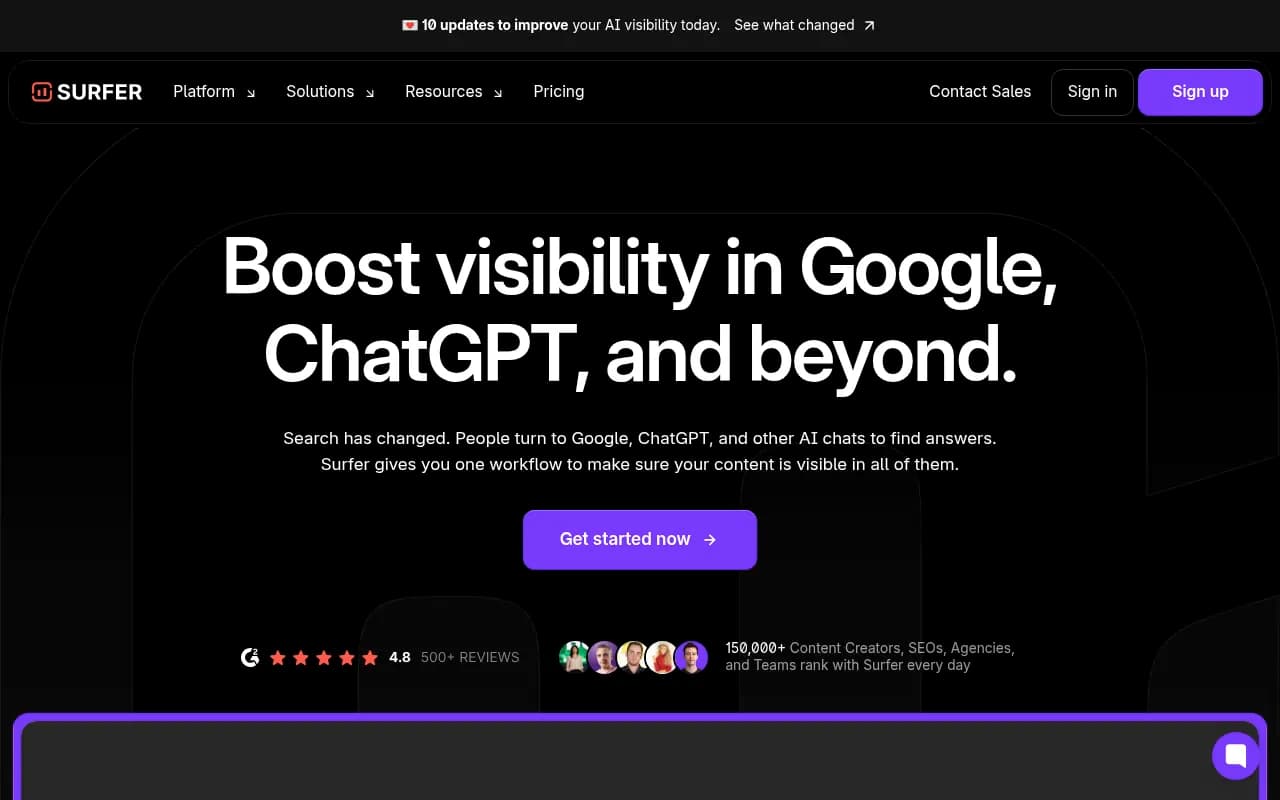

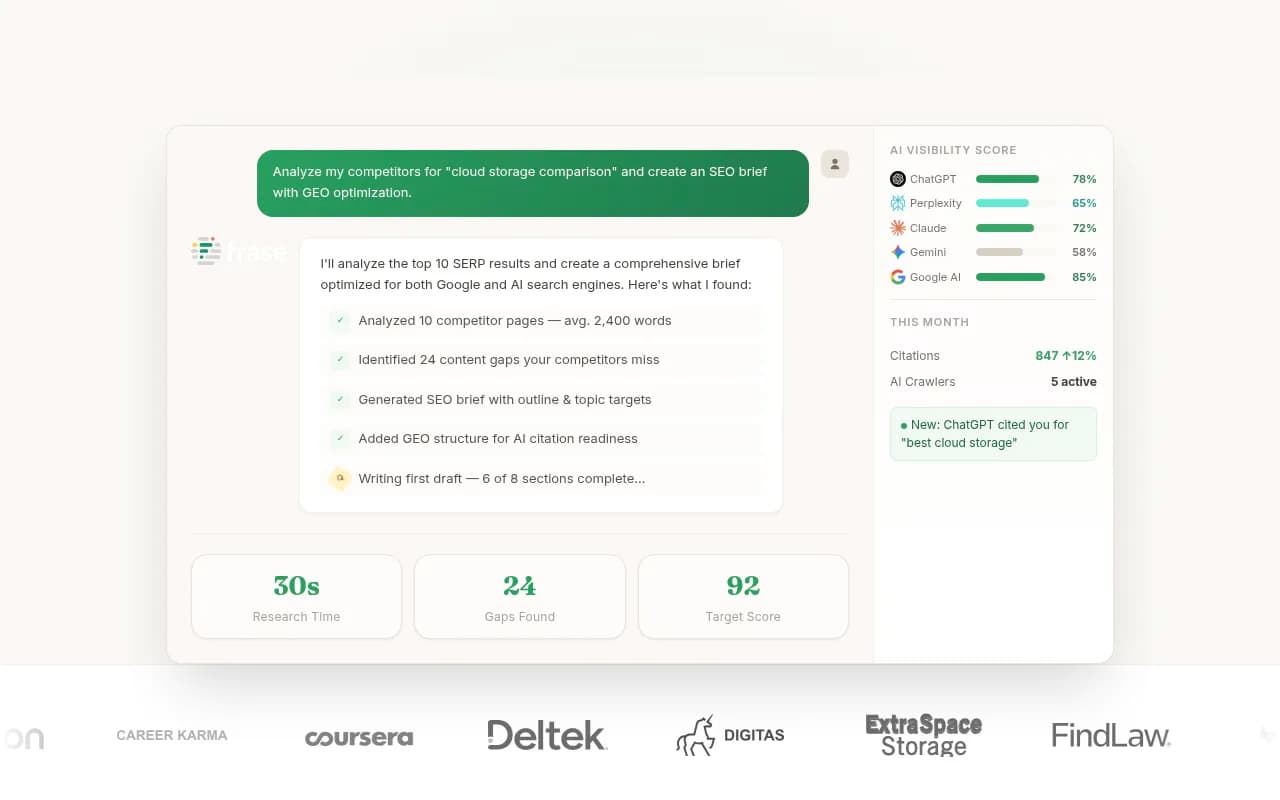
The problem: optimizing for Google's ranking signals doesn't automatically make your content more citable by AI models. LLMs don't care about your NLP term density. They care about whether your content directly and clearly answers questions that real users are asking in AI search interfaces. That's a related but distinct optimization target.
A page that scores 87/100 in Surfer SEO might still get zero citations from ChatGPT if it doesn't address the specific angles and sub-questions that AI users are actually asking.
AI writing tools used for SEO content
Jasper, Copy.ai, Writesonic, Rytr — these tools got a lot of hype in 2025 as ways to produce SEO content faster. And they do speed up production. But speed isn't the bottleneck.
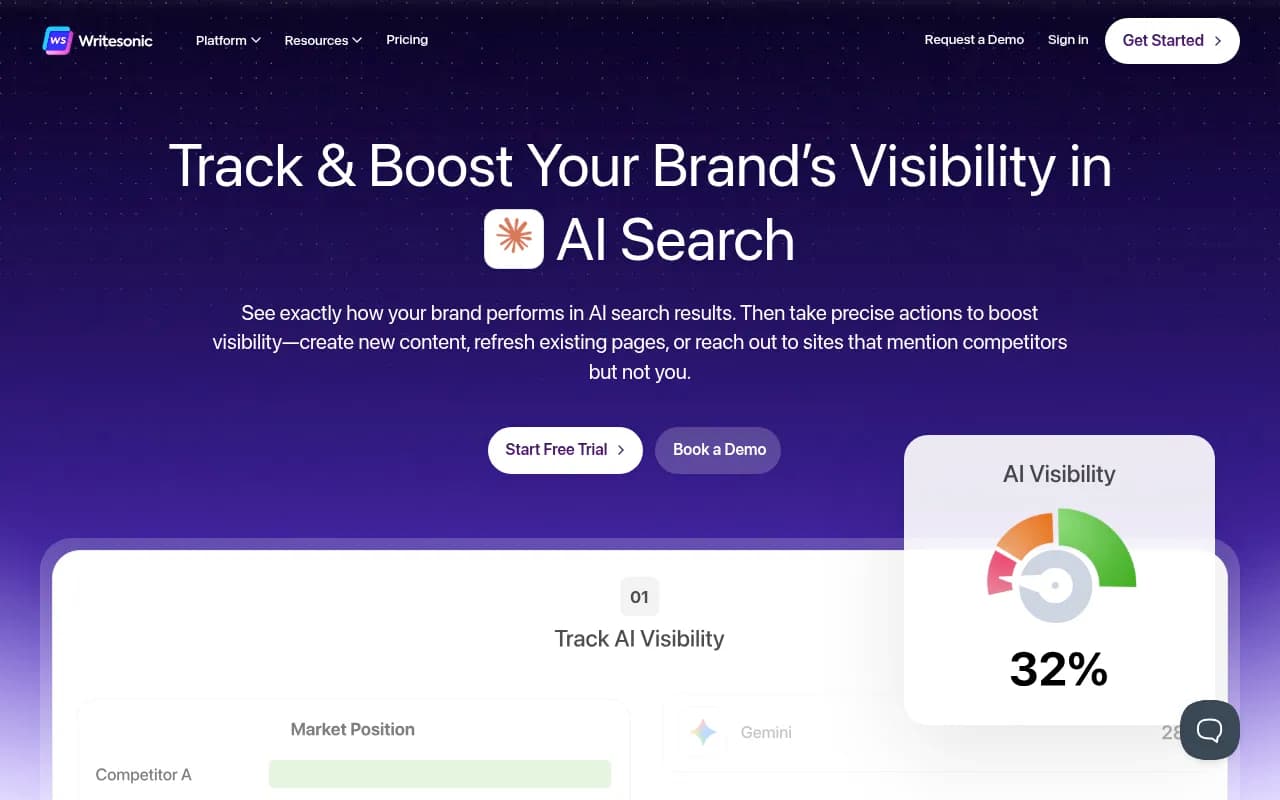
The content these tools generate is typically optimized for generic SEO patterns: keyword inclusion, readable structure, decent length. What it's not optimized for is citation-worthiness in AI search. There's no mechanism in these tools to analyze which prompts AI users are actually asking, which sources AI models are currently citing, or what content gaps exist on your site relative to competitors.
Generating more content faster with an AI writing tool doesn't help if the content isn't targeting the right questions.
Technical SEO tools
Botify, Screaming Frog, Google Search Console — these are about crawlability, indexation, Core Web Vitals, structured data. All still important. But they don't address a fundamentally different problem: AI crawler behavior.
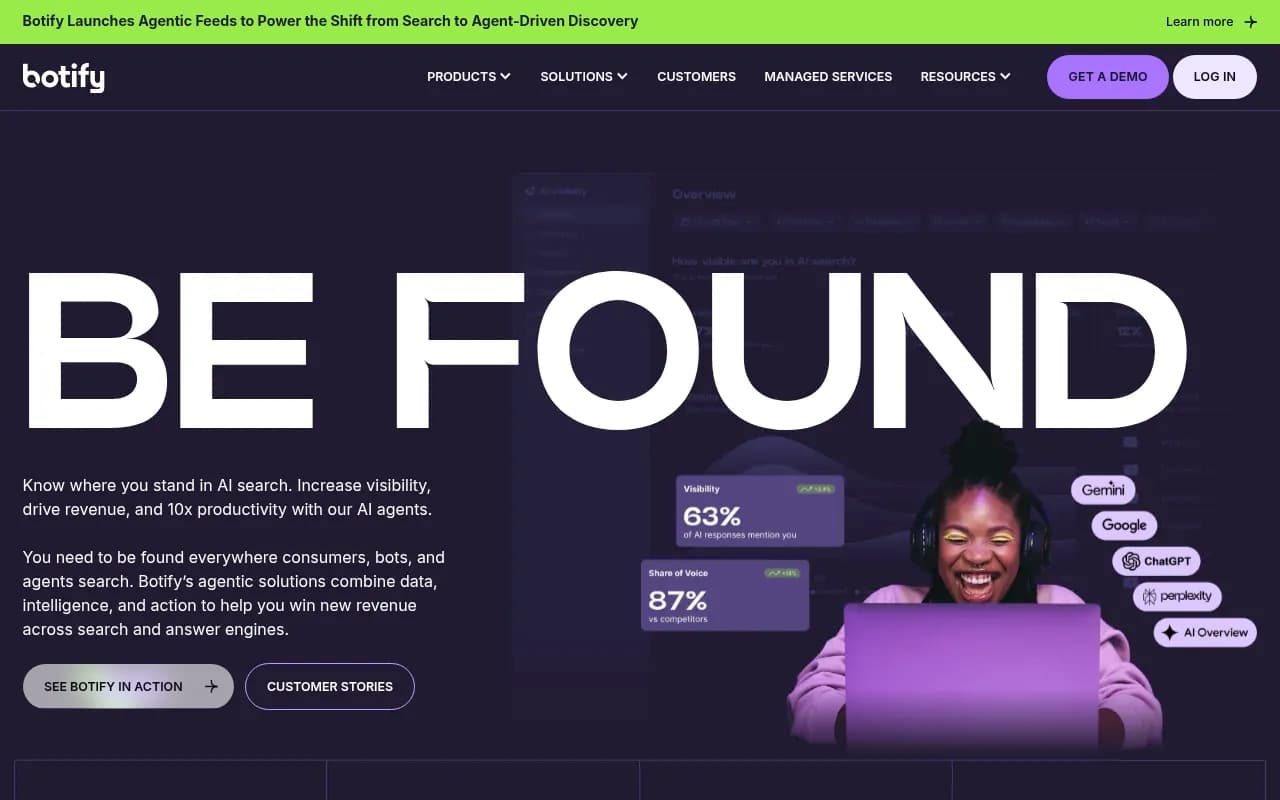
ChatGPT's crawler (OAI-SearchBot), Claude's crawler, and Perplexity's bot all behave differently from Googlebot. They visit different pages, at different frequencies, and they encounter different errors. A site that's perfectly configured for Googlebot might still have pages that AI crawlers can't access or don't prioritize. Traditional technical SEO tools don't log AI crawler activity at all.
What the data actually shows about ChatGPT citations
Here's what makes this frustrating: the signals that predict ChatGPT citations aren't completely disconnected from SEO. Domain authority, backlink profiles, and content quality all correlate with AI citation rates. So your SEO work wasn't wasted.
But correlation isn't the full picture. The 28% of ChatGPT sources that don't rank on Google suggests there are additional factors at play: the specificity of the content, whether it directly addresses the exact question being asked, the format (AI models seem to favor clear, structured answers), and whether the content has been cited in contexts the model was trained on (forums, other articles, social discussions).
The practical implication: you can't just do Google SEO and assume AI visibility follows automatically. You need to actively track what's happening in AI search and optimize for it separately.
What actually works for AI search visibility
Tracking citations, not just rankings
The first shift is measurement. Instead of asking "where do I rank on Google?", you need to ask "which AI models cite me, for which prompts, and how often?" These are different questions that require different tools.
Purpose-built GEO platforms track exactly this. Promptwatch, for example, monitors your brand's citation rate across ChatGPT, Claude, Perplexity, Gemini, Grok, and others — showing you which prompts trigger mentions of your brand and which don't.

Finding content gaps, not just keyword gaps
Traditional keyword gap analysis shows you keywords your competitors rank for that you don't. That's useful for Google. For AI search, the equivalent is answer gap analysis: which prompts is your competitor being cited for that you're not?
This is a more actionable question because it tells you exactly what content to create. If ChatGPT consistently recommends a competitor when someone asks "what's the best tool for [your use case]" but never mentions you, you know what you need to write.
Creating content that AI models want to cite
This is where the real work happens. Content that gets cited by AI models tends to:
- Directly and completely answer specific questions (not just mention the topic)
- Use clear structure: headers, short paragraphs, explicit answers near the top
- Cover the sub-questions that branch off from the main query (what researchers call "query fan-outs")
- Be published on domains that AI models have learned to trust
- Appear in contexts that AI training data includes: forums, aggregator sites, YouTube, Reddit
Generic AI-generated SEO content doesn't reliably hit these targets. Content built around real citation data and actual prompt volumes has a much better chance.
Tools like Promptwatch include a built-in content generation agent that creates articles grounded in citation analysis and prompt data — not just keyword density. That's a meaningfully different approach from Jasper or Writesonic.
Monitoring AI crawler activity
If AI crawlers can't access your pages, you won't get cited. It's that simple. But most site owners have no visibility into whether OAI-SearchBot is hitting their pages, how often, or what errors it's encountering.
AI crawler log analysis is a capability that barely existed in traditional SEO tooling. It's now a core feature in platforms built specifically for GEO.
A comparison: traditional SEO tools vs. GEO platforms
| Capability | Traditional SEO tools | GEO/AI visibility platforms |
|---|---|---|
| Google rank tracking | Yes | Some |
| Keyword gap analysis | Yes | Limited |
| AI citation tracking | No | Yes |
| Answer gap analysis | No | Yes |
| AI crawler logs | No | Yes (Promptwatch, Botify) |
| Content gap vs. competitors in AI | No | Yes |
| AI-optimized content generation | No | Yes (Promptwatch) |
| Reddit/YouTube citation tracking | No | Yes (Promptwatch) |
| ChatGPT Shopping tracking | No | Yes (Promptwatch) |
| Traffic attribution from AI search | No | Yes |
| Prompt volume and difficulty scoring | No | Yes |
The gap is significant. Traditional tools were built for a world where one engine (Google) dominated and its ranking signals were at least partially visible. AI search is more opaque, more distributed across multiple models, and requires a different measurement framework entirely.
The tools that are actually built for this
If you want to track and improve your AI search visibility in 2026, here are the platforms worth evaluating:
For comprehensive GEO (monitoring + optimization + content):
Promptwatch is the most complete option — it covers citation tracking across 10+ AI models, answer gap analysis, content generation grounded in citation data, AI crawler logs, Reddit and YouTube tracking, and traffic attribution. It's the only platform in recent comparisons rated as a leader across all GEO categories.
For monitoring-focused tracking:
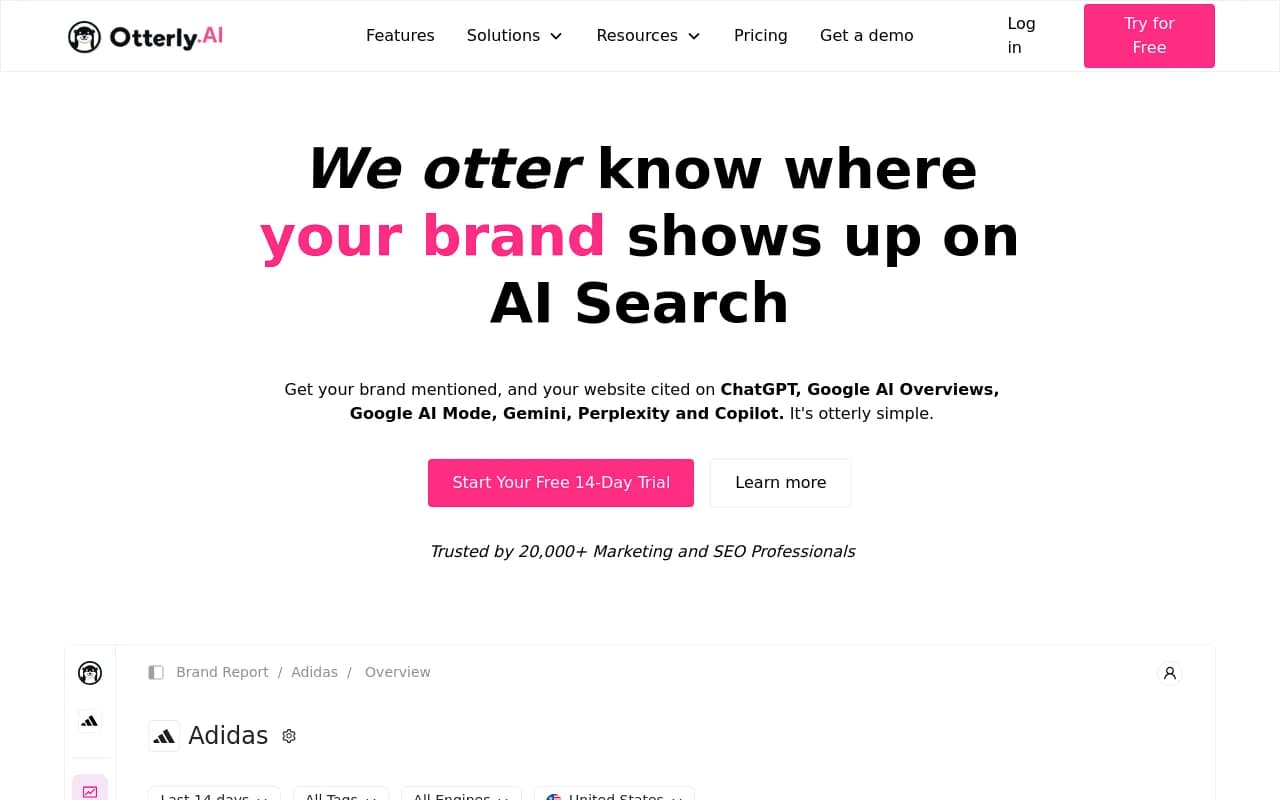
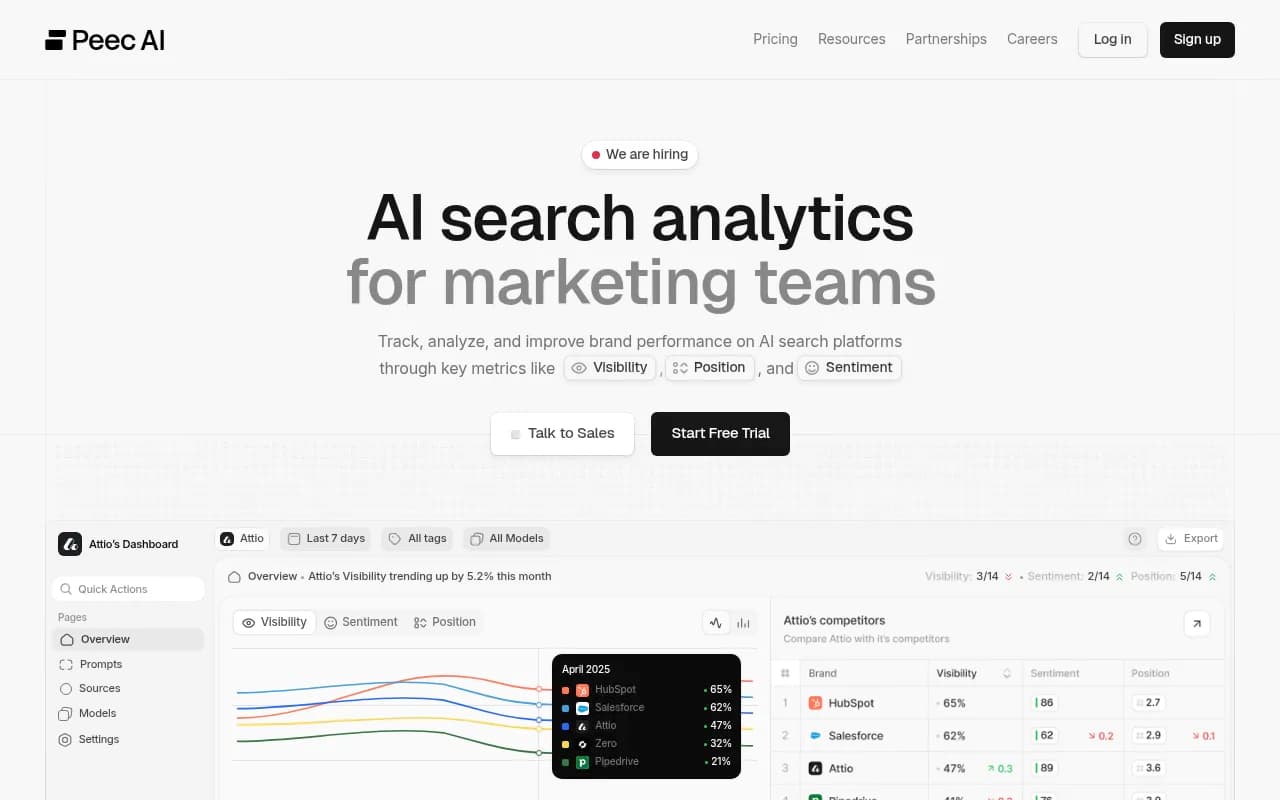
These are solid for tracking your citation rates and brand mentions across AI models. The limitation is they stop at monitoring — they show you the problem but don't help you fix it.
For enterprise-scale visibility:
Higher price points, strong feature sets, but generally lack content generation capabilities and some of the more granular tracking features (Reddit, ChatGPT Shopping, query fan-outs).
For technical GEO (AI crawlability):
Helps ensure AI crawlers can actually access and render your pages — the technical foundation that everything else depends on.
The honest takeaway
The SEO tools you used in 2025 weren't wrong. They were just incomplete for the new reality. Google rankings still matter — they correlate with AI citations, and Google's own AI Overviews pull from organic results. Doing good SEO is still a prerequisite.
But it's no longer sufficient. If you're not separately tracking your AI citation rates, identifying which prompts your competitors are winning that you're not, and creating content specifically designed to be cited by AI models, you're leaving a growing channel completely unmanaged.
The brands that figured this out in 2025 are already pulling ahead. The ones still running their AI strategy through Semrush keyword reports and Surfer content scores are going to keep wondering why ChatGPT never mentions them.
The measurement problem is solvable. The content gap is closable. But you need the right tools to see what's actually happening.