Key takeaways
- Most AI visibility tools in 2026 are monitoring-only: they show you where your brand appears (or doesn't) across ChatGPT, Perplexity, Gemini, and others, but stop there.
- A smaller category of platforms goes further -- identifying content gaps, generating AI-optimized content, and tracking whether that content actually gets cited.
- The right question to ask before buying: "Does this tool help me fix my visibility, or just measure it?"
- If you're actively trying to grow your presence in AI search, a monitoring-only tool will leave you with data and no clear path forward.
- Platforms like Promptwatch are built around the full loop: find gaps, create content, track results.
The dashboard problem nobody talks about
Here's a scenario that's playing out in marketing teams everywhere right now. Someone buys an AI visibility tool, sets it up, and within a week they have a beautiful dashboard showing their brand's mention rate across ChatGPT, Perplexity, and Gemini. They can see that a competitor appears in 68% of relevant responses while they appear in 23%.
Then what?
That's the question most tools don't answer. The data is real and the gap is real, but the tool has nothing to say about why the gap exists or what to do about it. You're left staring at a number that tells you you're losing without telling you how to win.
This is the monitoring vs. optimization divide, and it's the most important thing to understand before spending money on an AI visibility platform in 2026.
What monitoring tools actually do
Monitoring tools are essentially trackers. They run your target prompts through AI models on a schedule, record whether your brand gets mentioned, and surface that data in a dashboard. The better ones will also show you sentiment (positive vs. negative mentions), which competitors appear alongside you, and how your visibility score changes over time.
That's genuinely useful. If you don't know where you stand, you can't prioritize anything. And for some use cases -- executive reporting, competitive benchmarking, brand health checks -- monitoring data is exactly what you need.
Tools like Otterly.AI, Peec AI, and Mentions.so sit squarely in this category.

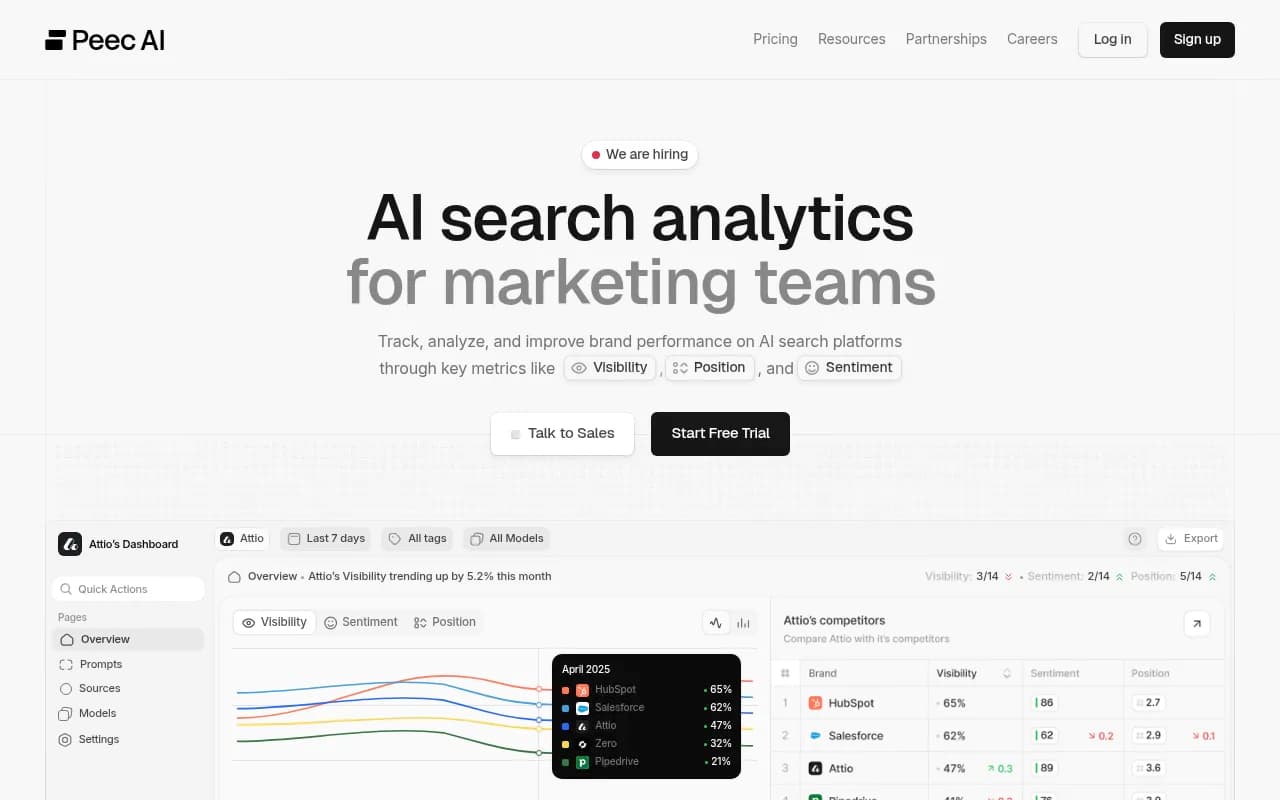
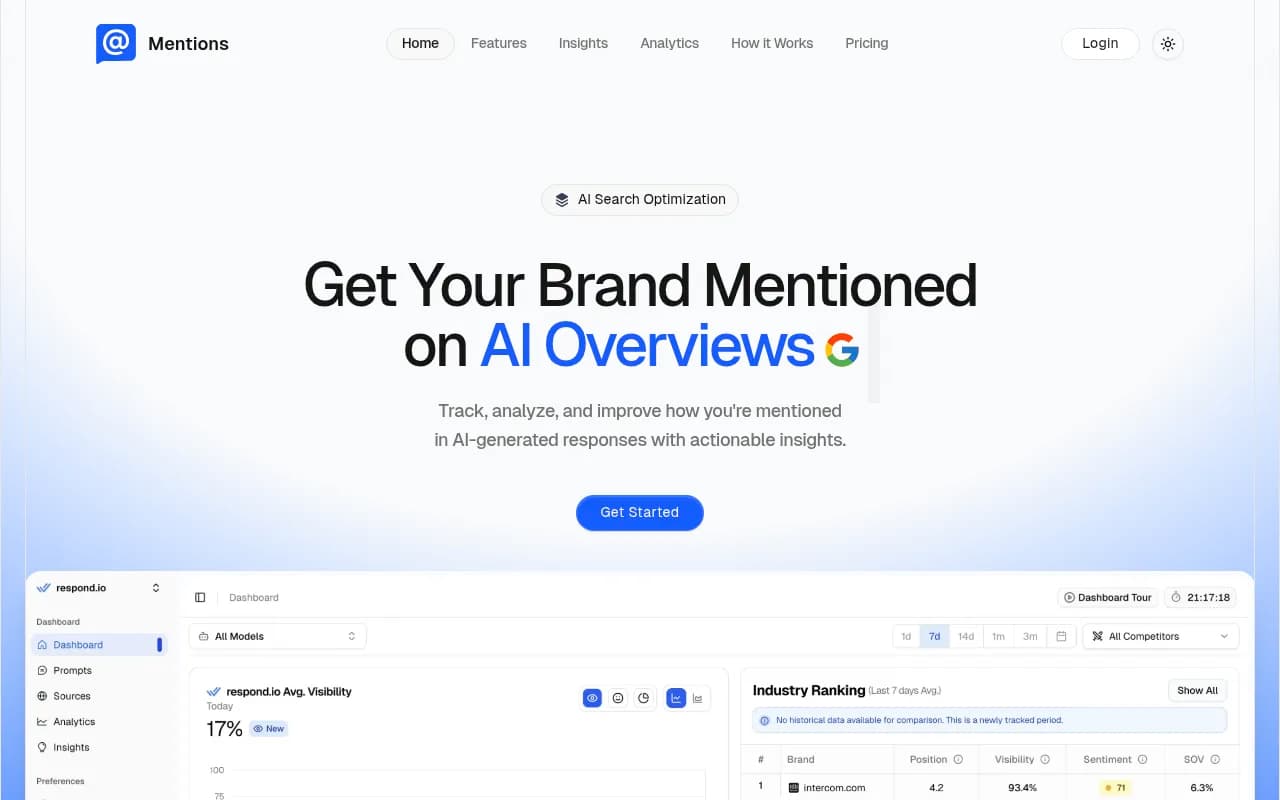
They're relatively affordable, easy to set up, and good at answering "how visible are we?" But they're not built to answer "what do we do about it?" That's a different product category.
What optimization platforms do differently
An optimization platform treats visibility as a problem to solve, not just a metric to report. The workflow looks different from the start.
Instead of just telling you that you appear in 23% of responses, an optimization platform asks: which specific prompts are you missing? What content does your site lack that would make AI models more likely to cite you? What are competitors publishing that you're not?
This requires a different kind of data infrastructure. You need to know not just whether you appeared, but what the AI model cited when it answered -- which pages, which domains, which Reddit threads or YouTube videos influenced the response. You need prompt-level data: how often is this question being asked, how hard is it to win, what angle should the content take?
Then, critically, you need to be able to act on that analysis. Not by exporting a spreadsheet and handing it to a content team, but by generating content that's actually engineered to get cited -- grounded in real citation patterns, not generic SEO best practices.

Promptwatch is the clearest example of this approach. The platform's Answer Gap Analysis shows you the exact prompts where competitors are visible and you're not. Its built-in AI writing agent then generates content based on 880M+ citations analyzed -- articles and comparisons that are structured the way AI models want to cite them, not just keyword-stuffed blog posts. Then page-level tracking closes the loop by showing which of your pages are getting cited, by which models, and how often.
That cycle -- find gaps, create content, track results -- is what separates an optimization platform from a monitoring dashboard.
The category breakdown in 2026
The market has fragmented into several distinct types of tools. Understanding where each one sits helps you buy the right thing for your actual situation.
| Tool | Category | Content generation | Crawler logs | Prompt volume data | Traffic attribution |
|---|---|---|---|---|---|
| Promptwatch | Optimization platform | Yes (AI writing agent) | Yes | Yes | Yes (GSC, snippet, logs) |
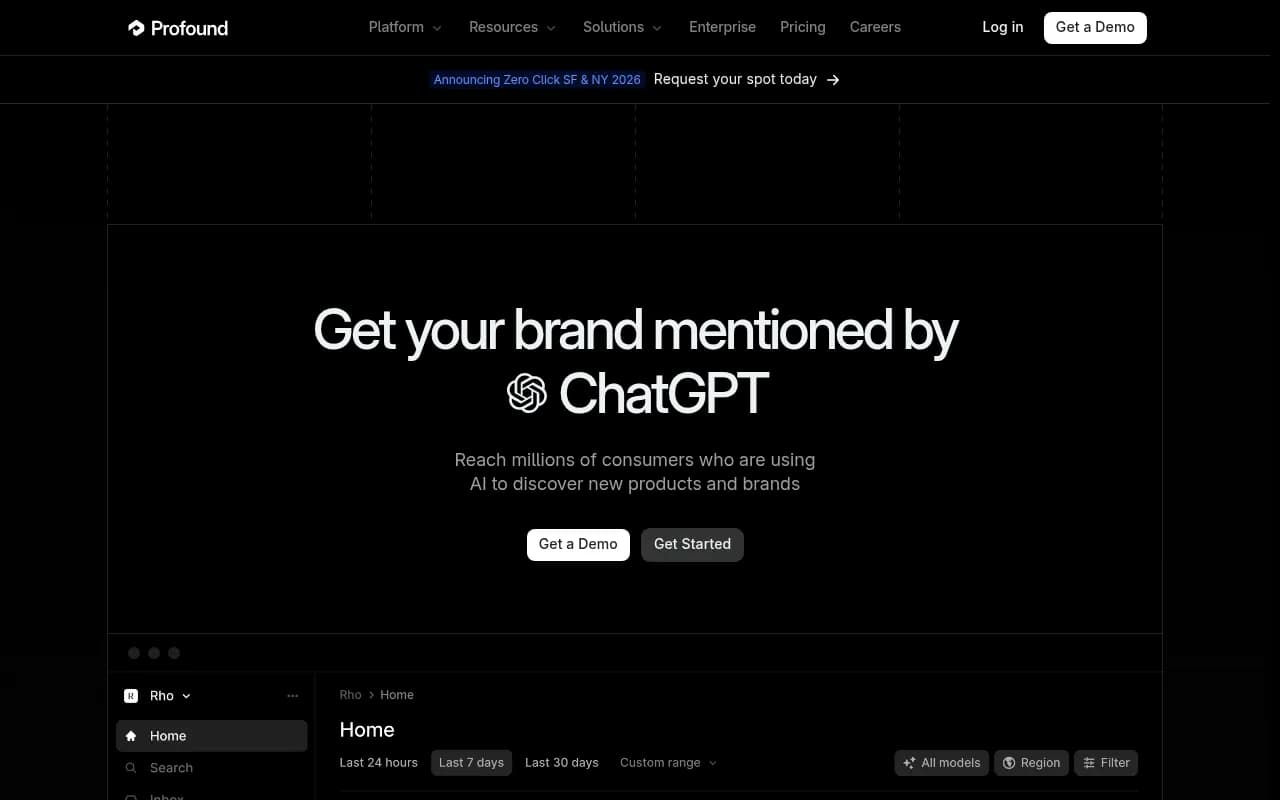
| Profound | Monitoring + some optimization | Limited | No | Limited | No |
| Scrunch AI | Monitoring + some optimization | No | No | No | No |
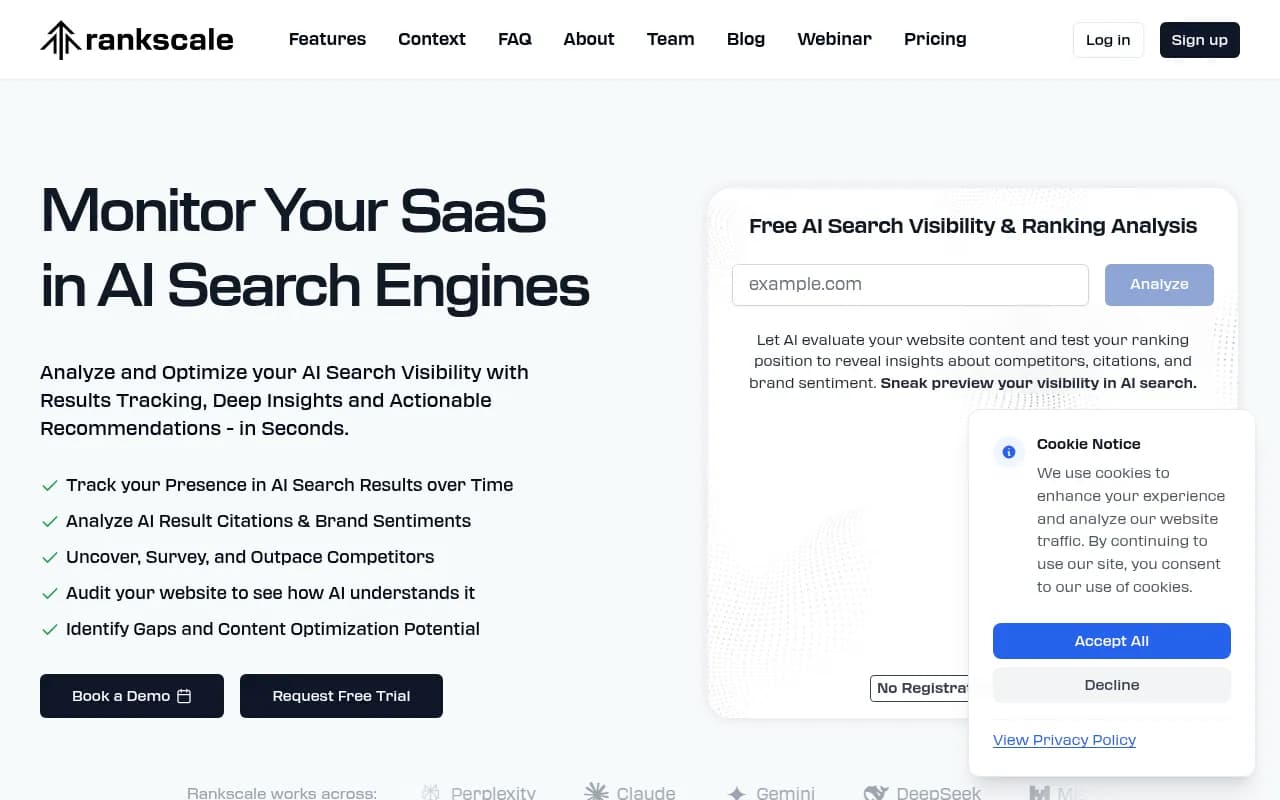
| Otterly.AI | Monitoring only | No | No | No | No |
| Peec AI | Monitoring only | No | No | No | No |
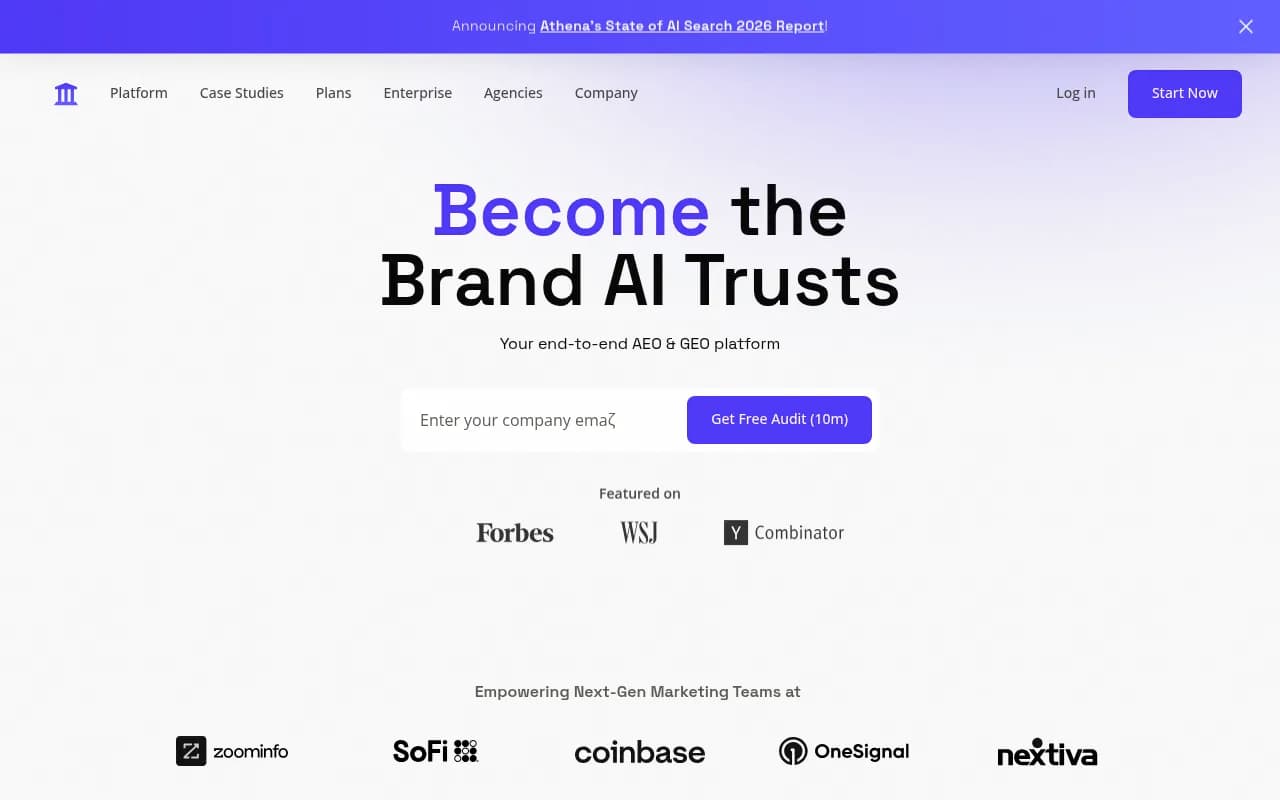
| AthenaHQ | Monitoring-focused | No | No | No | No |
| Search Party | Agency monitoring | No | No | Limited | No |
| Semrush | Traditional SEO + basic AI tracking | No | No | No | No |
| Ahrefs Brand Radar | Traditional SEO + basic AI tracking | No | No | No | No |
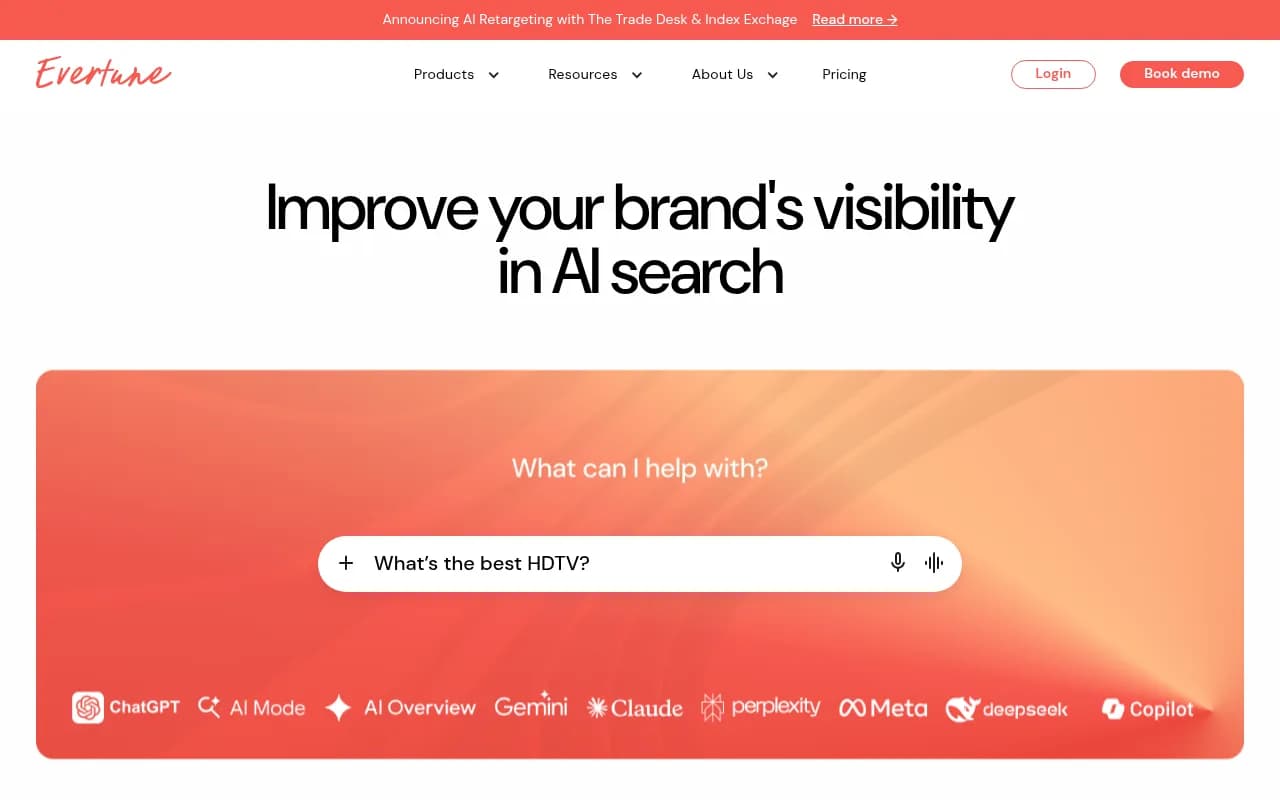
| Evertune | Enterprise monitoring | No | No | No | No |
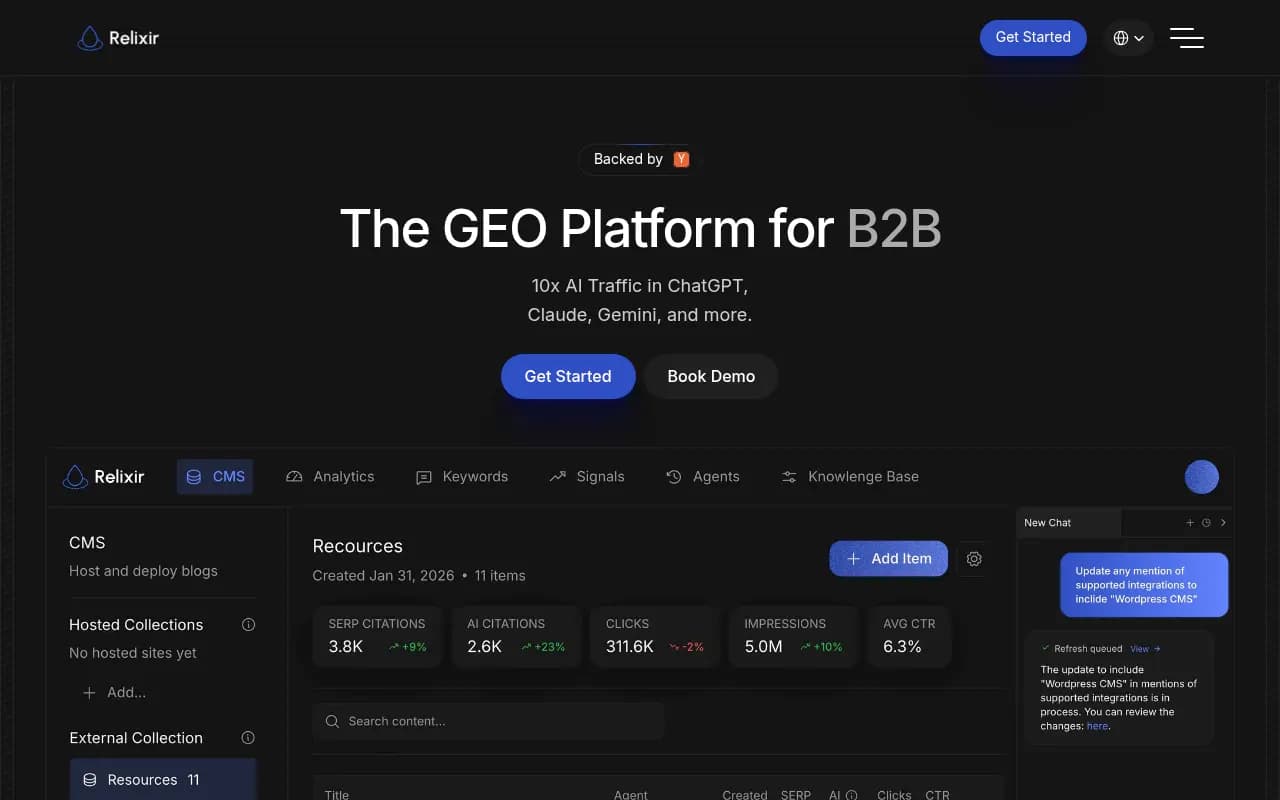
| Relixir | Optimization platform | Yes | No | Limited | No |
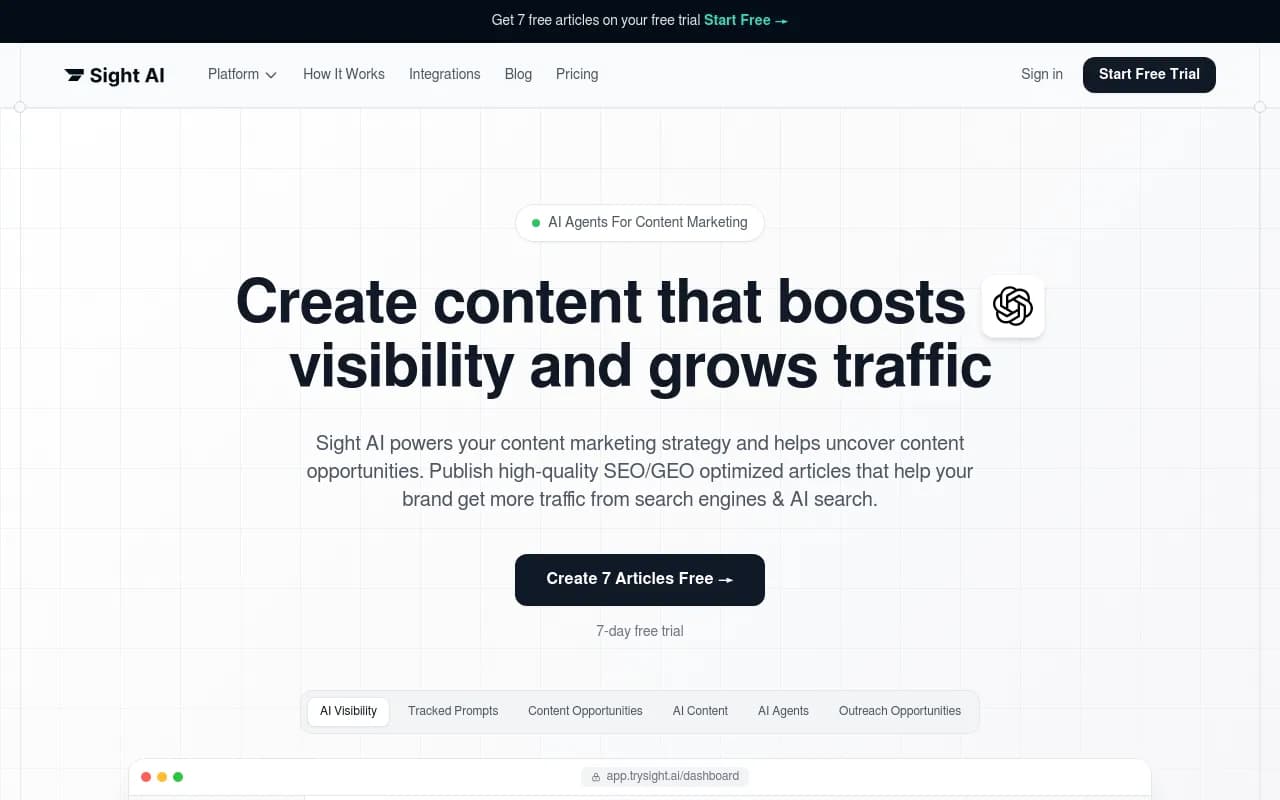
| Writesonic | Optimization platform | Yes | No | No | No |
The question that should drive your decision
Before you evaluate any tool, answer this honestly: what are you actually trying to accomplish?
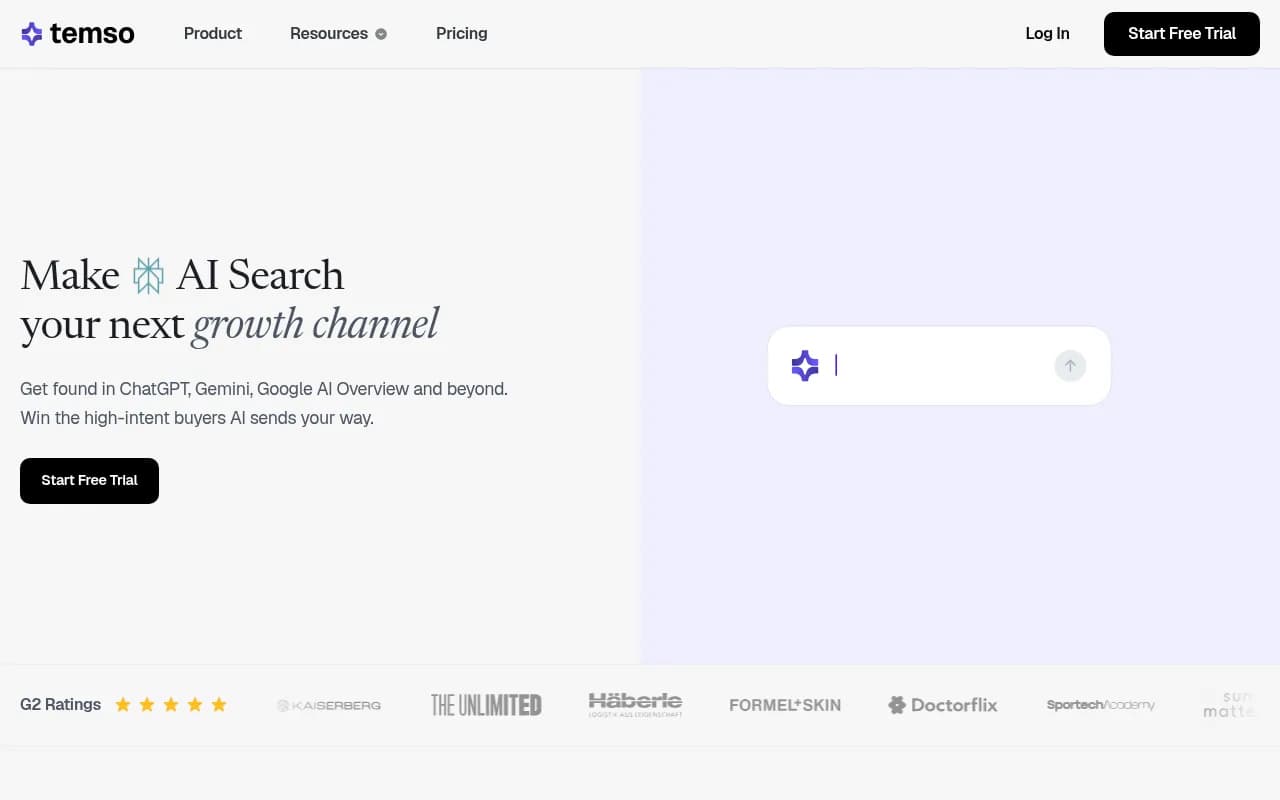
If the answer is "I need to report on our AI visibility to leadership and track it over time," a monitoring tool is probably fine. Otterly.AI at its price point, or Peec AI, will give you the numbers you need without overcomplicating things.
If the answer is "I need to actually grow our presence in AI search," you need an optimization platform. Monitoring data alone won't move the needle. You need to know what content to create, be able to create it efficiently, and verify that it's working.
The trap many teams fall into is buying a monitoring tool because it's cheaper or simpler, then wondering six months later why their visibility scores haven't improved. The tool was never designed to improve them. It was designed to measure them.
Where traditional SEO tools fit in
A lot of teams are looking at Semrush and Ahrefs first because they already have subscriptions. Both have added AI visibility features -- Semrush has AI-generated prompt tracking, Ahrefs has Brand Radar -- but these are add-ons to traditional SEO platforms, not purpose-built GEO tools.
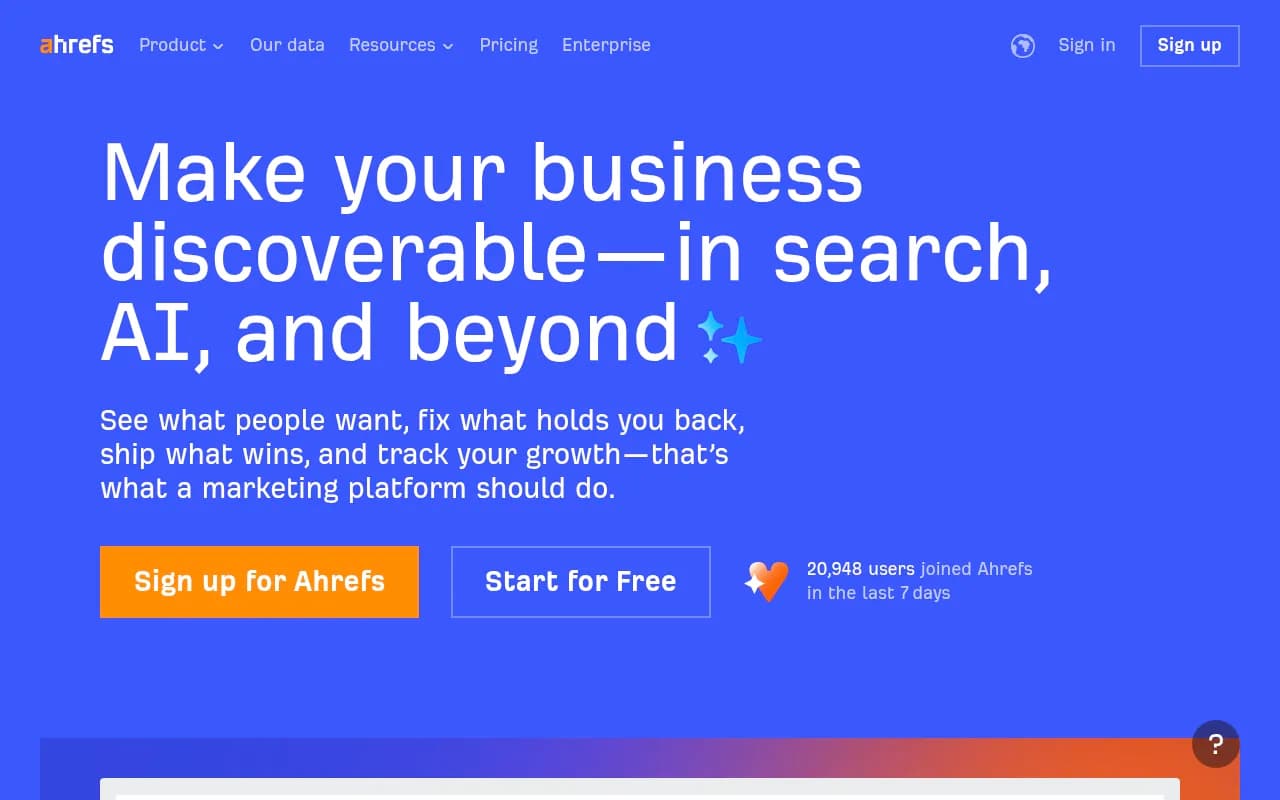
The limitations are real. Semrush uses fixed prompts rather than letting you define your own. Ahrefs Brand Radar also uses fixed prompts and has no AI traffic attribution. Neither has crawler logs showing how AI bots are actually crawling your site. Neither generates content optimized for AI citation.
They're fine for getting a basic read on AI visibility if you're already paying for them. But if AI search is a serious priority, you'll outgrow them quickly.
The crawler logs gap
One capability that separates serious optimization platforms from everything else is AI crawler log analysis. This is exactly what it sounds like: real-time logs showing when AI crawlers (ChatGPT's GPTBot, Claude's ClaudeBot, Perplexity's PerplexityBot, etc.) visit your site, which pages they read, how often they return, and what errors they encounter.
Most tools don't have this at all. It's technically harder to implement and requires either a code snippet on your site or server log integration. But it answers questions that no amount of prompt-based monitoring can answer: Is ChatGPT even finding my content? Are there crawl errors blocking AI bots from reading my key pages? Which pages are getting crawled most frequently?
If you're serious about optimization, crawler logs are close to essential. They're the difference between guessing why AI models don't cite you and actually diagnosing the problem.
Prompt intelligence: the other missing piece
Another thing monitoring-only tools skip is prompt-level intelligence. Not just "does your brand appear for this prompt" but: how often is this prompt being asked? How competitive is it? When someone asks this question, what sub-questions does the AI model also consider?
That last one -- query fan-outs -- is particularly useful. A single prompt like "what's the best project management software for remote teams" might branch into a dozen sub-queries about integrations, pricing, team size, and specific use cases. If you know the fan-out structure, you can create content that addresses the full cluster, not just the surface question.
Without prompt volume and difficulty data, you're essentially optimizing blind. You might spend time creating content for prompts that barely anyone asks, while ignoring high-volume prompts where you'd have a realistic chance of appearing.
A practical framework for choosing
Here's a simple way to think about it:
Buy a monitoring tool if:
- You mainly need to report AI visibility metrics to stakeholders
- You're in early discovery mode and want to understand the landscape before investing
- Budget is tight and you need basic tracking at low cost
- You already have a content team that can act on gap data without tool support
Buy an optimization platform if:
- You want to actively grow your AI search presence, not just measure it
- You need content generation that's grounded in real citation data, not generic AI writing
- You want to understand which pages AI crawlers are visiting and why
- You need to connect AI visibility to actual traffic and revenue
- You're managing multiple brands or client sites and need to show results
The Reddit reality check
It's worth noting what practitioners are actually saying about this. On r/AI_SearchOptimization, the most upvoted response to a thread about AI visibility tools in 2026 was blunt: "Don't depend on tools for AI visibility. Just put in the work. High quality content that's conversational and customer focused and answers the questions your customers actually have."
That's not wrong, exactly. The fundamentals of getting cited by AI models are similar to the fundamentals of good content: answer real questions thoroughly, be authoritative, be specific. No tool replaces that.
But "just put in the work" isn't a strategy when you're competing against brands that are systematically identifying gaps, generating content at scale, and tracking what's working. The tools that matter aren't shortcuts -- they're force multipliers for teams that are already doing the work.
What to ask vendors before you buy
When you're evaluating platforms, these questions will quickly separate monitoring tools from optimization platforms:
- "Can your tool tell me which specific content I need to create to appear for prompts I'm currently missing?" (Monitoring tools will say no or give a vague answer.)
- "Does your platform generate content, or does it just identify gaps?" (Most tools stop at gap identification.)
- "Can I see which pages AI crawlers are visiting on my site?" (Almost no monitoring tools have this.)
- "How do I connect AI visibility improvements to actual website traffic?" (If there's no attribution story, you're flying blind on ROI.)
- "What prompt volume and difficulty data do you provide?" (Fixed prompt sets with no volume data are a red flag.)
The answers will tell you very quickly whether you're looking at a dashboard or a platform.
The bottom line
The AI visibility tool market in 2026 looks crowded, but most of it is variations on the same thing: dashboards that track brand mentions across LLMs and report the numbers back to you. That's a useful starting point, not a destination.
If you're serious about growing your presence in AI search -- not just measuring it -- you need a platform that closes the loop between insight and action. Find the gaps, create the content, track whether it worked. That cycle is what optimization actually means, and it's what separates the tools worth paying for from the ones that just add another metric to your reporting stack.