Key takeaways
- ChatGPT pulls brand knowledge from training data, real-time web browsing, and structured data -- you can influence all three, even as a new brand
- The 90-day window is realistic but requires consistent execution across content, authority signals, and off-site mentions
- Bottom-of-funnel "money pages" (comparisons, use cases, integrations) get cited far more often than generic homepage or feature copy
- Third-party mentions on trusted domains matter as much as your own site -- Reddit, industry publications, and review platforms all feed AI responses
- Tracking your AI visibility from day one lets you iterate fast instead of guessing; tools like Promptwatch make this measurable

Why 90 days is the right frame
Most new brands expect AI visibility to happen automatically once they launch a website. It doesn't. ChatGPT and other AI models don't discover you the way a human browsing the web might stumble across your homepage. They surface brands that have built up a web of consistent, authoritative signals across multiple sources.
The good news: 90 days is enough time to lay that foundation -- if you know what you're doing. Gartner forecasts that generative AI assistants will account for 25% of classic search traffic displacement by the end of 2026, and a BrightEdge study of 750 marketing professionals found 68% have already shifted budget toward AI search visibility. The window to get in early is still open, but it's closing.
Here's what a realistic 90-day timeline looks like, broken into three phases.
Phase 1 (days 1-30): Build the foundation AI can read
Understand how ChatGPT actually chooses what to cite
Before you write a single word, it helps to know what you're optimizing for. ChatGPT draws on three main sources:
- Training data: pages with high authority that were crawled before the model's training cutoff
- Real-time retrieval: when browsing is enabled, ChatGPT fetches current pages and surfaces domain names as citations
- Prompt-level consensus: when multiple independent sources repeat the same claim, the model gains confidence and tends to cite the clearest one
This means your strategy has two tracks running simultaneously: building pages on your own site that are structured for AI retrieval, and seeding mentions across third-party domains that AI already trusts.
Set up your baseline tracking
You can't improve what you can't see. Before you do anything else, run a handful of test prompts in ChatGPT, Perplexity, and Google AI Overviews to see if your brand appears at all. Document the results. This is your day-zero baseline.
From here, you want automated tracking so you're not doing this manually every week. Promptwatch monitors your brand across 10 AI models simultaneously and shows you exactly which prompts your competitors are appearing for that you're not -- the "answer gaps" that represent your fastest path to visibility.
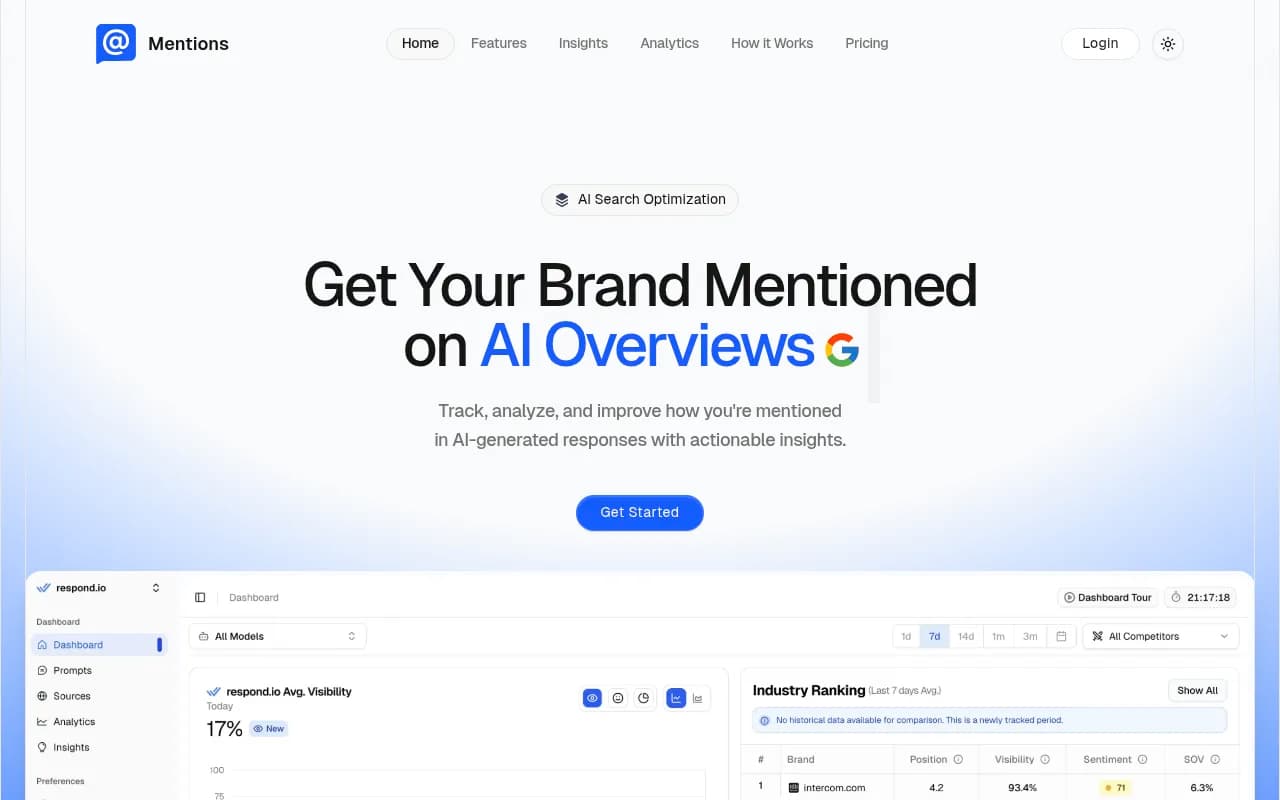
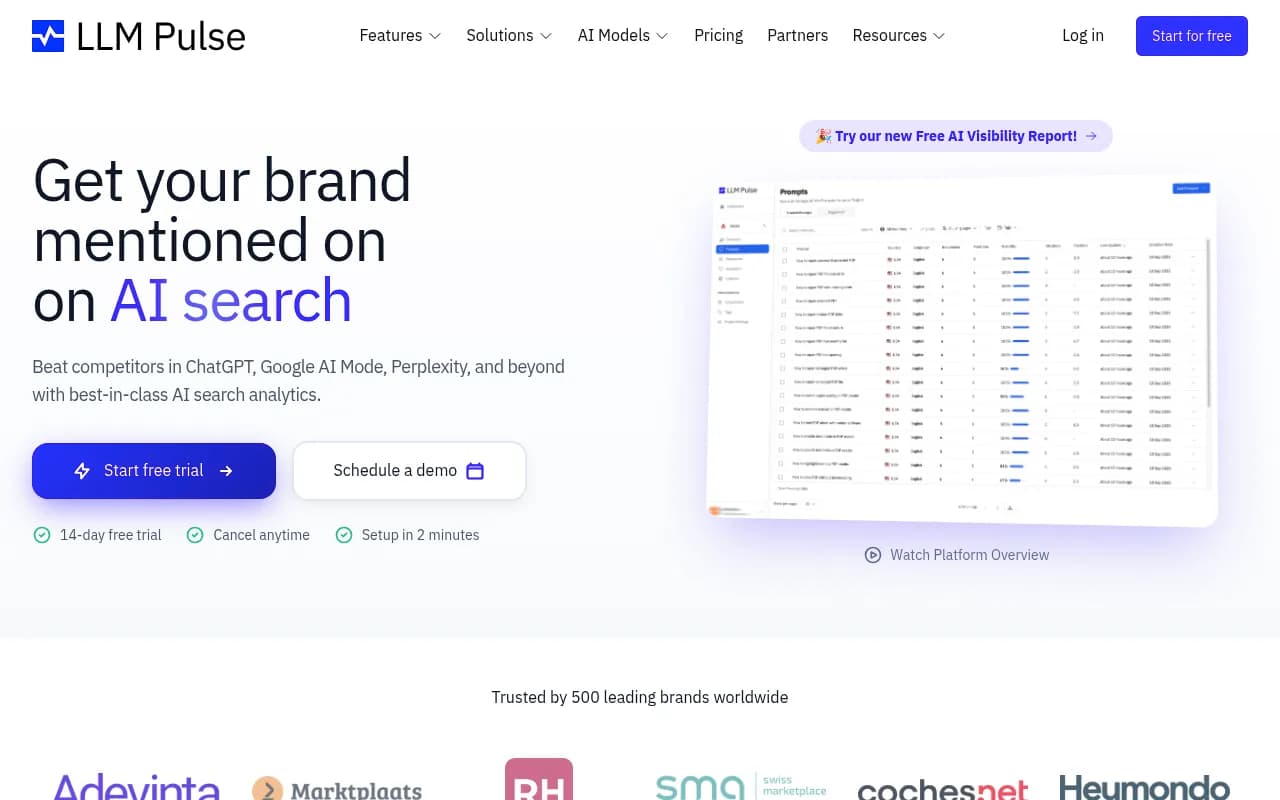
For lighter-weight monitoring, tools like Mentions.so or LLM Pulse can track specific brand mentions across ChatGPT and Perplexity without a large budget commitment.
Build your core "money pages"
Generic pages don't get cited. AI models are looking for pages that clearly answer a specific question a buyer might ask. In practice, this means:
- Comparison pages: "[Your brand] vs [Competitor]" -- these get cited constantly because buyers ask comparison questions
- Use-case pages: "How [your brand] helps [specific role or industry]"
- Integration pages: "[Your brand] + [popular tool] integration"
- Problem/solution pages: "How to [solve specific problem] with [your brand]"
Aim to publish at least 4-6 of these pages in the first 30 days. Each one should be 800-1,500 words, answer a specific question completely, and include concrete specifics (numbers, named features, real outcomes) rather than vague marketing language.
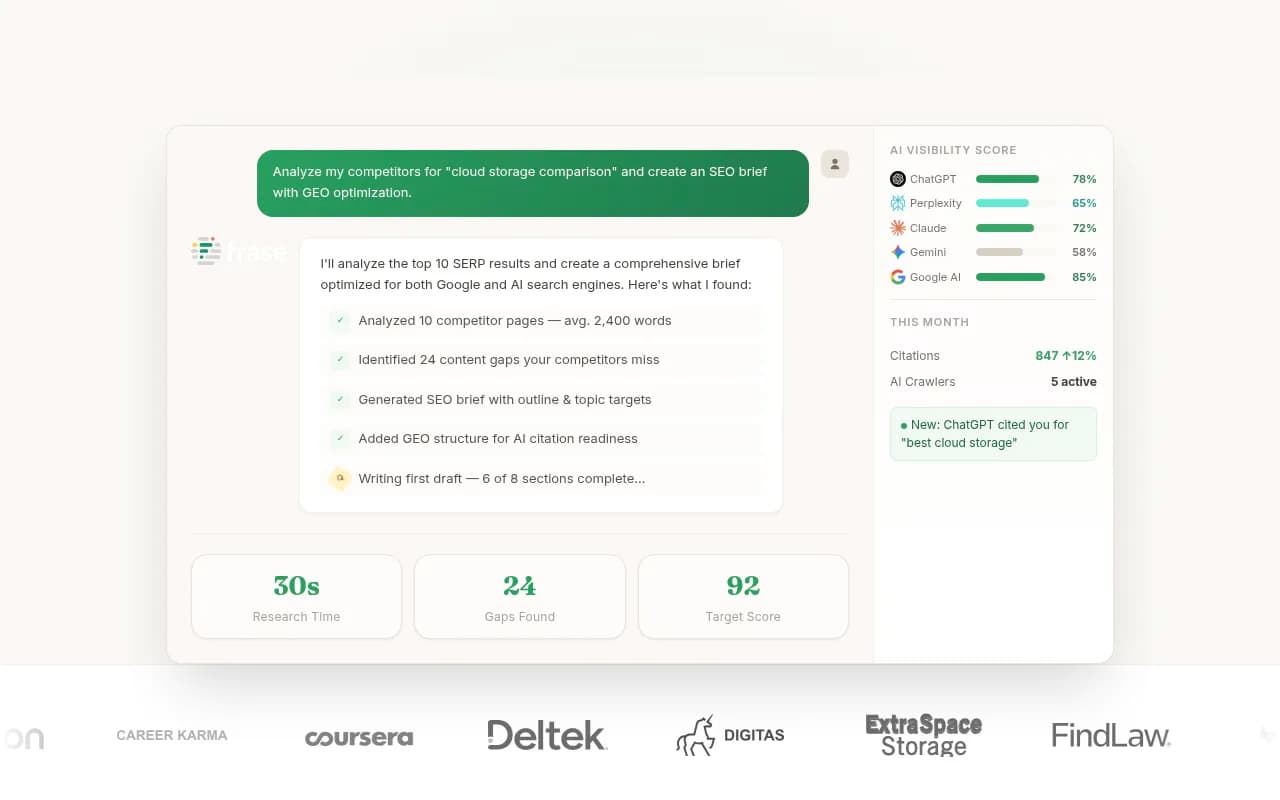
For content creation at this stage, tools like Jasper or Frase can help you move fast without sacrificing quality.
Benchmark to hit by day 30
- 4-6 money pages published and indexed
- Baseline AI visibility score documented across at least 3 AI models
- Schema markup (Organization, FAQPage, HowTo where relevant) implemented site-wide
- Google Search Console connected and showing crawl activity
Phase 2 (days 31-60): Build authority off your own site
This is where most new brands stall. They publish good content on their own site and then wait. But AI models weight third-party mentions heavily -- a claim repeated across five trusted independent sources carries far more weight than the same claim on your homepage five times.
Get mentioned on platforms AI already trusts
The sources AI models cite most consistently include:
- Industry publications and niche blogs with established domain authority
- Reddit threads in relevant subreddits (this is underrated -- AI models pull from Reddit constantly)
- Review platforms like G2, Capterra, and Trustpilot
- YouTube videos that appear in search results
- LinkedIn articles from credible authors
- Press releases distributed through PR Newswire or Business Wire
Your goal in phase 2 is to get your brand name, your core value proposition, and ideally a specific claim or statistic mentioned across at least 8-10 of these external sources.
Practically, this means:
- Pitch 3-5 guest posts to industry publications. Focus on educational content that references your brand naturally, not promotional pieces.
- Create a Reddit presence. Answer questions in relevant subreddits genuinely. Don't spam -- one helpful, detailed answer per week in the right thread does more than ten shallow ones.
- Get listed and reviewed on at least two review platforms. Even a handful of reviews establishes your brand as a real entity.
- Issue one press release with a specific, newsworthy angle (a product launch, a data point, a partnership).
Publish supporting blog content
Your money pages need supporting content to build topical authority. Think of it as a web: each money page is a hub, and blog posts are spokes that link back to it.
For a brand in the project management space, for example, a money page on "project management for remote teams" might be supported by blog posts on async communication, time zone challenges, and sprint planning -- all linking back to the main page.
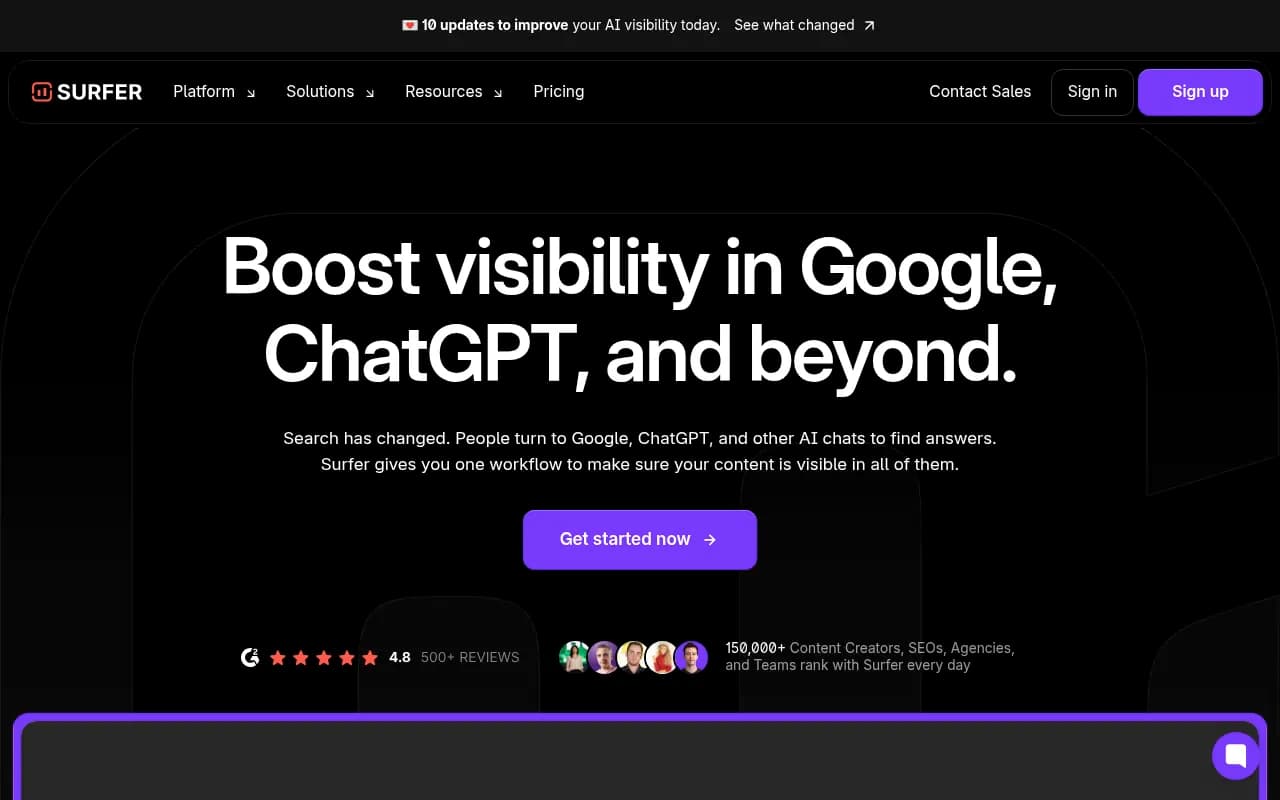
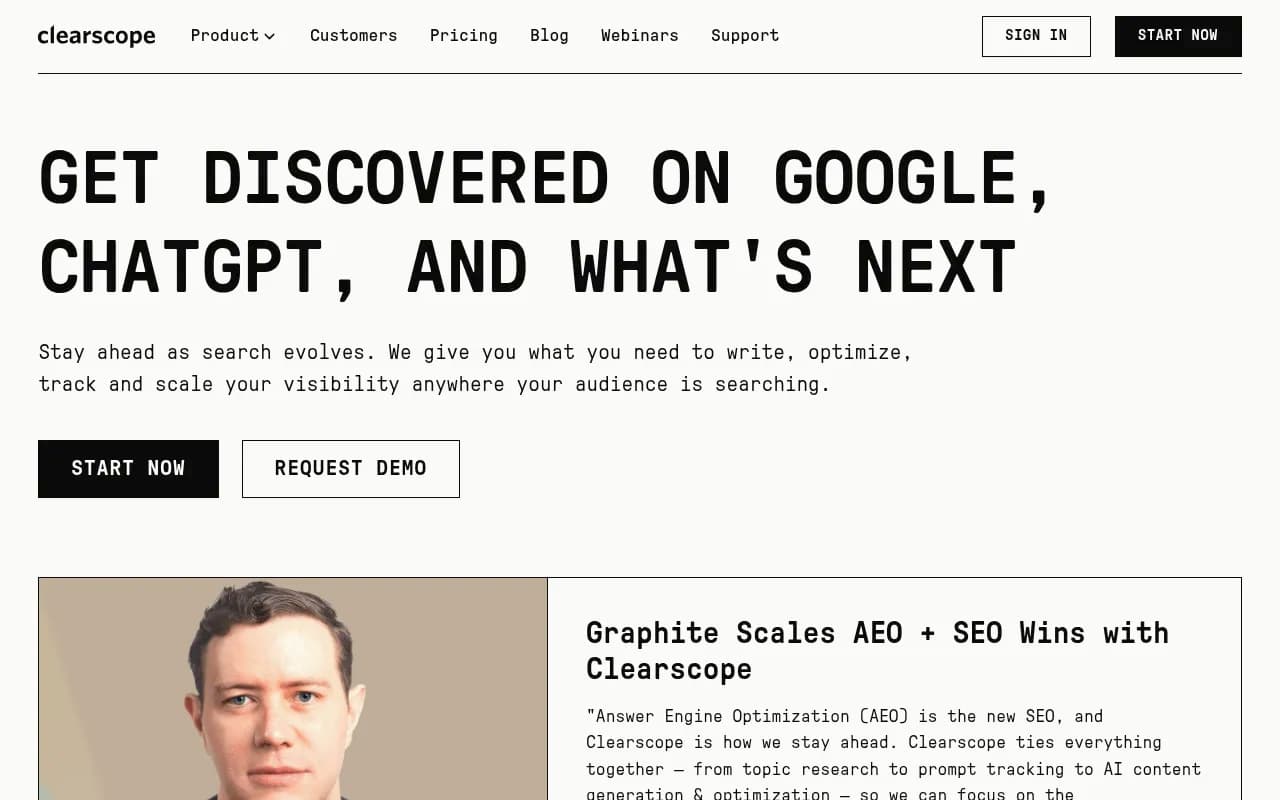
Aim for 8-12 blog posts in this phase. Tools like Surfer SEO or Clearscope can help you optimize each post for the semantic signals AI models look for.
Benchmark to hit by day 60
- 8-10 external mentions across trusted domains
- 8-12 supporting blog posts published
- At least one press release indexed
- First signs of AI citations (even partial or indirect mentions) appearing in tracked prompts
- Review platform profiles active with at least 5 reviews each
Phase 3 (days 61-90): Optimize based on what's actually working
By day 60, you should have enough data to stop guessing and start iterating. This phase is about closing the loop: looking at which prompts are starting to surface your brand, which pages are getting cited, and doubling down on what's working.
Analyze your citation patterns
Pull your tracking data and ask:
- Which pages are being cited, and for which prompts?
- Which AI models are picking you up first? (Perplexity tends to be faster than ChatGPT for new brands because it relies more heavily on real-time retrieval)
- What are competitors being cited for that you're not?
That last question is the most valuable. Promptwatch's Answer Gap Analysis shows you the exact prompts where competitors appear but you don't, along with the content your site is missing. This turns a vague "we need more content" directive into a specific list of pages to build.
Fill the gaps with targeted content
Based on your gap analysis, publish 4-8 additional pages targeting the specific prompts where competitors are winning. These might be:
- A comparison page you missed in phase 1
- A use-case page for an industry vertical you hadn't covered
- A FAQ page that directly answers common buyer questions
- A data-driven piece (original research or a curated statistics post) that other sites will reference
Original data is particularly powerful. If you can survey 50 customers and publish the results, or compile industry statistics into a single reference post, you create a citable source that other publications will link to -- and that AI models will pull from when answering related questions.
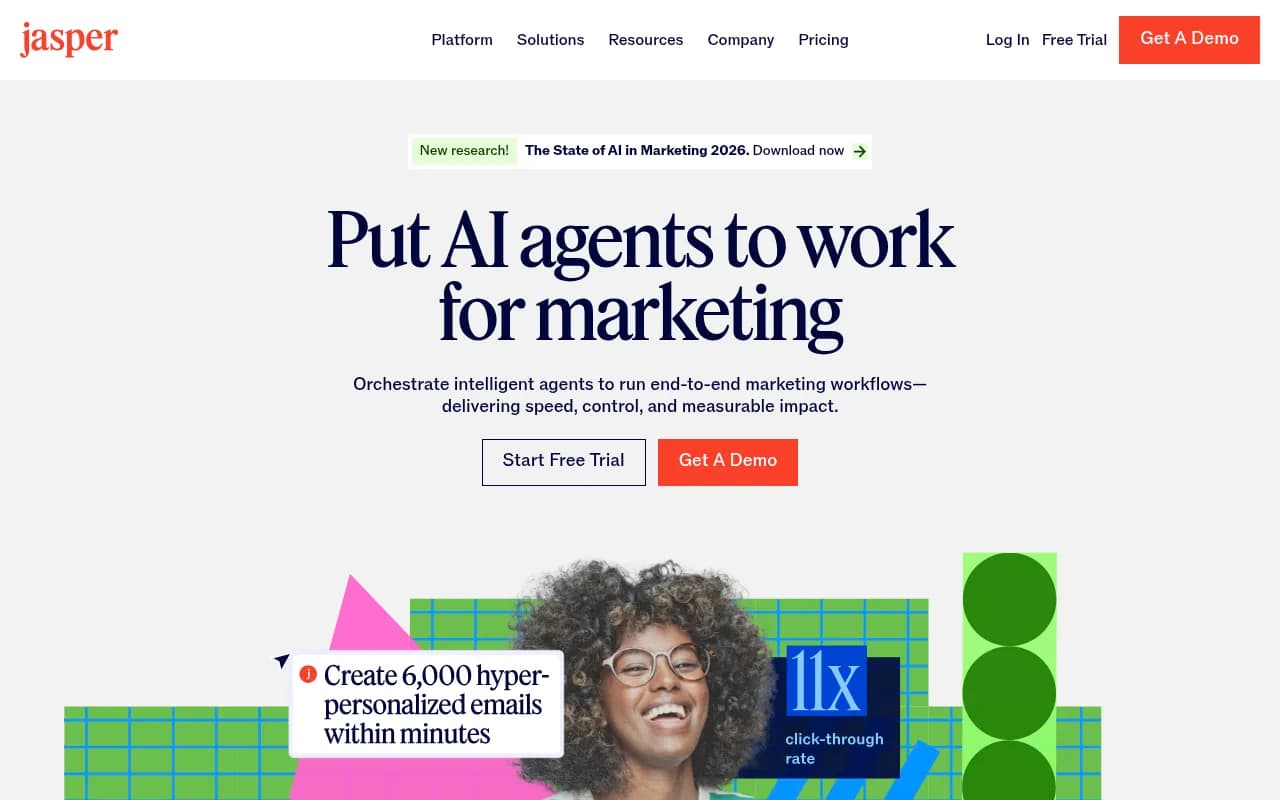
For scaling content production in this phase, Content at Scale or Jasper can help you maintain quality while moving quickly.
Amplify what's already getting cited
When you find a page that's starting to appear in AI responses, give it more support:
- Build more internal links to it from newer posts
- Update it with fresher data or expanded sections
- Promote it in communities where your audience hangs out (which also generates more external mentions)
- Reach out to the authors of posts that already cite similar content and suggest your page as an additional resource
Benchmark to hit by day 90
- Brand appearing in AI responses for at least 3-5 target prompts
- At least one AI model citing a specific page from your site
- 15-20 external mentions across trusted domains
- Measurable traffic from AI search (even small numbers are a positive signal)
- A clear list of next-priority content gaps to tackle in month 4
What a realistic 90-day progression looks like
| Week | Focus | Expected outcome |
|---|---|---|
| 1-2 | Baseline audit, schema setup, first 2 money pages | Indexed pages, tracking live |
| 3-4 | Money pages 3-6, first guest pitch outreach | 6 pages live, outreach in progress |
| 5-6 | Blog content sprint (posts 1-6), Reddit engagement | Supporting content indexed |
| 7-8 | Guest posts published, press release, review profiles | 5+ external mentions |
| 9-10 | Blog content sprint (posts 7-12), gap analysis | First AI citations appearing |
| 11-12 | Gap-fill content, amplification of cited pages | 3-5 prompts returning brand mentions |
Common mistakes that stall progress
Optimizing only your homepage. AI models rarely cite homepages. They cite specific, answer-rich pages. If your best content is buried in a generic "About" or "Features" section, it won't get picked up.
Ignoring Perplexity. Many brands focus exclusively on ChatGPT. Perplexity is actually easier to appear in for new brands because it relies on real-time web retrieval rather than training data. Getting cited in Perplexity often precedes ChatGPT citations by weeks.
Publishing thin content. A 300-word page that vaguely describes your product won't get cited. AI models are looking for pages that fully answer a question. If a user asks "what's the best tool for X," the cited page needs to actually explain why a tool is good for X, with specifics.
Not tracking from day one. Without a baseline, you can't tell what's working. Even free manual testing (running 10 prompts weekly in ChatGPT and noting results in a spreadsheet) is better than nothing. Automated tools make this much easier at scale.
Expecting linear progress. AI visibility tends to come in jumps rather than smooth curves. You might see nothing for six weeks and then suddenly appear in five prompts at once. Don't abandon the strategy because early results are slow.
Tools that support each phase
| Phase | Task | Tools to consider |
|---|---|---|
| 1 | AI visibility tracking | Promptwatch, Mentions.so, LLM Pulse |
| 1 | Content creation (money pages) | Jasper, Frase, Surfer SEO |
| 1 | Technical SEO / schema | Yoast SEO, AIOSEO |
| 2 | Content optimization | Clearscope, Surfer SEO, MarketMuse |
| 2 | Topical authority mapping | Topical Map AI |
| 3 | Answer gap analysis | Promptwatch |
| 3 | Content at scale | Content at Scale, Jasper |
| All | Rank and visibility tracking | Google Search Console, Promptwatch |
The honest answer on timelines
90 days is achievable, but it's not guaranteed. Brands in competitive categories (SaaS, finance, health) will take longer than brands in underserved niches. Brands that publish consistently and build external mentions aggressively will outpace those that publish sporadically.
The brands that get cited fastest share a few traits: they publish specific, answer-rich content; they appear on multiple trusted third-party sources; and they track their progress closely enough to iterate rather than just executing a plan blindly.
The 90-day frame is a starting point, not a finish line. Most brands that hit their first AI citations by day 90 find that visibility compounds significantly in months 4-6 as their content ages, earns more links, and gets picked up by more models. Start the clock now.