Key takeaways
- Searchable does a decent job at basic AI brand monitoring, with a clean interface that's easy to get started with
- The platform falls short in six specific areas that matter for teams trying to actually improve their AI visibility, not just observe it
- The biggest gap: Searchable shows you data but doesn't help you act on it -- no content generation, no gap analysis, no crawler logs
- Teams that outgrow Searchable typically need a platform that closes the loop between monitoring and optimization
- Several alternatives exist at different price points and capability levels depending on what you're missing
What Searchable actually gets right
Before getting into the gaps, it's worth being fair. Searchable isn't a bad product. For teams just waking up to the reality that AI search engines like ChatGPT, Perplexity, and Gemini are now a meaningful traffic and brand channel, it offers a reasonably clean entry point.
The interface is straightforward. You set up prompts, pick your brand, and start seeing whether AI models mention you. For a marketing team that just wants to answer "are we showing up in AI search?" -- Searchable gives you that answer without much setup friction.
It also covers multiple AI models, which matters. Monitoring only ChatGPT in 2026 is like monitoring only Google in 2012. The fact that Searchable tracks responses across several models is a genuine plus.
So the starting point is fair: Searchable works for basic visibility monitoring. The problems start when teams want to do more than watch.
The 6 gaps that push teams toward alternatives
1. No content gap analysis
This is the biggest one. Knowing you're not mentioned in an AI response is useful. Knowing why you're not mentioned -- and exactly what content you'd need to create to change that -- is what actually moves the needle.
Searchable tells you when competitors appear in responses where you don't. What it doesn't do is tell you which specific topics, questions, and angles your website is missing that would make AI models want to cite you. That's a fundamentally different capability, and it's the difference between a dashboard and an optimization tool.
Teams that want to close visibility gaps need something that surfaces the specific prompts competitors rank for but they don't, and maps those back to content opportunities. Without that, you're left guessing at what to write.
2. No built-in content creation
Even if you identify the gaps manually, Searchable gives you no help creating the content to fill them. You export your findings, hand them to a writer or a separate AI tool, and hope the output is actually structured in a way that AI models will cite.
The problem with that workflow is that content written for AI citation is different from standard SEO content. It needs to be grounded in real citation data -- what sources AI models actually pull from, what formats they prefer, what questions they're trying to answer. Generic AI writing tools don't have that context.
3. No AI crawler logs
This one is underappreciated. When ChatGPT, Claude, or Perplexity crawl your website, they leave traces in your server logs. Which pages they visited, how often, what errors they hit, whether they can even access your content properly.
Searchable doesn't surface any of this. So you can be monitoring your brand visibility while having a fundamental technical problem -- a blocked crawler, a slow page, a robots.txt misconfiguration -- that's silently preventing AI models from indexing your content at all. You'd never know.
4. Weak prompt intelligence
Not all prompts are equal. A prompt that gets asked thousands of times a month by high-intent buyers is worth a lot more than a niche question with minimal volume. Searchable's prompt tracking is relatively flat -- it shows you responses but doesn't give you volume estimates, difficulty scores, or the query fan-outs that show how one prompt branches into related sub-queries.
Without that prioritization layer, teams end up optimizing for prompts that don't actually matter much, or missing the high-value queries they should be targeting first.
5. No Reddit or YouTube tracking
Here's something most teams don't realize: AI models don't just cite brand websites. They cite Reddit threads, YouTube videos, forum discussions, and third-party review content heavily. Perplexity in particular pulls from Reddit constantly. ChatGPT's responses often reflect the sentiment of community discussions.
If you're only monitoring your own brand mentions in AI responses, you're missing the upstream sources that shape those responses. Searchable doesn't track Reddit or YouTube discussions that influence AI recommendations -- which means you have a blind spot in one of the most important channels for AI citation.
6. No traffic attribution
This is where the monitoring-only model really breaks down. You can watch your AI visibility score go up, but can you connect that to actual website visits? To revenue? To pipeline?
Searchable doesn't offer traffic attribution -- no code snippet, no Google Search Console integration, no server log analysis to connect AI citations to real clicks. So you end up with a visibility metric that floats in isolation, disconnected from the business outcomes your leadership actually cares about.
That's a hard sell when you're trying to justify the investment in AI search optimization.
How Searchable compares to the main alternatives
Here's a straightforward look at how Searchable stacks up against the platforms teams most commonly switch to:
| Capability | Searchable | Otterly.AI | Peec AI | Profound | Promptwatch |
|---|---|---|---|---|---|
| AI brand monitoring | Yes | Yes | Yes | Yes | Yes |
| Multi-model coverage | Partial | Yes | Yes | Yes | Yes (10 models) |
| Content gap analysis | No | No | No | Partial | Yes |
| Built-in content generation | No | No | No | No | Yes |
| AI crawler logs | No | No | No | No | Yes |
| Prompt volume/difficulty | No | No | Partial | Partial | Yes |
| Reddit/YouTube tracking | No | No | No | No | Yes |
| Traffic attribution | No | No | No | Partial | Yes |
| ChatGPT Shopping tracking | No | No | No | No | Yes |
| Pricing (entry) | Limited info | ~$49/mo | ~$49/mo | Higher | $99/mo |
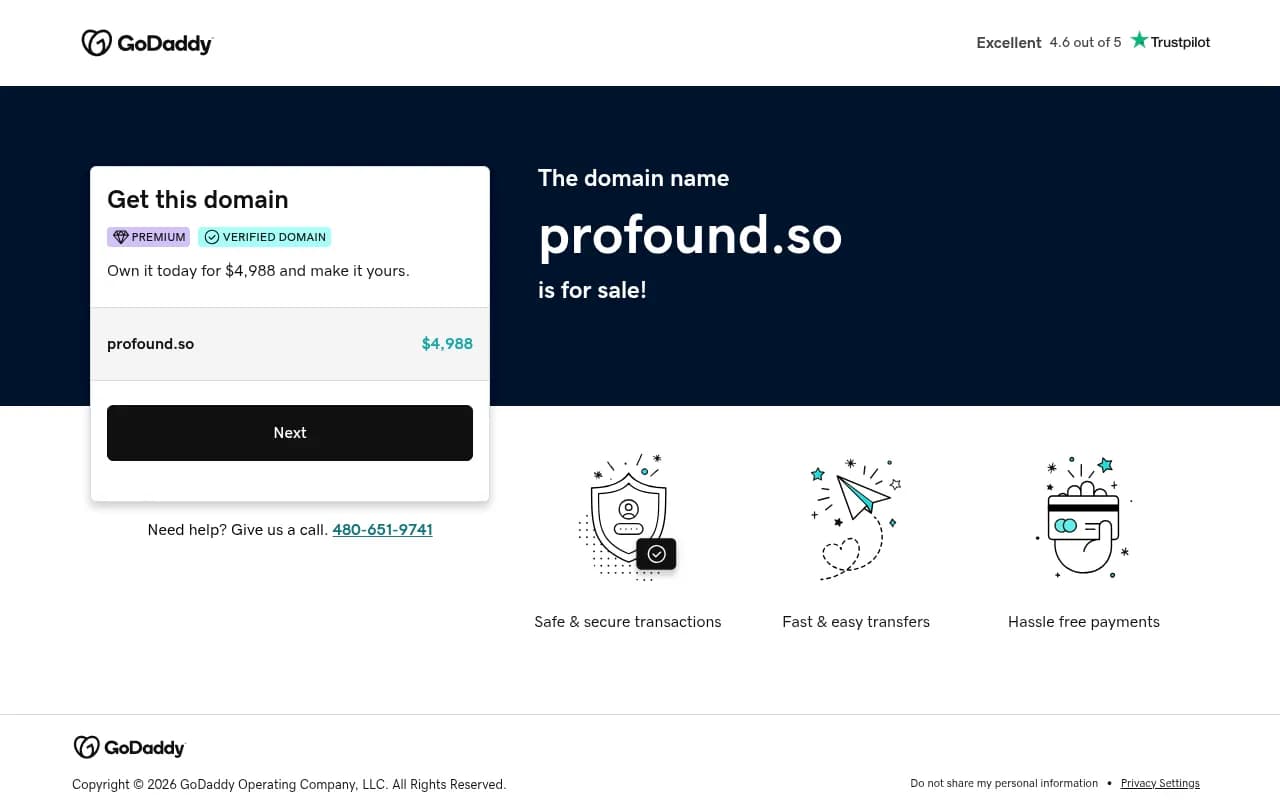
The pattern is pretty clear. Most monitoring tools -- Searchable, Otterly.AI, Peec AI -- stop at showing you data. The gap between "here's what's happening" and "here's how to fix it" is where teams get stuck.
The alternatives worth considering in 2026
For teams that want to go beyond monitoring
Promptwatch is the most complete option if you've hit the ceiling on monitoring-only tools. The core difference is that it's built around an action loop: find the gaps, create content to fill them, track the results. The Answer Gap Analysis shows exactly which prompts competitors appear for that you don't. The built-in writing agent generates content grounded in citation data from 880M+ analyzed citations. And the traffic attribution layer connects visibility back to actual clicks.

It also covers things Searchable doesn't touch at all -- AI crawler logs, Reddit and YouTube tracking, ChatGPT Shopping monitoring, and query fan-outs that show how prompts branch into related sub-queries. If you're serious about AI search as a channel, it's the most thorough option available.
For teams that want solid monitoring with a clean UI
Otterly.AI is a reasonable step up from Searchable if your main complaint is reliability or model coverage rather than the lack of optimization features. It's monitoring-focused, so you'll still hit the same wall eventually, but it's a cleaner product for pure tracking.

For multi-language or multi-region needs
Peec AI has stronger multi-language support than most monitoring tools, which matters if your brand operates across markets. It's still primarily a monitoring platform, but the regional coverage is genuinely better.

For enterprise teams with bigger budgets
Profound has a more robust feature set than Searchable and is built for larger organizations. The price point reflects that. If you're at a company where the monitoring data alone justifies a higher spend and you have analysts to work with the data, it's worth evaluating.
For teams that want a niche but focused tracker
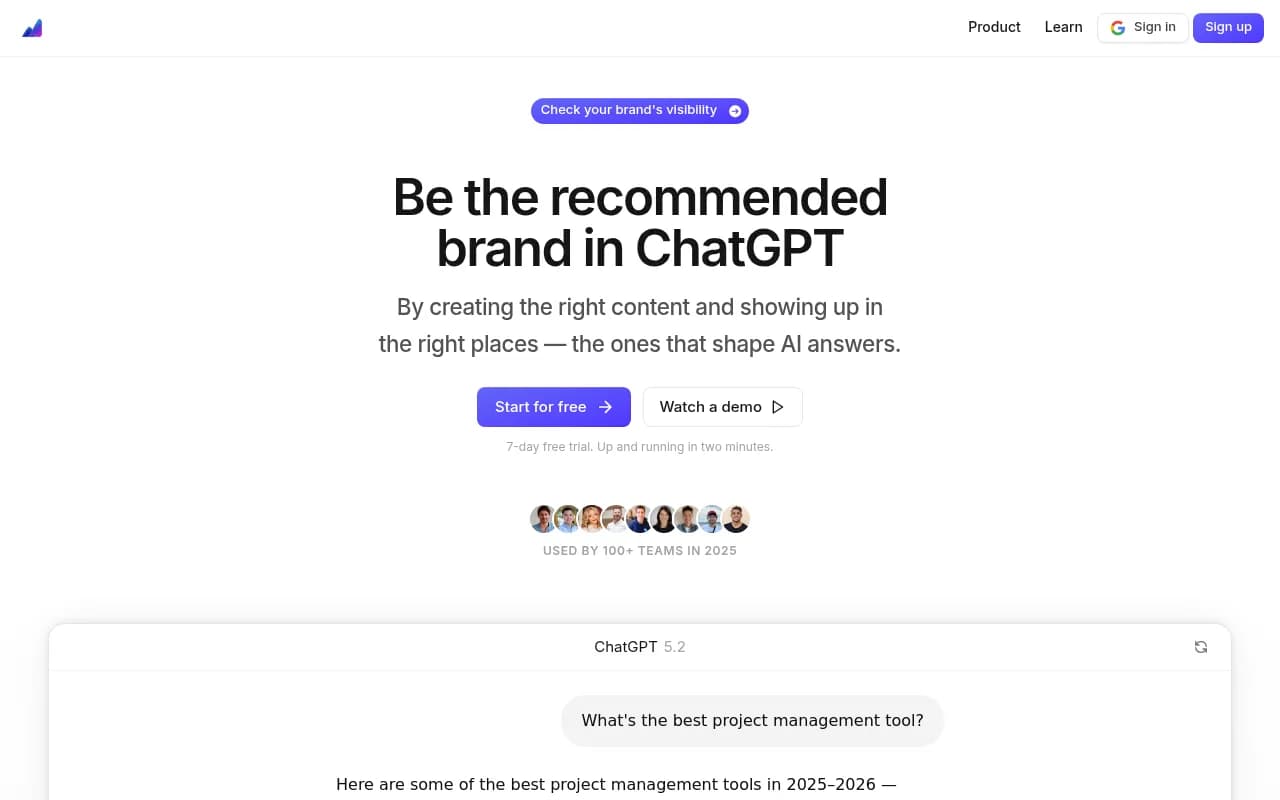
Airefs is a lightweight alternative that covers the basics without much overhead. Good for smaller teams or agencies that need simple AI visibility reporting without complexity.
Which gap matters most for your team?
The right alternative depends on which of the six gaps is actually hurting you.
If your main frustration is not knowing what content to create, the content gap analysis and writing capabilities are what you need. Monitoring tools can't help you there.
If you're seeing your visibility scores but can't connect them to traffic or revenue, attribution is the priority. Most tools in this space don't offer it.
If you suspect technical issues are preventing AI crawlers from indexing your content properly, crawler logs are essential -- and almost no tool other than Promptwatch surfaces them.
If your issue is more basic -- you just need better prompt coverage or cleaner reporting -- then a monitoring-focused upgrade like Otterly.AI or Peec AI might be enough for now.
The honest answer is that most teams eventually need the full loop: monitoring, gap analysis, content creation, and attribution. Searchable is a reasonable starting point, but it's not built to take you there.
A note on the broader market
The GEO and AI visibility space is moving fast. In early 2025, most tools were pure monitoring dashboards. By 2026, the expectation has shifted -- teams want to know not just where they're invisible, but what to do about it. Platforms that haven't built optimization capabilities are increasingly being evaluated as incomplete.
Searchable fits that pattern. It's a solid monitoring tool that hasn't yet made the jump to optimization. Whether that matters to you depends entirely on where your team is in the AI search maturity curve.
If you're just starting to track AI visibility, Searchable might be fine for now. If you've been monitoring for six months and your visibility hasn't improved, you're probably missing the tools that would actually move it.