Key takeaways
- Searchable is a niche AI visibility monitoring tool, but users consistently hit a wall: the data was there, but no clear path to improving their visibility.
- The core complaint wasn't inaccuracy -- it was passivity. Teams wanted to know what to do next, not just what their current score was.
- 2025 accelerated the shift toward AI search (ChatGPT, Perplexity, Claude, Gemini), making "good enough" monitoring tools feel inadequate fast.
- Teams that switched landed on platforms that closed the loop -- from gap identification through content creation to traffic attribution.
- Promptwatch emerged as the most complete option for teams that wanted to move from tracking to actually improving their AI visibility.
The context: why 2025 changed everything
Something shifted in 2025 that made a lot of marketing teams realize their tools weren't keeping up.
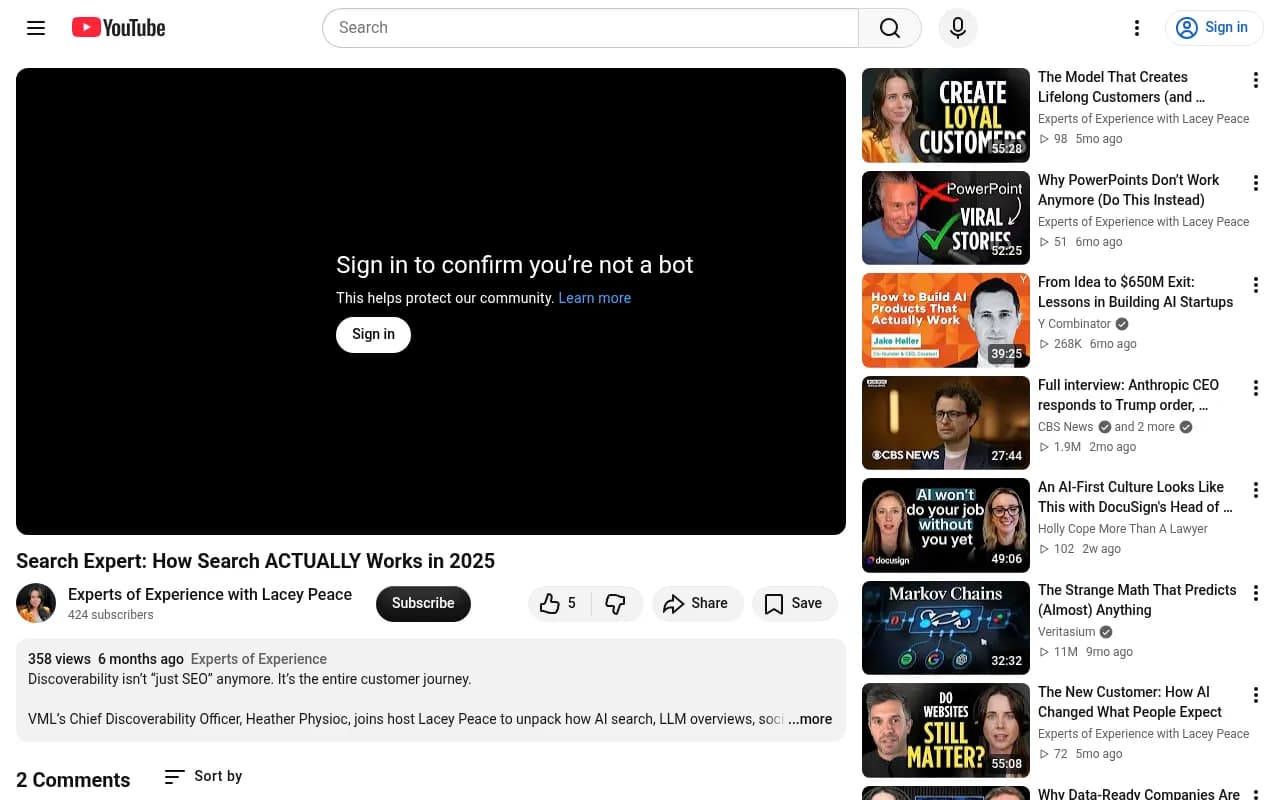
Search behavior changed faster than most people expected. Audiences moved from Google to AI-powered answer engines -- ChatGPT, Perplexity, Claude, Gemini -- and the old playbook of ranking for keywords stopped being enough. As VML's Chief Discoverability Officer Heather Physioc put it in a widely-shared discussion on the topic: "We've defaulted to Google for 20 years because they've enjoyed 91% of global share of search... we have to fundamentally rethink where and how we do that."
That rethinking hit hard for teams that had invested in early AI visibility tools. Some of those tools -- Searchable included -- were built for a world where monitoring was the goal. Track your brand mentions in LLM responses, see a score, report it upward. Fine for 2023. Not fine for 2025, when the question stopped being "are we visible?" and became "why aren't we visible, and what do we do about it?"
What Searchable actually is (and what it isn't)
Searchable is a brand visibility monitoring tool focused on tracking how brands appear in AI-generated responses. It covers a handful of AI models and gives users a dashboard view of their mention frequency and sentiment.
For teams just getting started with AI visibility, that's useful. You get a baseline. You can see whether ChatGPT or Perplexity mentions your brand when someone asks a relevant question.
The problem is what happens next.
Searchable doesn't tell you which prompts your competitors are winning that you're not. It doesn't show you what content gaps are causing AI models to skip over your site. It doesn't help you write content designed to get cited. And it doesn't connect any of this to actual traffic or revenue.
So teams would log in, see their score, and then... open a separate content tool, guess at what to write, publish something, and hope the score improved next month. That's not a workflow. That's wishful thinking.
The specific complaints that drove teams to leave
Talking to teams that switched away from Searchable in 2025, a few patterns came up repeatedly.
"We had data but no direction"
The most common frustration. Searchable would show that a competitor was appearing in AI responses more often, but give no indication of why. Was it a specific page? A type of content? A topic they'd covered that you hadn't? No answer. Teams were left reverse-engineering their competitors' content strategies manually -- which defeated the purpose of paying for a tool.
Limited model coverage
Searchable's model coverage was narrow compared to what teams actually needed. With AI search fragmented across ChatGPT, Claude, Perplexity, Gemini, Grok, DeepSeek, Copilot, and Google AI Overviews, a tool that only tracked two or three models was giving an incomplete picture. Teams were making decisions based on partial data.
No content generation capability
By mid-2025, the expectation had shifted. Teams didn't just want to know they had a visibility gap -- they wanted help closing it. Searchable had no content tools. Every insight required a handoff to a separate writing workflow, which created friction and meant insights often went unacted on.
No crawler visibility
Understanding how AI models actually crawl and read your site turns out to matter a lot. If ChatGPT's crawler is hitting your site but returning errors, your content isn't getting indexed properly. Searchable had no window into this. Teams were flying blind on a critical technical layer.
Weak prompt intelligence
Knowing that you're not visible for "best project management software" is useful. Knowing that this prompt gets searched 40,000 times a month, has medium difficulty, and fans out into 12 sub-queries that you could target individually -- that's actionable. Searchable's prompt data was thin, which made prioritization guesswork.
Where teams went instead
The migration patterns from Searchable weren't random. Teams tended to land in one of a few categories depending on what they needed most.
Teams that needed the full loop: monitoring + content + attribution
These teams moved to platforms that treated AI visibility as an optimization problem, not a reporting problem. The standout here was Promptwatch.
Promptwatch covers 10 AI models (ChatGPT, Claude, Perplexity, Gemini, Grok, DeepSeek, Copilot, Mistral, Meta AI, and Google AI Overviews) and builds its value around what it calls the action loop: find gaps, create content, track results.
The Answer Gap Analysis is what teams cite most often as the reason they switched. It shows exactly which prompts competitors are visible for that you're not -- not just a score, but the specific content your site is missing. From there, the built-in AI writing agent generates articles grounded in citation data from 880M+ analyzed citations, prompt volumes, and competitor analysis. Then page-level tracking shows which pages are getting cited, by which models, how often.
The crawler logs are a feature that surprised a lot of teams. Real-time logs of AI crawlers hitting your site -- which pages they read, what errors they hit, how often they return -- is the kind of technical visibility that most monitoring tools don't even attempt.

Teams that needed enterprise-grade depth
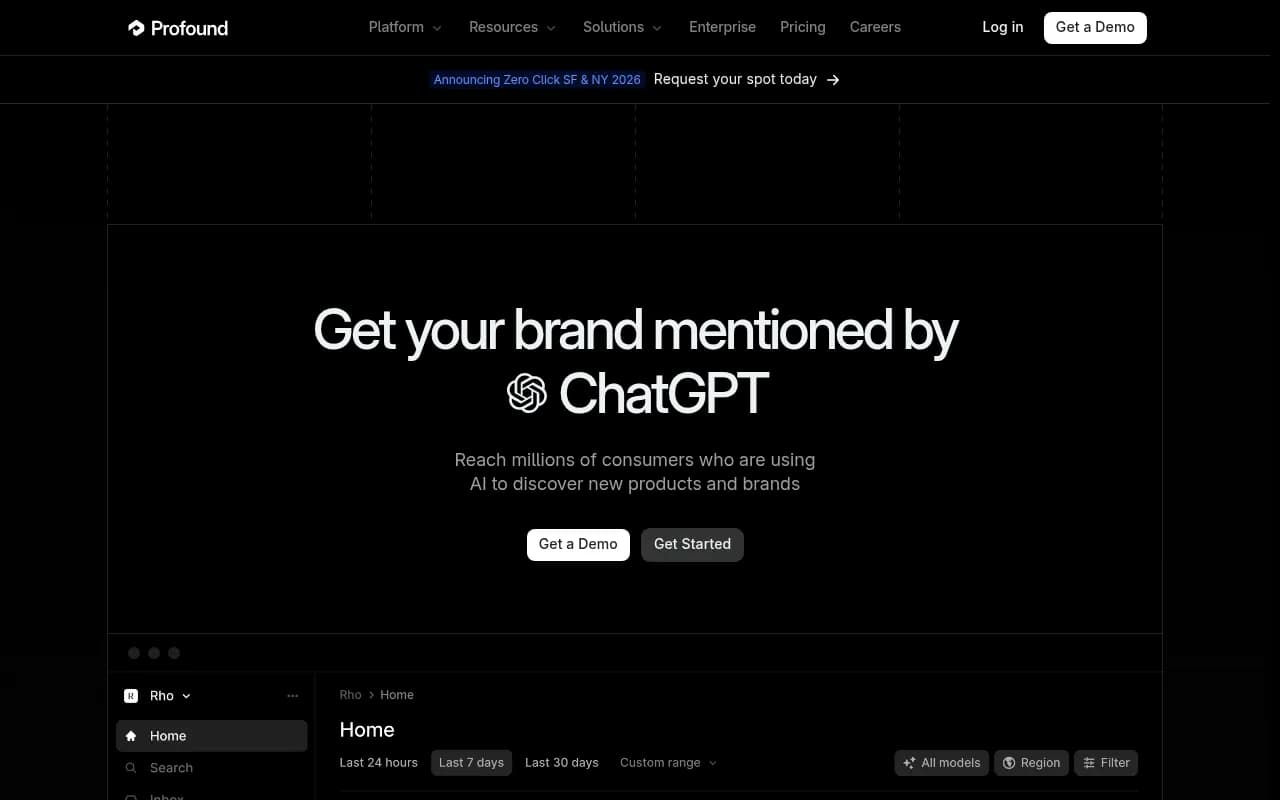
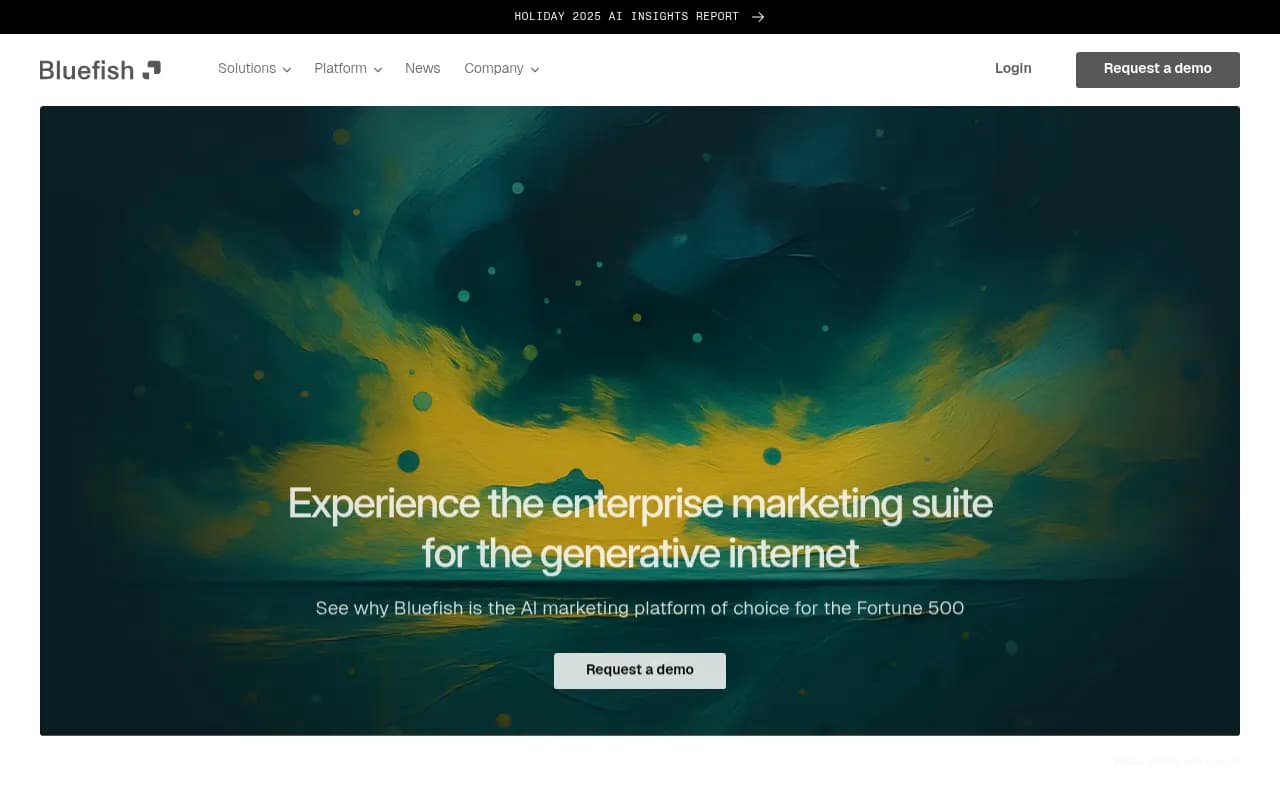
Some teams, particularly at larger brands, moved toward platforms like Profound or Bluefish AI. These have strong feature sets and are built for enterprise use cases, though they come at higher price points and don't include Reddit tracking or ChatGPT Shopping monitoring.
Teams that just needed something affordable to start
A few teams weren't ready to commit to a full optimization platform and moved to lighter monitoring tools like Otterly.AI or Peec AI. These are honest about what they are -- tracking dashboards -- and work fine for teams that just want a baseline without the complexity.


Teams focused on enterprise SEO with AI visibility layered in
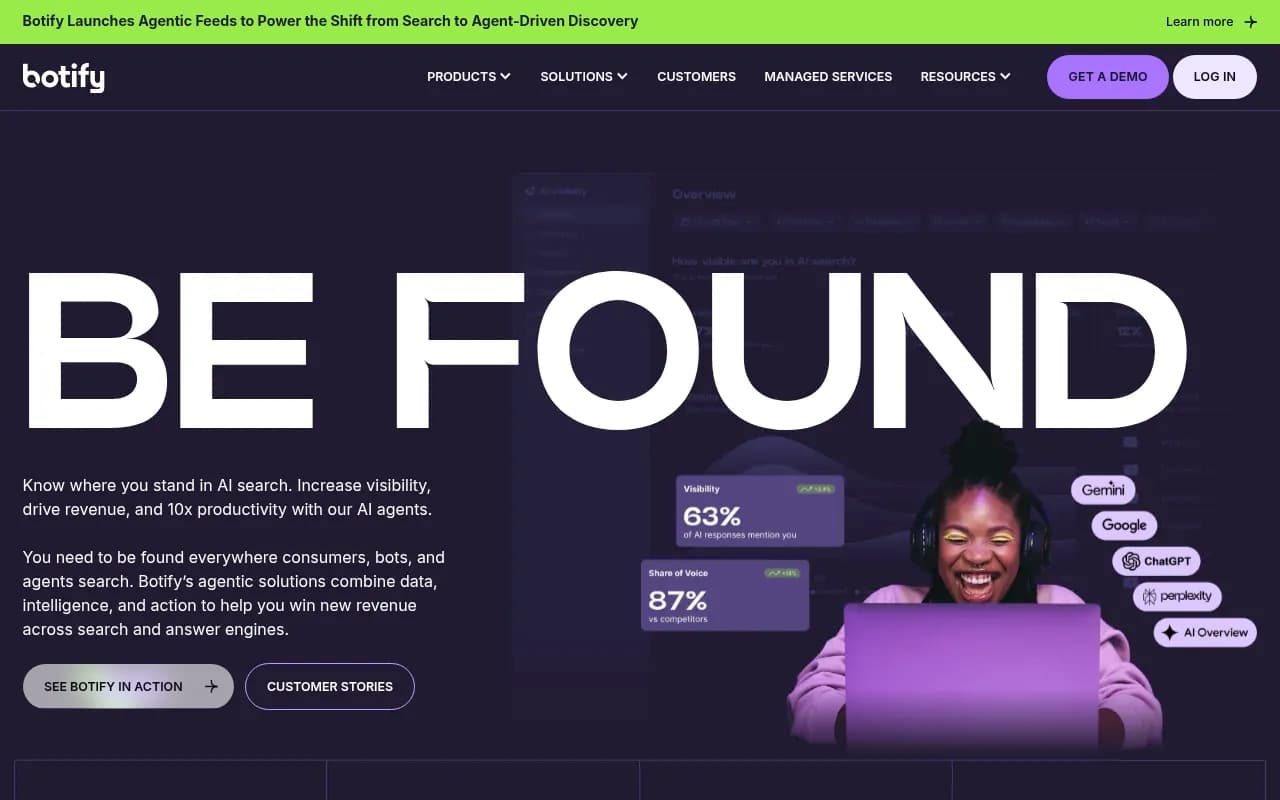
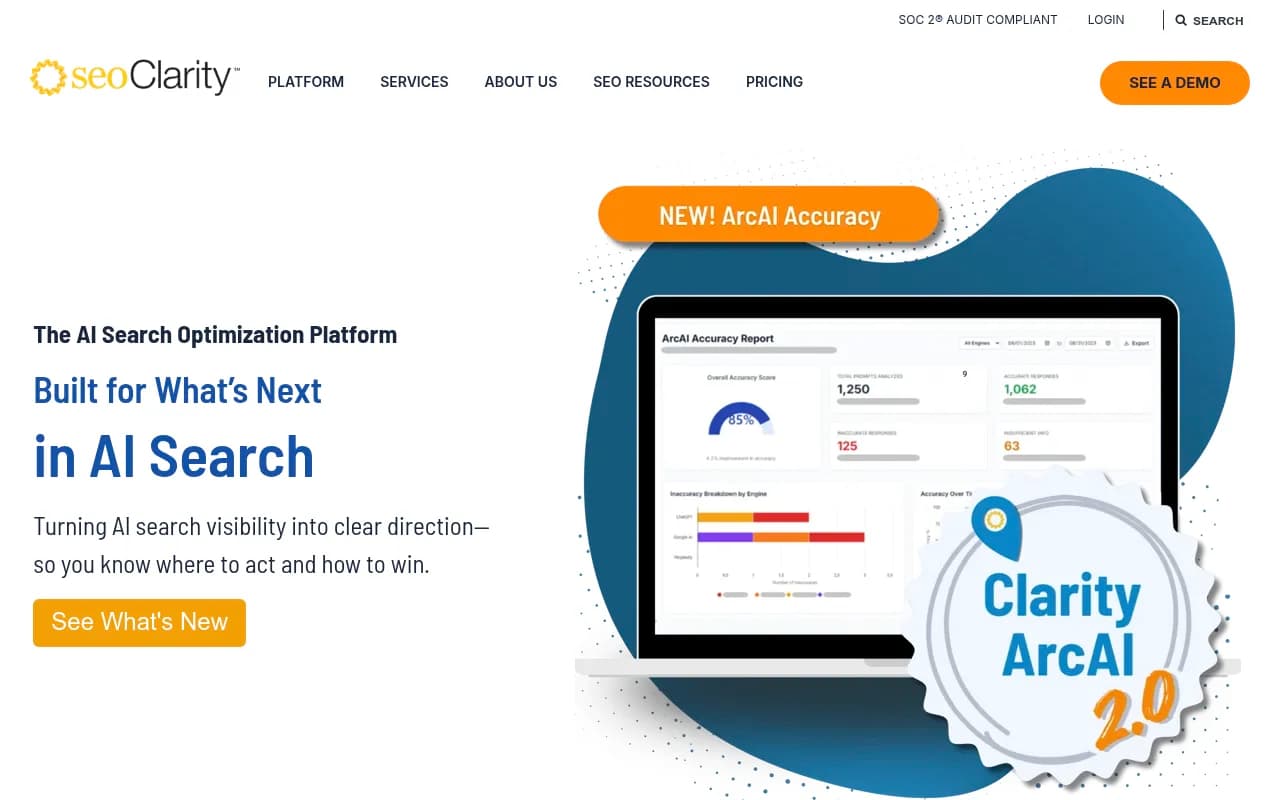
Some teams, especially those with existing enterprise SEO workflows, moved to platforms like Botify or seoClarity that have added AI visibility tracking on top of their traditional SEO capabilities.
A direct comparison: Searchable vs. the alternatives
| Feature | Searchable | Promptwatch | Otterly.AI | Profound | Bluefish AI |
|---|---|---|---|---|---|
| AI model coverage | Limited | 10 models | 5-6 models | 6+ models | 6+ models |
| Answer gap analysis | No | Yes | No | Partial | No |
| AI content generation | No | Yes | No | No | No |
| Crawler logs | No | Yes | No | No | No |
| Prompt volume/difficulty | No | Yes | No | Limited | No |
| Reddit/YouTube tracking | No | Yes | No | No | No |
| ChatGPT Shopping tracking | No | Yes | No | No | No |
| Traffic attribution | No | Yes (3 methods) | No | Limited | No |
| Multi-language/region | Limited | Yes | Limited | Yes | Yes |
| Starting price | ~$99/mo | $99/mo | ~$49/mo | Higher | Higher |
The table tells the story pretty clearly. Searchable sits in a category of tools that are fine for awareness but not built for action. The gap between "we track this" and "we help you improve this" is where most teams got frustrated.
What the switch actually looked like in practice
One pattern that came up repeatedly: teams that switched to a more complete platform didn't just get better data -- they changed how they worked.
With Searchable, the workflow was: check dashboard, note the score, move on. There was no obvious next step baked into the product.
With Promptwatch, the workflow became: run Answer Gap Analysis, identify three high-volume prompts where competitors are visible and you're not, use the AI writing agent to generate content targeting those prompts, publish, watch page-level citation tracking to see if the new content gets picked up. Repeat monthly.
That's a real optimization cycle. It's the difference between a monitoring tool and a platform that actually moves the needle.
What to look for when evaluating alternatives
If you're currently on Searchable and wondering whether to stay or switch, here are the questions worth asking:
Can the tool tell you why you're not visible? Not just that you're not visible -- but which specific content gaps are causing AI models to cite competitors instead of you. If the answer is no, you're going to spend a lot of time guessing.
Does it cover the models your customers actually use? ChatGPT and Perplexity get the most attention, but Google AI Overviews drives enormous traffic for many industries. Make sure your tool covers the full picture.
Is there a path from insight to action? This is the big one. A score is not a strategy. If the tool doesn't help you create content, fix technical issues, or prioritize which prompts to target, you'll hit the same wall that drove teams away from Searchable.
Can you connect visibility to revenue? AI visibility that doesn't tie back to traffic and conversions is hard to justify to leadership. Look for tools that offer traffic attribution -- whether through a code snippet, Google Search Console integration, or server log analysis.
The broader shift this reflects
The frustration with Searchable isn't really about Searchable specifically. It's about a category of tools that were built for a moment that passed quickly.
When AI search was new, monitoring made sense. You needed to understand the landscape before you could optimize for it. But by 2025, the landscape was clear enough that "we're tracking it" stopped being an acceptable answer. Teams needed to be optimizing, not just observing.
The tools that won in 2025 were the ones that treated AI visibility as a continuous improvement problem -- with clear feedback loops, actionable gap analysis, and built-in ways to close those gaps. The ones that stayed in pure monitoring mode lost customers to platforms that had figured out the next step.
If you're evaluating where to go after Searchable, the honest recommendation is to start with what you actually need to do, not just what you need to know. Tracking your score is table stakes. The real question is: what are you going to do about it?