Key takeaways
- Google AI Overviews pull from a different set of signals than traditional organic rankings -- being on page one doesn't guarantee you'll be cited.
- A proper audit covers six areas: crawlability, content structure, E-E-A-T signals, schema markup, entity consistency, and competitor gap analysis.
- Most SEO teams are flying blind because they have no visibility into which prompts trigger AI Overviews for their category, or which competitors are getting cited instead of them.
- Refreshing content every 90 days and aligning entity data across platforms are two of the highest-leverage fixes you can make right now.
- Dedicated AI visibility tools make this audit repeatable and scalable -- manual spot-checks aren't enough at scale.
Google AI Overviews aren't a future concern anymore. They're live, they're eating click-through rates, and for many query types they appear above everything else on the page. If your content isn't being cited in them, you're effectively invisible for a growing share of searches -- even if you rank #1 organically.
The problem is that most SEO audits weren't built for this. The standard technical crawl, keyword gap analysis, and backlink review won't tell you whether Google's AI is reading your content, trusting it, or choosing a competitor instead. You need a different checklist.
This guide walks through a 10-step audit process built specifically for Google AI Overviews in 2026. It's practical, sequenced, and designed for SEO teams who need to move fast.
Step 1: Establish a baseline -- what are you currently cited for?
Before you can improve anything, you need to know where you stand. This sounds obvious, but most teams skip it and jump straight to fixes. Don't.
Run a sample of your most important target queries through Google and note which ones trigger an AI Overview. Then check whether your domain appears in the cited sources. Do this manually for 20-30 queries to start, then use a tool to scale it.
The key questions to answer:
- How many of your target queries currently trigger an AI Overview?
- For those that do, is your site cited in any of them?
- Which competitors appear most often in the cited sources?
This baseline gives you a citation rate -- the percentage of relevant AI Overview queries where your content appears. Track it monthly. Everything else in this audit is designed to move that number up.
Promptwatch tracks AI Overview citations at scale, so you're not manually checking queries one by one. It shows you exactly which prompts your competitors are cited for that you're not -- which is the fastest way to find where to focus.

Step 2: Audit crawlability for AI bots specifically
Google's AI systems need to be able to crawl and read your pages before they can cite them. This sounds like standard technical SEO, and it mostly is -- but there are a few AI-specific wrinkles worth checking.
Start with the basics in Google Search Console: check for crawl errors, blocked URLs, and indexing issues. Any page you want cited needs to be indexed.
Then go further:
- Check your
robots.txtfile. Some teams have inadvertently blocked AI crawlers like GPTBot or Google-Extended. Even if you're not worried about other AI systems, blocking these can signal that your content isn't meant for AI consumption. - Review your Core Web Vitals. Google's own documentation on AI search performance explicitly states that pages need to meet technical requirements to be considered. Slow pages get deprioritized.
- Check for JavaScript rendering issues. If your key content is rendered client-side and Google's crawler sees a blank page, it can't cite what it can't read.
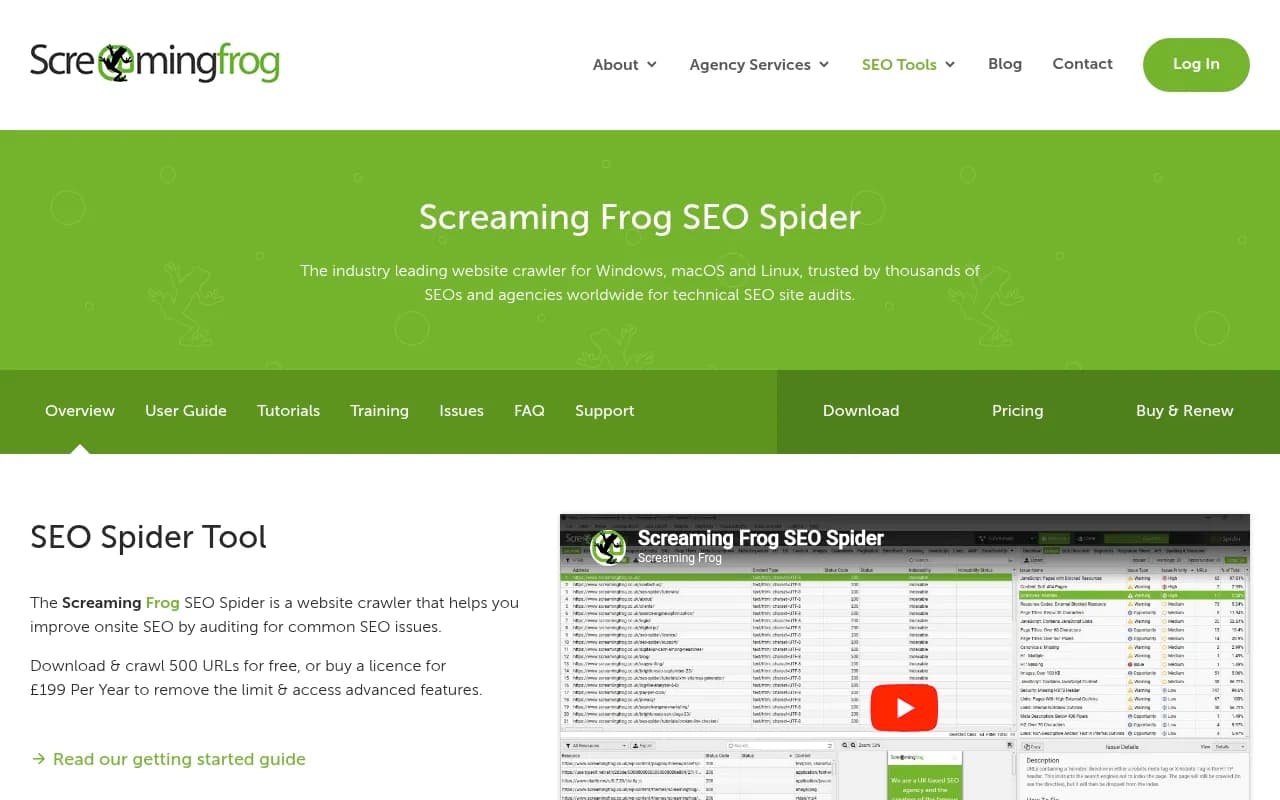
For deeper technical crawls, Screaming Frog is still the go-to tool for identifying rendering problems, redirect chains, and pages that look fine in a browser but aren't actually accessible to crawlers.
Step 3: Check your content structure for AI readability
AI Overviews tend to pull from content that's clearly structured and directly answers specific questions. Walls of text, vague introductions, and buried answers are the enemy here.
Audit your key pages for:
- Clear H2/H3 heading hierarchy that mirrors how users phrase questions
- Direct answers in the first 1-2 sentences after each heading (don't make the AI hunt for the answer)
- Short paragraphs -- 2-4 sentences is ideal for AI extraction
- Bulleted or numbered lists for multi-part answers, comparisons, and step-by-step processes
- A FAQ section at the bottom of key pages, written in natural question format
One pattern that consistently gets cited: content that answers a question in one crisp sentence, then expands with detail. The AI can grab the short answer and attribute it to your page. If your answer only exists buried in a 400-word paragraph, it's much harder to extract.
Step 4: Evaluate your E-E-A-T signals
Experience, Expertise, Authoritativeness, and Trustworthiness -- Google's E-E-A-T framework -- matters more for AI Overviews than it does for standard organic rankings. The AI is specifically trying to surface credible, trustworthy sources, and it uses signals across your entire site to make that judgment.
Audit these specifically:
- Author pages: Do your key content pages have named authors with bios that demonstrate real expertise? A generic "Staff Writer" byline is a red flag.
- About page: Is it clear who runs the site, what their credentials are, and how to contact them?
- External citations: Does your content link to and cite credible primary sources (studies, official documentation, named experts)?
- Third-party mentions: Is your brand mentioned on authoritative external sites? This is essentially a trust signal for the AI.
- Reviews and testimonials: For commercial sites, visible social proof helps establish trustworthiness.
The "Experience" part of E-E-A-T is newer and worth paying attention to. Content that demonstrates first-hand experience -- case studies, original data, personal observations -- tends to perform better than content that just synthesizes what others have said.
Step 5: Audit your structured data implementation
Schema markup is one of the clearest signals you can send to Google's AI about what your content is and what questions it answers. It's not a magic bullet, but pages with well-implemented schema consistently appear in AI Overviews more often than equivalent pages without it.
Check for:
FAQPageschema on pages with FAQ sectionsHowToschema on instructional contentArticleorBlogPostingschema with proper author and date fieldsOrganizationschema on your homepage with consistent NAP (name, address, phone) dataBreadcrumbListschema to help Google understand your site structureProductschema if you sell products (relevant for ChatGPT Shopping too)
Use Google's Rich Results Test to validate your implementation. Broken or invalid schema is worse than no schema -- it can create confusion about what your page is actually about.
A common audit finding: teams implement schema once and never update it. If your content has been refreshed but the schema still references old dates, topics, or authors, fix it.
Step 6: Check entity consistency across the web
This one is underappreciated. Google's AI builds a model of what your brand, products, and topics "are" based on how they're described consistently across the web. If your brand name, product names, and key descriptions vary across your site, your Google Business Profile, Wikipedia, Wikidata, social profiles, and third-party mentions -- the AI gets a muddled picture.
Audit for consistency across:
- Your website (especially the homepage, About page, and product pages)
- Google Business Profile
- Social media profiles (LinkedIn, Twitter/X, Facebook)
- Industry directories and review sites
- Any Wikipedia or Wikidata entries that exist for your brand
The goal is that every source describes your brand and its core offerings in the same terms. If you're a "cloud-based project management platform" on your site but "team collaboration software" on LinkedIn and "productivity app" on Capterra, that inconsistency makes it harder for Google to confidently cite you as an authoritative source on any of those topics.
Step 7: Run a competitor gap analysis
This is where most audits fall short. Knowing what you're cited for is useful. Knowing what your competitors are cited for that you're not is where the real opportunity lives.
For each major competitor, identify:
- Which queries trigger AI Overviews where they appear and you don't
- What content format they're using (article, FAQ, comparison, how-to)
- What specific questions their cited content answers
- Whether the gap is a content gap (you don't cover the topic) or a quality gap (you cover it but less well)
This analysis tells you exactly what to write next. It's not guesswork -- it's a direct map from "competitor is cited here" to "I need content that answers this better."
Doing this manually is tedious and incomplete. Tools built for AI visibility monitoring make it tractable at scale.


Step 8: Assess your content freshness
Google's AI Overviews strongly favor recently updated content, especially for topics that change over time. A post from 2022 that hasn't been touched since is at a significant disadvantage against a competitor's equivalent post that was refreshed last month.
Audit your key pages for:
- Last modified date (visible in GSC or your CMS)
- Whether the content reflects current information (outdated statistics, deprecated tools, old pricing)
- Whether the page has been substantively updated or just had a date changed (Google can tell the difference)
A practical rule: any page targeting a query that triggers AI Overviews should be reviewed and refreshed at least every 90 days. Set a recurring calendar reminder. This isn't just about AI Overviews -- it's good content hygiene generally, but it matters more here.
When you refresh, actually update the content. Add new data, update examples, revise sections that are no longer accurate. A superficial "we added a sentence" update won't move the needle.
Step 9: Audit your topical authority and coverage depth
AI Overviews tend to cite sources that demonstrate deep, consistent coverage of a topic -- not sites that have one good article on a subject surrounded by unrelated content. This is the topical authority concept, and it's become more important as AI systems have gotten better at evaluating whether a site genuinely "owns" a topic.
Audit your content library for:
- Topic clusters: Do you have a clear hub page for each major topic, with supporting content that goes deeper on subtopics?
- Coverage gaps: Are there obvious subtopics within your core subject area that you haven't covered at all?
- Internal linking: Are your related pages linked to each other in a way that signals topical relationships to Google?
- Thin content: Do you have pages that technically exist but don't say much? These can dilute your topical authority.
A useful exercise: search Google for your most important topic and look at the "People also ask" section and the related searches at the bottom. Every question there that you don't have a dedicated answer for is a potential gap.
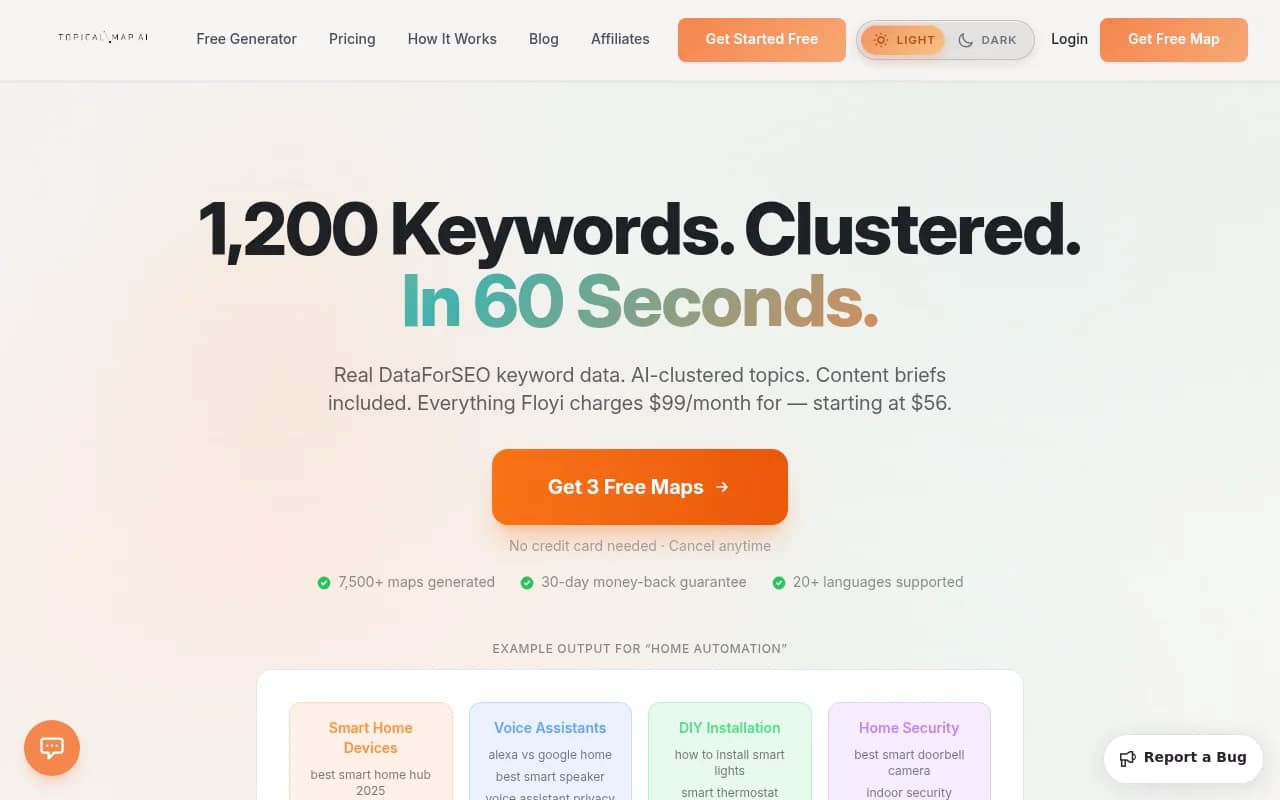
Tools like Topical Map AI can help you visualize your coverage and identify where the holes are.
Step 10: Set up ongoing monitoring and close the loop
An audit is a snapshot. What you actually need is a system that tells you when your citation rate changes, when competitors gain or lose citations, and whether the content you publish is getting picked up.
Set up:
- Prompt tracking for your 20-50 most important queries, checked weekly
- Alerts when your brand appears or disappears from AI Overview citations
- Page-level tracking to see which specific pages are being cited and how often
- A process for connecting AI visibility to actual traffic (GSC integration or server log analysis)
The last point matters more than most teams realize. If you can't connect "we appeared in AI Overviews for X queries" to "we got Y additional visits," you can't make the business case for continued investment. Close that loop.
Putting it all together: audit scorecard
Here's a quick reference table to track where you stand across all 10 steps. Use it to prioritize which areas need the most work.
| Audit area | What to check | Priority if failing |
|---|---|---|
| Baseline citation rate | Are you cited in AI Overviews for target queries? | Critical |
| Crawlability | Indexed, no bot blocks, Core Web Vitals passing | Critical |
| Content structure | Clear headings, direct answers, lists, FAQs | High |
| E-E-A-T signals | Author bios, About page, external citations | High |
| Structured data | FAQPage, HowTo, Article, Organization schema | High |
| Entity consistency | Same descriptions across all platforms | Medium |
| Competitor gap analysis | Which prompts are competitors cited for that you're not? | High |
| Content freshness | Key pages refreshed within 90 days | Medium |
| Topical authority | Topic clusters, no major coverage gaps | Medium |
| Ongoing monitoring | Prompt tracking, alerts, traffic attribution | Critical |
Tools that make this audit repeatable
Running this audit once is useful. Running it quarterly is what actually moves the needle. The teams that consistently improve their AI Overview presence are the ones who've built a repeatable process, not the ones who did a one-time deep dive.
Here's a practical tool stack for each phase of the audit:
| Phase | Tool options |
|---|---|
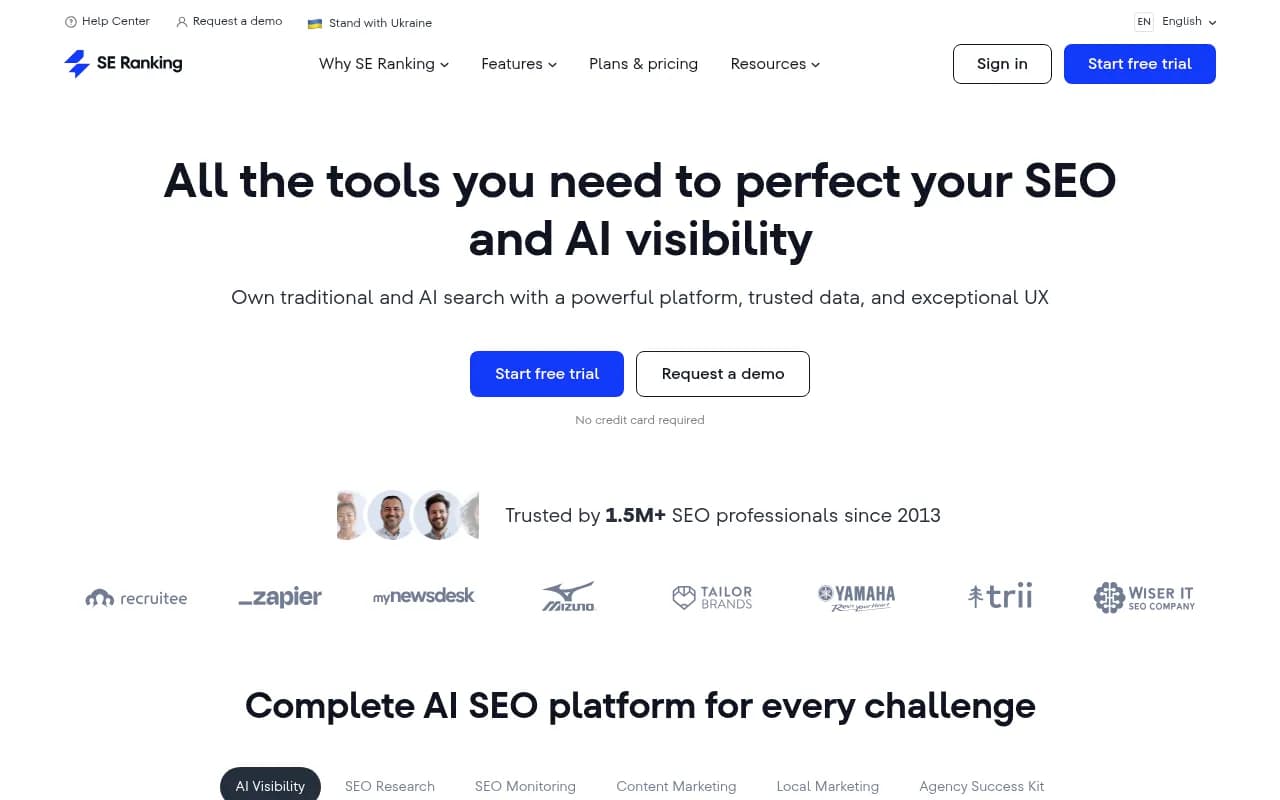
| Baseline citation tracking | Promptwatch, Otterly.AI, SE Ranking |
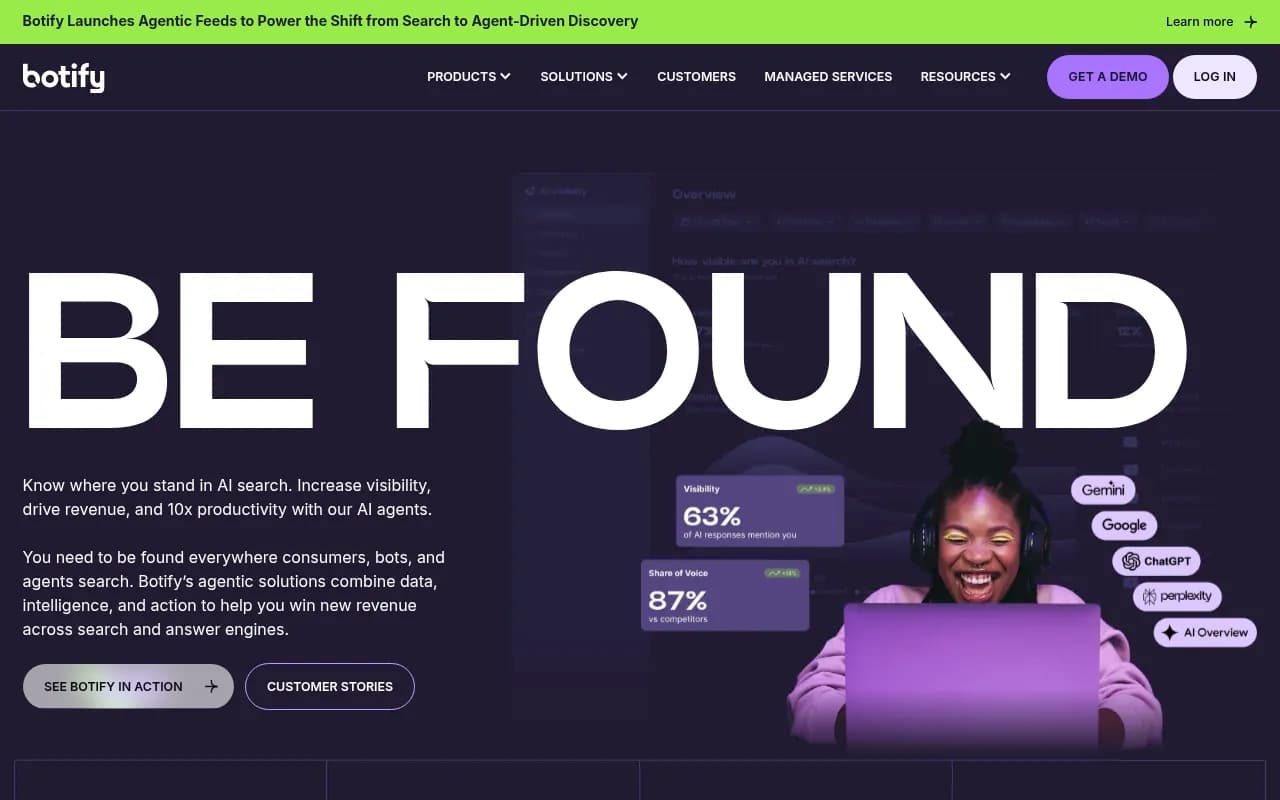
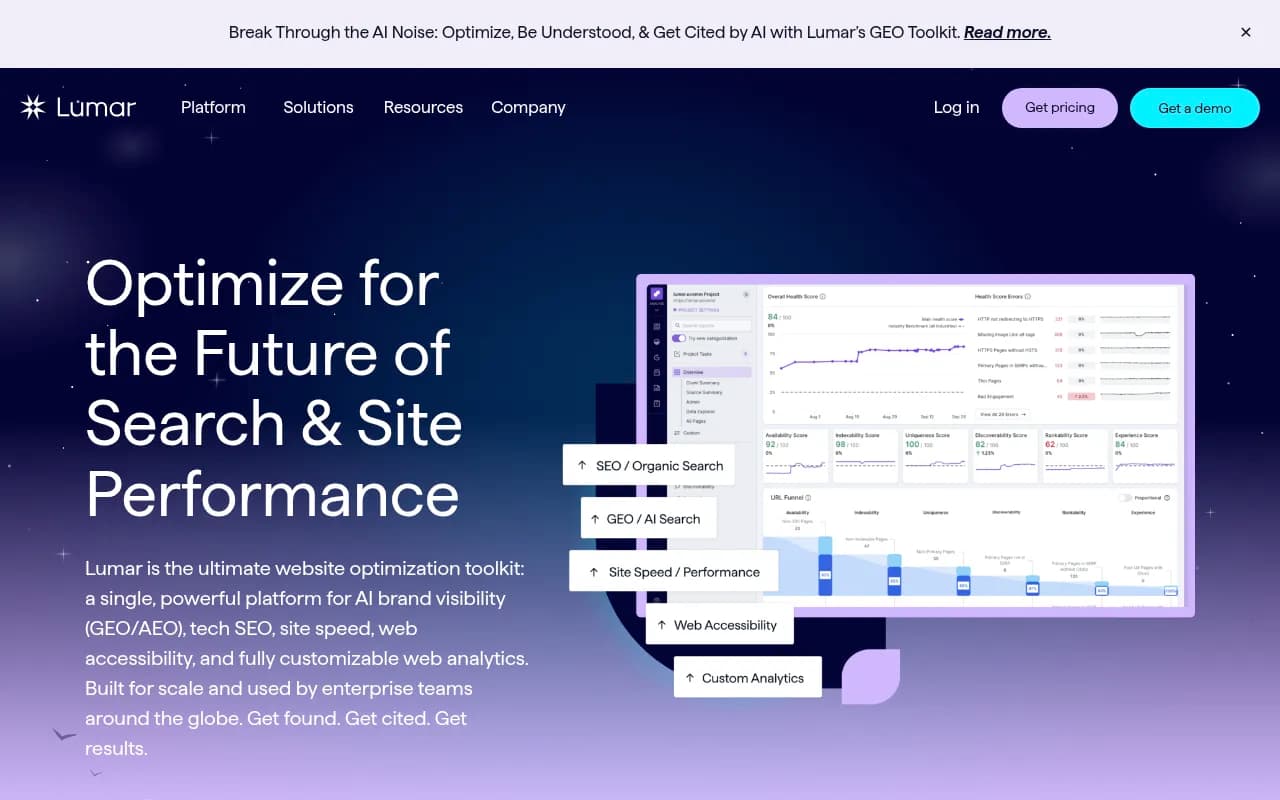
| Technical crawl | Screaming Frog, Botify, Lumar |
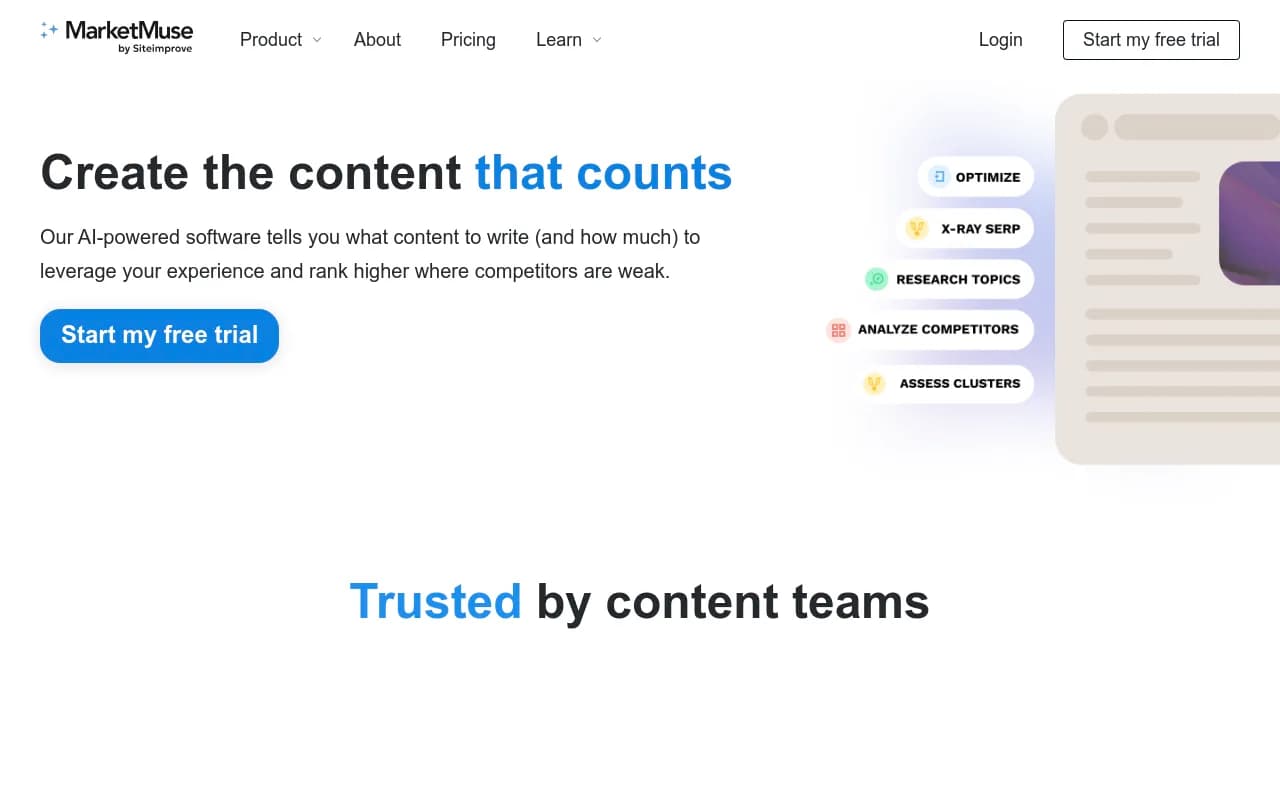
| Content optimization | Clearscope, Surfer SEO, MarketMuse |
| Schema validation | Google Rich Results Test, Yoast SEO |
| Topical mapping | Topical Map AI, MarketMuse |
| Competitor gap analysis | Promptwatch, Peec AI |
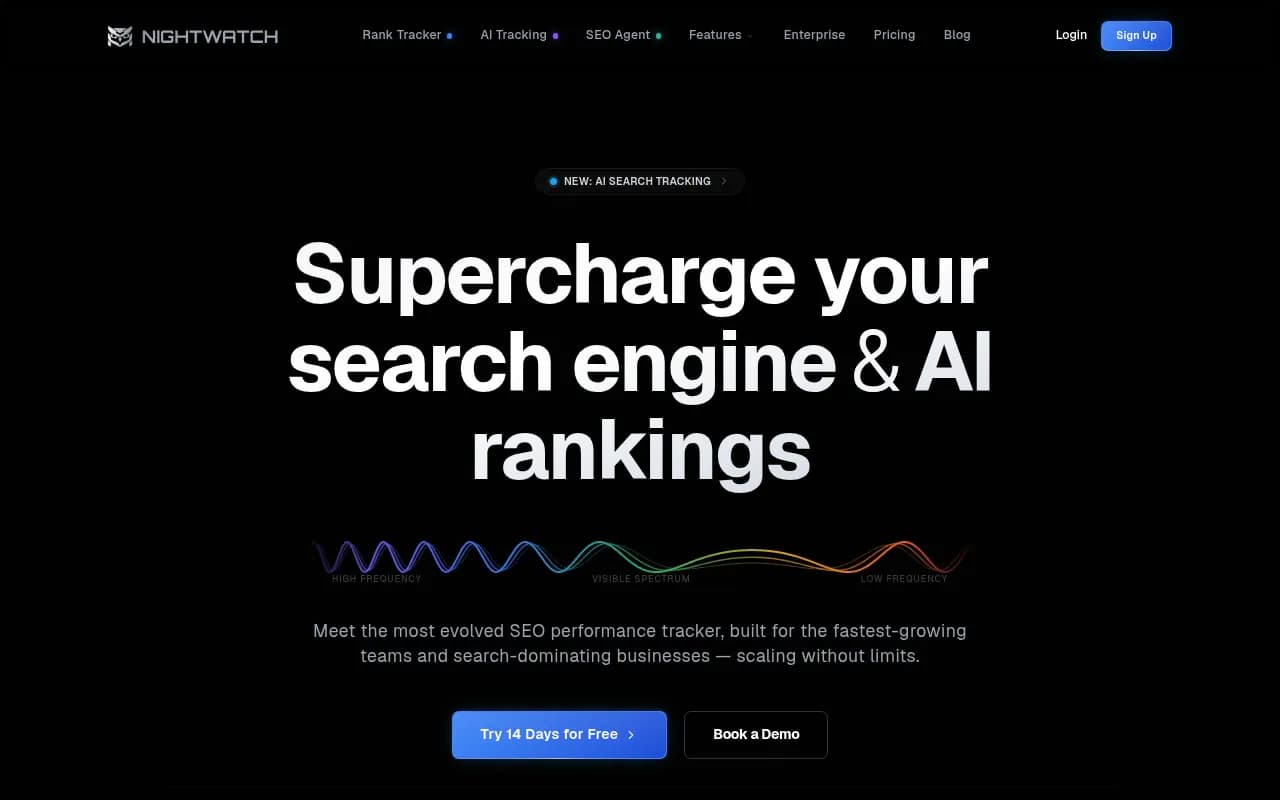
| Ongoing monitoring | Promptwatch, Nightwatch, SE Ranking |
One honest caveat
Google AI Overviews are still evolving. The signals that matter most today may shift as Google updates its systems. What won't change is the underlying logic: Google's AI wants to cite content that is accurate, well-structured, trustworthy, and genuinely useful to the person asking the question.
If you build your audit practice around those fundamentals -- and pair it with consistent monitoring so you catch changes early -- you'll be in a much stronger position than teams who are chasing algorithm specifics without a stable foundation.
Start with steps 1 and 7. Know your baseline, know your gaps. Everything else flows from there.