Key takeaways
- Ranking #1 in Google's organic results and appearing in Google AI Overviews are now two separate, largely independent outcomes -- you can have one without the other.
- AI Overviews select sources based on content structure, topical authority, and answer quality -- not just domain authority or link count.
- Zero-click behavior means your #1 ranking may generate impressions but no actual traffic if the AI Overview answers the query above your result.
- Getting cited in AI Overviews requires a different content strategy: direct answers, structured formatting, and genuine depth on specific subtopics.
- Tracking your AI visibility separately from traditional rankings is now a necessity, not a nice-to-have.
There's a moment that a lot of SEOs and marketing teams are experiencing right now. You open Google Search Console, and impressions are up. Rankings are holding. But clicks are down -- sometimes way down. And you can't figure out why.
The answer, in most cases, is sitting right at the top of the search results page. An AI Overview has answered the question your #1 ranking used to answer. The user got what they needed and left. Your page fed the model. The model fed the user. You got nothing.
This is the new reality of search in 2026, and it's worth understanding properly -- because the fix isn't "rank higher." The fix is a completely different strategy.
The #1 position is no longer the top of the page
Run a search for almost any informational query right now. What do you see first?
Not a blue link. You see an AI-generated summary, often with a few source citations tucked underneath. The organic results -- including your hard-won #1 position -- appear below that. On mobile, you might need to scroll before you even see them.
This is a structural change to the search results page, not a temporary experiment. Google has been expanding AI Overviews aggressively throughout 2025 and into 2026. The #1 organic result is now, effectively, the #2 position on the page in many cases.
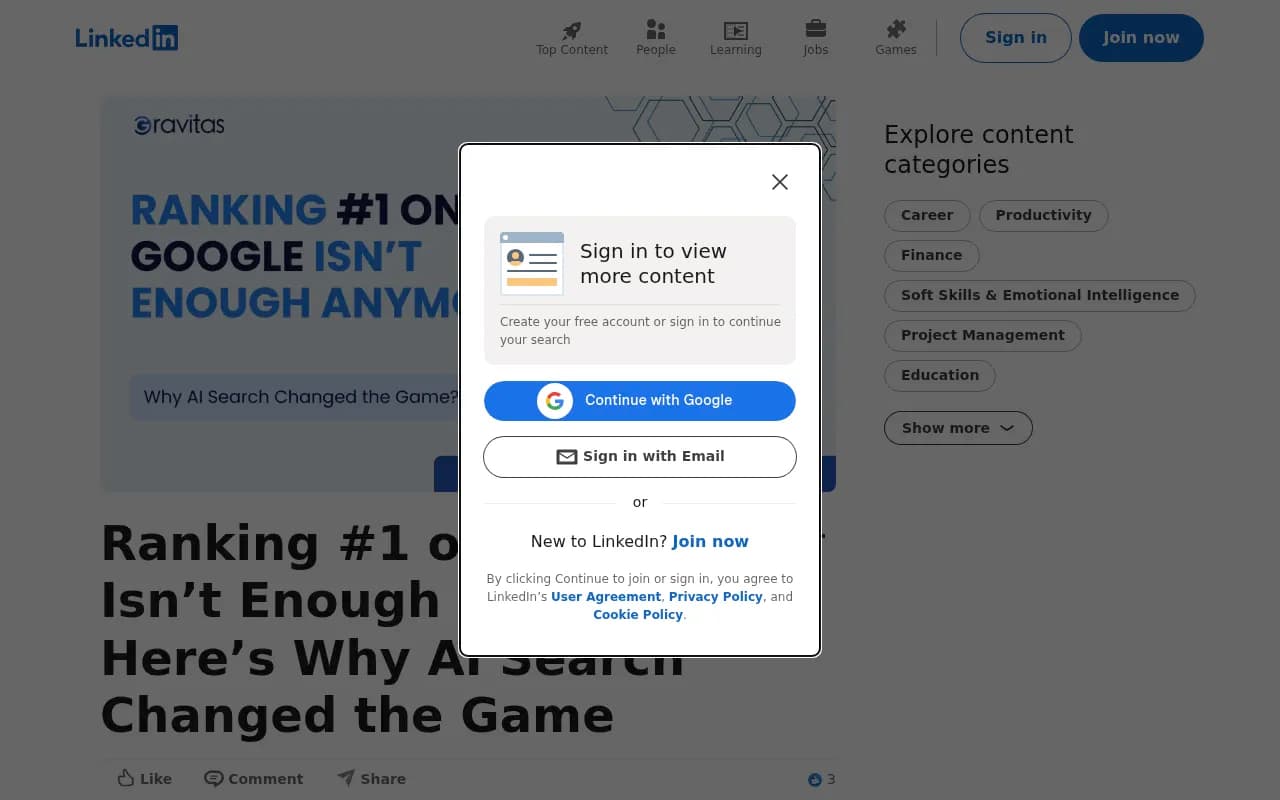
The behavioral shift that follows from this is significant. Users now validate ideas, compare options, and get basic answers without clicking anything. Research that used to require visiting three or four pages now happens in a single AI-generated response. Fewer brands get considered. Fewer clicks happen. And the brands that do get considered are the ones cited inside the AI Overview -- not necessarily the ones ranking #1 below it.
Why traditional SEO signals don't predict AI Overview inclusion
Here's where it gets counterintuitive. The factors that got you to #1 -- backlinks, domain authority, click-through rate signals, page speed -- are not the same factors that determine whether Google's AI includes your content in an Overview.
Traditional SEO is largely about authority and relevance signals. AI Overviews are about answer quality and content structure. These overlap, but they're not the same thing.
A few things that matter more for AI Overviews than for traditional rankings:
Direct, specific answers. AI models are looking for content that answers a question clearly and immediately. If your page buries the answer three paragraphs in after an introduction about your company, it's less useful to the model than a page that leads with the answer.
Structured formatting. Headers, numbered lists, definition-style explanations, and comparison tables all make it easier for AI systems to extract and synthesize information. Walls of prose are harder to parse.
Topical depth on specific subtopics. Ranking #1 for a broad keyword often means you have a broadly optimized page. But AI Overviews frequently pull from pages that go deep on a specific angle -- even if those pages don't rank #1 for the main keyword.
Factual precision. Vague, hedged content ("it depends," "there are many factors") is less likely to be cited than content that makes specific, defensible claims.
E-E-A-T signals. Experience, Expertise, Authoritativeness, and Trustworthiness still matter -- but in the context of AI Overviews, they're evaluated at the content level, not just the domain level. A well-attributed, clearly expert piece on a lower-authority domain can outperform a generic piece on a high-authority one.
The zero-click problem is bigger than most teams realize
Let's be direct about what zero-click search actually means for your business.
When an AI Overview answers a query, the user's intent is satisfied before they click anything. They got the answer. They move on. Your page may have contributed to that answer -- Google may have read your content to build the response -- but you received no visit, no lead, no conversion.
This creates a strange situation where your content is simultaneously influential and invisible in your analytics. You shaped the answer. You got no credit in any metric you track.
The only way to reclaim value from this dynamic is to be the source that gets cited with a visible link inside the AI Overview itself. Those citations do get clicks -- not at the same rate as traditional #1 rankings, but meaningfully. Being cited in an AI Overview is now one of the highest-value positions in search.
What actually gets you cited in AI Overviews
So what does it take? Based on how Google AI Overviews behave in practice, here's what consistently correlates with citation:
Answer the question in the first 100 words
This is probably the single biggest structural change most content teams need to make. Stop writing introductions that restate the question. Start with the answer. Then explain it. AI systems scan for the answer, and if it's buried, they'll find it elsewhere.
Use FAQ and definition structures
Content formatted as "What is X?" followed by a direct definition, or a list of questions with concise answers, maps well to how AI Overviews are assembled. This isn't about keyword stuffing -- it's about making your content easy to extract from.
Build genuine topical authority, not just keyword coverage
AI Overviews often pull from sources that have covered a topic comprehensively across multiple pages, not just one optimized landing page. If you want to be cited for "best project management software for remote teams," having a single page on that topic is less effective than having a cluster of related content: remote team workflows, async communication tools, how to evaluate PM software, and so on.
Earn citations on third-party sources
This is underappreciated. AI models -- including the one powering Google AI Overviews -- are trained on and influenced by what gets discussed and cited across the web. If your brand appears in Reddit threads, YouTube videos, industry publications, and comparison sites, that shapes how AI systems perceive your authority on a topic. Getting a backlink to your homepage is less useful than getting genuinely discussed in the places AI models pay attention to.
Keep content updated and factually accurate
AI systems are increasingly sensitive to content freshness and factual reliability. Pages with outdated statistics, broken claims, or information that conflicts with other authoritative sources are less likely to be cited. Regular content audits matter more now than they did two years ago.
The measurement gap: most teams are flying blind
Here's a practical problem: most marketing teams are still measuring success with metrics that don't capture AI visibility at all.
Organic clicks and impressions in Google Search Console tell you about traditional search performance. They don't tell you whether you're being cited in AI Overviews, how often, or for which queries. They don't tell you which competitors are getting cited instead of you. They don't tell you whether your content is even being crawled by AI systems.
This is a real gap. You can't optimize what you can't measure.
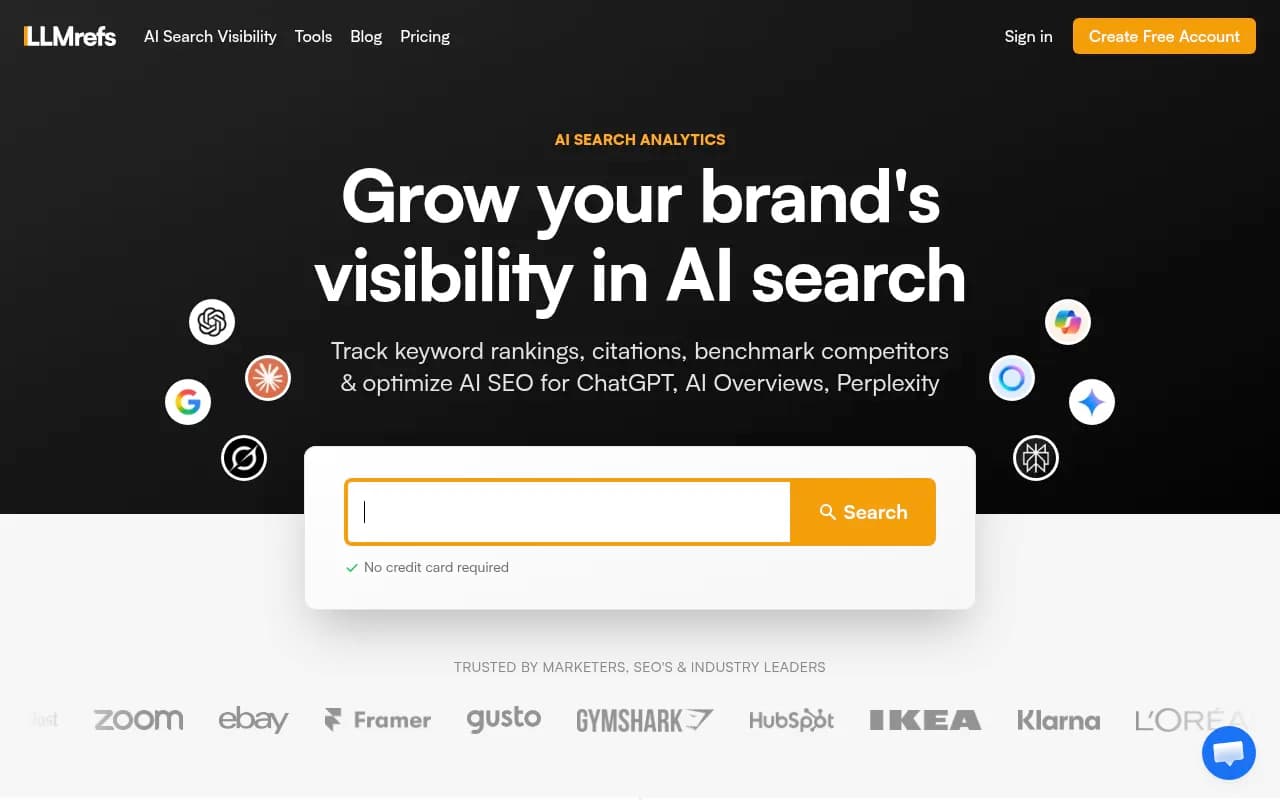
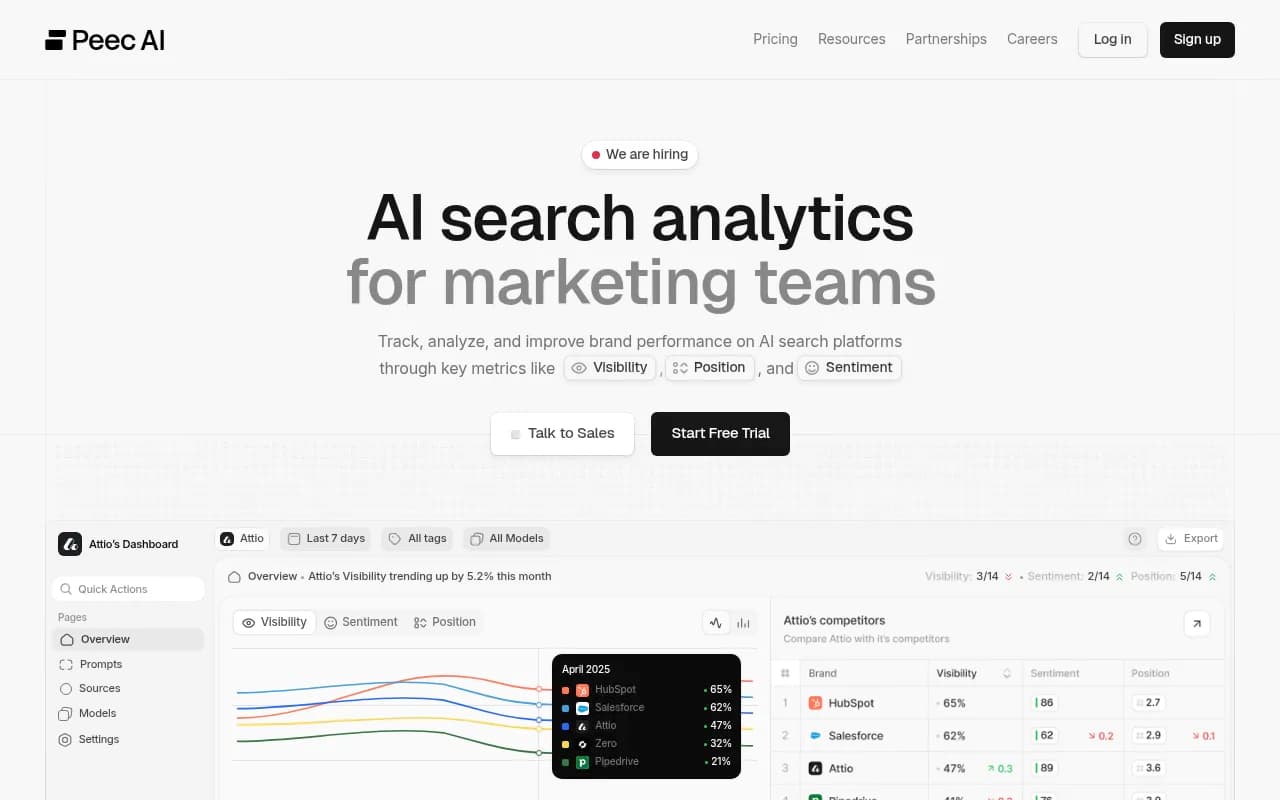
Tools built specifically for AI search visibility -- like Promptwatch -- track exactly this: which prompts and queries your brand appears in across AI engines, which competitors are getting cited, and where the gaps in your content are. That kind of visibility is what lets you prioritize which content to create or update.

For teams that want to track AI visibility more broadly, there are several options depending on your needs and budget:

A practical framework for AI Overview optimization
Here's how to approach this systematically rather than guessing:
Step 1: Identify which queries trigger AI Overviews in your space
Not every search triggers an AI Overview. Informational queries ("how does X work," "what is the best Y for Z") are much more likely to trigger them than transactional or navigational queries. Start by mapping the informational queries in your space and checking which ones currently show AI Overviews.
Step 2: Audit your existing content for answer structure
Take your top-ranking pages and ask: does this page answer the core question within the first 100 words? Is the answer clearly formatted? Does it use headers and lists? If not, restructuring existing content is often faster than creating new content.
Step 3: Find the content gaps your competitors are filling
Look at which queries in your space have AI Overviews that cite competitors but not you. Those are your highest-priority content opportunities. The question isn't "what keywords should I rank for" -- it's "what questions is the AI answering from my competitors' sites that it can't answer from mine?"
Tools like Promptwatch have answer gap analysis built in specifically for this. You can see the exact prompts where competitors appear and you don't, then generate content to close those gaps.
Step 4: Build content that's structured for extraction
When creating new content targeting AI Overview inclusion, think about structure from the start:
- Lead with a direct answer
- Use H2/H3 headers that mirror the questions users ask
- Include comparison tables where relevant
- Add specific data points, not vague claims
- Cite your sources
Step 5: Distribute beyond your own site
Publish on platforms AI models pay attention to. Contribute to industry publications. Participate in relevant Reddit communities (genuinely, not spammily). Create YouTube content that answers questions in your space. The goal is to build a presence in the sources AI models draw from, not just on your own domain.
How this changes the content creation workflow
Traditional SEO content creation looked like this: find a keyword, check search volume, write a page optimized for that keyword, build links to it.
AI Overview optimization looks like this: find a question that triggers an AI Overview, understand what the current AI response says, identify what's missing or where competitors are cited, write content that answers that question better and more specifically, structure it for extraction, and distribute it across relevant platforms.
The output might look similar -- an article, a guide, a comparison page. But the inputs and the success criteria are different. You're not trying to rank for a keyword. You're trying to be the most citable answer to a specific question.
Content optimization tools can help with the writing side of this:
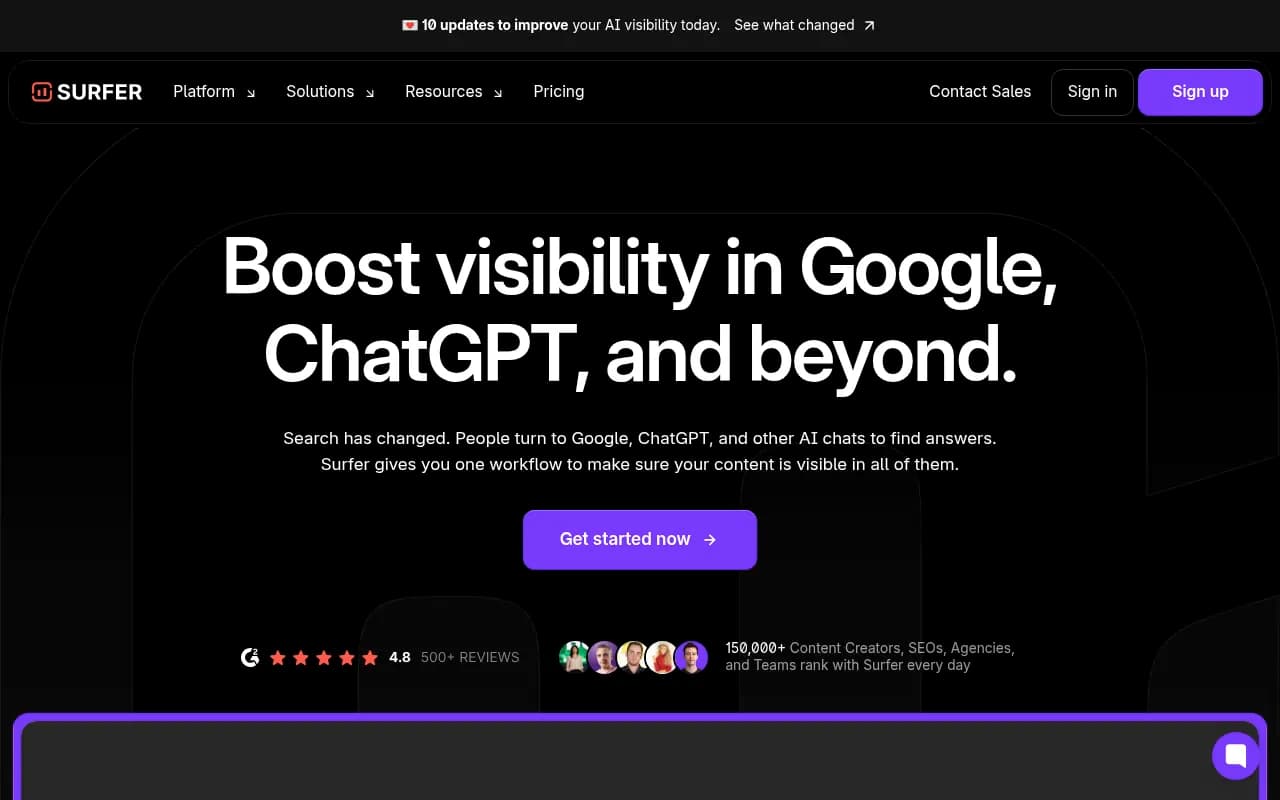
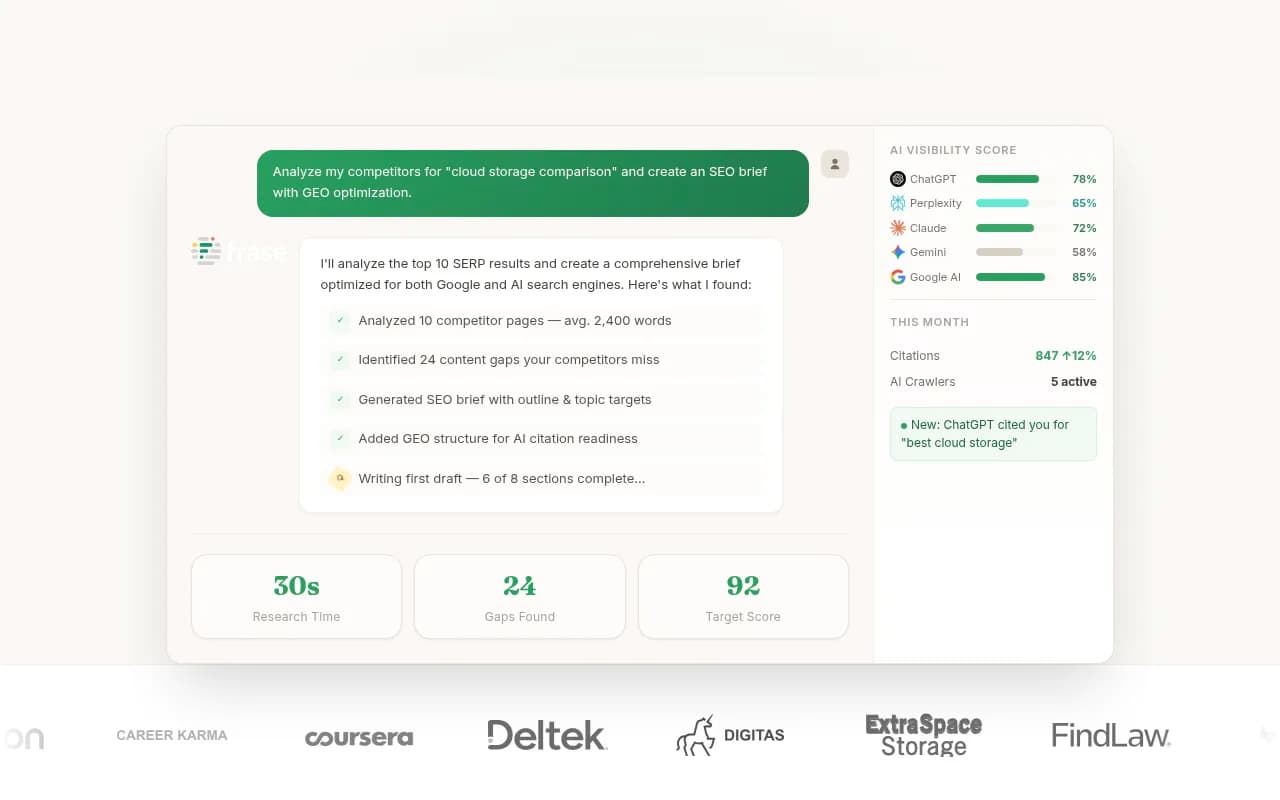
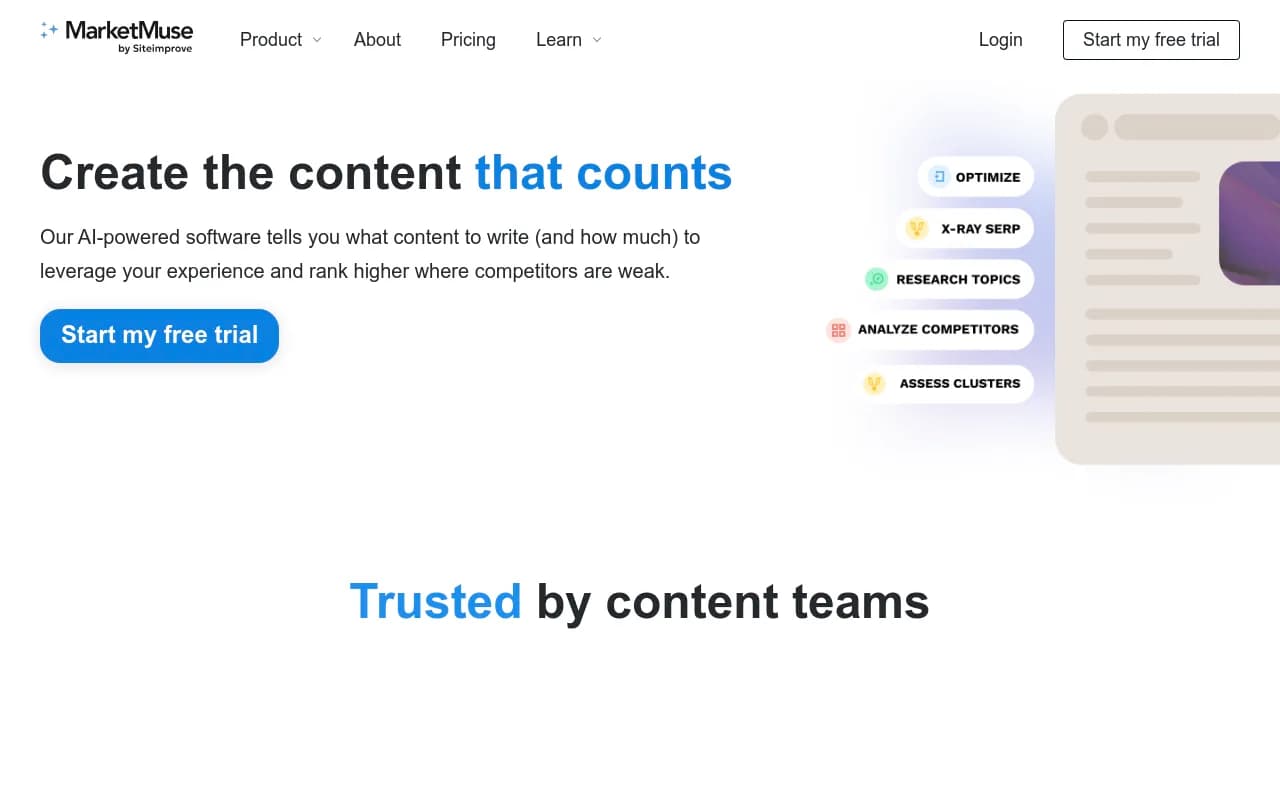
But the AI-specific strategy layer -- understanding which prompts to target, what AI models are currently saying, and where your gaps are -- requires tools built for that purpose.
The brands winning in AI search right now
The brands getting cited in AI Overviews consistently share a few characteristics. They've invested in topical depth, not just keyword breadth. They write content that answers questions directly, not content that circles around questions while trying to rank for them. They're present in the third-party sources AI models draw from. And they're measuring AI visibility as a distinct metric, not assuming it correlates with traditional rankings.
None of this requires abandoning traditional SEO. Rankings still matter. Organic traffic still matters. But treating them as the only goal is now a strategy that leaves a significant amount of visibility on the table.
The search results page in 2026 has multiple layers. The AI Overview layer is at the top, and it plays by its own rules. Getting into it requires understanding those rules -- and building content specifically designed to meet them.
Comparison: traditional SEO vs. AI Overview optimization
| Factor | Traditional SEO | AI Overview optimization |
|---|---|---|
| Primary signal | Backlinks + domain authority | Answer quality + content structure |
| Content goal | Rank for keyword | Be cited as the best answer |
| Formatting priority | Readable prose | Scannable, extractable structure |
| Success metric | Organic clicks | AI citations + click-through from Overview |
| Distribution focus | Your own domain | Your domain + third-party sources |
| Content depth | Broad keyword coverage | Deep topical clusters |
| Update frequency | When rankings drop | Ongoing, based on AI response changes |
| Measurement tools | Google Search Console, rank trackers | AI visibility platforms |
The two strategies aren't mutually exclusive -- in fact, the best content satisfies both. But they require different thinking, and teams that only optimize for traditional rankings are increasingly leaving AI visibility to their competitors.
Start by measuring where you actually stand in AI search. That's the only way to know what to fix.