Key takeaways
- Insurance is a trust-heavy, high-intent category, so being named (and cited) in AI answers to "best commercial insurance broker near me" type prompts matters more than most brokers realize.
- Pick tools by job: tracking (are we mentioned?), diagnosis (why not?), and execution (fix it). Most cheap trackers only do the first.
- Promptwatch Data shows product and landing pages make up about 39% of ChatGPT citations, so coverage pages, comparisons and FAQs are the content to prioritize.
- Social citations vary hugely by engine: ChatGPT gets 0.46% from social platforms, Google AI Overviews 12.2%. Your channel mix should differ by engine.
- A small agency can start with a free audit and a low-cost tracker. Multi-location brokerages and MGAs need crawler logs, location tracking and content workflows.
Why insurance brokers need GEO tooling
Buyers used to type "business insurance broker Chicago" into Google and scan ten blue links. Now a growing share of them ask ChatGPT, Perplexity or Google AI Mode something like "who is the best broker for a 40-person trucking company?" and get a shortlist of names. If your agency is not on that shortlist, you never even get to compete.
GEO (generative engine optimization) is the work of getting your agency named, described accurately and cited in those answers. For brokers it has some quirks. Insurance content is regulated and YMYL-adjacent, so AI engines lean on trusted sources. Products are complicated (E&O, cyber, workers' comp, surplus lines). And a lot of buying happens through local intent, which means state and city matter.
The Nationwide Agency Forward guide on SEO, GEO and AEO for insurance agents makes a similar case: extend SEO beyond Google and Bing into AI chats to capture high-intent demand. I agree with the direction. I'd just add that you can't improve what you can't measure, and that's where tools come in.
What to look for in a GEO tool as a broker
A generic AI visibility dashboard will tell you your "share of voice" is 12%. That number is useless until you know which prompts it covers. Before comparing vendors, check these things.
Prompt control and realism
You want to track the questions your buyers actually ask: "best insurance broker for restaurants," "how much does cyber liability cost for a law firm," "independent agent vs captive agent." Tools that let you build prompt sets by line of business, persona and location beat tools with a fixed list. Real-UI tracking matters too, because answers shown in the ChatGPT interface can differ from raw API output.
Location tracking
Most brokers sell locally or by state. Country-level tracking is not enough when "insurance agent near me" prompts resolve to a city. Look for state and city tracking, and be prepared to pay for a higher tier to get it.
Citation analysis
Knowing which pages and third-party sources AI cites is the whole game. For insurance that often means carrier sites, review platforms, comparison sites and local business directories rather than your own blog.
Crawler visibility
If AI bots can't read your site (blocked by robots.txt, a JavaScript-heavy quote form, a WAF), no amount of content helps. Tools that show real AI crawler logs catch this. Most trackers don't.
Action, not just reporting
The gap between "you're invisible" and "here's the page to write" is where agencies burn time. Favor tools that turn findings into a prioritized to-do list or draft content.
What AI engines actually cite (and what it means for brokers)
Promptwatch's first-party data gives a useful baseline. It has no insurance-specific numbers, so treat the following as general patterns I'm applying to the broker context.
In Promptwatch's ChatGPT citation share by content type report (Sep 28 to Oct 4, 2026), product pages were the most cited type at 22.4%, landing pages next at 16.8%, then listicles at 13.6%. Documentation was 7.5%, FAQ pages 3.3% and reviews 1.7%. For commercial prompts like "best X for small businesses," product pages hit 26.0% and landing pages 20.6%, so those two plus listicles and comparisons make up almost 70% of citations.
For a broker, "product pages" means your coverage pages: contractors insurance, cyber liability, fleet, group benefits. Each should state who it's for, what it covers, typical exclusions, and how you place it. Thin pages with a "call us" button won't get cited.
Branded prompts (someone asking about your agency by name) lean on reviews more than anything else: 5.6% of citations, over three times the overall share. So Google, Trustpilot and niche review profiles matter when prospects vet you.
Social is more engine-specific. In Promptwatch's social media citations report for Sep 28 to Oct 4, 2026, ChatGPT drew just 0.46% of citations from social platforms (Reddit at 0.09%, LinkedIn the top one at 0.3%). Google AI Overviews drew 12.2%, led by YouTube at 4.28% and Facebook at 2.38%. Perplexity was at 2.7%, with LinkedIn and Reddit tied at 0.86%. The practical read: video explainers and active Facebook and Instagram profiles help in Google, LinkedIn and Reddit presence help in Perplexity, and Reddit is a poor bet for ChatGPT. Skip X.
One more caution. Promptwatch Data found that, among pages ChatGPT cited on July 6, 2026, landing pages and docs stayed cited longest while news lost half its pages within 36 days. Evergreen coverage pages beat timely blog posts for staying power.
The best GEO tools for insurance brokers in 2026
None of these tools is insurance-specific, and I found no insurance-specific pricing. Check current pricing on each vendor's site before buying.
Promptwatch: tracking plus fixing, for most serious agencies
Promptwatch is the one I'd shortlist first for agencies that want to move beyond a dashboard. It tracks real interfaces in ChatGPT, Google AI Overviews, AI Mode, Gemini, Perplexity, Copilot and others, and it shows prompt volumes and difficulty plus the query fan-outs AI runs behind each answer. That last part is handy for insurance, where one prompt like "best broker for a construction company" may fan out into searches for "contractor GL insurance," "builders risk broker" and "surety bonds."
What separates it from pure trackers: IP-verified AI crawler logs (so you know if GPTBot is actually reading your quote pages), a weekly site audit, a content gap analysis, and a Content Agent that can draft and publish to WordPress, Webflow or Framer. The Action Board gives you a prioritized to-do list. State and city tracking starts at the Business plan ($579/month), while Essential ($95/month) covers 50 prompts with country tracking. Agencies serving several brokerage clients can look at the Kick-off ($199/month) to Scale ($799/month) agency plans. Confirm on promptwatch.com/pricing.

Profound: enterprise monitoring for large carriers and MGAs
Profound is a strong monitoring product aimed at enterprise budgets. If you're a national brokerage or a carrier with a corporate brand team and a procurement process, it's worth a demo. For a ten-person agency it's overkill, and it focuses on monitoring rather than doing the content work.

Peec AI and Otterly.AI: affordable trackers
Both are simple, lower-cost trackers. Good for a solo agency owner who wants to see whether ChatGPT mentions them and who wins the "best broker in [city]" prompts. You won't get crawler logs, traffic attribution or content creation, so plan to handle the fixes yourself.


Scrunch, AthenaHQ and Bluefish AI: monitoring-heavy alternatives
Scrunch and AthenaHQ cover multi-engine tracking with decent reporting. Bluefish AI targets larger brands. Evaluate them if you have a specific reporting need, but compare what they do after the report lands.

Semrush and Ahrefs Brand Radar: if you already live in an SEO suite
If your marketing person already works in Semrush or Ahrefs, adding their AI visibility modules is the low-friction route. The tradeoff is shallower, more fixed AI data than a dedicated platform.
Free options for a first look
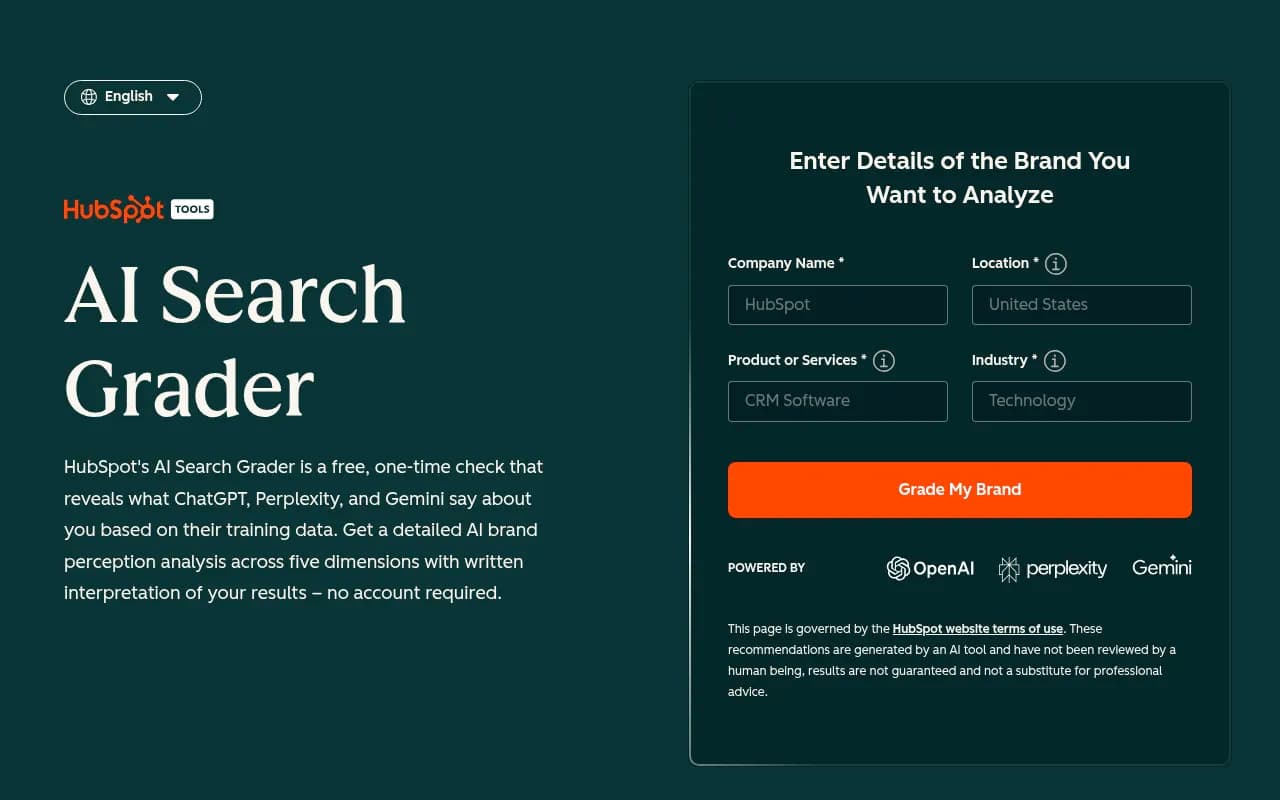
Before paying anyone, run a free check. HubSpot's AI Search Grader and AnswerGist's audit give a one-time snapshot, and Promptwatch offers a free AI Visibility Report you can run without logging in. They won't replace ongoing tracking, but they tell you whether you have a problem.

Comparison table
| Tool | Best for | Crawler logs | Content creation | Location depth | Fit for brokers |
|---|---|---|---|---|---|
| Promptwatch | Agencies and brokerages that want to act on data | Yes (IP-verified) | Yes, with CMS publishing | Country on all paid plans, state/city from Business | Strong all-rounder |
| Profound | Enterprise carriers and national brokerages | Limited | No | Varies by plan | Large budgets only |
| Peec AI | Solo agencies, basic tracking | No | No | Basic | Entry level |
| Otterly.AI | Small agencies on a budget | No | No | Basic | Entry level |
| Scrunch | Mid-size teams wanting monitoring | No | Limited | Varies | Decent |
| Semrush / Ahrefs Brand Radar | Teams already in an SEO suite | No | Writing add-ons | Varies | Convenient, shallower |
| HubSpot AI Search Grader | One-time diagnostic | No | No | No | Free first look |
Supporting tools brokers often forget
GEO tools measure and guide. A few other categories round out the stack.
Reviews and reputation
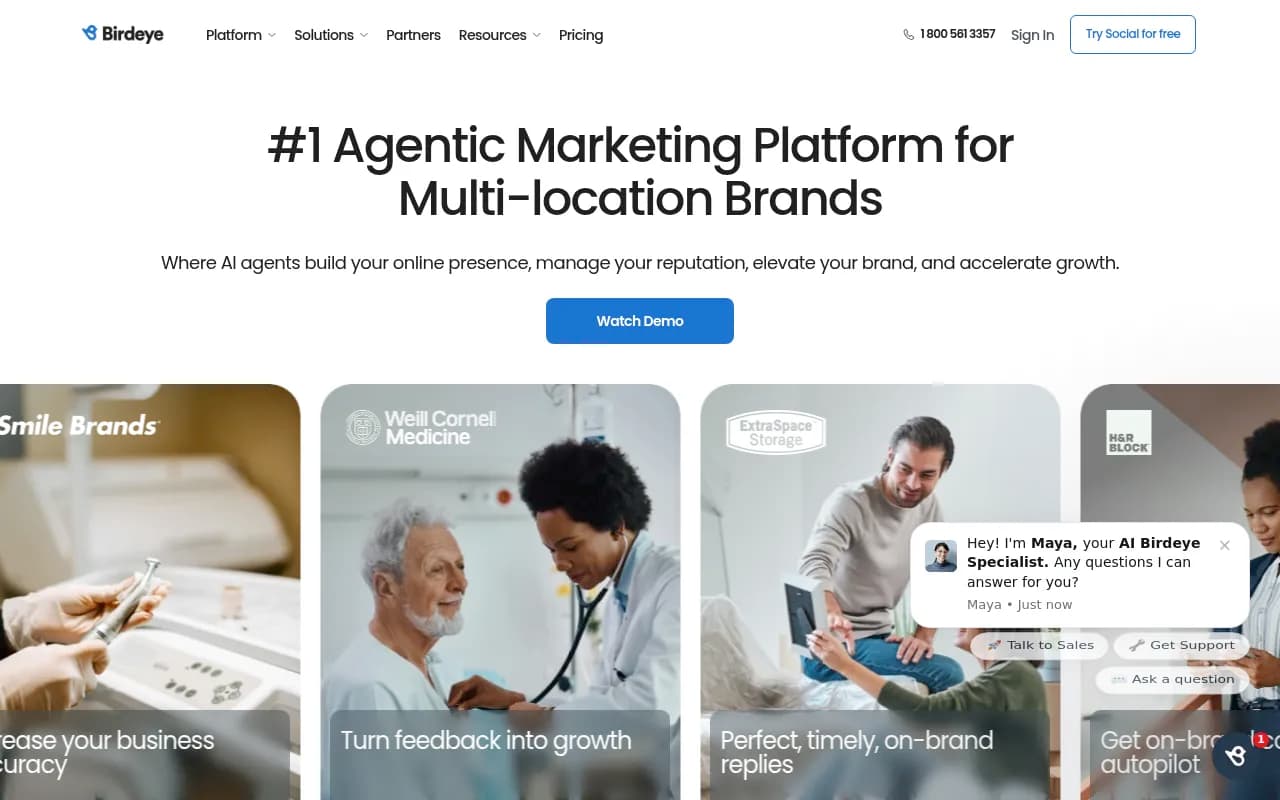
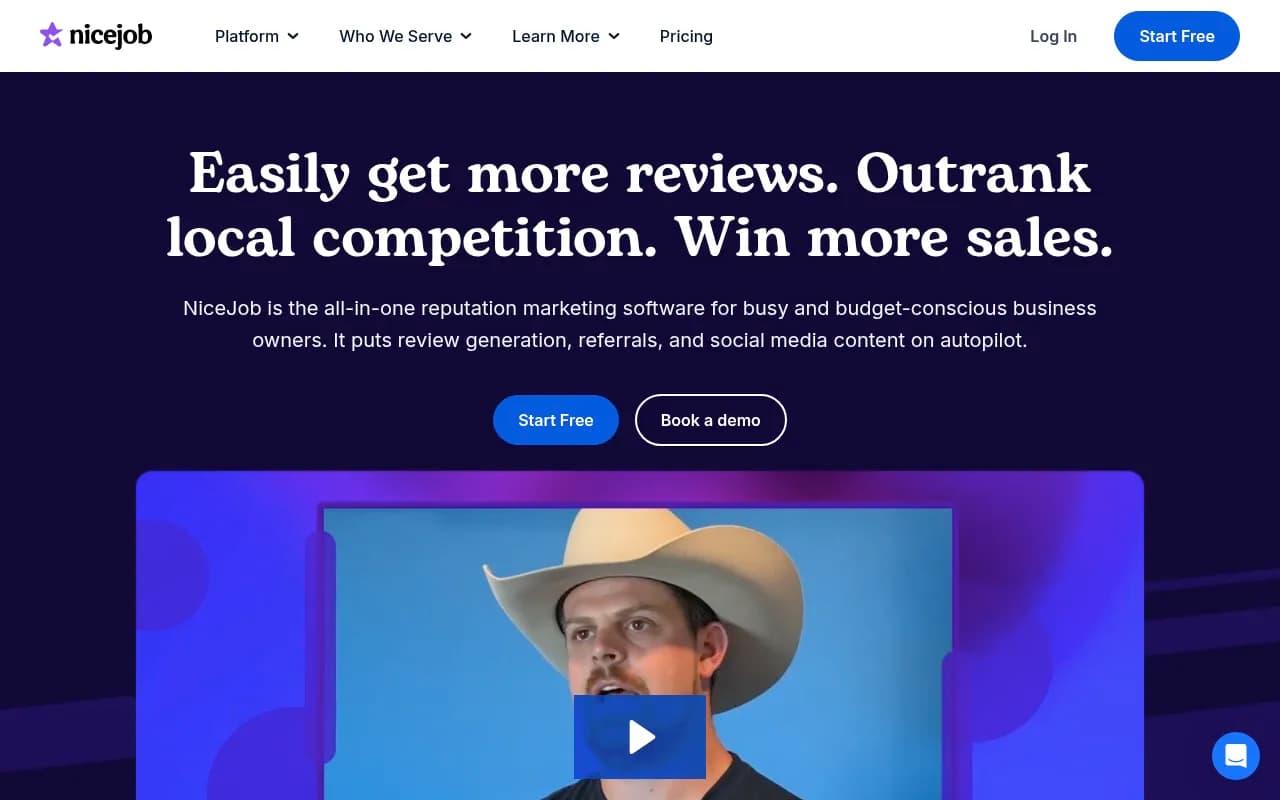
Because reviews matter so much on branded prompts, a review platform pays for itself. Birdeye, Trustpilot and NiceJob are common picks. Pick one and make requesting reviews after every claim or renewal a routine.
Local listings
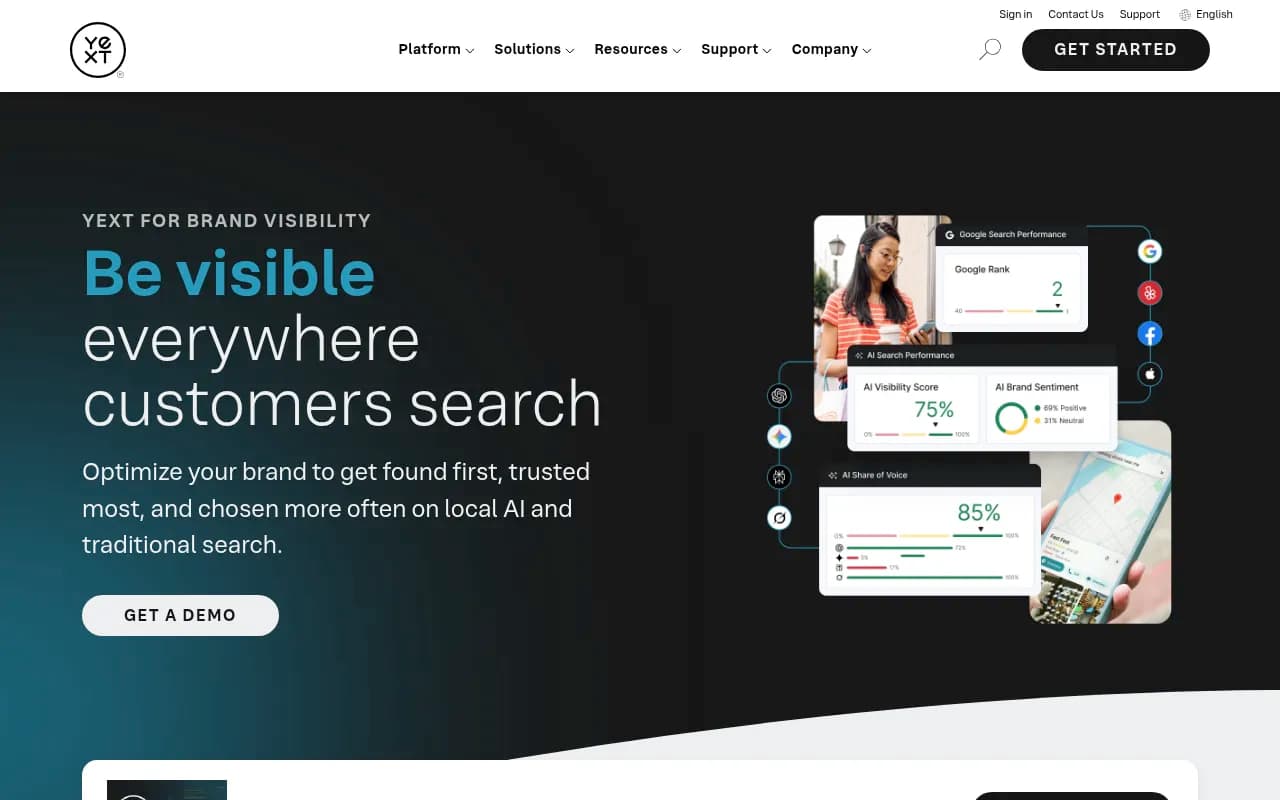
Multi-office agencies should keep names, addresses and phone numbers consistent across directories. Yext, Synup and Moz Local handle this, and BrightLocal is useful for local rank tracking.
Structured data
Schema markup for LocalBusiness, InsuranceAgency and FAQ pages helps engines understand who you are. Schema App is built for this at scale, and Yoast SEO or AIOSEO cover the basics on WordPress.
Technical checks
A crawler like Screaming Frog, plus Google Search Console, will find broken pages, blocked resources and thin content before an AI bot does.
CRM and lead handling
More AI-sourced traffic means more inbound leads that need quick follow-up. Perspective AI's roundup of AI tools for insurance brokers calls lead intake and qualification the highest-ROI AI investment for an independent broker, and I think that's right. A CRM such as HubSpot or Pipedrive plus fast response handling turns citations into booked calls.
What to buy by agency size
| Agency type | Starting stack | Next step |
|---|---|---|
| Solo or 2-5 person agency | Free AI visibility report, Google Business Profile, a review tool, one low-cost tracker | Add coverage pages and FAQs, track 20-30 prompts |
| Regional agency, 10-50 staff | Promptwatch Essential or Professional, schema plugin, review platform | Add state/city tracking, content refresh cycle |
| Multi-location brokerage or MGA | Promptwatch Business, listings management, CRM integration | Automate content workflows, track competitors by region |
| Marketing agency serving brokers | Agency plan with client reporting, white-label PDFs | Pitch projects for new broker prospects |
| National carrier or large broker | Enterprise platform, managed workflows, SSO | Dedicated success manager and custom reporting |
A 30-day starting plan
- Week 1: run a free visibility check, then list 30 to 50 buyer prompts across your top three lines of business and your main cities.
- Week 2: check AI crawler access and site health. Make sure your coverage pages load without scripts blocking bots and that robots.txt isn't turning away AI user agents.
- Week 3: rewrite or build coverage pages. Each should name the industries served, coverage details, carriers or markets you place with, and a clear FAQ. Add a comparison page such as "independent broker vs captive agent."
- Week 4: set up review requests and local listings, publish a short YouTube explainer for your top product, and start weekly tracking.
Then repeat. GEO results move slowly, and you'll learn more from three months of trend lines than from any single snapshot.
Hiring an agency instead
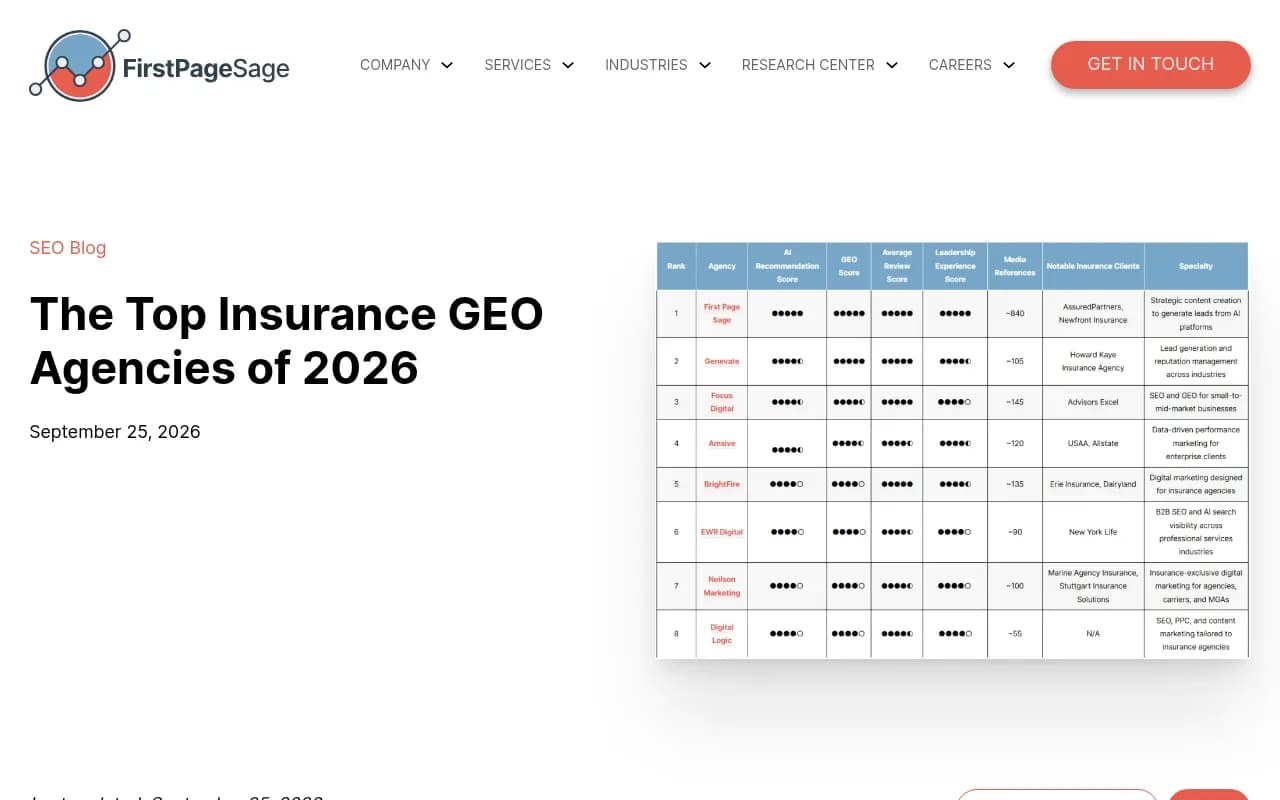
If you don't have the time, a specialist can run this for you. First Page Sage's ranking of insurance GEO agencies, updated September 25, 2026, evaluated 35 agencies on AI recommendation score (25% weight), GEO score (20%), review score (20%), leadership experience (15%) and more. Note that First Page Sage ranks itself first, so read it with that in mind. For a broader view of generalist options, the GEO software directory at bestgeosoftware.com lists tools you can run in-house.
If you want an agency that handles technical SEO, content and GEO together, 1001 SEO Media works with Promptwatch for AI visibility and offers month-to-month terms with no long-term contracts.
Common mistakes
- Tracking only branded prompts. Your own name will almost always appear. The money is in unbranded "best broker for X" questions.
- Ignoring compliance. AI-generated coverage content still needs licensed review. Don't publish claims about what a policy covers without checking them.
- Chasing Reddit for ChatGPT. Per the data above, it has nearly vanished as a ChatGPT source.
- Buying a tracker and never acting on it. A dashboard doesn't write your cyber liability page.
- Treating all AI engines the same. Citation behavior differs enough between ChatGPT, AI Overviews and Perplexity that your content and channel mix should differ too.
Bottom line
For most brokers, the sensible path is a free diagnostic first, then one platform that can both track and help you fix. Promptwatch fits that for agencies that want to go beyond monitoring, cheaper trackers suit solo owners, and enterprise tools suit carriers. Put the effort into coverage pages, comparisons, FAQs and reviews, because that's what AI engines cite. For more options, browse the AI rank tracking directory at ai-rank-tools.com.