Key takeaways
- AI-generated answers pull mostly from third-party sources, not your own website -- 85% of brand mentions come from off-site pages, so building external credibility is non-negotiable
- Only 30% of brands stay visible from one AI answer to the next, and pages not updated quarterly are 3x more likely to lose citations
- The fastest path to citations is a combination of structured on-site content and off-site mentions on platforms like Reddit and YouTube, which account for roughly 48% of AI citations
- Getting cited isn't a one-time task -- you need to track which AI models mention you, which pages they're pulling from, and where the gaps are
- Tools like Promptwatch can help you find those gaps and generate content specifically designed to earn citations, rather than just monitoring what's already happening

Why AI search is a different game for new brands
If you launched a brand in the last 18 months, you're entering a search environment that looks nothing like what came before. ChatGPT now has 800 million weekly active users. Perplexity has quietly built a base of over 60 million monthly active users. Google's AI Mode has crossed 100 million monthly actives. And 37% of consumers now start product and service searches in an AI tool rather than a traditional search engine.
Here's the uncomfortable part: AI models don't browse your website the way Google's crawler does. They synthesize answers from what they already know, from pages they've indexed, and from the broader web of third-party content that's been talking about you. If nobody's talking about you yet, you simply don't exist in their answers.
That's the core challenge for new brands. You can't just publish a homepage and wait. You need to engineer your way into the conversation -- and that requires a different playbook than traditional SEO.
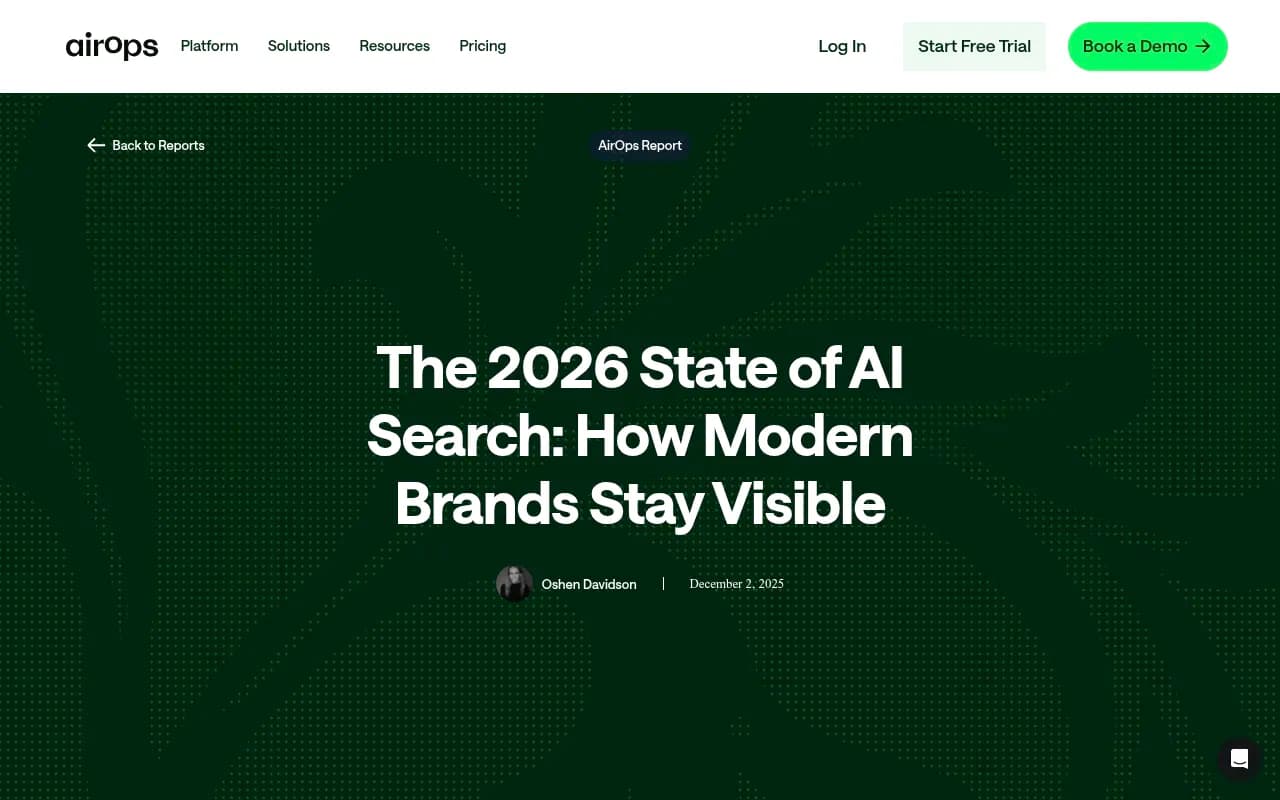
The AirOps 2026 State of AI Search report puts it plainly: only 20% of brands remain present across five consecutive AI answer runs for the same query. Visibility is unstable, and for new brands with no existing footprint, the starting position is zero.
The good news: because AI visibility is so volatile, new brands can break in faster than they could in traditional SEO. You don't need years of domain authority. You need the right signals in the right places.
Understand how AI models actually decide what to cite
Before you build anything, you need to understand what's driving citation decisions. AI models aren't ranking pages the way Google does. They're pattern-matching across everything they've processed to find the most credible, clear, and relevant answer to a question.
A few signals matter more than others:
Third-party mentions carry more weight than your own content. Research from AirOps found that 85% of brand mentions in AI-generated answers come from third-party pages, not brand-owned domains. Your website matters, but it's not the primary source. Reddit threads, review sites, industry publications, YouTube videos, and comparison articles are where AI models look first.
Community platforms are disproportionately influential. About 48% of AI citations come from platforms like Reddit and YouTube. That's not a small footnote -- it means a well-placed Reddit comment or a YouTube review can do more for your AI visibility than a polished product page.
Freshness is a real factor. Pages not updated quarterly are three times more likely to lose citations. AI models seem to weight recency, which means stale content gradually disappears from answers even if it was once cited.
Structure helps AI models parse your content. Pages with sequential headings and rich schema markup show 2.8x higher citation rates. This isn't about gaming an algorithm -- it's about making your content easy to extract and quote.
60% of AI Overview citations come from URLs not in the top 20 organic results. This is the most important data point for new brands. You don't need to rank first on Google to get cited by AI. You need to be clear, credible, and present in the right places.
Step 1: Build a citation-ready website from day one
Your website needs to be structured so that AI crawlers can read it, understand it, and pull from it. This is different from traditional on-page SEO, though there's overlap.
Write direct, question-answering content
AI models love content that answers a specific question directly. Not "Our product helps businesses grow" -- but "What does [your product] do? It [specific function] for [specific audience] by [specific mechanism]."
Every key page should answer a question that a real customer might type into ChatGPT or Perplexity. Think about the prompts your customers are using, not just the keywords they're searching.
Use structured headings and FAQ sections
Sequential H2/H3 headings that mirror how a question would be asked make it much easier for AI models to extract relevant chunks. Add FAQ sections at the bottom of key pages -- these are essentially pre-formatted citation blocks.
Add schema markup
FAQ schema, HowTo schema, and Article schema all help AI models understand what your content is about. This isn't optional for new brands trying to compete -- it's table stakes.
Keep content fresh
Set a calendar reminder to update your key pages at least quarterly. Even small updates -- adding a new stat, refreshing an example, updating a date -- signal to AI crawlers that the content is current.
Tools like Clearscope or Surfer SEO can help you optimize content structure and coverage:
Step 2: Build off-site credibility fast
Since 85% of AI citations come from third-party sources, getting mentioned elsewhere is more urgent than perfecting your own website. Here's where to focus.
Get on Reddit -- genuinely
Reddit is not a place to spam links. But it is a place where authentic participation pays off enormously for AI visibility. Find the subreddits where your target customers hang out. Answer questions. Share your perspective. When it's relevant and natural, mention your brand.
A single thread where your brand is mentioned in a helpful context can drive AI citations for months. The key is that the mention needs to feel organic -- AI models seem to pick up on the difference between genuine community discussion and promotional noise.
Pursue digital PR and third-party coverage
Getting mentioned in industry publications, niche blogs, and comparison sites is the fastest way to build the off-site signal that AI models look for. Even a small mention in a relevant roundup article ("10 tools for X") carries weight.
Don't wait for journalists to find you. Write a clear pitch. Offer a unique data point or perspective. Make it easy for writers to include you.
Get listed on comparison and review platforms
G2, Capterra, Product Hunt, and category-specific directories are all sources that AI models pull from. Create and maintain profiles on every relevant platform. Encourage early customers to leave reviews -- not just for social proof, but because these platforms are heavily cited in AI answers.
Publish on LinkedIn and Medium
These platforms have high domain authority and are frequently indexed by AI models. Publish thought leadership content that mentions your brand in context. A Medium article titled "How we solved X problem using Y approach" -- where your brand is the solution -- is a legitimate citation target.
Step 3: Target the prompts your customers are actually using
Most new brands make the mistake of guessing what their customers search for. In AI search, this is even more costly because the prompts are conversational and specific.
Map out your prompt universe
Think about every question a potential customer might ask an AI about your category. Not just "best [product type]" but:
- "What's the difference between X and Y?"
- "Is [your brand] worth it for [specific use case]?"
- "How does [your brand] compare to [competitor]?"
- "What do people say about [your brand] on Reddit?"
These comparison and evaluation prompts are where new brands can break in quickly, because AI models are actively looking for clear, direct answers and often can't find them.
Create content specifically for high-value prompts
Once you know the prompts, build content that answers them directly. A comparison page that clearly explains how you differ from a competitor is one of the highest-value pages you can create for AI visibility. A Reddit community discussion on r/b2bmarketing noted that "clear positioning, strong comparison pages, direct answers, tight FAQs, and consistent mentions" are what actually move AI visibility -- not generic content.
Promptwatch has an Answer Gap Analysis feature that shows you exactly which prompts your competitors are appearing for but you're not. For a new brand, this is genuinely useful -- it tells you where the opportunity is before you spend time creating content that nobody's asking for.
Step 4: Monitor what's actually happening
You can't improve what you're not measuring. For new brands, the temptation is to skip monitoring and just focus on creating content. That's a mistake -- without feedback, you're flying blind.
What to track
At minimum, you want to know:
- Is your brand being mentioned in AI answers at all?
- Which AI models are citing you (ChatGPT vs. Perplexity vs. Google AI Overviews)?
- Which pages on your site are being cited?
- What sentiment are AI models expressing about your brand?
- Which competitors are appearing in answers where you're not?
Tools for AI visibility monitoring
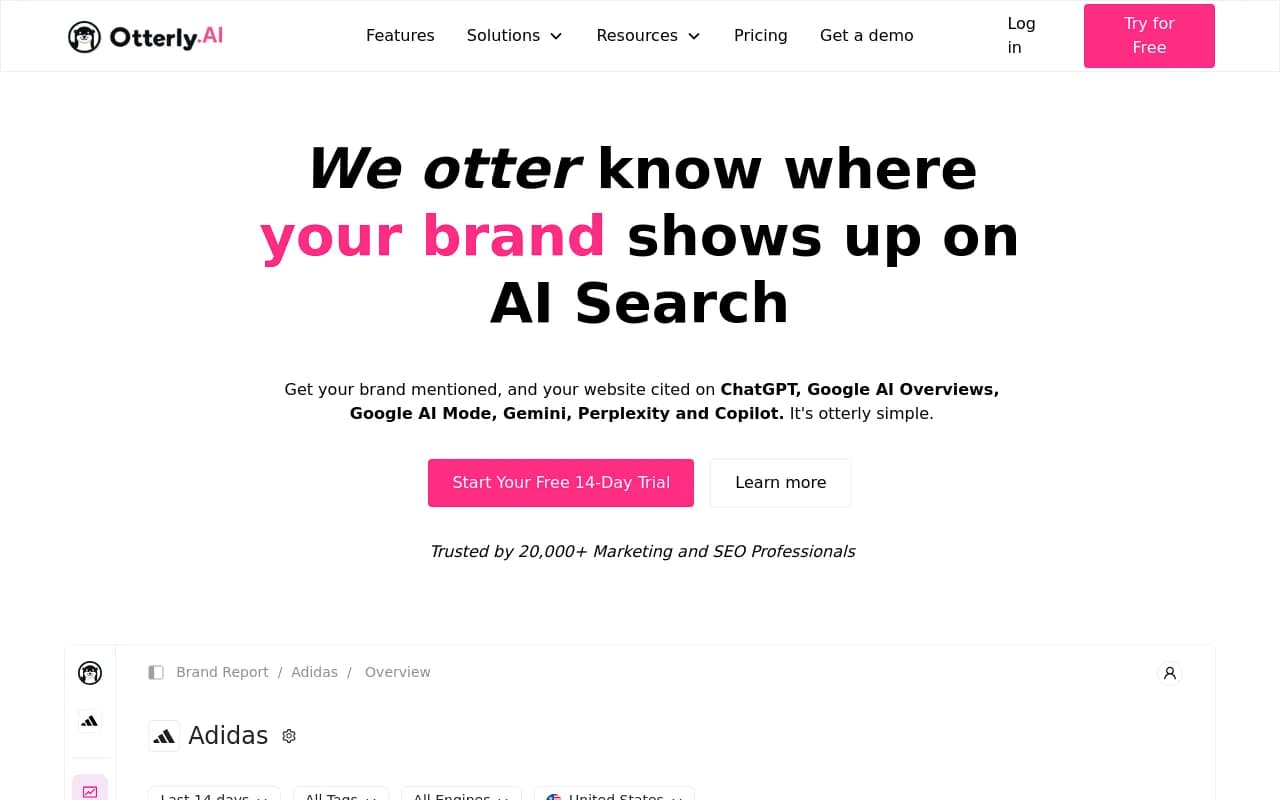
Several platforms now track brand mentions across AI models. Here's a quick comparison of the main options available to new brands in 2026:
| Tool | Monitors AI models | Content generation | Crawler logs | Best for |
|---|---|---|---|---|
| Promptwatch | 10+ models | Yes (built-in) | Yes | Full optimization cycle |
| Otterly.AI | 5+ models | No | No | Basic monitoring |
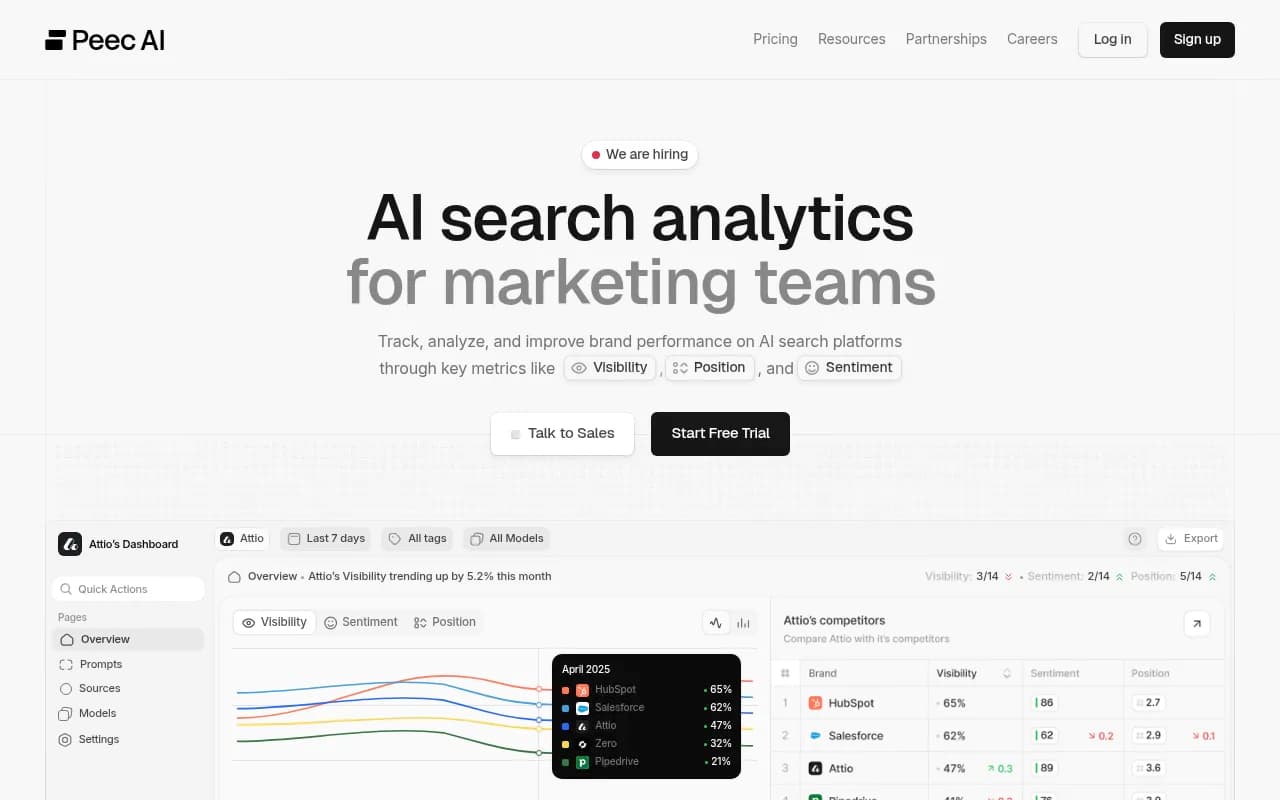
| Peec AI | Multi-language | No | No | International brands |
| LLMrefs | ChatGPT, Perplexity, others | No | No | Budget monitoring |
| Profound | Enterprise focus | No | No | Large brands |
| Scrunch AI | Multiple models | No | No | Monitoring only |
| Ranksmith | Multiple models | No | No | Actionable insights |
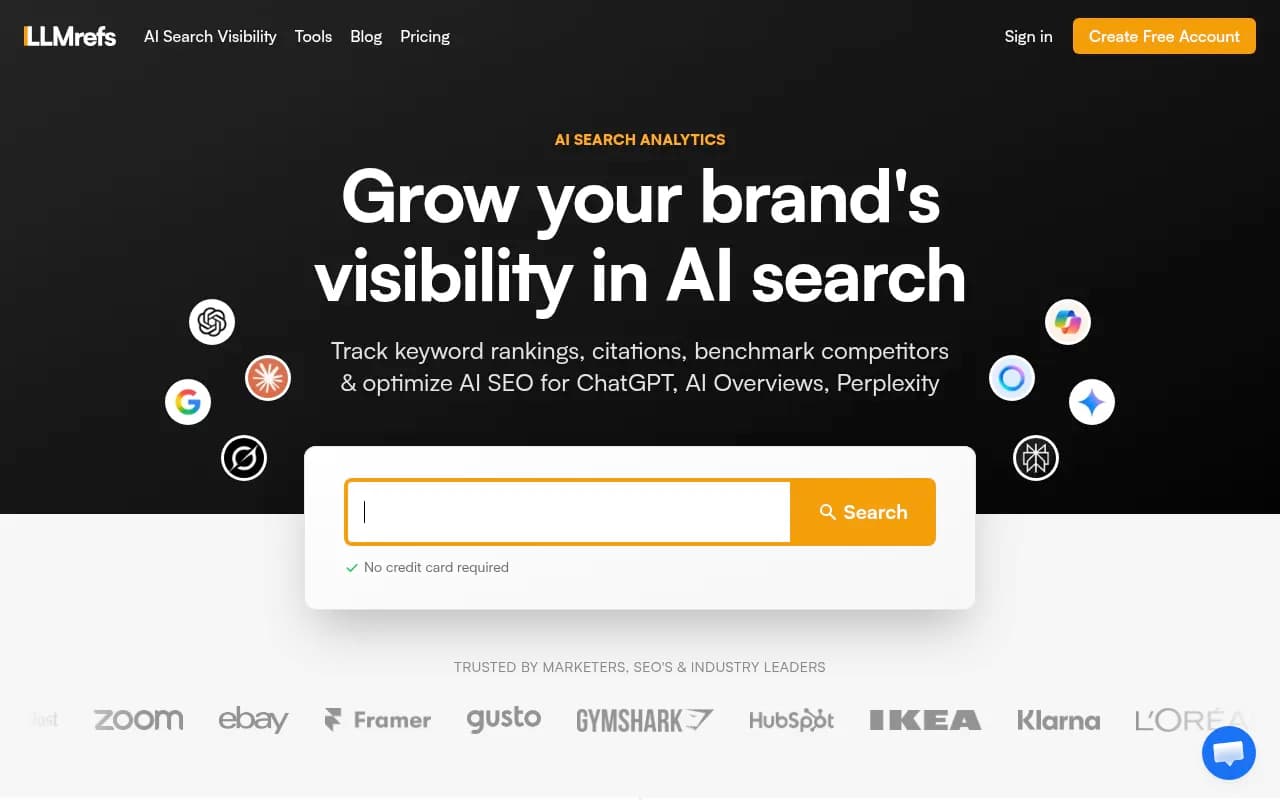
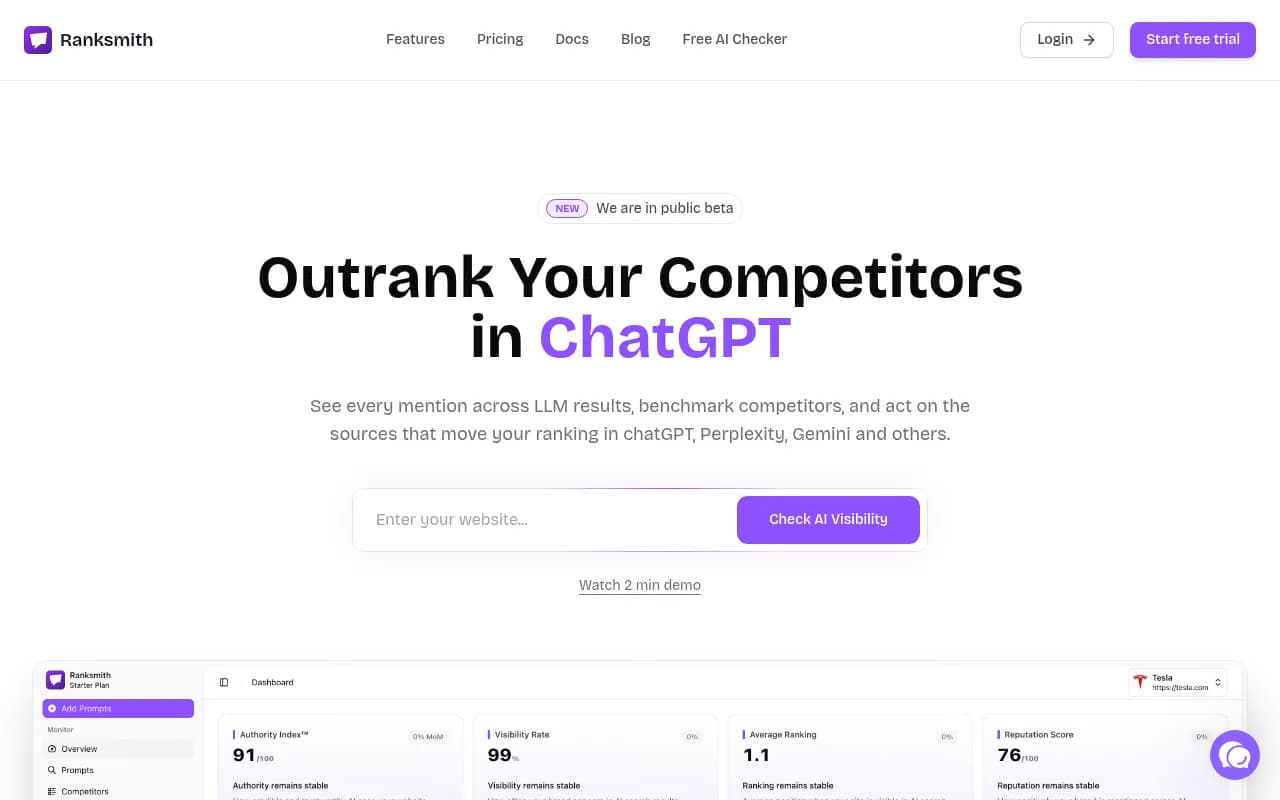
The distinction that matters most for new brands: most monitoring tools show you data but don't help you act on it. If you see that you're not being cited for a particular prompt, a monitoring-only tool leaves you to figure out what to do next. Promptwatch's approach -- find gaps, generate content, track results -- is more useful when you're starting from zero and need to move fast.
Step 5: Create content that's engineered to get cited
Generic content doesn't get cited. AI models are looking for specific, credible, well-structured answers. Here's what that looks like in practice.
Write for the answer, not the article
Every piece of content you publish should contain at least one "citation-ready" block -- a paragraph that directly answers a specific question in 2-4 sentences. Think of it as writing the answer you want an AI to quote, then building the article around it.
Use statistics and specific claims
AI models prefer content with concrete data points. If you have original research, publish it. If you don't, cite credible third-party data and add your own analysis. A page that says "37% of consumers now start searches with AI tools" and then explains what that means for your category is more citable than a page that says "AI search is growing fast."
Build comparison and alternative pages
"[Your brand] vs [Competitor]" pages and "[Competitor] alternatives" pages are among the most-cited content types in AI answers. These pages directly address the evaluation prompts that customers use when making decisions. Build them early.
Publish original insights and data
If you can run even a small survey or compile original data, publish it. AI models heavily cite original research. A "State of [your industry] 2026" report -- even a modest one -- gives you a citation target that competitors can't replicate.
For content creation at scale, tools like Jasper AI and Content at Scale can help you produce well-structured articles faster:
Step 6: Build a consistent mention cadence
One-off mentions don't create stable AI visibility. The AirOps research found that brands earning both citations and mentions show 40% higher likelihood of reappearing across answers. Consistency matters.
What "consistent mentions" looks like in practice
- A monthly guest post or contributed article in an industry publication
- Regular participation in relevant Reddit communities (not promotional -- genuinely helpful)
- A steady stream of customer reviews on G2, Capterra, or similar platforms
- Quarterly updates to your key website pages
- A presence on YouTube, even if it's just short explainer videos
The goal is to create a web of references that AI models can triangulate. When multiple independent sources mention your brand in the same context, AI models start treating that as a reliable signal.
Don't neglect YouTube
YouTube is cited in roughly 48% of AI answers alongside Reddit. Short, specific videos that answer common questions in your category -- even 3-5 minute explainers -- can drive citations. The title and description matter as much as the content itself, so write them as if they're answering a specific search query.
Putting it all together: a 90-day plan for new brands
Here's a realistic sequence for a brand starting from zero:
Days 1-30: Foundation
- Audit your website for structure, schema, and content gaps
- Create or update your core pages with direct, question-answering content
- Set up profiles on G2, Capterra, Product Hunt, and relevant directories
- Start tracking your brand in AI models (even a basic tool gives you a baseline)
Days 31-60: Off-site presence
- Publish 2-3 guest posts or contributed articles in industry publications
- Begin participating genuinely in 2-3 relevant Reddit communities
- Publish 2-4 comparison or alternative pages on your site
- Reach out to 5-10 bloggers or YouTubers in your category for coverage
Days 61-90: Optimization
- Review your monitoring data -- which prompts are you appearing for? Which aren't you?
- Create content specifically targeting the prompts where competitors appear but you don't
- Update any pages that have gone stale
- Publish one piece of original data or research
The monitoring tools worth knowing about
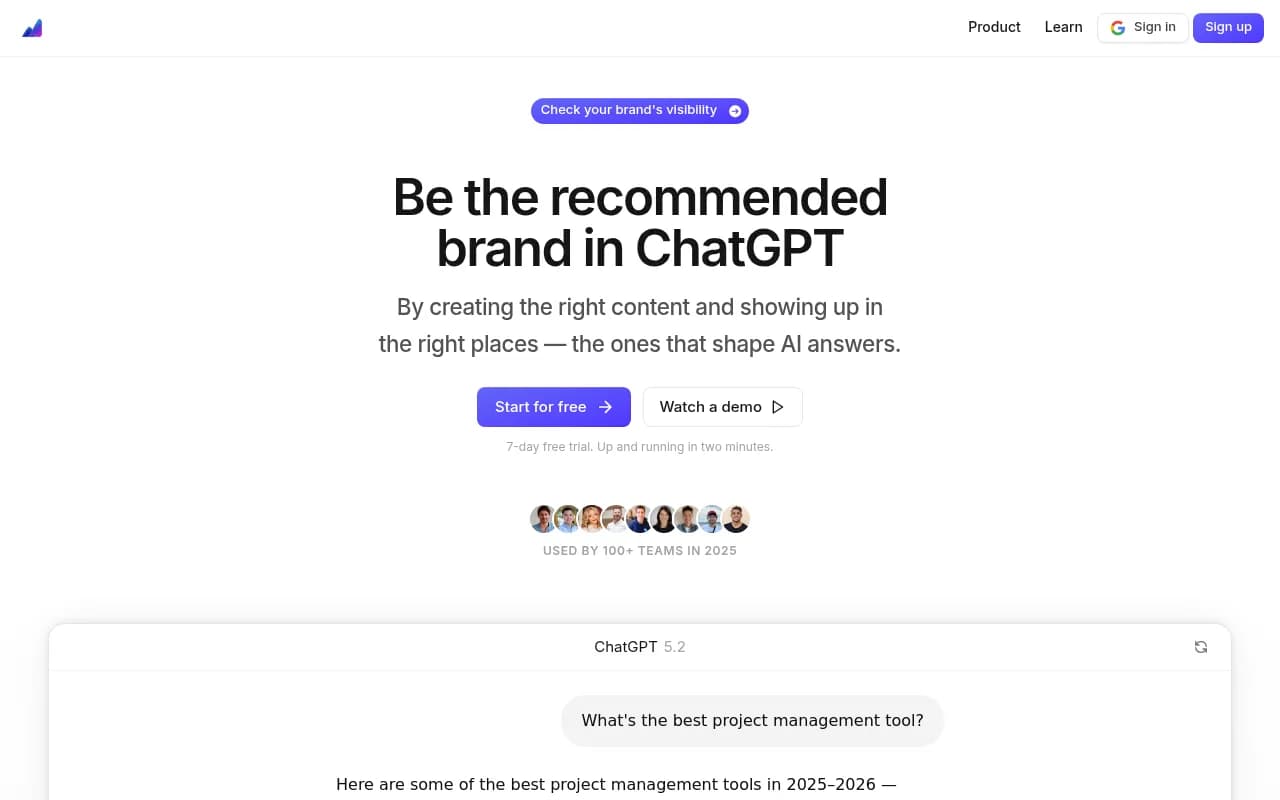
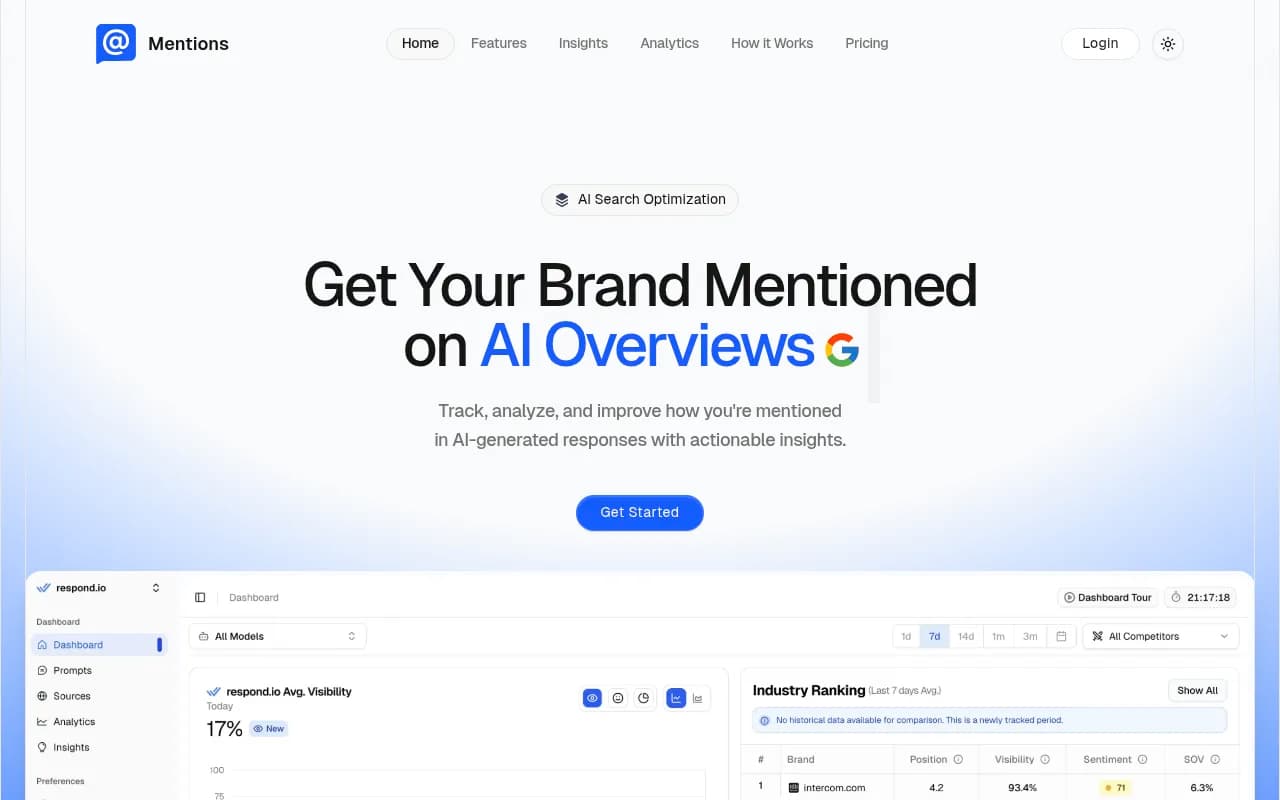
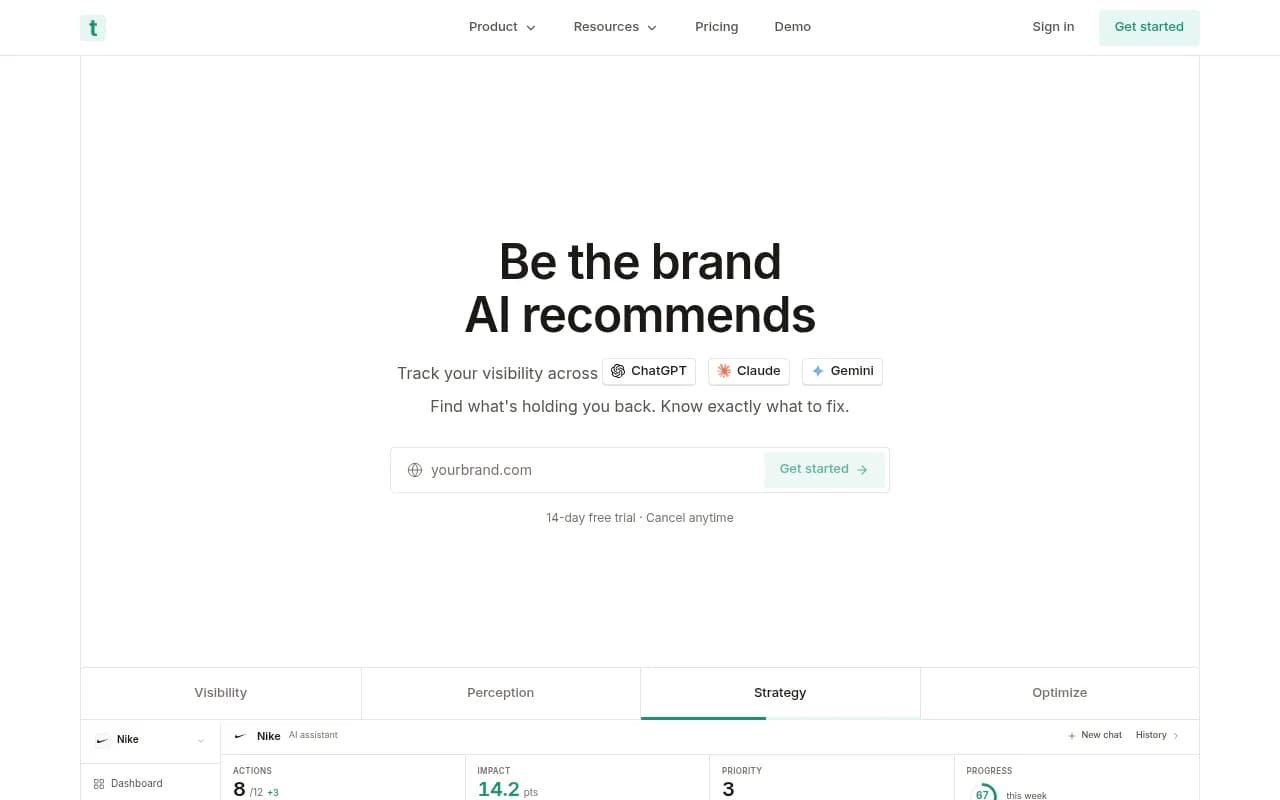
Beyond Promptwatch, a few other tools are worth having on your radar depending on your budget and needs:
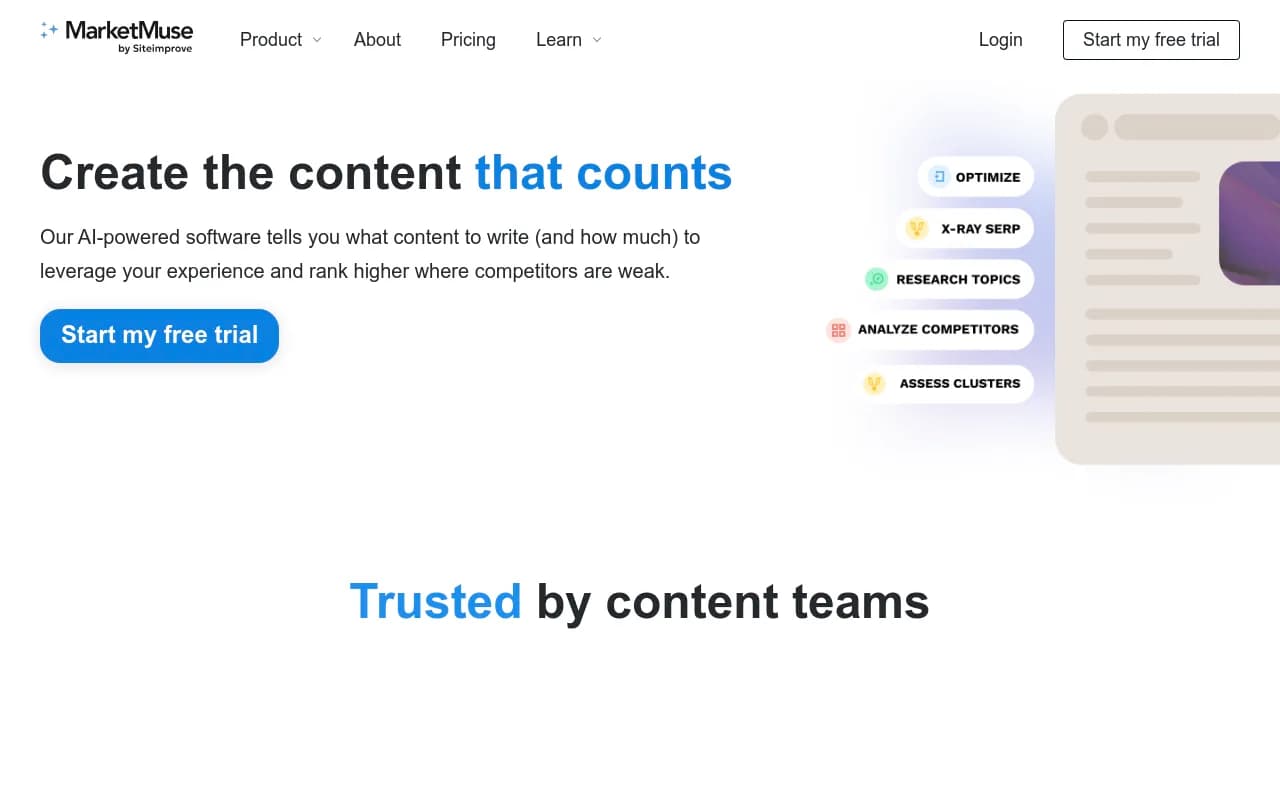
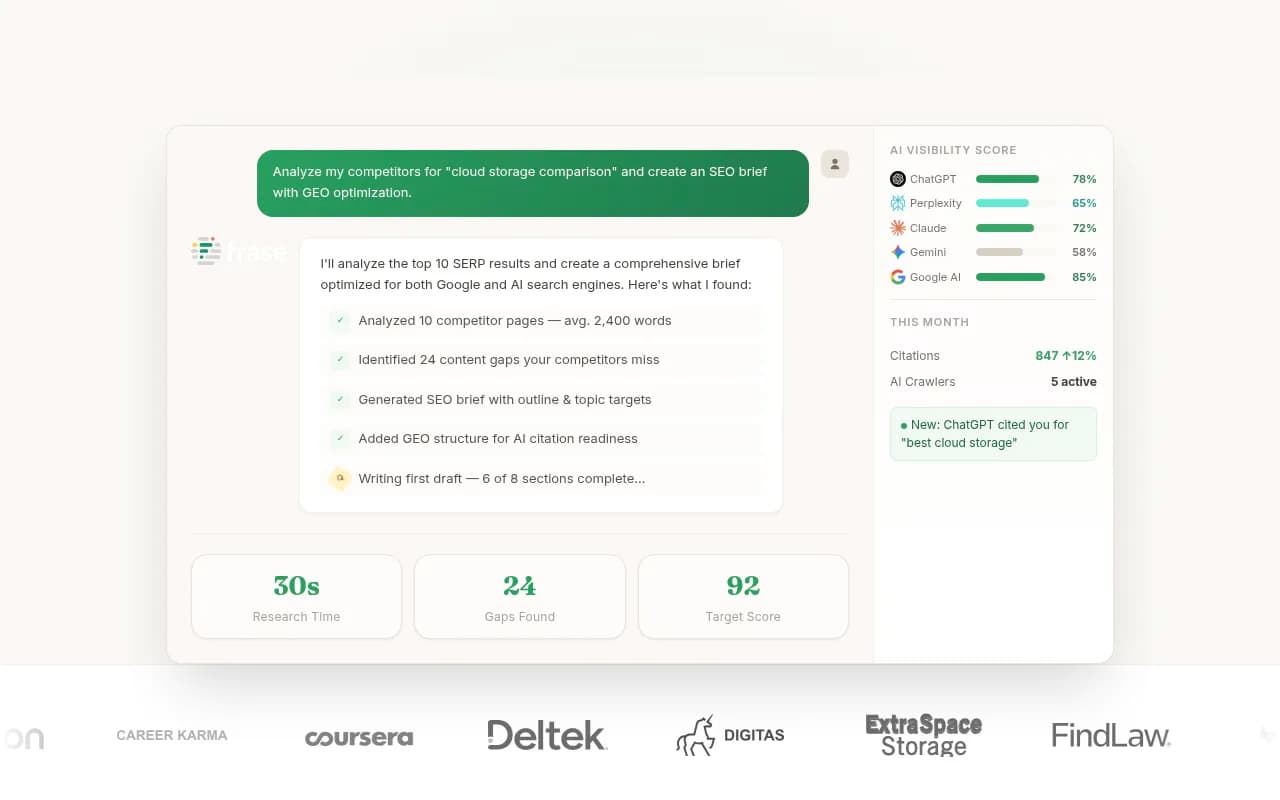
For brands that want to go deeper on content optimization alongside monitoring:
One thing most new brands get wrong
They treat AI visibility as a one-time SEO task rather than an ongoing channel. You publish some content, set up some profiles, and assume the work is done.
The data says otherwise. Only 20% of brands stay visible across five consecutive AI answer runs. Visibility fluctuates constantly based on freshness, new competitors, and shifts in how AI models weight different sources. The brands that stay cited are the ones that treat this as a continuous process -- monitoring, updating, creating, and iterating.
For a new brand, that's actually good news. It means the window to break in never fully closes. A competitor who dominated AI answers six months ago can lose that position if they stop updating their content. You can take it from them by staying active.
The work is real, but it's not mysterious. Clear content, genuine off-site presence, consistent mentions, and regular monitoring -- that's the whole game.