Key takeaways
- Entity optimization means structuring your content so AI systems can confidently identify who you are, what you do, and why you're authoritative -- without ambiguity.
- AI search engines like ChatGPT, Perplexity, and Google AI Overviews don't rank pages; they cite sources. Strong entity signals are what get you cited.
- The core tactics are schema markup, consistent NAP/brand data, topical authority, third-party mentions, and structured content that answers specific questions.
- Monitoring your entity strength and citation rate requires dedicated tools -- traditional SEO rank trackers won't show you what's happening inside AI responses.
- Entity optimization isn't a one-time fix. It compounds over time as AI models update their knowledge and crawl your content more frequently.
Why entity optimization matters more than ever in 2026
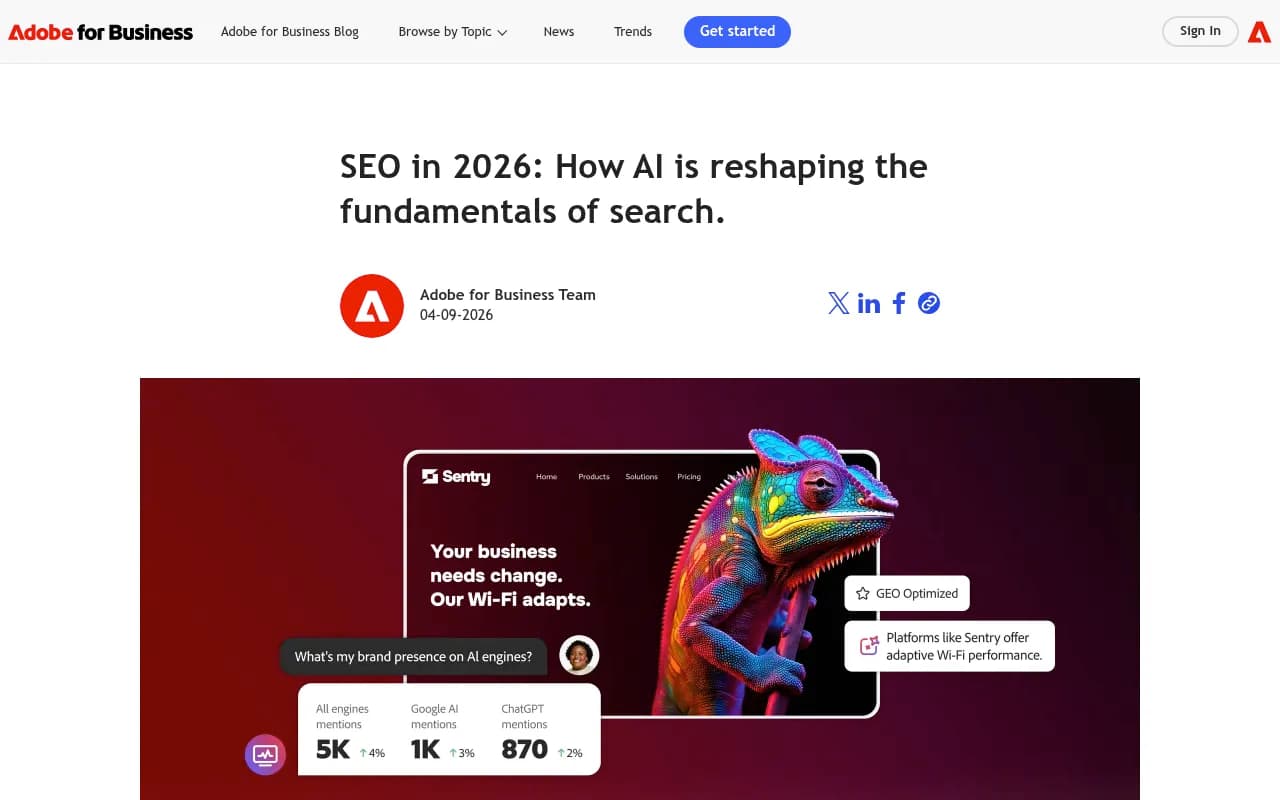
Search has changed structurally, not just incrementally. When someone asks ChatGPT "what's the best project management tool for remote teams?" or asks Perplexity "which accounting software do small businesses trust?", those AI systems aren't scanning a list of ranked URLs. They're drawing on a model of the world -- a web of entities, relationships, and attributes they've assembled from crawled content, structured data, and third-party references.
If your brand isn't a clearly defined entity in that model, you simply don't exist in the answer.
That's the core problem entity optimization solves. It's about making your brand, products, and content legible to AI systems -- not just findable by humans.
The numbers make the urgency clear. Organic click-through rates for queries featuring Google AI Overviews have dropped 61% since mid-2024, falling from 1.76% to 0.61% according to Search Engine Land. Roughly 60% of all searches now end without a click to any website. Gartner predicted traditional search engine volume would drop 25% by 2026. The traffic that used to flow through ranked blue links is increasingly flowing through AI-generated answers -- and if you're not cited in those answers, you're invisible.
What is an entity, exactly?
In the context of search and AI, an entity is any distinct, identifiable thing -- a brand, a person, a product, a place, a concept. Google's Knowledge Graph has been built on entity relationships for over a decade. What's changed is that LLMs now use similar entity-based reasoning to decide what to include in generated responses.
An entity has a few defining characteristics:
- It has a unique identity (a name, a URL, an identifier)
- It has attributes (what it does, who it serves, where it operates)
- It has relationships to other entities (competitors, categories, people, topics)
- It has consistency across sources (your website, third-party sites, directories, social profiles all describe the same thing)
When all of those are strong and consistent, AI systems can confidently represent your brand. When they're weak or contradictory, the model either ignores you or gets things wrong -- which is arguably worse.
The six signals that define entity strength
1. Structured data and schema markup
Schema markup is the most direct way to tell AI crawlers exactly what your content is about. Using vocabulary from schema.org, you can explicitly declare that a page describes an Organization, a Product, a Person, an Article, a FAQ, or dozens of other entity types.
For brand entity optimization, the most important schemas are:
Organization(withname,url,logo,sameAs,description,foundingDate,numberOfEmployees)LocalBusiness(if you have physical locations)ProductandOffer(for e-commerce and SaaS)FAQPageandHowTo(for content that answers specific questions)BreadcrumbList(for site structure signals)
The sameAs property deserves special attention. It links your entity to its representations on other platforms -- your Wikipedia page, Wikidata entry, LinkedIn company page, Crunchbase profile, and so on. This is how AI systems confirm that the "Acme Corp" on your website is the same "Acme Corp" mentioned in a TechCrunch article.
2. Consistent brand information across the web
Inconsistency is an entity signal killer. If your company name appears as "Acme Corp", "Acme Corporation", and "Acme" across different pages and directories, AI systems struggle to consolidate those references into a single confident entity representation.
The same applies to your description. If your website says you're a "B2B SaaS platform for supply chain teams" but your LinkedIn says "enterprise logistics software" and your Crunchbase says "inventory management tool", you're creating ambiguity about what your entity actually is.
Audit every place your brand appears and standardize:
- Company name (exact, consistent spelling)
- One-sentence description (what you do, who you serve)
- URL (canonical domain, no variations)
- Logo (consistent image, properly marked up)
- Location data if relevant (NAP: name, address, phone)
3. Topical authority
AI systems don't just evaluate individual pages -- they evaluate whether a domain is a credible source on a given topic. This is topical authority, and it's built by covering a subject area comprehensively and consistently over time.
If you want to be cited when someone asks about cybersecurity for small businesses, you need to be the site that has answered dozens of related questions: what are the most common threats, how do you set up two-factor authentication, what does a security audit involve, which tools do security teams use. The breadth and depth of your coverage signals to AI models that you're a reliable source on this topic.
This is why content gap analysis matters so much right now. Tools like Promptwatch can show you which prompts competitors are being cited for that you're not -- giving you a direct map of the topical gaps that are costing you AI visibility.

4. Third-party citations and mentions
Your own website is one data source. But AI models weight third-party references heavily because they're harder to game. When reputable sites mention your brand, describe your product, or link to your content, that reinforces your entity in the model's understanding.
This includes:
- Editorial mentions in industry publications
- Inclusion in "best of" listicles and comparison articles
- Reviews on platforms like G2, Capterra, or Trustpilot
- Reddit discussions where your brand is recommended
- YouTube videos that reference or review your product
The platforms AI models draw from aren't just traditional editorial sites. Perplexity, ChatGPT, and others regularly cite Reddit threads and YouTube content. If your brand is being discussed positively in those channels, it contributes to your entity strength.
5. Content structure and extractability
AI systems need to extract specific answers from your content. Pages that are structured clearly -- with descriptive headings, short paragraphs, direct answers to questions, and logical information hierarchy -- are much easier for AI to parse and cite accurately.
Practically, this means:
- Lead with the answer, not the preamble. If someone asks "what is entity optimization?", your page should answer that in the first paragraph, not the fifth.
- Use headings that match the questions your audience asks. "How does schema markup help AI search?" is a better heading than "Schema markup benefits."
- Include definition-style content. AI models love clear, quotable definitions.
- Break complex topics into numbered steps or short sections. This makes content easier to extract as a discrete answer.
6. Technical crawlability for AI agents
AI crawlers behave differently from Googlebot. They visit pages more frequently, they care about response time, and they can be blocked by certain JavaScript rendering setups or aggressive bot-blocking rules.
Make sure your robots.txt isn't inadvertently blocking AI crawlers like GPTBot (OpenAI), ClaudeBot (Anthropic), or PerplexityBot. Check your server logs to see which AI crawlers are visiting, how often, and whether they're hitting errors. If a crawler can't read your page, it can't cite it.
Entity optimization vs. traditional SEO: what's different
| Factor | Traditional SEO | Entity optimization for AI |
|---|---|---|
| Primary goal | Rank on page 1 for keywords | Get cited in AI-generated answers |
| Key signal | Backlinks and keyword relevance | Entity clarity, topical authority, structured data |
| Success metric | Rankings, organic traffic | Citation rate, share of AI responses, mention frequency |
| Content format | Keyword-optimized long-form | Question-answering, definition-rich, extractable |
| Third-party signals | Backlinks | Brand mentions, reviews, Reddit/YouTube discussions |
| Technical focus | Crawlability, page speed, Core Web Vitals | AI crawler access, schema markup, structured data |
| Measurement tools | Rank trackers, GSC | AI visibility platforms, citation monitoring |
The overlap is real -- good SEO and good entity optimization share a lot of DNA. But the differences matter. A page that ranks #1 for a keyword might never get cited in an AI response if it's structured as a long-form essay without clear, extractable answers. Conversely, a well-structured FAQ page with strong schema might get cited constantly even if it doesn't rank in traditional search.
How to audit your entity strength
Step 1: Check your Knowledge Panel and entity recognition
Search Google for your brand name. Do you have a Knowledge Panel? Does it show the right logo, description, and links? A Knowledge Panel is a strong signal that Google has confidently identified your entity. If you don't have one, or if the information is wrong, that's a gap to fix.
Check Wikidata for your brand. If you're not there and you're a reasonably established company, creating a Wikidata entry (with proper sourcing) is one of the highest-leverage entity optimization moves you can make.
Step 2: Audit your schema implementation
Use Google's Rich Results Test or Schema Markup Validator to check what structured data your site currently has. Look for:
- Is your
Organizationschema present on your homepage? - Does it include
sameAslinks to your social and directory profiles? - Are your product or service pages using appropriate schema types?
- Are FAQ pages marked up with
FAQPageschema?
Step 3: Map your topical coverage against AI responses
This is where most brands have the biggest gap. You need to know which questions AI models are answering in your category, which sources they're citing, and where you're absent. Manual testing across ChatGPT, Perplexity, and Gemini gives you a rough picture, but it doesn't scale.
Dedicated AI visibility platforms are built for this. Promptwatch's Answer Gap Analysis, for example, shows you exactly which prompts competitors are being cited for that you're not -- so you can prioritize content creation around the gaps that actually matter.
Step 4: Audit your off-site entity signals
Search for your brand name across the major platforms AI models draw from: Reddit, YouTube, G2, Capterra, Trustpilot, LinkedIn, Crunchbase, and industry publications. Are you present? Are the mentions accurate and positive? Are there discussions recommending you that you're not aware of?
This is your off-site entity footprint, and it's often the most underinvested area.
Tools for entity optimization and AI visibility tracking
The tooling landscape for AI visibility has matured considerably in 2026. Here are the categories worth knowing:
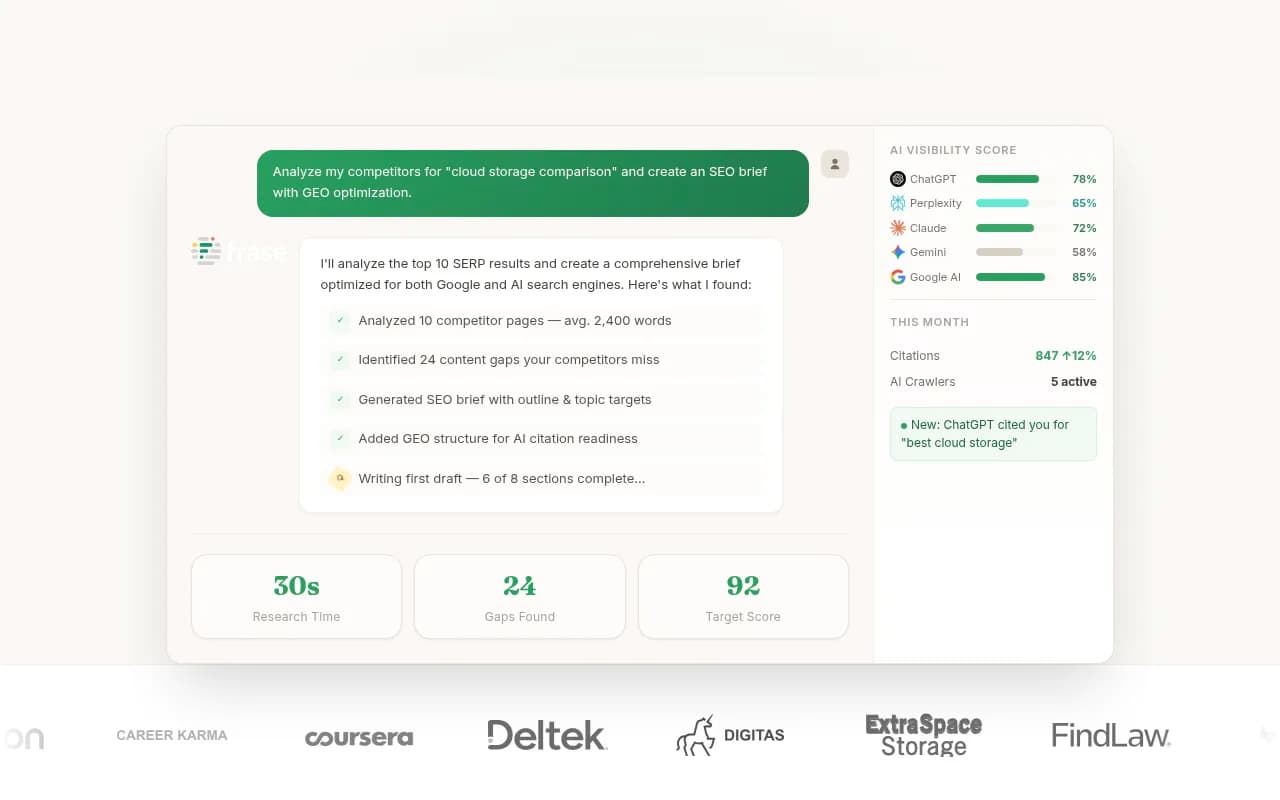
Full-stack AI visibility and GEO platforms -- these track your citations across multiple AI models, identify content gaps, and (in some cases) help you create content to fill them.
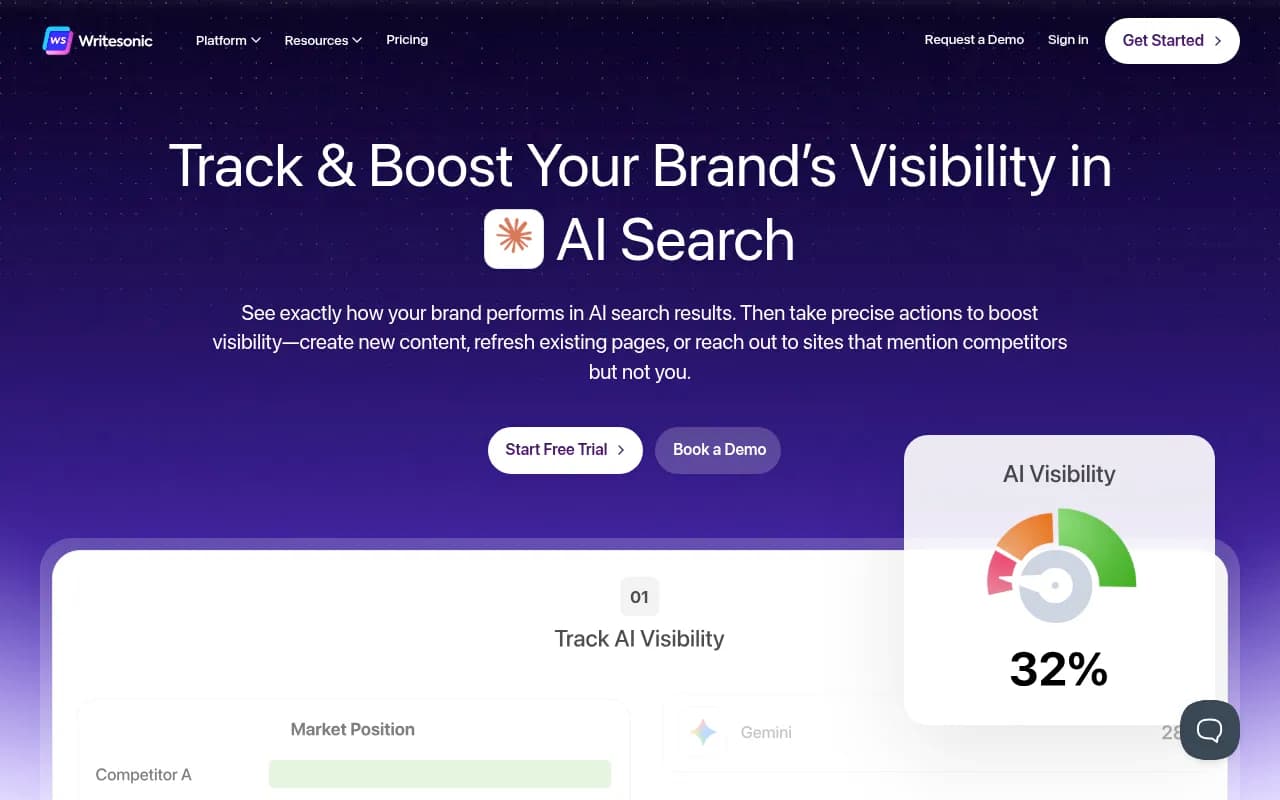
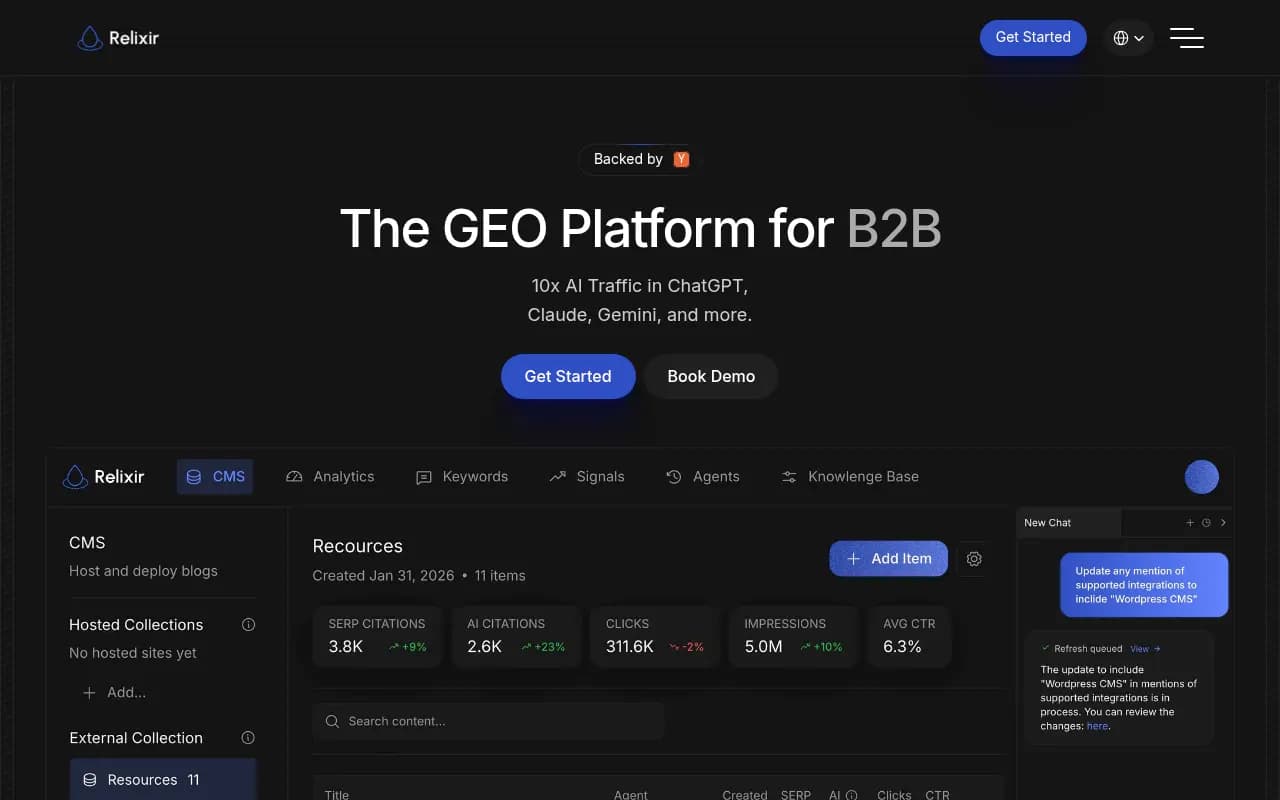
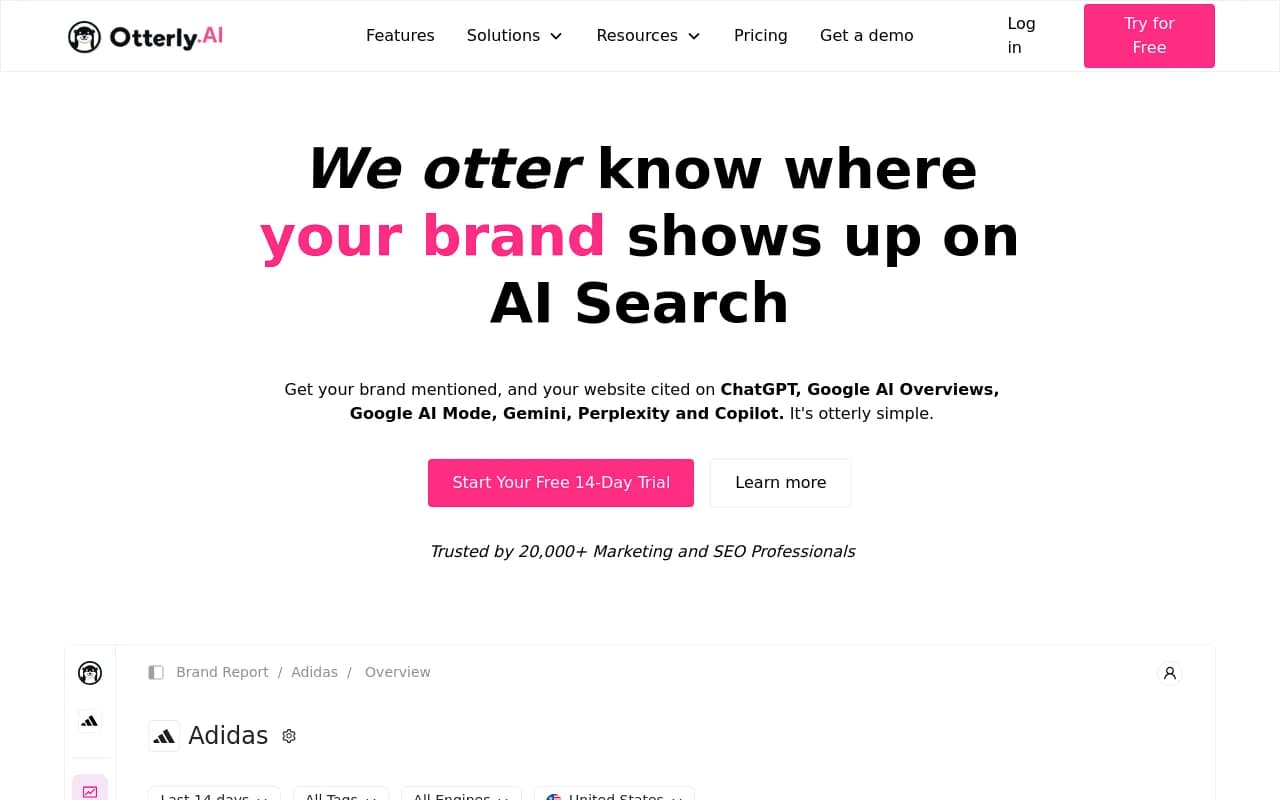
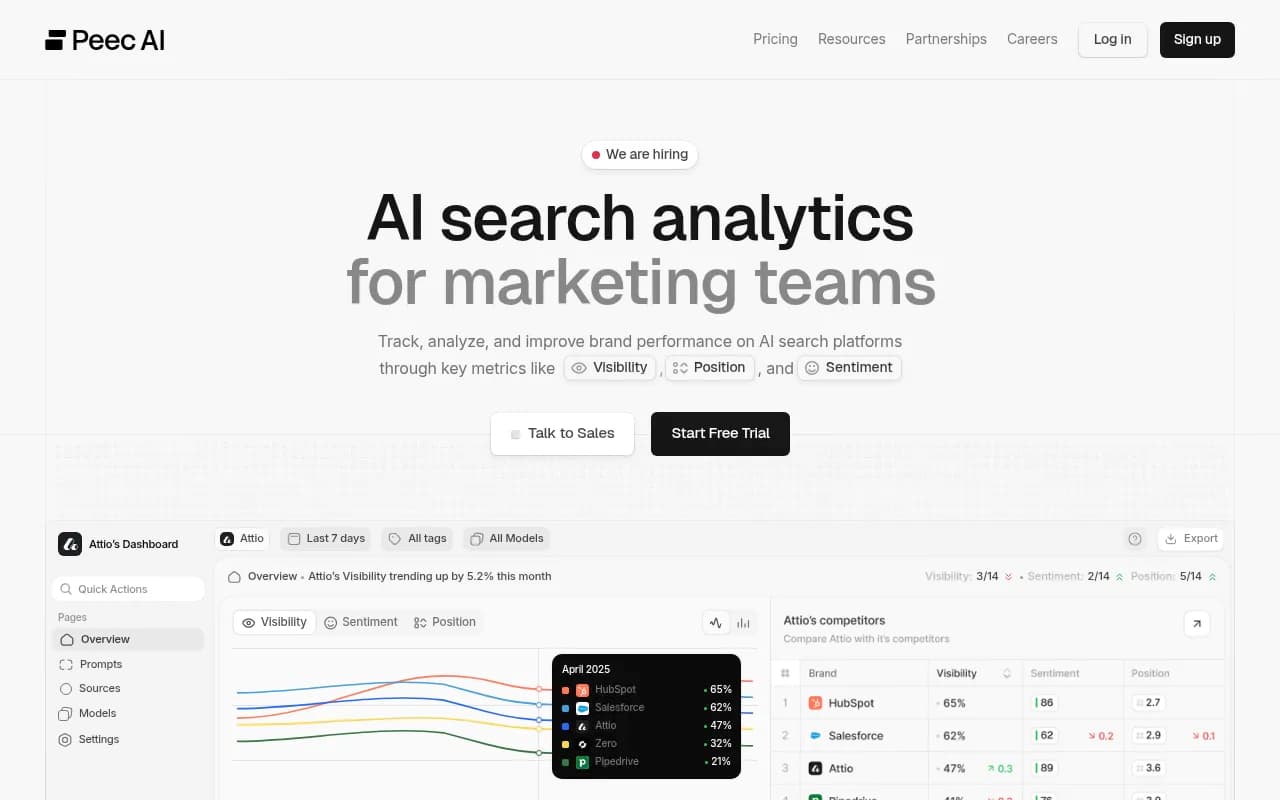
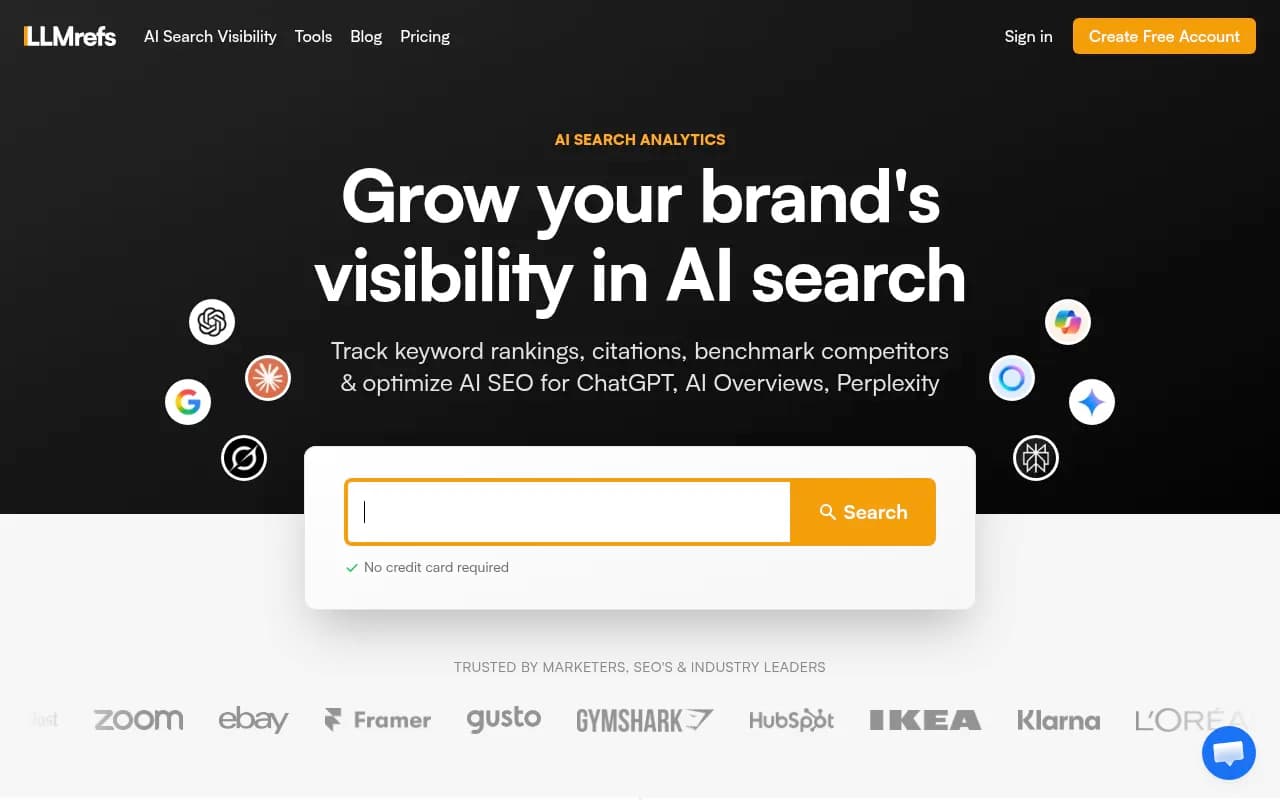
AI search monitoring -- lighter-weight tools focused on tracking your brand mentions and citation rates across AI engines.
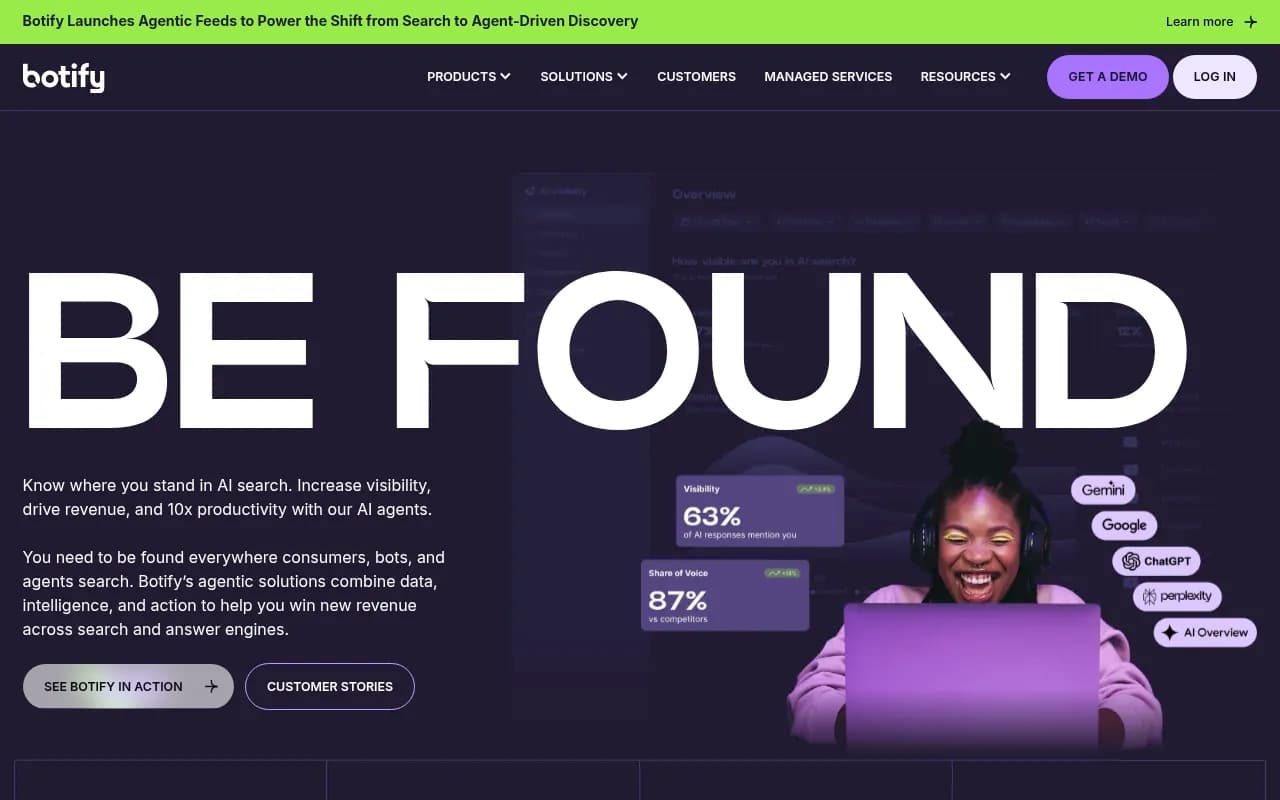
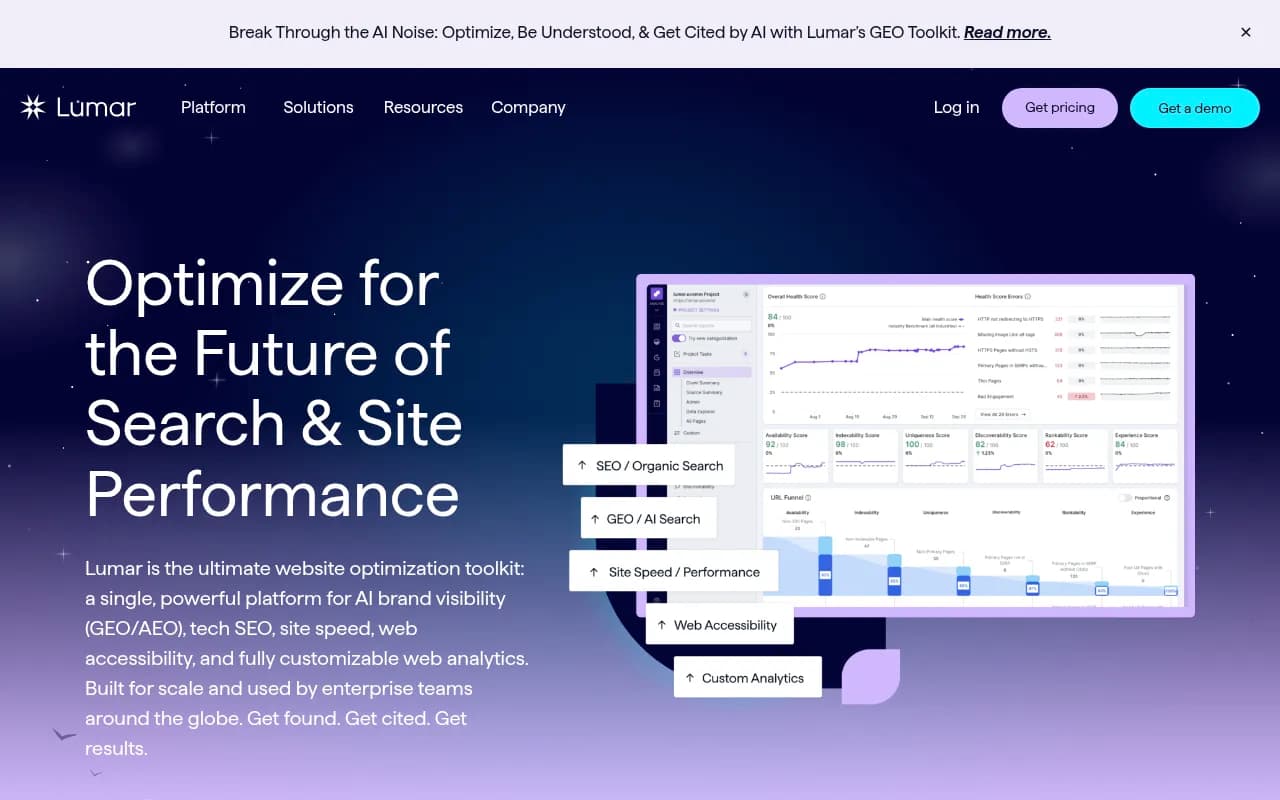
Technical SEO and schema tools -- for the structured data and crawlability side of entity optimization.
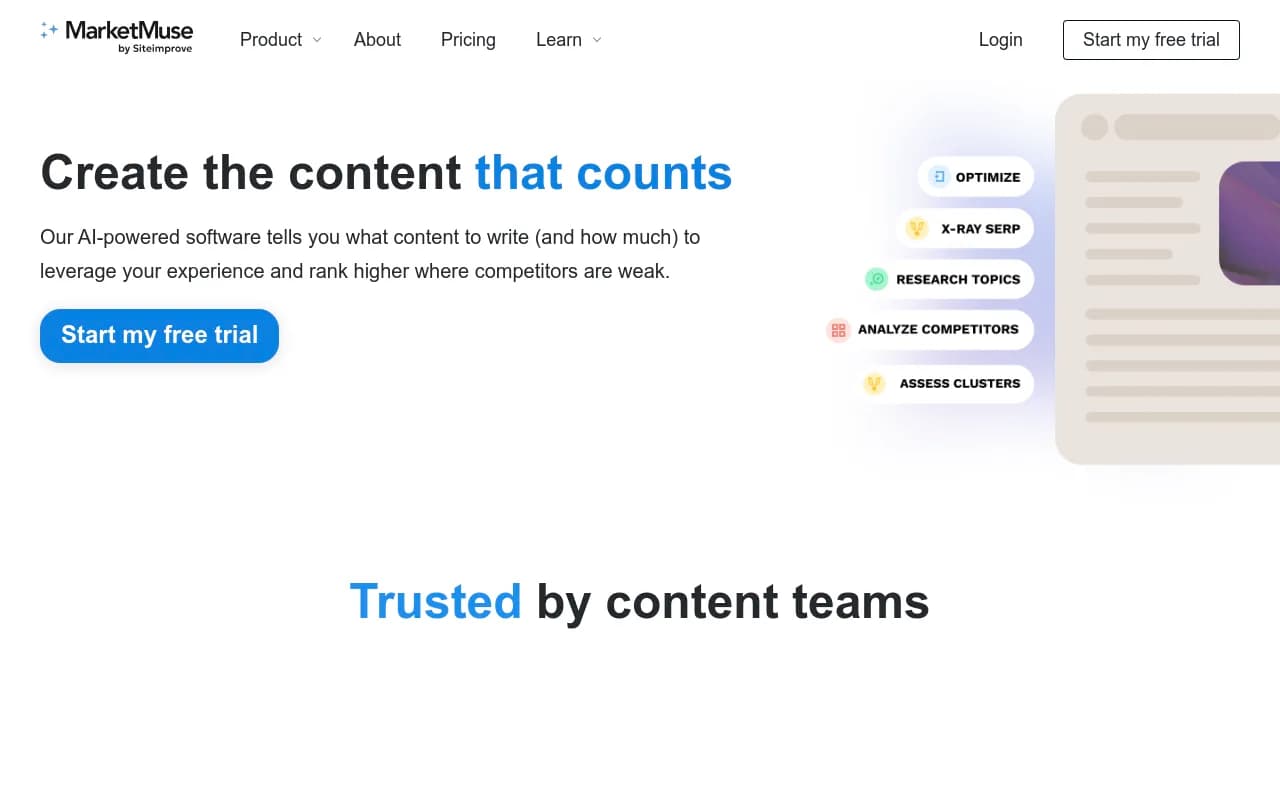
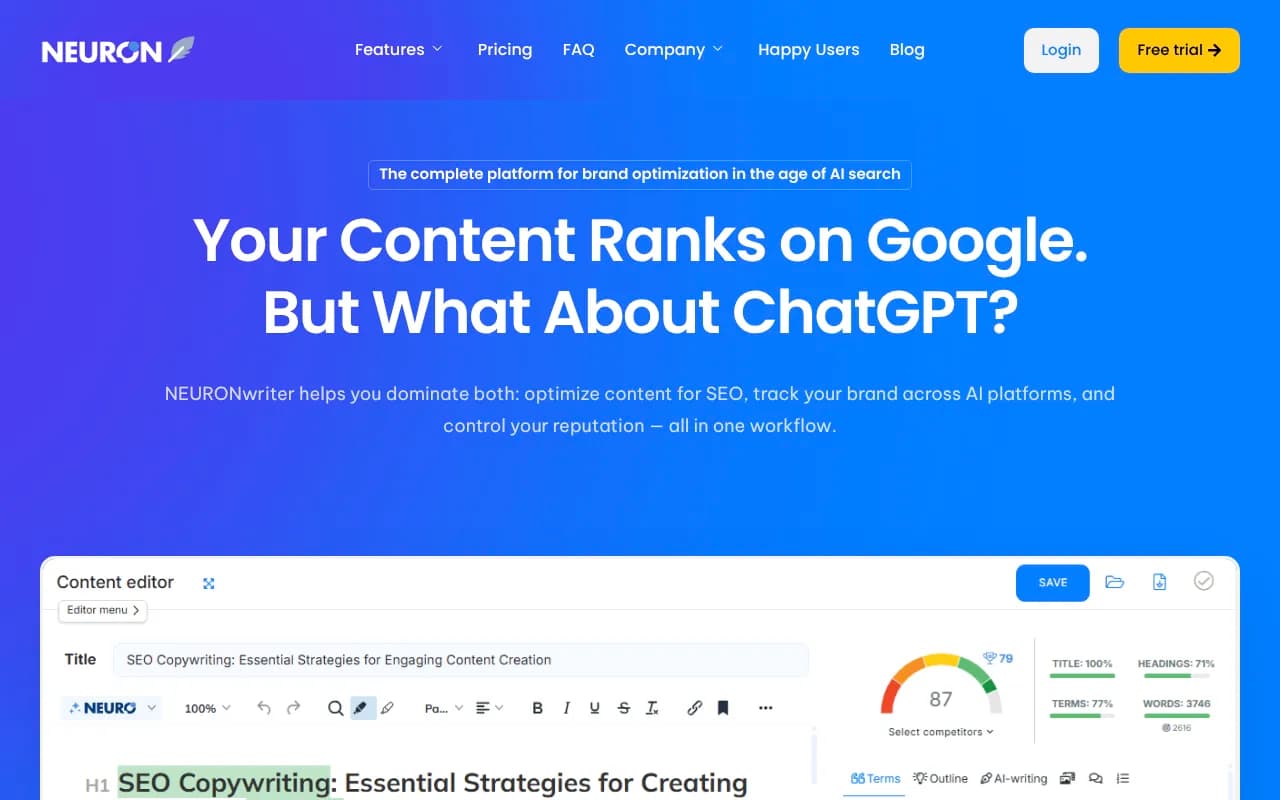
Content optimization -- for creating content that's structured to be cited by AI systems.
Common entity optimization mistakes
Inconsistent brand descriptions. Your homepage says one thing, your LinkedIn says another, your press releases say a third. Pick a canonical description and use it everywhere.
No sameAs links in schema. This is the most commonly missed schema property. Without it, AI systems can't confidently link your website entity to your presence on other platforms.
Blocking AI crawlers. Some security tools and bot-blocking configurations block GPTBot, ClaudeBot, and PerplexityBot by default. Check your robots.txt and server-side rules.
Thin topical coverage. Publishing one article on a topic doesn't establish topical authority. AI models want to see that you've covered a subject from multiple angles, at multiple depths.
Ignoring off-site signals. Your website is one input. If you're not actively building your presence on Reddit, review platforms, and industry publications, you're leaving a major entity signal on the table.
Treating entity optimization as a one-time project. AI models update their knowledge continuously. New crawls, new citations, new competitors entering your space -- entity optimization is ongoing, not a checkbox.
Measuring the impact of entity optimization
Traditional SEO metrics don't capture what's happening in AI search. You need different measurements:
- Citation rate: How often does your brand appear in AI-generated responses to relevant prompts?
- Share of voice: Across the prompts that matter in your category, what percentage of AI responses mention you vs. competitors?
- Citation sources: Which of your pages are being cited, and by which AI models?
- Prompt coverage: How many of the relevant questions in your space does your content answer?
These metrics require AI-specific tooling. Platforms like Promptwatch track citation rates across 10+ AI models, show you which pages are being cited and how often, and connect that visibility data to actual traffic and revenue. That last piece -- attribution -- is what most monitoring-only tools still can't do.
Where to start
If you're new to entity optimization, the highest-leverage starting points are:
- Implement
Organizationschema on your homepage withsameAslinks to your LinkedIn, Crunchbase, and any Wikipedia/Wikidata entries. - Standardize your brand name and description across every platform where you appear.
- Create or claim a Wikidata entry for your brand.
- Run a manual test: ask ChatGPT, Perplexity, and Gemini the questions your customers ask. See who gets cited. If it's not you, that's your content roadmap.
- Set up AI visibility tracking so you have a baseline to measure against.
Entity optimization isn't a replacement for good SEO -- it's the layer on top of it that determines whether your content gets surfaced in the AI responses that are increasingly where your customers are looking. The brands that invest in it now will have a compounding advantage as AI search continues to take share from traditional search over the next two years.