Key takeaways
- AI brand monitoring and GEO optimization are not the same thing -- one shows you data, the other helps you act on it
- Most tools on the market today are monitoring-only dashboards; they track your AI visibility but leave the fixing entirely to you
- Paying for monitoring without optimization is like paying for a gym membership and never going -- you have the data, but nothing changes
- GEO optimization requires content creation, gap analysis, and technical fixes grounded in real prompt data, not just dashboards
- Budget decisions should hinge on one question: does this tool help me improve my visibility, or just measure it?
There's a quiet confusion spreading through marketing budgets right now. Teams are signing up for AI visibility tools, getting dashboards full of charts, and then... not knowing what to do next. The tool shows them that ChatGPT mentions a competitor three times more often. It shows them they're invisible on Perplexity for their most important product category. It shows them their brand sentiment is "neutral."
And then it stops.
That's the gap between AI brand monitoring and GEO optimization. It sounds like a semantic distinction, but it has real consequences for what you spend, what you get, and whether anything actually improves.
What AI brand monitoring actually does
AI brand monitoring is exactly what it sounds like: it watches how AI models mention your brand and reports back. You get data on how often your brand appears in responses, which models cite you, what sentiment those mentions carry, and how you compare to competitors.
Tools in this category are genuinely useful. Knowing you're invisible in Gemini for a high-volume query is valuable information. Seeing that a competitor gets cited in ChatGPT shopping recommendations while you don't is worth knowing.
But monitoring is passive by design. It answers "what is happening?" It doesn't answer "why is this happening?" or "what should I do about it?"
Some solid monitoring-focused tools worth knowing:

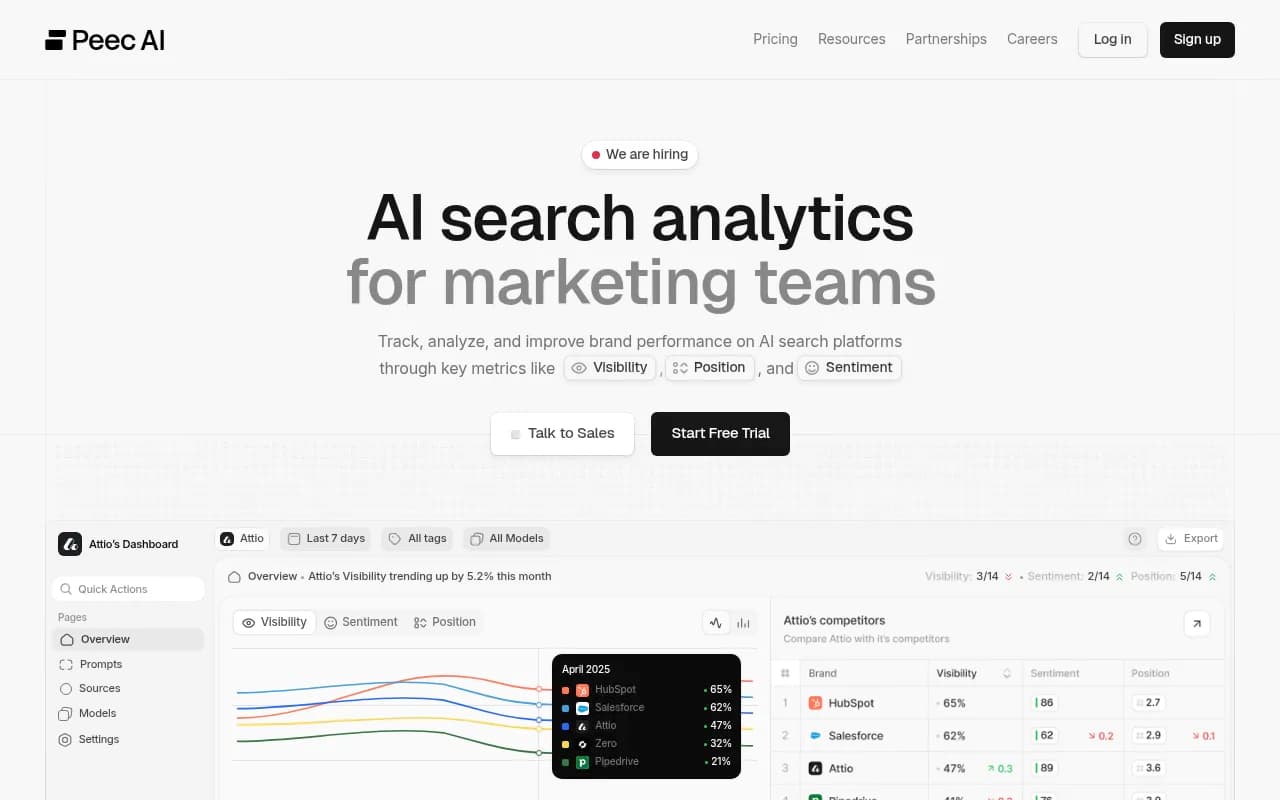
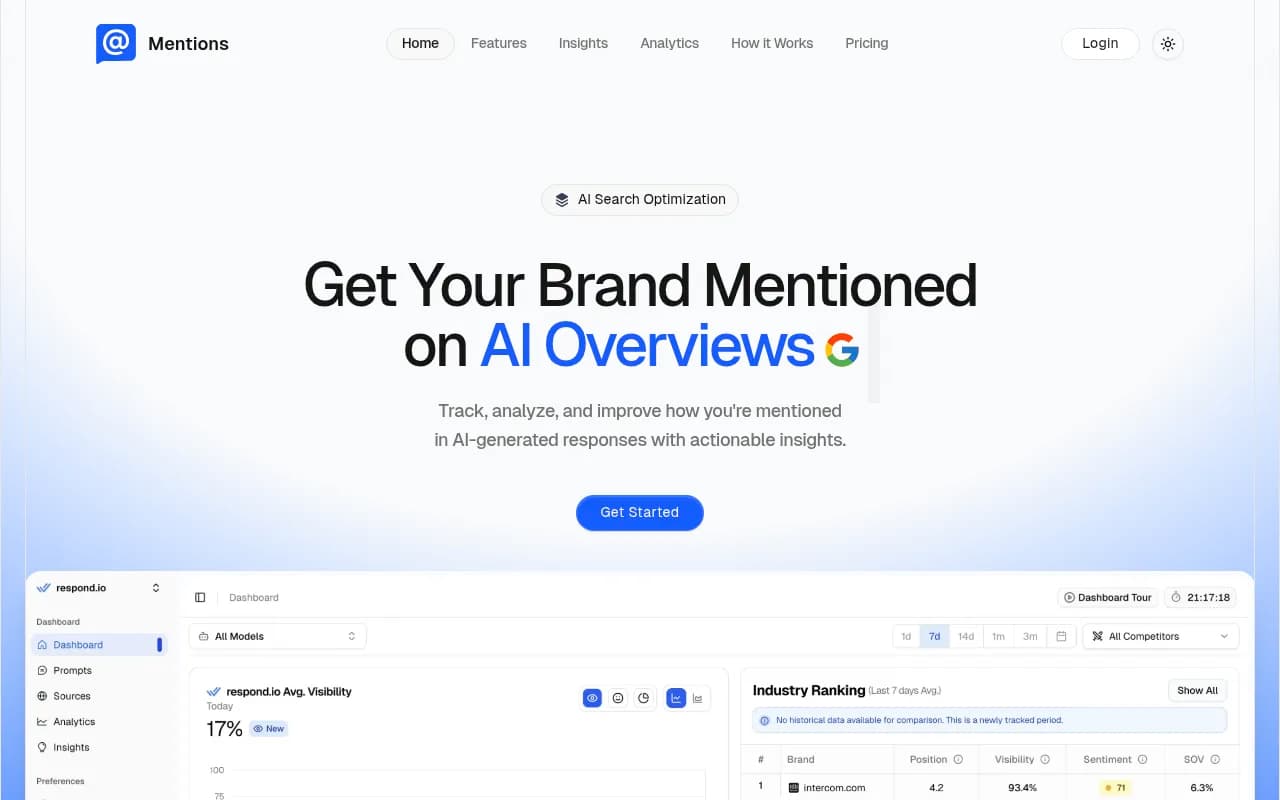
These tools track mentions, measure share of voice across LLMs, and give you a snapshot of your current AI visibility. For teams that just want to keep tabs on brand health in AI search, that's a reasonable starting point.
The problem comes when teams pay monitoring-tier prices expecting optimization-tier results.
What GEO optimization actually does
Generative Engine Optimization is the practice of improving how and how often AI models cite your brand. That means creating content AI models want to reference, fixing the gaps where competitors are visible and you're not, and understanding the specific prompts and questions your target audience is asking.
GEO optimization answers "what is happening?" but then goes further: "here's what's missing from your site, here's the content you need to create, and here's how to track whether it worked."
The distinction matters because AI models don't rank pages the way Google does. They synthesize information from sources they've crawled and trust. If your website doesn't have a clear, authoritative answer to a question someone is asking ChatGPT, you won't appear -- regardless of how well you rank in traditional search. According to Semrush data cited by marketer Ari Auerbach, visitors from AI models convert at 4.4x the rate of regular search visitors. That's not a channel you want to leave to chance.
GEO optimization requires:
- Identifying which prompts your audience uses (and which ones you're losing to competitors)
- Understanding what content AI models are pulling from when they answer those prompts
- Creating or updating content that fills those gaps
- Tracking whether AI crawlers are actually picking up your new content and citing it
The spectrum: where tools actually fall
Most tools in the market right now sit somewhere on a spectrum from "pure monitoring" to "full optimization platform." Here's an honest look at where things land:
| Tool type | What it does | What it doesn't do | Best for |
|---|---|---|---|
| Basic monitoring | Tracks brand mentions in AI responses | No content guidance, no gap analysis | Brand health checks |
| Monitoring + alerts | Tracks mentions + notifies on changes | Still no optimization path | Reactive teams |
| Monitoring + competitor comparison | Adds share-of-voice vs competitors | Shows the gap but doesn't help close it | Competitive benchmarking |
| Gap analysis + content briefs | Shows missing topics + suggests content | May not generate content or track results | Teams with strong in-house writers |
| Full GEO platform | Gap analysis + content generation + crawler tracking + attribution | Higher cost, more setup | Teams serious about improving AI visibility |
The tools that stop at monitoring are cheaper. They're also less useful if your actual goal is to appear more in AI search results.
Why the budget question is harder than it looks
A typical mid-market GEO retainer from an agency runs $2,000 to $10,000 per month, according to The Digital Elevator's 2026 pricing guide. That's a meaningful spend. So it's worth being precise about what you're actually buying.
If you're paying $500/month for a monitoring tool and $3,000/month for an agency to do GEO work, you might be paying twice for things that could be handled by one platform. Alternatively, if you're paying $500/month for a monitoring tool and doing nothing with the data, you're essentially paying for a report that collects dust.
The budget question isn't "how much does AI visibility cost?" It's "am I paying for measurement or for improvement?"
Some teams genuinely only need monitoring -- large enterprises that just want to track brand health, PR teams watching for sentiment shifts, or companies early in their GEO journey who need baseline data before investing in content. For those use cases, a monitoring tool is the right call.
But if you're trying to actually improve your visibility in ChatGPT, Perplexity, Google AI Overviews, or any other AI model, you need more than a dashboard.
What a real GEO optimization workflow looks like
Here's what separates a monitoring tool from an optimization platform in practice:
Step 1: Find the gaps
You need to know which prompts your target audience is using, which ones your competitors are winning, and which ones you're not appearing for at all. This isn't just "track your brand name" -- it's understanding the full landscape of questions AI models are answering in your category.
This is where prompt intelligence matters. Volume estimates, difficulty scores, and query fan-outs (how one prompt branches into sub-queries) help you prioritize. You don't want to spend three weeks creating content for a prompt nobody asks.
Step 2: Create content that fills those gaps
Once you know what's missing, you need to create content that answers those specific questions in a way AI models will trust and cite. That means content grounded in real prompt data, not generic SEO filler. It means understanding which sources AI models currently cite for those topics, what format they prefer, and what your competitors are doing that you're not.
This step is where most monitoring tools completely drop the ball. They show you the gap. They don't help you close it.
Step 3: Track whether it worked
After publishing, you need to know whether AI crawlers actually visited your new content, when they first cited it, and whether your visibility scores improved. Page-level tracking that connects specific content to specific citations is the difference between knowing your strategy is working and hoping it is.
Promptwatch is one of the few platforms that covers all three steps -- gap analysis, content generation grounded in real prompt data, and crawler-level tracking that shows you exactly when AI models move from crawling your page to citing it.

The tools worth knowing across the spectrum
For teams building out their AI visibility stack, here's a practical breakdown of tools worth evaluating:
Monitoring-focused
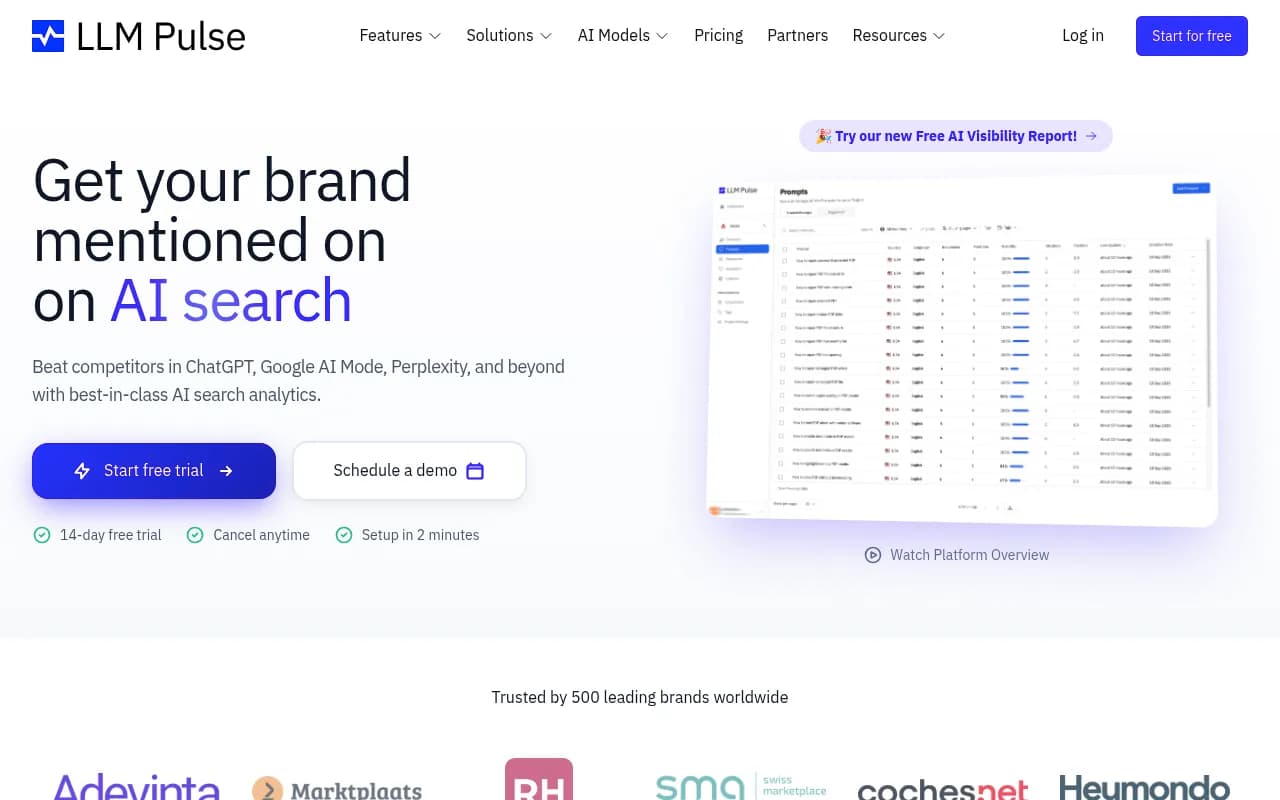
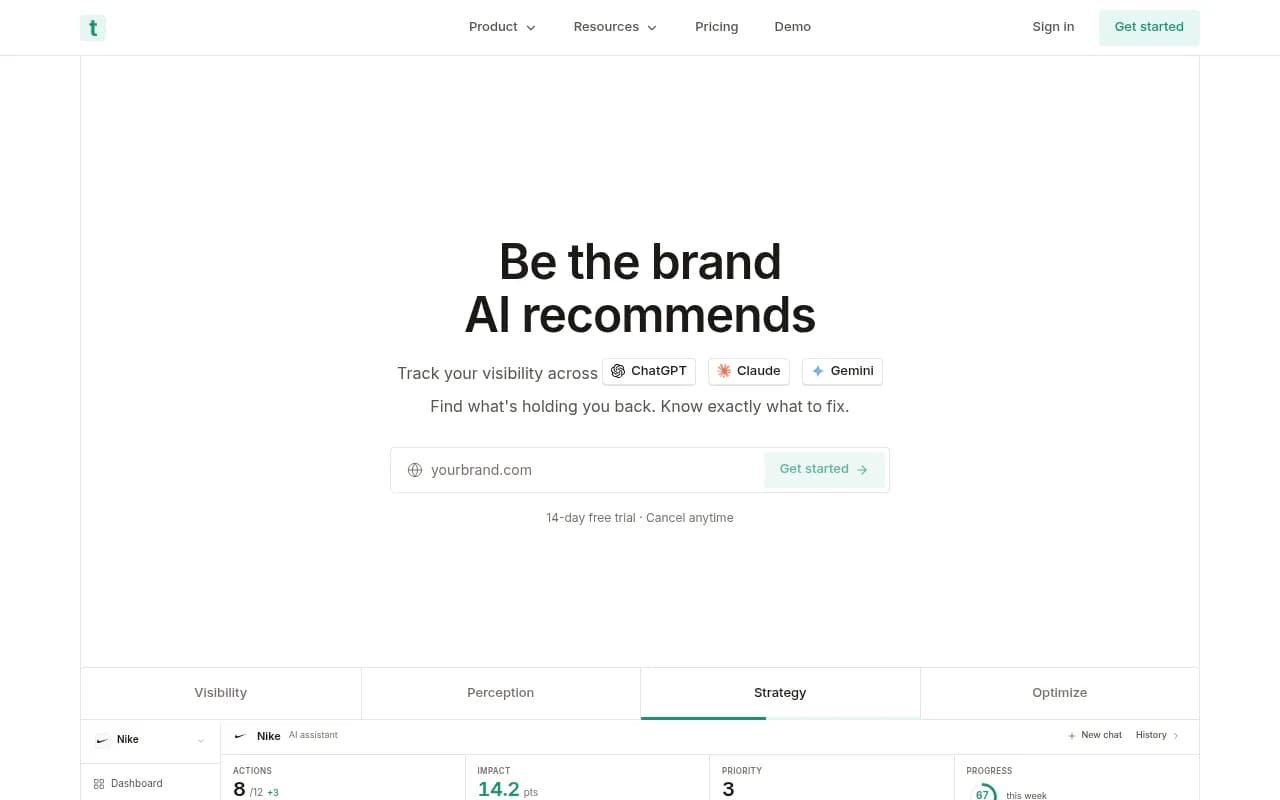
These are solid for tracking brand mentions and share of voice. Affordable, easy to set up, and good for baseline measurement.
Mid-tier: monitoring with some optimization features
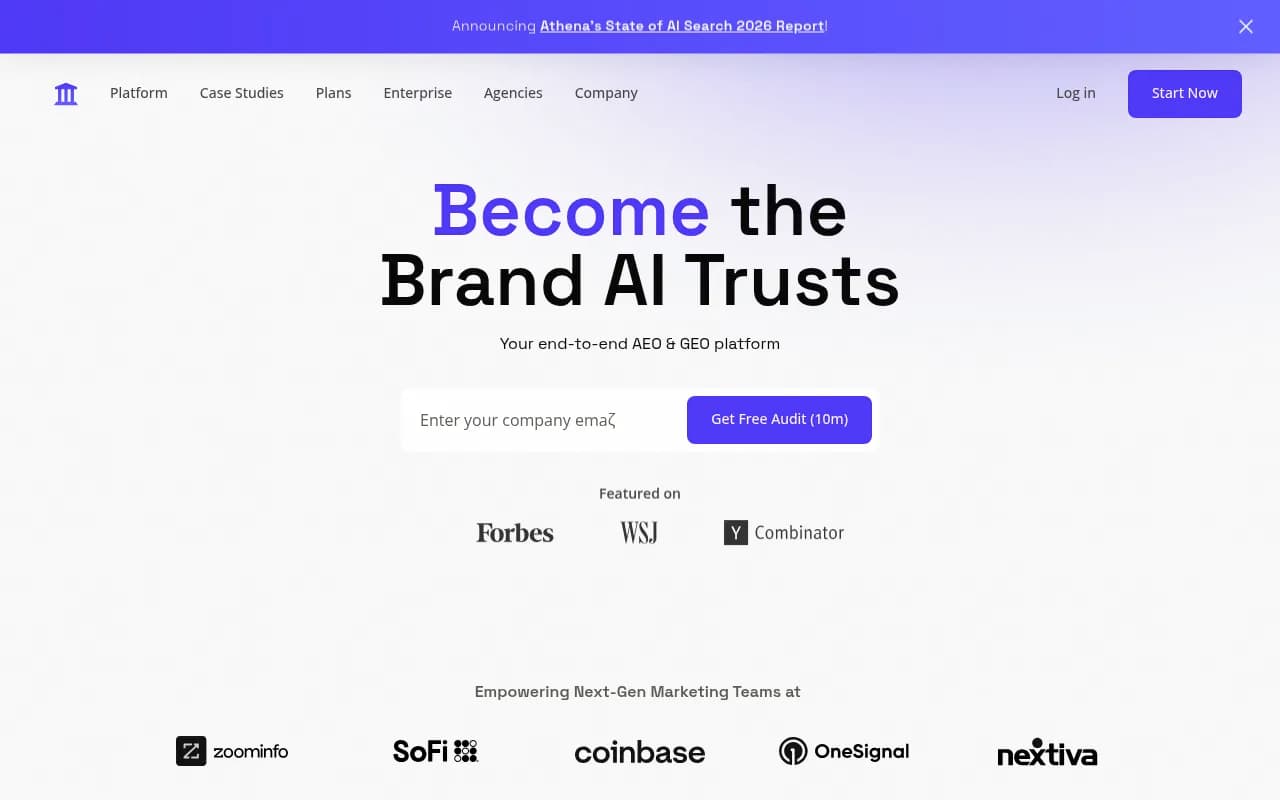
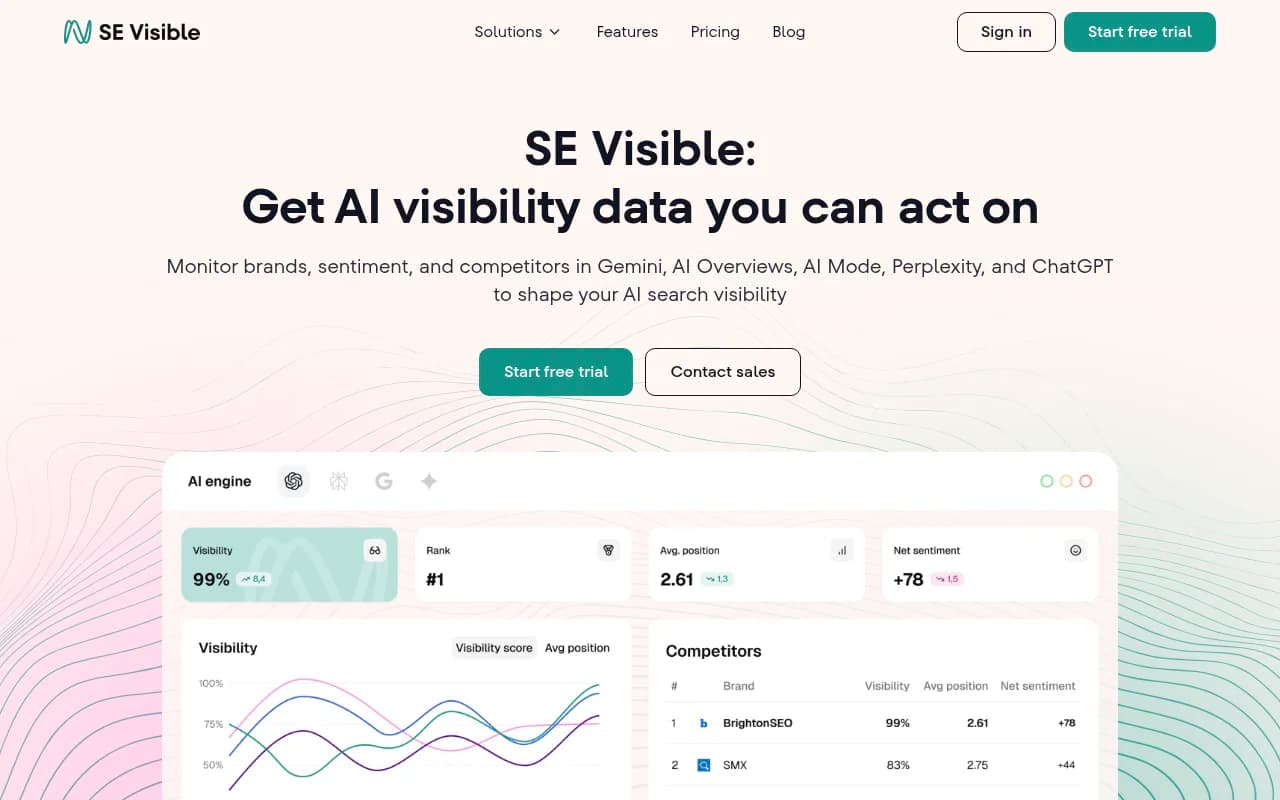
These add more depth -- competitor comparisons, some content guidance -- but still lean toward measurement over action.
Full GEO platforms
These platforms go beyond tracking to help you actually improve your visibility. The tradeoff is higher cost and more setup time, but if you're serious about AI search as a channel, the investment makes more sense than paying for monitoring and then figuring out the optimization separately.
A comparison of the major approaches
| Approach | Monthly cost range | Covers gap analysis | Covers content creation | Covers crawler tracking | Best for |
|---|---|---|---|---|---|
| Basic monitoring tool | $50-$300 | No | No | No | Brand health tracking |
| Mid-tier monitoring | $300-$800 | Partial | No | No | Competitive benchmarking |
| Full GEO platform | $99-$600+ | Yes | Yes (some) | Yes (some) | Teams improving AI visibility |
| Agency GEO retainer | $2,000-$10,000/mo | Yes | Yes | Varies | Teams without in-house capacity |
| Traditional SEO tool (Semrush, Ahrefs) | $100-$500 | Limited | No | No | Traditional search, limited AI |
The right answer depends on your goals. But the mistake most teams make is assuming a monitoring tool is a GEO strategy. It's not. It's a measurement tool for a GEO strategy.
The technical side most teams ignore
One thing that rarely comes up in monitoring vs. optimization discussions: AI crawler behavior.
AI models don't just pull from their training data. They actively crawl the web, and the pages they crawl most frequently are the ones they're most likely to cite. If your website has technical issues -- slow load times, crawl errors, JavaScript rendering problems -- AI crawlers may visit but fail to properly index your content.
Monitoring tools typically don't show you this. You'd see that you're not being cited, but you wouldn't know whether it's a content gap or a technical crawling issue.
Full GEO platforms that include crawler logs give you visibility into which AI agents are hitting your site, which pages they're reading, what errors they're encountering, and how frequently they return. That data is genuinely different from what you get in a standard monitoring dashboard -- and it's often the difference between understanding why you're invisible and just knowing that you are.
How to decide what you actually need
Ask yourself three questions:
-
Do I know which AI prompts my audience uses and which ones I'm losing to competitors? If no, you need gap analysis, not just monitoring.
-
Do I have a process for creating content that fills those gaps? If no, you need a platform that helps with content generation or a clear workflow for doing it yourself.
-
Can I tell whether my content changes are actually being picked up by AI crawlers? If no, you're flying blind on whether your GEO work is working.
If you answered "no" to any of these, a monitoring-only tool isn't enough. You need something that closes the loop between measurement and action.
The good news is that the category has matured enough in 2026 that you don't have to choose between "cheap monitoring" and "expensive enterprise platform." There are mid-market options that cover the full cycle without requiring a Fortune 500 budget.
The key is going in with clear expectations about what you're buying -- and not confusing a dashboard that shows you where you're losing with a tool that actually helps you win.