Key takeaways
- Rankscale, ZipTie, and Radarkit are all lightweight AI visibility trackers -- none of them are enterprise platforms, and that's fine for most small-to-mid-sized teams
- Rankscale's standout feature is its AI Readiness Score, which audits your site for why AI models might be ignoring you, not just whether they are
- ZipTie focuses on deep citation and source analysis, making it useful if you want to understand where AI answers are actually pulling content from
- Radarkit is the most feature-complete of the three at its price point, with competitor share-of-voice tracking, multi-location checks, and sentiment analysis starting at $29/month
- If you need to go beyond monitoring and actually fix your AI visibility gaps with content generation and crawler analytics, these three tools will hit a ceiling -- that's where a platform like Promptwatch becomes relevant
The AI visibility tracking space has exploded. Two years ago there were maybe five tools worth mentioning. Now there are dozens, and a lot of them look identical from the outside -- dashboards, brand mention rates, share-of-voice charts. The real differences only show up when you dig into what each tool actually measures, how fresh the data is, and whether it helps you do anything about what you find.
This guide focuses on three tools that occupy a similar market position: Rankscale, ZipTie, and Radarkit. They're all relatively affordable, they're all aimed at marketing teams and SEO practitioners rather than enterprise data teams, and they all promise to tell you how your brand shows up in AI-generated answers. But they make different bets about what matters most.
Here's what I found after looking closely at all three.
What these tools are actually trying to do
Before getting into the comparison, it's worth being clear about the category. AI visibility trackers automate what would otherwise take hours of manual work: querying ChatGPT, Perplexity, Gemini, Claude, and other models with the prompts your customers actually use, then recording whether your brand appears, how prominently, and what the AI says about you.
The baseline features -- prompt tracking, brand mention rate, share of voice, competitor comparisons -- are now table stakes. Every serious tool in this space has them. Where tools diverge is in:
- How they explain why you're visible or invisible (not just whether you are)
- How many AI models they cover
- Whether they track citations and sources (not just mentions)
- Whether they help you fix the gaps they find
Rankscale, ZipTie, and Radarkit each have a different answer to those questions.
Rankscale
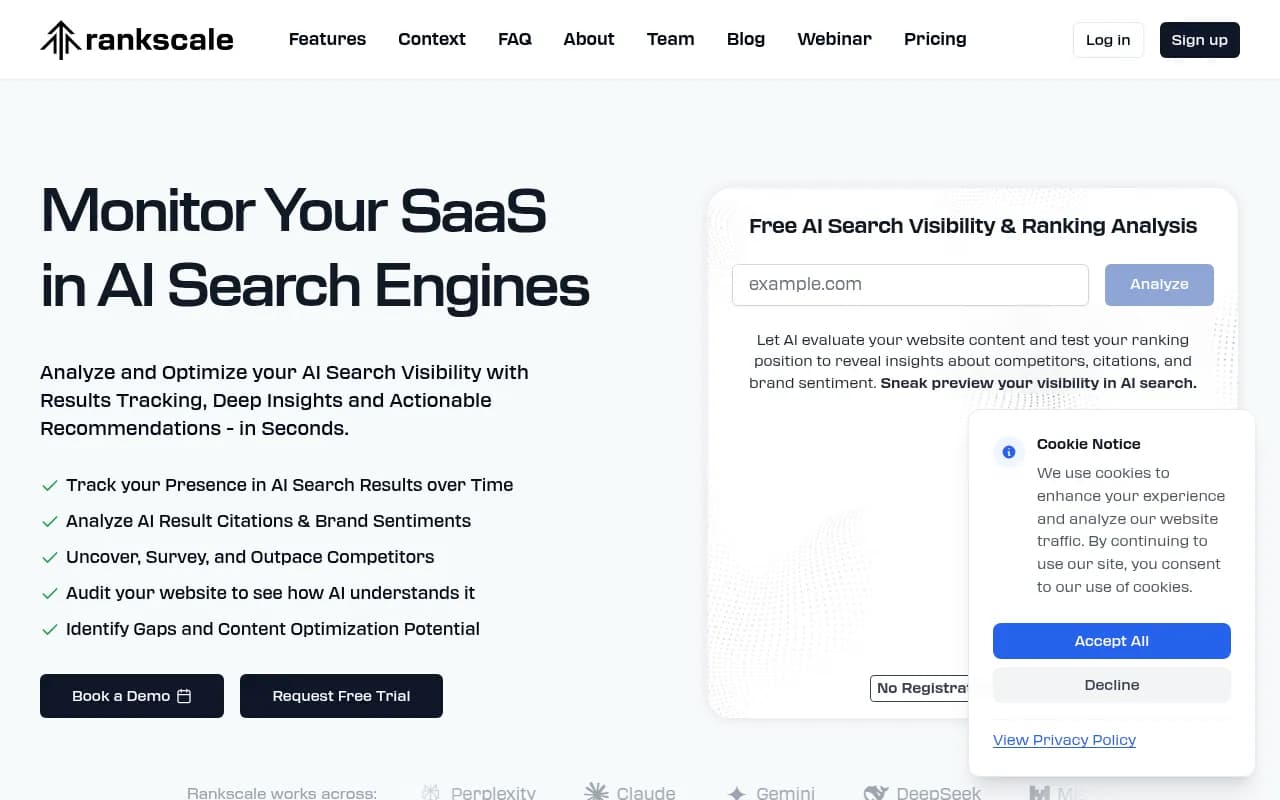
Rankscale's most interesting feature is something it calls the AI Readiness Score. Rather than just showing you a visibility percentage, it audits your site for the structural and technical factors that affect whether AI models can confidently use your content in their answers. That means looking at content clarity, authority signals, technical setup, and how well your pages answer the kinds of questions AI models are likely to receive.
This is a genuinely useful reframe. Most visibility trackers answer "are we visible?" Rankscale tries to answer "are we referenceable?" -- which is the more actionable question. If you're invisible, knowing your AI Readiness Score gives you a starting point for fixing it rather than just staring at a low percentage.
The trade-off is that Rankscale is more diagnostic than operational. It's good at telling you what's wrong. It's less strong on helping you act on that diagnosis -- there's no built-in content generation, no crawler logs, and the prompt coverage is narrower than some competitors.
That said, for teams that want a clear, structured audit of their AI visibility posture, Rankscale is one of the more thoughtful tools in this price range.
ZipTie
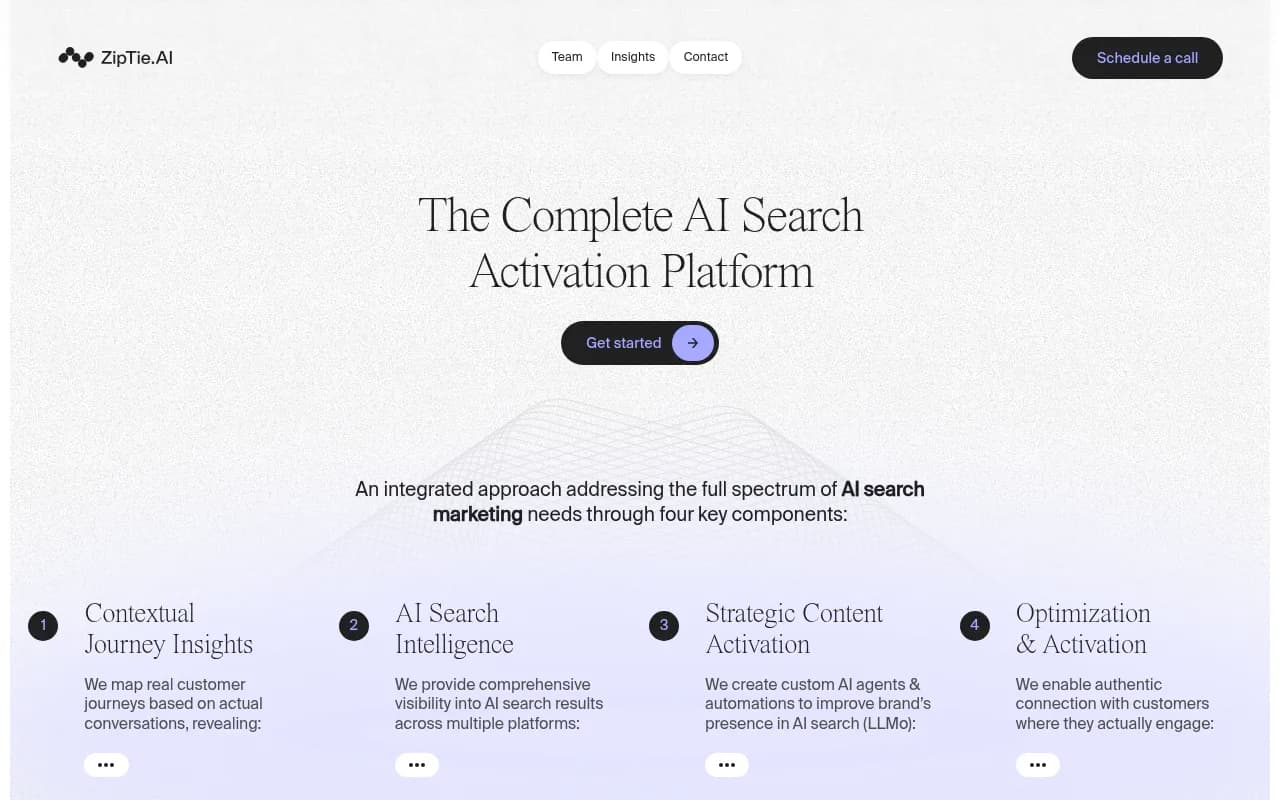
ZipTie takes a different angle. Its emphasis is on deep analysis of AI search visibility -- specifically, understanding the citation and source layer of AI answers. Where most tools tell you whether your brand was mentioned, ZipTie digs into which pages, domains, and sources AI models are actually pulling from when they construct their answers.
This matters more than it might seem. AI models don't just mention brands -- they cite specific pages, Reddit threads, YouTube videos, and third-party sources. If your brand is invisible, it might be because your own pages aren't being cited, or it might be because the third-party sources that AI models trust aren't mentioning you. Those are different problems with different solutions.
ZipTie's source analysis helps you figure out which situation you're in. It's particularly useful for teams doing competitive research -- you can see exactly which sources are driving a competitor's AI visibility and reverse-engineer what's working for them.
The downside is that ZipTie's interface can feel data-heavy for teams that just want a quick visibility score. It's a tool for people who want to understand the mechanics, not just the headline number.
Radarkit
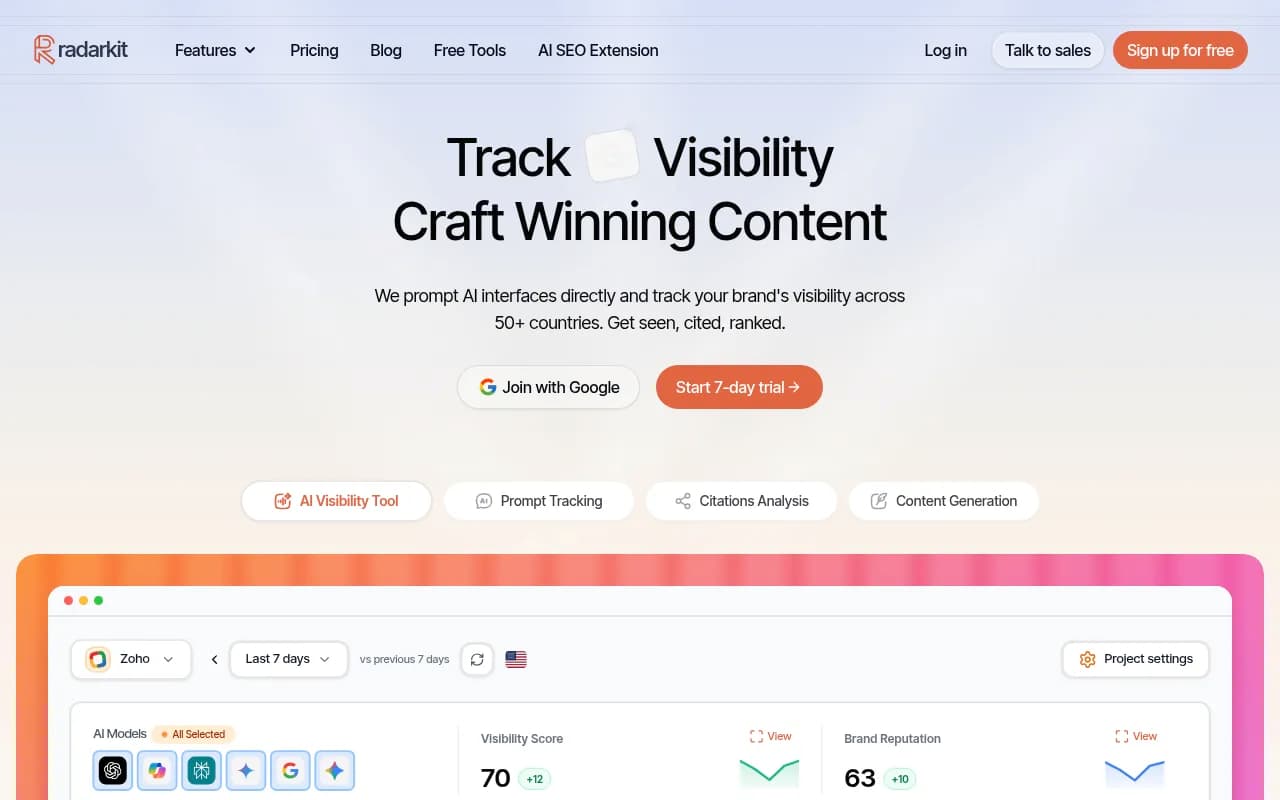
Radarkit is probably the most feature-complete of the three at its entry price point. Starting at $29/month for the Lite tier, it covers LLM visibility tracking across ChatGPT, Perplexity, and Gemini, with prompt-based monitoring, citation insights, multi-location checks, competitor share of voice, and daily or 72-hour refresh cycles.
The multi-location tracking is worth calling out specifically. If you're a brand that operates in multiple cities or regions, or an agency managing clients with local presence, Radarkit's ability to check AI responses by location is genuinely useful. AI models can give different answers depending on where the user is perceived to be, and most lightweight trackers don't account for that.
Radarkit also includes sentiment analysis, which goes beyond "did we appear?" to "what did the AI say about us when we appeared?" That's a meaningful distinction -- appearing in an AI answer as a cautionary example is very different from appearing as a recommendation.
The main limitation is that Radarkit, like the other two tools here, is primarily a monitoring platform. It shows you data. The gap analysis and content generation capabilities that would let you act on that data aren't part of the core product.
Side-by-side comparison
| Feature | Rankscale | ZipTie | Radarkit |
|---|---|---|---|
| Starting price | ~$49/mo | ~$49/mo | $29/mo (Lite) |
| AI Readiness Score / site audit | Yes (core differentiator) | No | No |
| Citation / source analysis | Basic | Deep (core differentiator) | Yes |
| Competitor share of voice | Yes | Yes | Yes |
| Multi-location tracking | Limited | No | Yes |
| Sentiment analysis | Yes | Limited | Yes |
| LLMs covered | ChatGPT, Gemini, Perplexity | ChatGPT, Perplexity, others | ChatGPT, Perplexity, Gemini |
| Content generation | No | No | No |
| Crawler / indexing logs | No | No | No |
| Best for | Site-level AI readiness audits | Source and citation research | Broad monitoring at low cost |
How they compare to the wider market
It's worth zooming out for a moment. Rankscale, ZipTie, and Radarkit are all monitoring tools. They're good at showing you the current state of your AI visibility. What they don't do is close the loop -- they can't tell you which content to create, generate that content, or show you how a new page moves from being crawled by AI agents to being cited in answers.
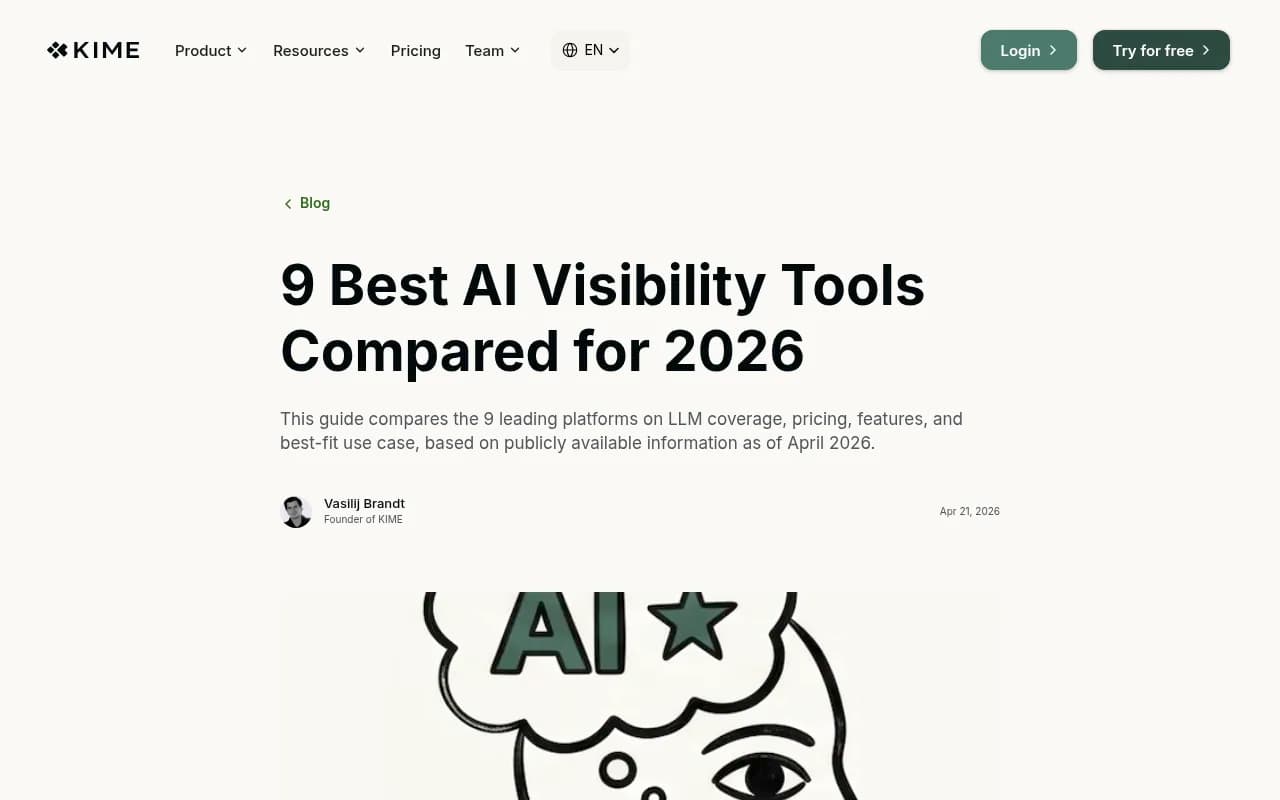
That gap matters more as AI search becomes a serious traffic channel. According to data cited in the KIME research roundup, AI-referred visits convert at 3x to 9x the rate of traditional Google organic traffic. At those conversion rates, "we know we're invisible but don't know what to do about it" is an expensive place to be.
For teams that need to go beyond monitoring, a platform like Promptwatch covers the full cycle: finding the specific prompts where competitors are visible but you're not, generating content engineered to fill those gaps, and tracking how that content performs as AI models start citing it.

That's a different product category from what Rankscale, ZipTie, and Radarkit offer -- and a higher price point to match. But it's worth knowing the distinction exists before you commit to a monitoring-only tool and wonder later why your visibility numbers aren't improving.
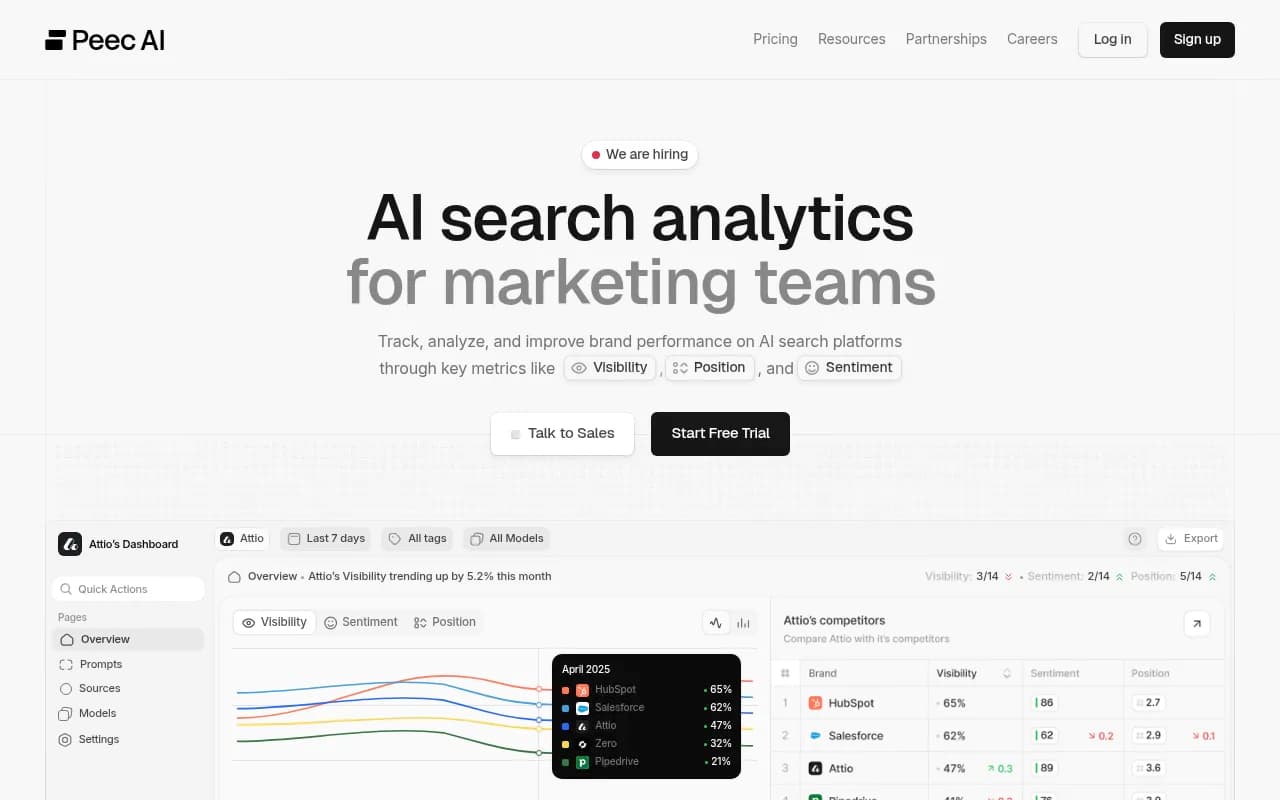
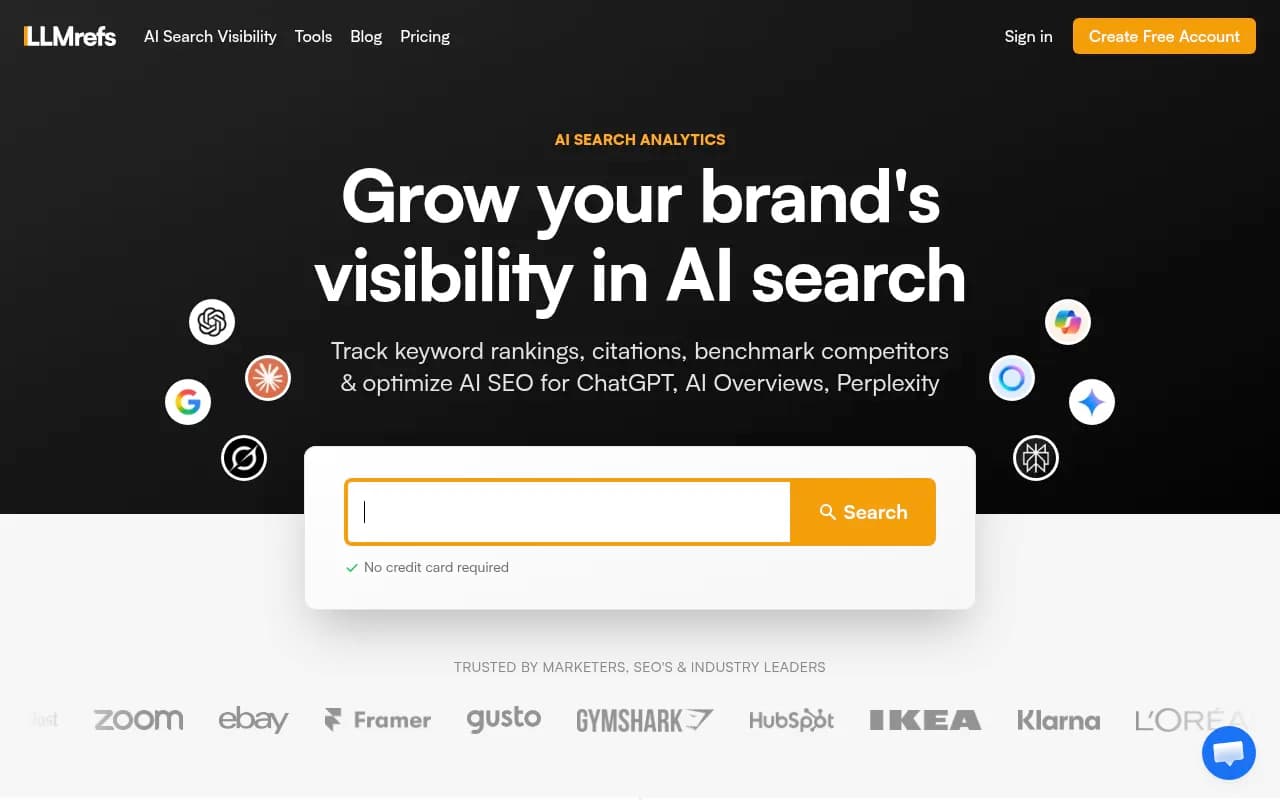
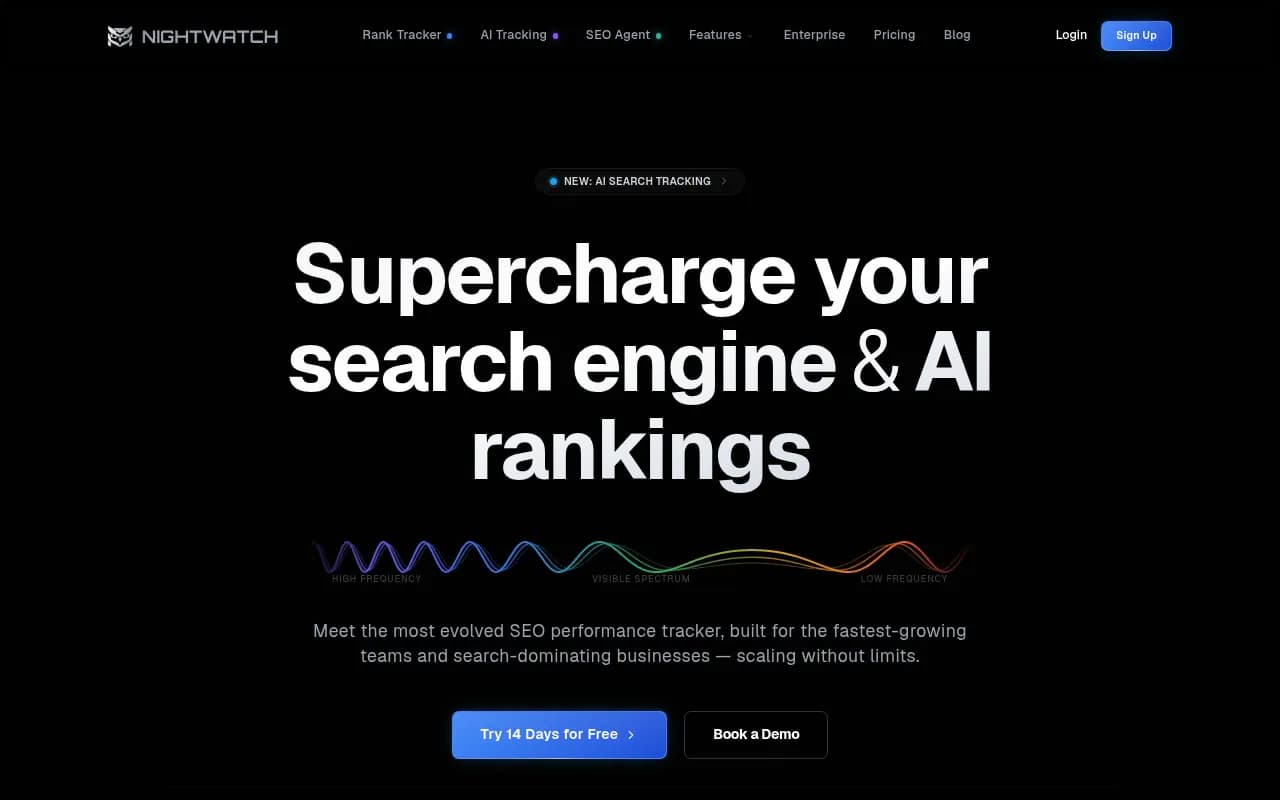
Other tools worth considering in this space, depending on your needs:

Which tool should you pick?
The honest answer is that the right choice depends on what question you're actually trying to answer.
If you want to understand why your site isn't being referenced by AI models -- and you want a structured audit that tells you what to fix -- Rankscale's AI Readiness Score is the most useful starting point. It's diagnostic in a way the other two aren't.
If you're doing competitive research and want to understand the source layer of AI answers -- which pages, domains, and third-party sources are driving your competitors' visibility -- ZipTie's citation analysis is the most detailed option in this price range.
If you want broad monitoring coverage at the lowest entry price, with multi-location tracking and sentiment analysis included, Radarkit gives you the most features per dollar. It's a solid choice for agencies managing multiple clients or brands with regional presence.
All three are reasonable choices for teams that are just getting started with AI visibility tracking. None of them will take you all the way from "we know there's a gap" to "we've fixed it and can see the results." For that, you'll eventually need something more.
A note on the category overall
The AI visibility tracking space is still young, and the tools are evolving fast. What's true about feature sets and pricing today may look different in six months. The Brainlabs comparison of AI visibility tools (published February 2026) makes a useful observation: most platforms now share the same baseline capabilities, and the real differentiator is whether they help you interpret data, connect it to performance, and turn it into action.
That's a good frame for evaluating any tool in this space, including these three. Monitoring is table stakes. The question worth asking is: after I see the data, what can I actually do with it?
For Rankscale, ZipTie, and Radarkit, the honest answer is: you can understand your situation better. That's genuinely valuable. Just go in knowing that understanding and fixing are two different things.