Key takeaways
- Brand visibility in AI search means how often and how prominently AI systems like ChatGPT, Perplexity, and Google AI Overviews mention or cite your brand in their responses.
- This is fundamentally different from traditional SEO visibility, which tracks keyword rankings and click-through rates.
- AI engines don't offer a list of options -- they pick one or two sources they trust. If you're not in that set, you're invisible to a growing share of buyers.
- Measuring AI visibility requires tracking citation rates, mention frequency, sentiment, and which prompts trigger your brand across multiple AI models.
- Dedicated GEO/AEO platforms now exist specifically for this -- the old SEO tools weren't built for it.
There's a question most marketing teams still haven't asked themselves: when someone asks ChatGPT which product to buy in your category, does your brand come up?
Not "do we rank on page one." Not "do we have a good click-through rate." Does an AI system, when asked a question your customers are actively asking, mention your brand by name?
That's what brand visibility in AI search actually means in 2026. And it's a genuinely different thing from what we've been measuring for the past two decades.
The old definition vs. the new one
Traditional brand visibility was always a per-channel metric. You'd track your search engine rankings, your social media reach, your earned media mentions, your share of voice in press coverage. All of it added up to a rough picture of how often your target audience encountered your brand when they were paying attention.
That framework still matters. But it has a gap in it now -- a big one.
ChatGPT has 910 million weekly active users. Google AI Overviews reaches 2 billion monthly users across 200+ countries. These aren't niche tools anymore. They're where a significant portion of pre-purchase research happens. And they work completely differently from a search results page.
When someone types a query into Google, they get a list of links. They can scroll, compare, click around. Your brand might be on page one, or page two, or buried somewhere -- but the list exists, and a curious buyer can find you.
When someone asks an AI system the same question, they get an answer. One answer. Sourced from a small set of brands the AI has decided are credible and relevant. There's no page two. There's no "also consider." The AI picks, and everyone else is invisible.
That's the shift. Brand visibility in AI search means being in that small set of trusted sources -- or not existing at all, from the AI's perspective.
What "AI visibility" actually measures
AI visibility tracks how frequently and prominently your brand appears in AI-generated responses when users ask relevant questions. It's not a single number. It breaks down into several dimensions:
Citation rate: How often does your brand get cited as a source when AI engines answer questions in your category? This is the core metric. A citation means an AI model pulled content from your website or mentioned your brand as part of its answer.
Mention frequency: Even when you're not cited as a source, is your brand name appearing in the response? Being mentioned without a citation is weaker than being cited, but it still puts you in the buyer's consideration set.
Prompt coverage: Which specific questions or prompts trigger your brand? You might appear for "best project management software for remote teams" but not for "project management software for agencies." Knowing your coverage gaps tells you where to focus.
Sentiment in responses: When AI systems mention your brand, what do they say? Are you described as a trusted option, a budget choice, a niche tool? The framing matters.
Cross-model consistency: Does your brand appear in ChatGPT responses but not Perplexity? Strong in Google AI Overviews but invisible in Claude? Each model has different training data and citation behavior, so visibility varies.
Share of voice: Compared to your competitors, how often does your brand appear for the prompts that matter to your category? This is where competitive benchmarking comes in.
Why this is different from traditional SEO visibility
SEO visibility answers: "where do I rank for this keyword?"
AI visibility answers: "does an AI system trust my content enough to cite it when someone asks this question?"
The inputs are different. Traditional SEO rewards technical optimization, backlink profiles, keyword density, page speed. AI visibility rewards something closer to genuine authority -- being the source that actually answers the question well, being cited by other credible sources, having a clear entity identity that AI models can recognize and trust.
There's also a structural difference in how you measure it. With SEO, you can check your rankings directly in Google Search Console or any rank tracker. With AI search, you have to query the AI systems themselves, systematically, across a range of prompts, and record what they say. That's a fundamentally different kind of monitoring.
One more thing that catches people off guard: AI models don't always behave the same way through an API as they do in a real user interface. The answers a user sees in ChatGPT's web interface can differ from what you'd get through the API. Real measurement has to account for that.
How AI engines decide what to cite
This is the part most guides gloss over, but it's worth understanding because it directly shapes what you should do about your visibility.
AI search engines aren't just running a keyword match against indexed pages. They're making a judgment about credibility and relevance. The signals they use include:
- Whether your content directly and clearly answers the question being asked
- Whether your brand is mentioned and cited by other authoritative sources (think: industry publications, Reddit discussions, YouTube reviews, third-party comparison sites)
- Whether your website has a clear entity identity -- meaning AI models can understand who you are, what you do, and who you serve
- Whether your content is structured in a way that's easy for AI crawlers to parse and extract
- Whether your brand appears consistently across multiple contexts and sources, not just your own website
That last point is important. A lot of brands focus entirely on their own site and ignore what's being said about them elsewhere. But AI models are synthesizing information from across the web. A Reddit thread where users recommend your product, a YouTube review that ranks well, a listicle on an industry blog -- these all feed into how AI systems perceive your brand's credibility.
The measurement problem
Here's the honest challenge: measuring AI visibility is harder than measuring SEO visibility, and most traditional tools weren't built for it.
Google Search Console tells you nothing about whether ChatGPT is citing your pages. Your rank tracker doesn't query Perplexity. Your social listening tool isn't watching what Claude says about your brand.
To actually measure AI visibility, you need to:
- Define the prompts that matter to your category -- the questions your customers are actually asking AI systems
- Run those prompts across multiple AI models, regularly, to capture how responses change over time
- Record whether your brand is cited, mentioned, or absent in each response
- Track which of your pages are being cited and how often
- Compare your visibility against competitors for the same prompts
- Monitor AI crawler activity on your own site to understand how AI engines are discovering and reading your content
That's a lot of manual work if you're doing it by hand. Most teams that are serious about this use dedicated platforms.
Promptwatch is one of the more complete options -- it tracks visibility across 10 AI models, logs AI crawler activity on your site, and connects visibility data to actual traffic and revenue. But there are several tools worth knowing about depending on your needs and budget.

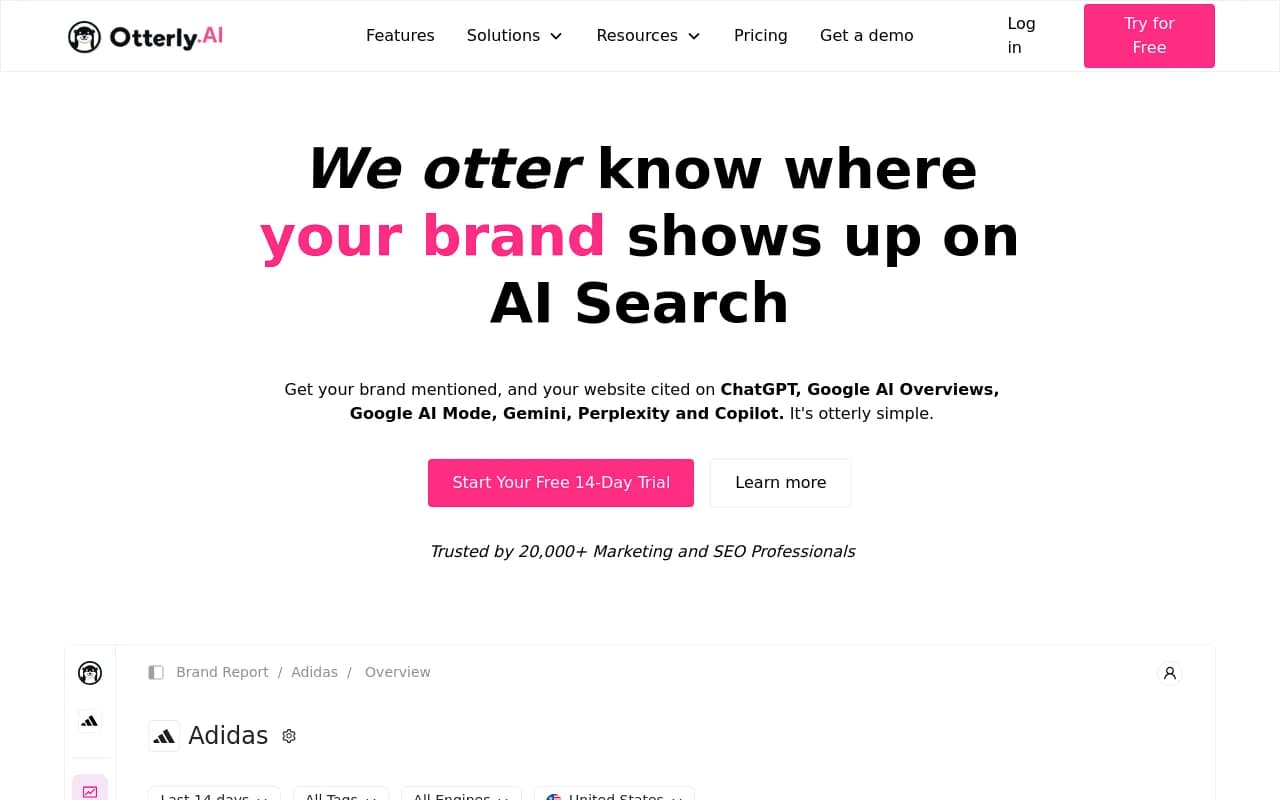
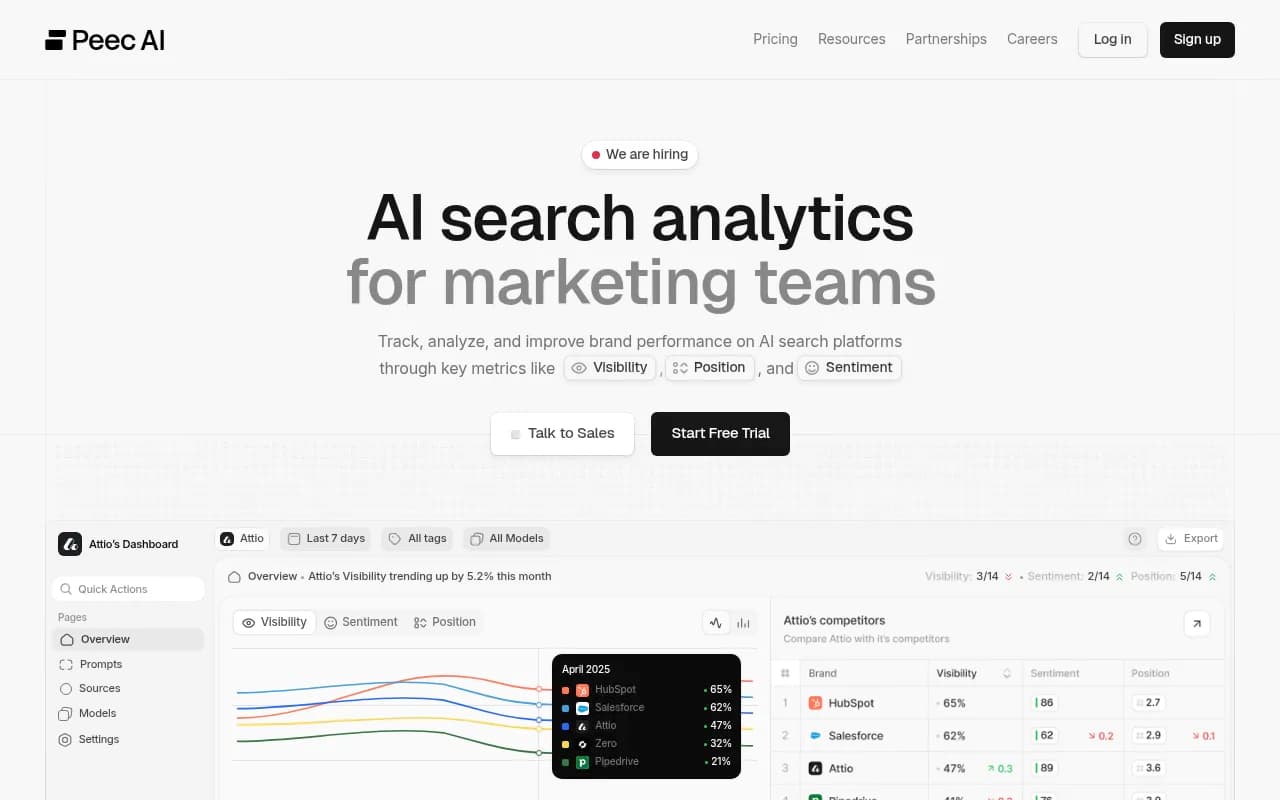
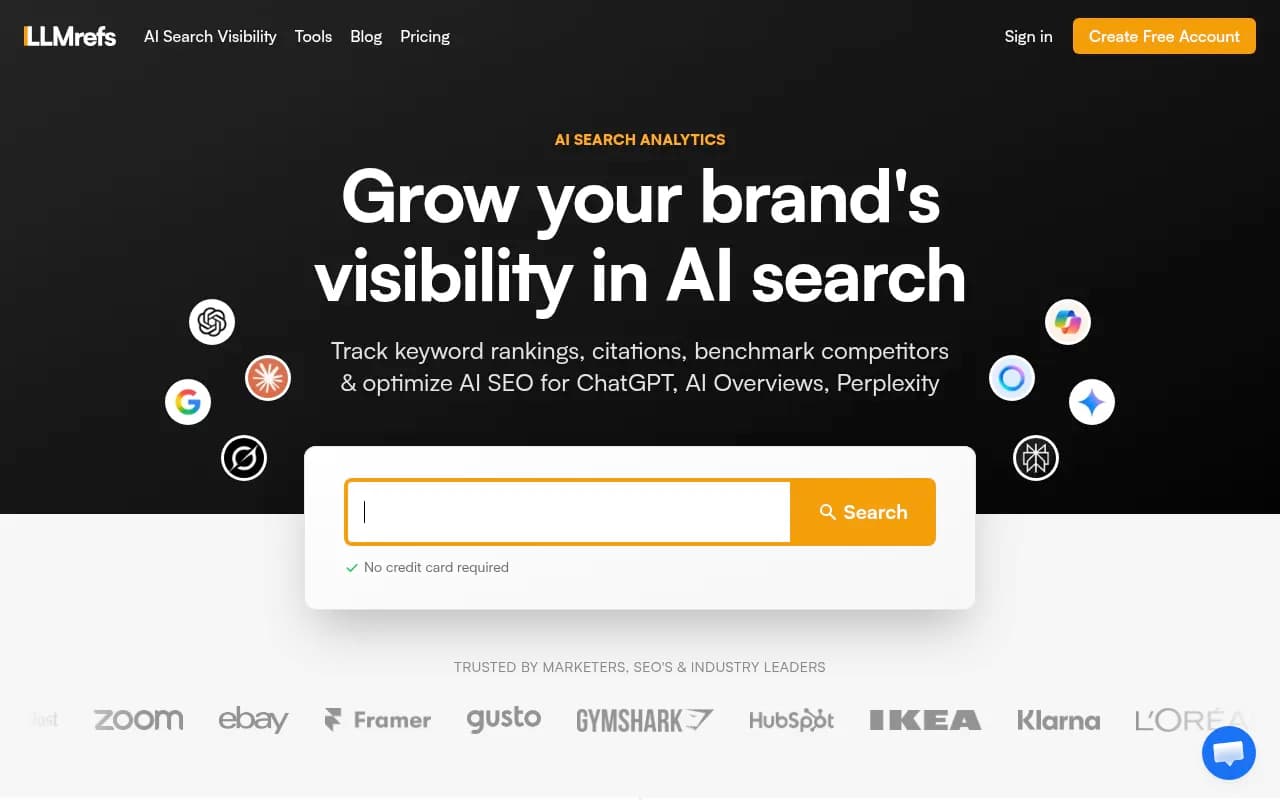
For teams that want straightforward citation tracking without the full platform overhead, tools like Otterly.AI and Peec AI cover the monitoring basics.
Profound is another option that's gained traction with enterprise teams.
Key metrics to track in 2026
Here's a practical breakdown of what to actually measure:
| Metric | What it tells you | How to track it |
|---|---|---|
| Citation rate | % of relevant prompts where your brand is cited as a source | AI visibility platform, prompt monitoring |
| Mention rate | % of prompts where your brand is named (cited or not) | AI visibility platform |
| Share of voice | Your citations vs. competitors for the same prompts | Competitor benchmarking in GEO tools |
| Prompt coverage | Which prompts trigger your brand vs. which don't | Prompt gap analysis |
| Page-level citations | Which specific pages on your site are being cited | Crawler log analysis |
| Cross-model visibility | Visibility scores broken down by AI model | Multi-model tracking |
| AI crawler activity | How often AI bots crawl your site, which pages, any errors | Server logs, crawler log tools |
| Sentiment in responses | How AI systems describe your brand when they mention it | Manual review or sentiment analysis |
The prompt coverage gap is where most brands find the biggest surprises. You might have decent visibility for your brand name directly, but zero visibility for the category-level questions buyers ask before they even know which brands to consider. That's the gap that costs you the most.
Brand visibility vs. brand awareness: still worth distinguishing
These two concepts get mixed up constantly, and it matters to keep them separate.
Brand awareness asks: do people know we exist? It's a memory question. You measure it through surveys, aided and unaided recall studies.
Brand visibility asks: are people encountering us when they're actively looking? It's an exposure question. You measure it through search rankings, citation rates, share of voice.
In the AI search context, visibility is particularly important because AI systems are often the first touchpoint in a buyer's research journey. Someone who has never heard of your brand might encounter it for the first time in a ChatGPT response -- or they might encounter three of your competitors and never see you at all. That's a visibility problem, not an awareness problem. Awareness campaigns won't fix it.
What's changed in 2026 specifically
A few things have shifted meaningfully in the past year:
AI agents are now part of the picture. It's not just humans querying AI search engines anymore -- autonomous agents are researching, comparing, and sometimes making purchasing decisions on behalf of users. If an AI agent is evaluating vendors for a procurement decision, your AI visibility directly affects whether you're in the consideration set.
The number of AI models that matter has grown. In 2024, most brands only worried about ChatGPT and maybe Google AI Overviews. Now Perplexity, Claude, Grok, DeepSeek, Meta AI, Copilot, and Gemini all have meaningful user bases. Visibility on one model doesn't guarantee visibility on others.
AI traffic is becoming measurable. Early on, it was nearly impossible to attribute website traffic to AI search referrals. That's changing. Platforms that connect AI crawler logs to analytics data can now show you which AI-driven visits are converting -- which means AI visibility is starting to connect to revenue in a way you can actually report on.
A practical starting point
If you're just getting started with measuring AI visibility, here's a reasonable sequence:
Start by manually querying the AI systems your customers use most -- probably ChatGPT and Perplexity -- with 10-15 prompts that represent how buyers in your category research decisions. Record what comes up. Note whether your brand appears, which competitors do appear, and what the responses say.
That manual audit will tell you a lot quickly. You'll probably find that your brand appears for some prompts and not others, and that competitors you didn't expect are showing up prominently.
From there, you need a way to track this systematically over time -- because AI responses change as models update and as new content gets crawled. That's where a dedicated platform becomes worth the investment.
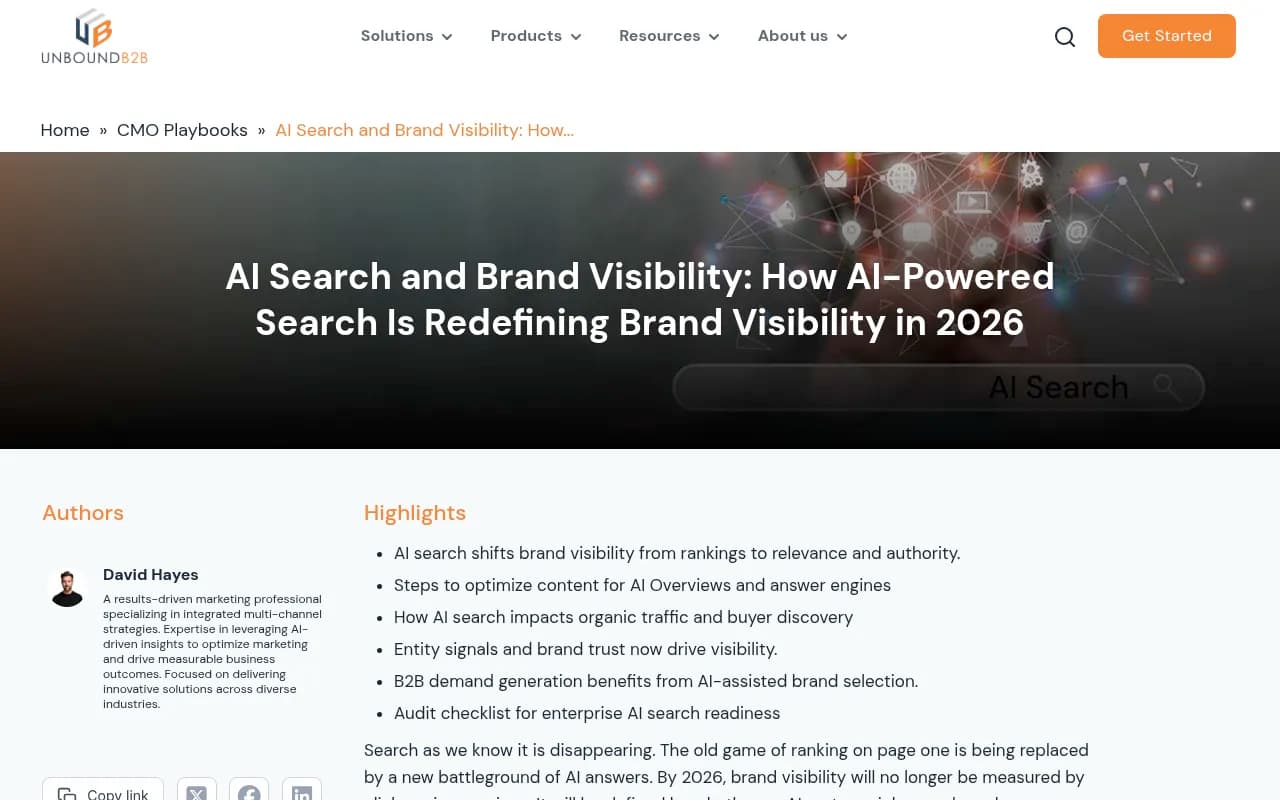
A few other tools worth exploring depending on your specific focus:
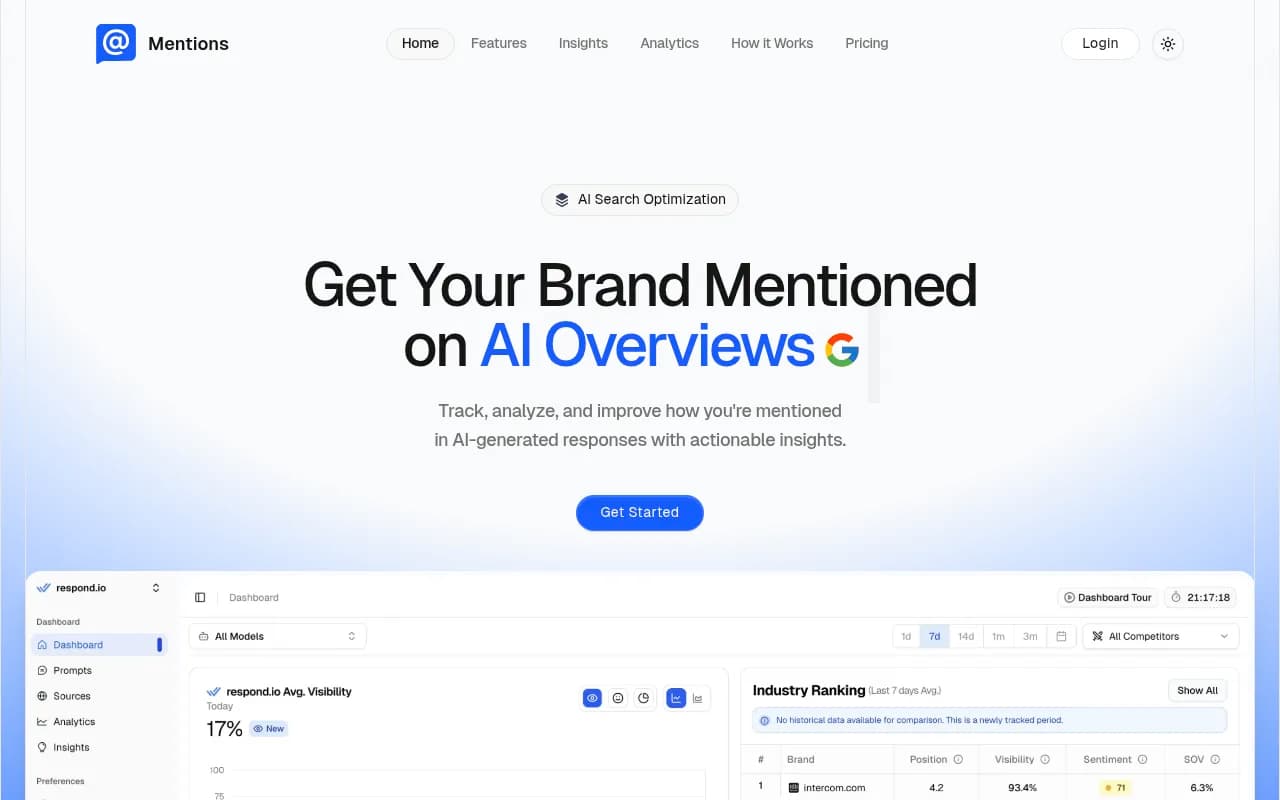
For tracking brand mentions and citations across AI responses at a simpler level:
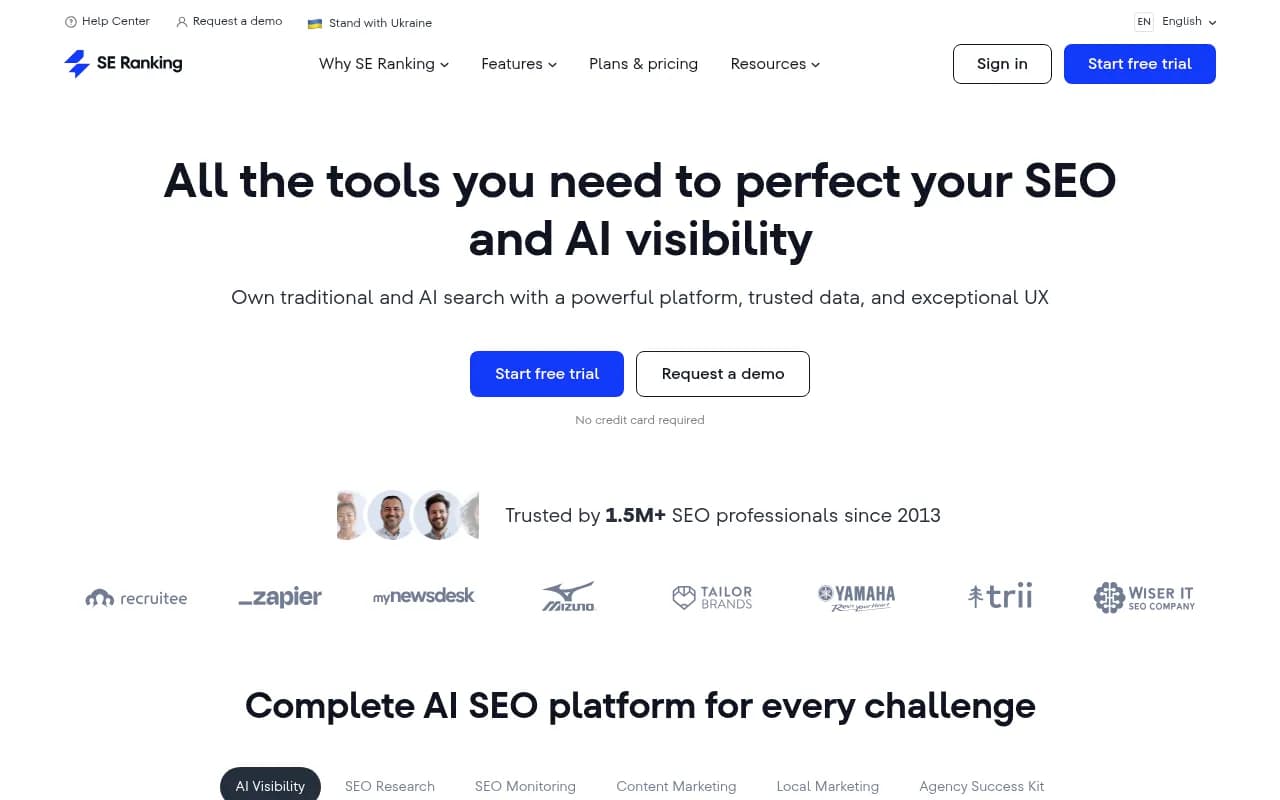
For teams that want visibility data alongside traditional SEO tracking:

For enterprise teams with more complex multi-brand or multi-region needs:
The bottom line
Brand visibility in AI search is not a rebranding of SEO. It's a genuinely new measurement problem that requires different tools, different metrics, and a different mental model.
The core question has changed from "where do we rank?" to "does an AI system trust us enough to cite us?" Answering that question requires systematic prompt monitoring, citation tracking, crawler log analysis, and competitive benchmarking -- none of which your existing SEO stack was built to do.
The brands that figure this out early will have a real advantage. Not because AI search is a hack or a trick, but because building the kind of genuine authority that AI systems recognize takes time. The sooner you start measuring, the sooner you know where the gaps are.