Key takeaways
- Manual GEO (spreadsheets, one-off audits, hand-written prompt lists) breaks when platforms change behavior overnight. ChatGPT's
site:operator shift on August 8, 2026 is the clearest example. - Agents have moved from experiment to production. The 2026 State of AI Agents Report says 57% of organizations now run agents on multi-stage workflows, and 80% of leaders report measurable returns.
- MCP is the integration layer that lets agents read your visibility, crawler and search data without custom API work. It still has real security gaps.
- The useful split in tooling is trackers that report versus platforms that act. The second group is where automation pays off.
- Humans keep the strategy, the facts and the approval step. They stop doing the repetitive plumbing.
Why manual GEO stopped working
For a while you could run generative engine optimization by hand. Pick 50 prompts, paste them into ChatGPT every week, screenshot the answers, drop the result in a slide. It was tedious but it worked, because the systems underneath were not moving much.
They move now. Promptwatch's data on ChatGPT site: operator fanouts shows what that looks like. On August 8, 2026, the share of fanout queries using the site: operator jumped from 0.37% to 16.8% in a single day. That is roughly 1 in 6 fanouts, compared with about 1 in 280 the day before. Average fanouts per response went from about 1.08 to about 1.83 and stayed there. The site: searches were added on top of generic searches, not swapped in for them.
The report draws a few conclusions I agree with. The change was platform-wide and overnight, so continuous monitoring beats a quarterly audit. Your own domain is now a retrieval surface, which makes crawlable, indexed pages and working internal structure matter more. And any keyword-to-heading mapping built before August 8 is stale.
Nobody can catch that with a manual process. You would find out three weeks later when someone asked why traffic moved.
The same pattern shows up elsewhere in the data. ChatGPT's average fanouts per response eased from 2.15 in early December 2025 to about 1.84 by early March 2026, and average query length fell from roughly 117 characters to the high 80s. Reddit's share of ChatGPT citations collapsed from about 4% to 0.5% on August 14, 2026, per Promptwatch's Reddit citation data. Different surfaces, same lesson: the ground shifts without notice.
What changed in 2026: agents on both sides
Two things happened at once. Search itself became agentic, and the teams doing optimization started using agents too.
Search is running agents for users
At I/O on May 19, 2026, Google described a move toward Search agents: background agents that monitor the web 24/7 and send synthesized updates with the ability to act. Information agents launch first for Google AI Pro and Ultra subscribers. Google is also expanding agentic booking to local services and, in some categories like home repair, letting Search call businesses on your behalf. Google says AI Mode passed one billion monthly users one year after launch.
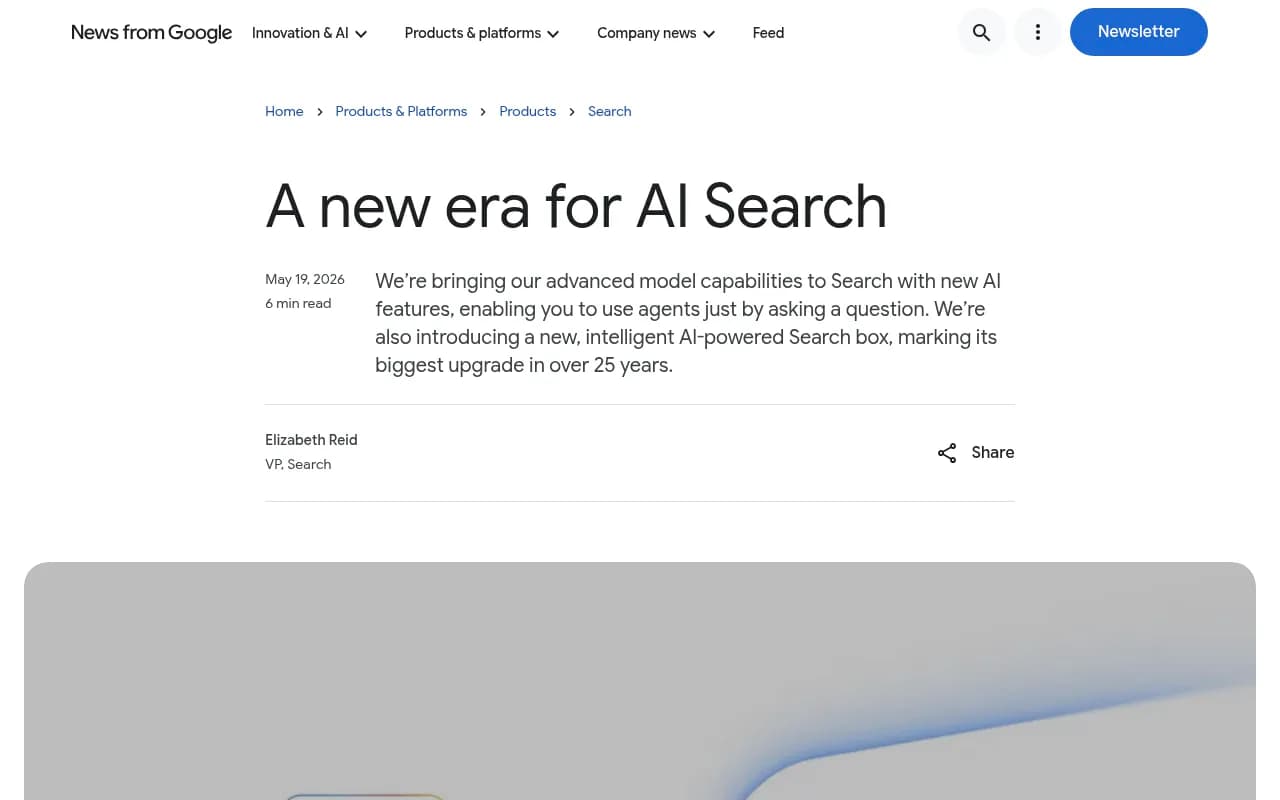
The practical implication for brands: some of your "visitors" will be software acting for a person. An agent hunting for apartments or a repair service reads your pages differently than a human skimming results. It cares about structured, current, verifiable facts. That is a crawlability and content-accuracy problem, and it pairs with the crawler data below.
Teams are running agents for the work
The 2026 State of AI Agents Report puts numbers on it. 57% of organizations now deploy agents for multi-stage workflows, and 81% plan more complex use cases this year. Marketing and sales (46%) sit behind software development (57%) and customer service (55%) for expected near-term impact. Google Cloud's agent trends report, drawing on 3,466 executives, describes the same shift: agents orchestrating end-to-end workflows semi-autonomously.
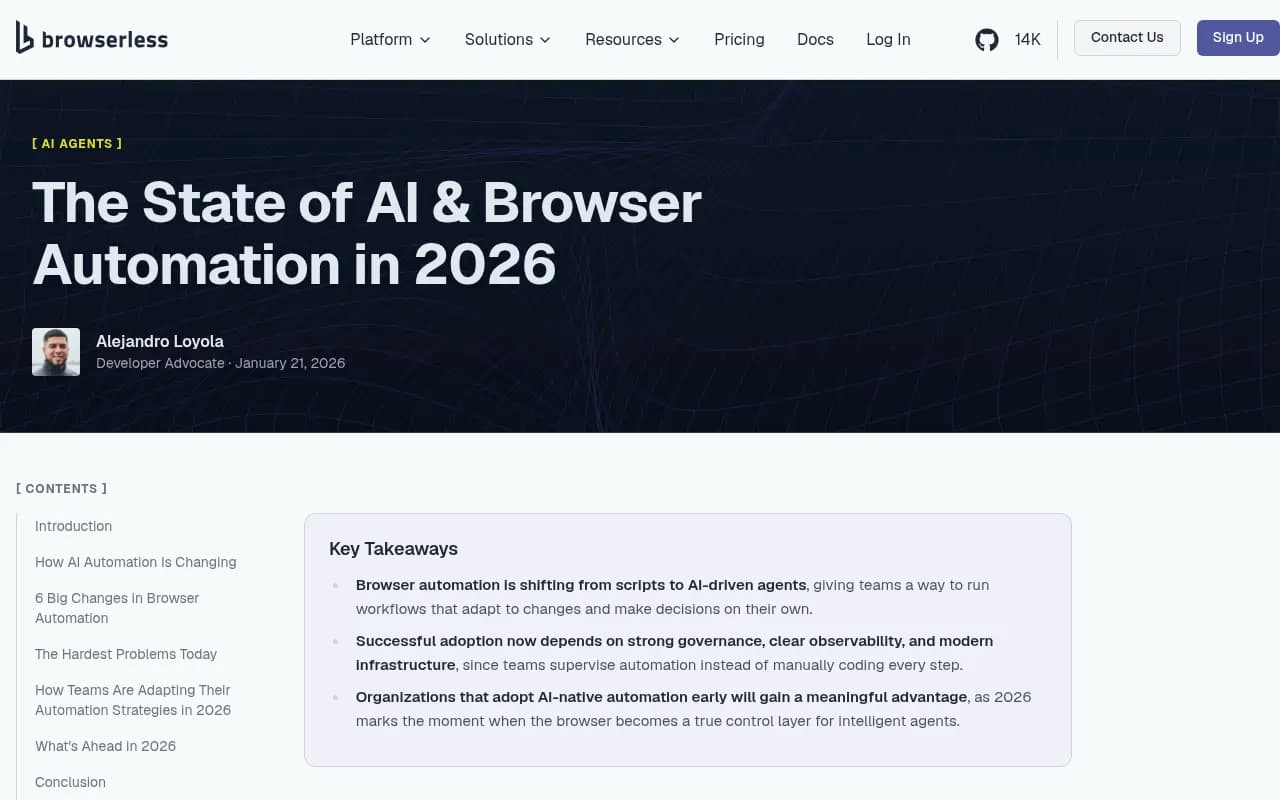
Browserless frames the other side of it. The browser is becoming a control plane for automation, and as teams supervise agents rather than write every step, governance and observability matter more. I think that is the right emphasis. The risk of automation is not that it fails loudly. It is that it works slightly wrong for six weeks.
MCP: the wiring layer
Model Context Protocol came out of Anthropic in November 2024. By December 2025 it had passed 97 million monthly SDK downloads, according to Truto's architecture guide, and Gartner expects 75% of API gateway vendors and 50% of iPaaS vendors to ship MCP features by the end of 2026.
Its sentiment arc this year was messy. Firecrawl notes that early 2026 was full of criticism, mostly about setup pain and token cost: they cite roughly 200 tokens for a CLI command against 32,000 to 82,000 for the equivalent MCP operation. Then interest rebounded. Firecrawl reports about 35% growth in its own MCP usage in a single month, and Zuplo's State of MCP survey (nearly 100 technical professionals) found 72% of adopters expect usage to rise and over 17,000 servers publicly listed.
My read: the argument was never really about whether MCP is good. CLI wins for lean, developer-run pipelines. MCP wins where you need OAuth, multi-tenant access and governance, or where non-engineers need to point an agent at a data source and have it work.
That last case is the GEO use case. A marketer should be able to ask an agent "which pages get crawled by ChatGPT but never cited?" without anyone writing glue code.
The security gap is real
The same Zuplo report is blunt about the downside. 50% of MCP builders cite security and access control as their biggest challenge, 38% say security or compliance concerns limit their use, and 24% of surveyed servers ship with no authentication. If you wire an agent to your analytics and CMS, use scoped keys, read-only access where you can, and an approval step before anything publishes.
What the manual GEO workflow looked like, and what replaces it
| Task | Manual approach | Automated approach in 2026 |
|---|---|---|
| Tracking visibility | Paste prompts into chatbots weekly | Daily monitors across models and countries |
| Spotting platform changes | Notice a traffic dip | Alerts and trend dashboards on citations and fanouts |
| Checking crawler access | Read server logs by hand | IP-verified AI crawler logs with error explanations |
| Finding content gaps | Brainstorm from keyword lists | Gap analysis against the prompts AI actually answers |
| Writing and publishing | Brief, draft, edit, upload | Agent drafts, human approves, CMS publish |
| Reporting | Slides every month | Scheduled reports and chat over live data |
| Prioritizing | Meeting and gut feel | Ranked action board with evidence |
None of the right-hand column removes judgment. It removes the part where judgment is spent on copying data between tabs.
Crawler logs: the data you cannot fake
If you automate one thing first, make it crawler visibility. Promptwatch's AI crawler traffic report tracks weekly IP-verified requests from OpenAI, Anthropic, Google, Perplexity and Mistral from June 8 to September 6, 2026. OpenAI accounted for 79.8% of verified requests in the week of August 31 to September 6, down from 94.8% in the week of June 8 to 14. Only requests from the operators' published IP ranges count, so spoofed user agents are excluded.
The report's practical advice is simple: compare your own logs with the provider mix. If a provider looks large in the chart but near zero in your logs, you are probably blocked by robots.txt, a CDN or a WAF rule. A related finding: Meta-WebIndexer went from about 2% to nearly 38% of tracked AI crawler requests between mid-July and August 9, according to Promptwatch Data on Meta's crawler. Blocking a bot you never heard of can quietly cost you a surface.
Provider totals also hide the difference between training crawlers and answer-time fetchers, so look at which bot is hitting which page, not just the headline number.
Tool categories worth knowing
The catalog splits into a few camps, and it helps to know which you are buying.
Platforms that track and act
Promptwatch is the one I would point to if you want the loop closed. It tracks real UI responses in ChatGPT, Google AI Overviews, AI Mode, Gemini, Perplexity, Copilot and others, shows IP-verified crawler logs, ties AI traffic to conversions, and then does work: a Content Agent that plans, writes and publishes to WordPress, Webflow or Framer with a review inbox, an Action Board of prioritized fixes, and Agent Chat for questions over live data. Its hosted MCP server exposes 110+ tools to Claude, ChatGPT, Cursor and other clients, so the agent-wiring story above is built in rather than bolted on. TreeHouse (Pararius) used it to fix crawler access and automate weekly reporting through the MCP, reaching roughly 25% of organic conversions from AI search.

Pricing starts free for one project on ChatGPT only, with paid plans from $95 a month. Check promptwatch.com/pricing for current numbers. The automated Content Agent sits on Business ($579 a month) and above.
Agentic execution tools
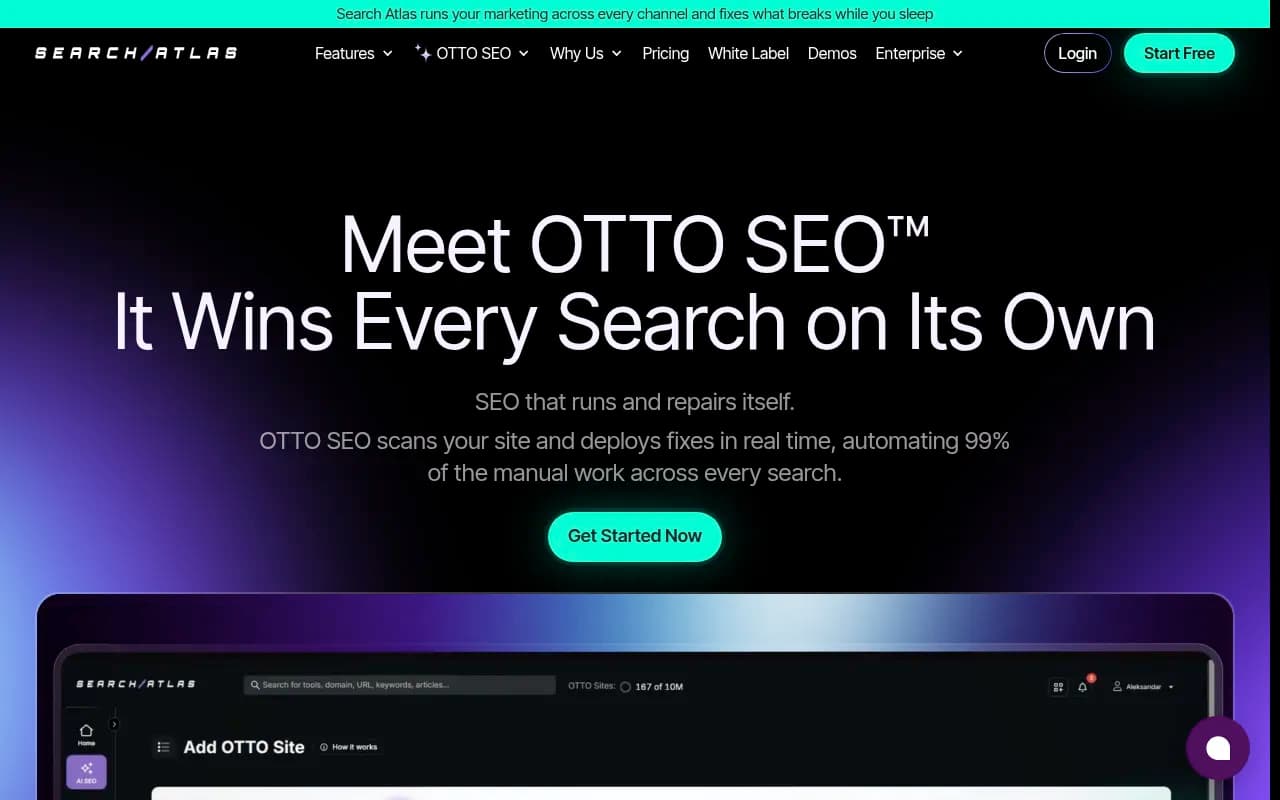
A few others lean toward execution. Gradial GEO detects visibility gaps and publishes fixes, and OTTO SEO from Search Atlas deploys on-site changes in real time. Both are worth a look if your constraint is shipping fixes rather than seeing problems.

AirOps focuses on AI workflow automation for GEO, and Writer targets governed agentic workflows for enterprises.
Monitoring-focused trackers
Otterly.AI, Peec AI, LLM Pulse and Athena HQ do a decent job answering "was my brand mentioned?". If that is the question, they are fine and often cheaper. They generally stop before crawler logs, traffic attribution and content production, so you end up stitching a stack together.


Enterprise suites
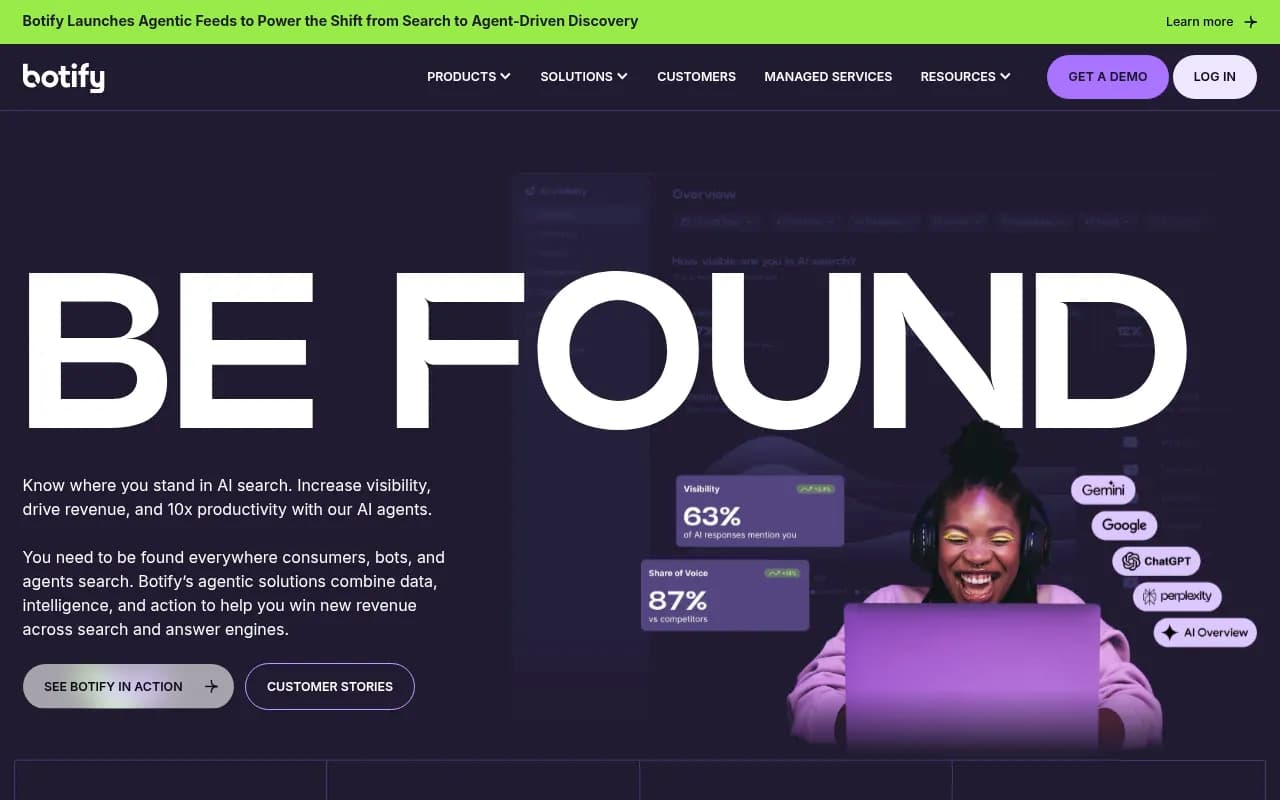
Profound, Conductor, BrightEdge and Botify cover large organizations that already run those platforms for classic SEO. Expect more governance features and higher prices.

General automation glue
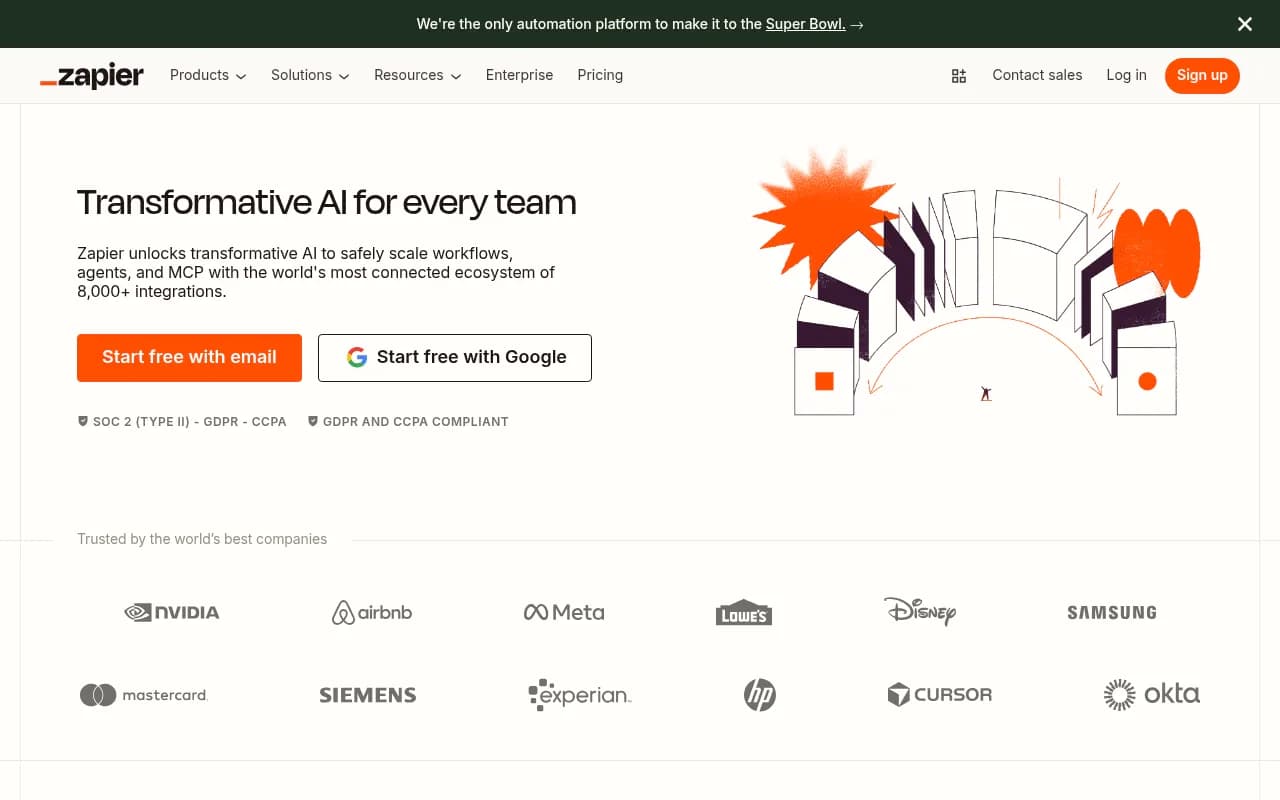
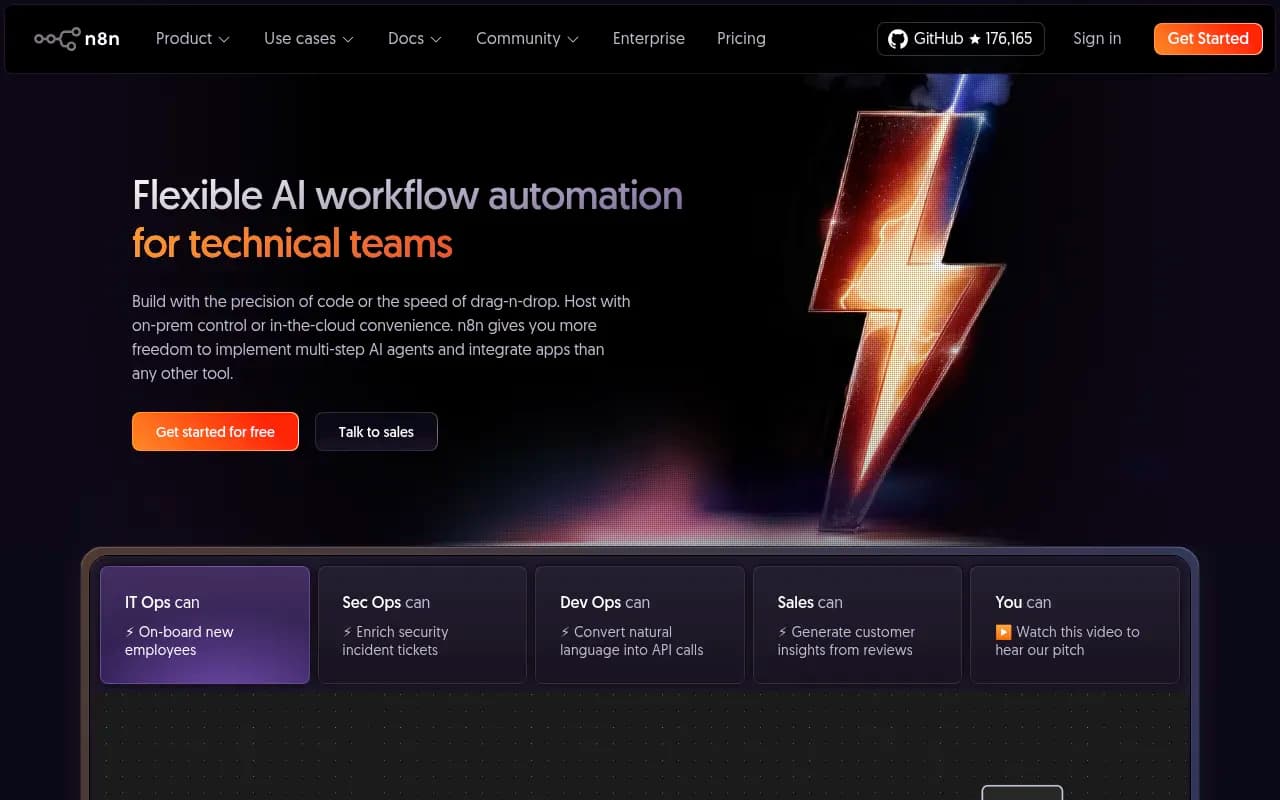
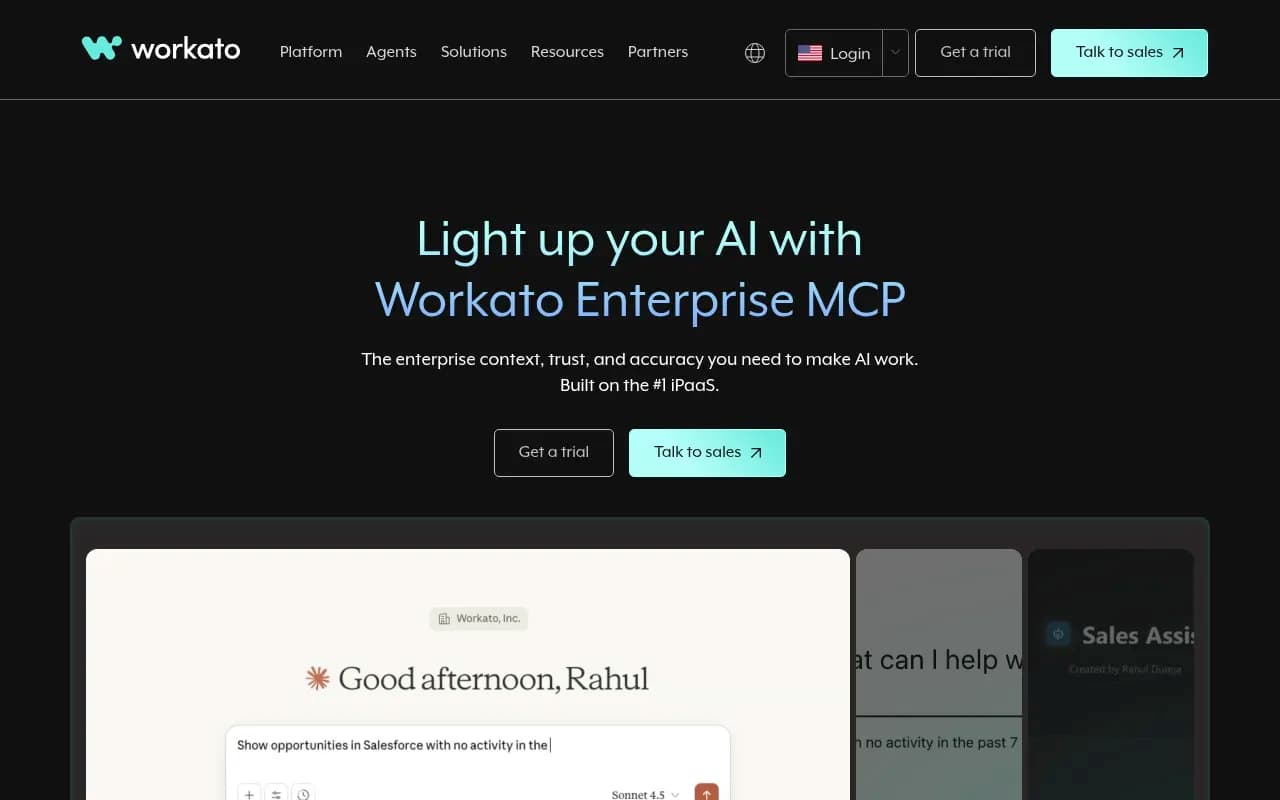
Zapier, Make and n8n are useful when you need to route alerts or sync data between systems. They are plumbing, not GEO intelligence, but they pair well with an MCP or API source. Workato's enterprise MCP servers connect agents to 1,400+ apps if you need that scale.
| Category | Examples | Strength | Gap |
|---|---|---|---|
| Track and act | Promptwatch | Crawler logs, traffic, content agent, MCP | More to learn than a simple tracker |
| Agentic execution | Gradial GEO, OTTO SEO | Ships fixes | Narrower measurement |
| Monitoring only | Otterly.AI, Peec AI, LLM Pulse | Low cost, quick start | No crawl or traffic data, no content workflow |
| Enterprise suites | Profound, Conductor, BrightEdge | Governance, scale | Price, heavy implementation |
| Workflow glue | Zapier, Make, n8n | Connects anything | No AI search data of its own |
For wider lists, the GEO software directory at bestgeosoftware.com and the agentic SEO tools directory at agenticseotools.com are good places to compare more options.
A practical automation stack, step by step
1. Fix crawl access first
Check robots.txt, CDN and WAF rules for every AI provider. Pull crawler logs from Cloudflare, Vercel, Fastly or raw server logs and compare them with the provider mix above. Nothing else matters if bots cannot read the page.
2. Set up monitors, not audits
Build daily monitors for the prompts that map to revenue: comparisons, pricing, alternatives, how-tos. Short queries matter because fanouts are getting shorter. The fanout report suggests headings that read like short keyword queries, with the entity and category first in titles and H2s, plus focused pages for each sub-question.
3. Turn on change detection
After the August 8 site: shift, re-map keywords to headings. Do this on a trigger (a big platform update) rather than a calendar. Pages that are crawlable, indexed and well linked internally do better when ChatGPT queries your domain directly.
4. Let an agent draft, and keep the approval step
Use a content agent for gap-filling articles, but keep a review inbox. Feed it a Brand Book or knowledge base so facts stay accurate. Promptwatch's content type data shows product pages at 22.4% of ChatGPT citations (September 28 to October 4, 2026), followed by landing pages and listicles, which helps decide what to ask for. And since the content half-life report shows news losing half its pages within 36 days while landing pages and docs last longest, plan refreshes accordingly.
5. Connect an agent through MCP, carefully
Use scoped, read-only keys first. Let the agent answer questions and produce briefs. Give write access only to the publishing step, and only with approval. Remember the Zuplo number: a quarter of surveyed servers had no authentication.
6. Measure revenue, not mentions
Visitor analytics that attribute traffic and conversions from AI platforms tell you whether any of this works. Crisp reported 2x higher conversion from AI traffic than from traditional channels. Mentions alone will not tell you that.
What does not get automated
Three things stay human.
Strategy: which markets, which products, which claims you want AI to repeat. An agent optimizes toward a goal you set.
Facts: AI-generated content can invent. Your product details, pricing and positioning need an owner.
Judgment about risk: Reddit's drop in ChatGPT citations and the 0.46% social share versus 12.2% in AI Overviews (social citations by AI model, October 2026) mean each engine needs its own plan. A person has to decide how much effort goes where.
If you would rather hand the program to specialists, 1001 SEO Media runs technical SEO, content and GEO work on top of this kind of tooling, with no long-term contracts.
Where this is heading
Browserless expects new platforms built for agentic automation, with better orchestration and observability, and possibly browsers with AI-native automation APIs. Gartner's estimate is that 40% of enterprise applications will include task-specific agents by the end of 2026, from under 5% before. I would not bet on a specific date for any of that. What I would bet on is the pattern in the data above: platforms change overnight, agents read your site as often as people do, and the teams that win are the ones whose monitoring does not depend on someone remembering to run it.
Start with crawler logs this week. It takes an afternoon, and it tells you whether the rest of the stack has anything to work with.
For broader tracking options, the AI rank tools directory at ai-rank-tools.com lists more trackers to compare against.