Key takeaways
- The real split in this category is between tools that only monitor and tools that help you fix what you find. Pick based on whether you have people to act on the data.
- Solo operators and small teams can start for roughly $25 to $100 a month with a prompt tracker. Mid-size teams usually outgrow that within a quarter.
- Existing SEO suite users (Semrush, Ahrefs, SE Ranking) can add AI tracking cheaply, but the AI data tends to be shallower than a dedicated platform.
- Agencies need multi-client workspaces and white-label reporting. Enterprises need security reviews, SSO, and either deep data or a managed service.
- Every price in this article comes from vendor or third-party roundups and moves often. Confirm on each pricing page before you buy.
Start with the goal, not the tool list
Most "best AI visibility tools" roundups hand you 9 to 20 products and leave the choosing to you. That is why people end up demoing six of them. I would rather you answer three questions first.
- What do you need to do: see where you stand, or change where you stand?
- Who will use it: one marketer wearing four hats, a content team, an agency, or a security-reviewed enterprise group?
- What is the budget, and is it software only or software plus services?
The rest of this guide maps those answers to specific products. Where the research gave me a figure, I cite it. Where it did not, I say so.
Monitoring versus optimization: the split that matters
A prompt tracker answers one question: was my brand mentioned? That is useful, and for a lot of teams it is the right first purchase. But it stops there. Several of the roundups say this directly. One describes Peec AI as monitoring-focused with limited guidance on what to fix. Another calls Scrunch monitoring-only with limited actionability on its entry plans, though Scrunch also sells an Agent Experience Platform aimed at changing how AI systems read your content.
An optimization platform goes further. It shows why you are or are not cited, which of your pages get crawled, and what content to write next, then helps you ship it. If your team has no spare hours to turn a dashboard into articles, a monitor alone will mostly produce screenshots for the weekly meeting.
It also helps to know that engines behave differently. According to Promptwatch Data on average sources per response, ChatGPT cites about 5 sources per web-search answer, while Google AI Overviews and Perplexity cite about 10. A citation on one engine does not predict one on another, so per-engine tracking matters more than a single blended score.
Quick comparison by team type
| Team type | Main goal | Realistic starting budget | Tools worth a look |
|---|---|---|---|
| Solo / freelancer | Cheap baseline, prove the channel exists | Free to ~$100/mo | Otterly.AI, Peec AI, free graders |
| Small in-house team (2-5) | Track plus produce content | $100 to $600/mo | Promptwatch, Writesonic, SE Visible |
| Existing SEO suite team | AI data next to keyword data | Add-on, ~$99 to $199/mo | Semrush, Ahrefs Brand Radar, SE Ranking |
| Agency | Many clients, white-label, pitches | ~$200 to $800/mo | Promptwatch agency plans, Profound Agency Mode, AI Peekaboo |
| Mid-market / enterprise | Depth, security, governance | Custom | Profound, Scrunch, Brandlight, Bluefish |
| Multi-location | Local visibility per site | Custom | Yext, Birdeye, Promptwatch local targeting |
Prices are drawn from vendor and roundup pages (Brandlight, Nathan Ojaokomo, Data-Mania, Business.com) and differ between sources. Treat them as ranges.
If you are a solo operator or tiny team
Your problem is not data volume. It is time and cash. You want something you can set up in an afternoon and understand without training.
Otterly.AI is the usual answer here. Third-party roundups put it at about $25 to $29 a month, covering six engines, with a 14-day trial mentioned in one source. The catch is prompt count: the Lite tier is 15 prompts, which is thin, and one review notes data gaps on some platforms at lower tiers.

Peec AI is the other common pick, priced from roughly $80 to $103 a month depending on source and billing. It is clean and approachable, and reviewers like that it avoids enterprise sprawl. It is also explicitly a monitor, so you will need a separate plan for what to do with the findings.

Before paying anyone, run a free grader. Mangools' AI Search Grader and several free audits listed in the Data-Mania roundup give you a baseline. Promptwatch also has a free AI Visibility Report that scans how ChatGPT, Gemini, and Perplexity describe your brand without a login. Do one of these first. If you are not mentioned at all, you have a content problem, and a $29 tracker will just confirm it daily.
If you are a small in-house marketing team
This is where most buyers sit, and where the monitor-only trap bites hardest. You have two to five people, a content calendar, and a boss asking what AI search is doing for revenue.
Look for three things beyond mention counts:
- Crawler visibility, so you can see whether AI bots can even read your site
- Traffic attribution from AI referrals to conversions
- Content gap analysis tied to actual prompts, ideally with a way to draft and publish
Promptwatch fits this profile well. Its Essential plan is $95 a month with 50 prompts and all AI models, and Professional is $245 with 150 prompts and a Knowledge Base. The Business plan at $579 adds the automated Content Agent, which plans, writes, and publishes to WordPress, Webflow, or Framer against your visibility gaps. It also includes IP-verified AI crawler logs and visitor analytics, which most trackers lack. Check promptwatch.com/pricing for current numbers.

Alternatives worth knowing:
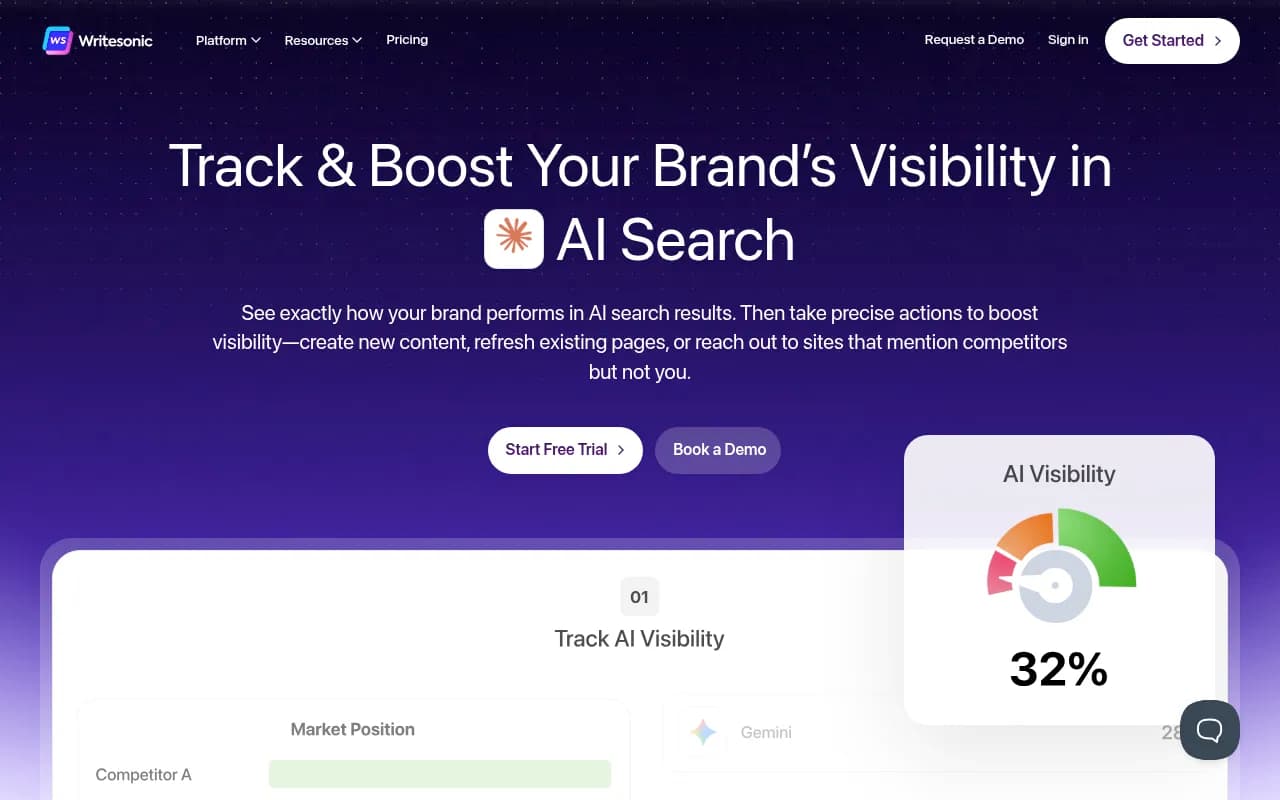
- Writesonic pairs tracking with a content generator, a good fit if your whole team is writers. Roundups give $99 to $199 a month depending on plan.
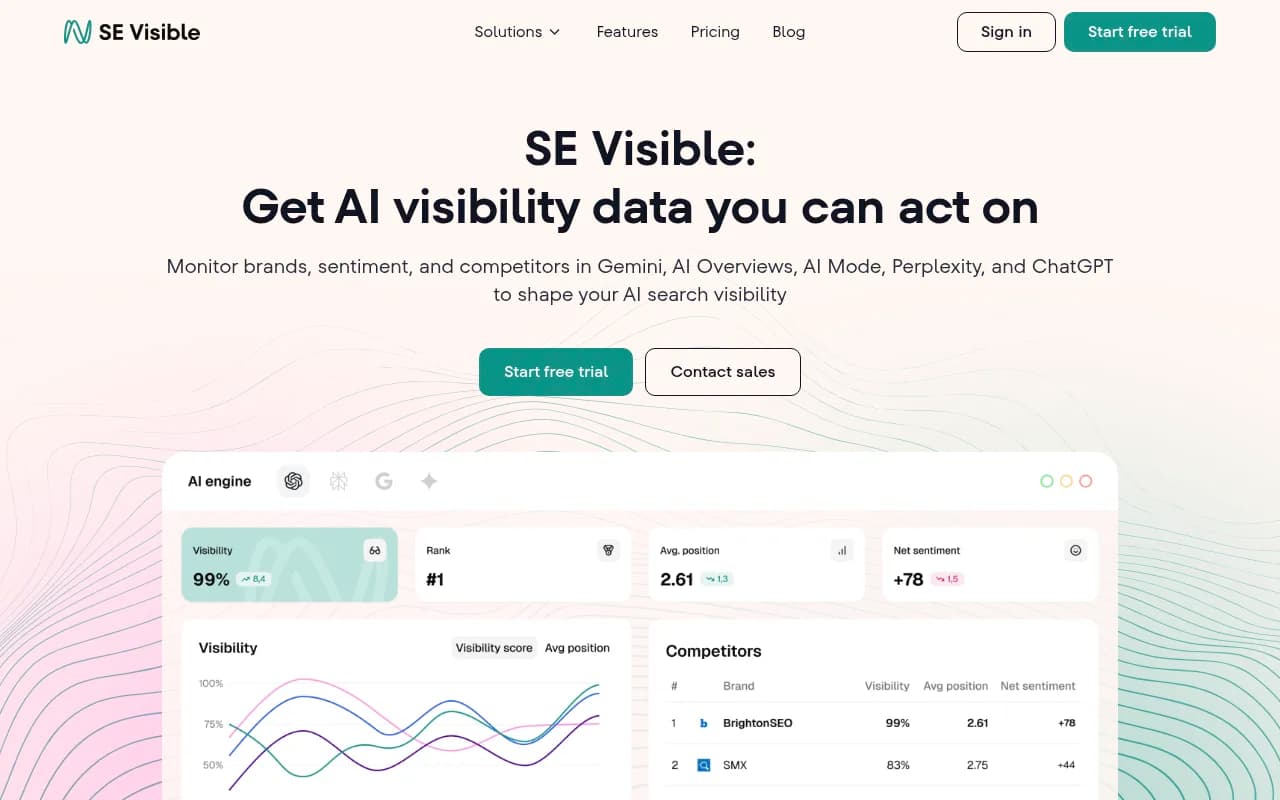
- SE Visible from SE Ranking starts around $89 a month and attaches SEO metrics to every cited source. One reviewer notes it lacks Perplexity and Claude coverage, which could matter for technical audiences.
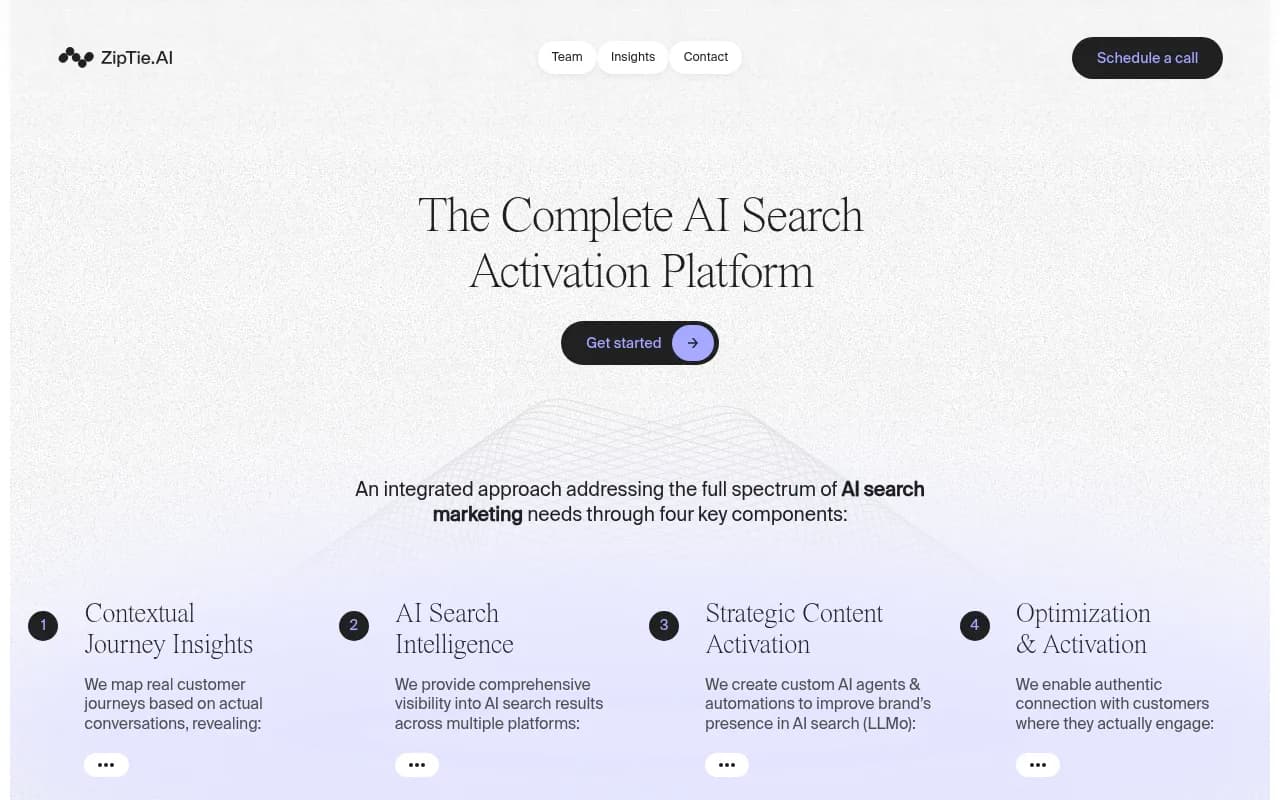
- ZipTie (about $69 a month) is the one to consider if you need screenshot proof of what the AI actually showed.
If you already live inside an SEO suite
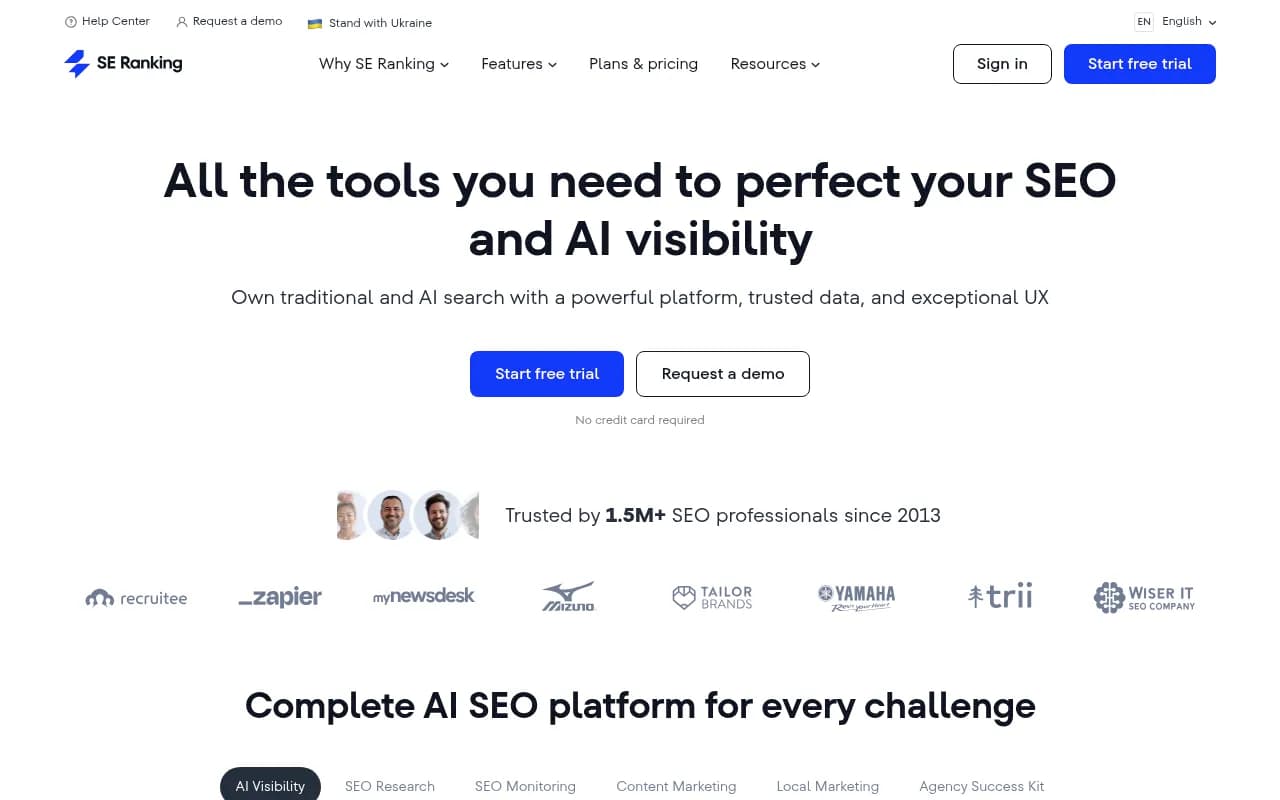
If your team runs on Semrush or Ahrefs, adding their AI module is the lowest-friction move. You keep one login and one invoice.
| Suite | AI product | Reported entry price | Watch out for |
|---|---|---|---|
| Semrush | AI Visibility Toolkit | ~$99/mo per domain | Scaling costs, shallower than dedicated trackers |
| Ahrefs | Brand Radar | ~$129 to $199/mo | Total cost climbs fast, monthly update cadence on most platforms |
| SE Ranking | AI Search Toolkit / SE Visible | ~$89 to $189/mo | Engine coverage gaps |
| Nightwatch | AI add-on | ~$79/mo | AI tracking is a paid add-on |
The tradeoff is depth. Suites bolt AI onto an existing product, so prompt sets are often fixed, and you will not find crawler logs or AI traffic attribution. If AI search is a side project for you, that is fine. If leadership wants it as a channel, you will probably outgrow the add-on.

If you run an agency
Agencies have a different checklist. Can you spin up a pitch audit in minutes? Is there white-label reporting? Are client workspaces separate? Can you afford it across ten clients?
Promptwatch's agency tiers are Kick-off at $199, Growth at $399, and Scale at $799 a month, with unlimited projects and prompts, 10 seats, and white-label exports and branded read-only client access. The trade-off: agency plans exclude the Content Agent and Knowledge Base, so content production sits elsewhere.
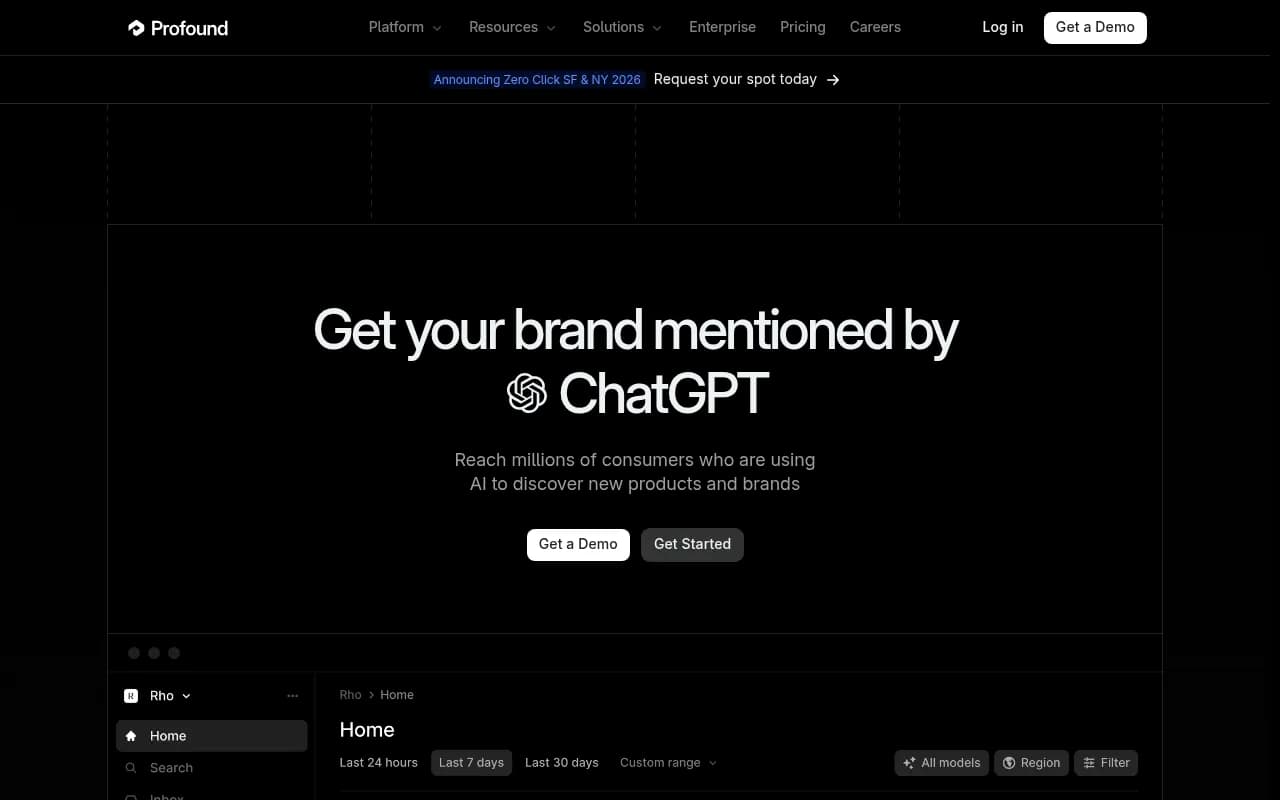
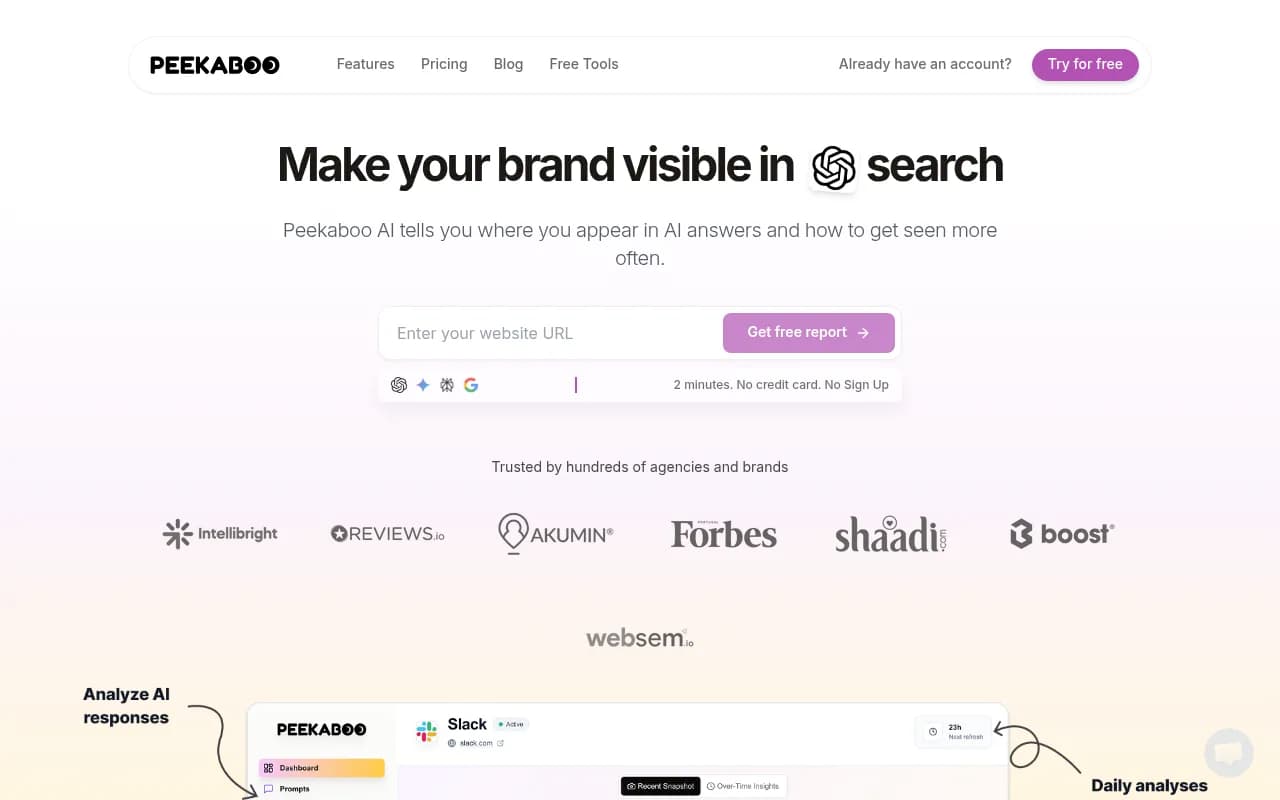
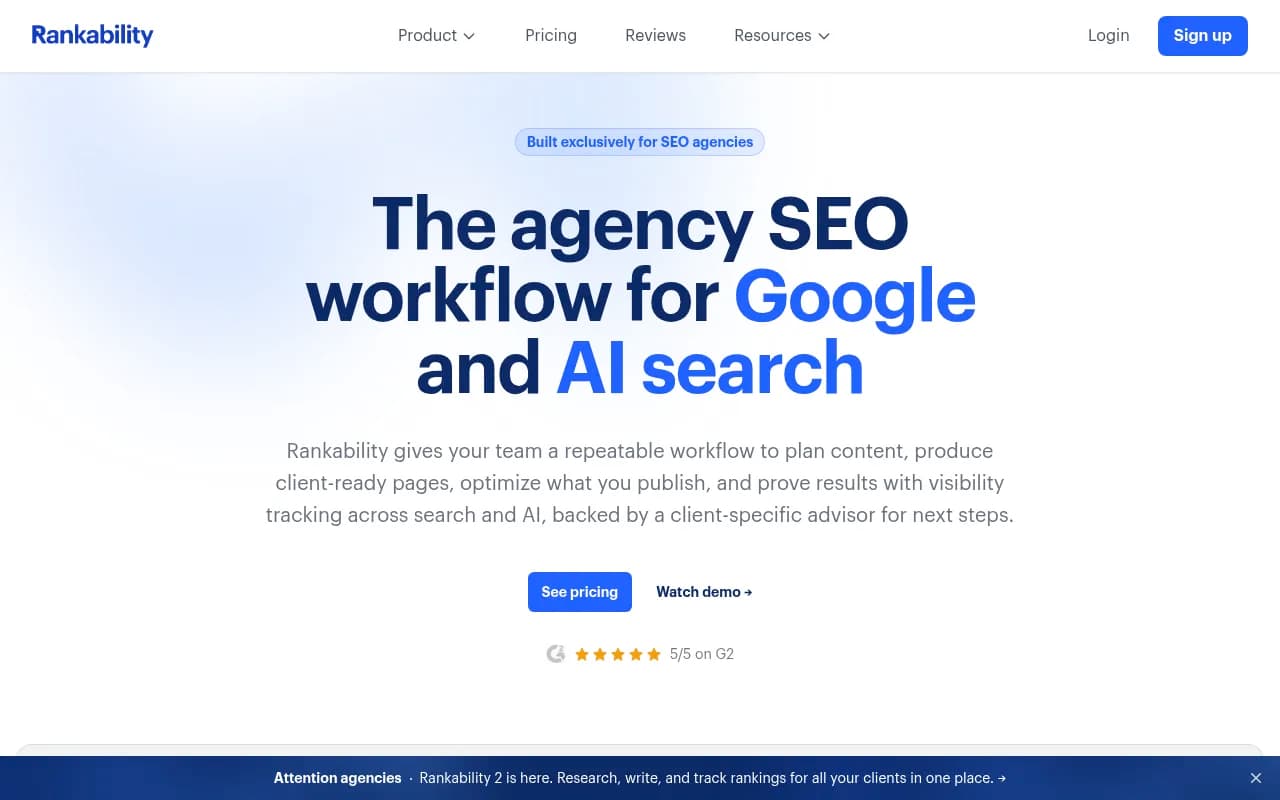
Profound has an Agency Mode for pitch audits and brand environments, and AI Peekaboo starts around $50 a month with white-label reporting on every tier but is scoped to one brand per plan. Rankability positions itself as an agency pick that combines AI citation gaps with content optimization.
If you are an agency still deciding whether to build this capability or hire one, that is a different question. Some brands skip tooling entirely and bring in a specialist team, such as 1001 SEO Media, which handles GEO alongside technical SEO and content.
If you are an enterprise or mid-market brand
Here the questions shift to security, governance, languages, and who does the work.
Profound is the name that comes up most. Reviewers describe it as the most complete enterprise platform, with a prompt dataset built on 400M+ real conversations, agent analytics, SOC 2, and API access. Same reviewers flag the cost and complexity: one says it is too expensive for most B2B SaaS content teams, another says it suits organizations with in-house technical resources. Published entry prices vary between $99 and $499 a month across sources, with custom enterprise contracts above that.

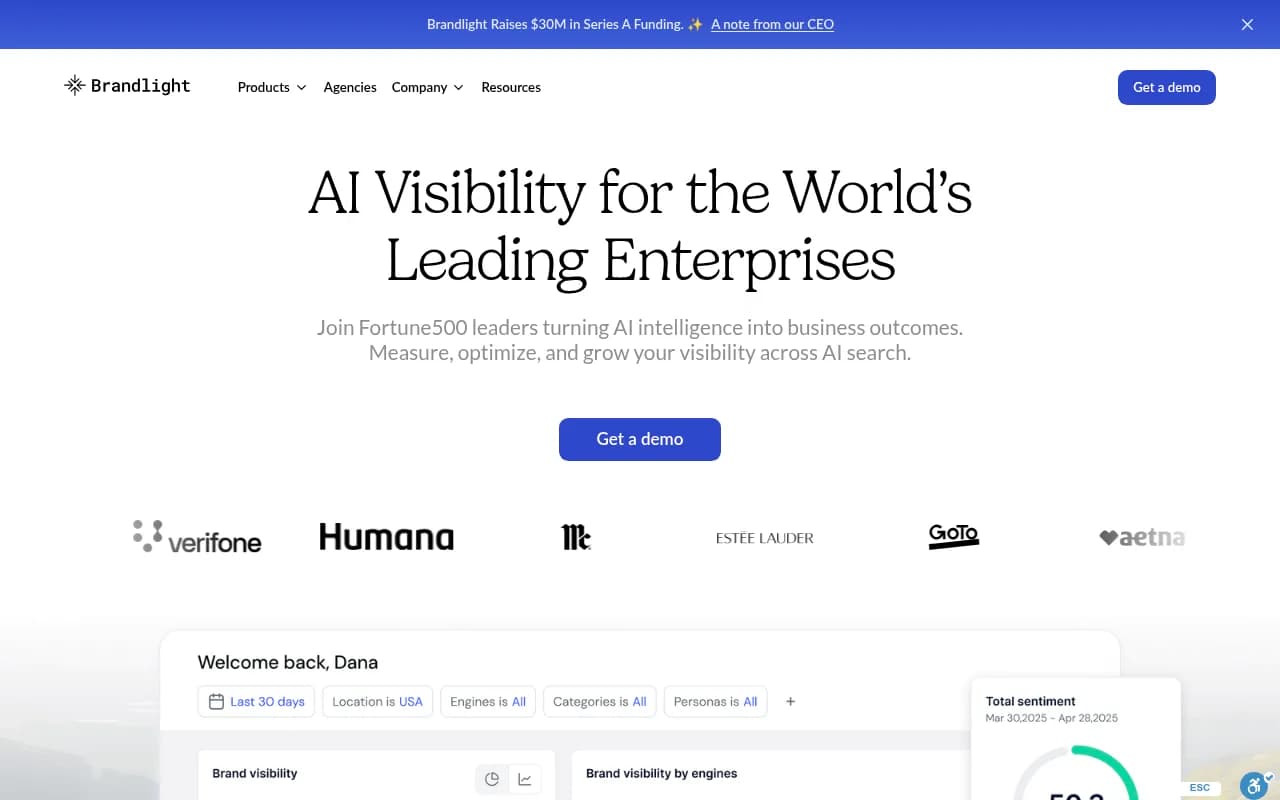
Brandlight positions itself for multi-brand enterprises, pairing a platform with an AI-strategy service. Take its claims with some salt: the research I drew on is a vendor-written comparison, so its rankings favor itself.
If you want software plus a done-for-you team, Petra Labs is the extreme example. Zapier discloses it uses Petra's software and GEO services, and reports pricing from $15,000 a month, with typical annual totals of $250,000 to $600,000. That is a real option for complex enterprises and a non-starter for nearly everyone else.
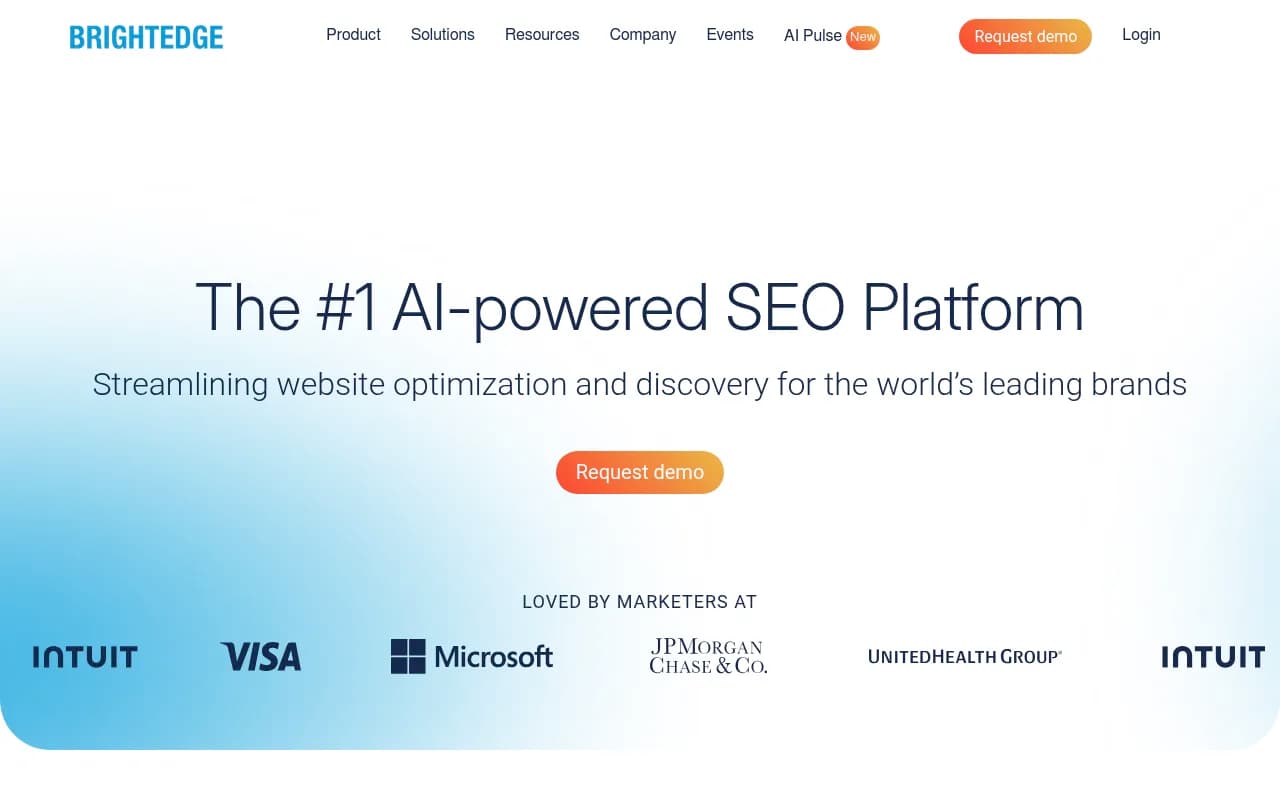
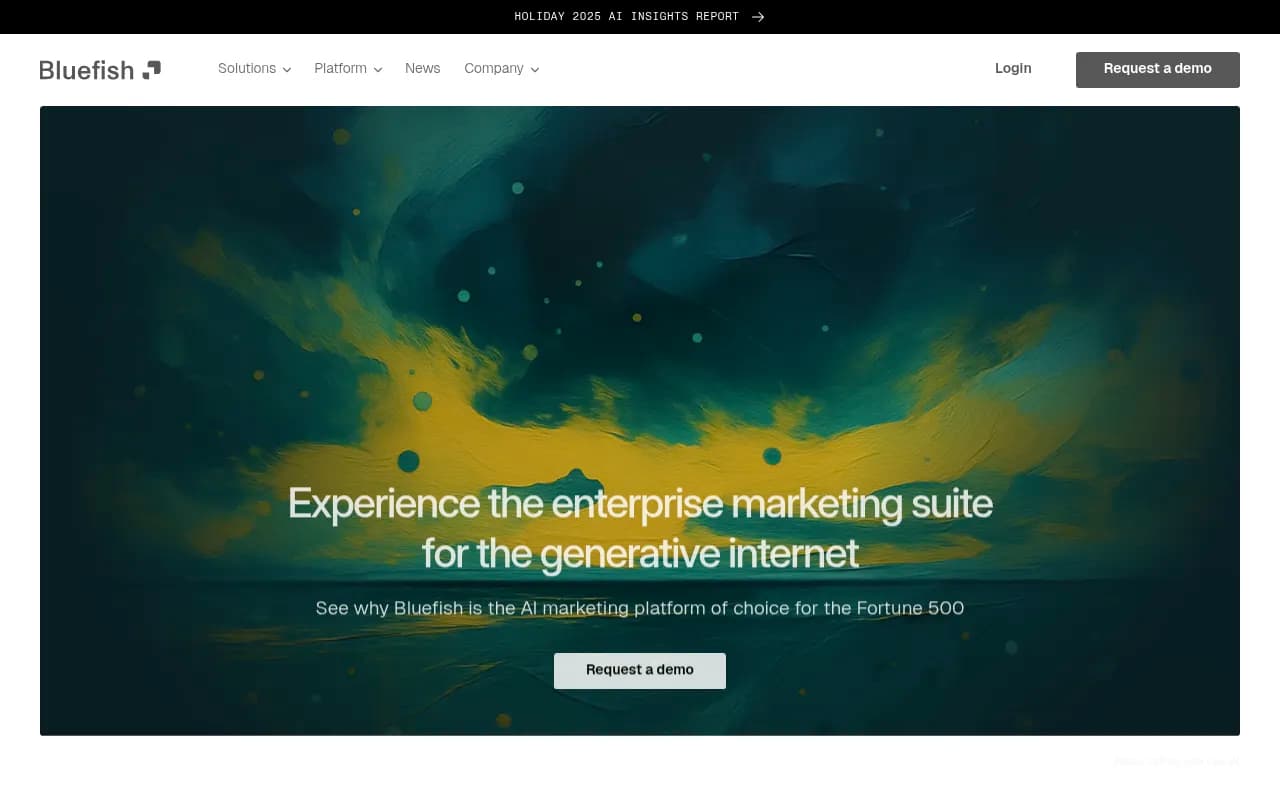
Promptwatch's enterprise tier adds SSO, audit logs, a dedicated success manager, and custom crawler and prompt volumes, and the company is ISO/IEC 27001 certified and GDPR compliant, which tends to matter when procurement gets involved. Scrunch, BrightEdge, Conductor, and Bluefish are the other names you will meet in enterprise shortlists.

If you have many locations
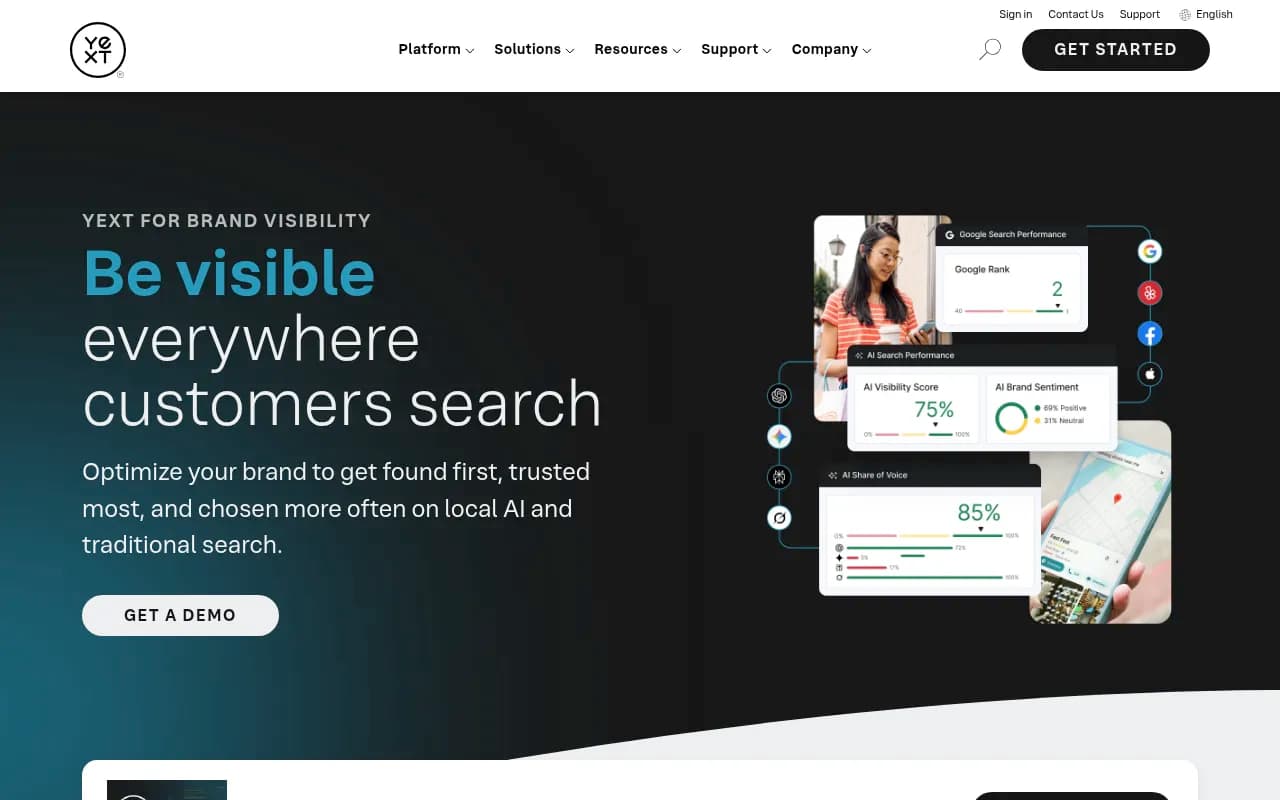
Multi-location brands need to know how each store or office appears in local AI answers. Yext Scout shows a map of visibility per location and measures against nearby competitors, but Zapier notes it requires the broader Yext platform and is built for hundreds to thousands of locations. Birdeye focuses on the reviews and listings that AI reads for local answers. Promptwatch's local targeting pins a monitor to exact coordinates so ChatGPT, AI Overviews, and AI Mode answer as if asked from that spot, available on Business and above.
Features that separate tools more than price
Engine coverage is table stakes. These are the checks that actually differ:
- Real interface data versus API outputs. User-facing answers can differ from API responses, so ask which one the vendor collects.
- AI crawler logs. They tell you whether bots reach your pages and hit errors. According to Promptwatch's AI crawler traffic data, OpenAI made up 79.8% of verified AI crawler requests in the week of Aug 31 to Sept 6, 2026, down from 94.8% in early June. If a big provider is near zero in your logs, you may be blocking it.
- Query fan-out visibility. Promptwatch's fanout data shows ChatGPT averaging around 1.84 searches per response by early March 2026, with queries getting shorter. Your tracked prompts should reflect that.
- Attribution. Can it connect AI mentions to sessions and conversions? Scrunch ties into GA4, and Promptwatch has visitor analytics and a Search Console and Bing overlay.
- Content execution. Can the platform draft, publish, and then check whether the page got cited?
- Seats, projects, and response limits. These quietly drive real cost more than the headline price.
Decision cheat sheet
| If this is you | Choose | Because |
|---|---|---|
| Testing the waters with almost no budget | Free grader, then Otterly.AI | Cheapest way to see a baseline |
| Want to track and ship content with a small team | Promptwatch or Writesonic | Monitoring plus content workflow |
| Already paying for Semrush or Ahrefs | That vendor's AI module | One login, but shallower data |
| Agency with many clients | Promptwatch agency plans, Profound Agency Mode | Multi-client, white-label |
| Enterprise analytics team with analysts | Profound | Data depth and API |
| Enterprise that wants outsourced strategy | Brandlight or Petra Labs | Platform plus services, at a price |
| Hundreds of locations | Yext Scout or Birdeye | Per-location visibility and listings |
For wider browsing, the GEO software directory at bestgeosoftware.com lists far more options than any single roundup.
A sensible way to run the selection
- Run a free baseline report and write down where you stand today.
- Pick 20 to 50 prompts that map to buying questions, not just your brand name.
- Shortlist two tools from the matching row above, and use trials. Several offer 7 to 14 days.
- Test the same prompts in each. Compare the data against what you see typing into ChatGPT yourself.
- Judge on what you did with the data in two weeks, not on how good the dashboard looked.
One last caution. Vendor-written comparisons, including some used as sources here, tend to rank their authors first, and prices shift month to month. Verify everything on the vendor's own page. And pick the tool that matches the people you have, because a platform nobody acts on is just an expensive report.