Key takeaways
- ChatGPT and other AI models answer differently depending on the prompt phrasing, user persona, region, and even the time of day -- a single test query tells you almost nothing
- Most monitoring tools only track whether your brand appears; they don't show which content drove the citation, which AI crawler fetched it, or what your competitors are getting cited for instead
- The gap between "we checked ChatGPT" and "we understand our AI visibility" is enormous -- and most brands are sitting firmly in the first camp
- Real monitoring requires tracking prompt variations, crawler behavior, offsite citations (Reddit, YouTube, third-party listicles), and connecting visibility to actual traffic
- Tools exist across a wide spectrum: from basic mention trackers to full optimization platforms that close the loop between monitoring and content creation
The illusion of coverage
Here's how most marketing teams currently "monitor" their ChatGPT visibility: someone types "best [category] tools" into ChatGPT, sees whether the brand shows up, and reports back to the team. Maybe they do this once a week. Maybe once a month.
That's not monitoring. That's a spot check. And it misses most of what's actually happening.
The problem isn't laziness -- it's that AI search behaves in ways that traditional monitoring wasn't built to handle. When someone asks ChatGPT a question, the answer they get depends on how they phrased it, where they're located, what persona they're using, what model version is running, and dozens of other variables. Your brand might appear confidently in one phrasing and not at all in a slightly different one. You'd never know from a weekly manual check.
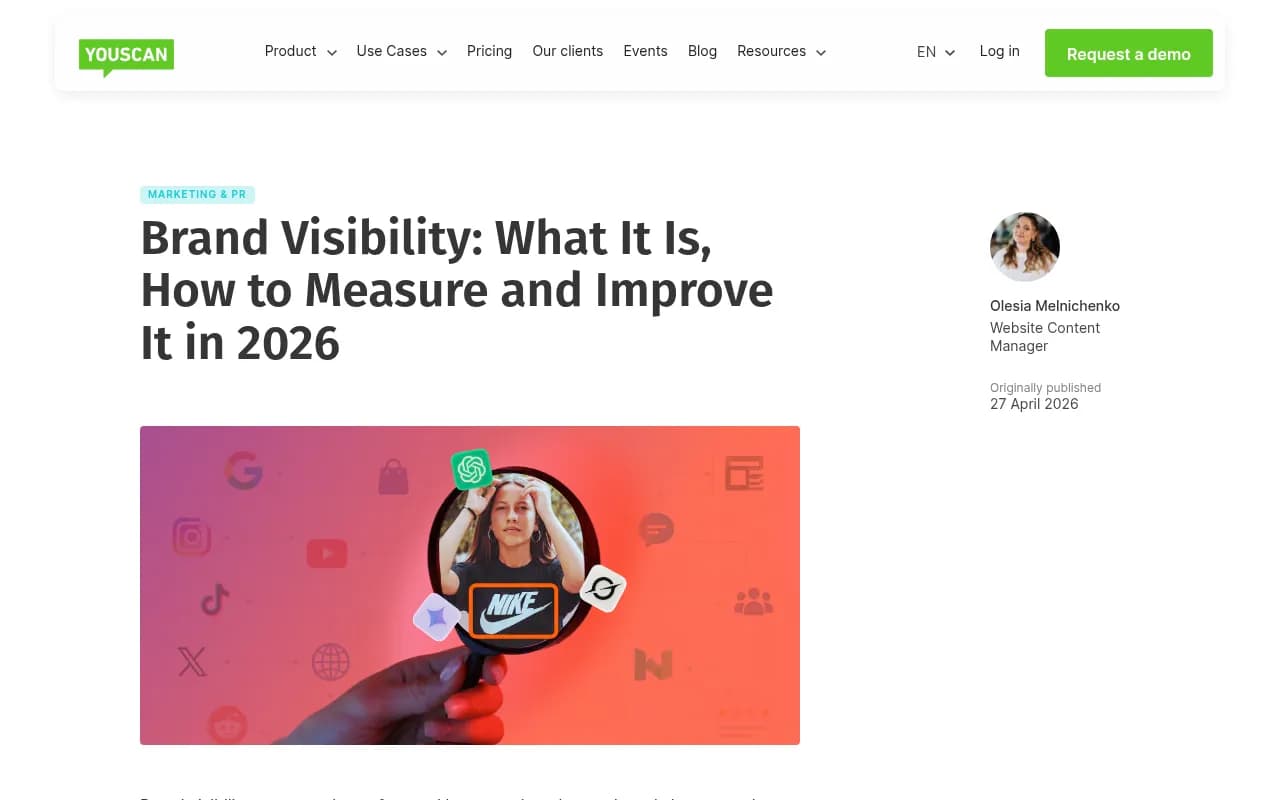
According to YouScan's 2026 brand visibility analysis, there are now over 2 billion active generative AI users. That's not a niche channel anymore. It's where a significant chunk of buying decisions are being shaped -- and most brands have almost no systematic view into it.
What "monitoring" usually means vs. what it should mean
There are roughly four layers to genuine ChatGPT brand visibility monitoring. Most setups only cover the first one.
Layer 1: Brand mention tracking
This is the baseline -- does your brand name appear in AI responses when someone asks a relevant question? Most tools and manual checks operate here. It's useful but incomplete. You learn that you showed up (or didn't), but not why, not how often across prompt variations, and not what the AI said about you.
Layer 2: Prompt coverage and variation
Your brand might appear for "best CRM for small businesses" but not for "affordable CRM with email automation" -- even though those are the same buyer at different stages of their search. Real monitoring tracks a wide set of prompts, not just one or two obvious ones. It also tracks prompt difficulty (how competitive is this query?) and volume (how many people are actually asking this?).
This is where most monitoring setups fall apart. Tracking 5 prompts gives you a false sense of security. Tracking 50-150 prompts across different phrasings, intents, and personas starts to give you an actual picture.
Layer 3: Citation and source analysis
When ChatGPT mentions your brand, what source is it drawing from? Your own website? A third-party review site? A Reddit thread from 2023? A YouTube video you didn't know existed?
This matters enormously because it tells you where to focus your efforts. If AI models are citing an outdated Capterra listing rather than your own product pages, that's an optimization problem you can actually fix. If a competitor is getting cited because they have a detailed comparison article you don't have, that's a content gap you can close.
Most monitoring tools don't surface this. They tell you the result but not the source.
Layer 4: Crawler behavior and indexing
This is the layer almost nobody is tracking: what are AI crawlers actually doing on your website? Which pages are they reading? Which ones are they ignoring? Are they hitting errors? How often do they return?
There's a meaningful difference between a page being crawled and a page being cited. Understanding that gap -- and why some pages make the jump to citation while others don't -- is where real optimization happens. Without crawler log data, you're guessing at what AI models can and can't see on your site.
The channels your monitoring is probably ignoring
Even if you've built decent on-site monitoring, there are several channels that heavily influence AI responses that most teams aren't tracking at all.
Reddit and forum discussions
AI models cite Reddit constantly. It's one of the most trusted sources in ChatGPT's training data and live search results. A thread from two years ago praising a competitor (or criticizing you) could be shaping AI recommendations right now. If you're not monitoring Reddit for brand mentions and category discussions, you have a blind spot that directly affects your AI visibility.
YouTube
Similar story. YouTube videos -- reviews, comparisons, tutorials -- get cited in AI responses more than most marketers realize. A well-optimized competitor review video can push your brand out of AI recommendations even if your own website content is solid.
Third-party listicles and review sites
"Top 10 project management tools" articles on G2, Capterra, and independent blogs are frequently cited by AI models. Whether you appear in those lists, how you're described, and what position you hold all influence what ChatGPT says about you. This is offsite visibility, and it's largely invisible to monitoring setups that only track your own domain.
Other AI models
ChatGPT is the obvious one to track, but Perplexity, Claude, Gemini, Google AI Overviews, Grok, and DeepSeek all have different citation patterns and different source preferences. A brand that appears consistently in ChatGPT might be nearly invisible in Perplexity, which tends to cite more recent web sources. Monitoring one model and assuming the others follow the same pattern is a mistake.
What a complete monitoring setup looks like
Putting this together, a genuinely useful ChatGPT (and broader AI) visibility setup needs to cover:
| Monitoring layer | What it tracks | Most tools cover this? |
|---|---|---|
| Brand mention tracking | Does your brand appear in AI responses? | Yes |
| Prompt variation coverage | Visibility across 50-150+ prompt phrasings | Rarely |
| Competitor visibility | Who's getting cited instead of you, and for what? | Sometimes |
| Citation source analysis | Which pages/sites are driving your AI citations? | Rarely |
| Offsite citations (Reddit, YouTube, review sites) | External sources shaping AI recommendations | Almost never |
| AI crawler logs | Which pages are being crawled, errors, crawl frequency | Almost never |
| Multi-model tracking | Visibility across ChatGPT, Perplexity, Gemini, Claude, etc. | Sometimes |
| Traffic attribution | Does AI visibility connect to actual site traffic? | Rarely |
| Prompt volume and difficulty | Which prompts are worth targeting? | Rarely |
Most monitoring-only tools handle the first row well and struggle with everything below it.
Tools across the spectrum
The market for AI visibility tools has expanded rapidly. Here's an honest breakdown of what's available at different levels of sophistication.
Basic mention trackers
These tools tell you whether your brand appeared in AI responses for a set of prompts. Good for a quick pulse check, not much else.
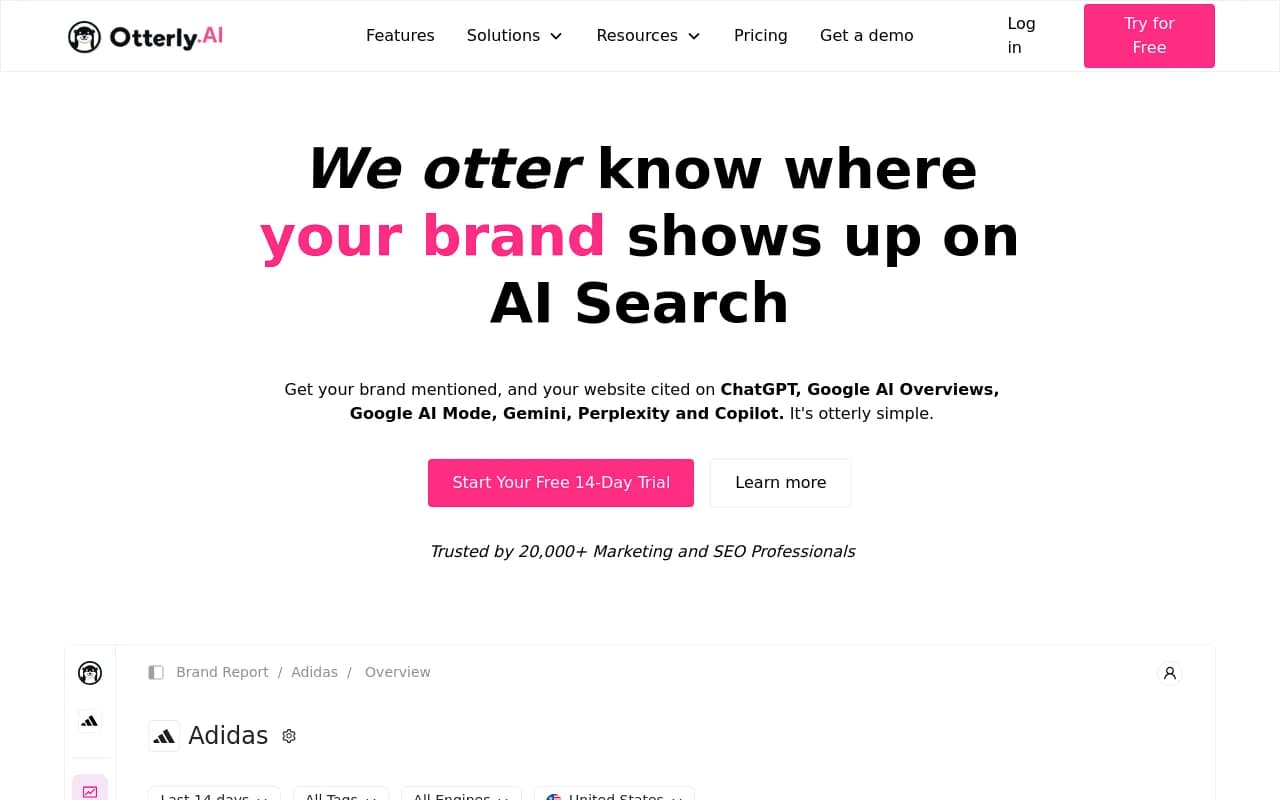
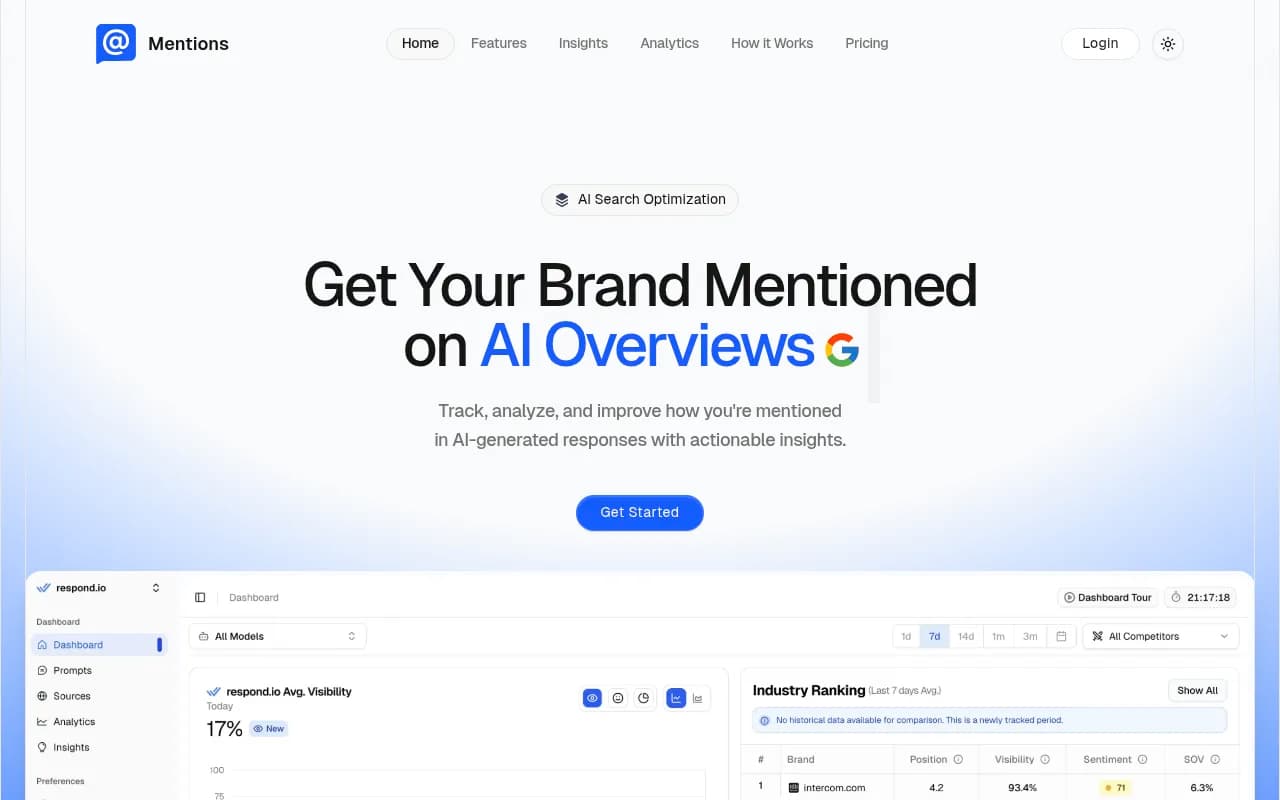
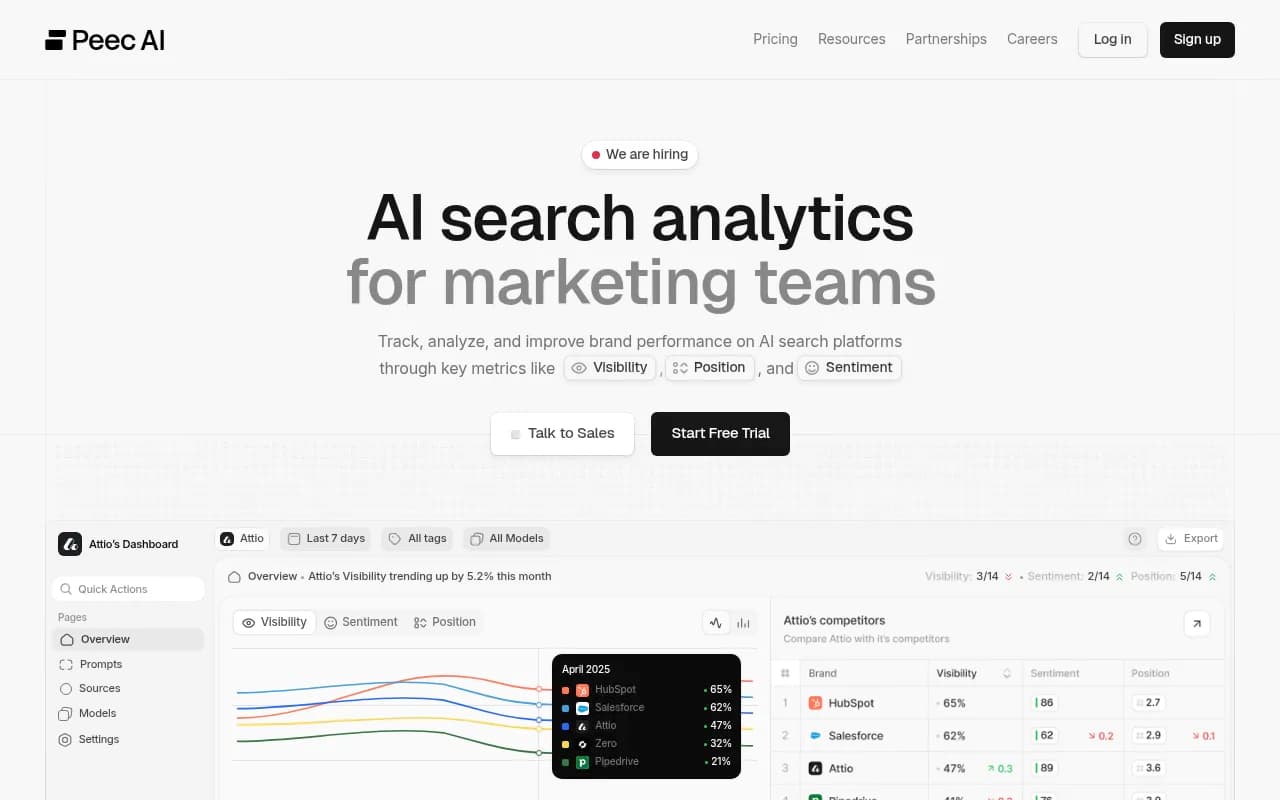
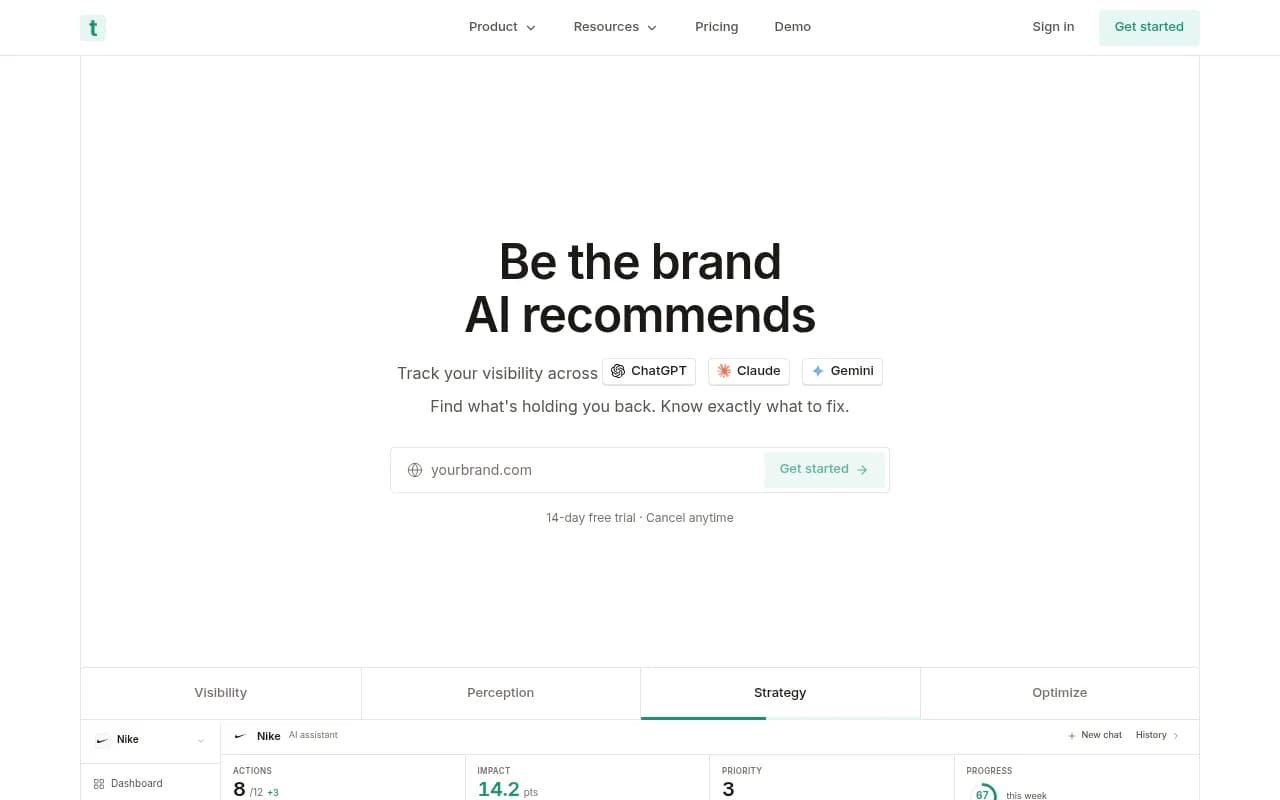
These are fine starting points if you're just getting oriented. The limitation is that they're monitoring dashboards -- they show you data but don't help you do anything about it.
Mid-tier visibility platforms
These go further: multi-model tracking, competitor comparisons, some prompt management. Better for teams that need regular reporting.
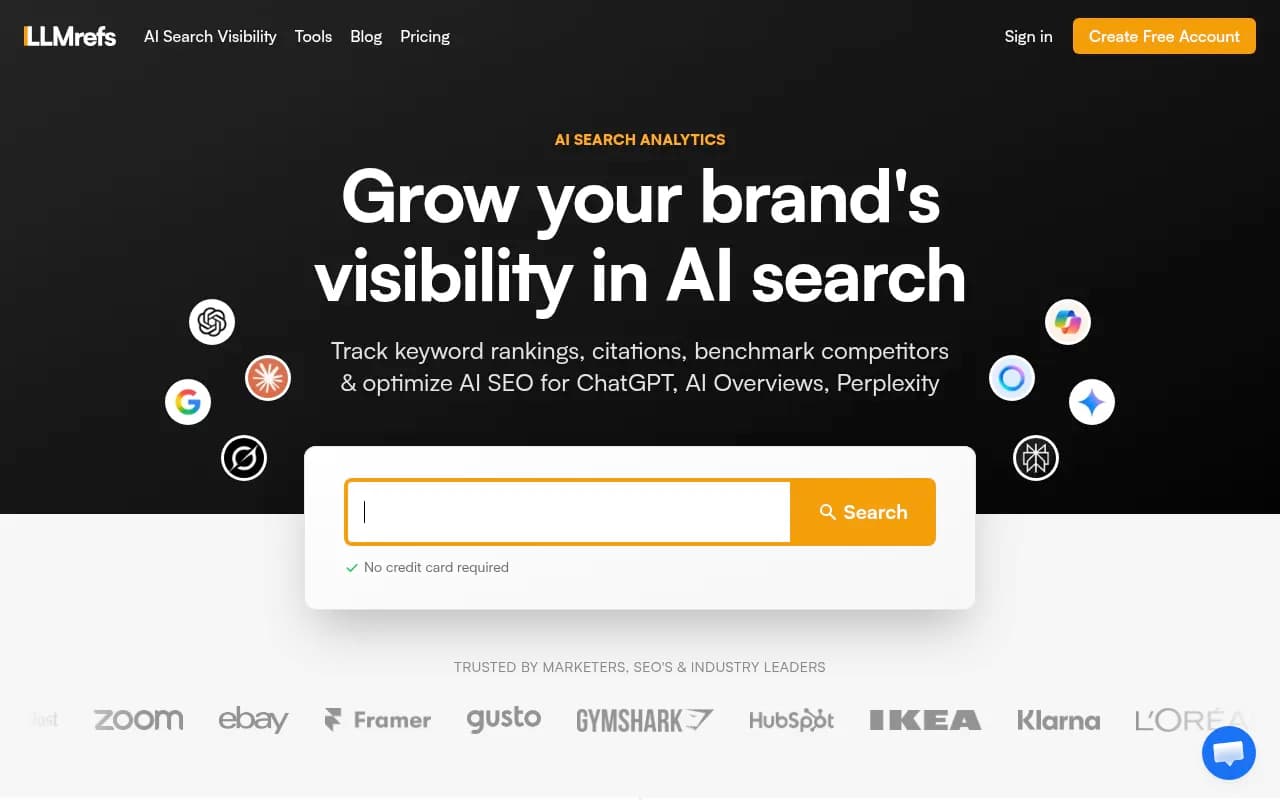
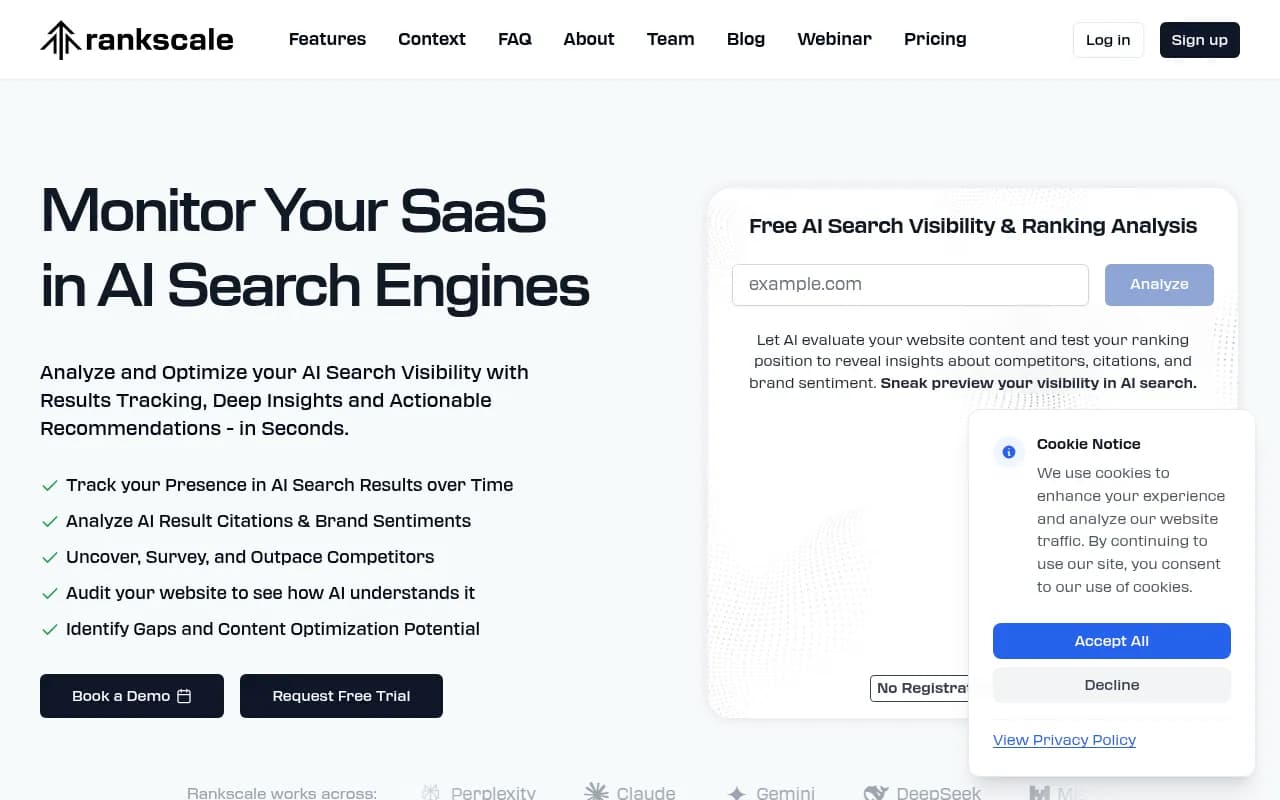
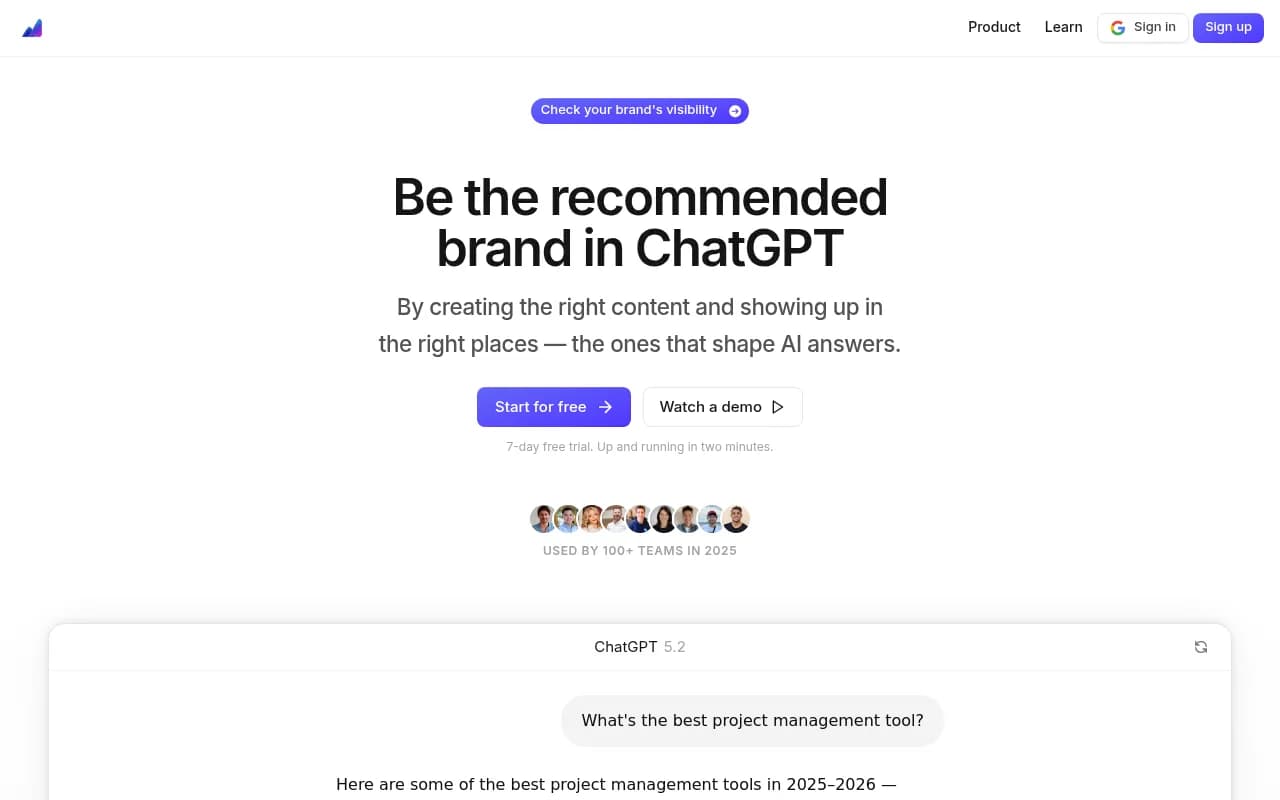
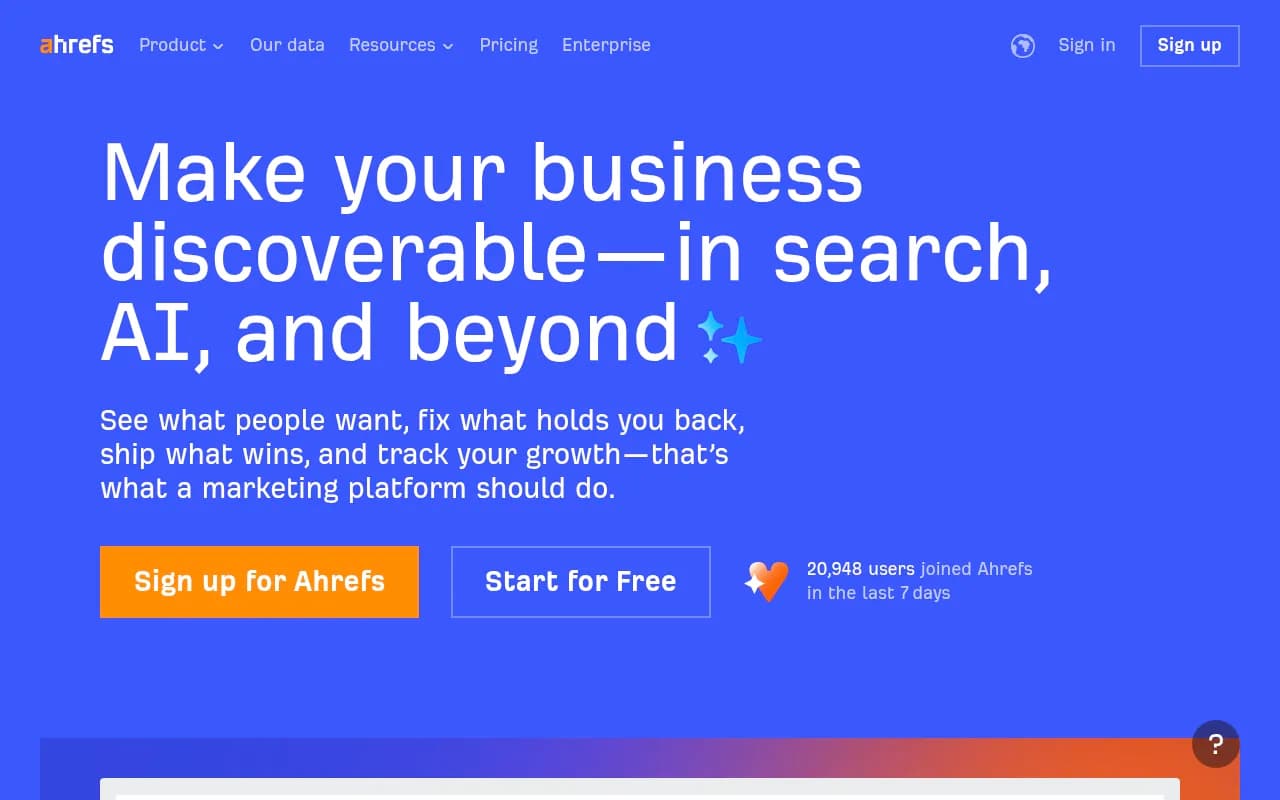
Ahrefs Brand Radar is worth mentioning specifically because it comes from a trusted SEO brand. The tradeoff is that it uses fixed prompts rather than custom ones, which limits how well it maps to your actual buyer journey.
Full optimization platforms
This is where the category gets genuinely interesting. A few platforms have moved beyond monitoring into what you might call the full loop: find gaps, create content to fill them, track whether it works.
Promptwatch is the clearest example of this approach. Rather than just showing you where you're invisible, it identifies the specific prompts your competitors are getting cited for that you're not -- then helps you create content engineered to fill those gaps. It also surfaces AI crawler logs (which pages are being read, which are being ignored, what errors crawlers are hitting), tracks offsite citations including Reddit and YouTube, and connects visibility to actual traffic attribution.

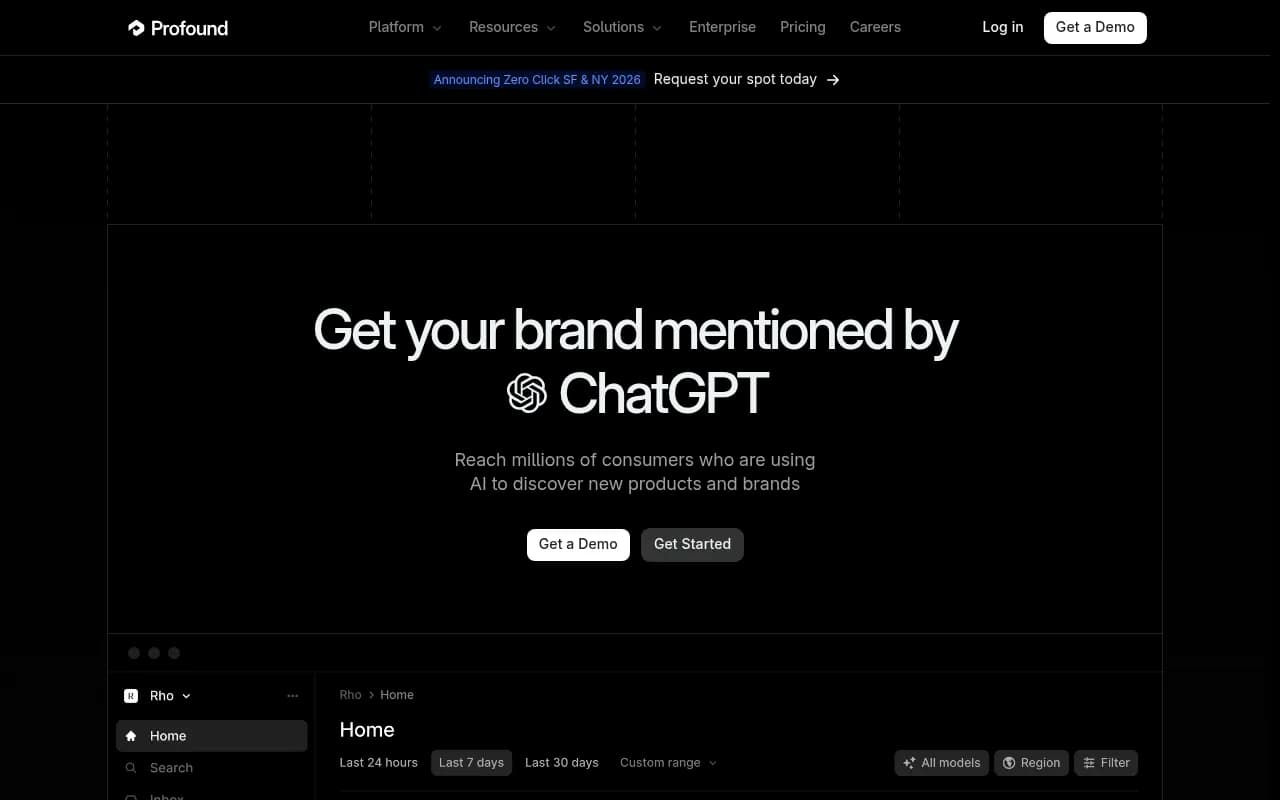
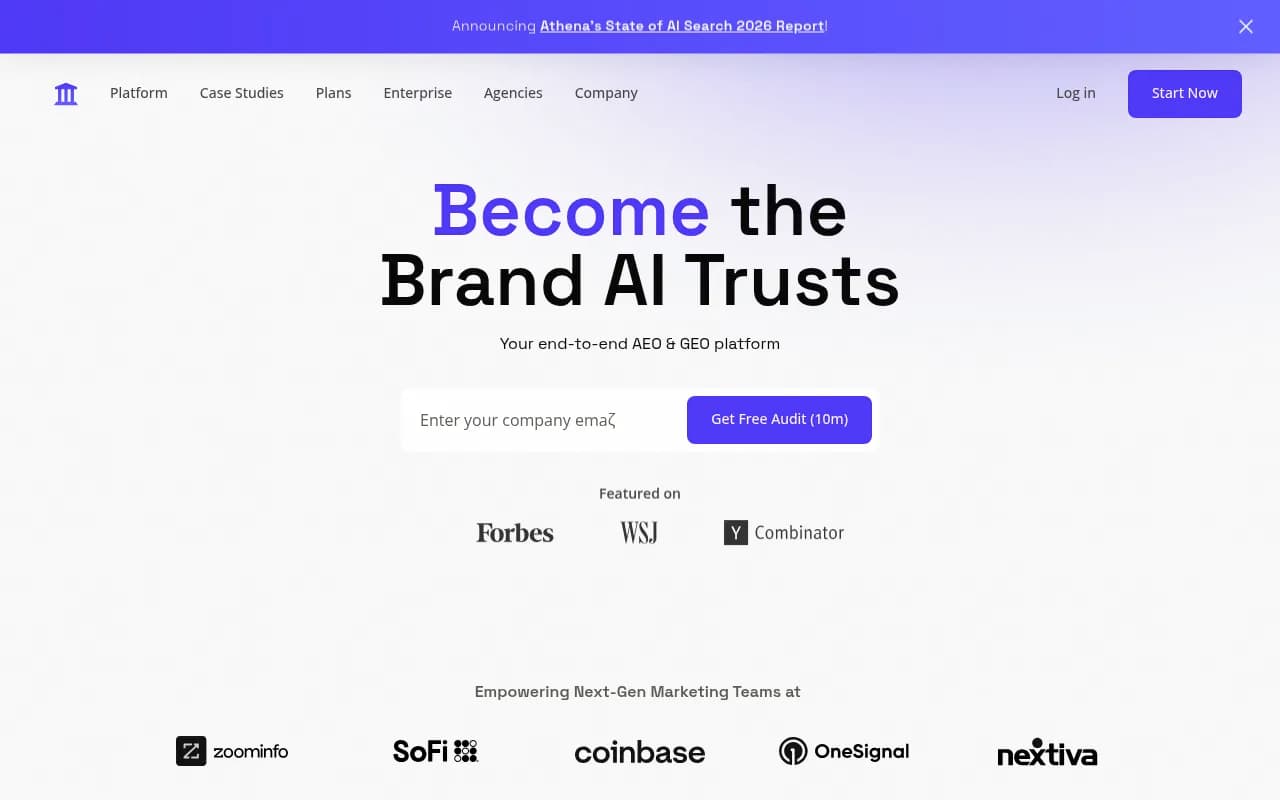
The distinction between monitoring-only and optimization platforms matters more than it might seem. If you find out you're invisible for 40 prompts your competitors are winning, what do you do next? A monitoring tool leaves you to figure that out yourself. An optimization platform tells you exactly what content to create and helps you create it.
Common mistakes in ChatGPT visibility monitoring
Tracking too few prompts
If you're tracking fewer than 20-30 prompts, you're not getting a real picture. AI visibility is highly prompt-specific. A brand can be strong for informational queries and weak for commercial ones, or visible in one region and invisible in another. Breadth matters.
Ignoring persona and region variation
ChatGPT gives different answers to different users. A CMO asking about enterprise software gets different recommendations than a startup founder asking the same question. If your monitoring doesn't account for persona variation, you're missing how different buyer segments see (or don't see) your brand.
Treating AI visibility as separate from content strategy
The brands making real progress on AI visibility aren't running it as a separate workstream. They're using prompt data to inform what content they create, then tracking whether that content gets cited. It's a feedback loop, not a one-time audit.
Assuming good SEO means good AI visibility
There's meaningful overlap, but they're not the same thing. AI models don't just cite pages that rank well in Google -- they cite pages that directly answer the question being asked. A page that ranks #3 for a keyword might never get cited in an AI response if it doesn't clearly answer the underlying question. The content requirements are different.
Not tracking competitors
Knowing your own visibility score in isolation is less useful than knowing it relative to competitors. If you're at 40% visibility and your closest competitor is at 70%, that gap tells you something actionable. Most teams don't track this systematically.
Where to start if you're building this from scratch
If your current setup is "someone checks ChatGPT occasionally," here's a practical progression:
-
Define your prompt set. Start with 30-50 prompts that map to real buyer questions across different stages: awareness, consideration, and decision. Include variations in phrasing, not just different topics.
-
Pick a tracking tool that covers multiple models. At minimum, you want ChatGPT, Perplexity, and Google AI Overviews. These three have meaningfully different citation patterns.
-
Add competitor tracking from day one. You want to know your visibility relative to 3-5 competitors, not just in absolute terms.
-
Audit your offsite presence. Check what Reddit threads, YouTube videos, and third-party review sites are currently shaping AI responses in your category. This is often where the biggest gaps are.
-
Connect visibility to content. When you find gaps -- prompts where competitors appear and you don't -- treat them as content briefs. What page on your site would answer that question better than anything currently being cited?
-
Track crawler behavior if you can. This is advanced, but knowing which pages AI crawlers are actually reading (and which they're skipping) is one of the highest-leverage things you can monitor.
Tools like Promptwatch handle most of this in one place. For teams that want to start simpler, combining a basic tracker with manual competitor analysis and a content gap review is a reasonable starting point.
The bigger picture
AI search isn't replacing traditional search overnight, but it's already changing how buying decisions get made. When someone asks ChatGPT which accounting software to try, or which agency to hire, or which SaaS tool solves their problem -- the brands that appear in that answer have a real advantage. The ones that don't might not even know they're missing.
The monitoring setups most teams have right now were built for a world where you could check a few rankings and feel covered. That world is gone. The brands that figure out the full picture -- prompt coverage, citation sources, crawler behavior, offsite influence, multi-model tracking -- are going to have a meaningful edge over the ones still doing weekly spot checks.
The gap between "we monitor ChatGPT" and "we understand our AI visibility" is where most of the opportunity is sitting right now.