Key takeaways
- Local GEO for a clinic is two jobs: clean local data (listings, reviews, Google Business Profile) and AI visibility tracking (are ChatGPT, Gemini and AI Overviews naming you?). Most tools do one, not both.
- Fix the foundation first. Inconsistent name, address and phone data is the most common reason a practice is missing from both the map pack and AI answers.
- Tools like Birdeye, BrightLocal, Yext, Synup and Podium cover listings, reviews and messaging. A separate AI visibility platform covers what ChatGPT and Google's AI products say about you.
- Healthcare adds a HIPAA layer. Ask any vendor for a signed BAA in writing, and never trust the phrase "HIPAA-friendly" on a website.
- Buy for the problem you have. The most common mistake is buying a messaging tool to fix a ranking problem.
What local GEO means for a clinic
A patient with a broken molar at 9 PM does not scroll ten blue links. They ask ChatGPT or Gemini who to call, and get a short list of two or three practices. Whether yours is on that list depends on how well AI systems can read, verify and trust what is published about you.
GEO (generative engine optimization) for a local practice sits on top of old-fashioned local SEO. The same signals matter: a consistent name, address and phone number, a complete Google Business Profile, steady reviews, and service pages that match what patients search for. The new part is measuring whether AI engines actually mention you, and which sources they pull from when they do.
So the tool stack splits into four layers:
- Listings and data consistency
- Rank tracking in the local pack
- Reviews and patient communication
- AI visibility monitoring and optimization
No single product is best at all four. Here is how I would think about each.
A quick word on what AI actually cites for health queries
Before picking tools, it helps to know what AI engines favor in healthcare. Promptwatch's Most Cited Sites in ChatGPT for Healthcare-Related Prompts report (organic healthcare prompts, Sep 9 to Oct 8, 2026) found NIH is the top source at 5.46% of healthcare citations, followed by the FDA at 1.76% and the NHS at 1.1%. Government and public health sites together took 7.06%.
Reviews and directories were a small slice at 0.46%. Doctify and WebMD doctor profiles were the only directories in the top 20, at 0.23% each. Healthgrades, Zocdoc and Vitals did not make the list.
Two cautions. This report covers informational health prompts, not "dentist near me" prompts, so do not read it as local-pack data. And it does not mean directories are worthless for local discovery. It does suggest that for educational content, citing PubMed studies, aligning with FDA, CDC or NHS guidance, and keeping profiles like Doctify and WebMD complete are better bets than chasing every directory.
Layer 1: listings and data consistency
This is the unglamorous part, and it is where most practices leak visibility. Google cross-checks your name, address and phone (NAP) across Google, Healthgrades, Zocdoc, Yelp, Apple Maps, Bing Places and insurer directories. Conflicting records make it hedge.
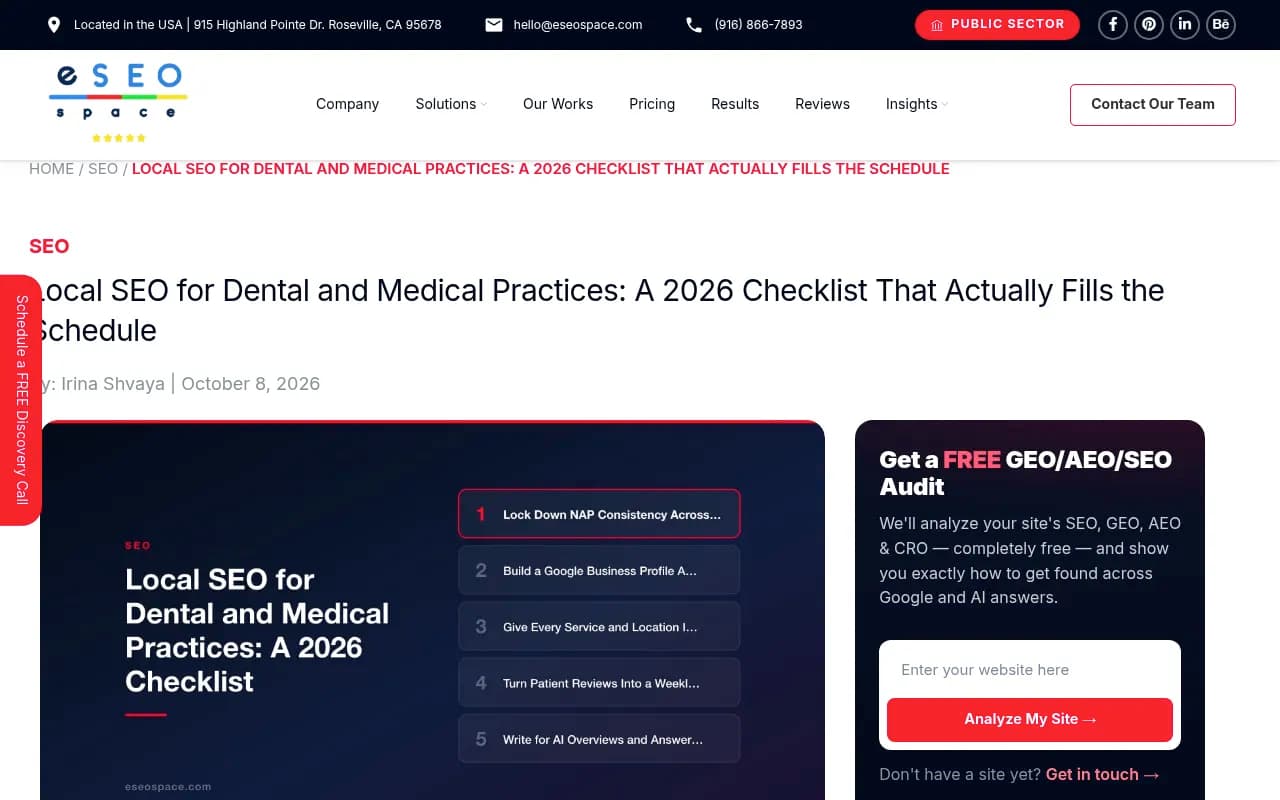
Healthcare listings break in ways other industries rarely see, according to eSEOspace's 2026 checklist: a dentist who left two years ago still has a live profile pointing at your suite, an old call-tracking number sits in an aggregator, or a prior practice name survives on an insurer page after an acquisition.
For one location, manual cleanup is fine. Past that, a listing platform pays for itself.
Yext
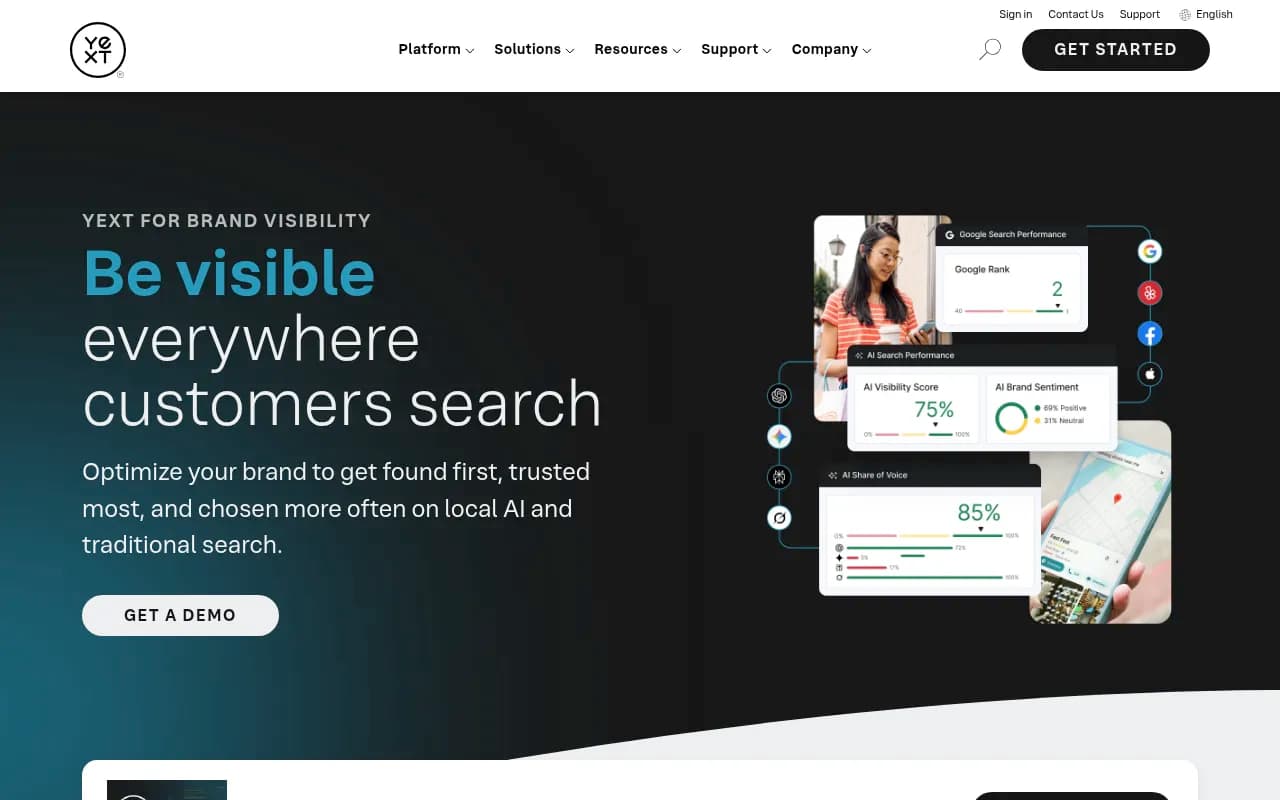
Yext is the enterprise choice for large multi-site groups and hospital systems. It pushes one verified record to a wide network of directories and handles insurance and attribute data.
Synup
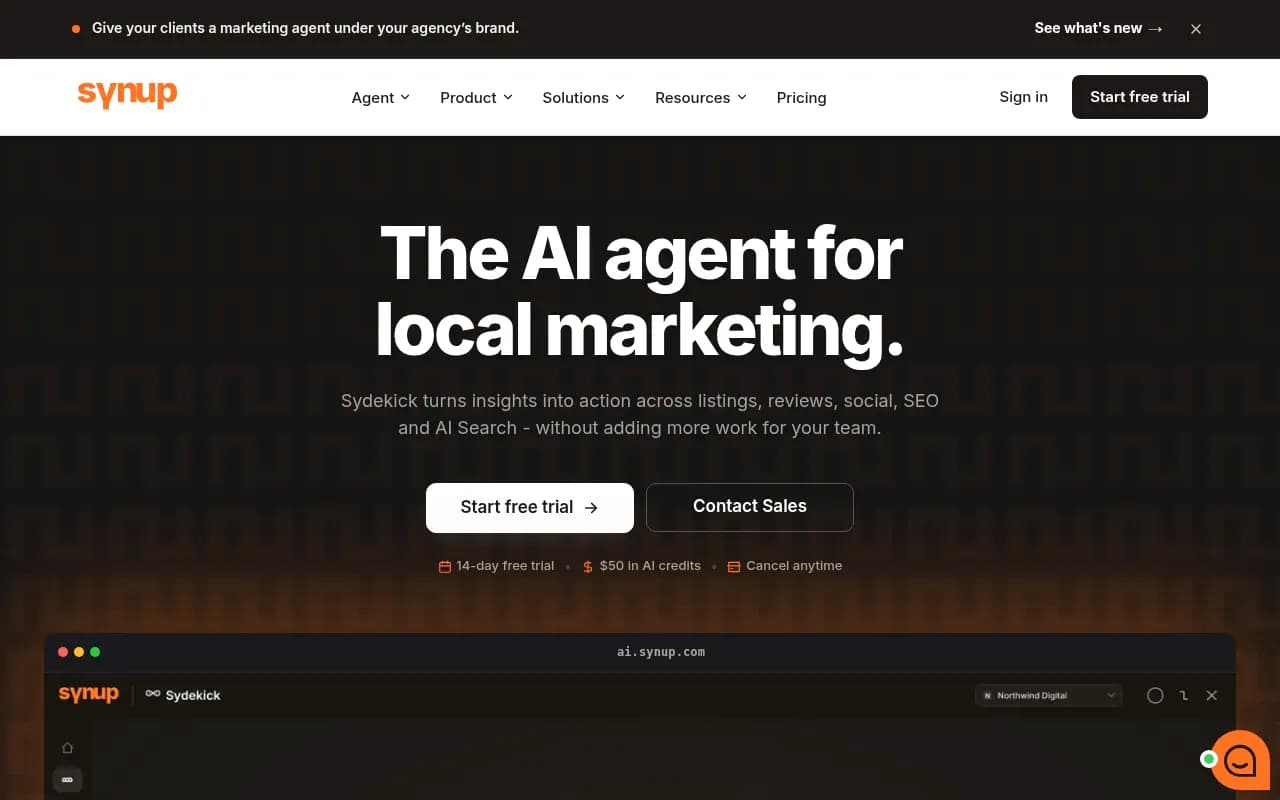
Synup runs listings, reviews and local visibility in one place, and it is a sensible middle ground for a group of several clinics.
Moz Local
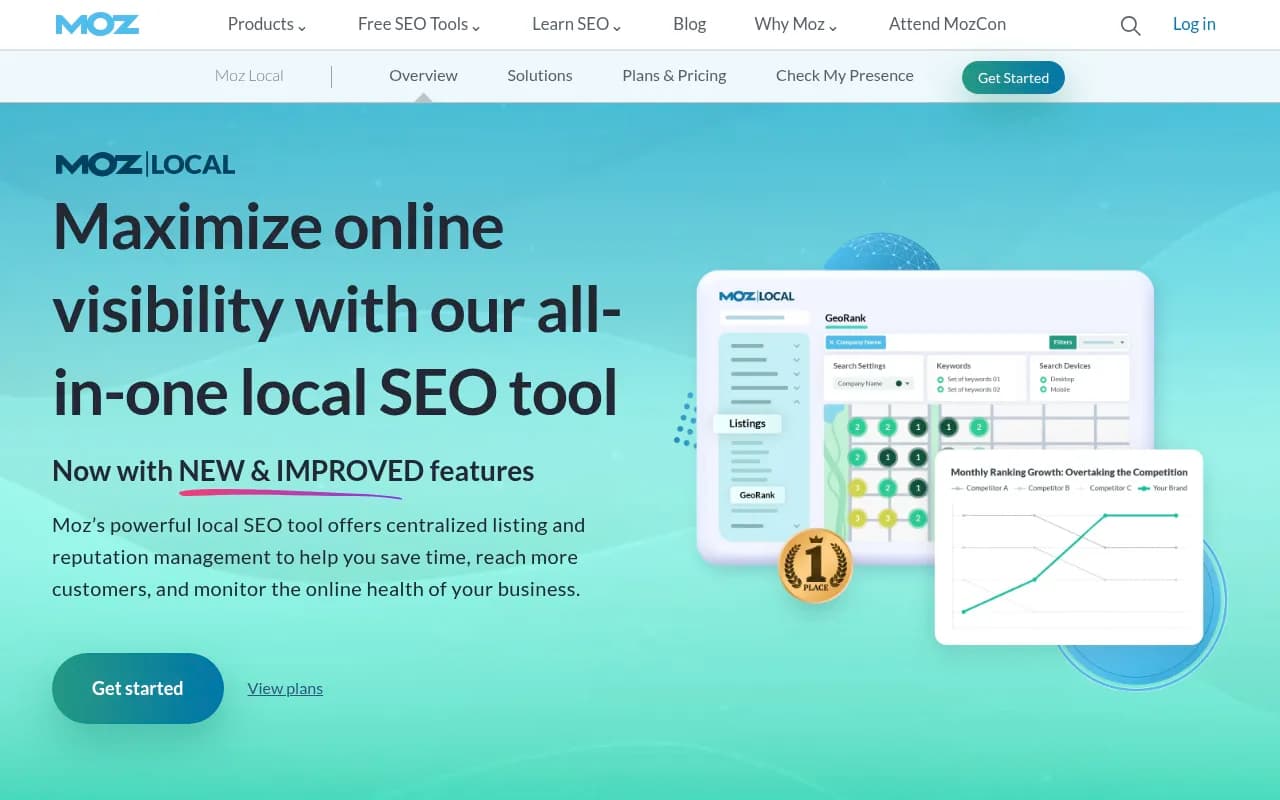
Moz Local is a simpler listing-sync option for smaller practices that want to fix duplicates and stop third-party edits without enterprise pricing.
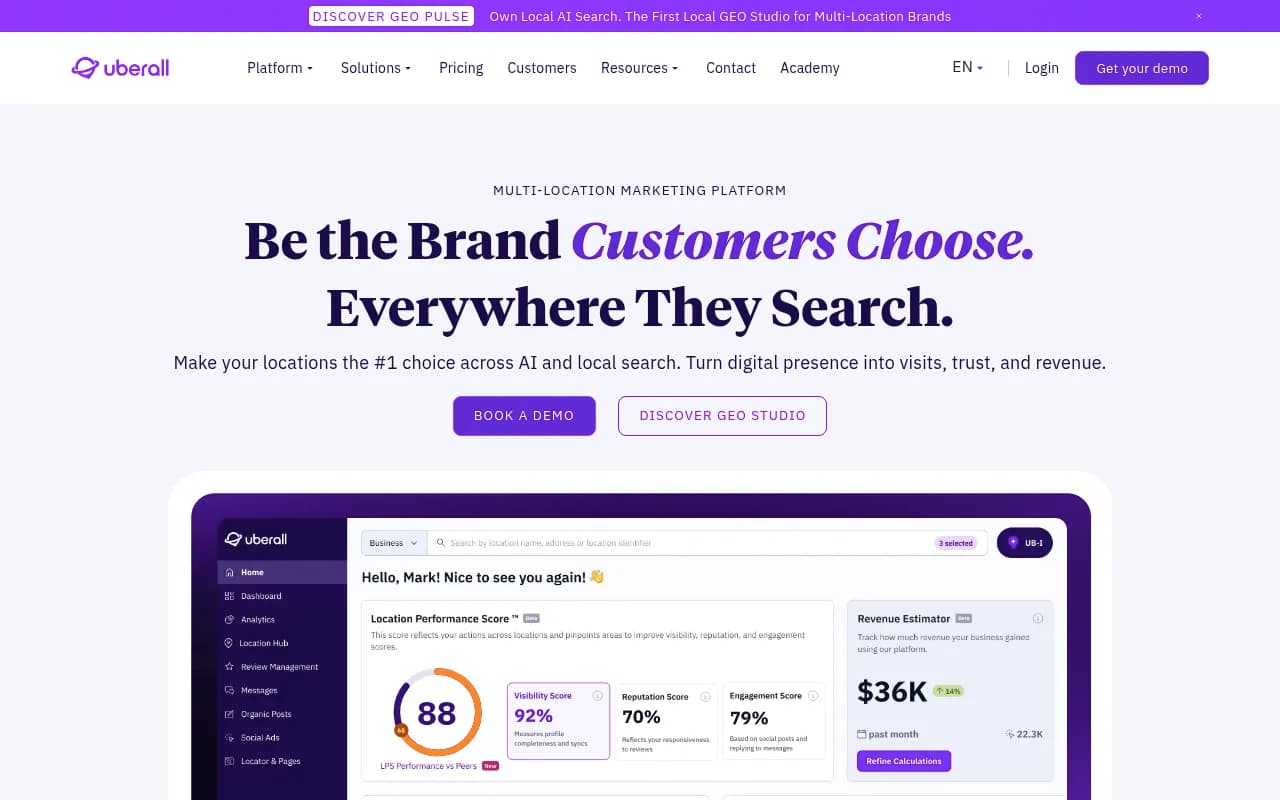
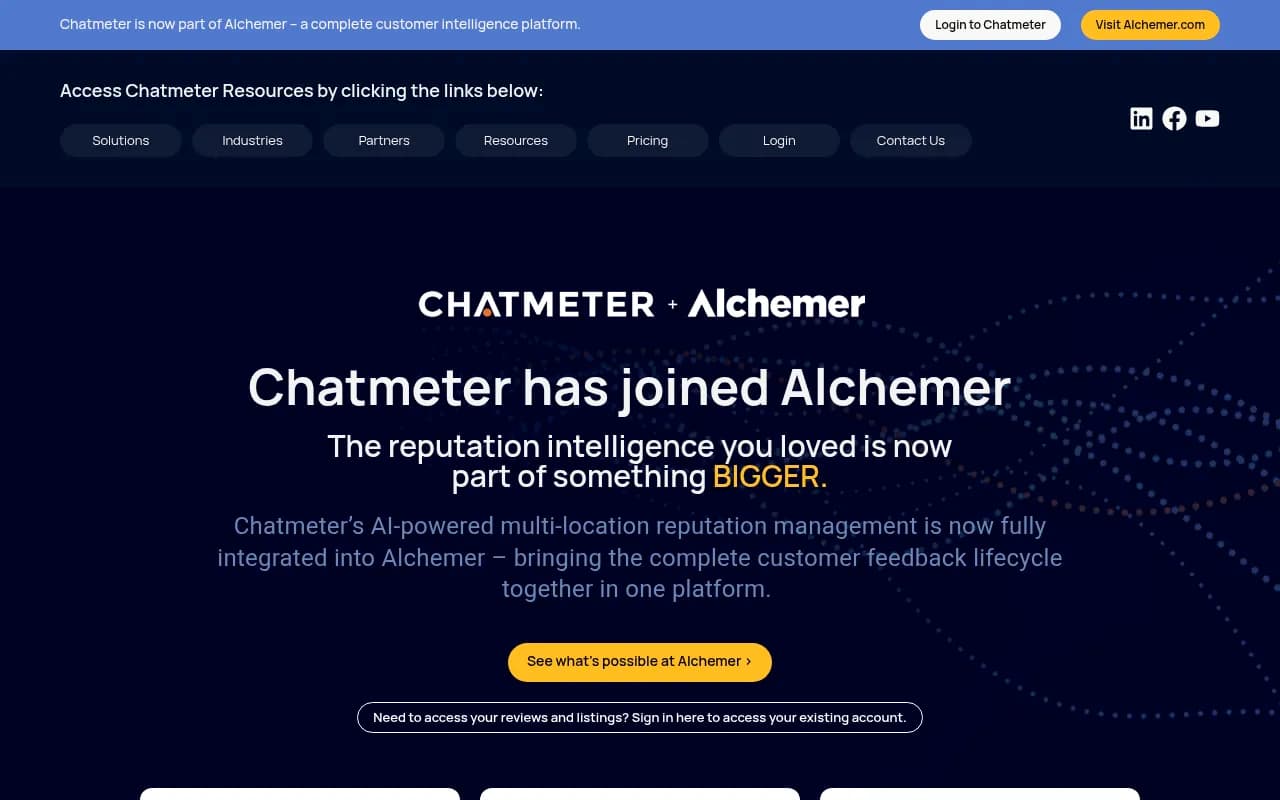
Uberall and Chatmeter
Both are built for multi-location brands. If you run a dental service organization with dozens of offices, they are worth a demo.
Layer 2: local rank tracking
Your practice might rank first on your own street and nowhere three miles out. Geo-grid tracking shows this by scanning rankings across a map grid, which a single "rank for dentist" number hides.
BrightLocal
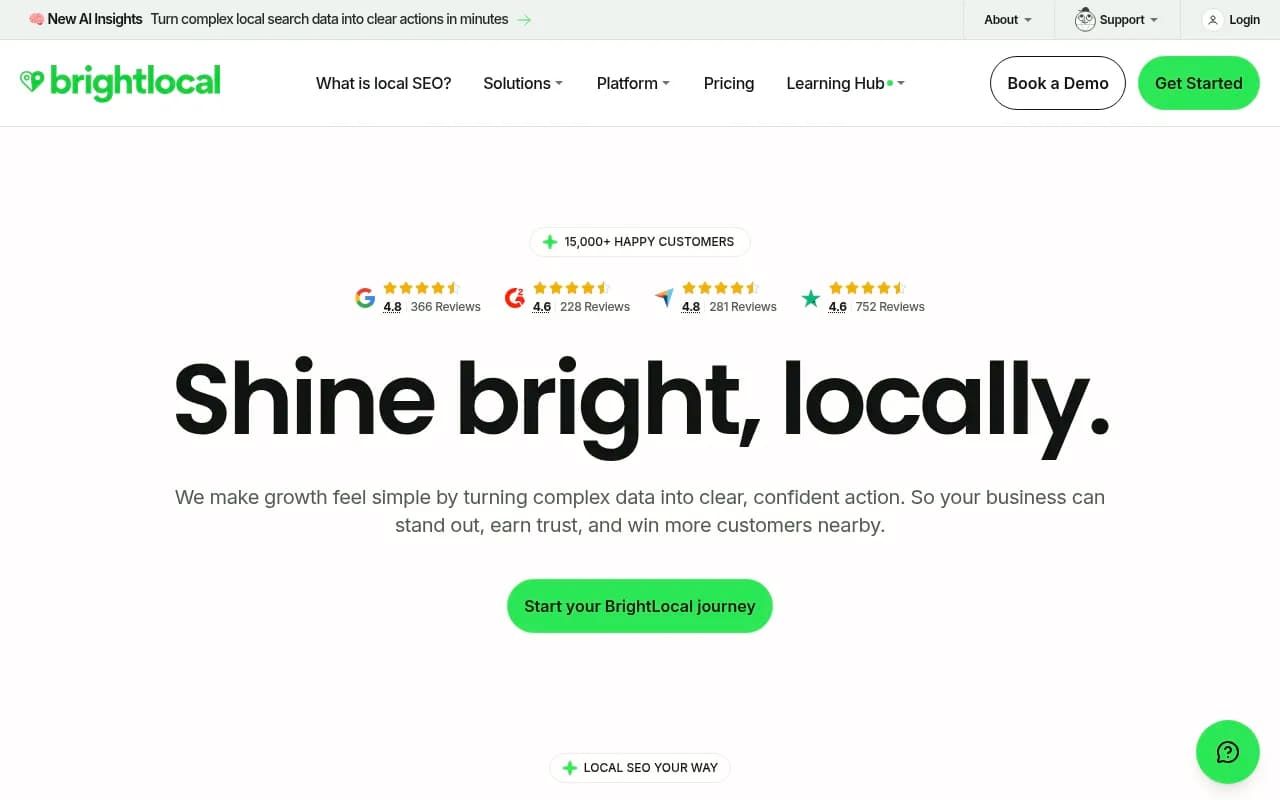
BrightLocal covers audits, geo-grid style tracking, competitor tracking and agency reporting. It also has full healthcare directory coverage according to a vendor comparison from Flento. If you are an agency managing several practices, or an office manager who wants a real audit, this is a safe pick.
Local Falcon
Local Falcon is a focused geo-grid scanner. If you only want diagnostics and handle reviews elsewhere, it is a good fit. It has no listing sync and no messaging, so do not expect it to be an all-in-one.
Ranktracker, AccuRanker and Wincher
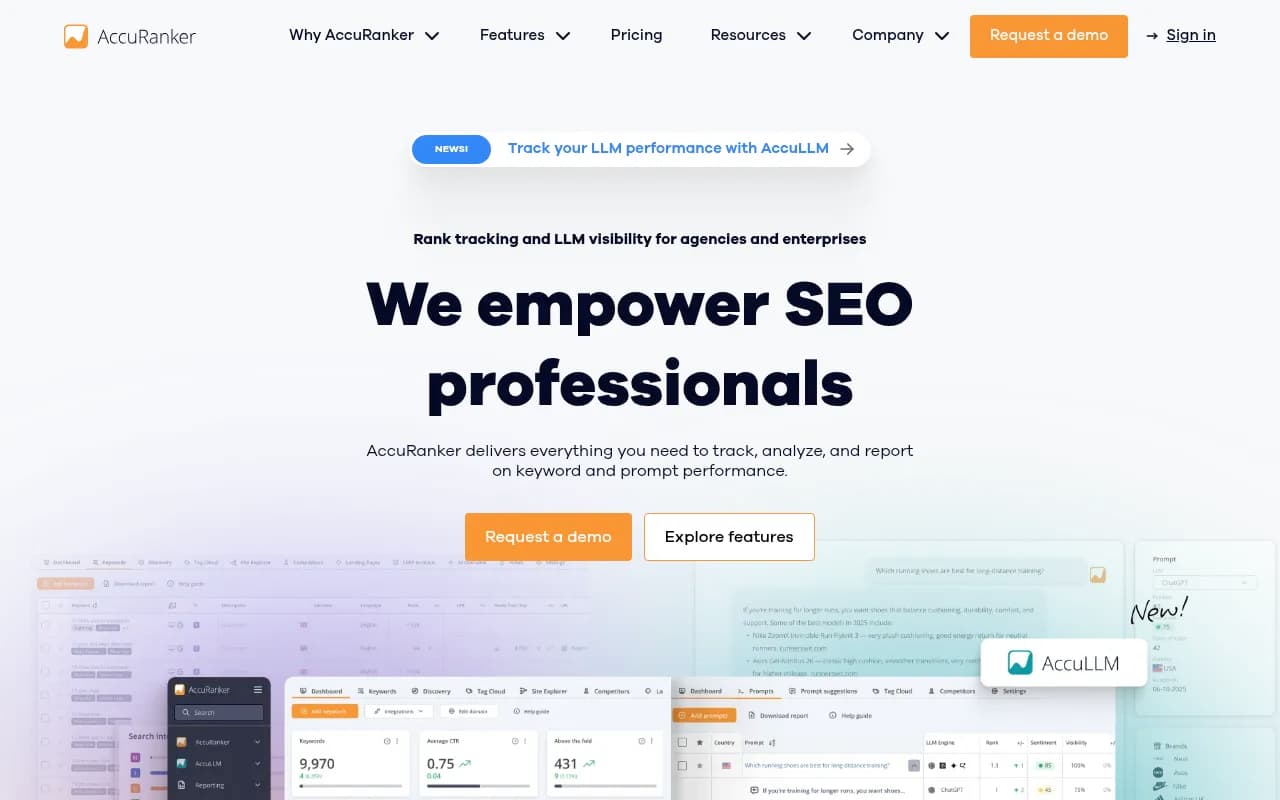
If your concern is organic keyword rankings for service pages (implants, emergency care, Invisalign) alongside local results, a general rank tracker can sit next to a local tool.

Layer 3: reviews and patient communication
Reviews feed both the map pack and the sentiment AI engines read. This is also where HIPAA bites hardest.
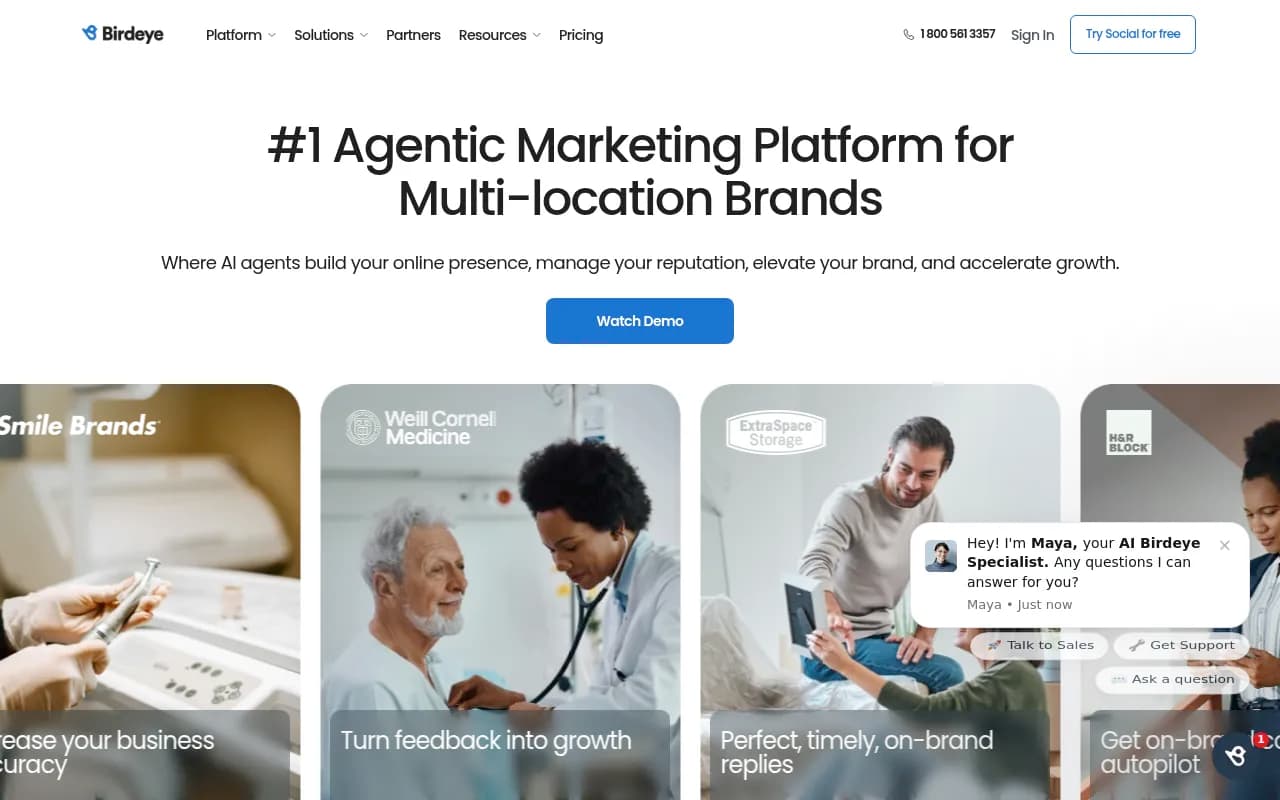
Birdeye
Birdeye combines reputation management with patient communication and has full healthcare directory coverage. It suits practices that want reviews and texting in one system.
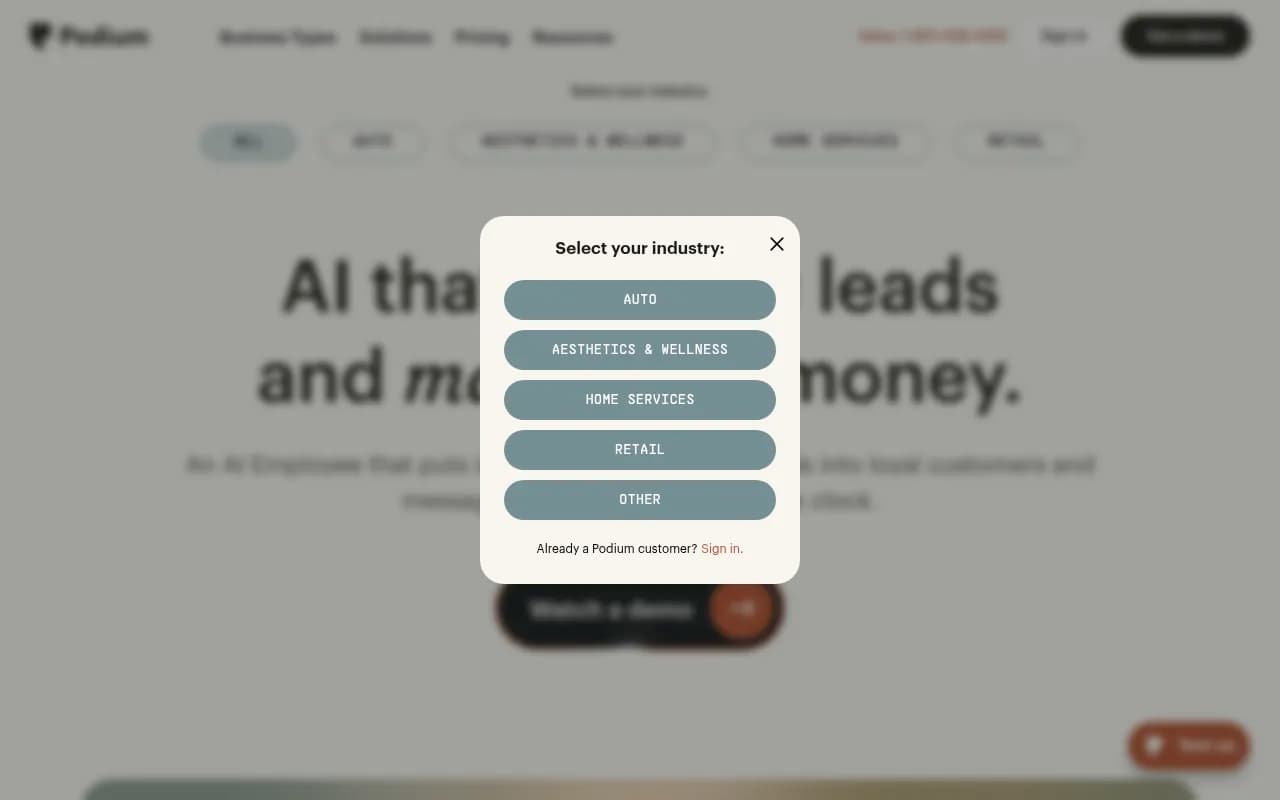
Podium
Podium is a front-desk messaging tool first. It is excellent at turning missed calls and web inquiries into conversations, and not a ranking fix.
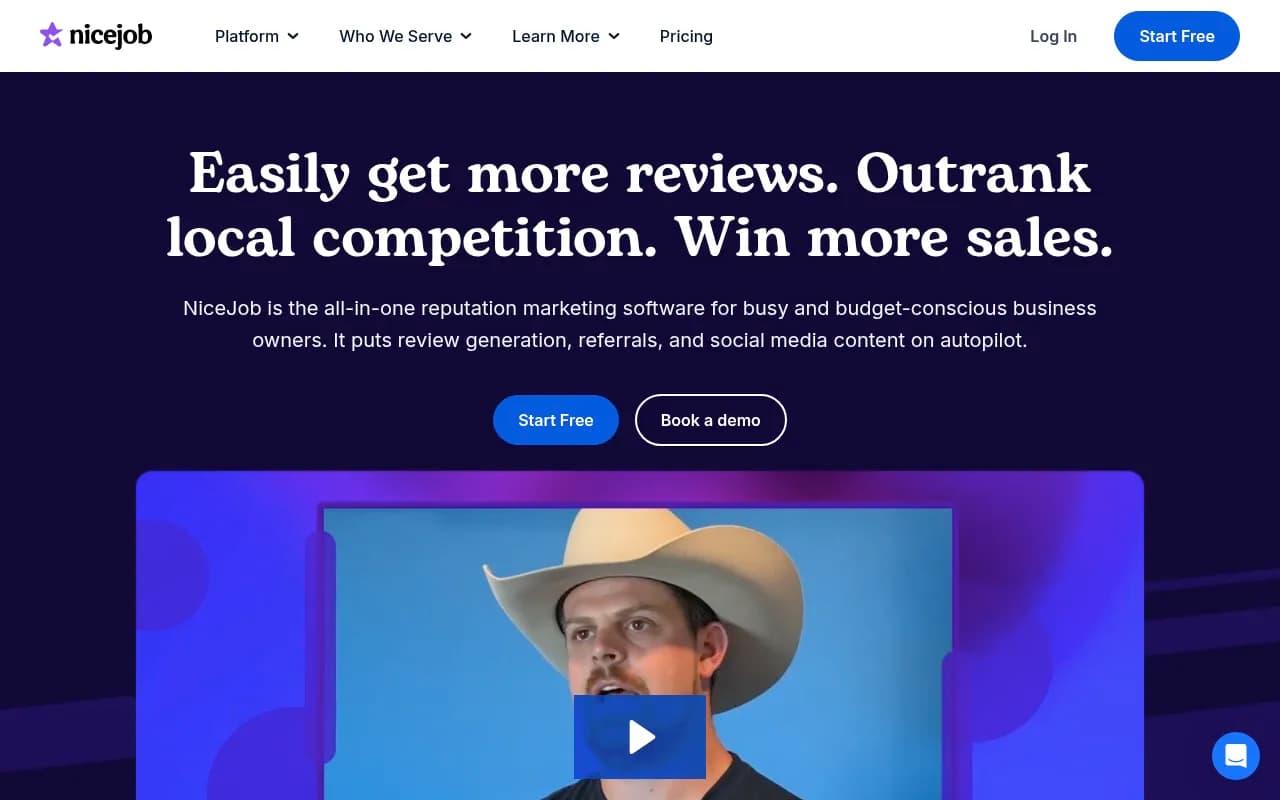
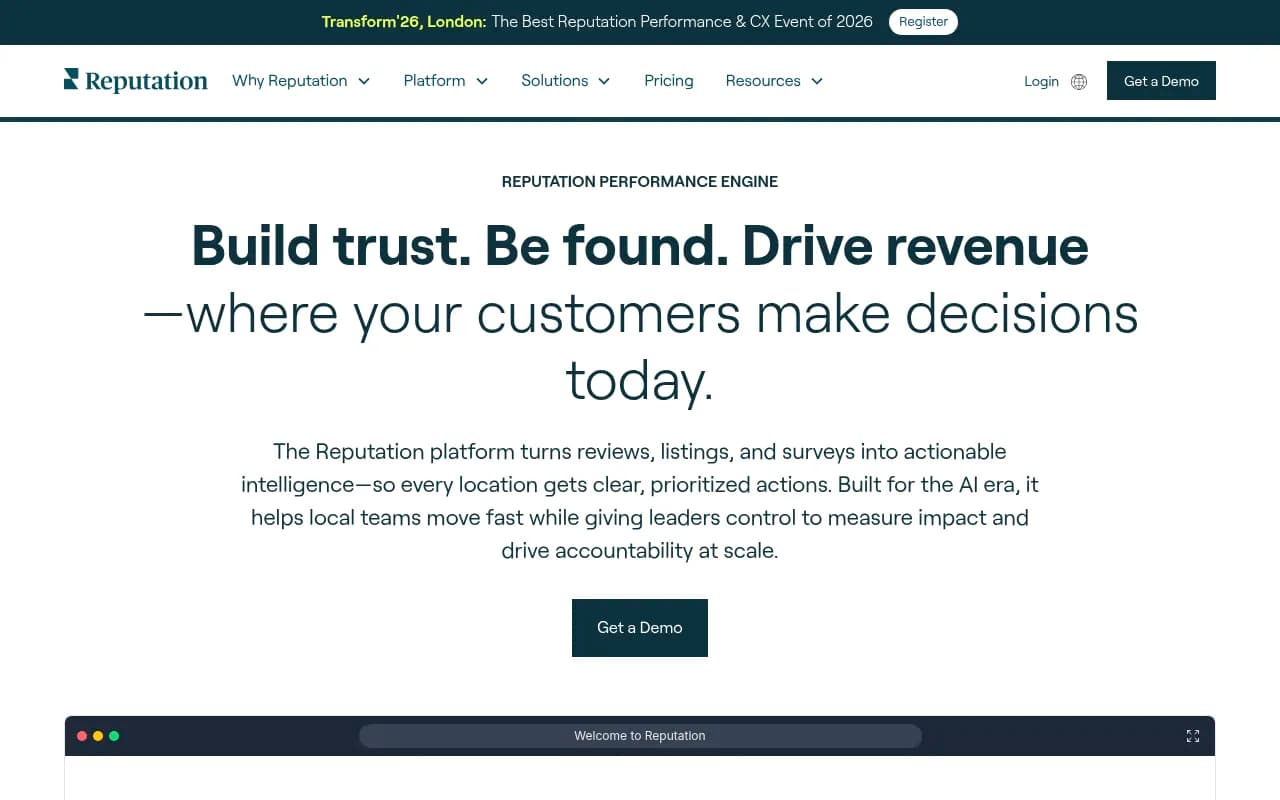
NiceJob, ReviewTrackers and Reputation.com
NiceJob automates review requests and referrals for smaller practices. ReviewTrackers and Reputation.com lean toward larger organizations that want review analytics and survey data.

HIPAA pitfalls to check before you buy
According to Flento's vendor-authored comparison, the places clinics get into trouble are consistent:
- "HIPAA-friendly" on a website means nothing. Ask whether the vendor will sign a business associate agreement (BAA), and get it in writing.
- Acknowledging someone as a patient is itself protected information. A reply like "thanks for coming in for your cleaning last Tuesday" is a disclosure.
- Be careful with importing patient lists without a BAA, review replies that mention treatment, and automations that pull appointment details into public messages.
- Review requests should not be gated by expected sentiment.
- Untrained front-desk replies are where most marketing-related incidents happen.
I would treat this list as a conversation starter with your compliance lead, not legal advice.
Layer 4: AI visibility monitoring and optimization
This is the layer that is new. Listing and review tools tell you how you look to Google's map pack. They do not tell you what ChatGPT says when someone asks for a sedation dentist who takes their insurance.
Here is what to look for in an AI visibility tool as a clinic:
- Tracking of the real ChatGPT, Gemini, Perplexity and Google AI interfaces, not just API answers
- Country and, ideally, city-level tracking, since local intent is the whole point
- Citation data, so you can see which third-party pages AI reads when it names competitors
- Crawler logs, so you know whether AI bots can read your site at all
- Content support, because knowing you are invisible only helps if you can fix it
Promptwatch is the platform I would start with here. It tracks real AI interfaces including ChatGPT, Google AI Overviews, AI Mode, Gemini, Perplexity and Copilot, and its Business plan adds state and city tracking, which matters for a practice that wants to know how it shows up in one metro area. It also goes past monitoring: IP-verified AI crawler logs show whether bots hit errors on your site, the content gap analysis shows which patient questions you are missing answers for, and the Content Agent can draft and publish to WordPress, Webflow or Framer. Visitor analytics connect AI traffic to actual site visits. Plans start at $95/month, so confirm current pricing at promptwatch.com/pricing.

A few honest limits. Promptwatch is not a listings manager or a review tool, so it sits next to Yext or BrightLocal rather than replacing them. And I found no Promptwatch report specific to local "near me" dental prompts, so any claims about local citation patterns should be tested with your own prompts.
Other options in the AI tracking category, mostly monitoring-focused:
- Otterly.AI and Peec AI are affordable prompt trackers
- Profound targets enterprise budgets
- Tibly is built for local businesses
- Semrush and Ahrefs Brand Radar add AI tracking to existing SEO suites



If you want to compare more, the GEO software directory lists dozens of options.
On the free end, Google Search Console is worth connecting no matter what else you buy, and a free AI visibility report from Promptwatch gives you a baseline before you commit to anything.
Schema and structured data
AI engines parse structured data. If you have several practitioners and locations, markup for each practice and provider helps machines tell them apart. Schema App handles this at scale, and a WordPress plugin like Yoast SEO covers basics for a single-site practice.
Comparison table
Capabilities below are drawn from Flento's comparison (vendor-authored, and the source says it is not a quality ranking) and from the tools' own positioning. Verify details before purchase.
| Tool | Listing sync | Geo-grid tracking | Reviews and messaging | AI visibility | Best for |
|---|---|---|---|---|---|
| Yext | Core focus | No | No | Limited | Hospital systems, large groups |
| BrightLocal | Partial | Yes | Partial | No | Audits, agency reporting |
| Birdeye | Partial | No | Yes | No | Reviews plus patient communication |
| Podium | No | No | Messaging is core | No | Front-desk messaging |
| Local Falcon | No | Core focus | No | No | Geo-grid diagnostics |
| Synup | Yes | Varies | Yes | No | Small multi-location groups |
| Promptwatch | No | No | No | Core focus | Tracking and fixing AI visibility |
Published pricing for single-site practices tends to sit around $99 to $400 per month for local SEO platforms, with enterprise systems well above that. I did not find verified per-tool prices, so check each vendor.
Suggested stacks by practice type
Single-location dental or medical practice
Start with a clean Google Business Profile and manual NAP cleanup. Add one reviews tool (Birdeye or NiceJob) and a free baseline of your AI visibility. If AI mentions are your priority, add Promptwatch Essential. Skip enterprise listing tools.
Multi-provider practice
You often need a profile per practitioner plus one for the practice. A listing tool like Synup or BrightLocal pays off here, because departed providers with live profiles are exactly how duplicate and stale listings pile up. Add insurance, language, accessibility and new-patient availability attributes. Flento cites a Raleigh dental practice that saw call volume improve after listing all accepted insurance with no ranking change. That is an anecdote, but it matches how patients actually filter.
Multi-location group or DSO
Yext, Uberall or Chatmeter for listings, Birdeye for reviews, and an AI visibility platform with city-level tracking for a market-by-market view. Promptwatch's Business plan includes state and city tracking.
Agency managing practices
BrightLocal for reporting, plus an agency plan from an AI visibility platform so you can run multiple clients under one account. Promptwatch's agency tiers start at $199/month and include white-label reporting.
What to do with the data
Tools do not book appointments. A short routine does:
- Audit NAP across Google, Apple Maps, Bing, Healthgrades, Zocdoc, Yelp and insurer pages. Remove departed providers.
- Build a service page per treatment and per location, and match your Google Business Profile services to them.
- Ask for reviews weekly, never gated, and reply without confirming anyone is a patient.
- Write patient-question pages (cost, sedation, same-day crowns, insurance) and link to authoritative guidance such as FDA, CDC or NHS pages where relevant.
- Track 20 to 50 real prompts patients might type, by city, and check monthly which sources AI cites.
- Answer the phone. A good ranking that goes to voicemail is wasted.
Should you hire an agency instead?
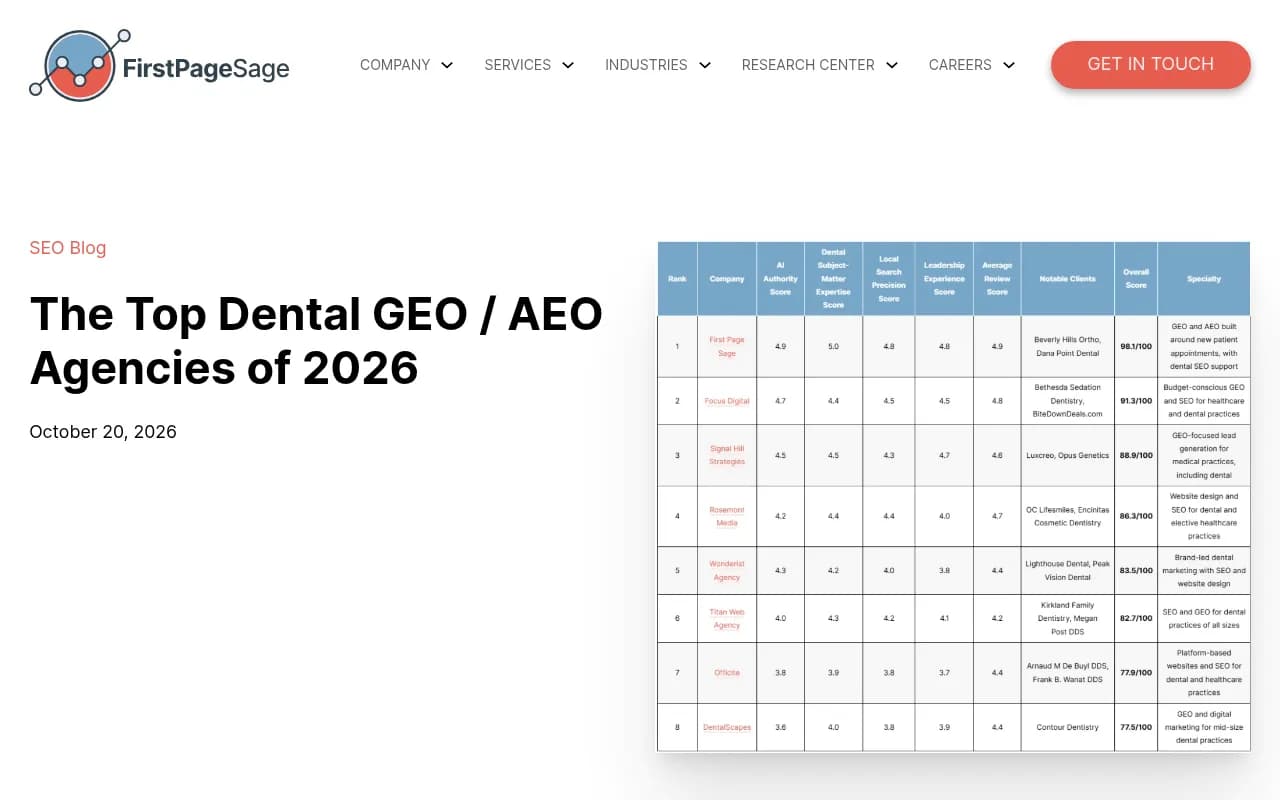
Some practices would rather outsource. First Page Sage published a ranking of dental GEO agencies in October 2026, but note that it ranks itself first, so treat it as a vendor-authored list, not neutral research.
If you want a broader SEO and GEO partner, 1001 SEO Media is a full-service agency covering technical SEO, local SEO, content and AI search optimization, with no long-term contracts. Whichever agency you consider, ask for a signed BAA before sharing any patient-related data and ask how they measure AI mentions, not just rankings.
Mistakes to avoid
- Buying a messaging tool to fix a ranking problem. Podium solves missed leads, not map-pack position.
- Treating a directory as a strategy. Healthgrades or Zocdoc listings matter for accuracy, but ChatGPT health citations lean heavily toward authoritative and government sources.
- Assuming "HIPAA-friendly" is a guarantee.
- Tracking only one AI engine. Promptwatch Data found ChatGPT drew 0.46% of its citations from social platforms while Google AI Overviews drew 12.2% (Sep 28 to Oct 4, 2026), so engines behave differently.
- Never checking whether AI crawlers can read your site. Blocked bots or broken pages quietly cap everything else.
Final recommendation
Pick one listing or local tool for your size, one review tool with a signed BAA, and one AI visibility platform. For the AI layer, Promptwatch is the one I would try first because it shows why you are or are not visible and helps fix it, not just report it. Start with a free scan, look at what AI says about your practice in your city, and spend money only where the gaps are.