Key takeaways
- Sales reps spend only about 28% of their week actually selling, according to Salesforce's State of Sales research. Pre-call research is one of the biggest time sinks, and it's also where AI tools give the most back.
- In 2026, the useful stack splits into three layers: contact databases (who to call), AI answer engines (what's true about them right now), and signal or intent tools (when to reach out).
- AI answer engines like Perplexity and ChatGPT have quietly become the fastest way to research a prospect's company, competitors, and recent news before a call. They're not perfect, so verify anything load-bearing.
- Data quality matters more than data volume. A wrong phone number costs you a call; a wrong "fact" in your opener costs you the deal.
- Don't buy five overlapping tools. Pick one database, one research workflow, one signal layer, and connect them to your CRM.
Sales reps spend only about 28% of their week actually selling. That number comes from Salesforce's State of Sales research, and it's the single best argument for why pre-call research tooling deserves budget. Every hour a rep spends digging through a prospect's website, LinkedIn, and news coverage before a first call is an hour not spent on the call itself.
The good news is that 2026 is the first year where the research part of that job is genuinely automatable. AI answer engines can summarize a company's positioning in seconds. Sales intelligence platforms can surface the decision maker, the tech stack, and the hiring sprees that signal budget. Intent tools can tell you when a prospect is actually in-market.
This guide covers the tools worth using for prospect research before the first call, how to combine them, and where the common failure points are.
What "prospect research" actually means in 2026
Pre-call research used to mean a rep spending 20 minutes clicking through a company's website and hoping to find something recent to mention in the opener. It was low-effort and low-value, or high-effort and high-value, depending on how much time the rep had.
The modern version is a structured brief assembled before every call:
- Who the company is, what they sell, and who they sell it to
- Who's on the call, their role, and what they likely care about
- What's changed recently: funding, hiring, product launches, leadership moves
- What competitors they have and where the competitive pressure sits
- What problems they likely have that your product solves
Doing this manually takes 30 to 60 minutes per account. With the right tools, it takes 5 to 10. That difference compounds across a quarter.
The three layers of a pre-call research stack
Layer 1: The contact database (who to call)
This is the foundation. You need verified contact data, firmographic filters, and ideally intent signals baked in. The main options:
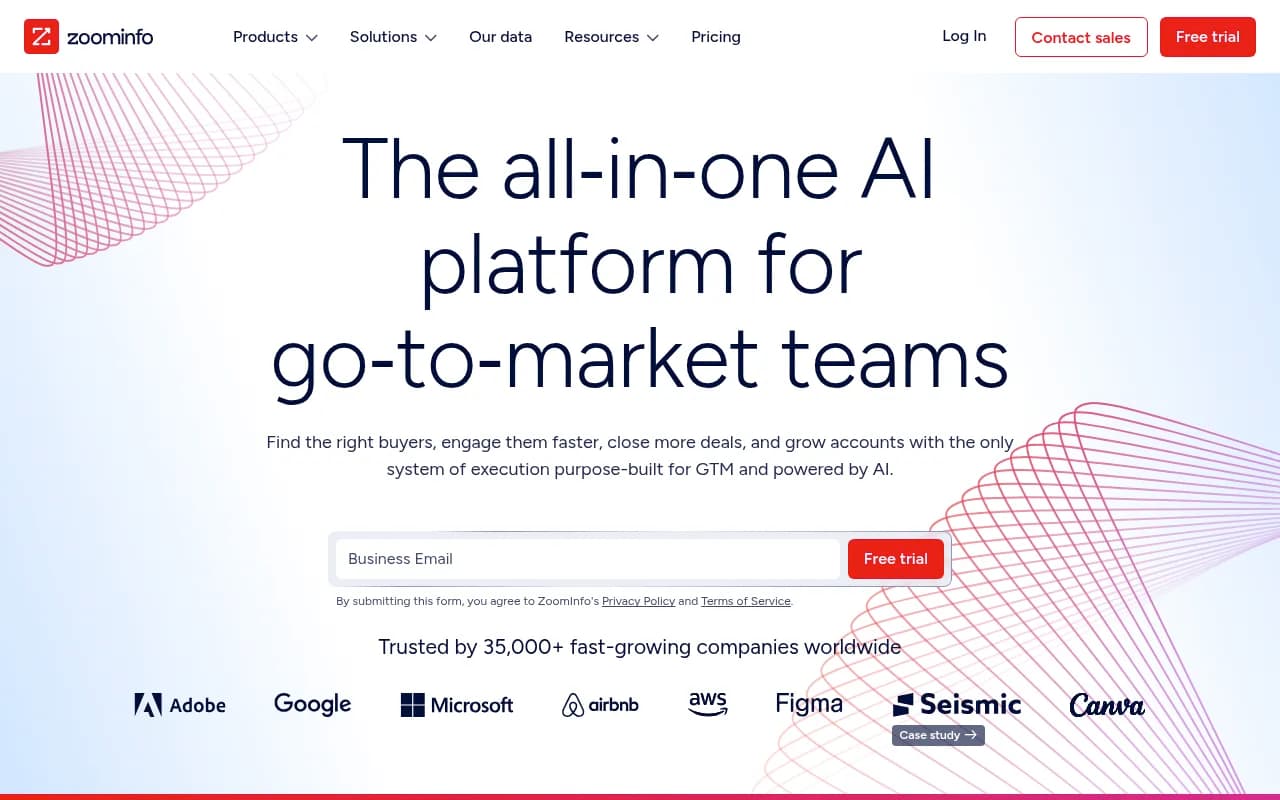
ZoomInfo is the enterprise standard. Deep company and contact data, strong technographics, and intent signals. It's expensive, and pricing is opaque, but if your team lives in it daily, the data quality justifies the cost for most mid-market and enterprise teams.
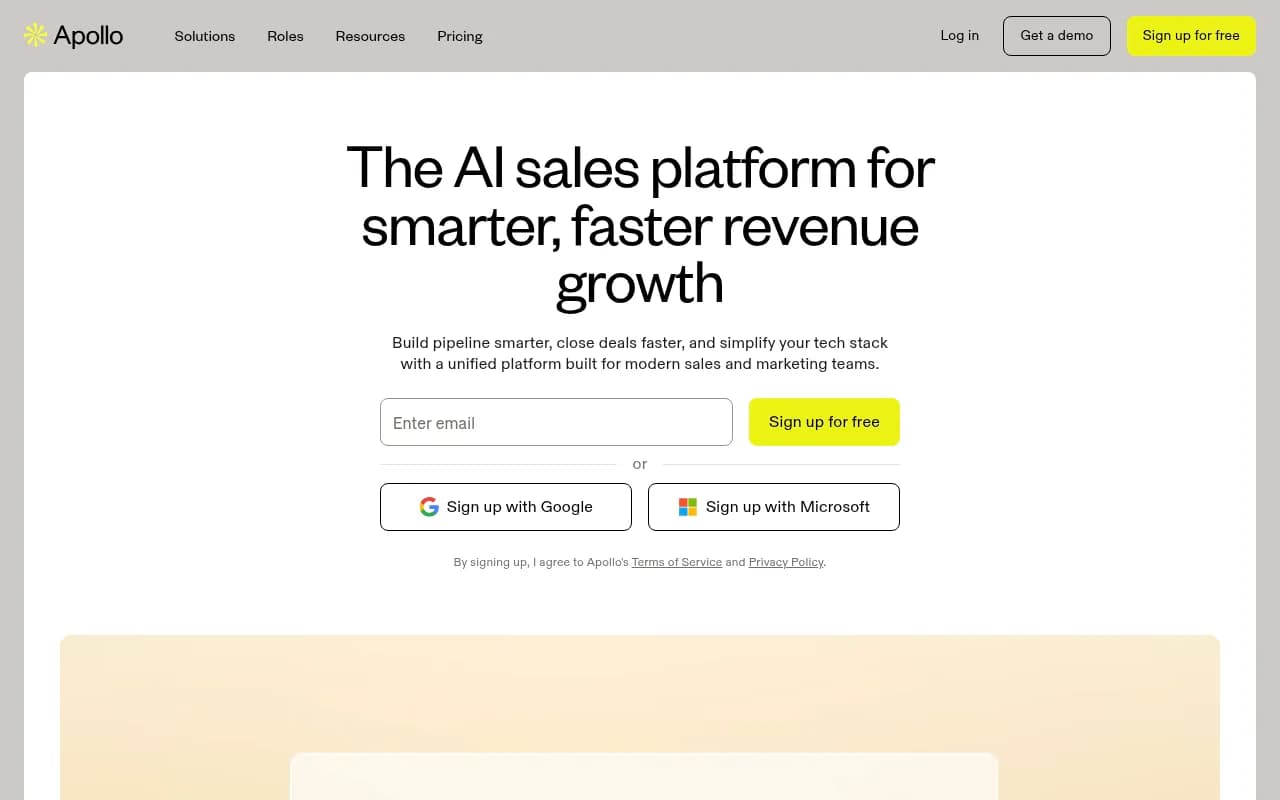
Apollo.io is the value pick. Contact data plus engagement sequencing in one platform, at a fraction of ZoomInfo's price. Data quality is a step below ZoomInfo, but for SMB and mid-market outbound, it's usually good enough, and the workflow is much easier to set up.
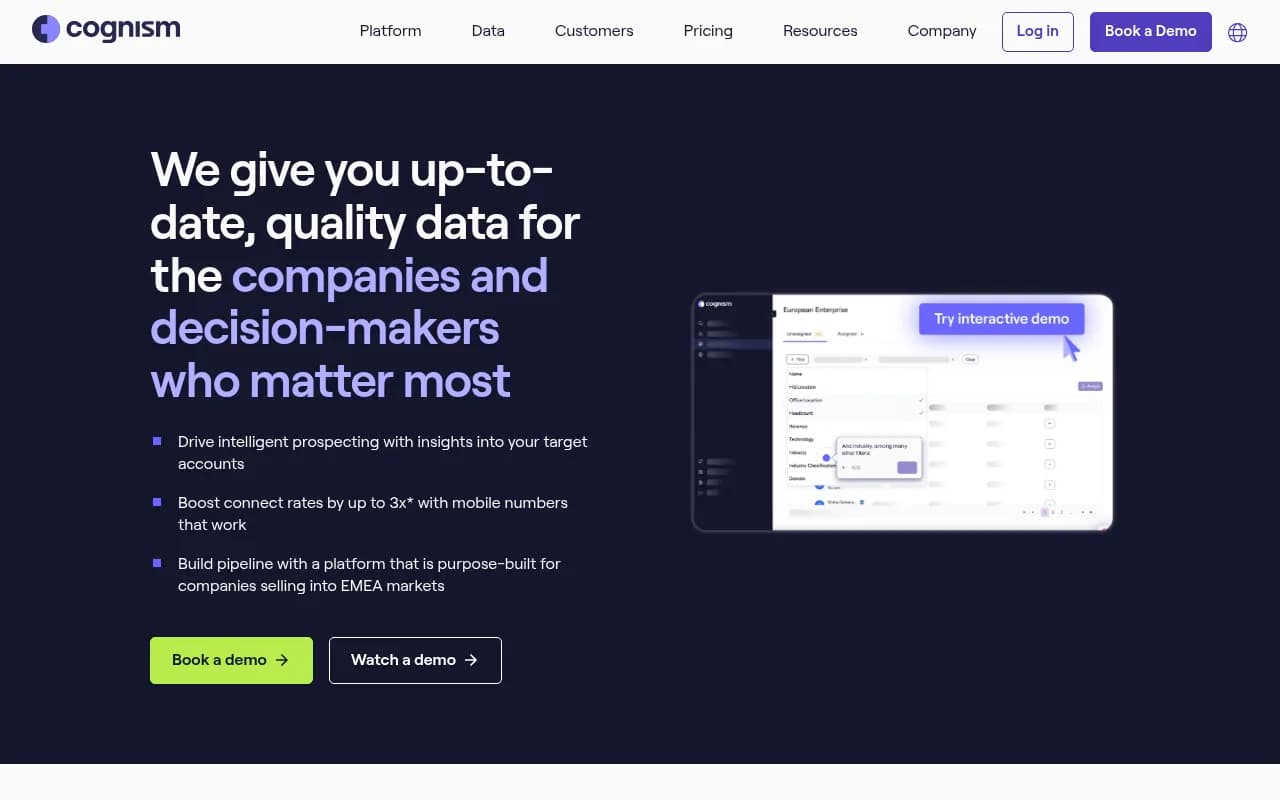
Cognism is the pick for Europe. Diamond data is phone-verified and EVC-verified, which matters a lot if you're prospecting into the EU and UK where GDPR compliance and consent requirements are stricter.
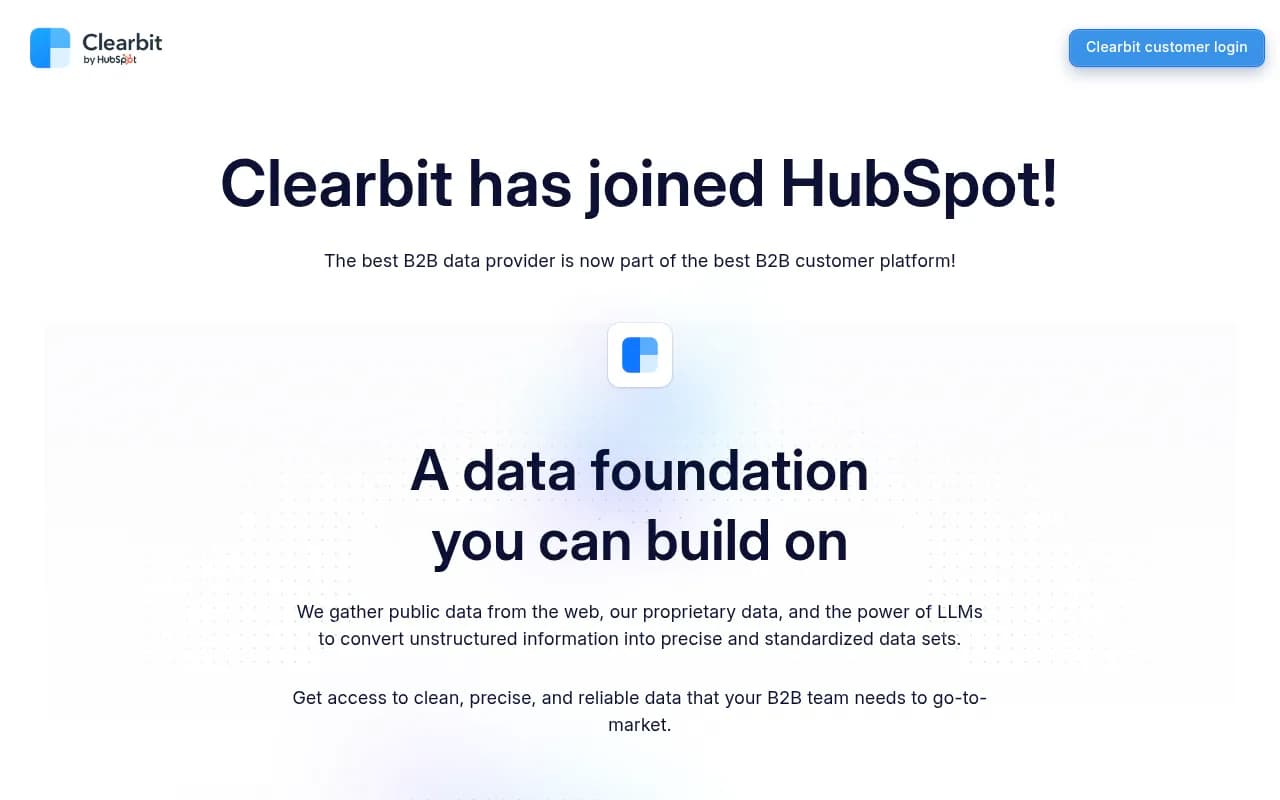
Clearbit (now part of HubSpot) is the enrichment layer rather than a database you browse. It's best when you already have a website visitor or a form fill and need to know what company they're from instantly.
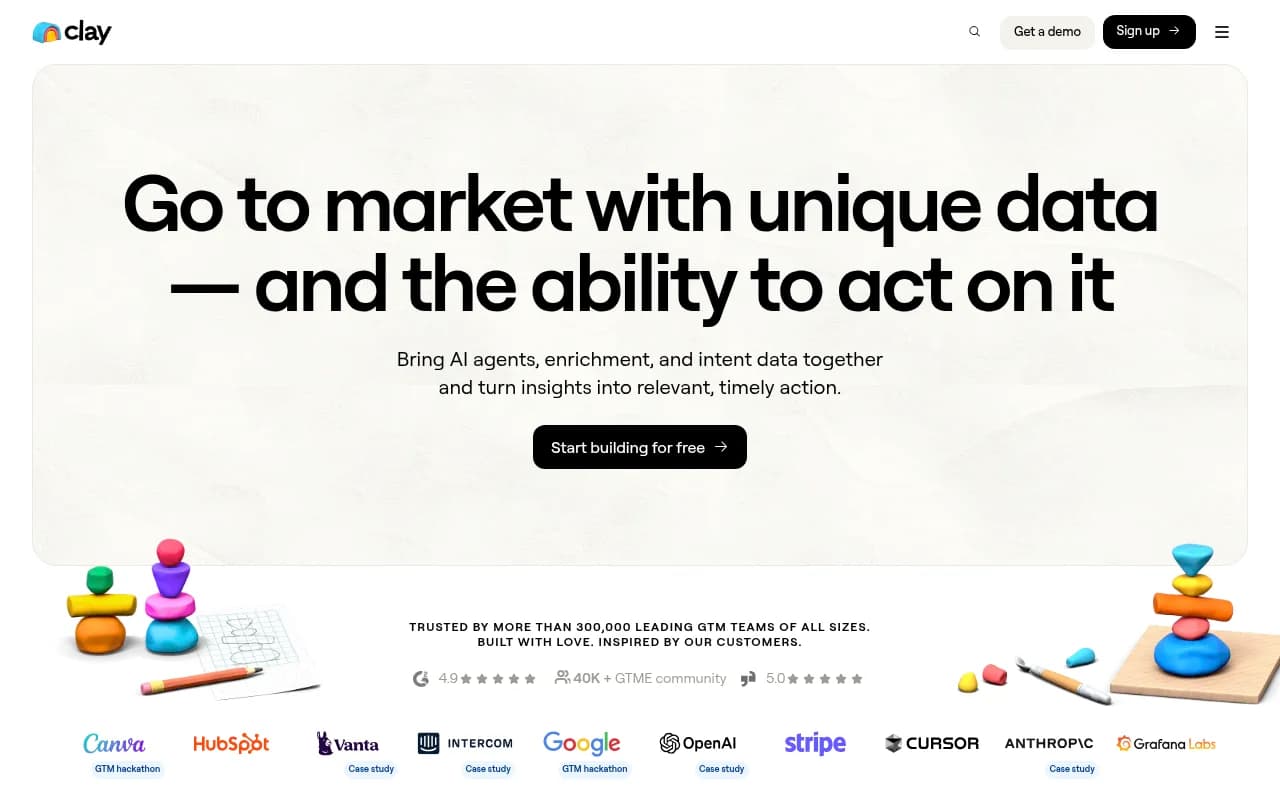
Clay is the flexible option. It's not a database itself but a spreadsheet-like layer that pulls from dozens of data providers, lets you waterfall enrichment across them, and uses AI to research each row. For teams with a RevOps function, it's the most powerful research automation available. For teams without one, it's a time sink.
Layer 2: The AI research layer (what's true right now)
This is the newest layer, and the one most teams underuse. AI answer engines are genuinely good at the kind of open-ended research pre-call briefs require.
Perplexity is the best pure research tool for sales. It searches the live web, cites its sources, and handles multi-part questions well. "What does this company do, who are their main competitors, and what have they announced in the last six months" is exactly the kind of query it handles well. The citations matter because you can check the primary source before repeating a claim on a call.
Perplexity
ChatGPT with web browsing is the general-purpose alternative. It's better than Perplexity at synthesizing a messy set of inputs (paste in a 10-K excerpt, a job posting, and a LinkedIn summary and ask for a coherent account summary) and at role-playing a discovery call based on the research.
The workflow worth building: generate a research brief with Perplexity, paste it into ChatGPT along with your discovery call questions, and ask it to pressure-test the questions against the brief. It catches the weak ones.
Layer 3: The signal layer (when to reach out)
Contact data tells you who. Research tells you what. Signals tell you when.
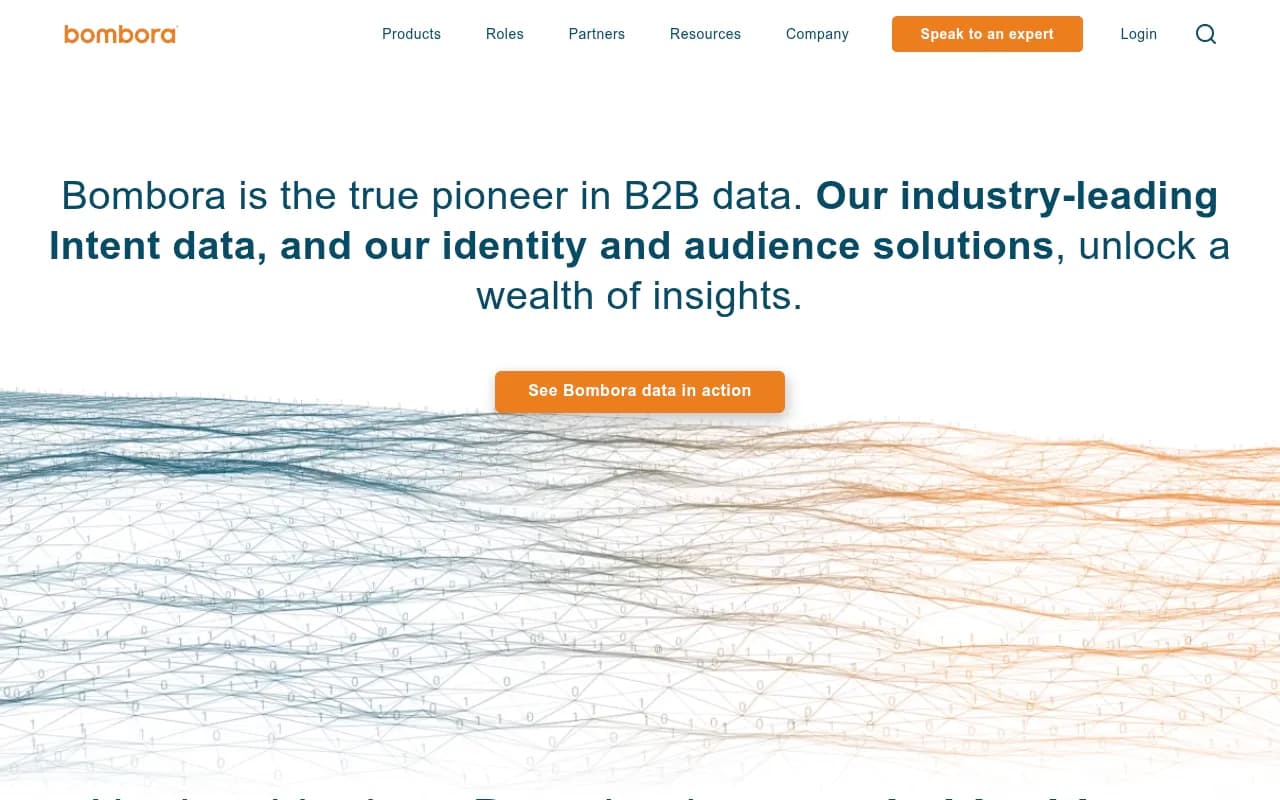
Bombora is the intent data standard. It aggregates topic-level surge data from a large co-op of B2B publishers, telling you when a company is researching topics related to your product category. It integrates with most major sales platforms.
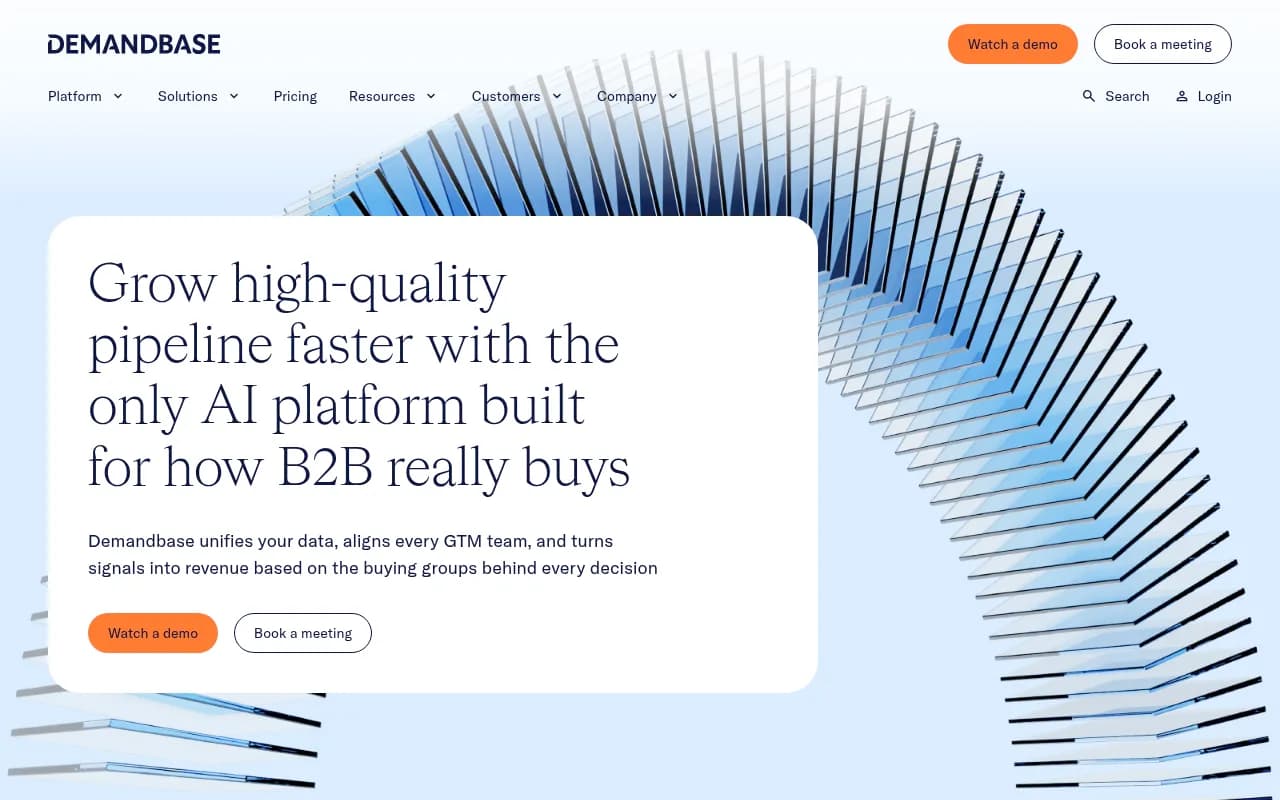
6sense and Demandbase are the full ABM platforms. They layer intent, website identification, and predictive scoring to tell you which accounts are actually in-market, not just which ones match your ICP. Expensive, but for enterprise ABM motions, they drive real prioritization.
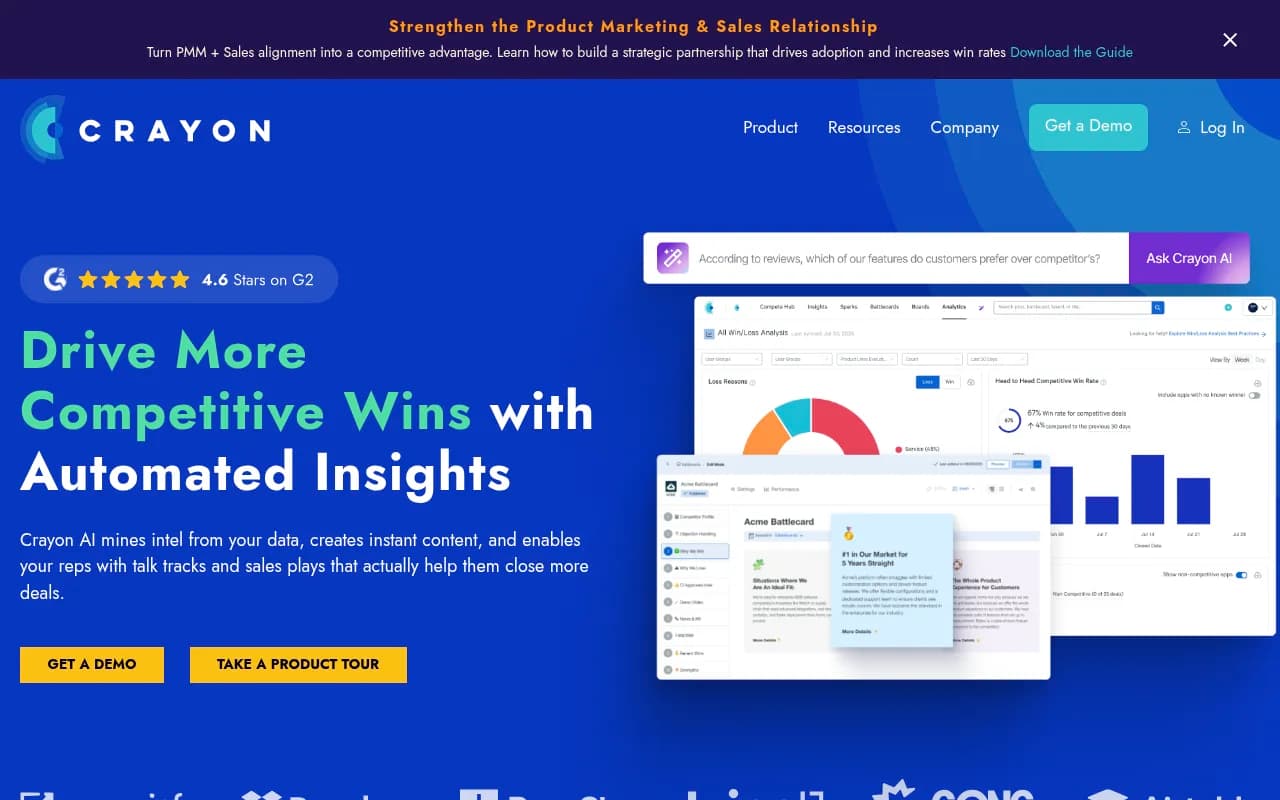
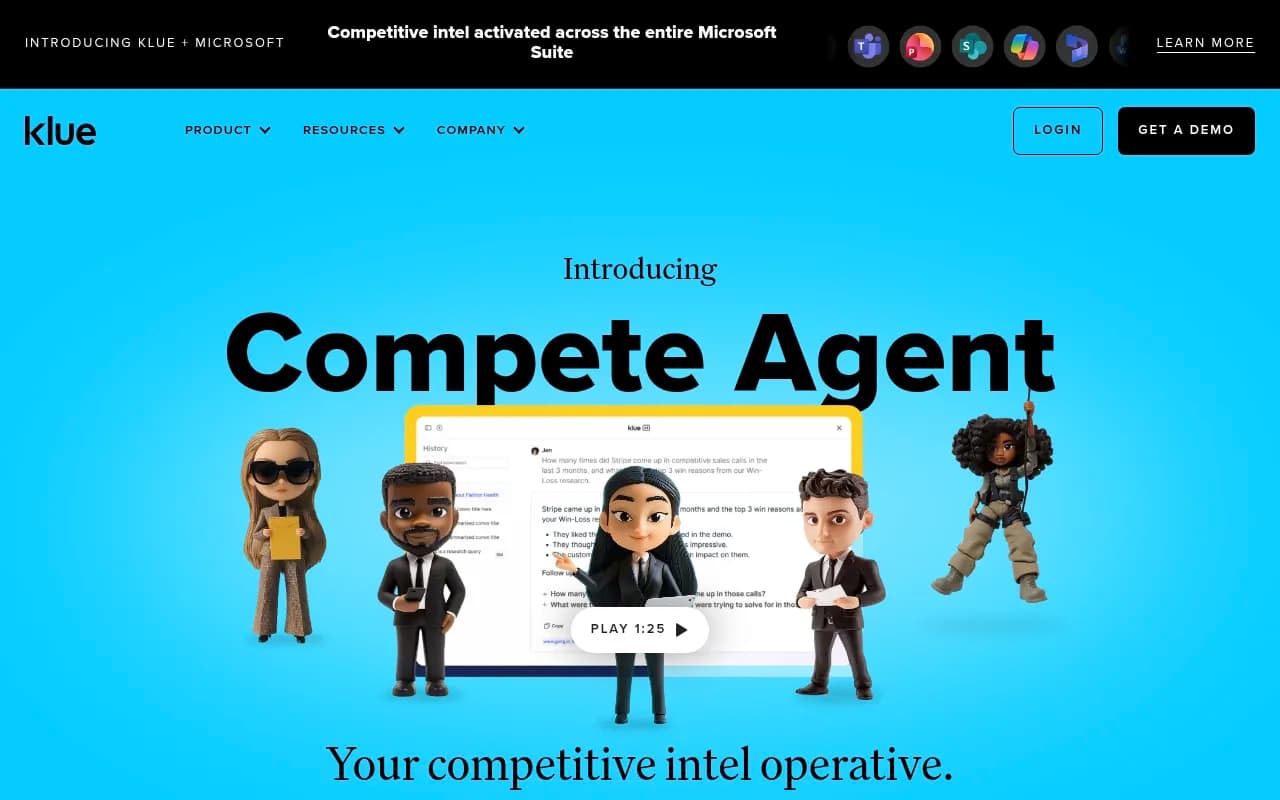
Crayon and Klue handle the competitive angle: tracking competitor product changes, pricing moves, and positioning shifts, so your research brief includes what's changed in the competitive landscape since last quarter.
A quick comparison
| Layer | What it answers | Representative tools | Rough cost |
|---|---|---|---|
| Contact database | Who should I call? | ZoomInfo, Apollo, Cognism, Clay | $99–$1,000+ per user/mo |
| AI research | What's true about them right now? | Perplexity, ChatGPT | $20–$200 per user/mo |
| Signal/intent | When should I reach out? | Bombora, 6sense, Demandbase | Varies; often platform-level |
| Competitive intel | What's changed in their market? | Crayon, Klue | $500–$2,000/mo team-level |
A realistic pre-call research workflow
Here's a workflow that takes about 10 minutes per account and produces a brief you'd actually use:
- Start in your database. Pull the account in Apollo or ZoomInfo. Confirm the contact, check the firmographics, and note the tech stack if available. (2 minutes)
- Check for signals. Look at intent data or recent activity. If there's a hiring spree in a relevant department or a funding event, that goes to the top of the brief. (2 minutes)
- Run the research query. Feed Perplexity a multi-part question about the company, their competitors, and recent news. Skim the citations. (4 minutes)
- Write the brief. One page: company summary, the person you're meeting, two recent developments, one hypothesis about their problem, and your top three discovery questions. (2 minutes)
Teams that do this consistently report reclaiming four to seven hours per rep per week from research and list-building, according to Alta's 2026 prospecting analysis. That's roughly a full selling day.
Where teams go wrong
Buying overlapping tools. ZoomInfo plus Apollo plus Clay plus a sequencing tool is three subscriptions doing the same job. Audit what you have before adding anything.
Trusting AI research without verification. AI answer engines hallucinate confidently. The citations in Perplexity help, but check the primary source on anything you plan to say out loud on a call. A wrong phone number costs you a dial. A wrong "congrats on the funding" when they actually did a down round costs you the meeting.
Researching accounts that don't deserve it. A 10-minute brief on an account with no intent signal and no ICP fit is 10 wasted minutes. Let the signal layer decide which accounts get the full treatment.
Skipping the CRM integration. Research that lives in a rep's head or a Google Doc dies with the deal. Whatever tools you pick, the output should land in your CRM. HubSpot and Salesforce both support this well.
How to choose
Match the stack to your motion:
- Enterprise outbound, large ACV: ZoomInfo + Bombora or 6sense + Perplexity. Data depth and signal precision matter more than cost when a deal is worth six figures.
- SMB or mid-market outbound: Apollo + Perplexity. Cheap, fast, good enough data, and the AI research layer does the heavy lifting.
- European prospecting: Cognism + Perplexity. Compliance without sacrificing data quality.
- Inbound-heavy motion: Clearbit (for de-anonymization) + your existing CRM + Perplexity for pre-call briefs.
- RevOps-capable team that wants full automation: Clay as the hub, pulling from multiple providers, with Perplexity or ChatGPT in the research step.
One honest note on the AI research layer: it's the cheapest part of the stack and the easiest to adopt, and it's also where most of the marginal value is. If your team does nothing else this quarter, standardize a Perplexity-based research brief template and make it a required pre-call step. The tools above it can wait.
The bottom line
The 2026 pre-call research stack is a contact database, an AI research layer, and a signal layer, connected to your CRM. The database tells you who, the AI tells you what, and the signals tell you when. The reps who adopt this aren't doing more research than before. They're doing it in a quarter of the time and walking into calls better prepared than the people on the other side of the table.