Key takeaways
- AirOps has a free Insights plan (1,000 tasks), a Solo plan (
$200/mo, 20,000 tasks), and a Pro plan ($2,000/mo) -- the jump between Solo and Pro is steep and catches many teams off guard. - Lower tiers restrict you to ChatGPT only and U.S. data, which matters a lot if you need multi-model or international coverage.
- Each article produced on AirOps consumes 500-800 tasks, so task limits translate directly into content volume caps.
- AirOps is a workflow builder, not a done-for-you platform -- expect real setup time before you see results.
- Several alternatives (including purpose-built GEO and content platforms) offer comparable or better output at lower price points, depending on what your team actually needs.
What AirOps actually is (before we talk price)
Before diving into numbers, it's worth being precise about what AirOps does, because the pricing only makes sense in that context.
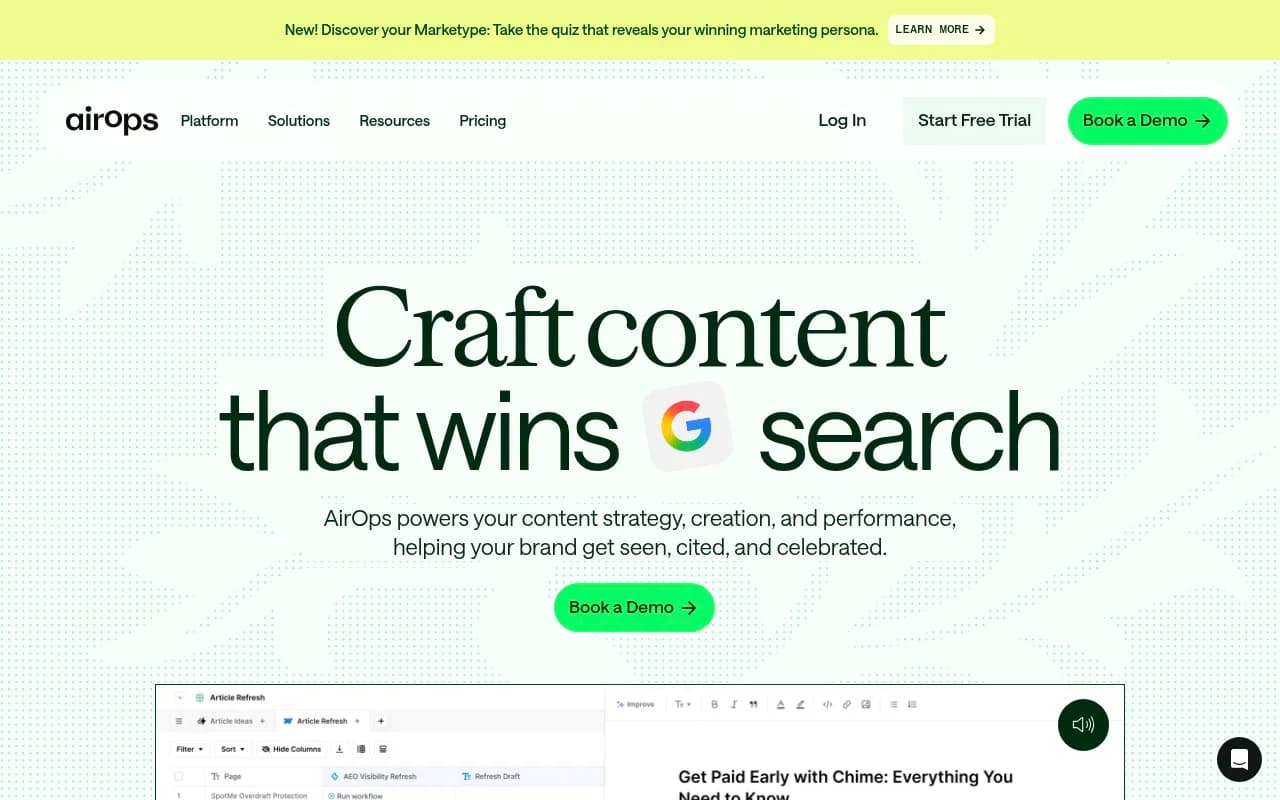
AirOps is a no-code AI workflow platform for content and SEO teams. You build pipelines -- multi-step automated sequences that pull data, run AI models, and push outputs to a CMS or spreadsheet. Think of it less like a writing tool and more like Zapier for content operations, with AI baked in at every step.
That's genuinely useful if your team already has a content strategy and just needs to execute it faster at scale. Webflow, Ramp, and Carta reportedly use it. It has a 4.6/5 rating on G2 across 111+ reviews. Real traction, real use cases.
But here's the catch: the platform hands you building blocks, not finished work. You're wiring up inputs and outputs, configuring workflows, and debugging pipelines. If you want to treat software like an employee you hand work to, AirOps will frustrate you. That distinction shapes everything about whether the pricing is "worth it."
AirOps pricing tiers: what each plan actually includes
Free / Insights plan
The free plan gives you 1,000 tasks per month and access to AirOps' AI search diagnostic features. Each workspace also gets 50,000 free credits to test workflows when you first sign up.
What 1,000 tasks actually buys you: not much in production terms. Since a single article typically consumes 500-800 tasks, you're looking at one or two pieces of content before you hit the wall. The free plan is genuinely useful for evaluating the platform, but it's not a viable ongoing tier for any team producing content regularly.
Model access on the free plan is limited, and the AI search visibility features focus on ChatGPT only -- no Perplexity, no Gemini, no Claude.
Solo plan (~$200/mo)
This is where most individual users and small teams start. You get approximately 20,000 tasks per month, which translates to roughly 25-40 articles depending on workflow complexity.
What you get:
- Drag-and-drop workflow builder
- Grids (spreadsheet-style content planning with AI execution)
- 1 brand kit
- CMS publishing to WordPress and Webflow
- AI search visibility diagnostics (ChatGPT only)
What you don't get:
- Multi-model AI search visibility (that requires Pro)
- Multiple brand kits
- Approval chains or team collaboration features
- Data enrichment or CRM sync of any kind
The ChatGPT-only restriction on AI search visibility is a real limitation in 2026. If you're trying to understand how your brand appears across Perplexity, Gemini, or Claude -- which together represent a significant share of AI search traffic -- the Solo plan won't tell you. You'd need to upgrade or use a separate tool.
Pro plan (~$2,000/mo)
This is where the pricing gets serious. The Pro plan unlocks multi-engine AI search visibility, approval workflows, team collaboration, and more advanced integrations.
The jump from $200 to $2,000 is a 10x increase. For teams that genuinely need everything in Pro, it can make sense -- agencies managing multiple client campaigns, or content operations teams running hundreds of URLs through refresh workflows. But for a mid-sized marketing team that just wants to produce more content and track how it performs in AI search, this tier is almost certainly overkill.
A note from G2 reviews: 21+ reviewers specifically flag the pricing as too steep for the ROI they experienced. That's not a fringe complaint -- it shows up across both 4-star and 5-star reviews, which suggests it's not just dissatisfied users venting.
Enterprise / custom
AirOps offers custom pricing for larger organizations. No public numbers, standard enterprise sales process.
The hidden costs nobody talks about
The listed prices don't tell the whole story. Here's what adds up:
Setup time. AirOps has a steep learning curve. More than 54 of 111 G2 reviews mention difficulty getting started. If your team spends two to four weeks configuring workflows before producing a single piece of content, that's real cost -- either in hours or in delayed output.
Task consumption. At 500-800 tasks per article, the Solo plan's 20,000 tasks gives you a ceiling of about 25-40 articles per month. If you're running a content operation that needs 50+ pieces monthly, you're either upgrading or paying for additional tasks.
Model restrictions. On lower tiers, you're locked into ChatGPT. If your workflow needs Claude for certain tasks, or if you want to check AI visibility across multiple engines, you're paying more or working around the limitation.
Integration gaps. AirOps publishes to WordPress and Webflow. No Shopify, no custom CMS support on standard plans. If your stack doesn't match, you're adding manual steps or building custom integrations.
Who AirOps is actually right for
AirOps delivers real value in specific situations. It's a strong fit if:
- You're an SEO manager with a large content refresh backlog (hundreds of URLs) and the technical chops to configure workflows
- You're an agency that needs repeatable, scalable content pipelines across multiple clients
- You already have a proven content strategy and just need to execute it faster
It's a poor fit if:
- You're early-stage and still figuring out what content to produce -- AirOps will help you produce mediocre content faster, which isn't useful
- You need GTM features like lead enrichment, CRM sync, or outbound sequencing (none of that exists below Pro)
- You want a tool you can hand work to rather than a canvas you configure yourself
- Your budget is under $500/mo and you need multi-model AI search visibility
AirOps vs alternatives: honest comparison
Here's how AirOps stacks up against the main alternatives teams consider in 2026:
| Tool | Starting price | Content generation | AI search visibility | Multi-model | Setup complexity |
|---|---|---|---|---|---|
| AirOps | $0 (limited) / $200/mo | Yes (workflow-based) | Yes (ChatGPT only on Solo) | Pro only ($2,000/mo) | High |
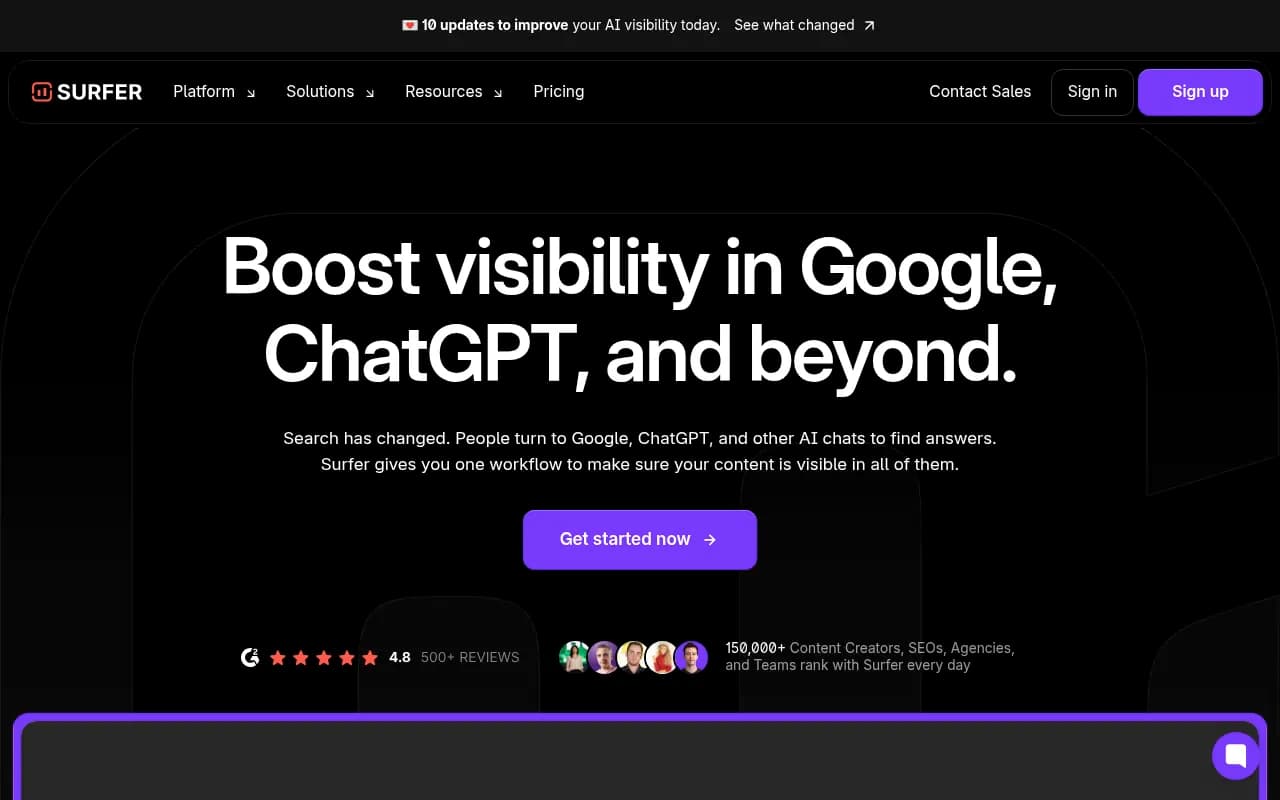
| Surfer SEO | ~$89/mo | Yes (AI writer) | Limited | No | Low-medium |
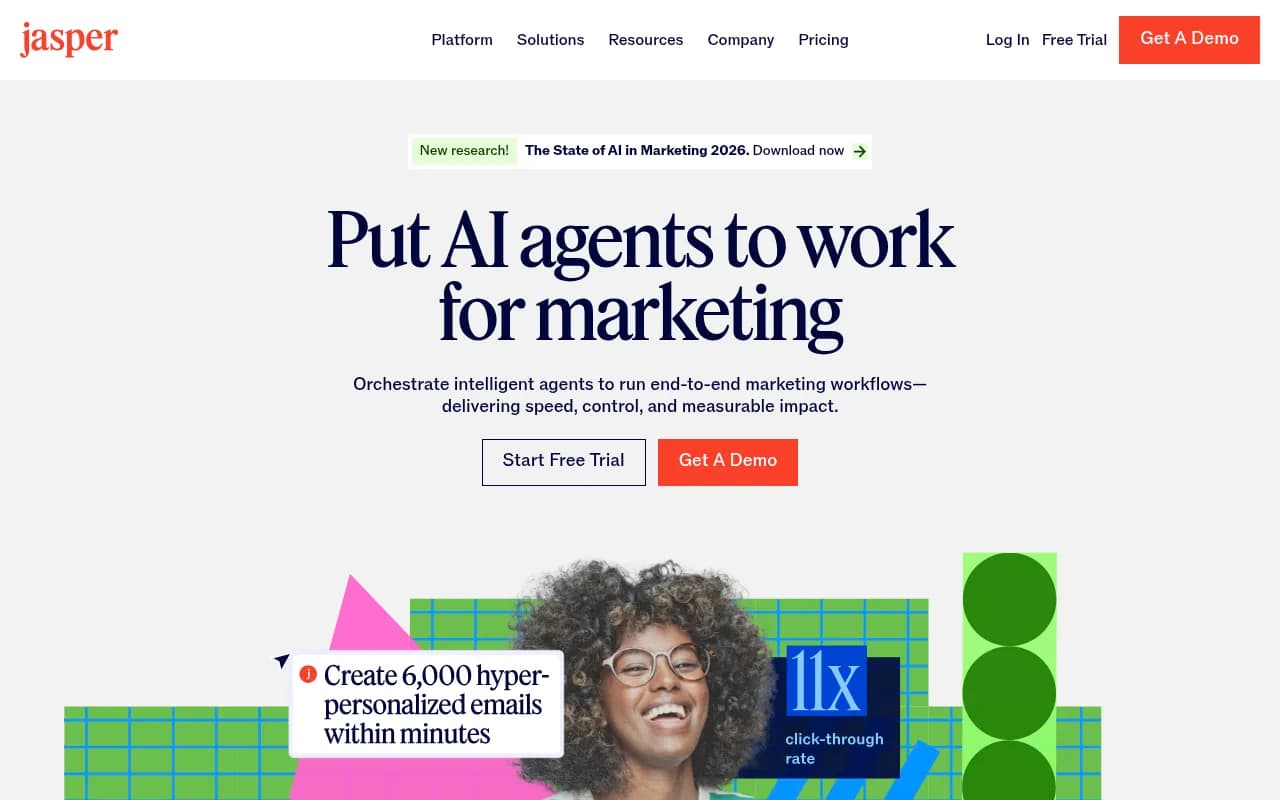
| Jasper | ~$49/mo | Yes (direct) | No | No | Low |
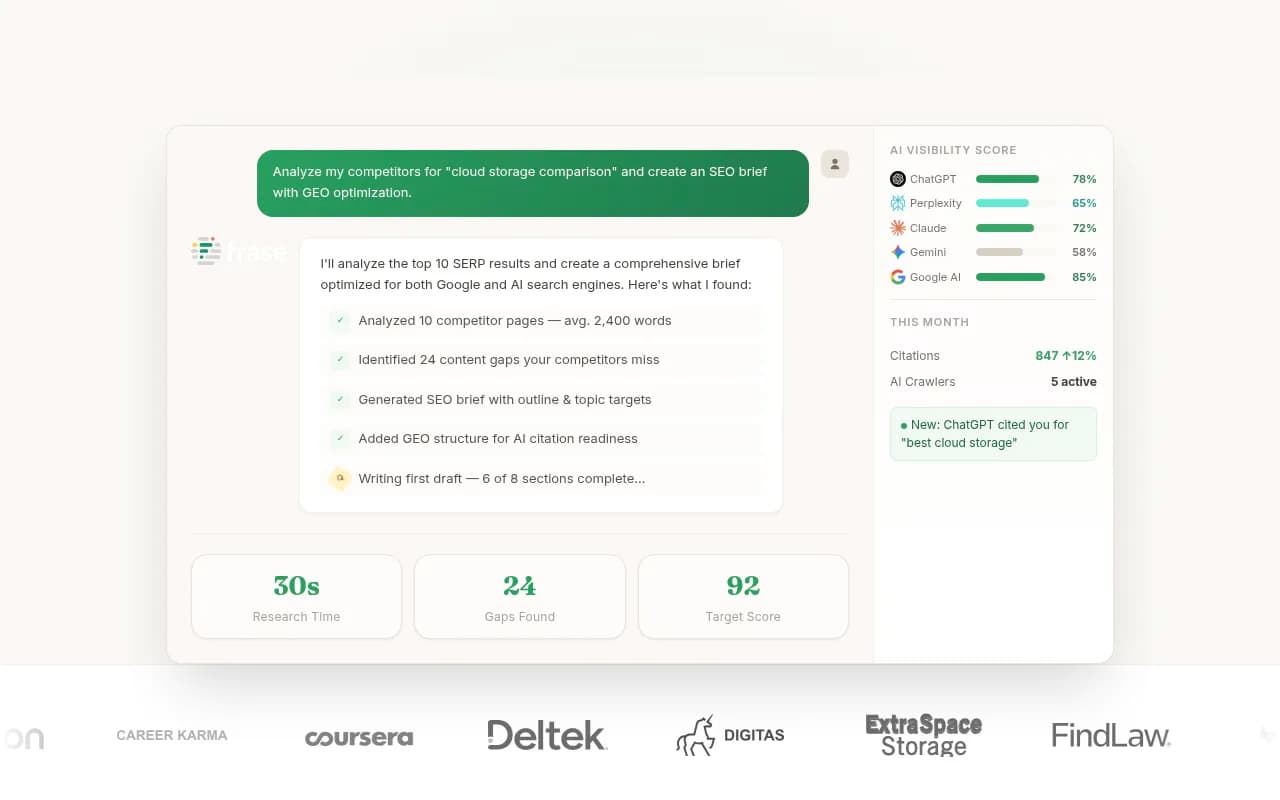
| Frase | ~$45/mo | Yes (brief + write) | No | No | Low |
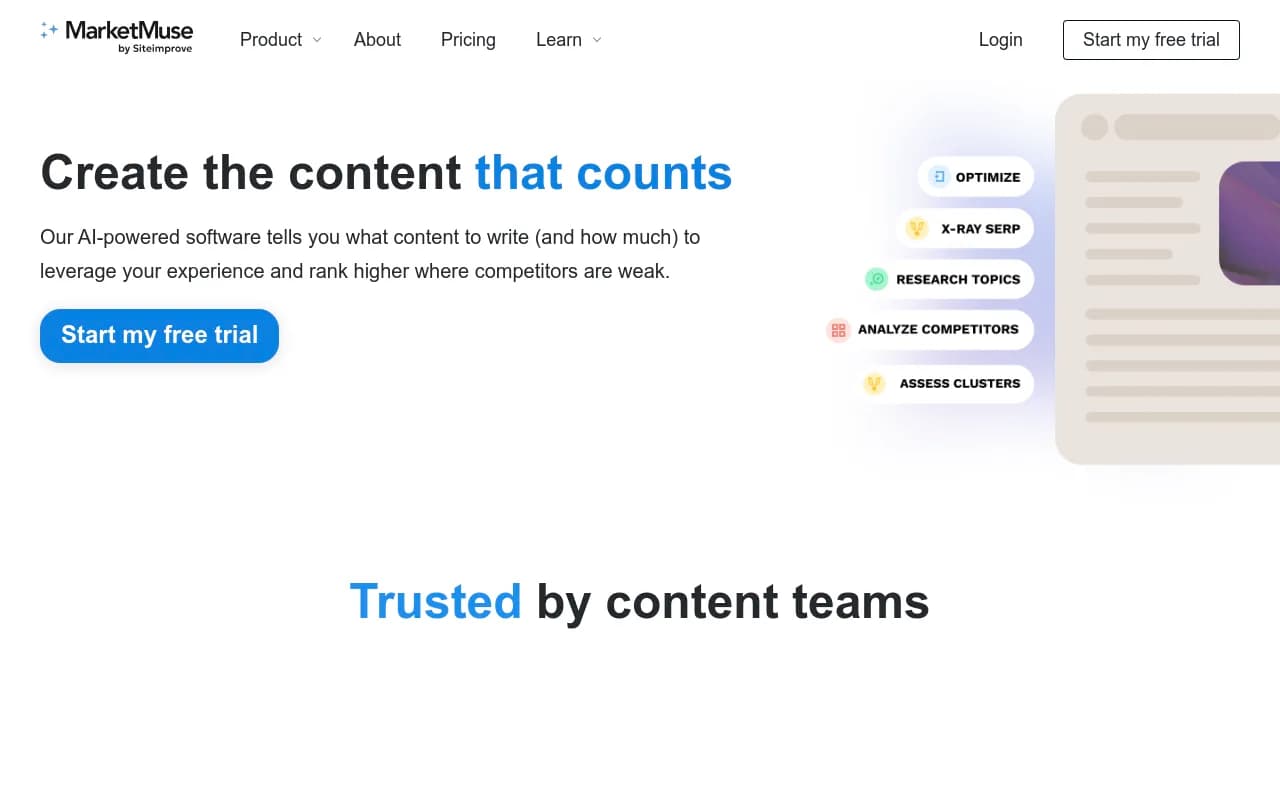
| MarketMuse | ~$149/mo | Yes (briefs) | No | No | Medium |
| Promptwatch | $99/mo | Yes (Content Agents) | Yes (10 models) | Yes | Low-medium |
| Content at Scale | ~$250/mo | Yes (long-form) | No | No | Low |
A few things worth noting from this table:
AirOps is the only tool in this list that's primarily a workflow builder rather than a writing tool. That's a meaningful distinction. The others are more opinionated about what they produce; AirOps gives you more flexibility but demands more from you.
For teams whose primary need is AI search visibility alongside content generation, Promptwatch covers both in a single platform -- tracking how your brand appears across ChatGPT, Perplexity, Claude, Gemini, and seven other models, while also generating content designed to close the gaps it finds. The pricing starts at $99/mo, which is below AirOps' Solo tier.

For pure content production at scale without the workflow complexity, tools like Surfer SEO or Frase are simpler to get running and cheaper to maintain.

The AI search visibility gap
One thing that's easy to miss in the AirOps pricing discussion: the AI search visibility features are genuinely limited unless you're on Pro.
On Solo, you get ChatGPT-only diagnostics. In 2026, that's a bit like tracking your Google rankings but only for desktop users in one country. Perplexity, Gemini, and Claude each have meaningful user bases, and they often cite different sources and respond to different content signals than ChatGPT does.
If AI search visibility is a core part of why you're evaluating AirOps, you should factor in that the $200/mo Solo plan won't give you the full picture. You'd either need to upgrade to Pro ($2,000/mo) or use a dedicated AI visibility tool alongside AirOps.
Dedicated GEO platforms like Promptwatch, Profound, or Otterly.AI are built specifically for this use case and generally offer broader model coverage at lower price points than AirOps Pro.

What the G2 reviews actually say
A few patterns from the 111+ G2 reviews worth knowing:
The most common praise: the workflow builder is genuinely powerful once you understand it, and the content refresh use case (taking existing pages and improving them at scale) works well.
The most common complaints: the learning curve is steep (54+ reviews mention this), the pricing feels high relative to ROI (21+ reviews), and the task limits create unexpected ceilings for teams that scale up their usage.
One thing that stands out: the complaints about learning curve and pricing appear in 4-star and 5-star reviews, not just negative ones. These aren't people who hated the product -- they're people who like it but acknowledge real friction.
Is AirOps worth it in 2026?
It depends entirely on what you're optimizing for.
If you're an agency or large content team that needs a flexible, configurable pipeline for content operations -- and you have the technical capacity to build and maintain those workflows -- AirOps at the Solo tier ($200/mo) is a reasonable investment. The workflow builder is genuinely capable, and the content refresh use case has real ROI for teams managing large URL inventories.
If you need multi-model AI search visibility, you're looking at $2,000/mo. That's a significant commitment, and at that price point, you should be comparing it seriously against enterprise-tier alternatives.
If you're a smaller team, a solo marketer, or someone who wants to get started quickly without a steep ramp-up, the setup demands and task-based pricing model will likely frustrate you. There are simpler, cheaper tools that will get you to output faster.
The honest summary: AirOps is a powerful platform with real limitations that the pricing structure makes easy to underestimate. The free plan is fine for testing. The Solo plan works for teams that know what they're doing. The jump to Pro is large enough that it should require a serious ROI conversation before committing.
Quick-reference: which tool to choose
- You need a flexible content workflow builder and have technical capacity: AirOps Solo ($200/mo) is worth evaluating.
- You need AI search visibility across multiple models without the workflow complexity: look at Promptwatch ($99/mo) or Profound.
- You need content briefs and optimization without building pipelines: Frase, Surfer SEO, or MarketMuse will get you there faster.
- You need long-form content at scale with minimal setup: Content at Scale or Jasper are simpler starting points.
- You need enterprise-level content operations with approval chains: AirOps Pro ($2,000/mo) or a comparable enterprise platform.
The right answer depends on your team's maturity, budget, and whether you need a tool that works out of the box or a platform you can configure to fit a specific workflow.