Key takeaways
- Hall AI shut down because monitoring-only tools without a clear path to action struggle to retain customers who need results, not just data
- The AI visibility tool market is consolidating fast -- tools that only track brand mentions are losing ground to platforms that help teams fix what they find
- 37% of searches now start on AI platforms, which means the stakes for being invisible in AI results have never been higher
- The tools most likely to survive are those that close the loop between discovery and execution: find gaps, create content, track outcomes
- Before picking an AI visibility platform, ask one question: does it help you do something, or just show you something?
Hall AI is gone. If you were using it, you've probably already scrambled to find a replacement. If you weren't, you might be wondering whether the tool you're currently paying for is next.
That's the right question to be asking.
Hall AI's shutdown isn't an isolated incident -- it's a signal about where the AI visibility tool market is right now, and which types of tools are going to make it through the next 18 months. The market is moving fast, the category is crowded, and a lot of the early entrants built the wrong thing.
Let me explain what I mean.
What Hall AI was trying to do
Hall AI positioned itself as an AI search monitoring tool -- a way for brands to see how they appeared (or didn't appear) in responses from ChatGPT, Perplexity, Gemini, and similar platforms. That's a real problem worth solving. By mid-2026, roughly 37% of searches start on AI platforms according to AI Growth Academy, and e-commerce sites have reported a 22% drop in traditional search traffic as AI-generated answers replace clicks. Brands that aren't visible in AI responses are losing ground they may not even know they're losing.
So the problem Hall AI was addressing is real and growing. The issue was the solution.
The monitoring trap
Here's the pattern that's killing early-stage AI visibility tools: they were built as dashboards, not as platforms.
A dashboard shows you things. A platform helps you change things.
Hall AI, like a number of other tools that have struggled or shut down, was primarily a monitoring product. You could see whether your brand appeared in AI responses. You could see which competitors were getting cited. You could track sentiment and share of voice across different models. That's genuinely useful information -- but it's only useful if you know what to do with it next.
Most teams don't. They look at the data, feel vaguely alarmed, and then... wait. They don't have the tools to act on what they're seeing. They can't generate the content that would fill the gaps. They can't see which specific pages AI crawlers are reading (or failing to read). They can't connect their AI visibility scores to actual revenue. So the monitoring data sits in a dashboard, and when renewal comes around, the team struggles to justify the spend.
That's the monitoring trap. And it's where a lot of the first wave of AI visibility tools got stuck.
Why this matters more in 2026 than it did in 2024
When these tools launched, the market was still figuring out what GEO (Generative Engine Optimization) even meant. Early adopters were willing to pay just to understand the landscape. Monitoring-only tools could survive on novelty and curiosity.
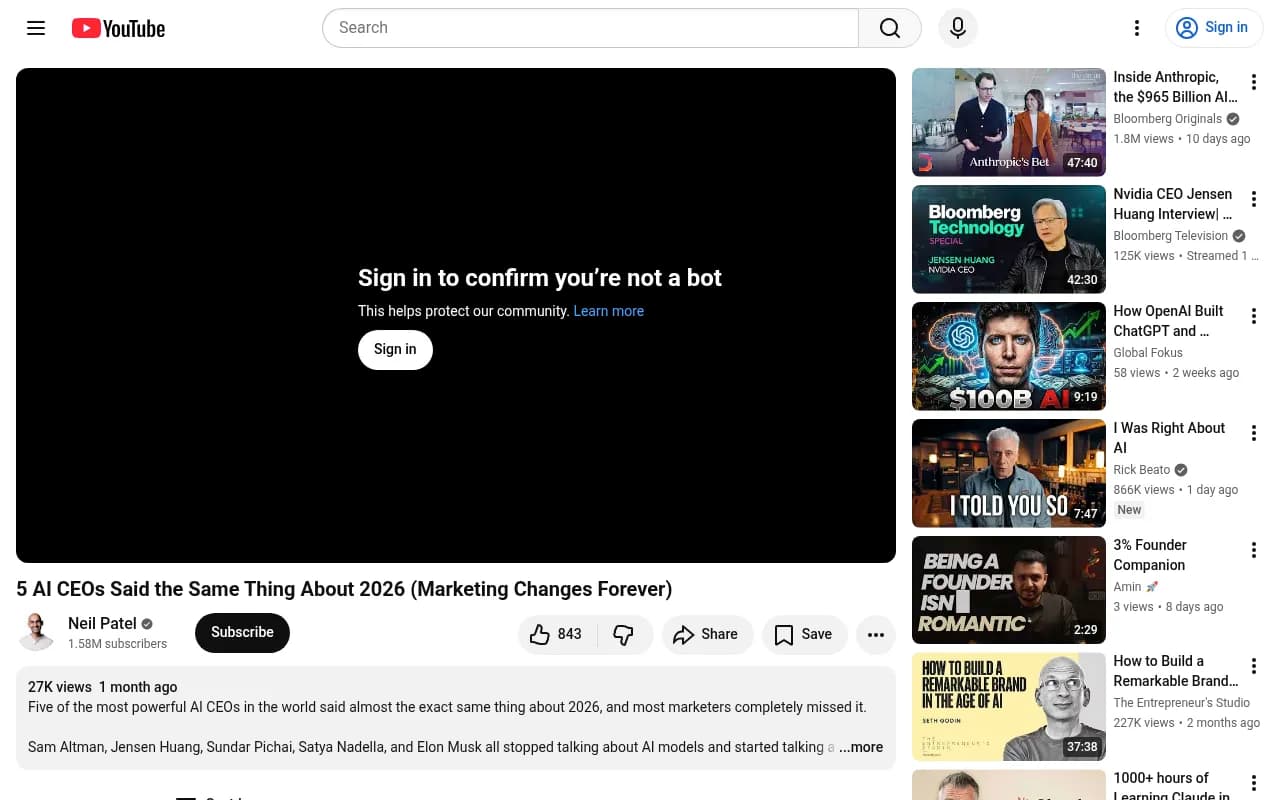
That's changed. Neil Patel noted in May 2026 that AI platforms now drive less than 1% of traffic but nearly 10% of B2B revenue -- which means the stakes are high enough that marketing teams need to show results, not just awareness. GEO went from -28% to +144% ROI in a single year. Teams are being asked to prove that their AI visibility investments are working.
When the bar shifts from "understand what's happening" to "show measurable improvement," monitoring-only tools fail the test. They can tell you your visibility score went from 23 to 31, but they can't tell you why, and they can't help you push it to 50.
That's the gap that's separating tools that are growing from tools that are shutting down.
What the market actually looks like right now
The AI visibility tool space has exploded. There are now dozens of platforms claiming to track brand mentions in AI search. Most of them share the same core architecture: run a set of prompts through various LLM APIs, check whether your brand appears in the response, aggregate the results into a score.
That's fine as far as it goes. But it has some real limitations.
First, API outputs don't always match what users actually see. The response you get from the ChatGPT API can differ from what a real user sees in the ChatGPT interface, especially for shopping recommendations and local results. Tools that only query APIs are measuring a proxy, not the real thing.
Second, most tools have no visibility into what happens on your own website. They can tell you whether you're being cited, but not which of your pages AI crawlers are actually reading, how often they return, or whether they're hitting errors. That's a critical blind spot -- you can't fix your AI visibility if you don't know how AI engines are discovering (or failing to discover) your content.
Third, and most importantly, most tools stop at the data layer. They show you the problem. They don't help you solve it.
Here's a rough breakdown of where the major players fall:
| Tool | Monitoring | Content generation | Crawler logs | Traffic attribution | Prompt volume data |
|---|---|---|---|---|---|
| Promptwatch | Yes | Yes (Content Agents) | Yes | Yes | Yes |
| Profound | Yes | Limited | No | No | Limited |
| Otterly.AI | Yes | No | No | No | No |
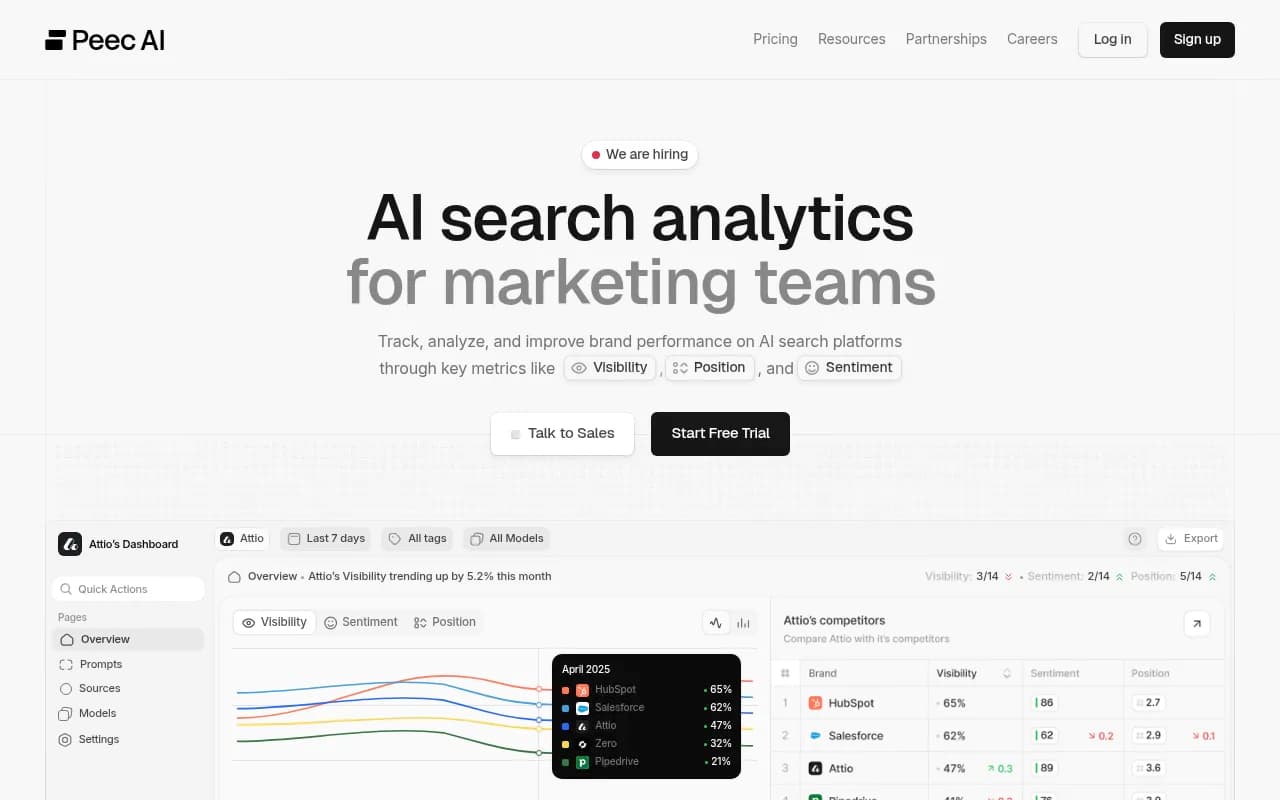
| Peec AI | Yes | No | No | No | No |
| AthenaHQ | Yes | No | No | No | No |
| Search Party | Yes | No | No | No | Limited |
| Scrunch | Yes | No | No | No | No |
| Brandlight.ai | Yes | No | No | No | No |

The tools that are growing are the ones that close the loop. They don't just show you that you're invisible for a given prompt -- they show you exactly what content you'd need to create to become visible, help you create it, and then track whether it worked.

The consolidation signal
Hall AI shutting down is part of a broader pattern. The AI visibility tool market is consolidating around a few different archetypes:
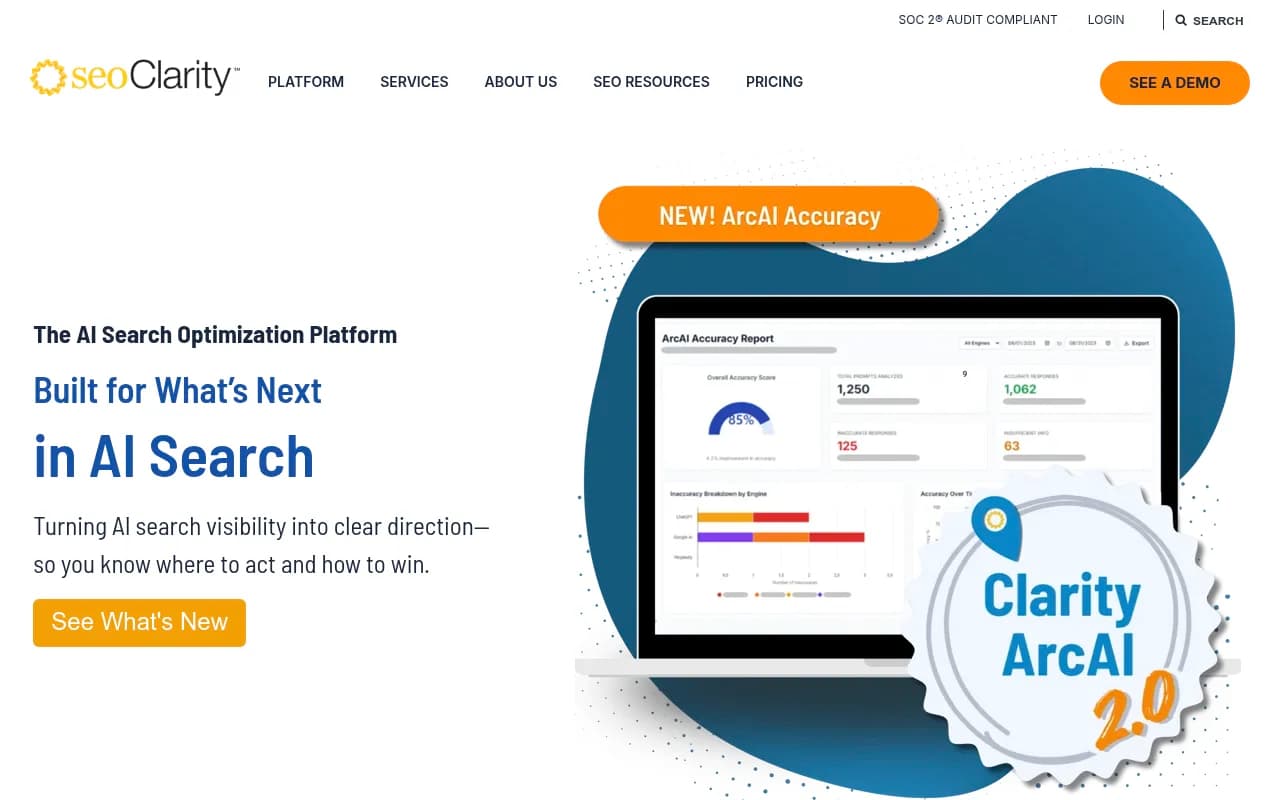
Enterprise platforms that bundle AI visibility into broader SEO or marketing intelligence suites. Think BrightEdge, seoClarity, Conductor. These have the customer relationships and the sales infrastructure to survive, even if their AI visibility features are less sophisticated than dedicated tools.
Action-oriented GEO platforms that go beyond monitoring to actually help teams improve their visibility. These are the tools that are winning new customers right now, because they can demonstrate ROI.
Monitoring-only tools that are either getting acquired, pivoting, or shutting down. Hall AI fell into this category. The product wasn't bad -- the category it was competing in just doesn't have enough staying power on its own.
If you're evaluating tools right now, the question to ask isn't "does this show me my AI visibility?" -- almost every tool does that. The question is "what does this help me do about it?"
What good looks like in 2026
The AI visibility tools worth paying for in 2026 have a few things in common.
They track real user-facing responses, not just API outputs. This matters because AI shopping recommendations, local results, and featured citations often differ between the API and the actual product.
They have some form of crawler log analysis or website integration. Knowing that you're not being cited is only half the picture. Knowing why -- because AI crawlers can't access your content, or because they're hitting errors, or because they're reading the wrong pages -- is what lets you actually fix the problem.
They connect visibility to revenue. A visibility score that floats up and down is interesting. A visibility score that correlates with traffic and pipeline is actionable.
And they help you create content, not just audit it. The brands winning in AI search right now are the ones publishing content that directly answers the questions AI models are being asked. That requires knowing which questions are being asked (prompt volume data), which ones you're not answering (gap analysis), and having a way to produce the content efficiently (generation tools).
Tools worth looking at if you're replacing Hall AI
If you were a Hall AI customer and you're looking for a replacement, here are the tools I'd actually evaluate, depending on what you need.
For a full-stack GEO platform that covers monitoring, content generation, crawler logs, and attribution, Promptwatch is the most complete option in the market right now. It's the only platform in recent comparisons rated as a leader across all categories, and it's built around the idea that tracking your visibility is only useful if you can improve it.
For teams that want a more focused monitoring tool without the full platform overhead, Otterly.AI and Peec AI are reasonable options -- just go in knowing they're dashboards, not optimization platforms.
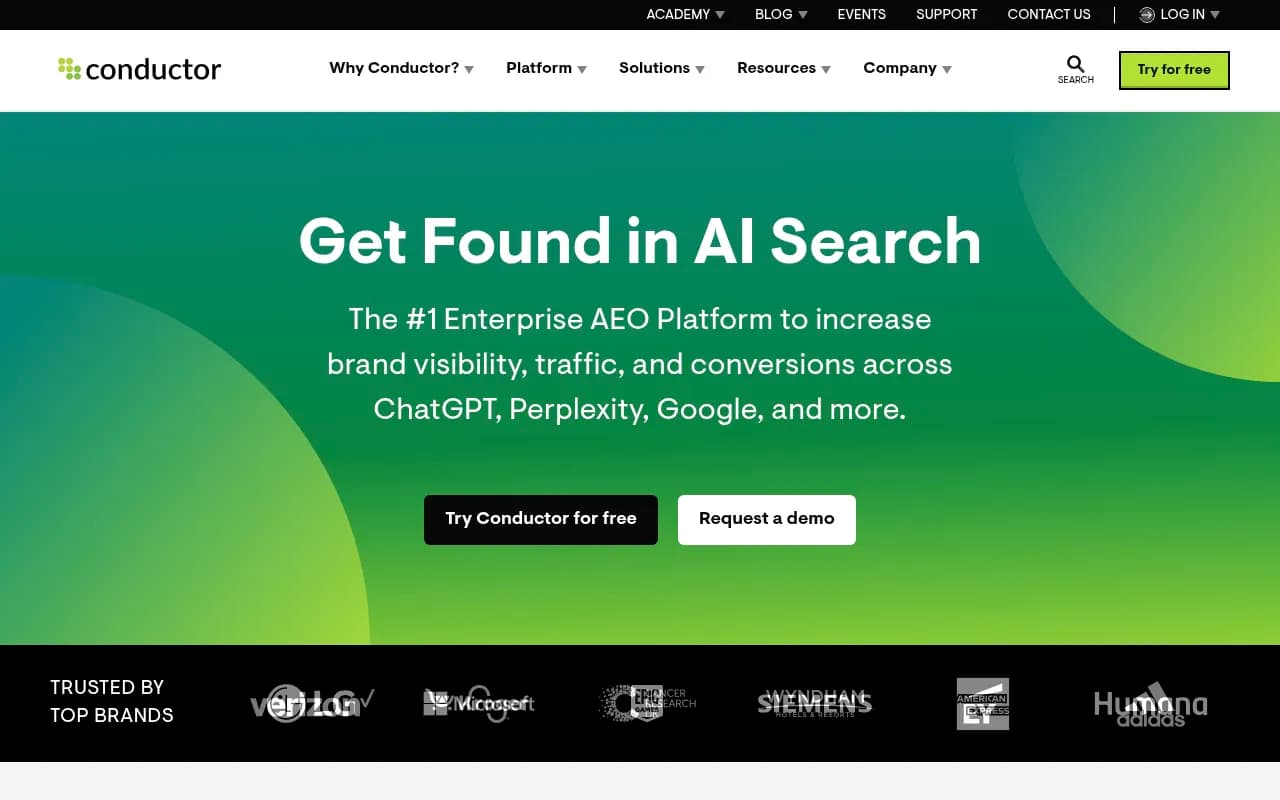
For enterprise teams already invested in traditional SEO tooling, BrightEdge and Conductor have added AI visibility features that integrate with existing workflows.
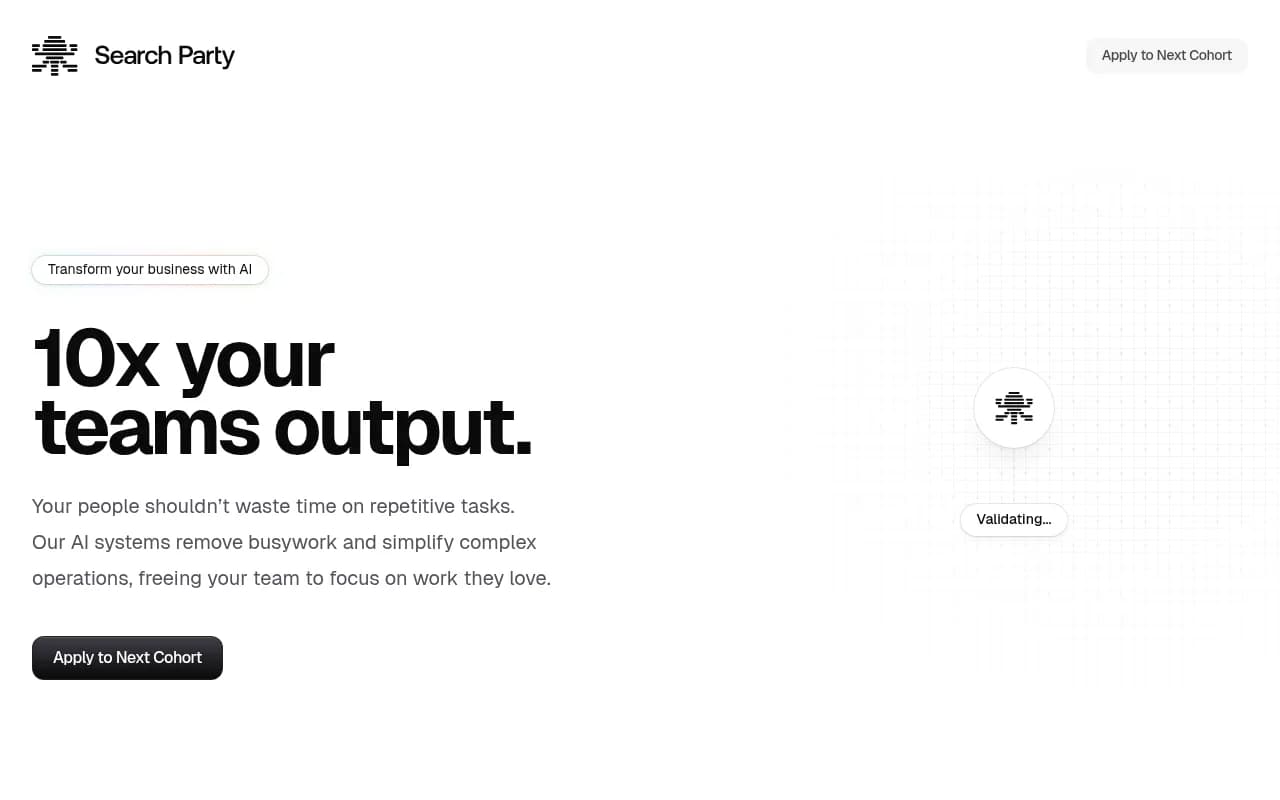
For agencies managing multiple clients, Search Party and Scrunch AI both have agency-oriented features worth evaluating.
Search Party
A few other tools in the catalog worth a look depending on your specific needs:
The broader lesson
Hall AI's shutdown is a useful reminder that being early to a market isn't the same as being right about what the market needs.
The need for AI visibility is real and growing. 87% of digital workers now use AI at work according to Glean's 2026 Work AI Index, and AI search is increasingly where buying decisions start. Brands that aren't visible in AI responses are losing deals they never knew they were competing for.
But the tools that will survive -- and the ones worth investing in -- are the ones that treat visibility as a starting point, not a destination. Knowing you're invisible is only useful if you have a path to becoming visible. That path requires content gap analysis, content creation, crawler log analysis, and attribution. Monitoring alone doesn't get you there.
The market is figuring this out in real time. Hall AI's shutdown is one data point. There will be more. The tools that make it through are the ones that help teams take action, not just take notes.
If you're evaluating your current AI visibility stack, the honest question to ask is: if my visibility score improved tomorrow, would I know why? And if it dropped, would I know what to do? If the answer to either of those is no, you're probably using a monitoring tool when you need an optimization platform.