Key takeaways
- Otterly.AI is the cheapest entry point for basic AI brand monitoring, but it stops at showing you data.
- Peec AI offers cleaner analytics and competitive gap views, making it a solid mid-market monitoring tool -- but it has no content creation or crawler logs.
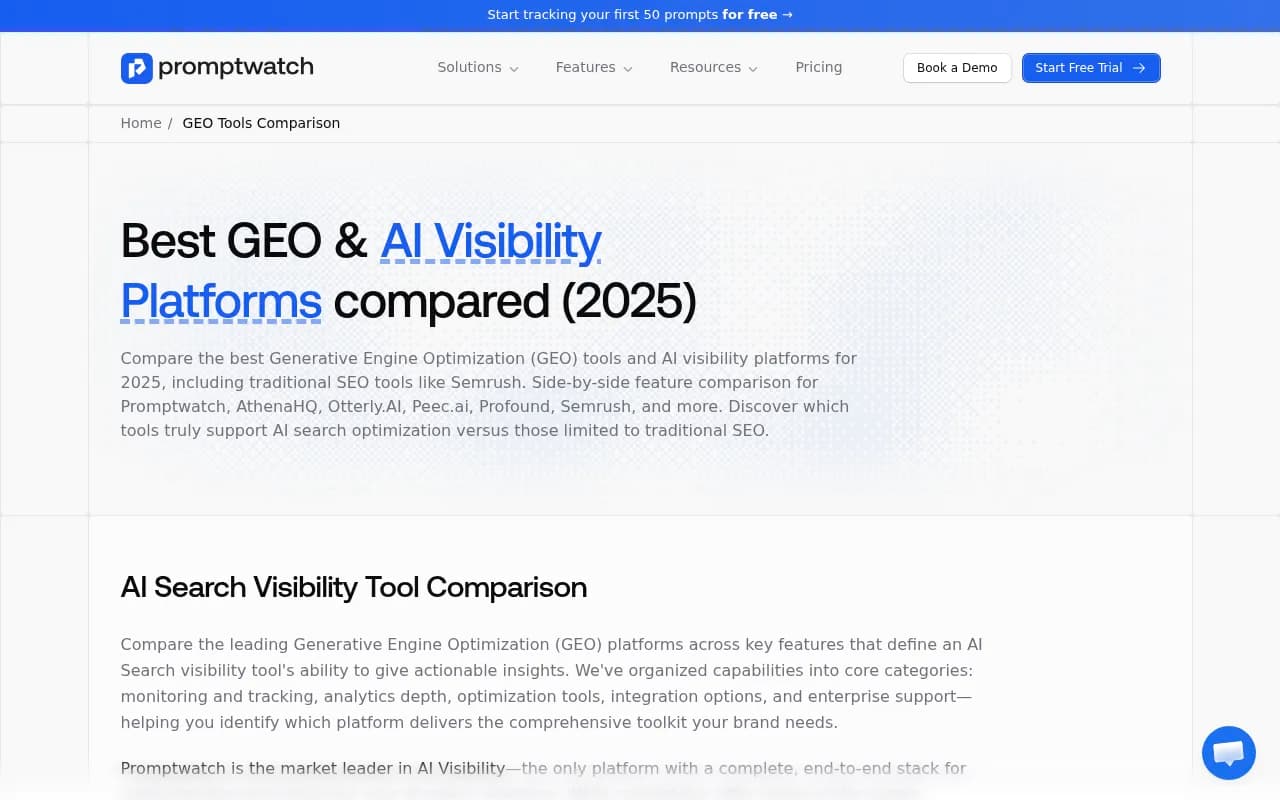
- Promptwatch is the only one of the three that closes the loop: it finds where you're invisible, helps you create content to fix it, and tracks whether that content gets cited.
- If your goal is to actually improve AI search visibility (not just measure it), Promptwatch is the only tool here built for that job.
- All three offer free trials, so you can test before committing.
The AI search visibility category has gotten crowded fast. Every few months there's a new tool promising to show you how your brand appears in ChatGPT, Perplexity, or Google AI Overviews. But when you strip away the marketing, most of them do roughly the same thing: run prompts, show you whether your brand got mentioned, and hand you a dashboard.
Peec AI, Otterly.AI, and Promptwatch are three of the most frequently compared tools in this space. They're often lumped together, but they're actually quite different in what they're designed to do. This guide breaks down exactly where each one fits, what you get for your money, and which one makes sense depending on what you're trying to accomplish.
What each tool is actually trying to do
Before comparing features, it helps to understand the design philosophy behind each product.
Otterly.AI is a monitoring tool. It's built to give you a quick, affordable view of whether your brand is showing up in AI responses. Simple setup, clean interface, low price. It's not trying to be a full optimization platform -- it's trying to be the easiest way to start tracking.
Peec AI is also a monitoring tool, but with more depth. It uses UI scraping (meaning it interacts with AI models the way a real user would, not just through APIs) to capture more authentic data. It has competitive gap analysis that shows where rivals are getting cited and you're not. Still monitoring-focused, but with sharper analytics.
Promptwatch is built around a different premise entirely. It treats monitoring as step one of a three-step process: find gaps, create content to fill them, then track whether that content gets cited. The platform includes AI content generation, real-time crawler logs, prompt intelligence, and attribution tracking. It's not just a dashboard -- it's a workflow.
That distinction matters a lot when you're deciding what to spend money on.
Feature comparison
Here's how the three tools stack up across the capabilities that matter most for AI search visibility work:
| Feature | Otterly.AI | Peec AI | Promptwatch |
|---|---|---|---|
| AI models tracked | ChatGPT, Perplexity, Gemini | ChatGPT, Perplexity, Google AI | 10+ (ChatGPT, Claude, Perplexity, Gemini, Grok, DeepSeek, Copilot, Meta AI, and more) |
| Monitoring approach | API-based | UI scraping | UI scraping + real user interface |
| Competitive gap analysis | Basic | Yes | Yes (Answer Gap Analysis) |
| Content generation | No | No | Yes (AI Content Agents) |
| AI crawler logs | No | No | Yes (real-time) |
| Prompt volume/difficulty scores | No | Limited | Yes |
| Page-level citation tracking | No | No | Yes |
| Reddit/YouTube insights | No | No | Yes |
| ChatGPT Shopping tracking | No | No | Yes |
| Traffic attribution | No | No | Yes |
| Multi-language/region | Limited | Yes | Yes |
| Starting price | ~$49/mo | $95/mo | $99/mo |
| Free trial | Yes | 7-day | 7-day |
| G2 rating | 4.7/5 | 5.0/5 | 4.9/5 |
Otterly.AI: good for getting started, not much else
Otterly.AI is the most accessible tool in this comparison. If you've never tracked AI visibility before and want to see whether your brand is appearing in ChatGPT or Perplexity responses, it's a reasonable starting point. The interface is clean, setup is fast, and the price is low enough that it doesn't require a budget conversation.
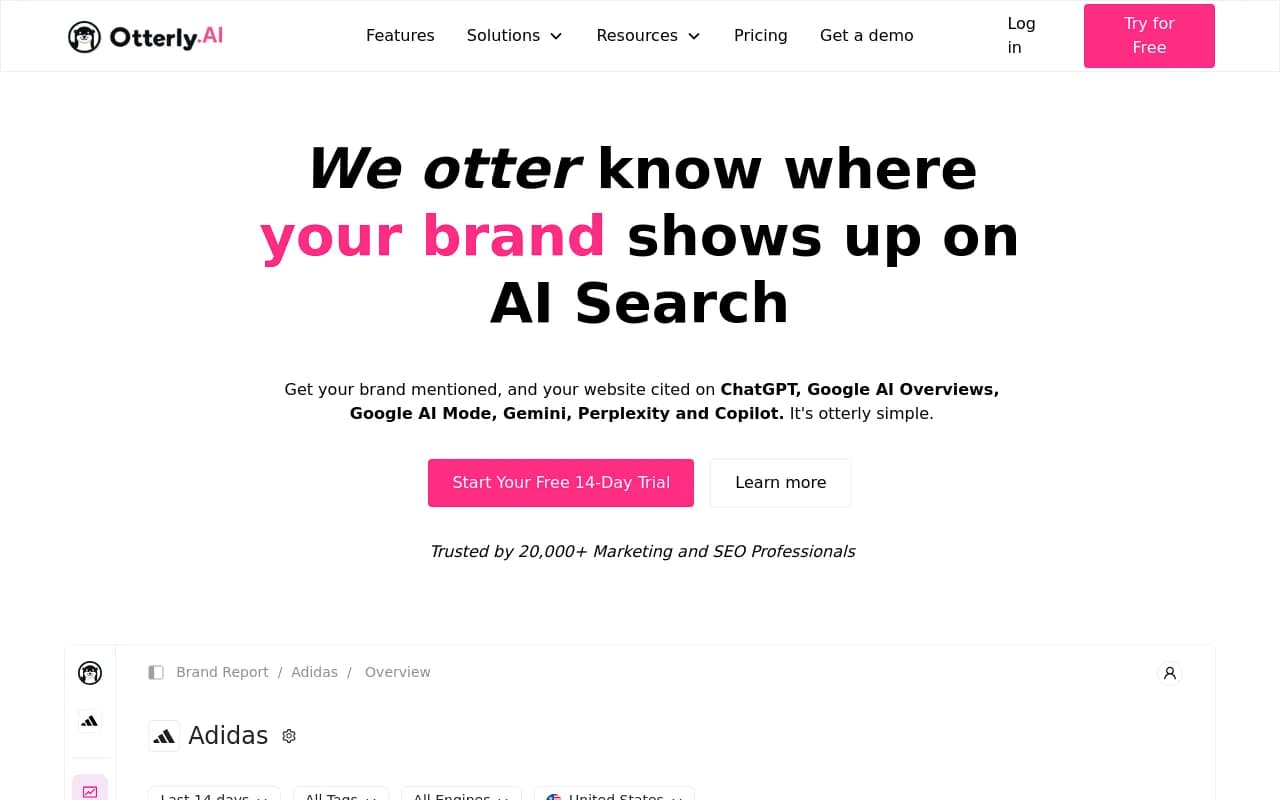
The problem is that it doesn't do much beyond that. There's no content gap analysis, no crawler logs, no way to understand why you're not being cited, and no tools to help you fix it. You'll see a visibility score and some mention data, but the next step is entirely on you.
For teams that just want a sanity check ("are we showing up at all?"), Otterly works. For teams that want to actually improve their AI search presence, it runs out of road quickly.
One specific limitation worth noting: Otterly uses API-based queries rather than UI scraping. This matters because AI models sometimes return different answers through their user interfaces than through their APIs. If you're trying to understand what a real user would see when they ask ChatGPT about your brand, API-based monitoring can give you a slightly distorted picture.
Peec AI: cleaner analytics, still monitoring-only
Peec AI sits a step above Otterly in terms of analytical depth. The UI scraping approach gives you more authentic data, and the competitive gap analysis is genuinely useful -- you can see which prompts your competitors are winning and you're not.
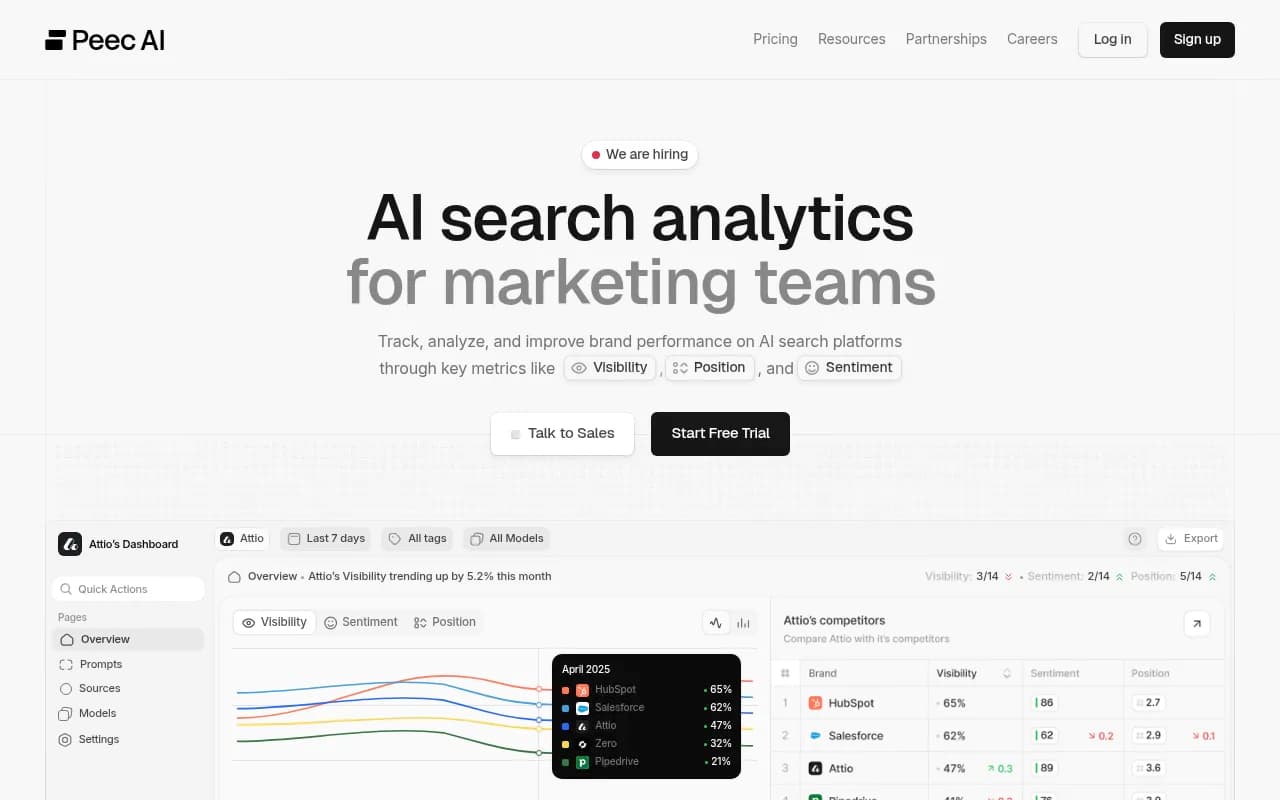
The interface is widely praised for being intuitive. The Berlin-based team offers direct Slack access to founders on some plans, which is a nice touch for smaller teams that want responsive support. G2 ratings are strong (5.0/5 at time of writing).
But Peec AI is still fundamentally a monitoring tool. It shows you the gap. It doesn't help you close it.
There's no content generation, no crawler logs to understand how AI bots are crawling your site, no page-level tracking to see which specific pages are getting cited, and no traffic attribution to connect AI visibility to actual revenue. The data is good. The action layer is missing.
At $95/month for a starting plan, it's priced similarly to Promptwatch's entry tier. That makes the comparison uncomfortable for Peec AI: you're paying nearly the same price for a subset of the functionality.
Where Peec AI genuinely wins is simplicity. If your team doesn't want to deal with a complex platform and just needs clean monitoring data with competitive context, it's a solid choice. The learning curve is lower than Promptwatch, and the UI is arguably more polished.
Promptwatch: the only one built for optimization
Promptwatch is the most capable tool in this comparison, and also the most complex. It's worth being upfront about that tradeoff.

The core difference is what happens after you see the data. Promptwatch's Answer Gap Analysis shows you exactly which prompts competitors are visible for that you're not -- and then its Content Agents help you create articles, listicles, and comparison pages designed to fill those gaps. The content is grounded in real prompt data, citation patterns, competitor analysis, and your own brand guidelines. It's not generic AI writing -- it's content built specifically to answer the questions AI models are already asking.
The crawler log feature is something neither Otterly nor Peec AI offers at all. You can see in real time when ChatGPT, Claude, Perplexity, and other AI crawlers are hitting your site, which pages they're reading, any errors they're encountering, and when a crawled page moves to being cited. That kind of technical visibility is genuinely useful for diagnosing why certain content isn't getting picked up.
Prompt intelligence adds another layer: volume estimates and difficulty scores for each prompt, plus query fan-outs that show how one question branches into sub-queries. Instead of guessing which prompts are worth targeting, you can prioritize based on actual data.
The platform also tracks Reddit threads and YouTube videos that are influencing AI recommendations -- a channel most competitors ignore entirely. And ChatGPT Shopping tracking lets e-commerce brands monitor when they appear in product recommendation carousels.
At $99/month for the Essential plan (1 site, 50 prompts, 5 articles), $249/month for Professional (2 sites, 150 prompts, 15 articles, crawler logs), and $579/month for Business (5 sites, 350 prompts, 30 articles), it's priced at a premium over Otterly but comparable to Peec AI at the entry level.
The honest caveat: Promptwatch has more features than most teams will use immediately. If you're just starting out with AI visibility tracking, the platform can feel like a lot. But if you're serious about improving your AI search presence rather than just measuring it, the extra capability is the point.
Who should use which tool
The right answer depends almost entirely on what you're trying to accomplish.
Use Otterly.AI if: You're new to AI visibility tracking, have a small budget, and just want to confirm whether your brand is showing up in AI responses. It's a low-commitment way to get started.
Use Peec AI if: You want clean, reliable monitoring data with competitive context, and your team doesn't need content creation tools. The interface is excellent and the competitive gap analysis is genuinely useful for understanding where rivals are winning.
Use Promptwatch if: You want to actually improve your AI search visibility, not just measure it. The combination of gap analysis, content generation, crawler logs, and attribution tracking makes it the only tool here that supports a full optimization workflow. It's also the right choice if you're managing multiple sites or need to track AI visibility across many prompts.
For agencies managing multiple clients, Promptwatch's agency and enterprise tiers offer custom pricing and the kind of depth that justifies the cost. Neither Otterly nor Peec AI is built for that use case.
The monitoring-only problem
It's worth stepping back and naming the broader issue with monitoring-only tools.
Knowing that you're invisible in AI search is useful. But it's only useful if you do something about it. Most teams that buy a monitoring tool end up with a dashboard they check occasionally, a vague sense that their AI visibility could be better, and no clear path forward.
The gap between "we can see the problem" and "we can fix the problem" is where most AI visibility tools fall short. Otterly and Peec AI both leave you on the wrong side of that gap. You get the data, but the strategy and execution are entirely on you.
Promptwatch's design philosophy is that monitoring without optimization is incomplete. The action loop -- find gaps, create content, track results -- is what makes it a different kind of tool. Whether that's worth the additional complexity and cost depends on your team's capacity and ambition.
Pricing summary
| Tool | Entry price | What you get |
|---|---|---|
| Otterly.AI | ~$49/mo | Basic monitoring, limited models |
| Peec AI | $95/mo | Monitoring + competitive gaps, UI scraping |
| Promptwatch Essential | $99/mo | 1 site, 50 prompts, 5 articles/mo |
| Promptwatch Professional | $249/mo | 2 sites, 150 prompts, 15 articles, crawler logs |
| Promptwatch Business | $579/mo | 5 sites, 350 prompts, 30 articles |
All three offer free trials. Annual billing brings discounts on Promptwatch plans.
Other tools worth knowing about
If none of these three feel like the right fit, a few other tools are worth considering depending on your specific situation.
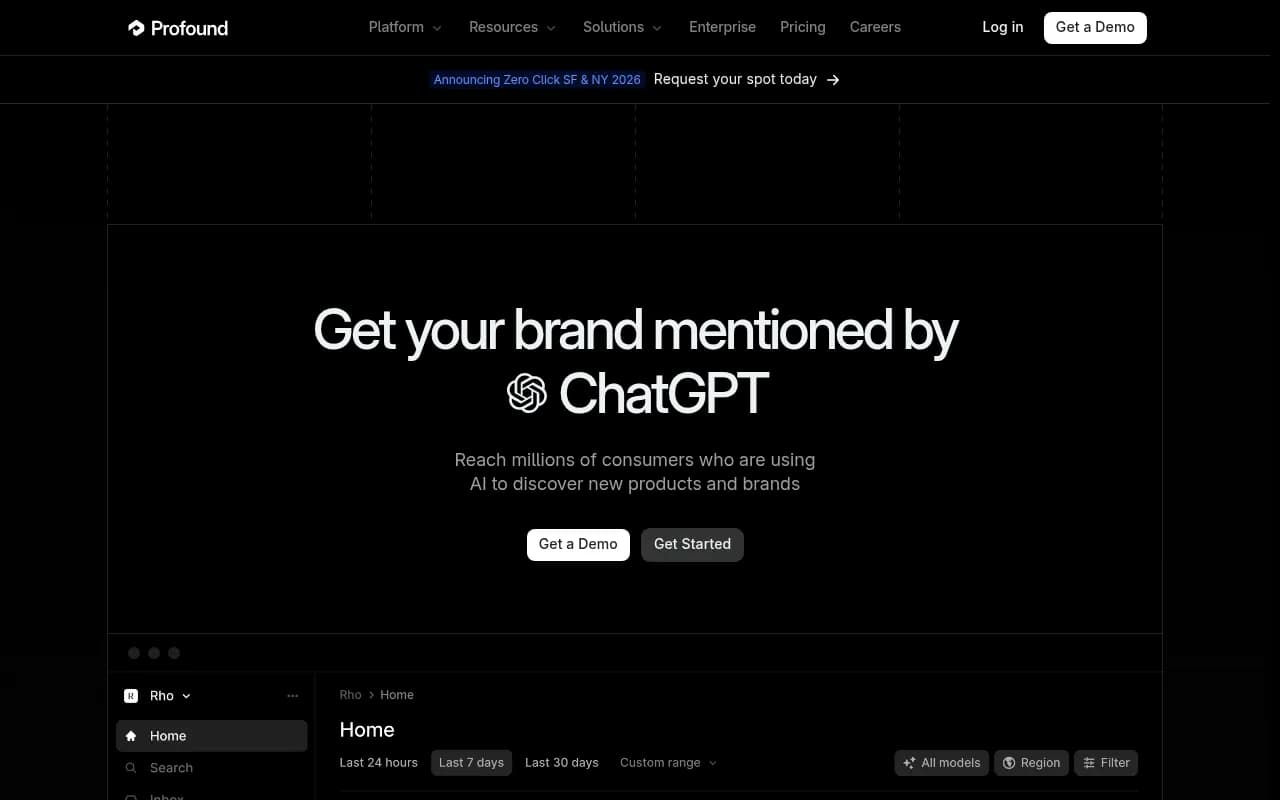
For enterprise-level needs with a focus on data depth, Profound AI has strong analytics -- though it's priced significantly higher and is also monitoring-only.
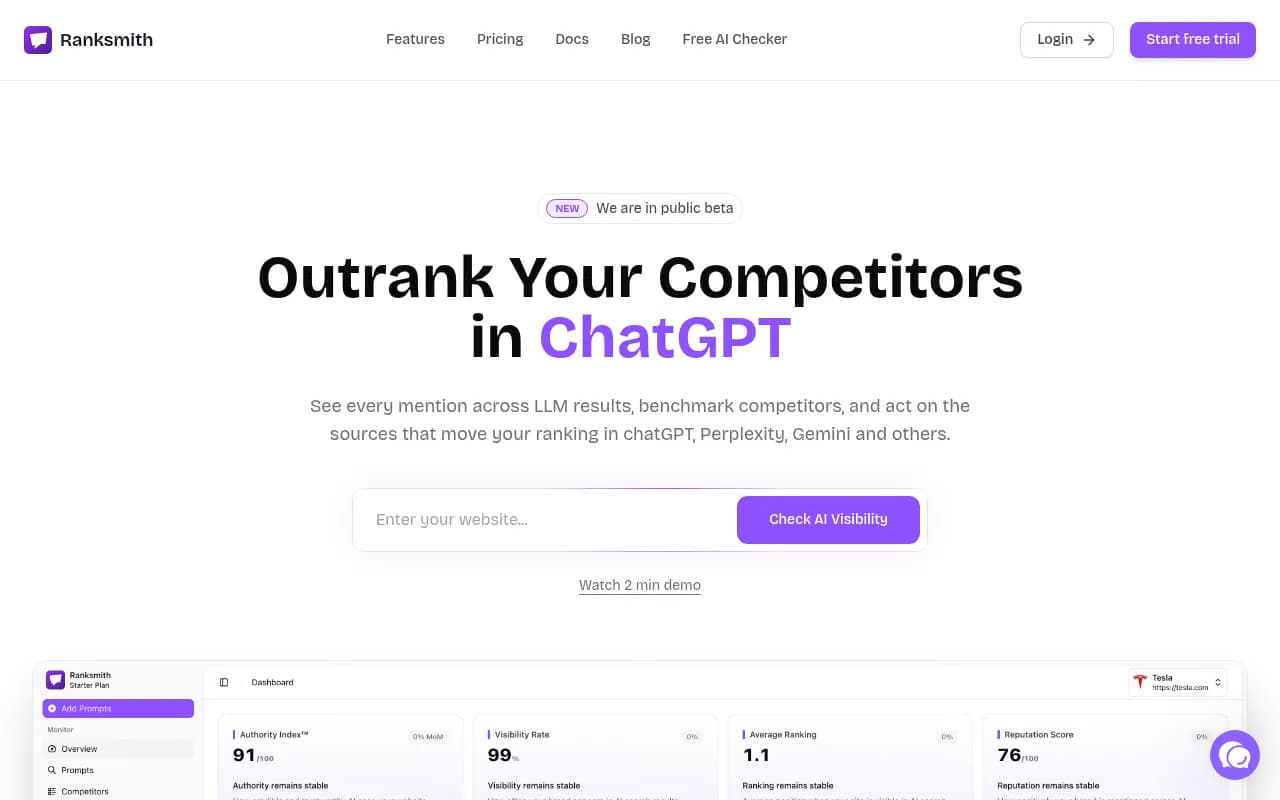
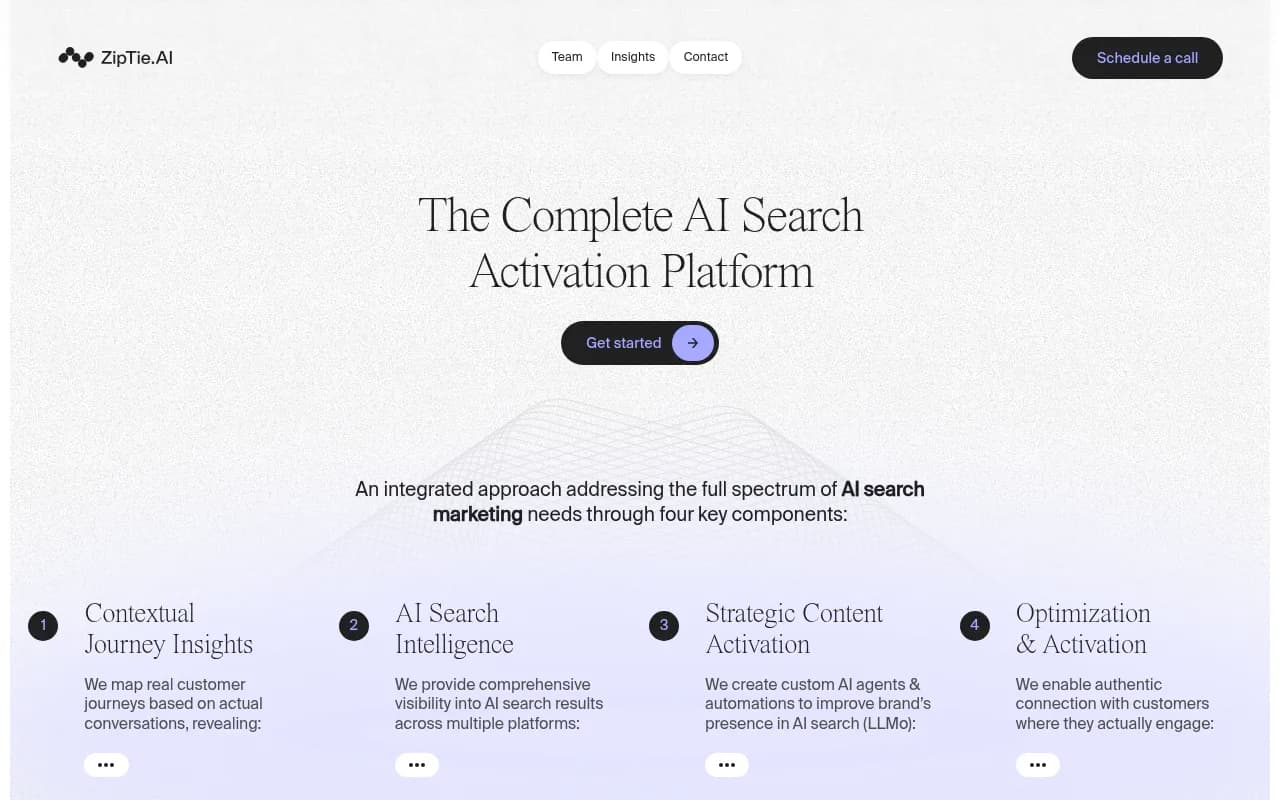
For teams that want a simpler, more affordable entry point into AI visibility with some optimization features, tools like Ranksmith or ZipTie offer lighter-weight alternatives.
And if you're coming from a traditional SEO background and want AI visibility layered on top of existing tools, Semrush has added some AI monitoring features -- though they use fixed prompts and lack the depth of dedicated GEO platforms.
The bottom line
Peec AI, Otterly.AI, and Promptwatch are all legitimate tools. They're just built for different stages of maturity in how you approach AI search visibility.
Otterly is for teams just getting started. Peec AI is for teams that want solid monitoring with competitive context. Promptwatch is for teams that want to actually move the needle.
If you're spending money on AI visibility tooling, the question worth asking is: what happens after I see the data? If your answer is "we'll figure it out," a monitoring tool might be enough for now. If your answer is "we need to create content and track whether it works," you need something more like Promptwatch.
The free trials on all three tools mean there's no reason not to test them directly against your own brand and prompts before committing.