Key takeaways
- Meteoria.ai is a relatively new AI marketing automation tool with limited public documentation, user reviews, and third-party coverage as of 2026.
- The lack of verifiable user feedback and independent testing makes it hard to recommend confidently over more established alternatives.
- Reliability and support quality are the two most commonly raised concerns with newer AI tools in this category.
- Several well-established alternatives cover the same use cases with stronger track records, better pricing transparency, and more active user communities.
- If AI search visibility (GEO/AEO) is part of your marketing goals, that's a separate and increasingly important category with its own dedicated tools.
What is Meteoria.ai?
Meteoria.ai positions itself as an AI-powered platform for marketing teams, with a focus on content creation, SEO automation, and campaign management. The pitch is familiar: use AI to reduce the manual work of producing and optimizing content at scale, so your team can focus on strategy rather than execution.
That's a reasonable value proposition. The problem is that in 2026, it's also a crowded one. Dozens of tools make essentially the same promise, and the difference between a genuinely useful platform and a disappointing subscription comes down to execution, reliability, and whether the AI outputs are actually good enough to use.
So let's look at what Meteoria.ai actually offers, where the gaps are, and whether it earns a place in your stack.
Core features
Content generation
Like most tools in this category, Meteoria.ai offers AI-assisted content generation for blog posts, social copy, email drafts, and ad creative. The underlying models are similar to what you'd find across the market -- GPT-class generation with some prompt engineering layered on top to keep outputs on-brand.
The question with any AI writing tool isn't whether it can produce text (they all can). It's whether the output is accurate, specific, and actually saves you editing time. Generic AI writing that requires heavy rewriting isn't a productivity gain -- it's just a different kind of work.
SEO optimization
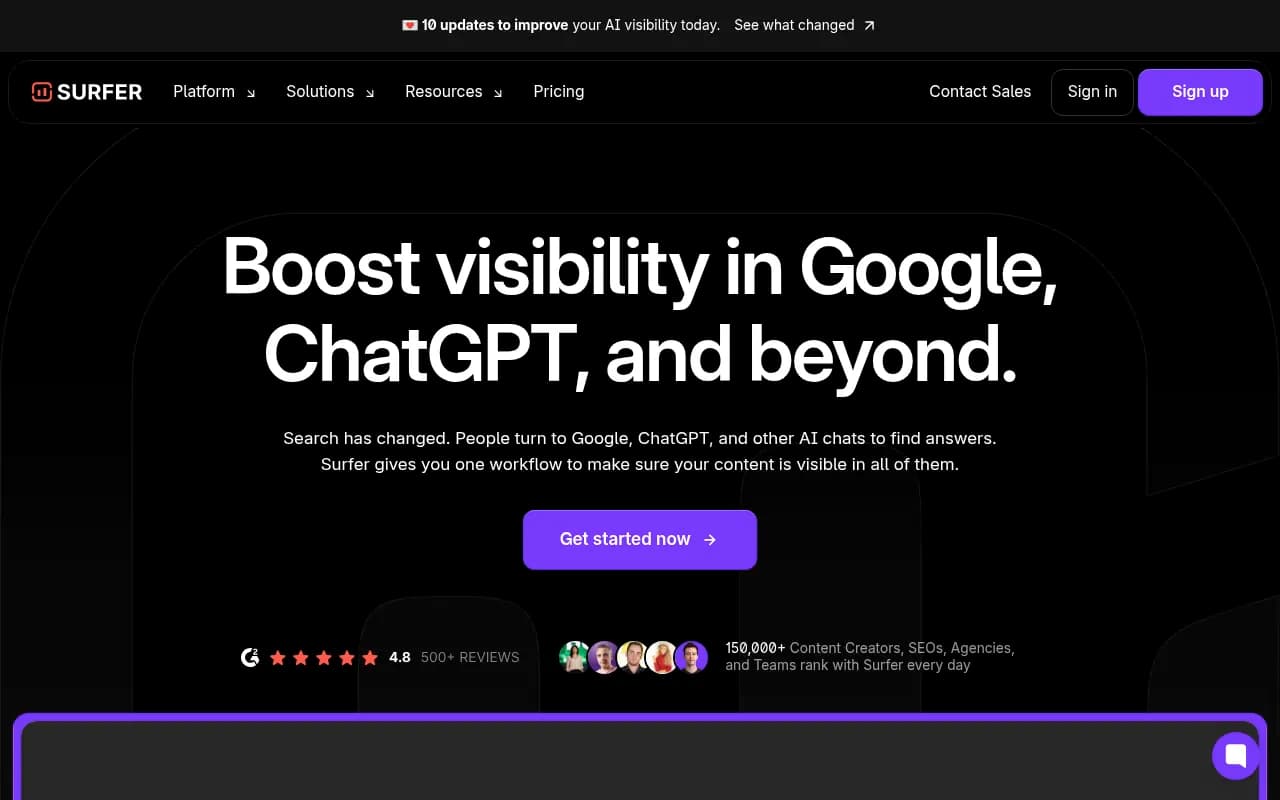
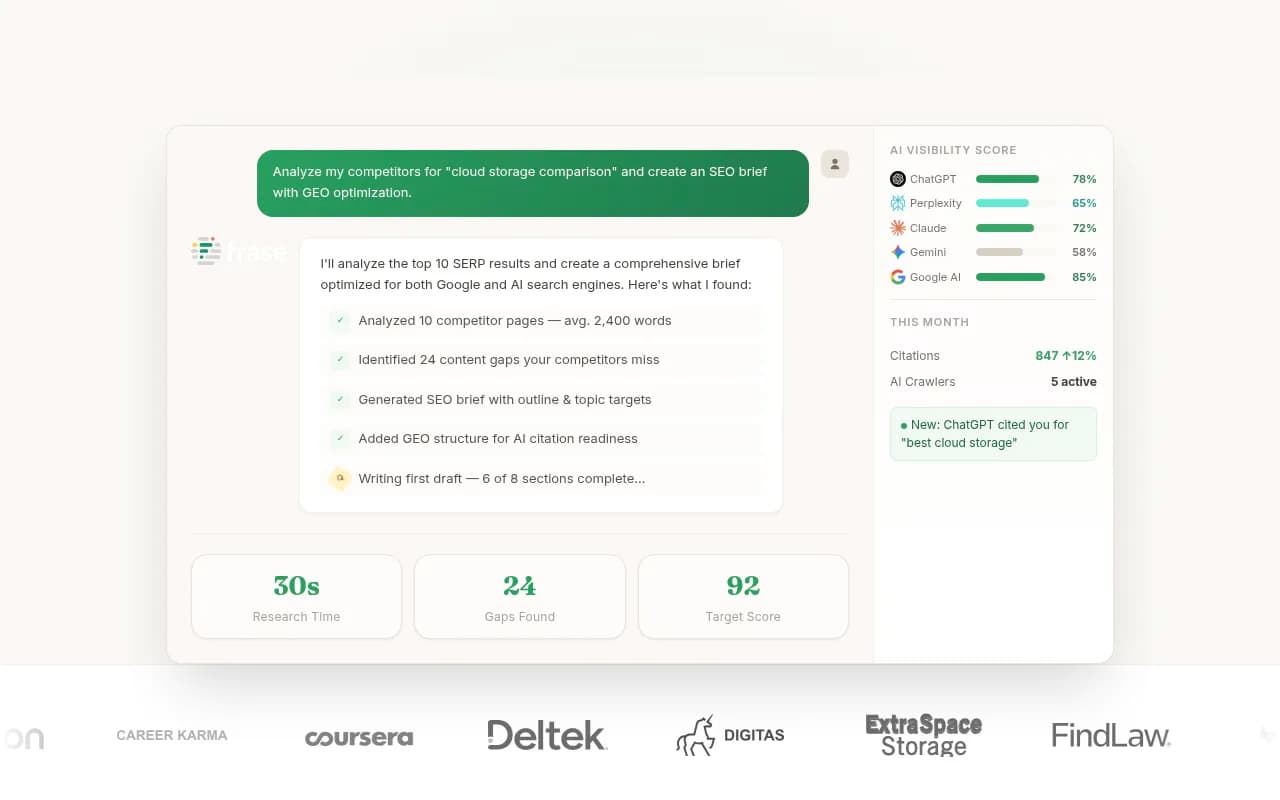
Meteoria.ai includes some SEO functionality, including keyword suggestions and content scoring. This is table stakes in 2026. Tools like Clearscope, Surfer SEO, and Frase have been doing this for years with significantly more depth, better integrations, and more reliable data.

Automation workflows
The platform includes basic automation for content scheduling and distribution. Again, this is a well-served category. If workflow automation is your primary need, purpose-built tools will almost always outperform a generalist AI platform's automation layer.
The reliability question
This is where things get genuinely uncertain. Meteoria.ai has limited presence on major review platforms like G2 and Trustpilot as of mid-2026. That's not automatically a red flag -- newer tools take time to accumulate reviews -- but it does mean there's very little independent signal about how the platform performs under real workloads.
The concerns that tend to surface with tools in this position:
- Uptime and API stability. AI tools that rely on third-party model providers can have inconsistent response times, especially during peak usage.
- Output quality consistency. A tool might perform well in demos but produce noticeably worse outputs when you're actually trying to ship content at volume.
- Support responsiveness. Smaller platforms often struggle to scale customer support alongside their user base.
- Feature roadmap reliability. Early-stage tools sometimes ship features that are technically present but not production-ready.
None of these are confirmed issues with Meteoria.ai specifically -- but they're the right questions to ask before committing to any subscription in this category, and the absence of public user reviews makes them harder to answer.
Pricing: what we know (and what's unclear)
Meteoria.ai's pricing structure isn't widely documented in independent sources, which is itself worth noting. Established tools publish their pricing clearly and update it when things change. When pricing requires a demo call or isn't easily findable, that sometimes signals a sales-led model that may not suit smaller teams or individual users.
Before signing up for anything, get clear answers on:
- Whether there's a free trial (and what's actually included)
- What the per-seat or per-output limits are
- Whether AI-generated content counts against usage credits
- What happens to your data if you cancel
These aren't gotchas -- they're standard questions that any reputable vendor should answer clearly.
How it compares to established alternatives
Here's an honest look at how Meteoria.ai stacks up against tools with longer track records in the same space:
| Tool | Best for | AI content generation | SEO optimization | Pricing transparency | Review volume |
|---|---|---|---|---|---|
| Meteoria.ai | General AI marketing | Yes | Basic | Low | Very limited |
| Jasper AI | Long-form content, teams | Yes (strong) | Via integrations | Clear | High |
| Writesonic | Content at scale | Yes | Built-in | Clear | High |
| Surfer SEO | SEO-first content | Via integration | Strong | Clear | High |
| Content at Scale | SEO blog content | Yes (strong) | Built-in | Clear | Moderate |
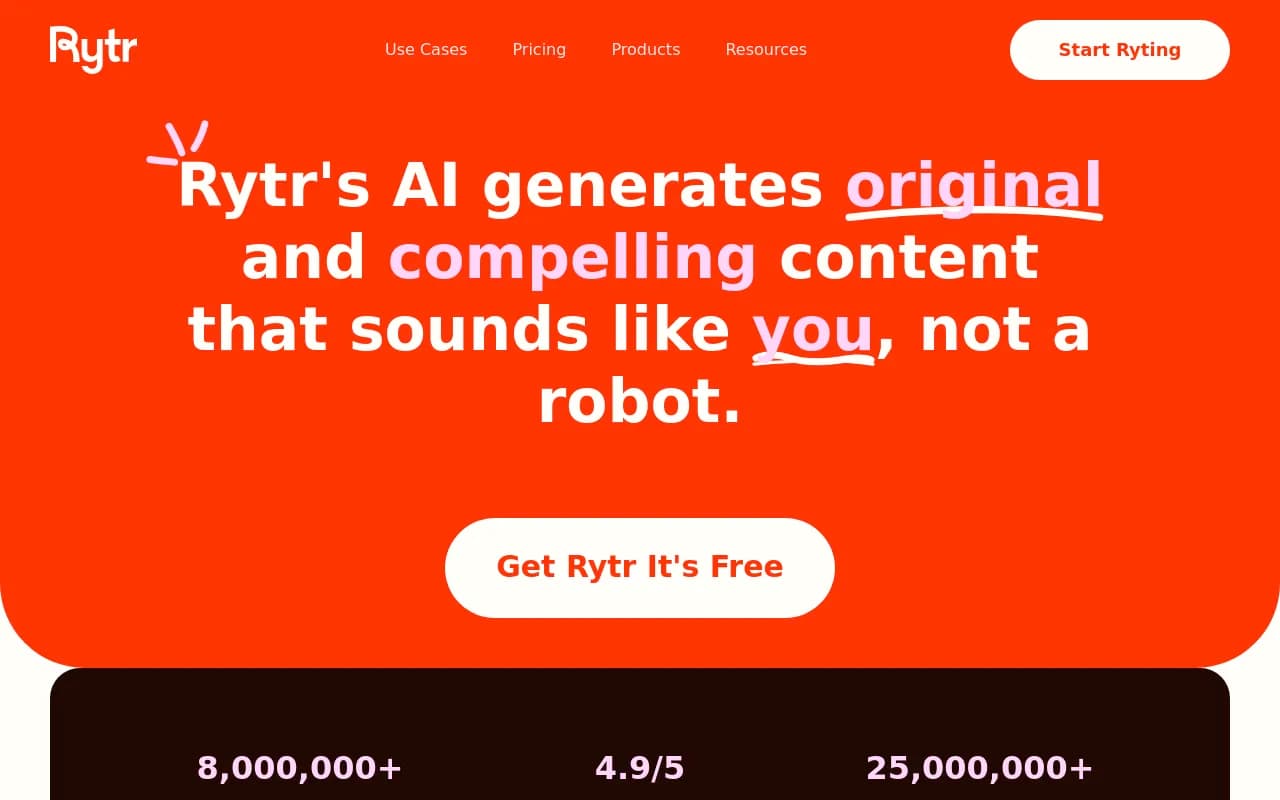
| Rytr | Budget AI writing | Yes | Basic | Very clear | High |



The pattern here is consistent: tools that have been around longer have more user feedback, clearer pricing, and more refined features. That doesn't mean a newer tool can't be better -- but it does mean the burden of proof is higher.
For SEO content specifically
If your main goal is producing content that ranks in traditional search, Surfer SEO and Clearscope have a significant head start. Both integrate with AI writing tools and give you real-time optimization feedback grounded in actual SERP data.
For AI writing at scale
Jasper and Content at Scale are the benchmarks. Jasper has strong brand voice features and team collaboration tools. Content at Scale is particularly good at producing longer-form content that passes AI detection checks -- relevant if you're publishing at volume and want to avoid penalties.
For budget-conscious teams
Rytr is hard to beat on price. It's not the most powerful tool in the category, but it's honest about what it is and delivers consistent results for the cost.
The AI search visibility angle
One thing worth separating out: if part of your interest in Meteoria.ai is understanding how your brand appears in AI search engines like ChatGPT, Perplexity, or Google AI Overviews, that's a distinct problem from content generation -- and it needs a distinct solution.
AI search visibility (often called GEO or AEO) is about whether AI models cite your brand when users ask relevant questions. A content generation tool won't tell you whether ChatGPT is recommending your competitors instead of you, or which topics you need to cover to start appearing in AI responses.
For that, Promptwatch is worth looking at. It tracks brand visibility across 10 AI models, shows you exactly which prompts your competitors are winning that you're not, and includes a built-in content generation tool specifically engineered to improve AI citation rates -- not just general SEO.

It's a different category from general AI writing tools, but increasingly relevant if AI search is part of how your customers find products and services.
Who might still consider Meteoria.ai
Despite the uncertainty, there are scenarios where trying Meteoria.ai makes sense:
- You're early in building a content operation and want to experiment with different tools before committing to a stack
- You've seen a specific feature demo that addresses a problem your current tools don't solve
- There's a free trial with no credit card required, and you have time to test it properly
The key word is "try." Don't migrate your content workflow to a platform with limited public reviews without running a real pilot first. Define what "good" looks like for your use case, test against that standard, and compare the outputs side-by-side with a tool you already trust.
What to do before you buy
If you're seriously evaluating Meteoria.ai, here's a practical checklist:
- Search G2, Trustpilot, and Reddit for real user experiences. If you find very few, that's useful information.
- Ask for a free trial or pilot period. Any tool confident in its product should offer this.
- Run your actual use cases, not demo prompts. The gap between curated demos and real-world performance can be significant.
- Compare outputs directly against Jasper, Writesonic, or Content at Scale on the same brief.
- Ask about support response times and whether you'll have a dedicated contact.
- Read the cancellation and data retention policy before you enter payment details.
The verdict
Meteoria.ai may be a perfectly functional tool -- the honest answer is that there isn't enough independent evidence in 2026 to say definitively either way. That uncertainty is itself the problem. When you're choosing where to invest your team's time and budget, "we're not sure" isn't a good enough answer.
The alternatives in this space are well-documented, actively reviewed, and have proven track records. Unless Meteoria.ai has a specific feature that nothing else offers for your use case, the lower-risk path is to start with a tool that has a clear track record and migrate if you find a genuine reason to switch.
If you're building a content and AI visibility strategy from scratch in 2026, the smarter approach is to combine a proven AI writing tool with a dedicated AI search monitoring platform. The two problems -- creating content and ensuring AI models actually cite it -- require different tools, and the best results come from solving both deliberately.