Key takeaways
- Small marketing teams need tools that are affordable, reliable, and don't require a dedicated ops person to maintain
- The best Meteoria.ai alternatives cover a range of use cases: content creation, social scheduling, email automation, SEO, and AI visibility
- Most of the tools below have free tiers or plans under $50/month, making them realistic for lean budgets
- Picking 2-3 tools that integrate well beats stacking 10 that create workflow chaos
- If AI search visibility is part of your strategy, platforms like Promptwatch go beyond monitoring to help you actually fix gaps
If you've been using Meteoria.ai and hit a wall -- whether that's reliability issues, missing features, or pricing that stopped making sense as your team grew -- you're not alone. The AI marketing tool space has exploded in 2026, and there are genuinely good options that cost less and do more.
This guide is specifically for small marketing teams: 1-5 people, limited budget, no dedicated tech stack manager. You need tools that work without babysitting. Here are 10 solid alternatives, organized by what they're actually good at.
What to look for before switching
Before jumping to a new platform, it's worth spending five minutes on a few questions that will save you a lot of pain later.
Does the tool actually fit how your team works, or will you spend the first month trying to make it fit? A lot of AI tools look impressive in demos and then sit unused because the workflow doesn't match reality.
What happens to your data if you cancel? Some platforms make export painful on purpose. Check this before you commit.
Does it get smarter over time, or is it always generic? The best tools learn your brand voice, your audience, your content patterns. The mediocre ones give you the same output as everyone else.
With that said, here's what's worth looking at.
The 10 best Meteoria.ai alternatives in 2026
1. Canva -- for visual content without a designer
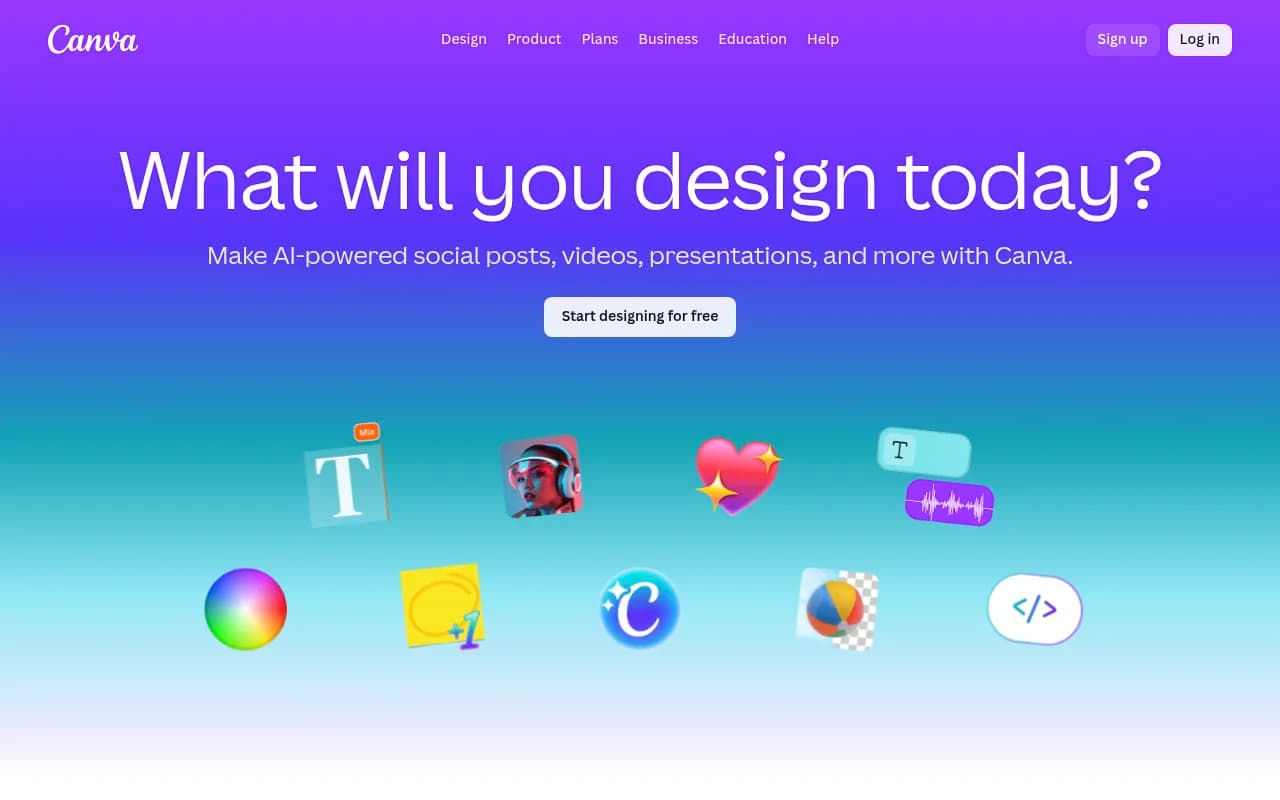
If your team creates social posts, presentations, email headers, or ad creatives, Canva is hard to beat at this price point. The AI features have matured significantly -- Magic Design, background removal, and the text-to-image generator are all genuinely useful now, not just gimmicks.
It's not a full marketing platform, but for small teams that need to produce visual content fast without hiring a designer, it covers a lot of ground.
Best for: Teams that need to produce visual content regularly and don't have a dedicated designer.
2. Buffer -- for social scheduling that just works
Buffer has been around long enough to have figured out what small teams actually need: a clean interface, reliable scheduling, and analytics that don't require a data analyst to interpret.
The free plan covers 3 channels, which is enough for many small teams. Paid plans start around $6/month per channel. It's not flashy, but it doesn't break, and that matters more than most people admit when you're running a lean operation.
Best for: Teams managing 2-4 social channels who want scheduling without the complexity of enterprise tools.
3. Mailchimp -- for email marketing with room to grow
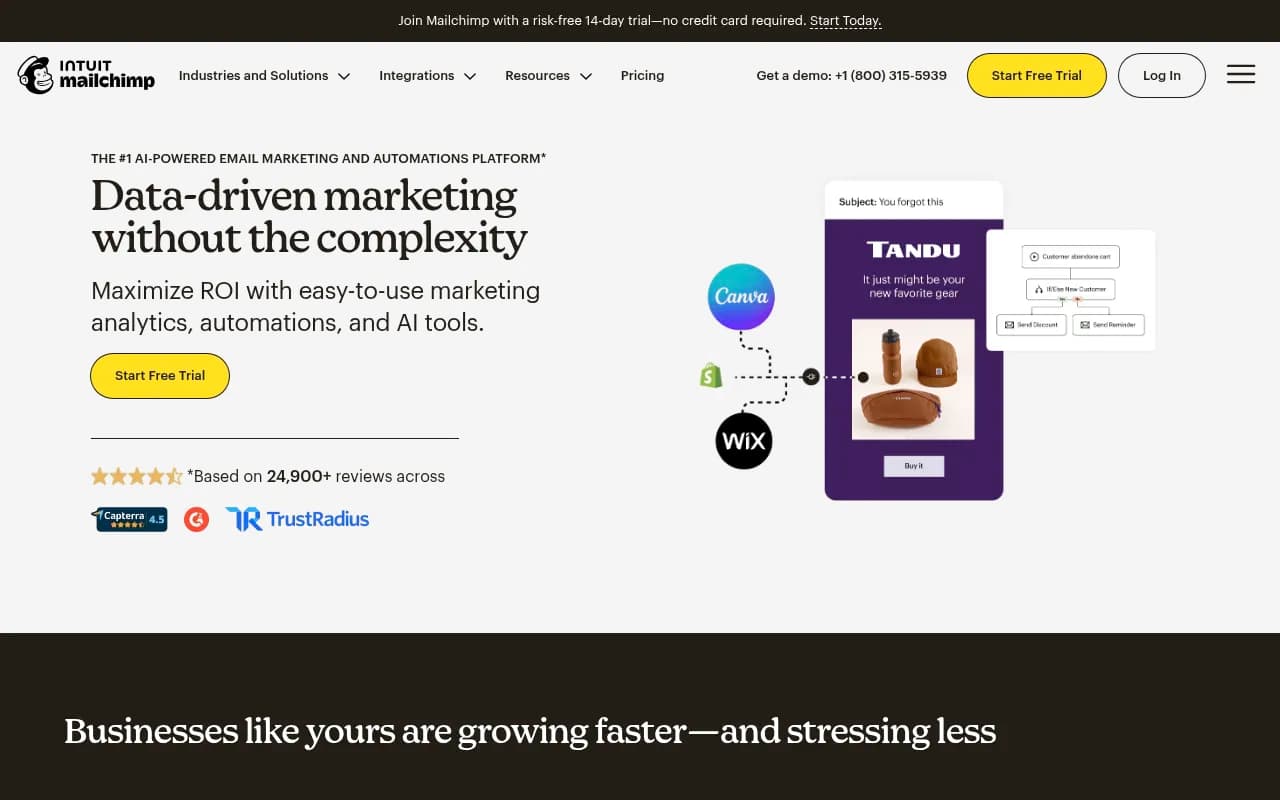
Mailchimp remains one of the most accessible email marketing platforms for small teams. The free tier supports up to 500 contacts, and the AI-assisted subject line and content suggestions have improved enough to be genuinely useful rather than just a checkbox feature.
Where it stands out is the combination of email, landing pages, and basic automation in one place. You don't need three separate tools to run a simple nurture sequence.
Best for: Teams just getting started with email marketing or running straightforward campaigns without complex segmentation needs.
4. ActiveCampaign -- for teams ready to get serious about automation
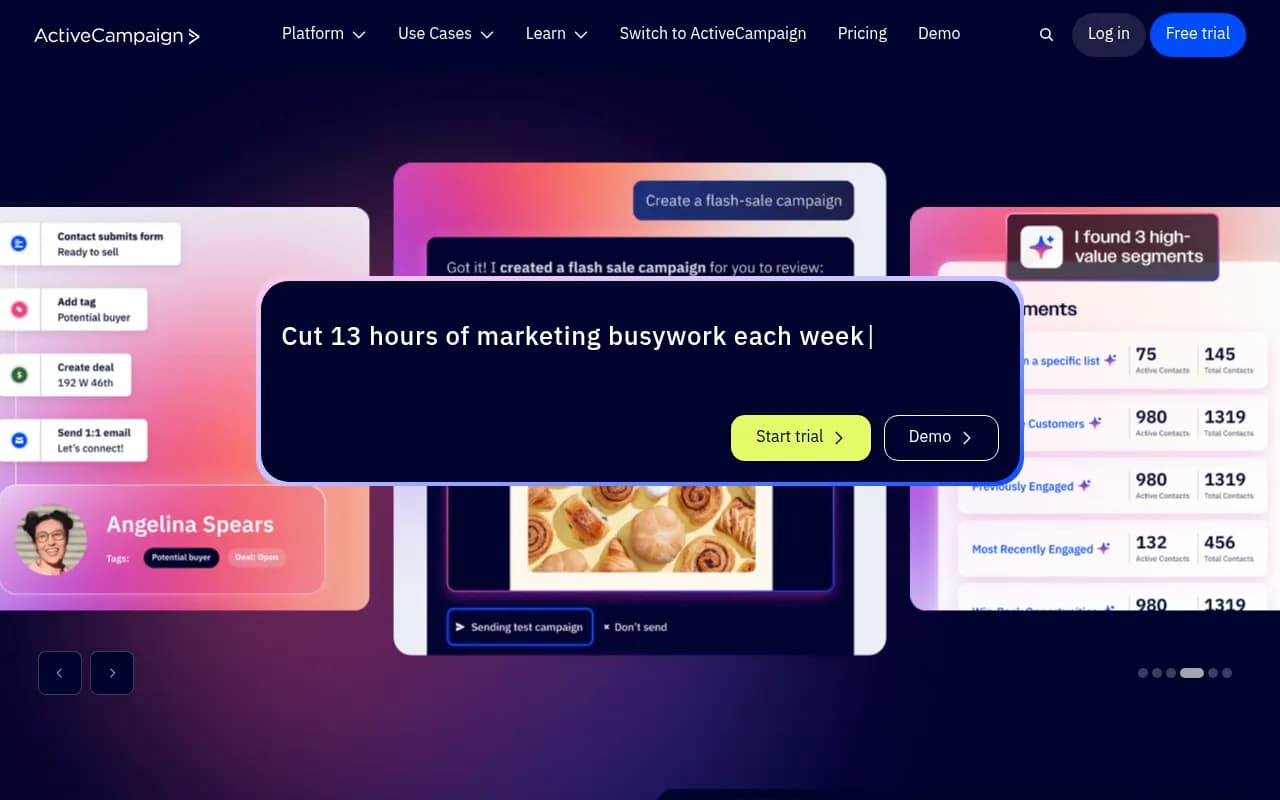
If you've outgrown Mailchimp's automation capabilities, ActiveCampaign is the natural next step. The visual automation builder is one of the best in the market at this price point, and the CRM integration means you're not managing contacts in two separate places.
It's more complex to set up than Mailchimp, but the payoff is real if you're running multi-step sequences, lead scoring, or behavior-based triggers.
Best for: Teams that need proper marketing automation without paying enterprise prices.
5. Jasper -- for AI content that sounds like your brand
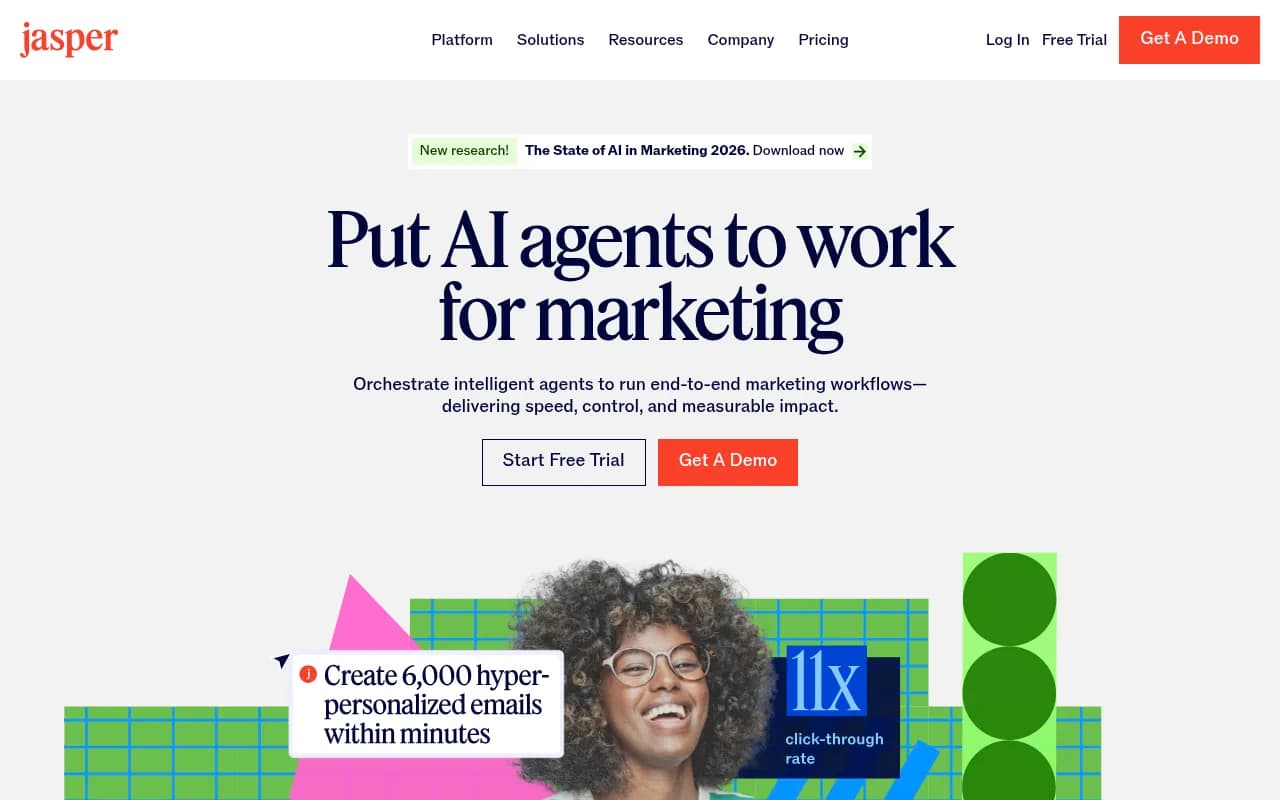
Generic AI content is everywhere now. Jasper's differentiator is the brand voice feature -- you can train it on your existing content so outputs actually sound like you wrote them, not like a chatbot.
For small teams producing blog posts, ad copy, email sequences, and social captions, having a single tool that maintains consistent voice across formats saves a lot of editing time.
Best for: Content-heavy teams that need volume without sacrificing brand consistency.
6. Copy.ai -- for affordable AI copywriting
If Jasper feels like more than you need, Copy.ai covers the core use cases at a lower price point. It's strong for short-form copy: ad headlines, product descriptions, email subject lines, social captions.
The free plan is genuinely usable (not just a teaser), which makes it a low-risk way to test whether AI copywriting fits your workflow before committing to a paid plan.
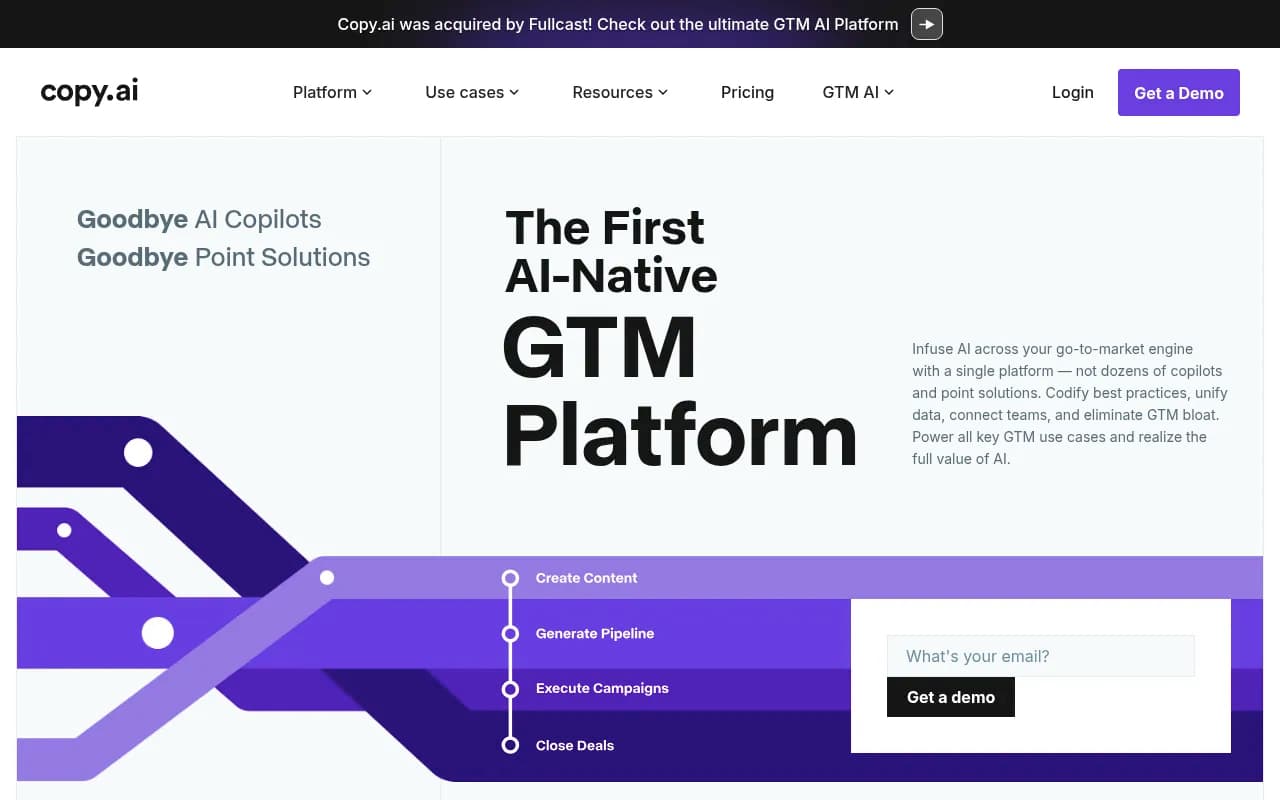
Best for: Teams that need AI copywriting help but aren't ready to invest in a full content platform.
7. Notion AI -- for campaign organization and content planning
A lot of small marketing teams are still running their content calendars in spreadsheets or scattered across Slack threads. Notion AI brings together project management, content briefs, meeting notes, and campaign planning in one workspace, with AI that can draft, summarize, and organize on demand.
It's not a publishing or scheduling tool, but as the operational backbone of a small marketing team, it's hard to beat.
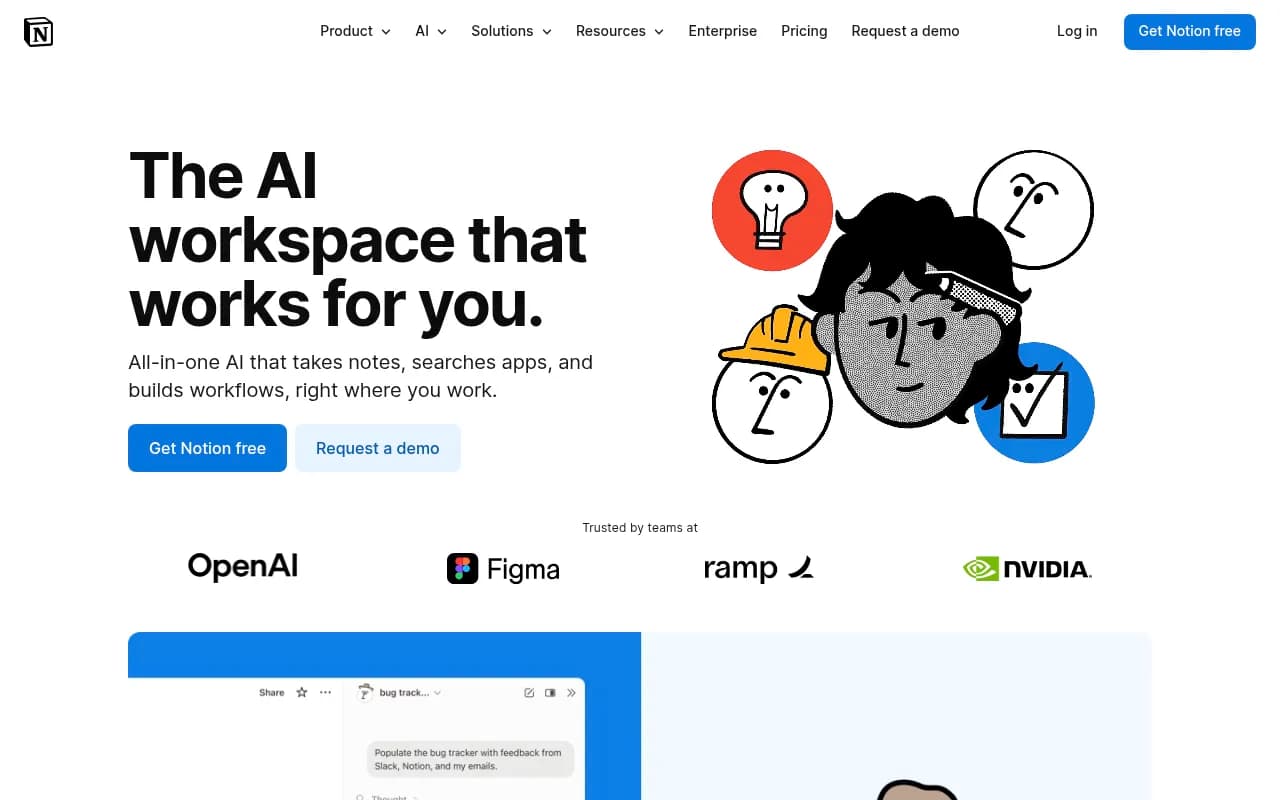
Best for: Teams that need a central hub for planning, briefs, and content workflows.
8. SocialBee -- for smarter social media scheduling
SocialBee goes a step beyond basic scheduling with content categories, recycling for evergreen posts, and AI-generated captions. For small teams that want their social presence to feel consistent without posting manually every day, the category-based scheduling is genuinely useful.
Plans start around $29/month, which is reasonable for what you get.
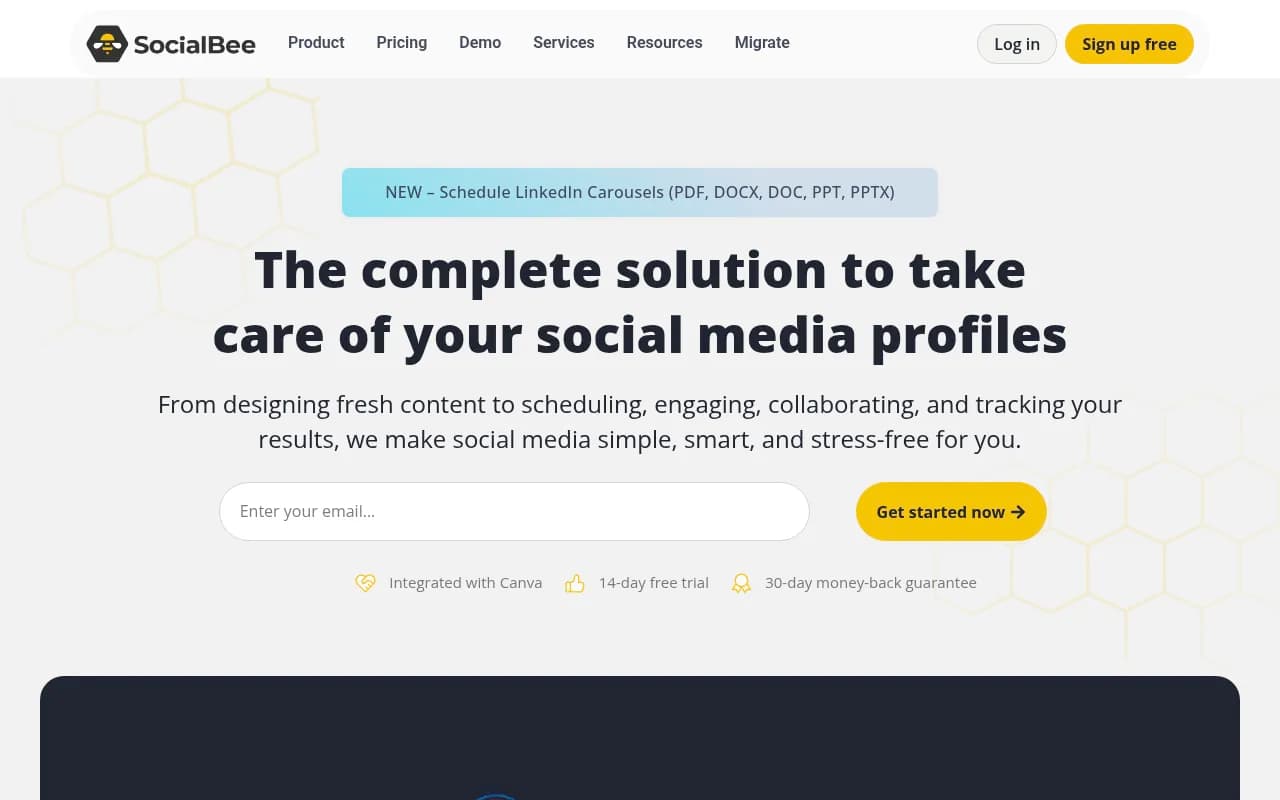
Best for: Teams that want more control over their social content mix than basic scheduling tools offer.
9. Surfer SEO -- for content that ranks in search
If organic search is part of your marketing strategy, Surfer SEO is one of the most practical tools for small teams. It analyzes top-ranking pages for your target keywords and gives you specific guidance on structure, word count, and topics to cover -- without requiring you to be an SEO expert.
The AI writing features have improved, but the real value is the optimization feedback loop: write, optimize, publish, track.
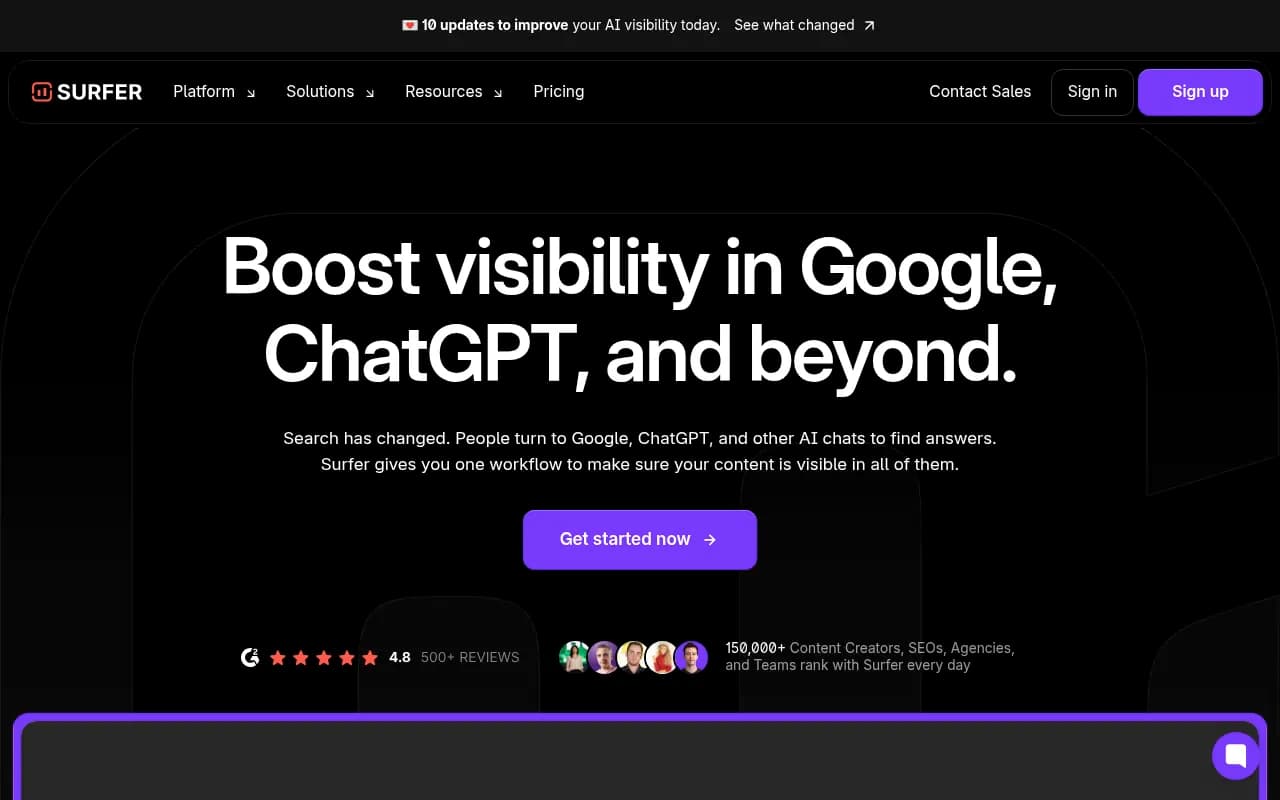
Best for: Teams producing blog content who want data-driven guidance on what to write and how to structure it.
10. Promptwatch -- for AI search visibility
This one is a bit different from the others on the list, but increasingly relevant. If your customers are searching on ChatGPT, Perplexity, Claude, or Google AI Overviews (and they are), you need to know whether your brand is showing up -- and if not, why.
Promptwatch tracks your visibility across 10 AI models, shows you exactly which prompts competitors are appearing for that you're not, and has a built-in content generation tool to help you close those gaps. It's not just a monitoring dashboard -- it actually helps you fix what's broken.
For small teams, the Essential plan at $99/month covers one site and 50 prompts, which is enough to get meaningful data without overcomplicating things.

Best for: Teams that want to understand and improve how their brand appears in AI-generated search results.
How these tools compare
Here's a quick overview to help you figure out which combination makes sense for your team:
| Tool | Primary use case | Free tier | Starting price | Best for team size |
|---|---|---|---|---|
| Canva | Visual content creation | Yes | ~$15/mo | 1-10 |
| Buffer | Social scheduling | Yes (3 channels) | ~$6/mo/channel | 1-5 |
| Mailchimp | Email marketing | Yes (500 contacts) | ~$13/mo | 1-10 |
| ActiveCampaign | Marketing automation | No | ~$15/mo | 3-20 |
| Jasper | AI content writing | No | ~$49/mo | 2-10 |
| Copy.ai | AI copywriting | Yes | ~$36/mo | 1-5 |
| Notion AI | Campaign planning | Yes | ~$10/mo | 1-20 |
| SocialBee | Social scheduling + AI | No | ~$29/mo | 1-10 |
| Surfer SEO | SEO content optimization | No | ~$89/mo | 2-10 |
| Promptwatch | AI search visibility | No | $99/mo | 1-10 |
Building a stack that doesn't collapse
The temptation with any list like this is to sign up for everything and see what sticks. That's a reliable way to waste money and create a workflow that nobody on your team actually uses consistently.
A more practical approach: identify your two biggest bottlenecks right now. Is it content production? Social consistency? Email performance? Start there.
For most small marketing teams, a stack of three tools covers the core needs:
- One for content creation (Jasper or Copy.ai, depending on budget)
- One for distribution (Buffer or SocialBee for social, Mailchimp or ActiveCampaign for email)
- One for optimization and visibility (Surfer SEO for traditional search, Promptwatch if AI search is a priority)
That's it. Everything else is optional until you've actually maxed out what those three can do.
The 88% of marketers using AI daily in 2026 aren't necessarily using more tools -- they're using the right ones more effectively. A lean, integrated stack beats a sprawling one every time.
The bottom line
Meteoria.ai had its moment, but the alternatives above are more mature, better supported, and in most cases more affordable for small teams. The right choice depends on where your biggest marketing gaps are -- content, distribution, automation, or visibility.
If you're not sure where to start, pick the tool that solves your most painful problem first. Get value from it before adding anything else. That's how small teams actually build marketing systems that work.