Key takeaways
- AthenaHQ is a capable AI visibility monitoring tool, but most teams eventually hit the same wall: the data is useful, but the platform doesn't help you do anything with it.
- The most common reasons for switching are lack of content optimization features, limited prompt intelligence, no crawler log access, and pricing that doesn't scale well for agencies.
- Teams with serious GEO ambitions are moving toward platforms that close the loop between tracking and action -- finding gaps, generating content, and measuring the results.
- The right alternative depends on your situation: some teams need a full optimization platform, others just need simpler tracking at a lower price.
AthenaHQ has a legitimate story. The company has published real research -- their State of AI Search 2026 Report found that only 17.2% of AI responses mention any given brand, but teams actively optimizing for AI search are reaching up to 56.7% of answers. That's a meaningful gap, and AthenaHQ deserves credit for quantifying it.
The problem isn't the data. The problem is what happens after you see the data.
Teams that start with AthenaHQ often describe the same experience: you get a clear picture of where you're invisible, you understand which competitors are getting cited instead of you, and then... you're on your own. The platform shows you the problem but doesn't help you fix it. For teams that just want a monitoring dashboard, that's fine. But for teams that want to actually move the needle on AI visibility, it starts to feel like half a tool.
That frustration is driving a wave of switches in 2026. Here's what's really going on.
The actual reasons teams are leaving
Monitoring without optimization
This is the core issue. AthenaHQ tracks your brand mentions across AI platforms and shows you where competitors appear. It's genuinely useful for understanding the landscape. But when it comes to doing something about it -- identifying specific content gaps, generating articles that AI models will cite, understanding which prompts to prioritize -- the platform doesn't go there.
Most teams eventually realize they need two separate tools: one to monitor and one to actually optimize. That's a workflow problem and a cost problem.
Prompt intelligence gaps
Knowing that you're not appearing for a prompt is one thing. Knowing whether that prompt has enough volume to be worth pursuing, how difficult it is to win, and how it branches into related sub-queries -- that's what actually helps you prioritize. Teams that need this kind of depth tend to find AthenaHQ's prompt data too surface-level.
No crawler log access
This one matters more than people expect. AI crawler logs tell you which pages ChatGPT, Claude, and Perplexity are actually reading on your site, how often they return, and whether they're hitting errors. Without this, you're optimizing blind -- you don't know if AI engines are even finding your content, let alone citing it. AthenaHQ doesn't offer this.
Pricing friction for agencies
AthenaHQ's pricing works reasonably well for a single brand. It gets awkward fast when you're managing multiple clients. Agencies consistently flag this as a reason to look elsewhere -- the per-client cost structure doesn't match how agency work actually operates.
Data reliability concerns
This one shows up in user reviews and competitor comparisons. Some teams report inconsistency in AthenaHQ's data -- responses that vary in ways that are hard to explain, making it difficult to trust the trends you're seeing. Profound's comparison page specifically calls this out as a complaint from teams who've used both platforms.
Where teams are going (and why)
The market for AI visibility tools has expanded fast. Here's an honest look at the main categories teams are moving into.
Full-stack GEO platforms
These are platforms that don't just monitor -- they help you find gaps, create content, and track whether it's working. This is where the most ambitious teams are landing.
Promptwatch sits at the top of this category. It's built around what it calls an action loop: identify which prompts competitors appear for but you don't, generate content specifically engineered to get cited by AI models, then track whether your visibility scores improve. The content generation piece is grounded in real citation data -- over 880 million citations analyzed -- rather than generic SEO logic. It also includes AI crawler logs, Reddit and YouTube citation tracking, ChatGPT Shopping monitoring, and prompt volume and difficulty scoring. For teams that want to stop just watching their AI visibility and start improving it, this is the most complete option available.

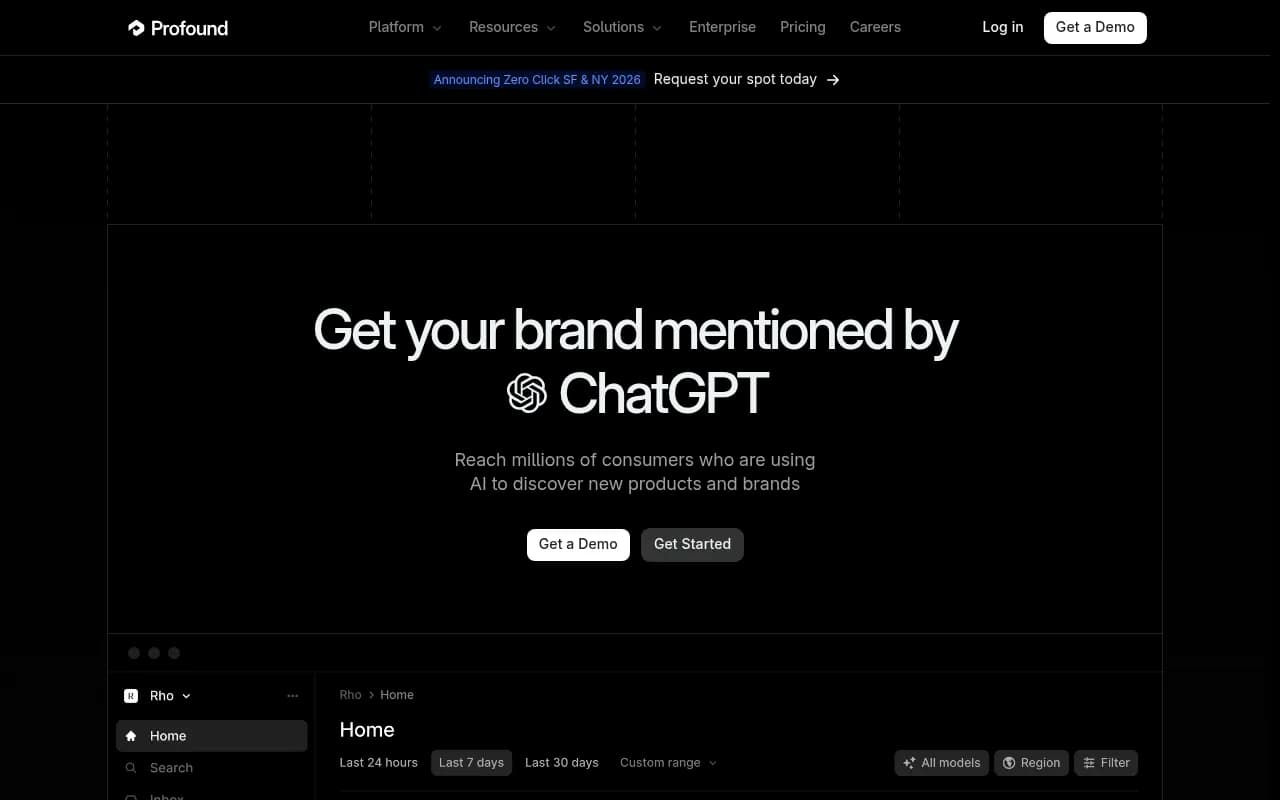
Profound is another serious option in this tier. It has strong data quality and a growing set of content workflow features. Teams that have moved from AthenaHQ to Profound generally report better reliability and more actionable insights, though some find the price point steep and the content tools less developed than Promptwatch's.
Mid-tier monitoring tools
Not every team needs the full stack. If you're earlier in your GEO journey and mainly want to understand where you stand before committing to a more expensive platform, there are solid options here.
Otterly.AI is frequently mentioned as a simpler, more affordable alternative. It covers the basics of AI visibility tracking without the complexity or cost of enterprise platforms. The tradeoff is that it's monitoring-only -- no content generation, no crawler logs, no deep prompt intelligence.

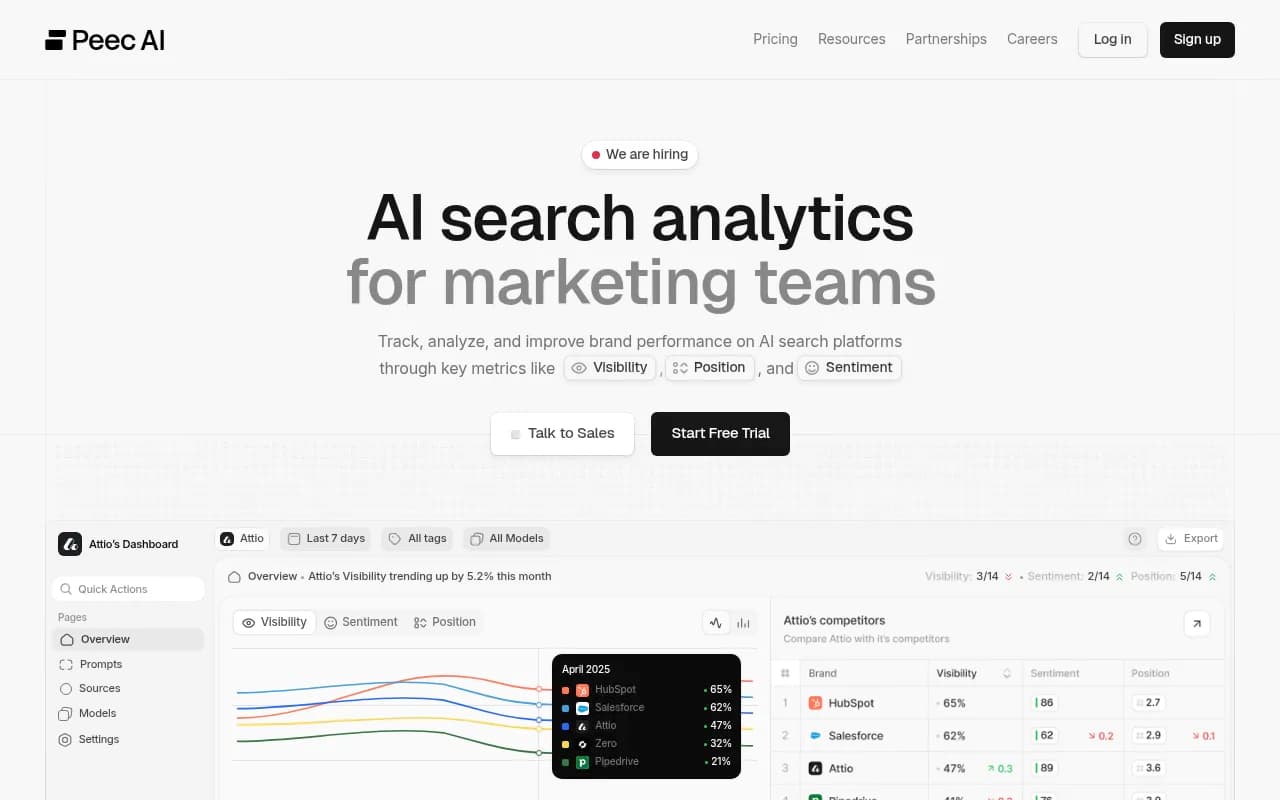
Peec AI is similar -- clean interface, straightforward tracking, reasonable pricing. Good for teams that want to get started without a big commitment.
Scrunch AI covers monitoring across major AI platforms and is worth considering if you want something between basic tracking and full optimization.
Specialized tools for specific needs
Some teams aren't looking for a full replacement -- they just need to fill a specific gap that AthenaHQ isn't covering.
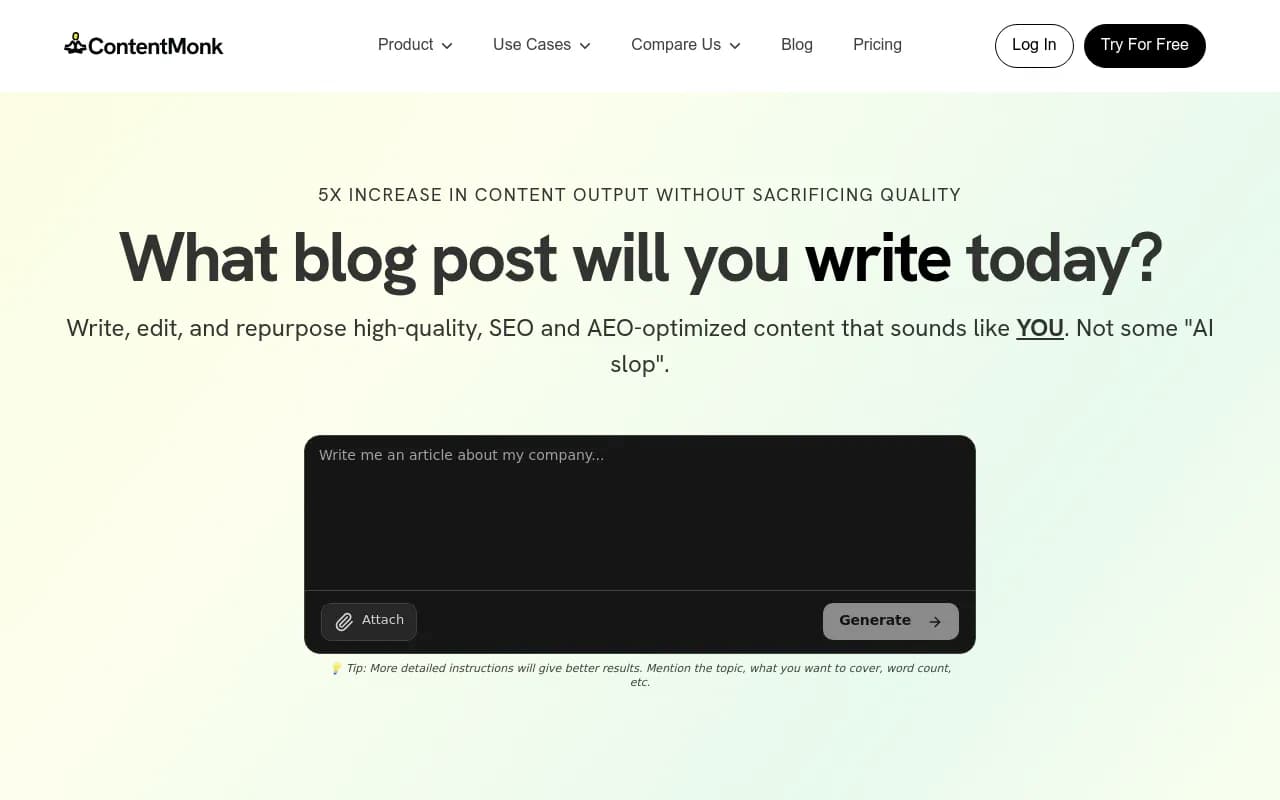
For content gap analysis specifically, ContentMonk has built a focused product around turning AI visibility insights into SEO-optimized articles.
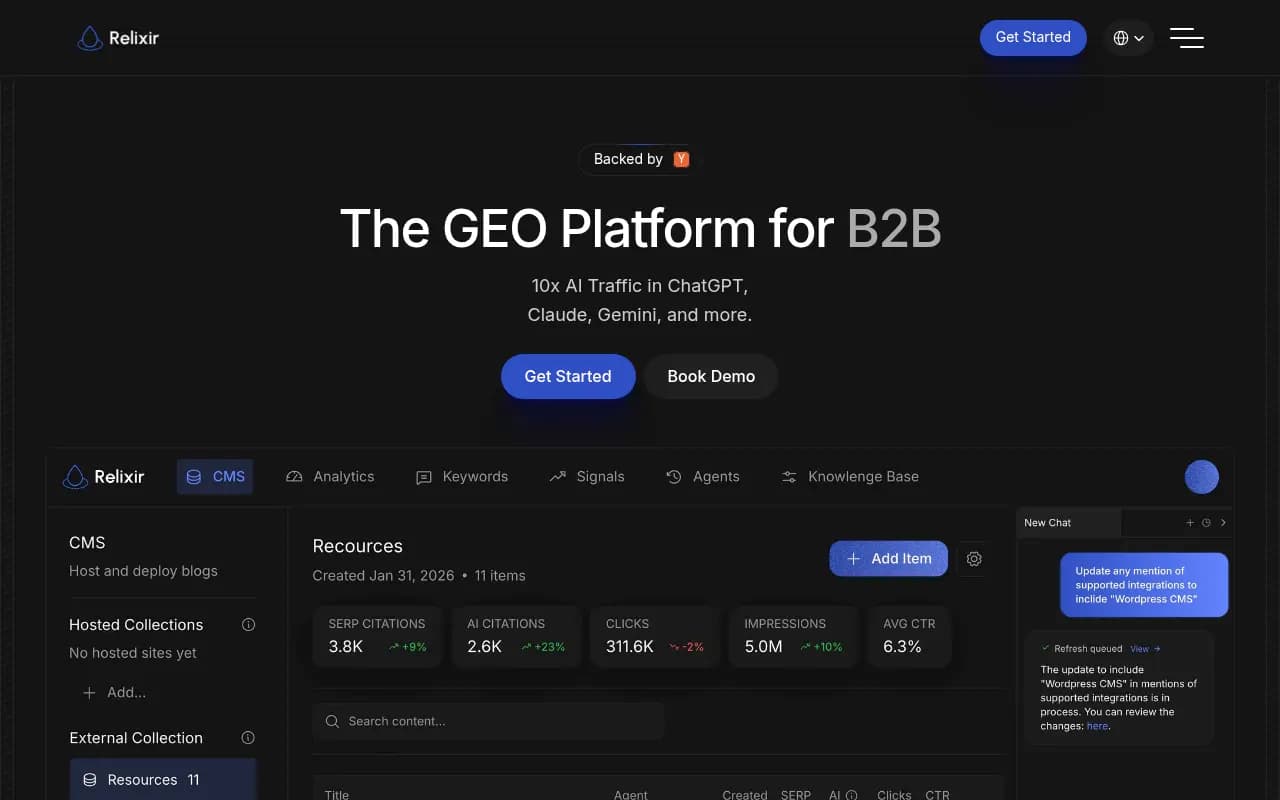
Relixir positions itself as an all-in-one GEO platform with content generation built in, similar to Promptwatch but with a different approach to the workflow.
For agencies specifically, Search Party has built its product around multi-client management and reporting, which addresses one of the core friction points with AthenaHQ.
Search Party
How the main alternatives compare
Here's a direct comparison across the dimensions that matter most for teams switching from AthenaHQ:
| Platform | AI monitoring | Content generation | Crawler logs | Prompt intelligence | Reddit/YouTube tracking | Agency pricing |
|---|---|---|---|---|---|---|
| Promptwatch | 10 models | Yes (citation-grounded) | Yes | Volume + difficulty + fan-outs | Yes | Custom |
| AthenaHQ | 8+ models | No | No | Basic | No | Per-brand |
| Profound | Multiple | Limited | No | Some | No | Enterprise |
| Otterly.AI | Multiple | No | No | Basic | No | Per-seat |
| Peec AI | Multiple | No | No | Basic | No | Per-seat |
| Relixir | Multiple | Yes | No | Some | No | Custom |
| Search Party | Multiple | No | No | Limited | No | Agency-focused |
The pattern is clear: most alternatives are still monitoring-first tools. Promptwatch is the outlier that treats monitoring as the starting point rather than the destination.
What to actually look for when evaluating alternatives
Before you start demoing platforms, it's worth being honest about what problem you're actually trying to solve.
If the problem is "we don't know where we stand"
You need monitoring, and almost any of the tools above will help. Start with something affordable like Otterly.AI or Peec AI, get a baseline, and upgrade when you have a clearer picture of what you need.
If the problem is "we know where we stand but can't improve it"
This is where most teams switching from AthenaHQ actually are. You need a platform with content optimization built in -- not just monitoring. Promptwatch is the most complete option here, with the content generation and gap analysis tools that turn visibility data into actual content strategy.
If the problem is "our data is inconsistent and we can't trust it"
This is a data quality issue. Profound has a strong reputation here. Promptwatch's dataset -- over 1.1 billion citations, clicks, and prompts processed -- also gives it a reliability advantage over smaller platforms.
If the problem is "this doesn't work for our agency"
Look at platforms with explicit agency tiers and multi-client management. Promptwatch has custom agency and enterprise pricing. Search Party is built specifically for agency workflows.
The bigger picture
AthenaHQ's own research makes the case for urgency: only 17.2% of AI responses mention any given brand, but the top performers are reaching 56.7%. That's not a small gap -- it's a 3x difference between teams that are actively optimizing and teams that are just watching.
The irony is that AthenaHQ's data makes a compelling argument for a more action-oriented platform. Knowing you're at 17.2% is useful. Having tools to get to 40% is what actually matters.
McKinsey's projection that $750 billion in US revenue will flow through AI-powered search by 2028 is the kind of number that makes this feel urgent. Only 16% of brands are systematically tracking their AI search performance right now. The teams switching away from monitoring-only tools in 2026 are making a bet that tracking alone isn't enough -- and the evidence suggests they're right.
The switch from AthenaHQ isn't really about AthenaHQ being bad. It's about teams realizing that the category has matured past pure monitoring. The platforms winning in 2026 are the ones that close the loop -- show you the gap, help you fill it, and prove that it worked.
That's the standard worth holding any alternative to.