Key takeaways
- All three platforms track brand visibility across AI search engines like ChatGPT, Perplexity, and Claude -- but their depth and approach vary significantly.
- AthenaHQ is strong on monitoring and was built by ex-Google Search and DeepMind engineers, but it's primarily a visibility tracker rather than an optimization engine.
- Goodie AI targets enterprise teams and has a solid reputation for structured GEO workflows, but comes at a higher price point with limited content generation.
- Promptwatch is the only platform of the three that closes the full loop: find gaps, generate content engineered for AI citation, and track the results -- making it the strongest choice for teams that need to move from insight to action quickly.
The GEO platform market has gotten crowded fast. Eighteen months ago, most marketing teams had never heard of "generative engine optimization." Now there are dozens of tools claiming to fix your AI search visibility, and three names keep coming up in the same breath: AthenaHQ, Goodie AI, and Promptwatch.
They're not the same product. Not even close. But they're often evaluated side by side because they all sit in the same general category -- platforms that help brands understand and improve how they appear when ChatGPT, Perplexity, Claude, or Google AI Overviews answers a question.
This guide breaks down what each platform actually does, where each one falls short, and which is the right fit depending on what your team needs to accomplish.
What we're actually comparing
Before getting into the tools, it's worth being clear about what "GEO platform" means in 2026, because the category has split into two very different types of products:
- Monitoring-only tools: They show you where you appear (or don't) in AI responses. You get dashboards, visibility scores, maybe some competitive benchmarks. Then you're on your own to figure out what to do about it.
- Optimization platforms: They show you the gaps AND help you close them -- through content recommendations, AI writing tools, crawler insights, and traffic attribution.
That distinction matters a lot when you're trying to justify the spend to a CMO or agency client. Let's see where each platform lands.
AthenaHQ
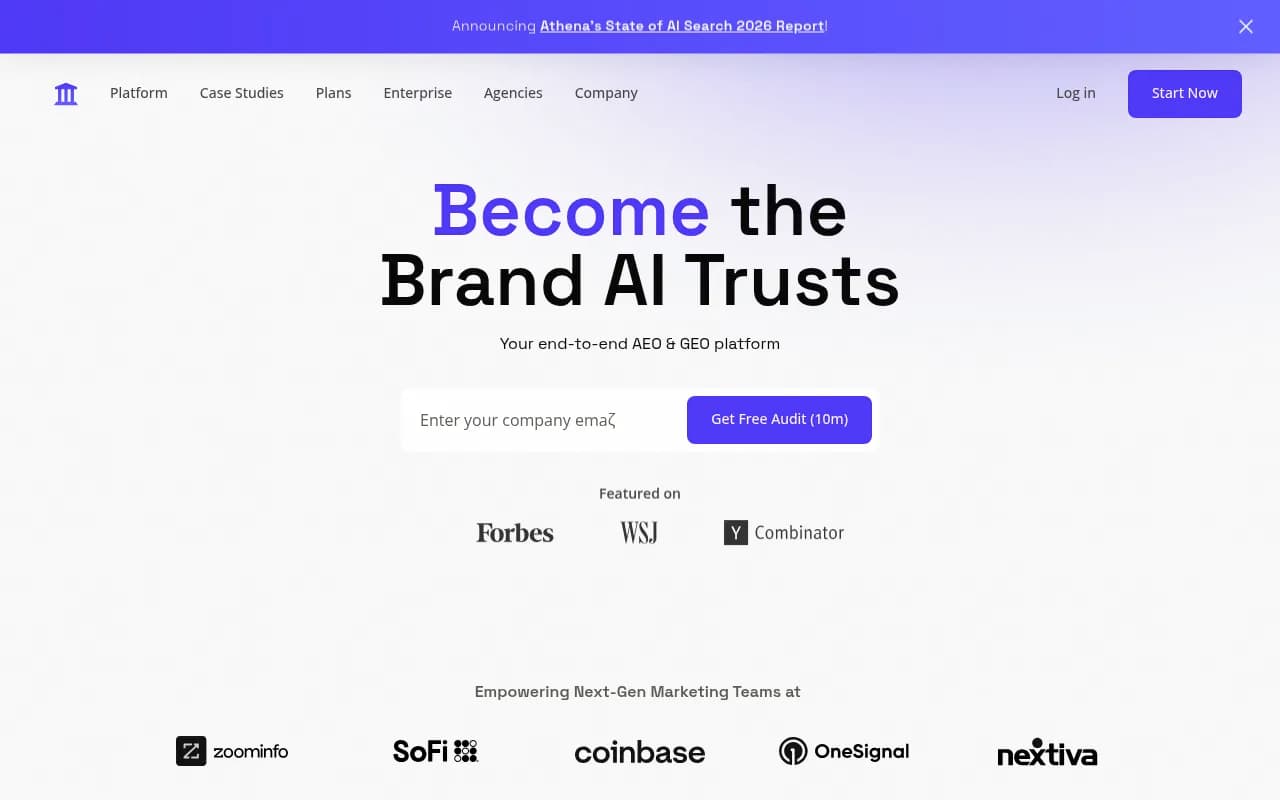
AthenaHQ was founded by people who came out of Google Search and DeepMind, which gives it genuine credibility in the space. The platform monitors how your brand appears across eight or more AI search engines and provides what it calls a "360-degree view" of your AI visibility.
What AthenaHQ does well
The monitoring layer is genuinely solid. You can track brand mentions across ChatGPT, Perplexity, Claude, Gemini, and others. There's a centralized "action center" that surfaces AI-generated recommendations based on where your brand is underperforming. The team's background in search means the underlying methodology for how they evaluate AI responses is more rigorous than most.
For brands that are just getting started with GEO and want to understand their baseline visibility, AthenaHQ is a reasonable starting point.
Where it falls short
The honest limitation is that AthenaHQ is primarily a monitoring and insight tool. The "action center" gives you recommendations, but executing on those recommendations -- actually creating the content, optimizing existing pages, understanding which prompts to prioritize -- largely falls back on your team.
There's also no AI crawler log visibility (so you can't see how AI bots are actually crawling your site), no built-in content generation, and limited prompt intelligence for prioritizing which queries to target first. Reddit and YouTube tracking, which matter because AI models frequently cite those sources, isn't part of the picture.
For teams that want to know where they stand, AthenaHQ works. For teams that want to fix it, there's a gap.
Goodie AI
Goodie AI positions itself as an enterprise GEO platform with a structured approach to AI search optimization. It's been mentioned alongside AthenaHQ in several roundups as a strong alternative for larger organizations.
What Goodie AI does well
Goodie has built a reputation for clean, structured GEO workflows that enterprise teams can actually follow. The platform covers brand visibility tracking across major AI models and provides competitive benchmarking. For organizations with dedicated SEO or digital strategy teams who want a more formal process around GEO, Goodie offers that structure.
It's also worth noting that Goodie has invested in enterprise-grade features -- things like team collaboration, reporting, and multi-brand management -- that matter when you're running GEO programs across multiple product lines or clients.
Where it falls short
Goodie AI is expensive relative to what it delivers. The platform skews toward monitoring and reporting rather than optimization and execution. Like AthenaHQ, it doesn't have built-in content generation tools, so you're still left doing the heavy lifting of actually creating content that might improve your AI visibility.
There's also limited transparency into prompt-level data -- you can see your overall visibility scores, but understanding which specific prompts to target, how difficult they are to win, and what content gaps exist requires work outside the platform.
For large enterprises with dedicated teams and budget to spare, Goodie is a credible option. For everyone else, the price-to-value ratio is harder to justify.
Promptwatch
Promptwatch takes a different approach from both AthenaHQ and Goodie AI. Where those platforms are fundamentally monitoring tools with some advisory features bolted on, Promptwatch is built around a complete action loop: find the gaps, create content that gets cited, track the results.

The action loop explained
The core difference shows up in how the platform is structured. Most GEO tools answer the question "where do we appear?" Promptwatch answers that question and then asks "what do we do about it?"
The Answer Gap Analysis shows you exactly which prompts your competitors are winning that you're not. Not just "you're invisible for X topic" -- but the specific content your site is missing, the angles AI models want answers to, and the questions they can't find on your pages.
From there, the built-in AI writing agent generates articles, listicles, and comparison pages grounded in real citation data. Promptwatch has analyzed over 880 million citations, so the content it generates isn't generic filler -- it's built around what AI models actually cite and why.
Then you track whether it worked. Page-level tracking shows which specific pages are being cited, how often, and by which AI models. Traffic attribution (via a code snippet, Google Search Console integration, or server log analysis) connects AI visibility to actual revenue.
That loop -- find gaps, generate content, measure results -- is what separates Promptwatch from monitoring-only tools.
Additional capabilities worth knowing about
A few features that don't have equivalents in AthenaHQ or Goodie:
AI Crawler Logs: Real-time logs of AI crawlers (ChatGPT, Claude, Perplexity, etc.) hitting your website. You can see which pages they read, what errors they encounter, and how often they return. This is genuinely useful for diagnosing why certain content isn't being cited.
Reddit and YouTube tracking: AI models frequently cite Reddit threads and YouTube videos in their responses. Promptwatch surfaces the specific discussions influencing AI recommendations in your category -- something most competitors ignore entirely.
Prompt Intelligence: Volume estimates and difficulty scores for each prompt, plus query fan-outs that show how one prompt branches into sub-queries. This lets you prioritize high-value, winnable prompts rather than guessing.
ChatGPT Shopping tracking: If your brand sells products, Promptwatch monitors when you appear in ChatGPT's product recommendations and shopping carousels.
Promptwatch monitors 10 AI models: ChatGPT, Perplexity, Google AI Overviews, Google AI Mode, Claude, Gemini, Meta/Llama, DeepSeek, Grok, Mistral, and Copilot. It's used by 6,700+ brands and agencies including Booking.com and Center Parcs.
Head-to-head comparison
| Feature | AthenaHQ | Goodie AI | Promptwatch |
|---|---|---|---|
| AI model monitoring | 8+ models | Major models | 10 models |
| Brand visibility tracking | Yes | Yes | Yes |
| Competitive benchmarking | Yes | Yes | Yes |
| Answer gap analysis | Limited | Limited | Yes (full) |
| Built-in content generation | No | No | Yes |
| AI crawler logs | No | No | Yes |
| Prompt volume & difficulty scoring | No | No | Yes |
| Reddit & YouTube tracking | No | No | Yes |
| ChatGPT Shopping tracking | No | No | Yes |
| Traffic attribution | No | No | Yes |
| Page-level citation tracking | Limited | Limited | Yes |
| Multi-language / multi-region | Limited | Yes | Yes |
| Pricing (entry level) | Higher | Higher | $99/mo |
| Free trial | Yes | Yes | Yes |
| Best for | Monitoring-first teams | Enterprise monitoring | Teams that need to act |
Which platform is right for your team?
The honest answer depends on what you're trying to accomplish.
Choose AthenaHQ if you're at the beginning of your GEO journey and primarily want to understand your baseline visibility. The monitoring is solid, the team's background is credible, and if you have strong in-house content capabilities, the recommendations can be useful starting points.
Choose Goodie AI if you're running GEO programs at enterprise scale, need structured workflows and team collaboration features, and have budget and internal resources to act on what the platform surfaces. It's a good fit for large organizations where the monitoring layer alone justifies the investment.
Choose Promptwatch if you need to actually move the needle, not just measure it. The combination of gap analysis, AI content generation, crawler logs, and traffic attribution means you're not just watching your visibility scores -- you're systematically improving them. For marketing teams, SEO teams, and agencies that need to show results, Promptwatch is the only platform of the three that closes the full loop.
A note on the broader GEO landscape
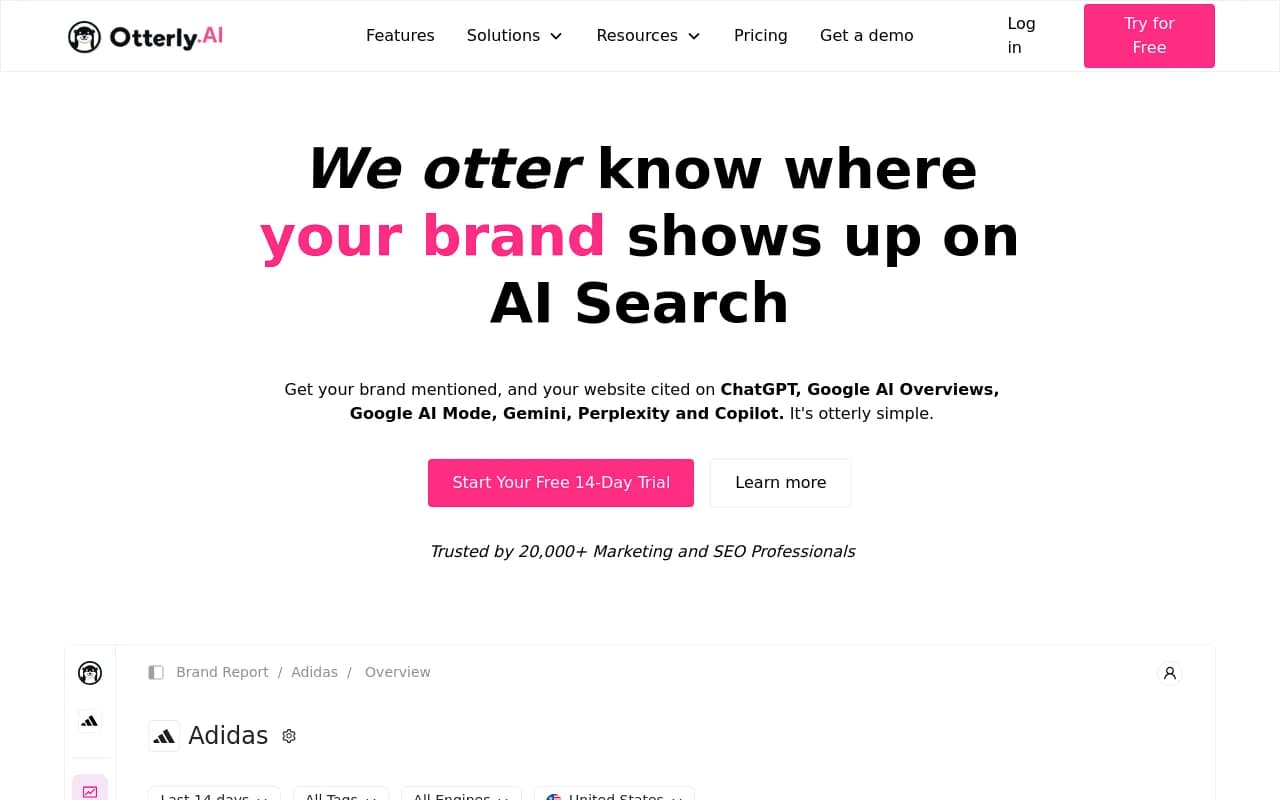
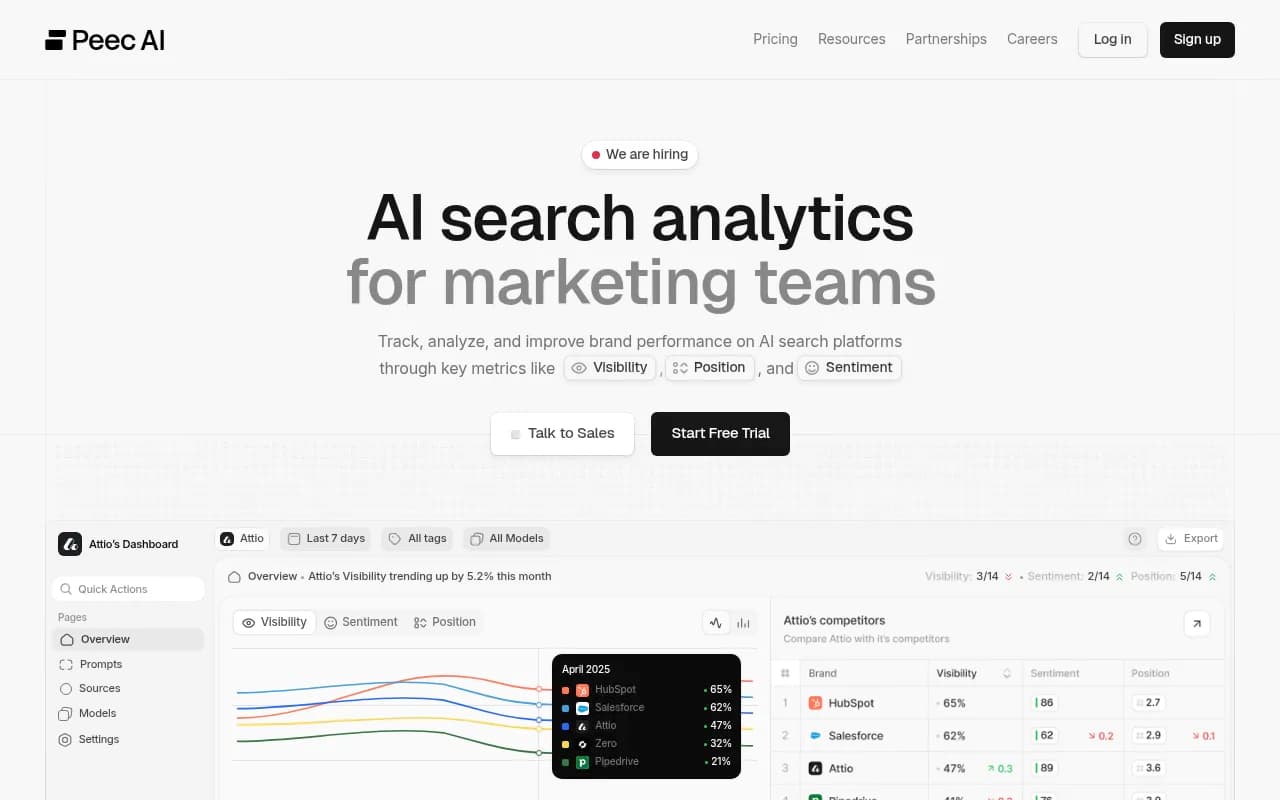
AthenaHQ, Goodie AI, and Promptwatch aren't the only options. The space has expanded significantly, and depending on your specific needs, tools like Profound, Otterly.AI, Peec AI, and others are worth evaluating.
That said, most of the monitoring-only tools in this space share the same limitation: they show you data and leave you to figure out what to do with it. The platforms that are pulling ahead in 2026 are the ones that help teams take action, not just take notes.
If you're evaluating GEO platforms right now, the most important question to ask any vendor is: "After you show me where I'm invisible, what does your platform actually do to help me fix it?" The answer tells you everything about whether you're buying a dashboard or a growth tool.
Bottom line
All three platforms have genuine strengths. AthenaHQ has strong monitoring foundations and credible technical roots. Goodie AI serves enterprise teams that need structured GEO workflows. But for teams that need to move from insight to impact -- and show results quickly -- Promptwatch is the most complete platform available. The action loop it's built around is what the other two are missing.