Key takeaways
- Citations are now a baseline trust signal. Accurate core listings protect you; the 200th directory adds almost nothing.
- Inconsistent or duplicate data is the real risk, for Google's local pack and for AI answers that need to be confident about who you are.
- Nobody has published solid data on how often ChatGPT or Perplexity cite NAP directories. Treat bold vendor claims with suspicion.
- Promptwatch Data suggests AI engines lean on a handful of platforms per vertical, so focus on those instead of mass submission.
- A practical plan: audit, fix duplicates, lock down core platforms, add industry-specific listings, then measure AI visibility.
What a citation is in 2026
A citation is any online mention of your business name, address and phone number (NAP), linked or not. Yelp pages, chamber of commerce directories, Apple Maps data feeds and industry association listings all count. Most guides now stretch the definition to include website URL, hours and categories, because search engines and AI systems use those fields to build a picture of your business as a single entity.
The question hanging over all of this: Google has its own Business Profile data, reviews and years of behavioral signals. Does anyone still need third-party listings? And do AI assistants care?
Short answer: yes, but differently than in 2014.
What the sources say
Opinions are split, and it helps to see how.
| Source | Position | Caveat |
|---|---|---|
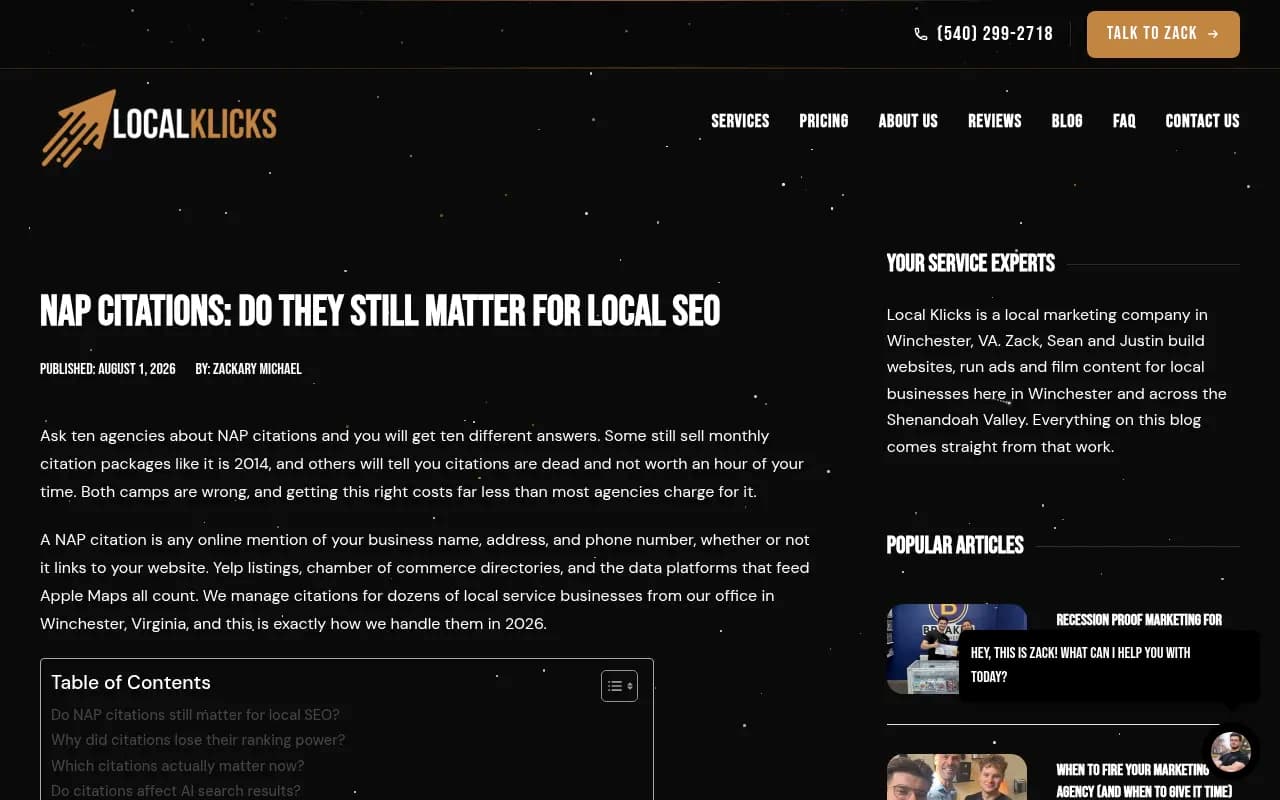
| LocalKlicks (Aug 2026) | Citations are a baseline requirement, not a growth lever. Wrong data hurts; extra directories add little. | Agency opinion |
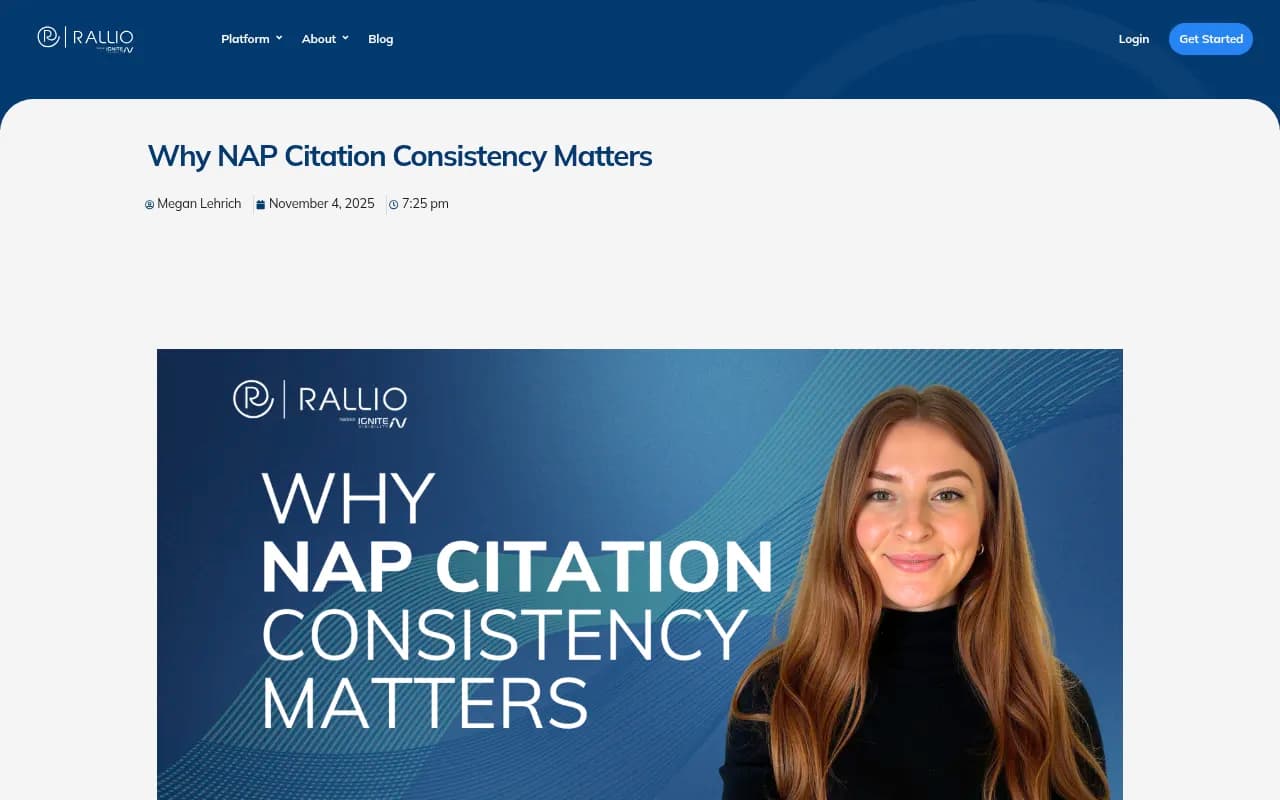
| Rallio | Matter "more than ever" for AI search because AI needs entity confidence | Vendor claim, unverified |
| Digifeel | Citations lost about half a point of local pack weight, yet 3 of the top 5 AI visibility factors were citation factors | Vendor claim, unverified |
| DirJournal | 50-100 consistent citations is a strong foundation | Vendor claim, unverified |
I would trust LocalKlicks' framing the most, mostly because it is the least convenient for anyone selling citation packages. Their argument: Google used to need directories to confirm a business existed. Now it has owner-submitted profile data, Street View, billions of reviews and user behavior. The signal is saturated, not gone.
The numbers like "50-100 citations" or "3 of the top 5 factors" are worth treating as vendor opinion. I could not find independent data showing how often ChatGPT, Perplexity or AI Overviews cite directories like Yelp, Yellow Pages or the BBB. Anyone telling you otherwise with precise percentages is guessing.
Why consistency still matters for AI answers
The logic behind the AI argument is reasonable even without hard citation counts. When someone asks an AI assistant for a plumber in Leeds, the system has to decide which businesses are real, where they are and how to reach them. If your name is "Smith & Sons Plumbing" on one site, "Smith and Son Plumbers Ltd" on another, and two different phone numbers on a third, the system has less reason to be confident. The Rallio write-up calls this entity confidence, and while the label is vendor language, the underlying idea is sound.
The classic example is "123 Main St., Suite 4" versus "123 Main Street, Ste. 4". A human sees the same place. A data pipeline merging records from several sources may not. That is entity fragmentation: search engines unsure whether several listings are one business.
What Promptwatch Data tells us (and what it does not)
No Promptwatch report covers NAP citations directly. But a few adjacent datasets are useful for deciding where to spend effort.
In Promptwatch Data's travel report (Sep 28 to Oct 4, 2026), ChatGPT's travel citations went mostly to platforms rather than individual business sites. Skyscanner led with 0.78%, followed by Going at 0.52% and Tripadvisor at 0.49%. Of the 17 domains charted, booking and search sites made up 2.42% of the 4.18% total. Travel is local-adjacent, not local SEO, so this is not proof about NAP directories. It does suggest the pattern: AI cites a short list of platforms in each vertical.
The top ChatGPT sources report says long-tail review directories "contribute almost nothing" and recommends concentrating on a few review profiles. The figures there are an older snapshot, so read them as indicative. Still, it matches the LocalKlicks view: depth on a few platforms beats breadth across hundreds.
Two more findings are relevant:
- Reddit's share of ChatGPT citations fell from about 4% to 0.5% on August 14, 2026. One platform decision can reshuffle citations overnight, so relying on a single source is risky.
- According to Promptwatch's query fanout data, ChatGPT's web searches have shortened, averaging about 53 characters in April versus roughly 117 in December. For local, that looks like short category-plus-city queries. Your listing categories, titles and descriptions should use that plain phrasing.
Which listings are worth the effort
With diminishing returns on volume, a tiered approach makes sense.
Tier 1: the sources everything else feeds from
- Google Business Profile
- Apple Business Connect (feeds Apple Maps)
- Bing Places
- Your own website, with matching NAP in the footer and a contact page
Tier 2: major platforms and data feeds
- Yelp, Facebook and the review platform that dominates your vertical
- The main data aggregators that syndicate to smaller directories (Data Axle, Foursquare and Localeze are the usual names; check current coverage before paying for anything)
Tier 3: industry and local sources
This is where the real edge lives, per the DirJournal piece. A state bar listing for a law firm, a medical board profile, a trade association or a chamber of commerce carries more weight than a generic directory because it is institutional. These take more effort to obtain, which is exactly why competitors skip them.
Tier 4: everything else
For most businesses, skip it. Add a niche listing only if it is relevant and free to keep accurate. Every extra listing is something that can go stale.
A practical audit workflow
- Decide the canonical NAP. Pick one exact format for name, suite abbreviation, phone number and website URL. Write it down.
- Find what exists. Search your name, old names, old phone numbers and old addresses. Check aggregators.
- Suppress or merge duplicates first. Building new listings on top of duplicate or "zombie" profiles copies the bad data around. This is the biggest action item in the Rallio guide, and it matches my experience.
- Fix core platforms. Tier 1 and Tier 2, then confirm hours, categories and URL.
- Add schema markup. LocalBusiness structured data on your site ties your own pages to the same entity details.
- Re-check quarterly. Data drift happens after a move, a phone change or a rebrand.
For multi-location brands, data drift is the main enemy. Central control of core listings, with local teams handling reviews and photos, is the model most sources recommend.
Tools for managing listings
Citation management is a mature category, and I'd verify current pricing before committing, since I did not confirm it here.
BrightLocal is a local SEO platform with citation tracking and audits popular with agencies.
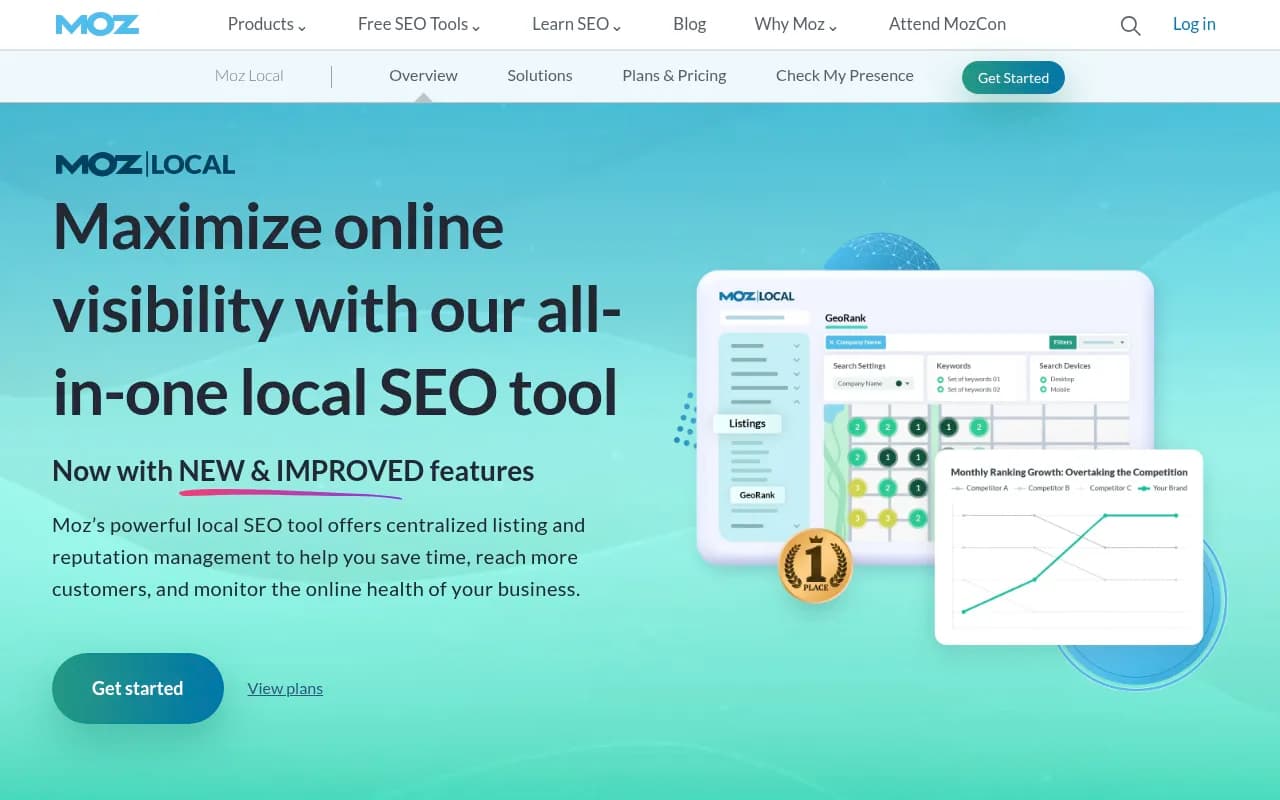
Moz Local syncs listings across the major directories and aggregators and flags duplicates.
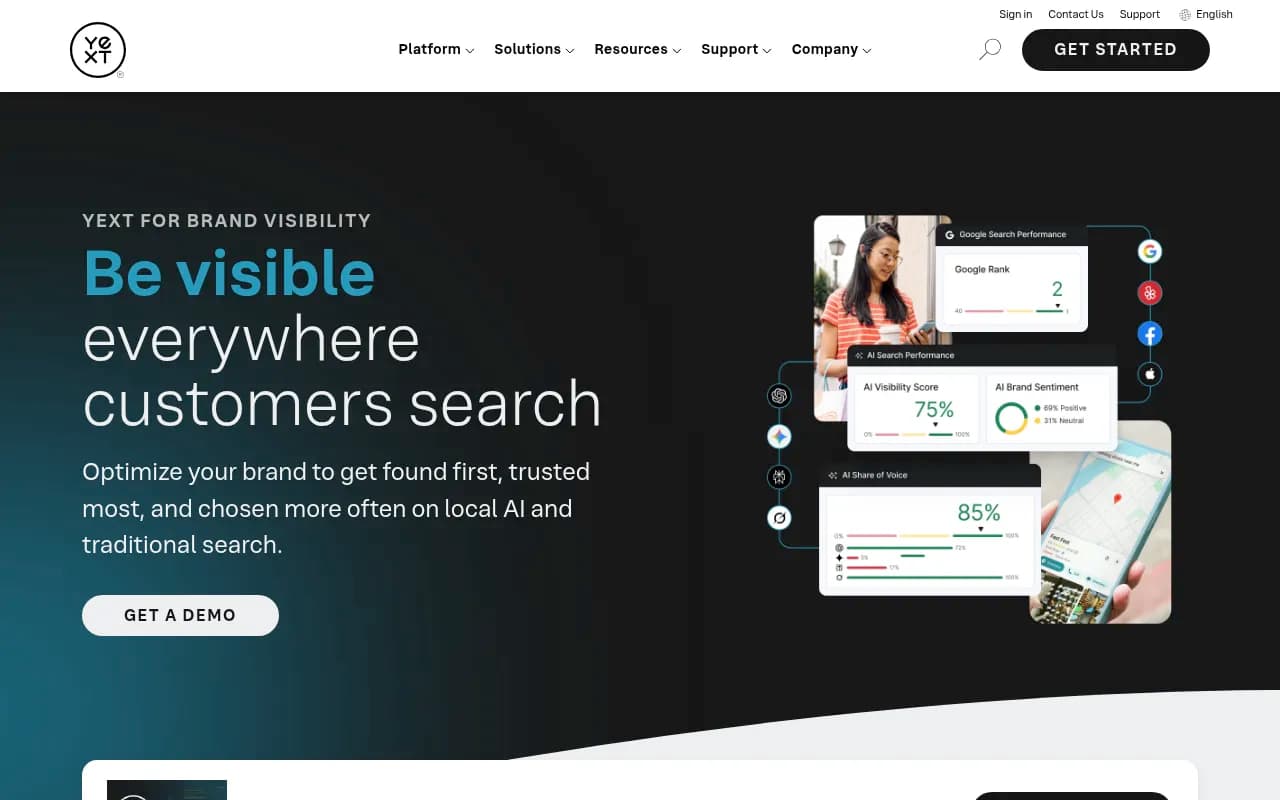
Yext suits multi-location brands that want to push centralized data to many publishers.
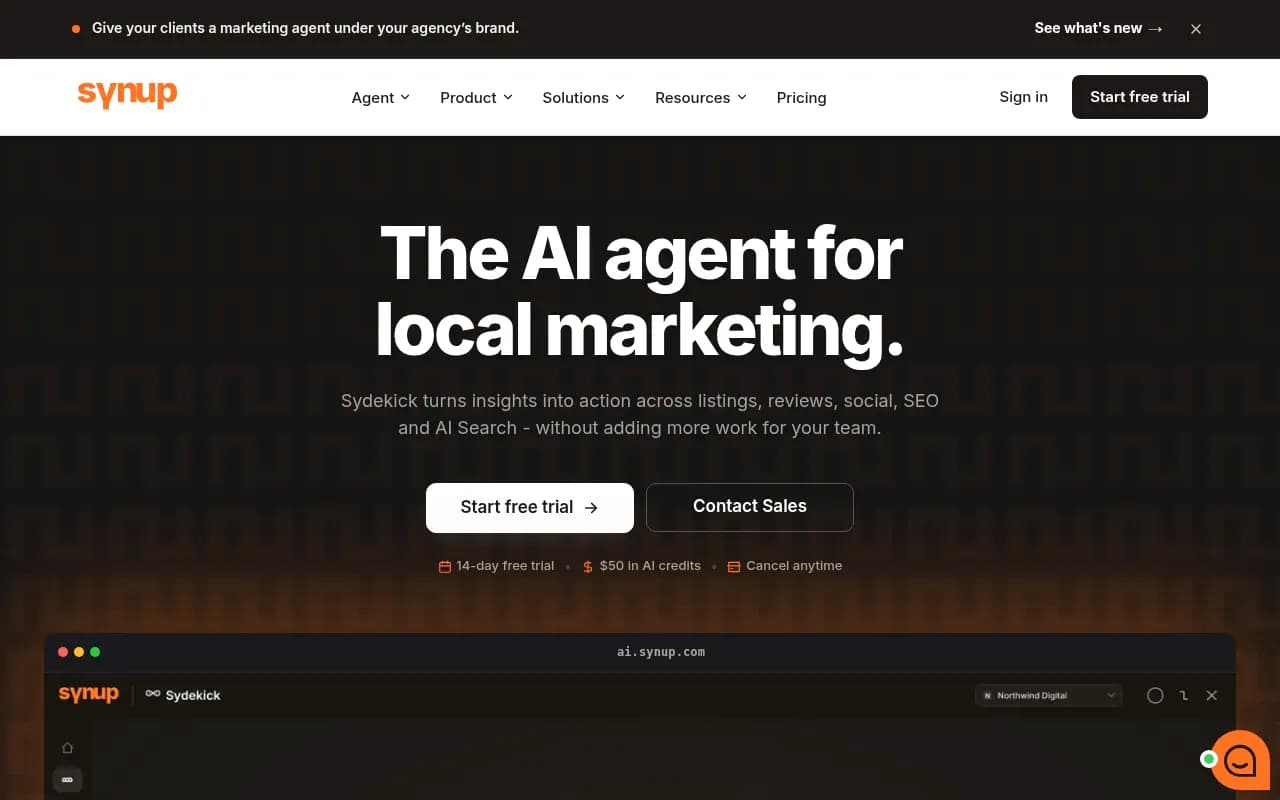
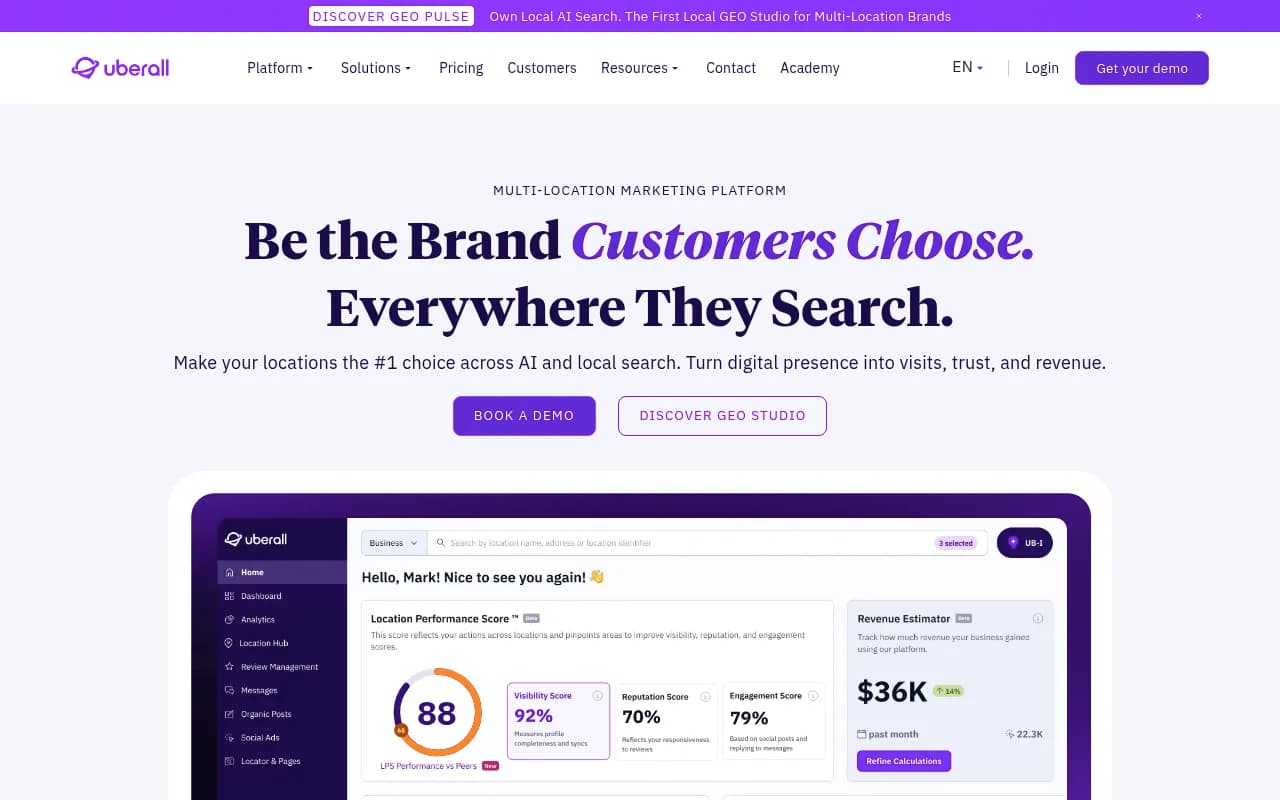
Synup and Uberall cover listings, reviews and local visibility at multi-location scale.
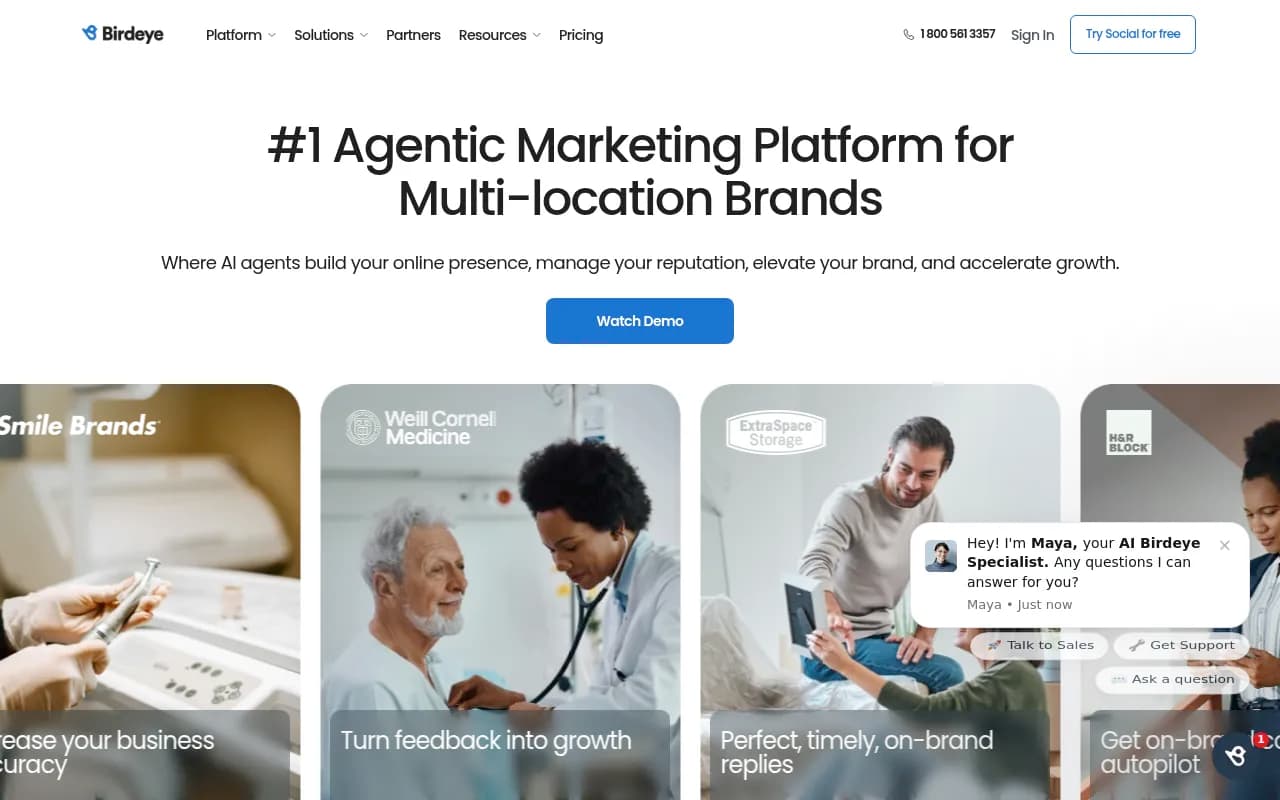
For review collection and reputation, Birdeye, NiceJob and Reputation.com are the usual picks.
If you want to dump a business into dozens of directories automatically, tools like Submitator exist. I would be cautious. Volume is the strategy the evidence argues against.
| Need | Tool type | Examples |
|---|---|---|
| Audit and track citations | Local SEO platform | BrightLocal, Moz Local |
| Push data at scale | Listings management | Yext, Synup, Uberall |
| Collect reviews | Reputation tools | Birdeye, NiceJob, Reputation.com |
| Structured data | Schema platform | Schema App |
| Check AI visibility | GEO tracking | Promptwatch, Tibly |
Schema markup: the bridge to AI
Citations tell outside systems who you are. Schema on your own site says the same thing in machine-readable form. LocalBusiness markup with consistent name, address, phone, hours and sameAs links to your major profiles gives crawlers a clean, verifiable record. Tools like Schema App handle this at scale.
Make the markup match your listings character for character. A schema mismatch creates the same inconsistency you spent time removing elsewhere.
Measuring whether AI actually sees you
Cleaning listings is half the job. You also need to check what AI assistants say. Run the prompts customers would: "best [category] in [city]", "[category] near me", and your brand name. Note whether you appear, whether the address and phone are right, and which sources get cited.
Tools like Promptwatch can track this across ChatGPT, Google AI Overviews and Perplexity, including local targeting at exact coordinates for near-me queries and the sources each answer cites. That tells you which directories AI is actually pulling from in your market, which beats guessing.

Tibly focuses on AI visibility for local businesses specifically, and is worth a look for small shops.

For more options, the GEO software directory at bestgeosoftware.com lists tools in this space.
Common mistakes
- Paying monthly for citation packages that add listings nobody visits
- Changing a phone number or address and updating only Google
- Using tracking numbers on some listings and the main number on others without a plan
- Ignoring industry-specific sources because they need paperwork
- Assuming AI visibility will follow automatically from a clean listing profile
So do NAP listings still matter?
Yes, as hygiene. Accurate, consistent data on a short list of core platforms protects your local rankings and gives AI systems fewer reasons to doubt you. As a growth tactic, mass citation building has little evidence behind it, and nobody has shown that AI assistants cite generic directories in large numbers.
Spend an afternoon fixing duplicates and core profiles, invest your remaining effort in reviews, industry listings and your own site, and check quarterly what AI actually says about you.