Key takeaways
- Hall AI shut down, leaving users without access to their data, workflows, and integrations — this guide answers the most common questions about what happened and what to do next.
- Your data may still be recoverable depending on when you last exported it and which integrations you had connected.
- Several strong alternatives exist in 2026, ranging from lightweight AI chat tools to full-stack AI visibility and content platforms.
- If Hall AI was part of your AI search or brand monitoring workflow, this is a good moment to rebuild on a platform that won't leave you stranded again.
- The shutdown is a useful reminder that single-vendor dependency in AI tooling carries real risk — especially as the AI tool market continues to consolidate.
What happened to Hall AI?
Hall AI shut down its service, leaving users without access to the platform they'd built workflows around. If you're reading this, you probably already know that part. What most people want to know is: why, what happens to their data, and what do they do now.
The honest answer on "why" is that the AI tool market in 2026 is brutal. Dozens of startups launched between 2022 and 2024 chasing the same slice of the productivity and AI assistant market. Funding dried up for tools that couldn't differentiate fast enough, and consolidation has been accelerating. Hall AI appears to be one of those casualties.
This isn't unique to Hall. Several AI tools have shut down or pivoted dramatically in the past 18 months. It's worth understanding that pattern before picking your next tool.
Frequently asked questions
Can I still access my Hall AI account?
Almost certainly not, if the shutdown is complete. When SaaS tools shut down, they typically give users a wind-down window (often 30 to 90 days) to export data before servers go offline. If you missed that window, account access is gone.
Check your email for any shutdown notices from Hall AI. They would have sent export instructions and a deadline. If you find one and the deadline hasn't passed, act immediately.
What happens to my data?
This depends on what Hall AI's terms of service said about data retention post-shutdown. In most cases:
- Data is deleted from servers within 30 to 90 days of shutdown
- There is no legal obligation to keep your data indefinitely
- If you had integrations with third-party tools (Slack, Google Drive, etc.), that data likely still lives in those tools
If you had conversations, documents, or outputs stored exclusively in Hall AI, and you didn't export them, they're probably gone. This is the painful reality of depending on a single-vendor AI tool without a backup strategy.
Is there any way to recover my Hall AI data?
A few things worth trying:
- Check your browser cache or local downloads folder for any files you may have exported previously
- Look in connected apps (Google Drive, Notion, Slack) for any content that was synced or shared from Hall AI
- Search your email inbox for any reports, summaries, or outputs Hall AI may have emailed you
- If you used Hall AI's API, check your own database or logs for stored responses
Beyond that, recovery is unlikely without a formal export. If Hall AI had a data processor agreement and you're in the EU, you technically had rights to request your data before shutdown -- but that window is almost certainly closed now.
Will I get a refund for unused subscription time?
Possibly. If you were on an annual plan and Hall AI shut down mid-term, you have a reasonable case for a partial refund. Steps to take:
- Check your email for any refund communication from Hall AI
- If nothing arrived, contact their support email (if it still works) or any listed business address
- If you paid by credit card, file a chargeback dispute with your bank -- most card issuers will support this for services that were discontinued
- If you paid through the App Store or Google Play, contact Apple or Google directly
The chargeback route tends to work well when a service shuts down without honoring the remaining subscription period.
Are there any ongoing legal actions against Hall AI?
Nothing confirmed at time of writing. If a class action does emerge, it would typically be announced through legal aggregator sites or covered in tech press. Search for "Hall AI lawsuit" or "Hall AI class action" periodically if this matters to you.
Did Hall AI sell my data before shutting down?
This is a common concern and a legitimate one. Check Hall AI's privacy policy (if still accessible via a cached version on Google or the Wayback Machine at web.archive.org) for language about what happens to user data in the event of a sale or shutdown. Most startup privacy policies include a clause allowing data transfer to an acquirer.
If Hall AI was acquired rather than simply shut down, your data may have transferred to the acquiring company. In that case, you have the right to request deletion under GDPR (if you're in the EU) or CCPA (if you're in California).
What was Hall AI actually used for?
Hall AI was primarily used as an AI-powered team communication and productivity assistant -- helping teams manage conversations, summarize discussions, and surface relevant information across their workspace. It sat in the category of AI-enhanced collaboration tools rather than pure content generation or SEO.
That context matters when you're picking a replacement, because the right alternative depends on what you were actually using it for.
What should I use instead of Hall AI?
This is the question most former users are really asking. The answer depends on your use case.
If you used Hall AI for team communication and AI chat
The most direct replacements are general-purpose AI assistants and workspace tools.
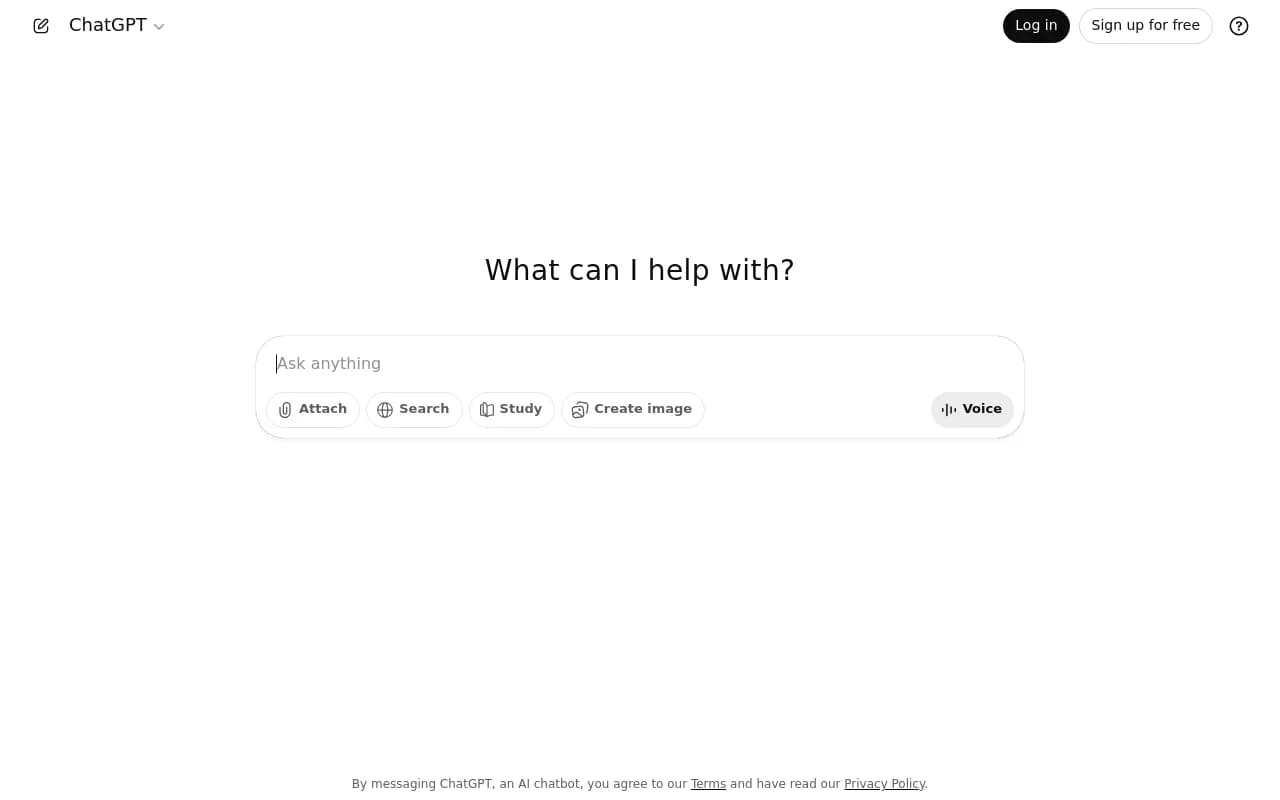
ChatGPT is the obvious starting point -- it handles conversation, summarization, drafting, and research well, and the Teams plan gives you shared workspaces.
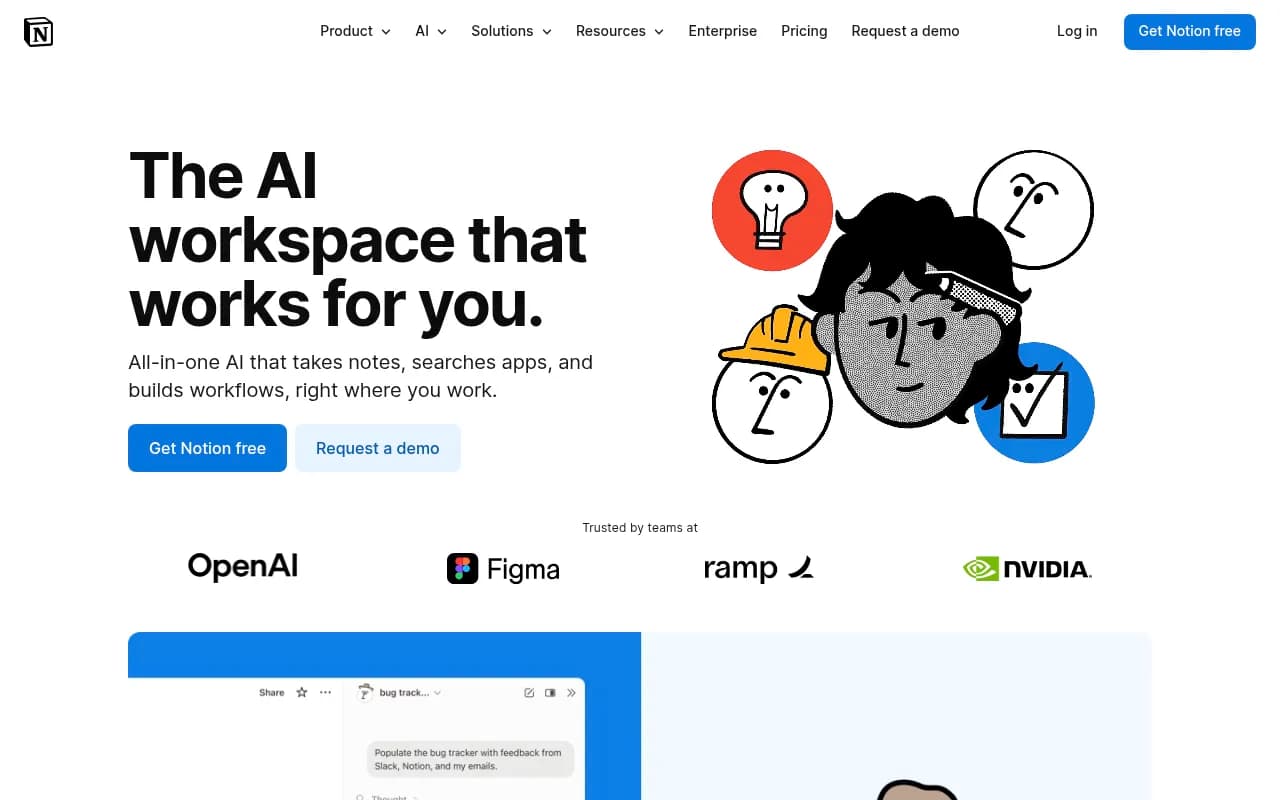
For workspace-native AI, Notion AI integrates directly into your docs and project management setup, which is useful if you were using Hall AI to summarize or organize team knowledge.
If you used Hall AI for content creation and writing
Several solid tools exist here, depending on how much automation you want.
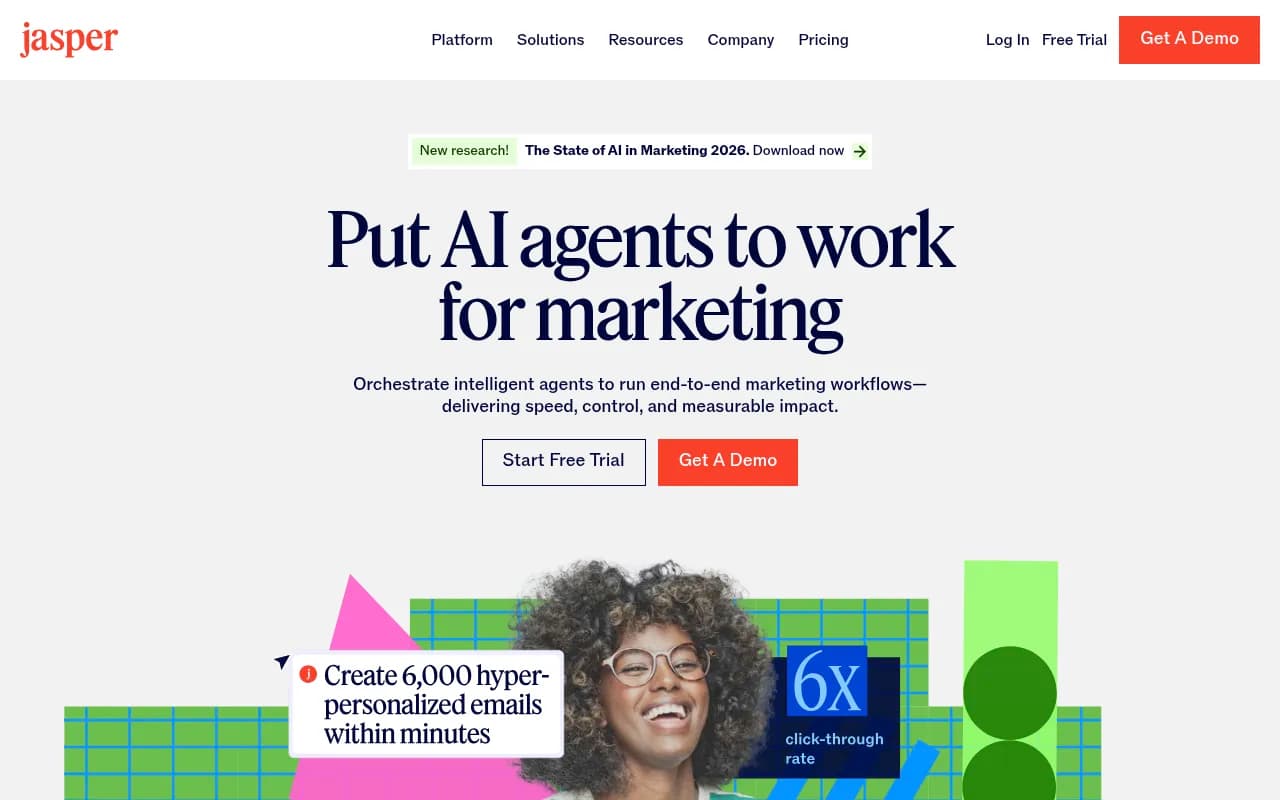
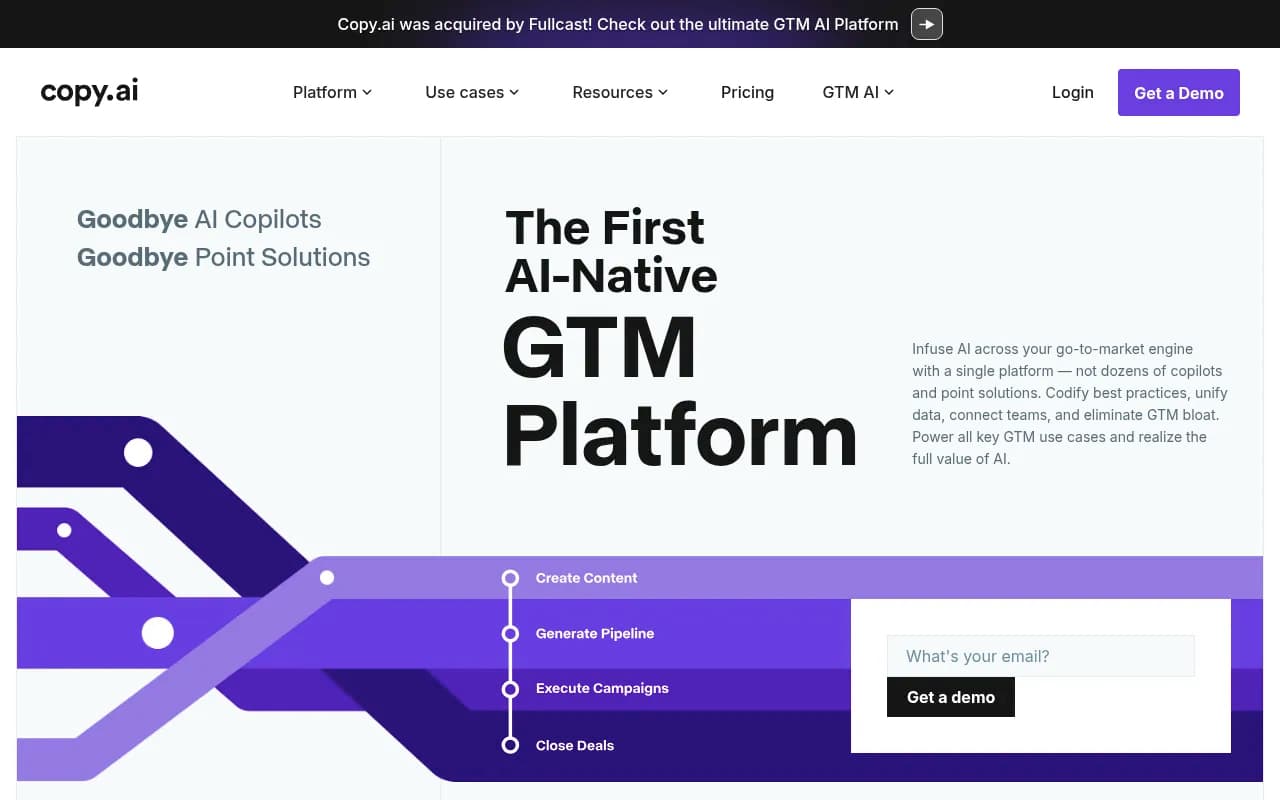
Jasper is the most full-featured for long-form marketing content. Copy.ai is strong for shorter copy and campaign workflows. Rytr is the most affordable if you just need a capable writing assistant without the enterprise overhead.
If you used Hall AI for SEO or AI search visibility
This is where the replacement question gets more interesting -- and more consequential. If part of your Hall AI workflow involved understanding how your brand appears in AI-generated answers, you need a purpose-built tool for that, not just a general AI assistant.
Promptwatch is worth looking at here. It tracks how your brand appears across ChatGPT, Perplexity, Google AI Overviews, Claude, Gemini, and seven other AI models -- and it goes beyond monitoring to help you actually fix gaps. The content gap analysis shows which prompts competitors are being cited for that you're not, and the content generation tools help you create pages that address those gaps.

For lighter-weight monitoring, a few other tools are worth knowing about:
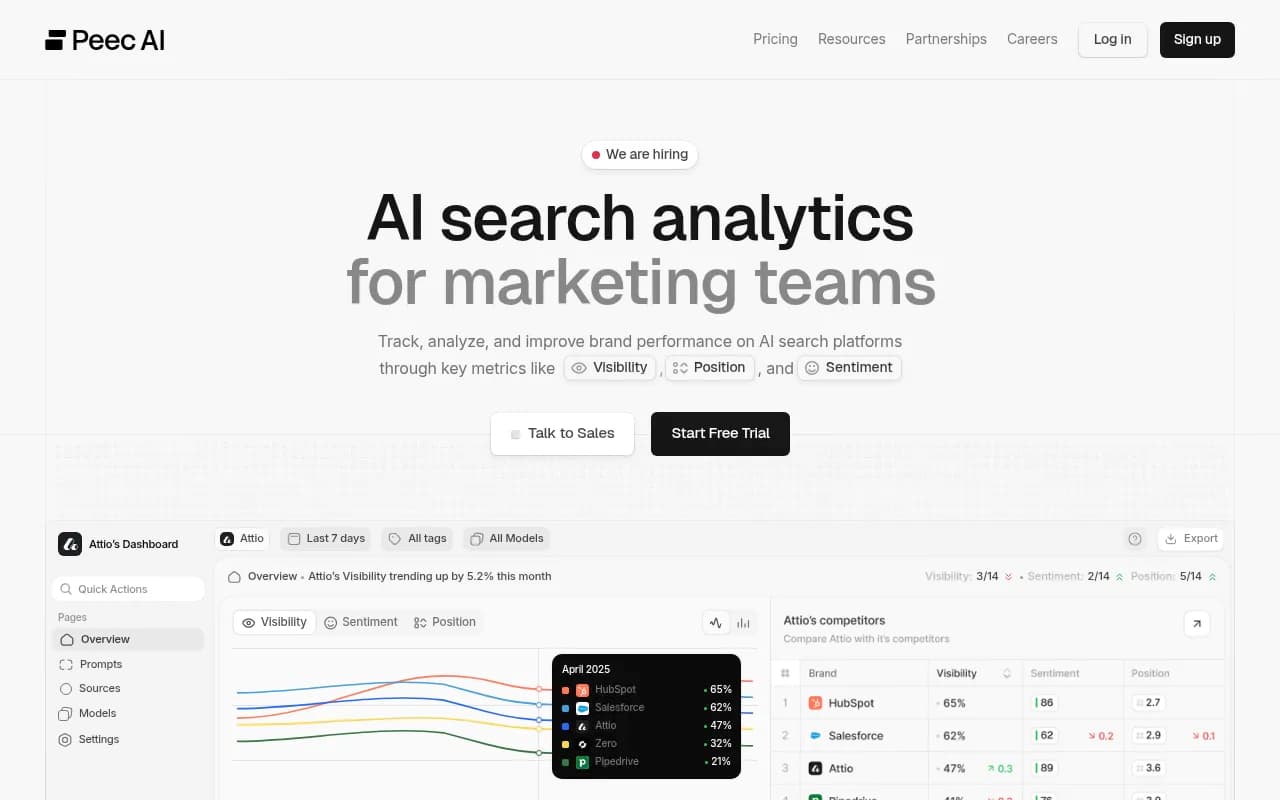
The key difference between these options: Otterly.AI and Peec AI are monitoring dashboards -- they show you data but don't help you act on it. Promptwatch closes that loop with content generation and optimization built in.
Comparison: Hall AI alternatives in 2026
| Tool | Best for | AI search tracking | Content generation | Price range |
|---|---|---|---|---|
| ChatGPT Teams | General AI chat and summarization | No | Yes (basic) | ~$30/user/mo |
| Notion AI | Workspace knowledge management | No | Yes | ~$10/user/mo |
| Jasper AI | Long-form marketing content | No | Yes (advanced) | From $49/mo |
| Copy.ai | Short-form copy and campaigns | No | Yes | From $49/mo |
| Rytr | Budget AI writing | No | Yes (basic) | From $9/mo |
| Otterly.AI | AI brand monitoring | Yes (basic) | No | From ~$99/mo |
| Peec AI | AI search monitoring | Yes (basic) | No | From ~$99/mo |
| Promptwatch | Full AI visibility + content optimization | Yes (10 models) | Yes | From $99/mo |
How to avoid this problem with your next tool
The Hall AI shutdown is a useful forcing function to think about vendor risk in your AI stack. A few things worth doing before committing to any new tool:
Check the company's funding and longevity signals
A tool with a free tier, paying customers, and public case studies is more likely to survive than one that's been in "beta" for two years with no visible traction. Look for named customers, press coverage of actual product milestones (not just funding announcements), and active community engagement.
Export your data regularly
Whatever tool you use next, build a habit of exporting your data monthly. Most tools have CSV or PDF export options. Treat it like a backup -- you hope you never need it, but you'll be glad you have it.
Prefer tools with open integrations
If your data lives in Google Drive, Notion, or your own database rather than exclusively inside a proprietary tool, you're protected against shutdowns. Tools that push data to your own systems are inherently safer than walled gardens.
Read the terms of service data section
Specifically look for what happens to your data if the company is acquired or shuts down. Some tools explicitly commit to data deletion; others allow transfer to acquirers. Know which you're signing up for.
Don't build critical workflows on a single AI tool
This sounds obvious in hindsight, but it's easy to let one tool become load-bearing in your stack. If Hall AI was your primary way of managing team knowledge or tracking brand visibility, the shutdown hit hard. Distribute that dependency across tools that serve different functions.
What's happening in the broader AI tool market right now?
The Hall AI shutdown isn't happening in a vacuum. The AI tool market in 2026 is going through a consolidation phase that was predictable but is still painful for users caught in the middle.
A few patterns worth understanding:
The tools that are surviving and growing are the ones that built around a specific, measurable outcome -- not just "AI features." Tools that help you rank in AI search, close more deals, or reduce a specific type of manual work are stickier than general-purpose AI assistants.
The UN's Global Dialogue on AI Governance, scheduled for July 2026 in Geneva, signals that regulatory pressure on AI companies is increasing. This will likely accelerate consolidation further, as smaller tools struggle to meet compliance requirements that larger platforms can absorb more easily.
For marketers specifically, the shift toward AI search (ChatGPT, Perplexity, Google AI Mode) means that visibility in AI-generated answers is now a real business metric -- not a future concern. Tools that help you track and improve that visibility are in a different category than general productivity AI.
Final thoughts
Losing a tool you've built workflows around is genuinely disruptive. The practical steps -- checking for data recovery options, pursuing refunds, finding alternatives -- are worth working through systematically rather than reactively.
The longer-term lesson is about building an AI stack that's resilient. Prefer tools with clear business models, named customers, and data portability. And if AI search visibility is part of your marketing strategy, make sure you're tracking it with something purpose-built for that job -- not a general assistant that happens to have some monitoring features bolted on.
The tools that survive the current consolidation wave will be the ones that do one thing measurably well. Pick accordingly.