Key takeaways
- Hall AI is a solid entry-level GEO monitoring tool, but it stops at showing you data -- it doesn't help you act on it
- The most useful alternatives in 2026 combine visibility tracking with built-in content generation, answer gap analysis, and optimization workflows
- Platforms like Promptwatch, Relixir, SnowSEO, and Temso AI close the loop between "we're not being cited" and "here's the content that will fix it"
- Monitoring-only tools (Otterly.AI, Peec AI, LLMrefs) are fine for basic tracking but leave the hard work to you
- If you're serious about improving AI search visibility, look for platforms that track prompts, identify gaps, and generate content -- not just dashboards
Why Hall AI leaves you stuck
Hall AI does what it says on the tin. You set up your brand, pick some prompts, and watch your visibility scores across ChatGPT, Perplexity, Gemini, and a handful of other models. For teams just getting started with Generative Engine Optimization (GEO), that's genuinely useful.
But here's the problem: knowing you're invisible doesn't make you visible.
Hall tells you that a competitor is getting cited for "best project management tools for remote teams" and you're not. Great. Now what? You're back to guessing -- what content should I write? Which angle should I take? How do I know if it worked?
That gap between insight and action is where most GEO platforms fall short, and it's exactly where the better Hall alternatives in 2026 have pulled ahead. The tools worth switching to don't just show you the data. They help you do something with it.
What separates a good Hall alternative from a great one
Before getting into specific tools, it's worth being clear about what "built-in content generation" actually means in this context -- because a lot of platforms use that phrase loosely.
What you actually want is content generation that's grounded in real prompt data. Not a generic AI writer bolted onto a dashboard, but a system that knows which prompts AI models are responding to, which competitors are being cited, what angles are missing from your site, and then generates content specifically designed to fill those gaps.
The best platforms in 2026 do something like this:
- Track which prompts your competitors are visible for and you're not
- Identify the specific content gaps on your site that explain why
- Generate articles, briefs, or listicles built around those gaps
- Track whether the new content gets crawled and cited
That's a closed loop. Most tools only do step one.
The best Hall AI alternatives with content generation in 2026
Promptwatch -- the most complete end-to-end platform
Promptwatch is the tool I'd recommend first if you want to move beyond monitoring. It tracks your brand across 10 AI models (ChatGPT, Perplexity, Claude, Gemini, Grok, DeepSeek, Copilot, Meta AI, Mistral, and Google AI Overviews), but the real differentiator is what happens after the tracking.
The Answer Gap Analysis shows you exactly which prompts competitors are visible for that you're not -- not as a vague category, but as specific questions and topics. From there, Content Agents generate articles, listicles, and comparisons grounded in that prompt data, with brand guidance, competitor context, and citation analysis baked in. It's not generic content; it's content engineered to answer the specific gaps AI models are already exposing.
Promptwatch also has AI Crawler Logs -- real-time data on when ChatGPT, Claude, Perplexity, and others are crawling your pages, which pages they're reading, and when those pages move from crawl to citation. Most competitors don't have this at all. Pricing starts at $99/month for the Essential plan (1 site, 50 prompts, 5 articles).

Relixir -- all-in-one GEO with content generation
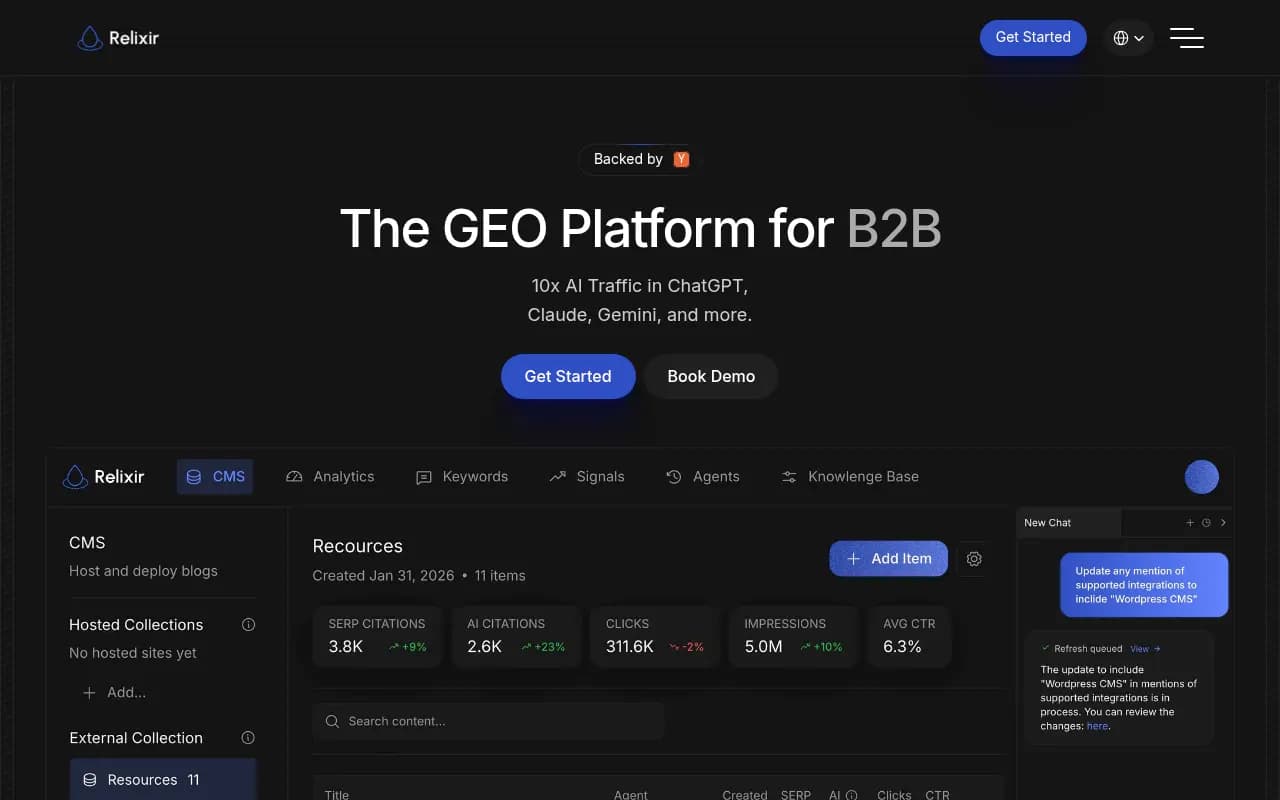
Relixir takes a similar approach: visibility tracking plus content generation in one platform. It's built around the idea that GEO is an optimization discipline, not just a reporting function. You get gap analysis, content creation, and tracking in a single workflow, which makes it a strong choice for teams that don't want to stitch together multiple tools.
SnowSEO -- auto-generates content for AI visibility
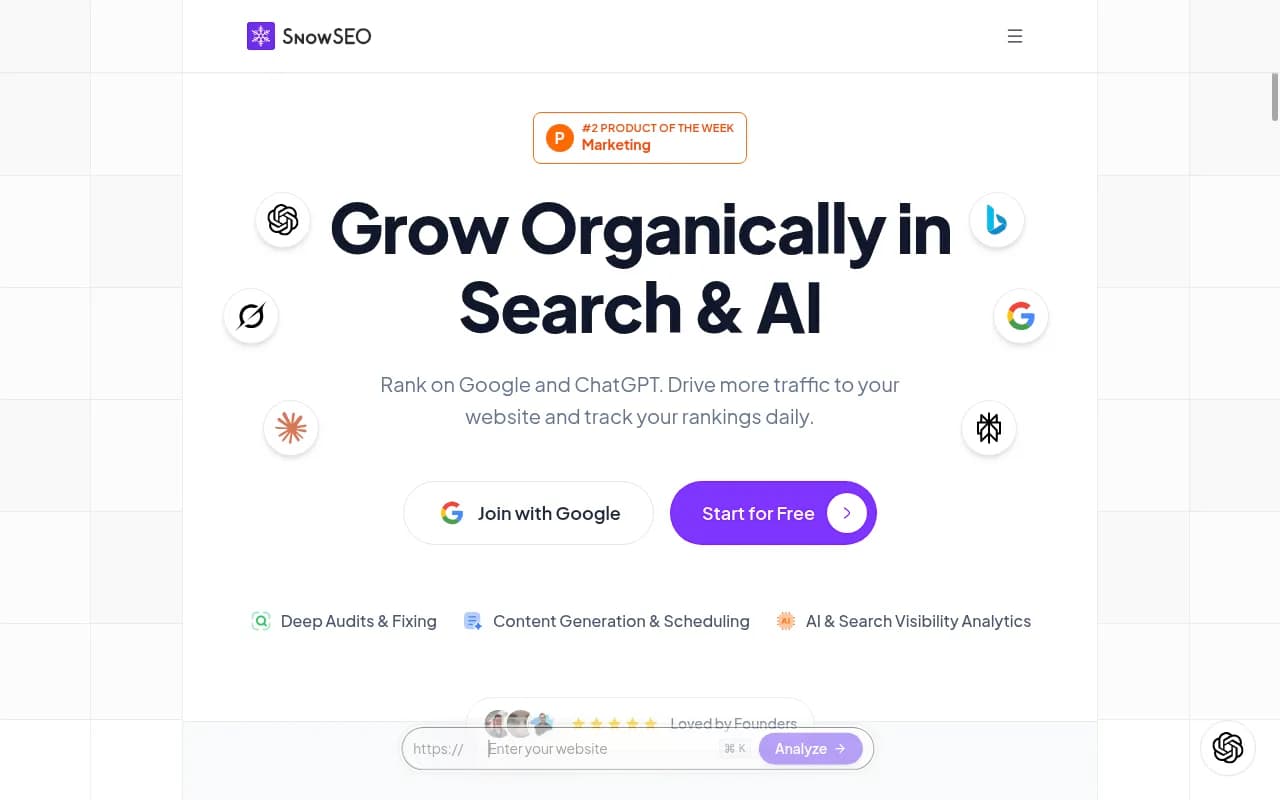
SnowSEO is interesting because it's built specifically around the content generation side of GEO. It auto-generates content designed to improve your AI search visibility, which makes it useful for teams that have already done the analysis and just need execution support. Less of a full platform, more of a content engine with GEO intent.
Temso AI -- visibility tracking with built-in execution
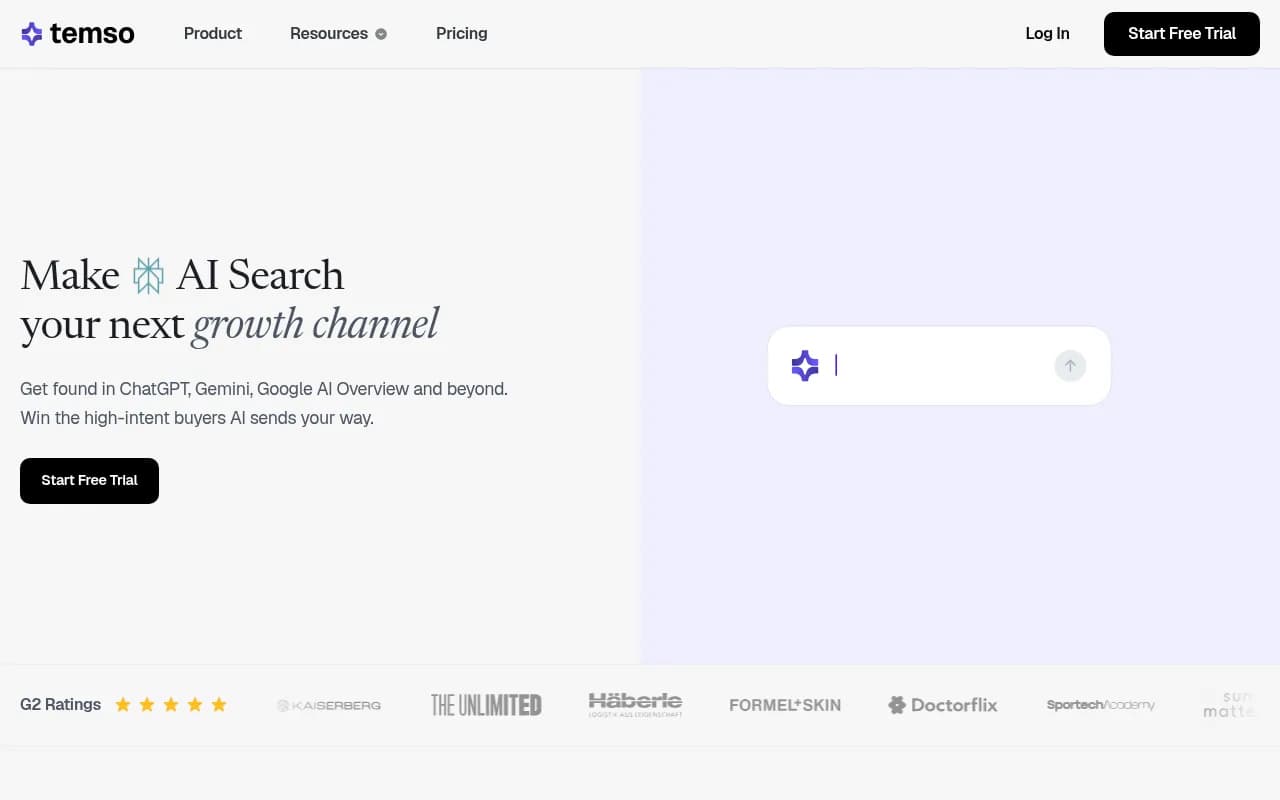
Temso AI is one of the newer entrants worth watching. It combines AI search visibility tracking with execution tools, so you're not just seeing where you're invisible -- you're getting the workflows to fix it. Good for teams that want a tighter connection between data and action.
AirOps -- AI workflow automation for GEO
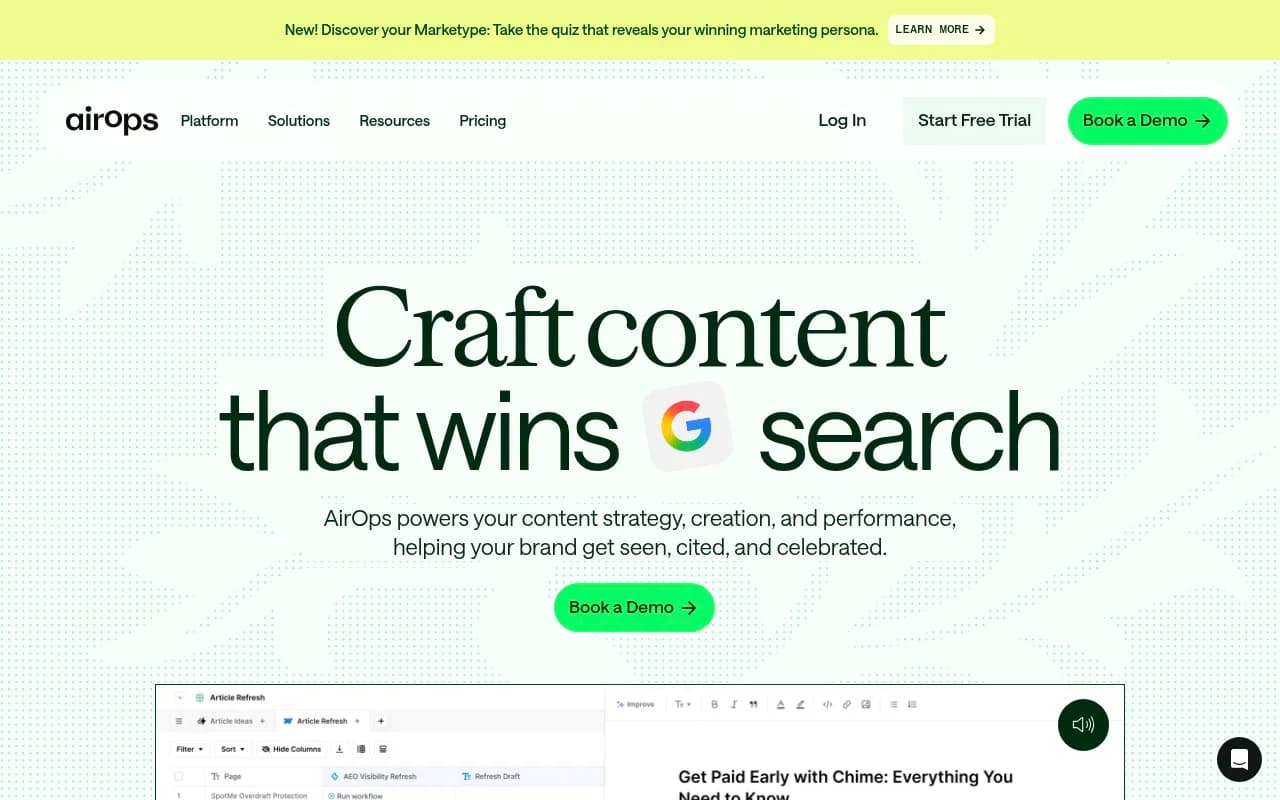
AirOps sits slightly differently in this space. It's an AI workflow automation platform that a lot of GEO teams use to build content pipelines grounded in search and AI data. If you're comfortable building workflows, it's extremely flexible. If you want something more turnkey, you'll want to pair it with a tracking tool.
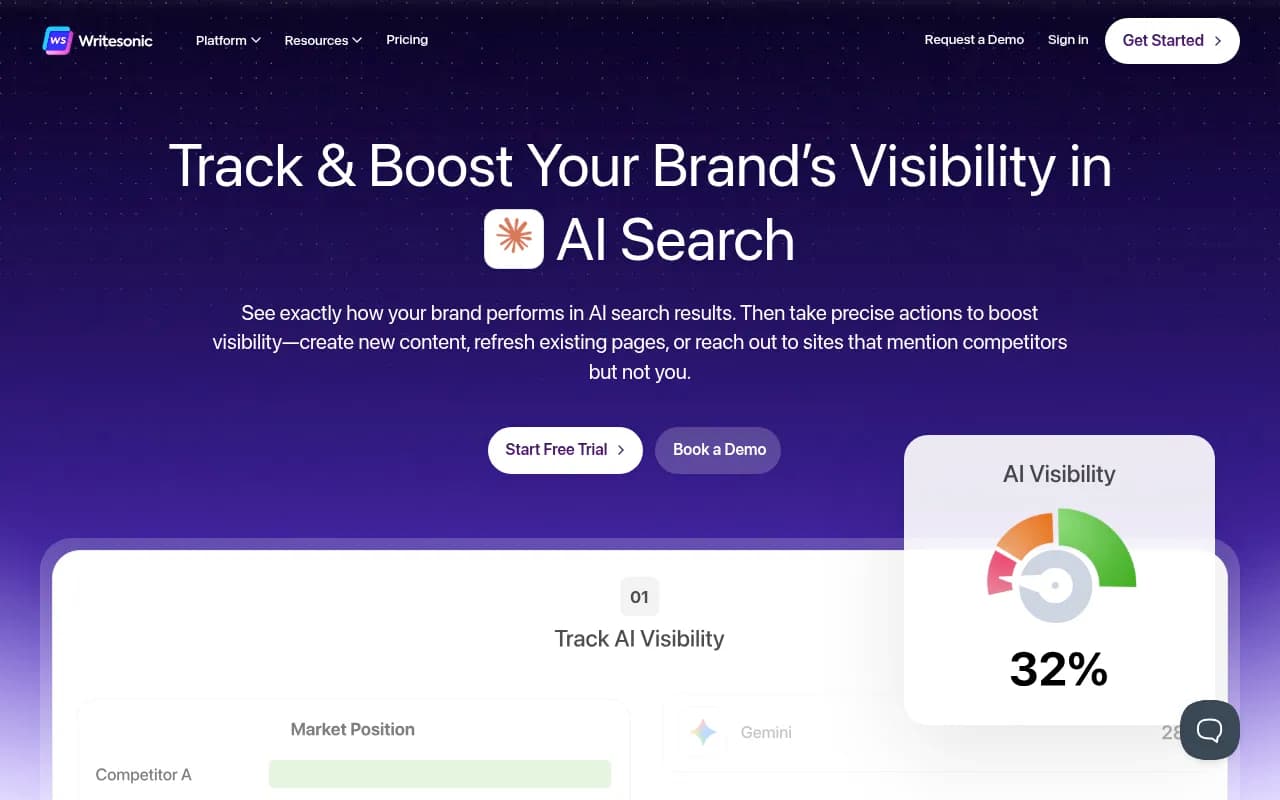
Writesonic -- AI search visibility with content creation
Writesonic has evolved well beyond its original AI writing roots. The current platform includes AI search visibility tracking alongside content creation tools, which puts it in the "does more than Hall" category. It's not as deep on the GEO analytics side as Promptwatch or Relixir, but the content quality is strong and the pricing is accessible.
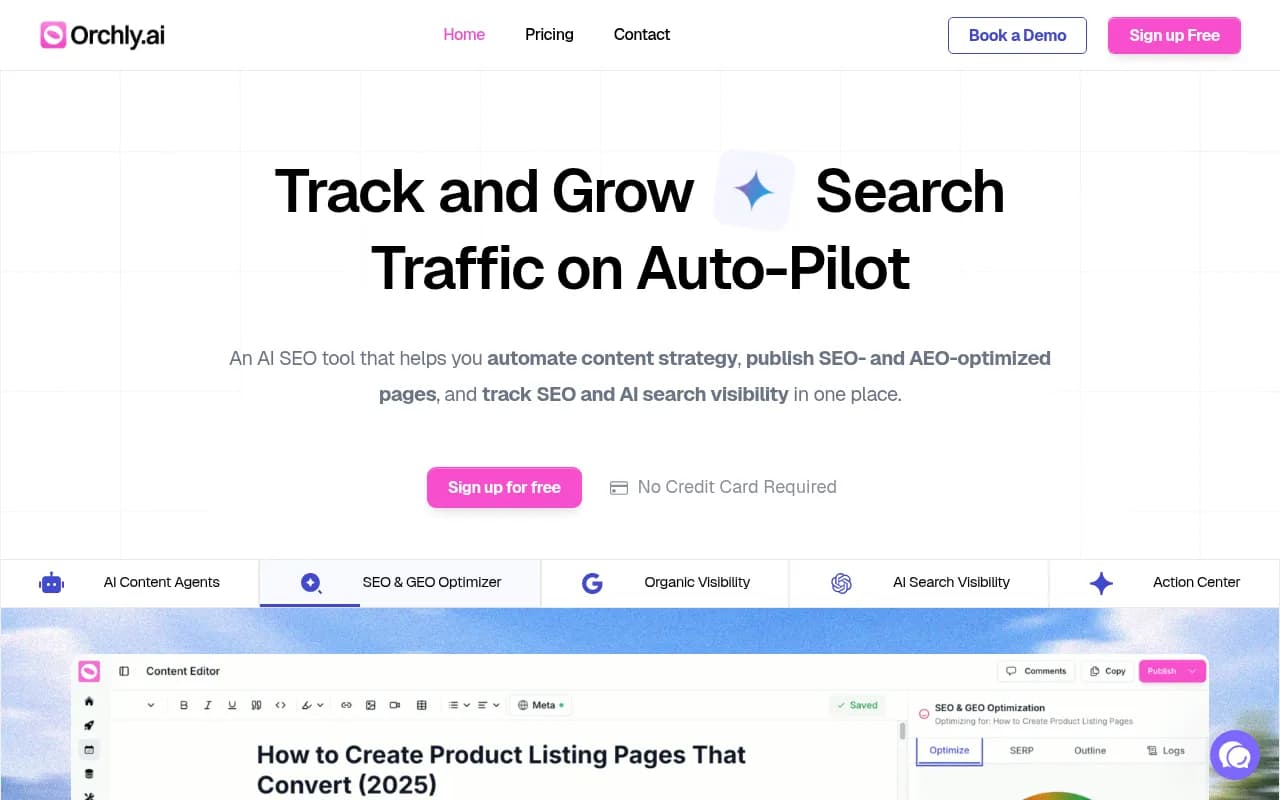
Orchly.ai -- content ops platform with GEO optimization
Orchly.ai is built for content operations teams that want AI to handle the heavy lifting. It writes, optimizes, and tracks content with GEO in mind -- a good fit for agencies or in-house teams managing high content volume.
SearchAtlas LLM Visibility -- SEO automation that deploys fixes
SearchAtlas has a GEO-focused product that goes beyond tracking. It identifies visibility issues and deploys content fixes directly, which is a meaningful step up from platforms that just show you the problem. Strong for teams already in the SearchAtlas ecosystem.
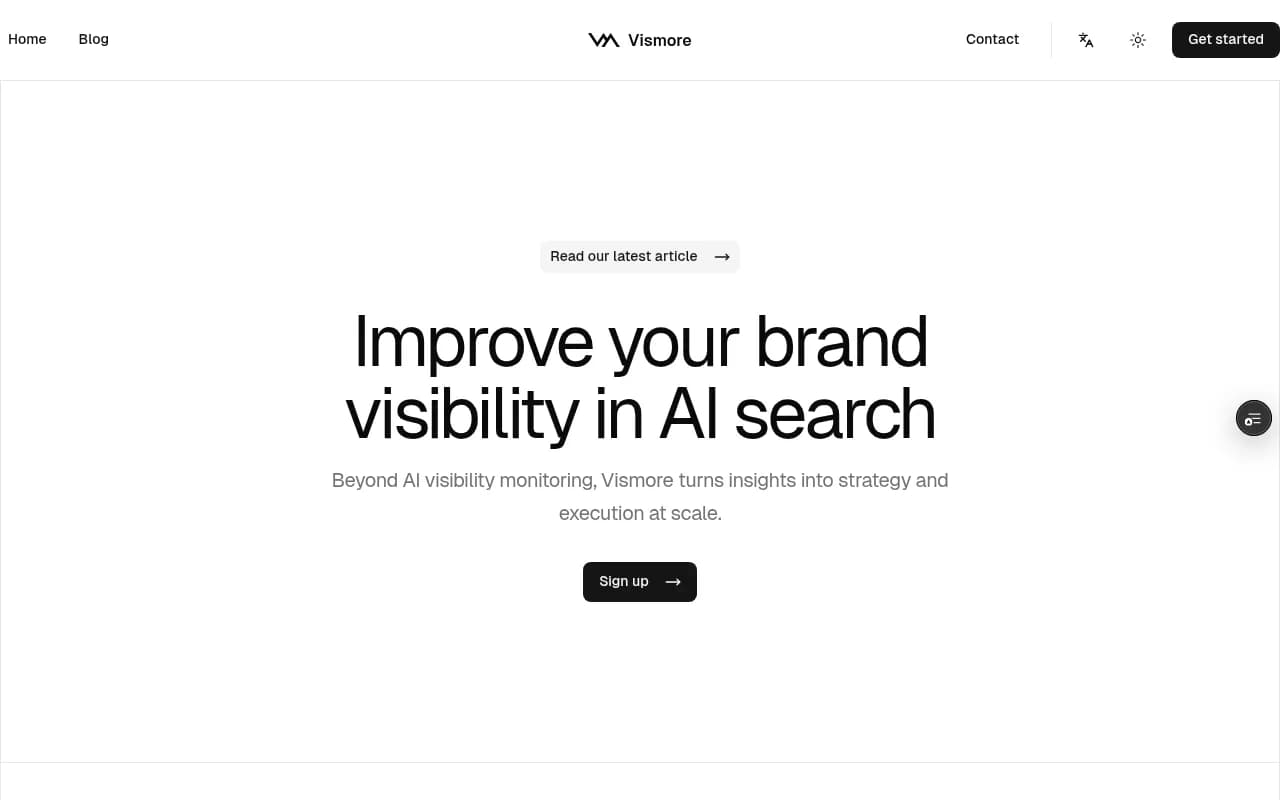
Vismore -- turns AI search insights into strategy and execution
Vismore is positioned around the insight-to-action workflow. You get AI search visibility data, and the platform helps you turn that into a content strategy and execution plan. Newer platform, but the approach is sound.
Monitoring-only alternatives (if you just need the data)
Not every team needs content generation built in. Some have writers, agencies, or existing content workflows and just need better visibility data than Hall provides. These tools are worth knowing about.
Otterly.AI
One of the more affordable entry points for LLM tracking. Covers the major models, gives you brand mention data, and is easy to set up. Doesn't generate content or identify gaps, but it's a clean monitoring tool.

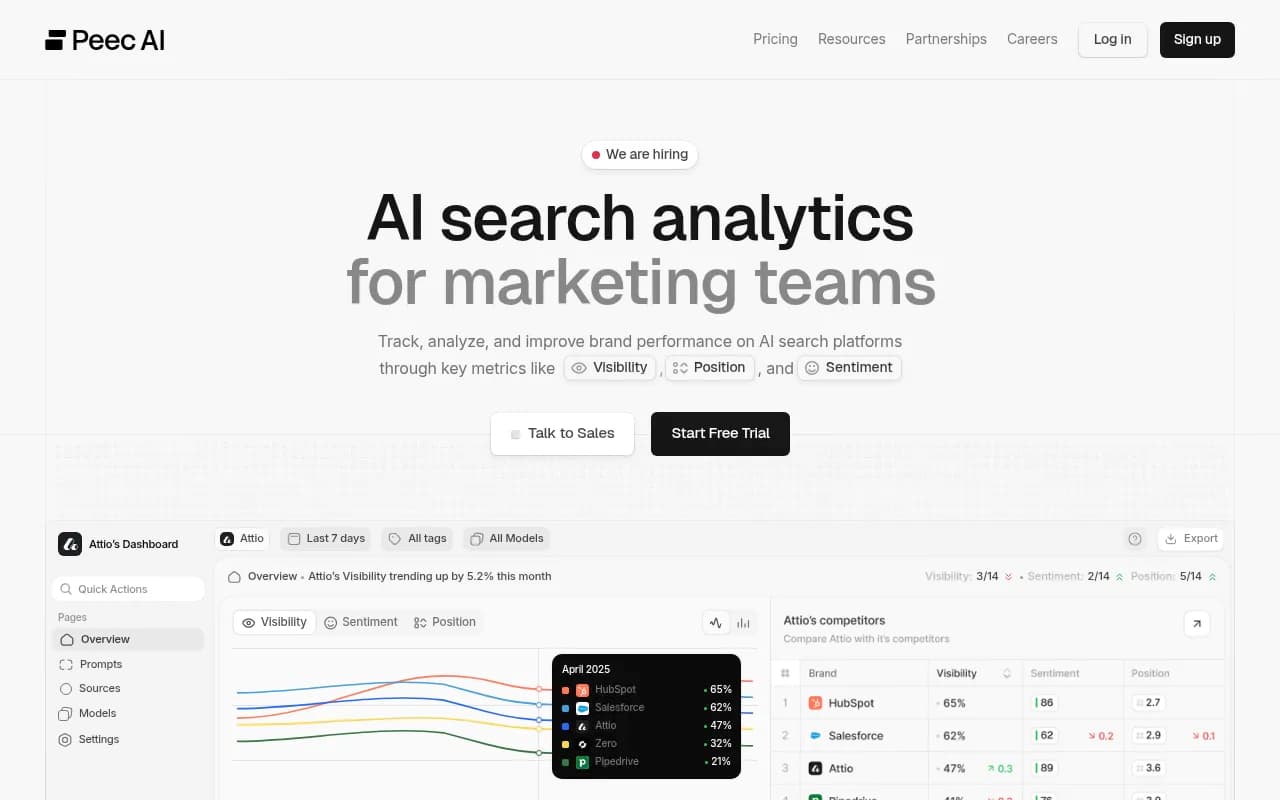
Peec AI
Good for cross-engine reporting and exports. If you need to pull visibility data into your own reporting stack, Peec AI handles that well. The optimization side is thin, but the monitoring is reliable.
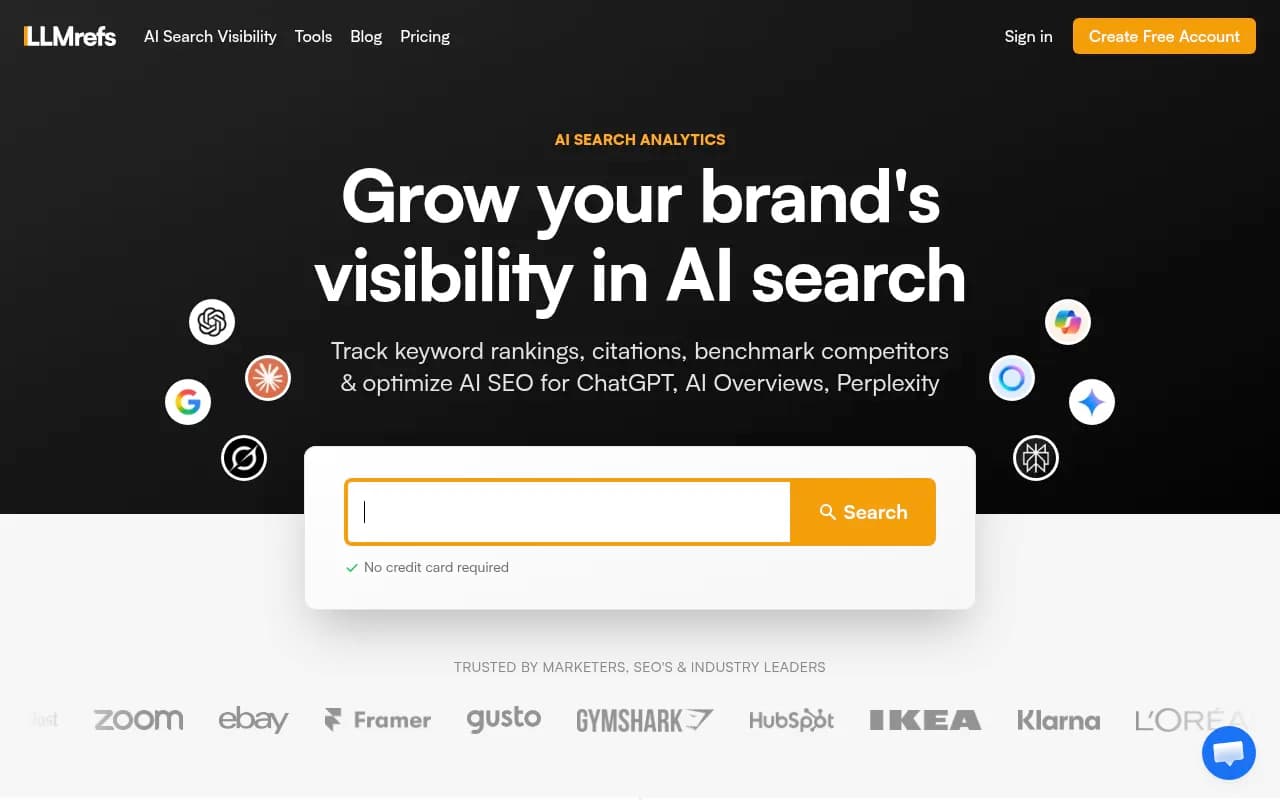
LLMrefs
Built around keyword-first GEO workflows, which will feel familiar to SEO teams. Tracks brand visibility and rankings across ChatGPT, Perplexity, and others. No content generation, but the keyword framing makes it easier to prioritize.
Athena HQ
Tracks and optimizes across 8+ AI search engines. More sophisticated than Otterly or Peec on the analytics side, but still primarily a monitoring and strategy tool rather than a content generation platform.

Profound
Enterprise-grade AI visibility with strong analytics. Better suited to large organizations with dedicated content teams who can act on the data independently. No built-in content generation, but the data depth is impressive.
Comparison table
| Platform | Visibility tracking | Content generation | Gap analysis | Crawler logs | Best for |
|---|---|---|---|---|---|
| Promptwatch | 10 AI models | Yes (Content Agents) | Yes (Answer Gap Analysis) | Yes | Full end-to-end GEO |
| Relixir | Yes | Yes | Yes | No | All-in-one GEO teams |
| SnowSEO | Yes | Yes (auto-generates) | Limited | No | Content-first GEO |
| Temso AI | Yes | Yes | Yes | No | Execution-focused teams |
| AirOps | No | Yes (workflow-based) | No | No | Custom GEO pipelines |
| Writesonic | Yes | Yes | Limited | No | Content teams with GEO needs |
| Orchly.ai | Yes | Yes | Yes | No | High-volume content ops |
| SearchAtlas | Yes | Yes (deploys fixes) | Yes | No | SEO teams moving into GEO |
| Otterly.AI | Yes | No | No | No | Budget monitoring |
| Peec AI | Yes | No | No | No | Reporting and exports |
| LLMrefs | Yes | No | No | No | Keyword-first GEO |
| Athena HQ | Yes | No | Limited | No | GEO strategy |
| Profound | Yes | No | Limited | No | Enterprise analytics |
How to choose the right platform
The honest answer is: it depends on where your bottleneck actually is.
If you're not tracking AI visibility at all yet, almost any tool on this list is better than nothing. Start with something affordable (Otterly.AI, Peec AI) to get a baseline, then upgrade once you know what you're looking at.
If you're already tracking and the data is telling you that competitors are eating your lunch in AI search, you need a platform that helps you act. That's where Promptwatch, Relixir, and Temso AI earn their keep. The content generation isn't a nice-to-have -- it's the whole point. Knowing you have gaps and being able to close them in the same platform is a fundamentally different workflow than exporting data and hoping your content team figures it out.
If you're an agency managing multiple clients, look at platforms with multi-site support and white-label options. Promptwatch's Business plan covers 5 sites, and there are agency/enterprise tiers available. Orchly.ai and SearchAtlas also have agency-friendly setups.
If you're an enterprise with a dedicated content team, Profound or Athena HQ might give you the analytics depth you need, even without built-in generation. But be honest with yourself about whether your content team will actually act on the data -- if there's friction between insight and execution, a platform that closes that gap will outperform a fancier dashboard every time.
The bigger picture
Hall AI isn't a bad product. For teams that are new to GEO and just want to understand where they stand, it does the job. But the category has moved fast in 2026, and the tools that are pulling ahead are the ones that treat monitoring as the starting point, not the destination.
The platforms worth your attention are the ones built around a simple idea: visibility data is only valuable if it leads to better content, and better content is only valuable if you can track whether it's working. That loop -- find the gap, create the content, measure the result -- is what separates a GEO platform from a GEO dashboard.
Hall gives you the dashboard. The alternatives above give you the loop.