Key takeaways
- Banks and financial brands win AI visibility mostly through product pages, landing pages and accurate rate and fee content. Monitoring alone will not fix that.
- In Conductor's 2026 financials benchmarks, financial media sites like NerdWallet (10.14%) and Bankrate (8.47%) are the most-cited domains in the high-traffic financial services subindustry. Your competitors for AI citations are often publishers, not other banks.
- Pick a tool by what you need to do: track prompts, read AI crawler logs, ship content through compliance, or run enterprise reporting. Few tools cover all four.
- Regulated teams need an approval step between draft and publish. Check that any content automation tool supports a review inbox or similar gate.
- A shortlist of Promptwatch, Profound, Conductor, BrightEdge and a lighter tracker covers most bank and fintech scenarios.
Why GEO matters for financial services
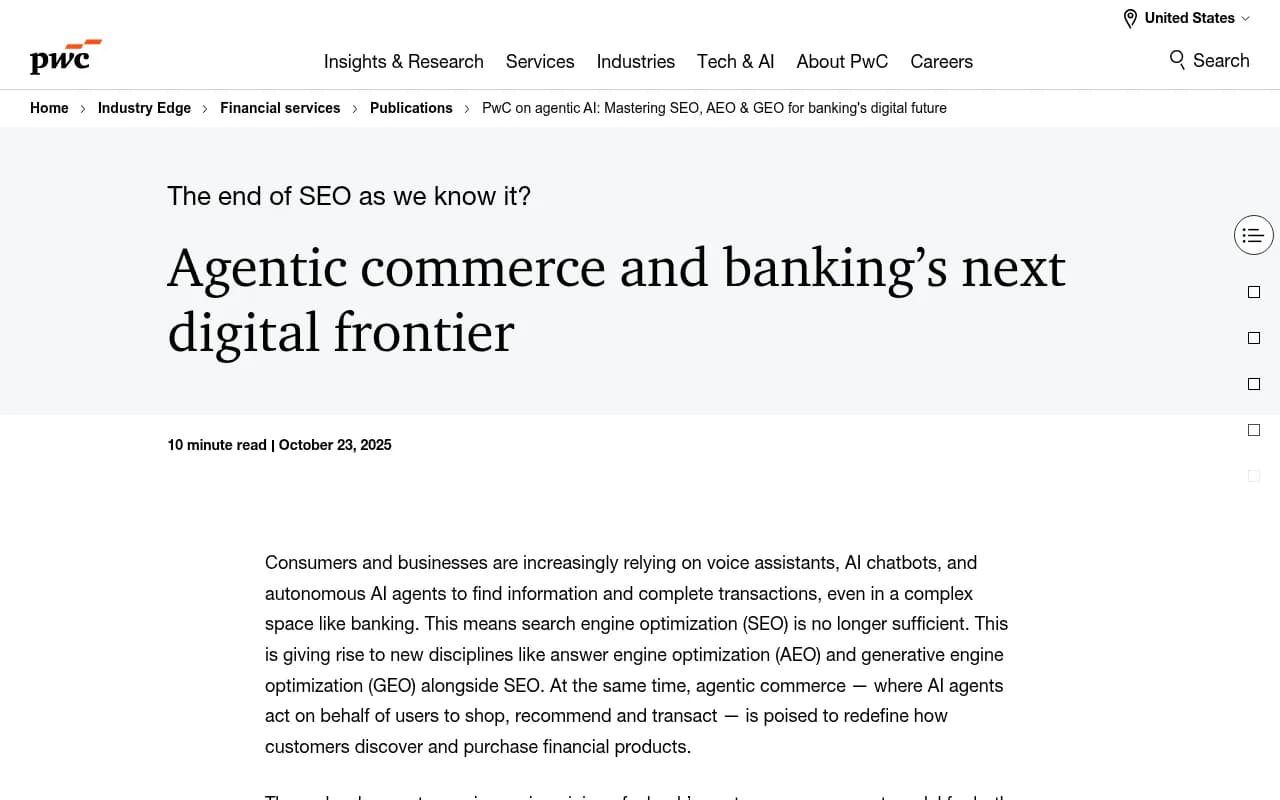
People ask ChatGPT, Gemini and Perplexity questions like "what's the best checking account in Dallas?" or "which credit card is best for travel?" and get a synthesized answer with a few named brands. PwC's piece on agentic commerce and banking argues that SEO alone is no longer enough, and that AEO and GEO sit alongside it as banks prepare for AI agents that recommend and eventually transact on behalf of customers.
Finance is a hard category for this. Trust signals matter more, claims are regulated, and the sources AI trusts skew toward publishers and aggregators. Conductor's benchmark data lists NerdWallet and Bankrate as the leaders for AI Overview share of voice too (1.40% and 1.31%), followed by Experian, SmartAsset and Fidelity. If you are a regional bank, you are competing with those sites for the same answer.
What a GEO tool should do for a bank
Before comparing products, decide which of these jobs you actually need done.
- Track visibility in the real interfaces of ChatGPT, AI Overviews, AI Mode, Gemini, Perplexity and Copilot, by country and, for local banks, by state or city. API outputs can differ from what customers see.
- Show why you are or are not cited. That means AI crawler logs, citation data per page, and site audits that catch blocked bots or broken pages.
- Connect AI visibility to outcomes. Mentions are nice, but applications, accounts and policies are what the CFO asks about.
- Help you fix gaps. Content gap analysis, briefs, drafts and CMS publishing close the loop.
- Fit a regulated workflow: user roles, audit logs, review steps, SSO.
Onely's research on financial services GEO makes a similar point from the agency side. It suggests judging any provider on proof from your own part of financial services, how they handle the people who approve publishing, and whether they measure results in applications, accounts and policies. Those are good questions to ask a software vendor too.
What AI actually cites in finance
There is no finance-specific Promptwatch report yet, but the general data is useful. In Promptwatch Data's content type report (Sep 28 to Oct 4, 2026), product pages were the most cited type in ChatGPT at 22.4% of classified citations, with landing pages at 16.8%. Roughly 39% of citations go to pages describing what a company sells. For commercial prompts, where people compare options before buying, product and landing pages reach 26.0% and 20.6%.
For a bank, that means your savings account, mortgage and credit card pages are your main citation surface. Branded prompts also cite reviews at 5.6%, more than three times their overall share, so third-party reviews of your products matter.
The content half-life report (pages cited Jul 6, 2026, tracked 90 days) adds a useful wrinkle. Landing pages and docs held up best, with 78% and 76% still cited after 30 days. News lost half its pages within 36 days. Product pages, reviews and how-tos had half-lives of 74 to 77 days. Rates and fee pages are long-lived assets, so keep them accurate. Press releases give short bursts and not much more.
Comparison of GEO tools for financial services
| Tool | Type | Strongest for | Watch out for |
|---|---|---|---|
| Promptwatch | Tracking plus optimization and content | Banks and agencies that want to find gaps and fix them, with crawler logs and traffic attribution | Business plan needed for state/city tracking and the automated Content Agent |
| Profound | Enterprise monitoring | Large institutions that want deep monitoring and reporting | Higher price point, less on execution |
| Conductor | Enterprise SEO and AEO suite | Teams already living in a traditional enterprise SEO platform | Broader suite, so more to learn |
| BrightEdge | Enterprise SEO and AI visibility | Large marketing orgs with established SEO workflows | Heavy for small teams |
| Evertune / Bluefish AI | Enterprise GEO | Fortune 500 style brand programs | Narrower scope, enterprise sales cycles |
| Otterly.AI / Peec AI | Lightweight trackers | Small lenders and advisors wanting basic tracking | No crawler logs or content execution |
The tools worth shortlisting
Promptwatch
Promptwatch is the one I would start with for a team that wants to act on the data. It monitors the real interfaces of ChatGPT, AI Overviews, AI Mode, Gemini, Perplexity and Copilot, then goes past tracking: IP-verified AI crawler logs show whether bots can actually read your product pages, weekly site audits flag technical problems, and citation reports show which of your pages get cited and which Reddit, YouTube and LinkedIn sources mention you. Visitor analytics tie AI traffic to your site.

The part that matters for banks is the workflow. The Action Board turns gaps into a prioritized to-do list, and the Content Agent can draft and publish to WordPress, Webflow or Framer through a review inbox, so compliance can approve before anything goes live. State and city tracking (Business plan) helps community banks that care about "best checking account in Dallas" style prompts. Pricing starts at $95/mo for Essential and $579/mo for Business; confirm current plans at promptwatch.com/pricing.
One honest caveat: it is an optimization platform, so if all you want is a monthly mention count, you will use a fraction of it.
Profound
Profound is a serious enterprise monitoring product and a common pick for large institutions that want polished reporting. It tends to cost more and leans toward monitoring rather than agentic execution.

Conductor
Conductor publishes some of the best finance-specific benchmark data, and its platform combines AI search visibility with a traditional SEO stack. If your bank already runs enterprise SEO there, adding AEO to the same system is a sensible choice.
BrightEdge
BrightEdge is another enterprise SEO platform with AI visibility features. It suits large marketing organizations with established processes and multiple stakeholders.
Evertune and Bluefish AI
Both target large enterprises with GEO programs and heavy brand governance. Worth a demo if you are a national bank, though expect enterprise sales cycles.
Lightweight trackers
Smaller credit unions, advisors and lenders sometimes just need to know whether they show up. Otterly.AI and Peec AI are basic prompt trackers at lower prices, and tools like LLM Pulse and Rankshift sit in the same monitoring-first category. They will tell you where you appear. They will not tell you why.


For a broader view of the market, the directories at bestgeosoftware.com and ai-rank-tools.com list more options by category.
Supporting tools banks often need
GEO platforms are not the whole stack.
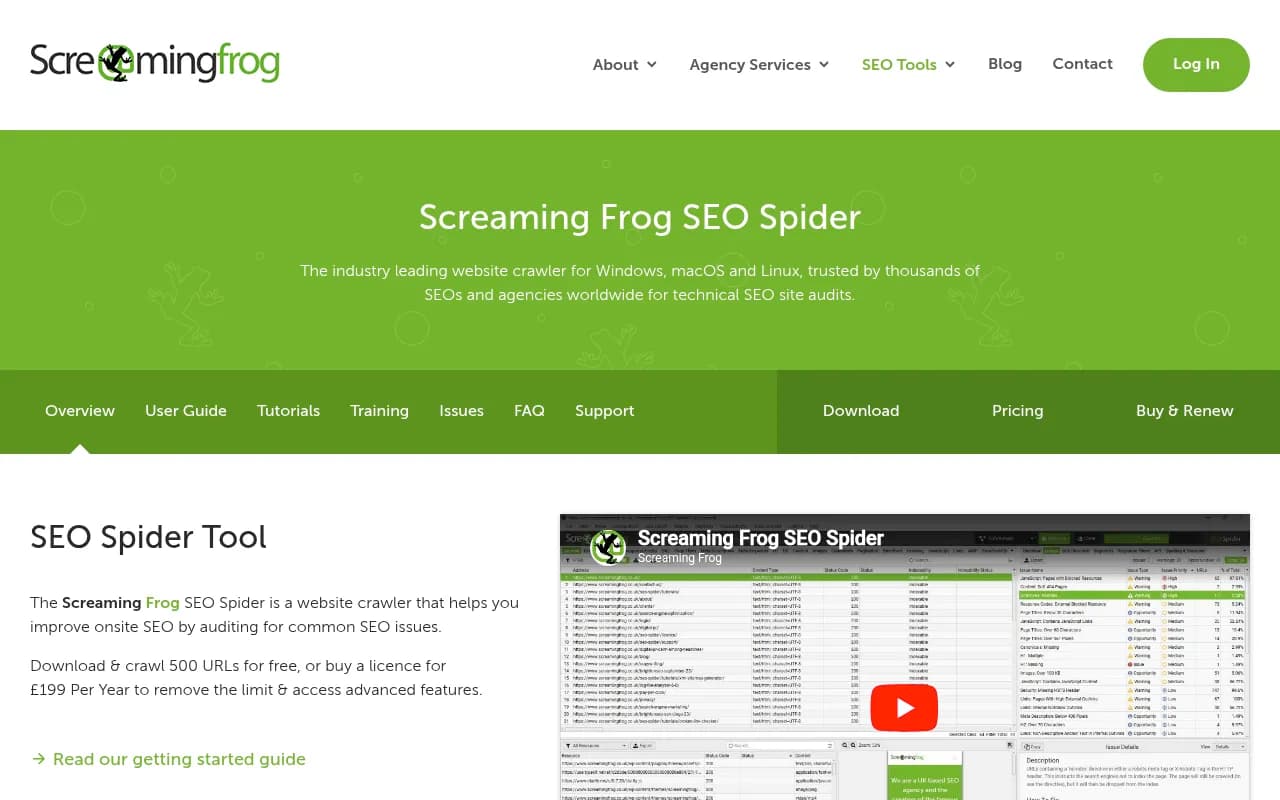
- Technical SEO crawlers: Screaming Frog SEO Spider or Botify help find pages that are hard for bots to read.
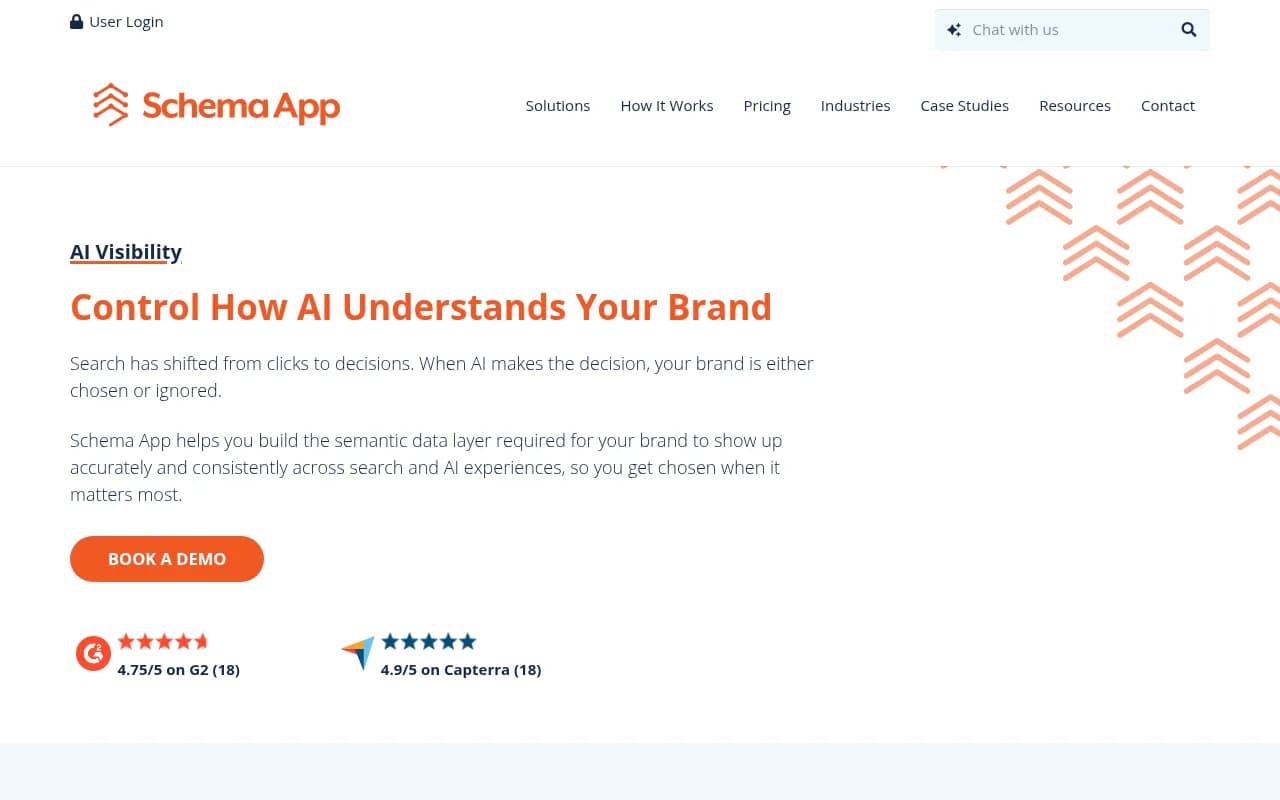
- Structured data: Schema App helps mark up products, FAQs and organization details so machines understand them.
- Reputation and reviews: Birdeye or Reputation.com for review collection, which matters because branded prompts cite reviews heavily.
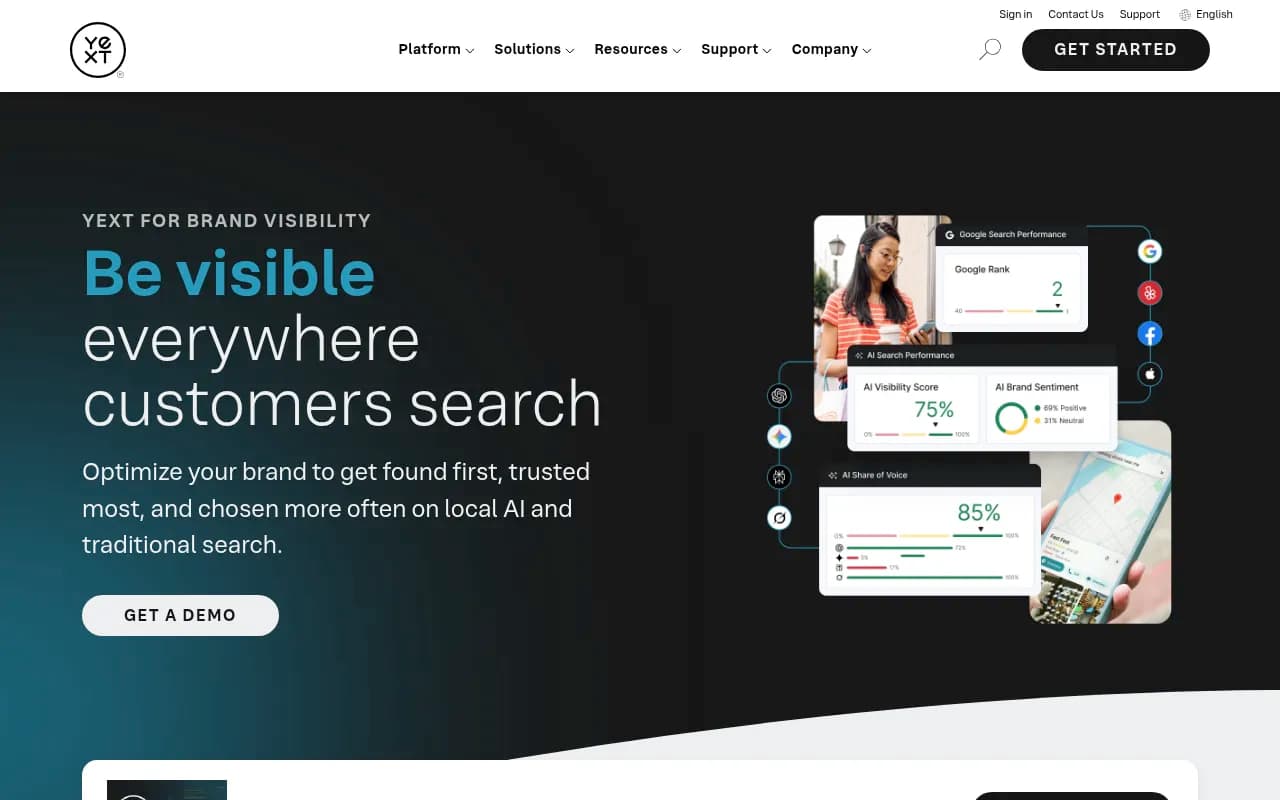
- Local listings: Yext or Uberall for branch data consistency.
- Search data: Google Search Console is free and shows which pages rank but never get cited.
Compliance and governance
This is the part most GEO guides skip. I did not find a neat, vendor-neutral rulebook, so treat this as a checklist to take to your own compliance team, not legal advice.
- Treat AI-assisted drafts like any other marketing copy. They go through the same legal and compliance review before publishing.
- Choose tools with a review inbox or approval step. Fully hands-off publishing is risky for rate, fee and performance claims.
- Keep a single source of truth for facts (rates, APRs, disclosures) and feed it into your content tool's knowledge base, so drafts do not invent numbers.
- Check audit logs and SSO if your security team requires them. Higher tiers and enterprise plans usually cover this.
- Monitor for hallucinations about your brand. If an AI engine states the wrong rate or fee, that is both a visibility issue and a risk issue.
A practical rollout plan
Weeks 1 to 2: baseline
Build a prompt list across your products: "best high-yield savings account," "mortgage lenders for first-time buyers," plus branded prompts. Run it across ChatGPT, AI Overviews, AI Mode and Perplexity. Note which domains get cited instead of yours.
Weeks 3 to 4: technical access
Check whether AI crawlers can reach your product and rate pages. Look at crawler logs, robots rules and page speed. Fix blocks first, because no content work helps if bots cannot read the page.
Month 2: content fixes
Update product and landing pages for clarity and accuracy. Add FAQ pages for brand questions. Publish comparison pages, such as your account versus common alternatives, where compliance allows. Earn placement in the roundups that AI cites.
Month 3 and after: measure and iterate
Track citations, AI referral traffic and, where you can, applications. Pages that publish and never get crawled or cited should come back as new tasks.
Agency or software?
Some banks hire help. If you go that route, Onely's research notes that every AI engine splits financial services into types of firm and names an agency for each, and that most matches trace back to pages the agencies wrote themselves. Ask for proof from your own segment. Agencies such as 1001 SEO Media, which uses Promptwatch for AI visibility work, can run the program while you keep the platform data in-house. Whichever route you take, make sure you own the account and the reporting.
How to choose
| If you are... | Start with |
|---|---|
| A mid-size bank or fintech that wants to find and fix gaps | Promptwatch |
| A large institution with a big reporting need | Profound or Conductor |
| An enterprise already on a legacy SEO suite | Conductor or BrightEdge |
| A small lender or advisor testing the waters | Otterly.AI, Peec AI, or Promptwatch Essential |
| An agency serving multiple financial clients | Promptwatch Agency plans with white-label reporting |
Bottom line
Financial services is a category where AI answers lean on publishers and aggregators, and where your own product pages are the most citable asset you have. Pick a tool that tells you why you are missing, not just that you are, make sure it fits your approval workflow, and start by fixing crawl access and your core rate and product pages. Confirm current pricing and features with each vendor before buying, since this market changes monthly.