Key takeaways
- Most AI visibility platforms focus on ChatGPT, Perplexity, and Google AI Overviews -- coverage of DeepSeek, Grok, and Mistral is much rarer and often locked behind enterprise tiers.
- The platforms that do cover these models vary significantly in how they monitor them: some query APIs directly, others capture real user-facing responses, which can produce very different data.
- If your brand operates in markets where DeepSeek or Grok has meaningful adoption (China, crypto/finance communities, X users), ignoring these models is a real blind spot.
- A handful of platforms -- including Promptwatch -- cover 10+ LLMs including DeepSeek, Grok, Mistral, and Copilot alongside the major four, with optimization tools built on top of the monitoring data.
- Monitoring alone isn't enough. The platforms worth paying for in 2026 are the ones that help you act on what they find.
Why the non-ChatGPT LLMs actually matter now
For most of 2024, the AI visibility conversation was basically: "Are you showing up in ChatGPT and Perplexity?" That made sense at the time. Those two captured the majority of consumer AI search behavior, and most platforms were built around them.
2026 looks different.
DeepSeek's R1 model caused a genuine stir earlier this year -- not just as a technical achievement but as a signal that AI search isn't a two-horse race. Grok, integrated directly into X (formerly Twitter), has become the default AI assistant for a large and vocal segment of users who never open ChatGPT. Mistral, while less consumer-facing, powers a growing number of enterprise deployments across Europe. And Meta AI, running on Llama, is embedded in WhatsApp, Instagram, and Facebook -- platforms with billions of active users.
The brands that only track ChatGPT are getting an incomplete picture. If your competitors are being recommended by Grok to X's finance community, or cited by DeepSeek to users in Asia, you won't see it in a ChatGPT-only dashboard.
That's the core problem this guide addresses: which platforms actually track these models, and how well?
The coverage gap most tools won't tell you about
Here's something worth knowing before you evaluate any platform: there's a meaningful difference between "we support that LLM" and "we accurately capture what that LLM shows real users."
Most AI visibility tools work by sending scheduled prompts to an LLM's API and recording the response. That's fine for basic monitoring. But API responses and user-facing responses can diverge -- especially for models like ChatGPT (which has different behavior in the web interface vs. the API) and Grok (which has real-time web access in the X interface but not always through the API).
So when a platform says it covers Grok, ask: are they querying the API, or are they capturing what Grok actually shows users in the X interface? The answer matters a lot for citation tracking specifically, because Grok's web-browsing responses include sources that API-only responses often don't.
This is one reason why the number of "supported LLMs" in a platform's marketing copy isn't always the most useful metric. Depth of coverage matters as much as breadth.
Which platforms cover DeepSeek, Grok, and Mistral
Let me be direct: most of the well-known tools in this space don't cover all three. Here's how the landscape breaks down.
Platforms with broad multi-LLM coverage (including DeepSeek, Grok, Mistral)
Promptwatch is one of the few platforms that tracks all three -- DeepSeek, Grok, and Mistral -- alongside ChatGPT, Perplexity, Claude, Gemini, Google AI Overviews, Google AI Mode, Meta AI, and Copilot. That's 10+ models in a single platform. What makes this more than a monitoring checkbox is the action layer: Answer Gap Analysis shows you which prompts competitors are visible for across these models that you're not, and Content Agents generate content to close those gaps. If you're trying to understand your AI visibility holistically -- not just on ChatGPT -- this is the most complete option available.

Athena HQ covers 8+ AI search engines and has positioned itself as a monitoring-focused platform for brands that want broad LLM coverage. It's solid for tracking, though it lacks the content generation and optimization layer that more action-oriented platforms offer.
Goodie AI has built out enterprise-grade GEO capabilities with multi-LLM support. It's worth evaluating if you're at the enterprise end of the market and need deep customization.
Scrunch AI covers multiple models and has a reputation for solid monitoring depth. It's been around long enough to have worked out some of the data quality issues that plague newer entrants.
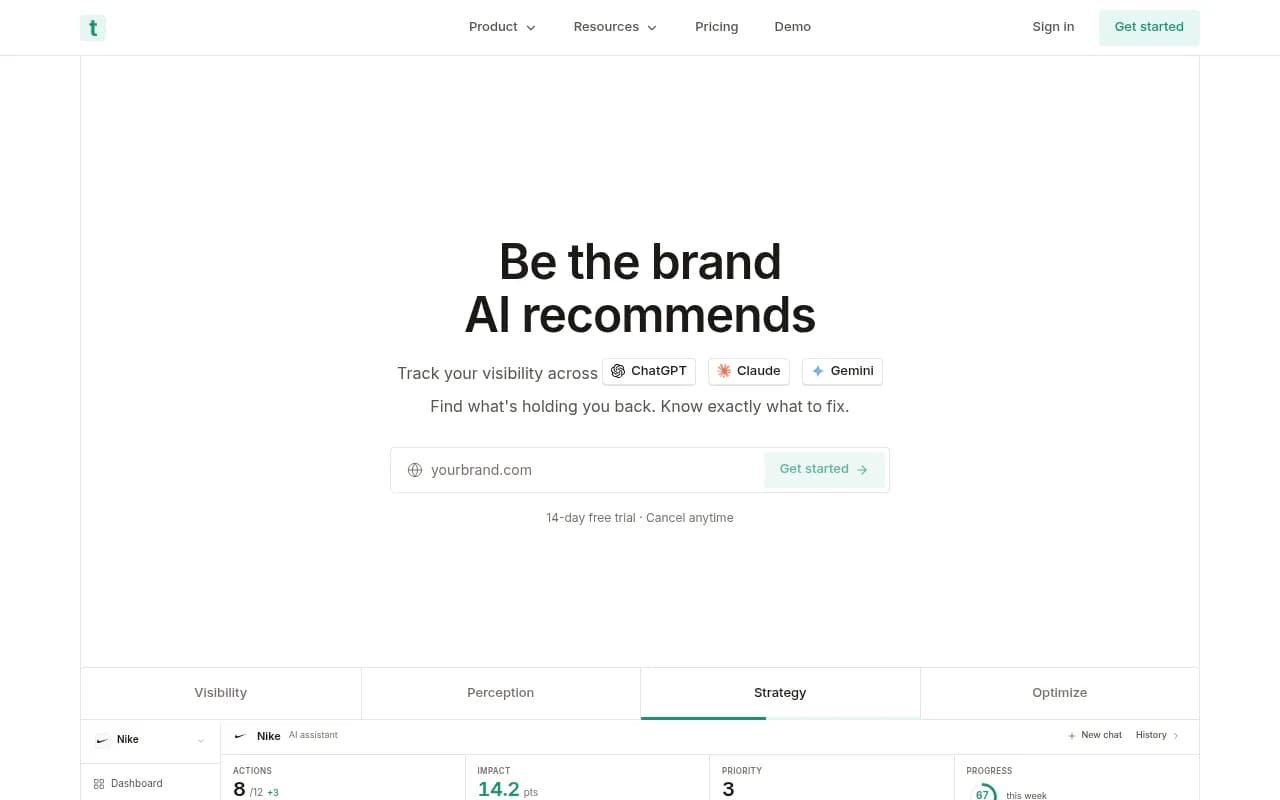
Trakkr.ai explicitly lists ChatGPT, Claude, Perplexity, and Grok in its coverage. DeepSeek and Mistral coverage is less clearly documented -- worth verifying directly before committing.
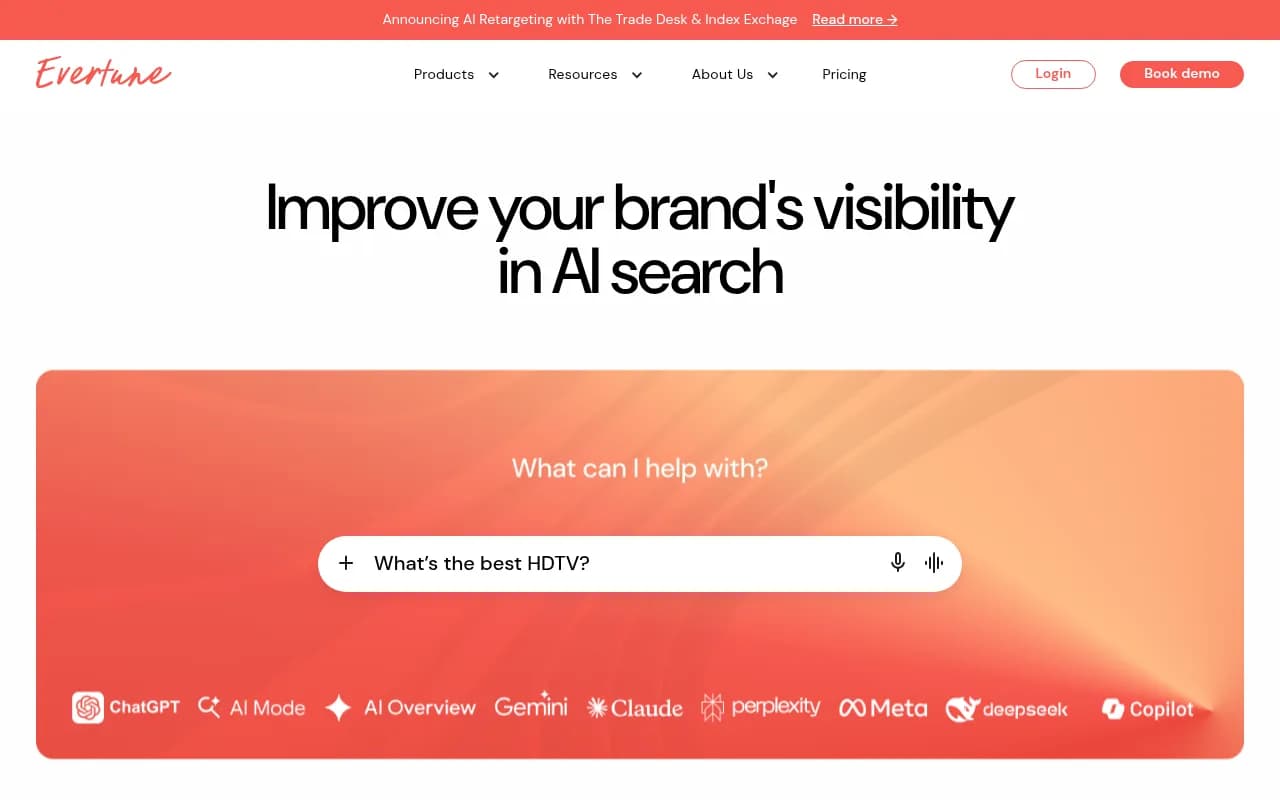
Evertune is an enterprise-focused platform that covers multiple LLMs and has built out GEO-specific features. Their focus is on Fortune 500-scale deployments.
Platforms with partial coverage (ChatGPT, Perplexity, Claude, Gemini -- but not consistently DeepSeek/Grok/Mistral)
Otterly.AI is one of the more affordable options in the market and covers 4 LLMs at entry price. Coverage of DeepSeek, Grok, and Mistral is not part of their standard offering.

Peec AI covers 3 LLMs on its starter plan. Good for basic monitoring but not built for the long tail of AI models.

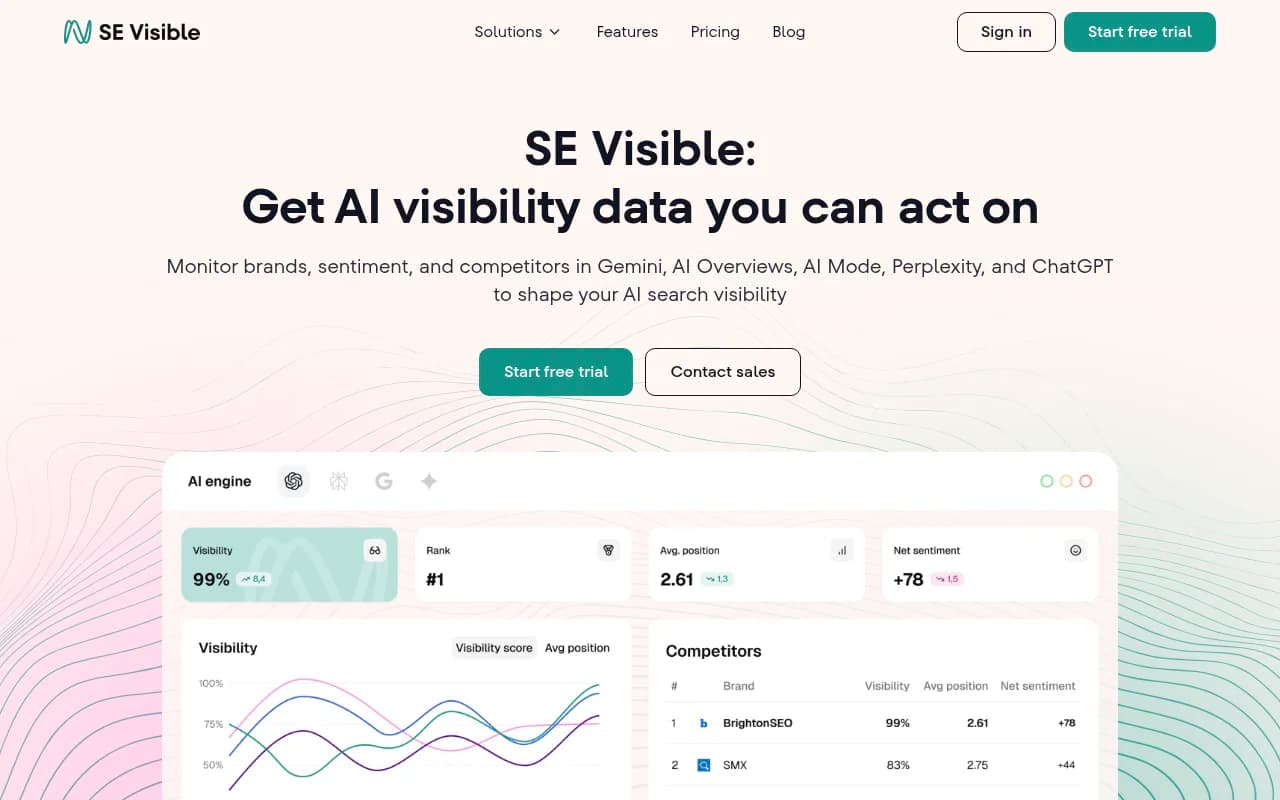
SE Visible (by SE Ranking) covers 5 AI engines and is a reasonable mid-market option, though its LLM list skews toward the major four.
Profound is an early mover in the space with genuinely interesting data architecture -- its real-user prompt volume data is one of its differentiators. But at the starter tier ($99/mo), you only get ChatGPT. Broader model coverage requires enterprise pricing that isn't publicly listed.
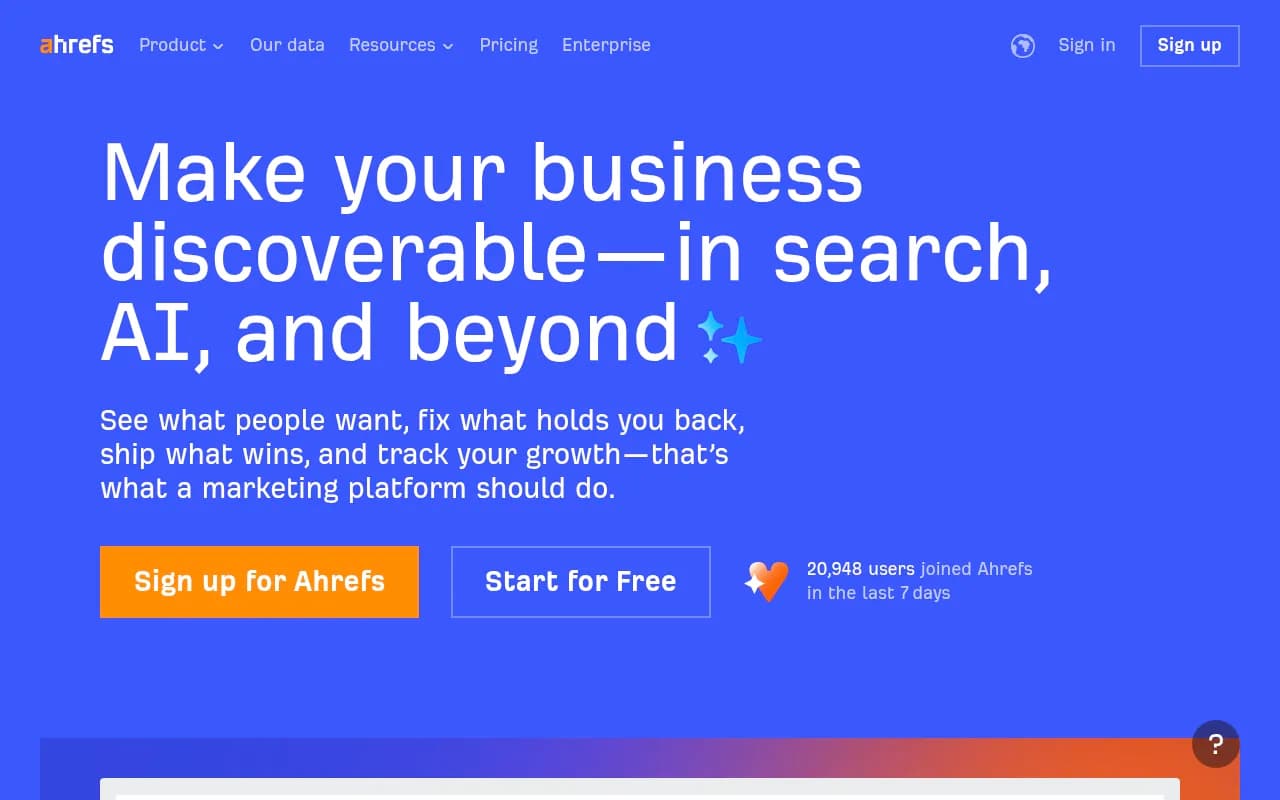
Ahrefs Brand Radar uses real search data (People Also Ask queries) as its prompt source, which is a meaningful data quality advantage. But its LLM coverage is more limited than dedicated AI visibility platforms.
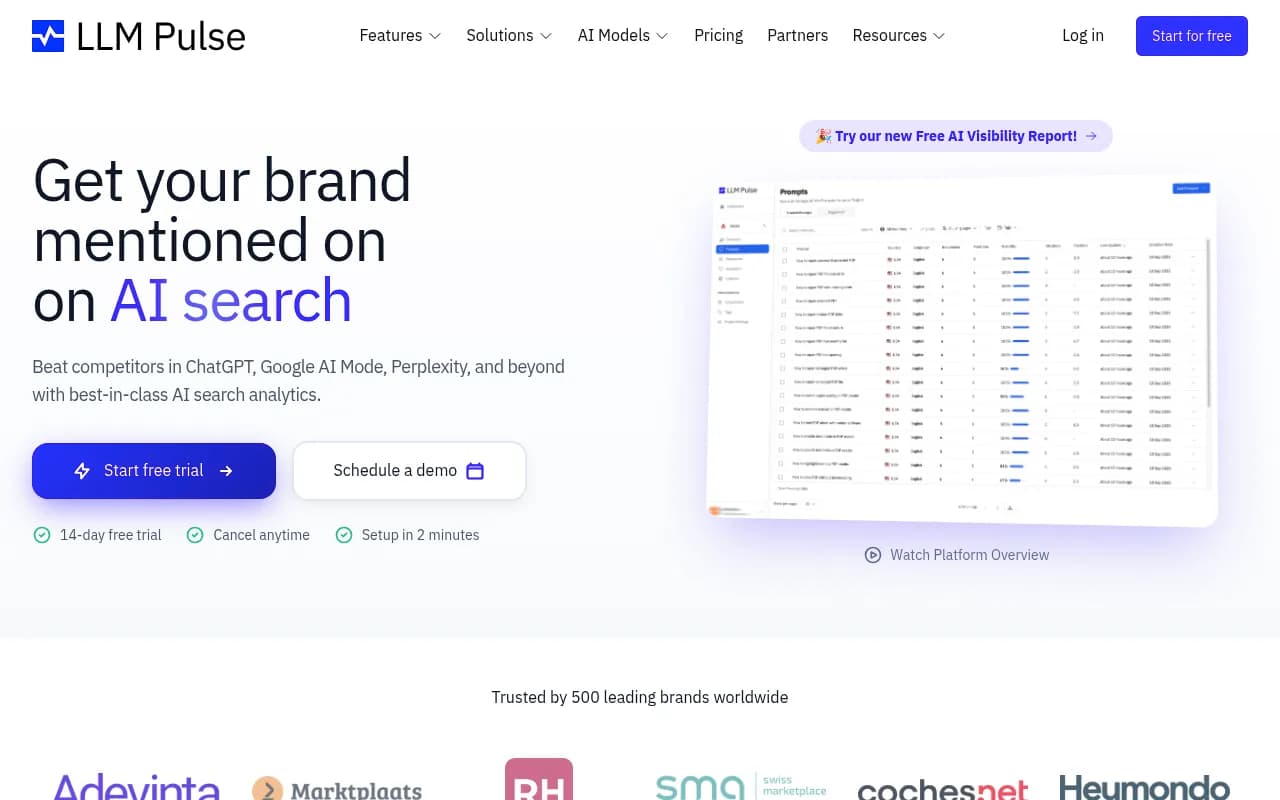
LLM Pulse tracks brand visibility across ChatGPT, Perplexity, and a handful of others. Grok, DeepSeek, and Mistral coverage is not prominently featured.
Newer entrants worth watching
A few newer platforms are building out multi-LLM coverage as a core feature rather than an afterthought:
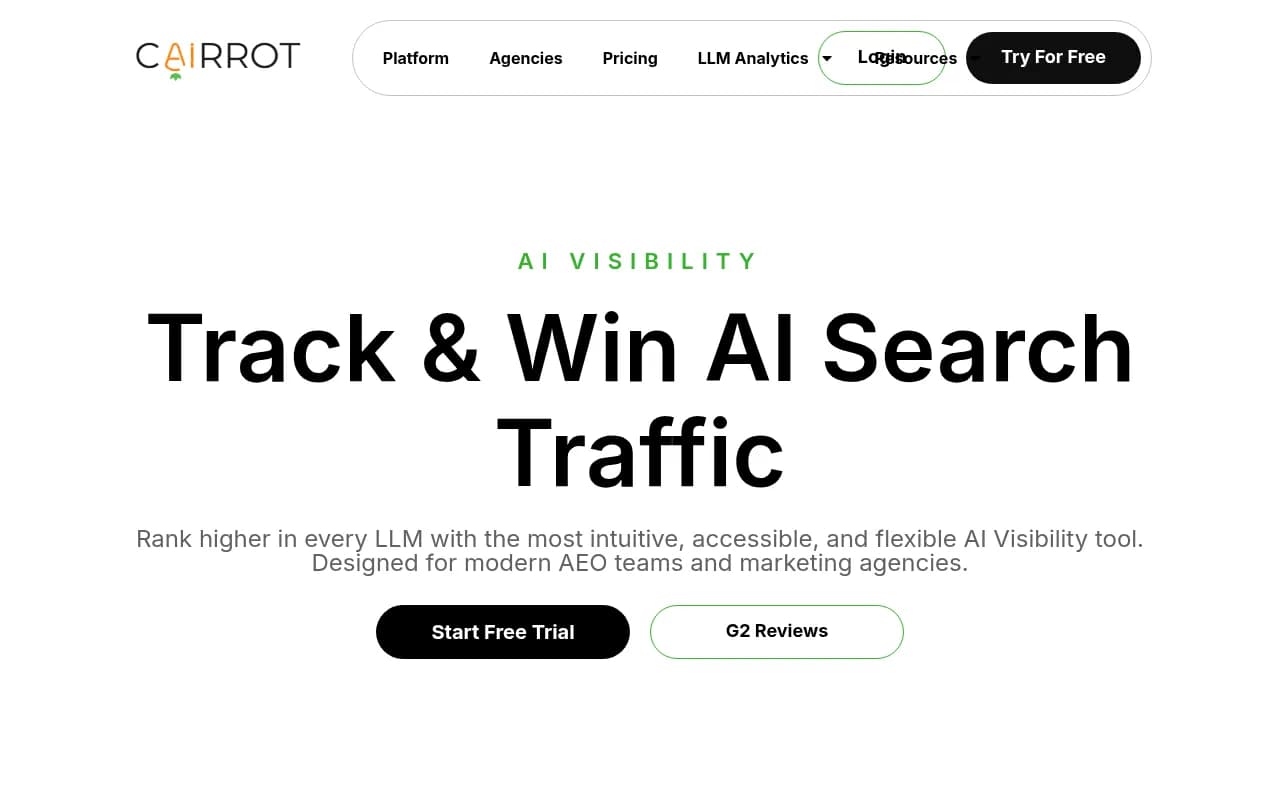
Cairrot explicitly markets coverage across 5+ LLMs for agencies, and is priced accessibly. Worth checking their current model list.
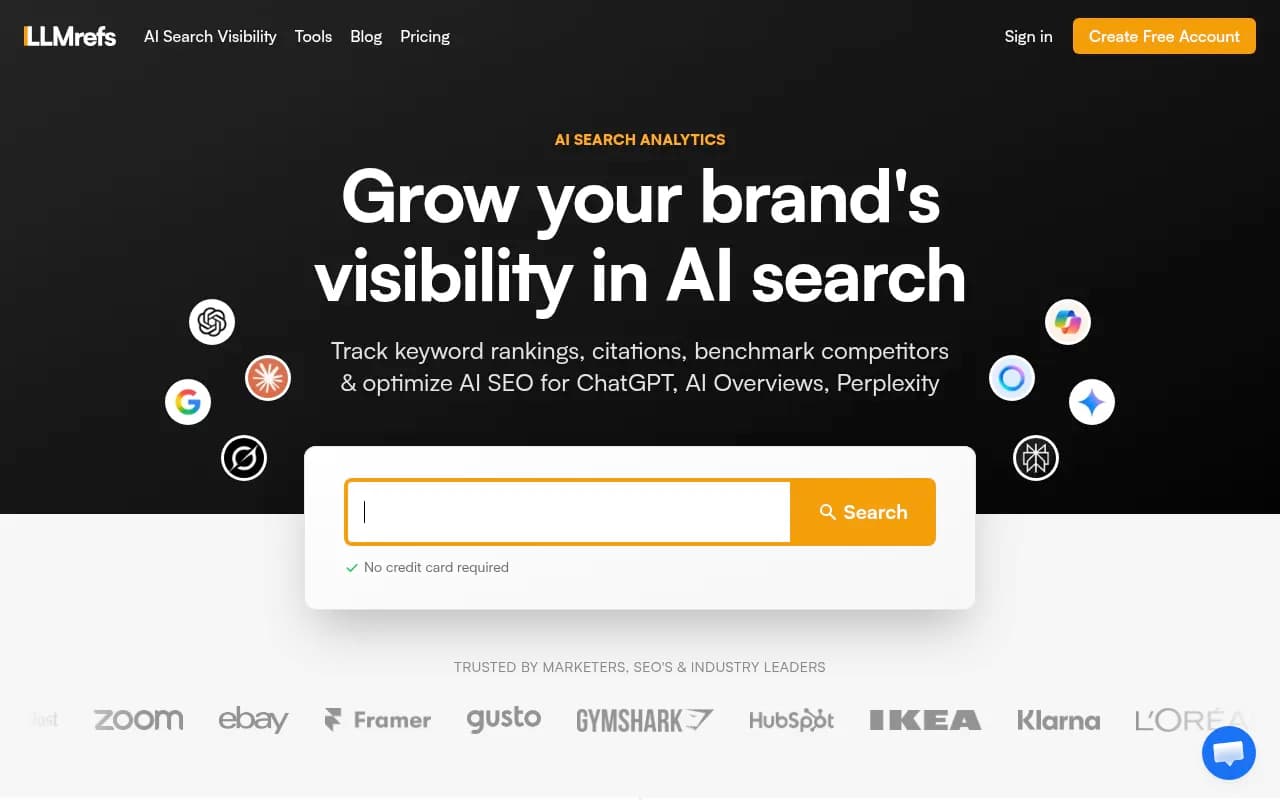
LLMrefs tracks brand visibility across ChatGPT, Perplexity, and others -- their coverage is expanding.
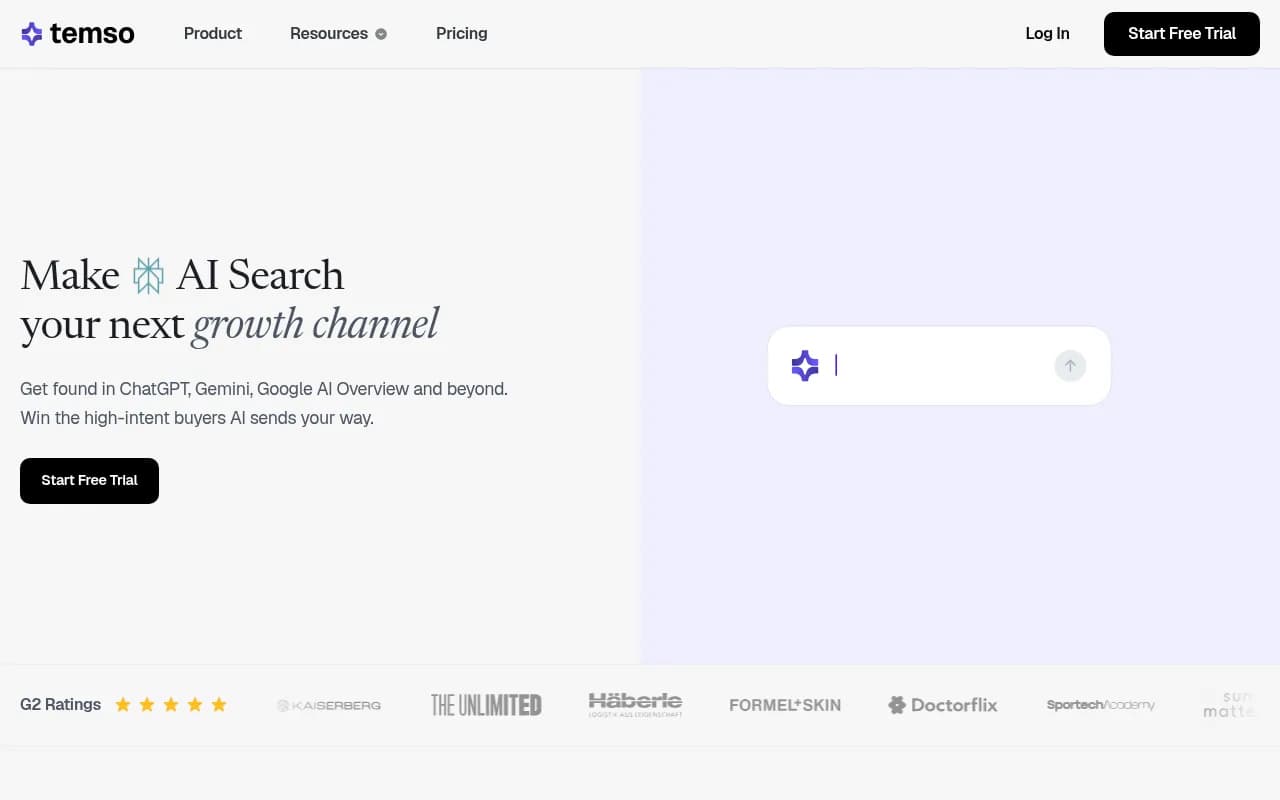
Temso AI is building AI search visibility with execution tools built in. Their LLM coverage is worth verifying.
Feature comparison: multi-LLM AI visibility platforms
| Platform | DeepSeek | Grok | Mistral | Content generation | Crawler logs | Pricing starts at |
|---|---|---|---|---|---|---|
| Promptwatch | Yes | Yes | Yes | Yes (Content Agents) | Yes | $99/mo |
| Athena HQ | Yes | Yes | Partial | No | No | Custom |
| Goodie AI | Yes | Yes | Yes | Limited | No | Enterprise |
| Scrunch AI | Yes | Yes | Partial | No | No | Custom |
| Profound | Limited | Limited | No | No | No | $99/mo (ChatGPT only) |
| Otterly.AI | No | No | No | No | No | $29/mo |
| Peec AI | No | No | No | No | No | €85/mo |
| SE Visible | No | Partial | No | No | No | $99/mo |
| Ahrefs Brand Radar | No | No | No | No | No | $50/mo |
| Cairrot | Yes | Yes | Partial | No | No | Affordable (agency) |
| Trakkr.ai | No | Yes | No | No | No | Custom |
Coverage claims are based on publicly available information as of June 2026. Verify directly with vendors before purchasing, as model support changes frequently.
What to actually ask vendors before you buy
The comparison table above is a starting point, not a final answer. Here are the questions worth asking any platform before you commit:
How do you query each LLM? API-only vs. real user-interface capture matters, especially for Grok (which has web access in X) and ChatGPT (which behaves differently in the interface vs. API).
How often do you run prompts against each model? Daily? Weekly? For fast-moving models like Grok that have real-time web access, infrequent polling misses a lot.
Do you capture citations from these models? Some platforms track mention frequency but not the sources cited. For GEO purposes, citation tracking is what actually matters -- knowing which pages AI models are reading and recommending.
Is DeepSeek/Grok/Mistral coverage at parity with ChatGPT? Or is it a checkbox feature with lower query frequency and less reporting depth?
What happens when a model changes its behavior? LLMs update constantly. Does the platform have a process for detecting and adapting to response format changes?
The monitoring-vs-optimization split
One thing that's become clearer in 2026 is that the AI visibility tool market has split into two camps: monitoring dashboards and optimization platforms.
Monitoring dashboards (Otterly.AI, Peec AI, many newer entrants) show you data. They tell you how often your brand appears, which competitors are ahead, and how sentiment looks across models. That's useful, but it leaves you with a question: now what?
Optimization platforms go further. They identify the specific content gaps causing your invisibility, generate content designed to close those gaps, and track whether the new content actually gets picked up by AI models. This is the difference between a weather forecast and a raincoat.
For brands tracking DeepSeek, Grok, and Mistral specifically, the optimization layer matters more than it might seem. These models have different training data, different citation behaviors, and different content preferences than ChatGPT. A generic content strategy optimized for ChatGPT won't necessarily move the needle on Grok. You need platform-specific gap analysis.
Promptwatch's Answer Gap Analysis does this across all 10+ models it tracks -- showing you not just that you're invisible on Grok, but which specific prompts you're missing and what content would close the gap.
A note on DeepSeek specifically
DeepSeek deserves a separate mention because it's the most misunderstood model in the visibility tracking space.
Most Western-focused AI visibility platforms were not built with DeepSeek in mind. It was an afterthought for many, added to the model list after the R1 launch created demand. The result is that DeepSeek coverage in many platforms is shallow: they query the API, record responses, and call it done.
The problem is that DeepSeek's citation behavior is genuinely different from ChatGPT's. It cites sources differently, weights different types of content, and has different knowledge cutoffs depending on which version is being queried. If a platform is treating DeepSeek as a drop-in replacement for ChatGPT in its monitoring pipeline, the data quality will be poor.
Before trusting any platform's DeepSeek data, ask them specifically how they handle DeepSeek's citation format and whether they've validated their tracking against real DeepSeek responses.
Recommendations by use case
If you want the most complete multi-LLM coverage with optimization tools built in, Promptwatch is the strongest option. It covers 10+ models including all three non-ChatGPT LLMs discussed here, and it's the only platform in this comparison that combines monitoring with content gap analysis and AI content generation in a single workflow. Plans start at $99/mo with a free trial.
If you're an enterprise brand that needs custom deployment and is willing to pay for it, Goodie AI and Evertune are worth evaluating alongside Promptwatch.
If budget is the primary constraint and you're okay with limited LLM coverage, Otterly.AI at $29/mo covers the major four models and is a reasonable starting point -- just know you won't get DeepSeek, Grok, or Mistral data.
If you're already in the Ahrefs ecosystem, Brand Radar's data quality advantage (real search queries vs. fabricated prompts) is meaningful, even if the LLM coverage is narrower.
For agencies managing multiple clients across different markets, Cairrot's agency-focused pricing and multi-LLM coverage is worth a look.
The bottom line
The AI search landscape in 2026 is not a monoculture. ChatGPT is still the largest player, but Grok, DeepSeek, and Mistral have real user bases that matter for specific industries and geographies. A brand in financial services ignoring Grok's X-integrated recommendations, or a brand selling into Asian markets ignoring DeepSeek, is leaving a real visibility gap unmonitored.
Most AI visibility platforms were built for the 2024 version of this market. The ones worth using in 2026 are the ones that have kept pace with the actual LLM landscape -- and that go beyond monitoring to help you do something about what they find.