Key takeaways
- Traditional SEO tools (Semrush, Ahrefs, Moz) were built for Google rankings and still do that job well — but they can't tell you why ChatGPT isn't citing your brand.
- GEO platforms are purpose-built to track, analyze, and improve your visibility inside AI-generated answers across ChatGPT, Perplexity, Claude, and others.
- Clicks from Google dropped to 8% when AI summaries appear, versus 15% without them (Pew Research, July 2025) — making AI citation a real traffic channel, not a vanity metric.
- The tools that actually moved AI rankings in 2025 were the ones that combined monitoring with content gap analysis and generation, not just dashboards.
- Most teams need both: SEO tools for Google, GEO platforms for AI search. The mistake is assuming one covers the other.
There's a question a lot of marketing teams quietly asked themselves in 2025: "We've been doing SEO for years. Why isn't ChatGPT mentioning us?"
It's a fair question, and the answer is uncomfortable. Traditional SEO tools weren't designed to answer it. They were built for a world where Google was the only game in town, and ranking on page one was the whole goal. That world still exists — Google held 86% of U.S. search market share as of July 2025 — but it's no longer the complete picture.
AI search engines don't work like Google. They don't serve a list of blue links. They synthesize answers from sources they've decided to trust, and if your content isn't in that mix, you're invisible in a way that rank tracking software simply can't detect.
This guide breaks down what traditional SEO tools actually do well, where GEO platforms fill the gap, and which combination of tools was genuinely moving the needle on AI search visibility in 2025.
What traditional SEO tools were built for
Tools like Semrush, Ahrefs, and Moz were designed around one core idea: help you rank higher on Google's search results pages. They do this through keyword research, backlink analysis, technical audits, and rank tracking.
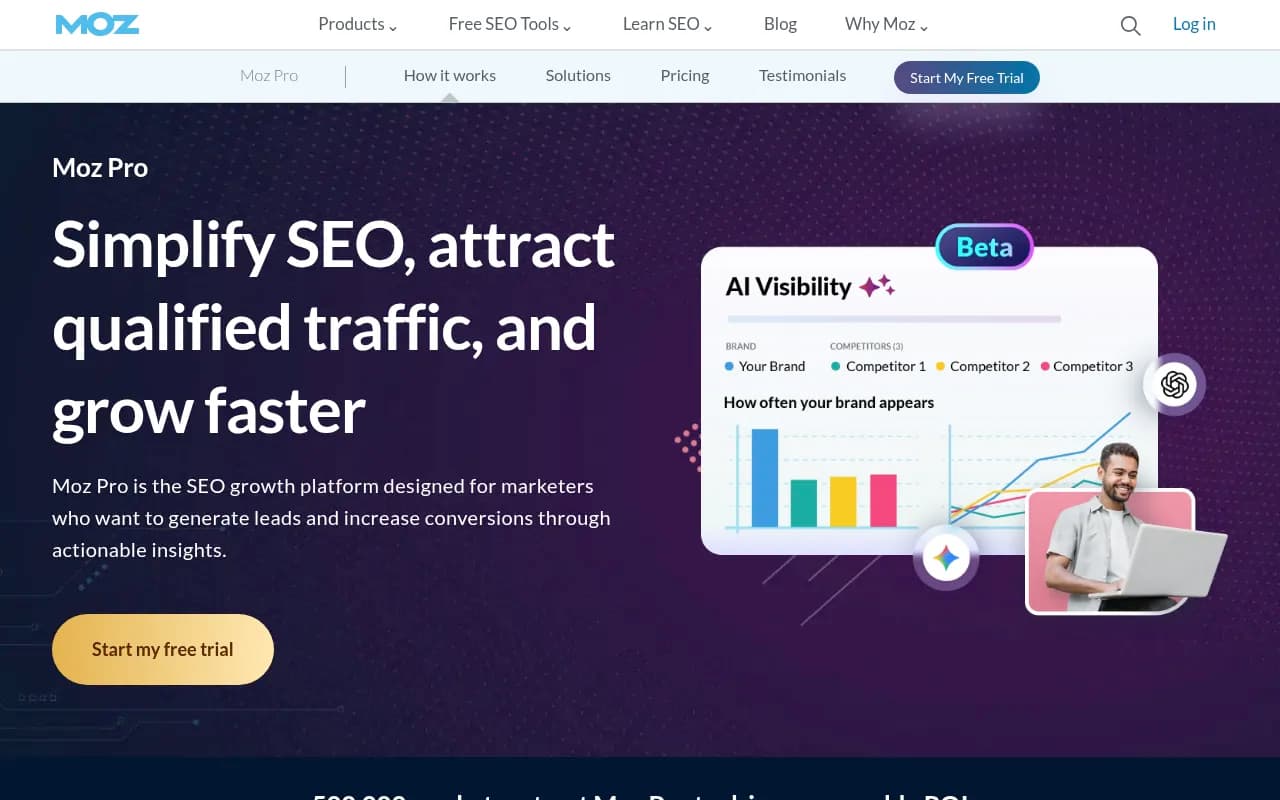
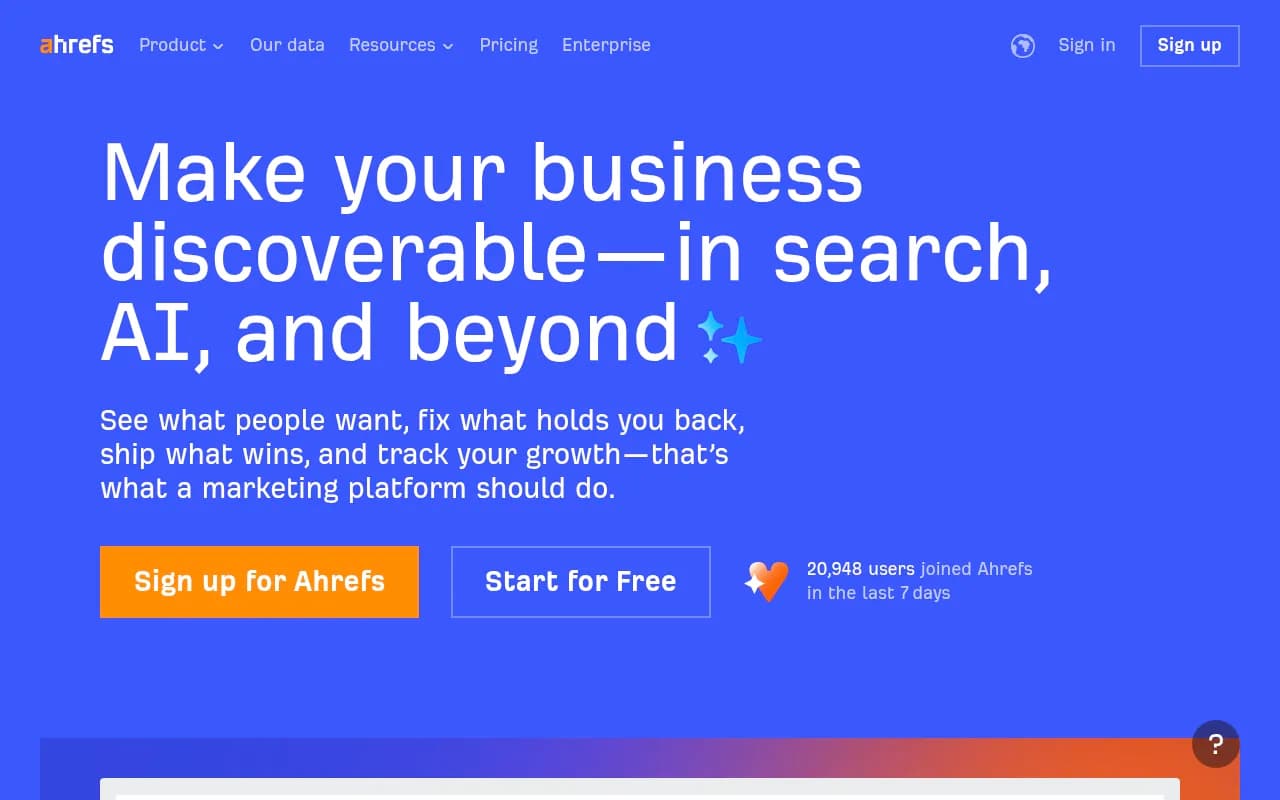
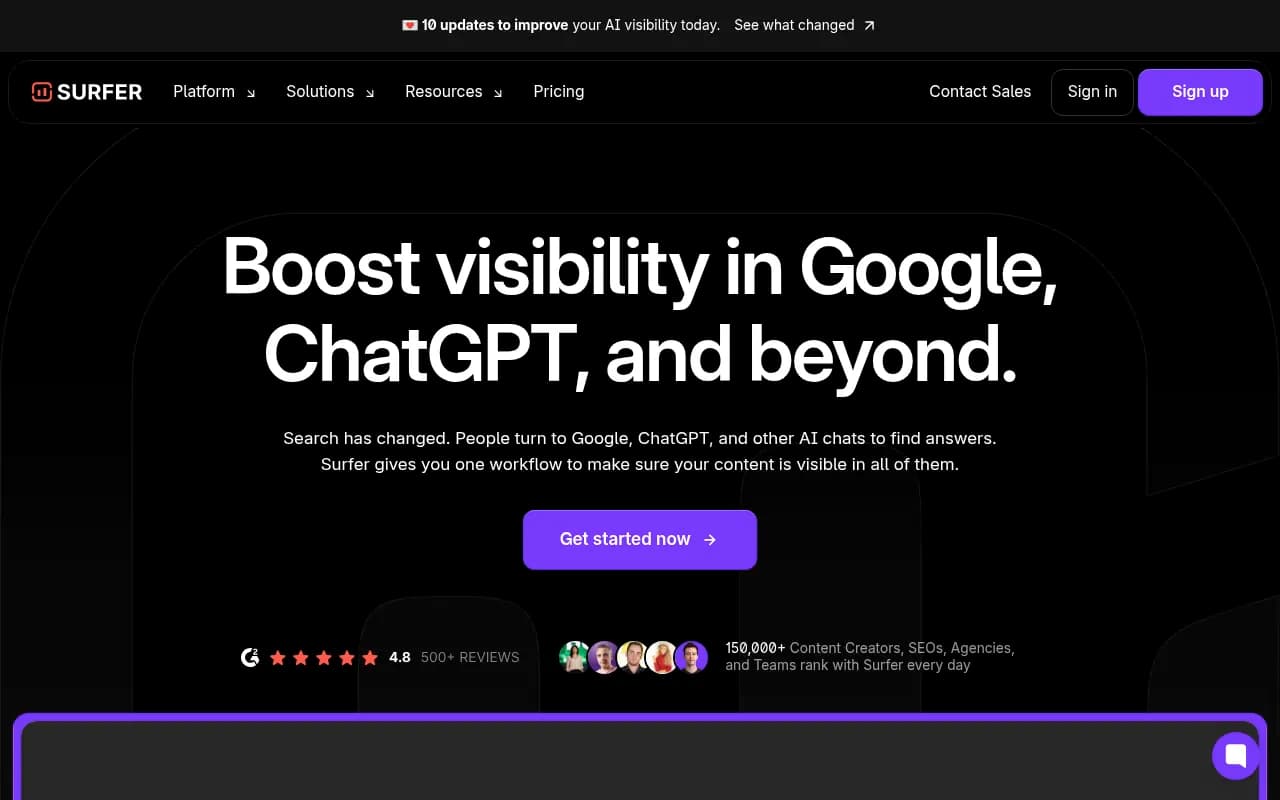
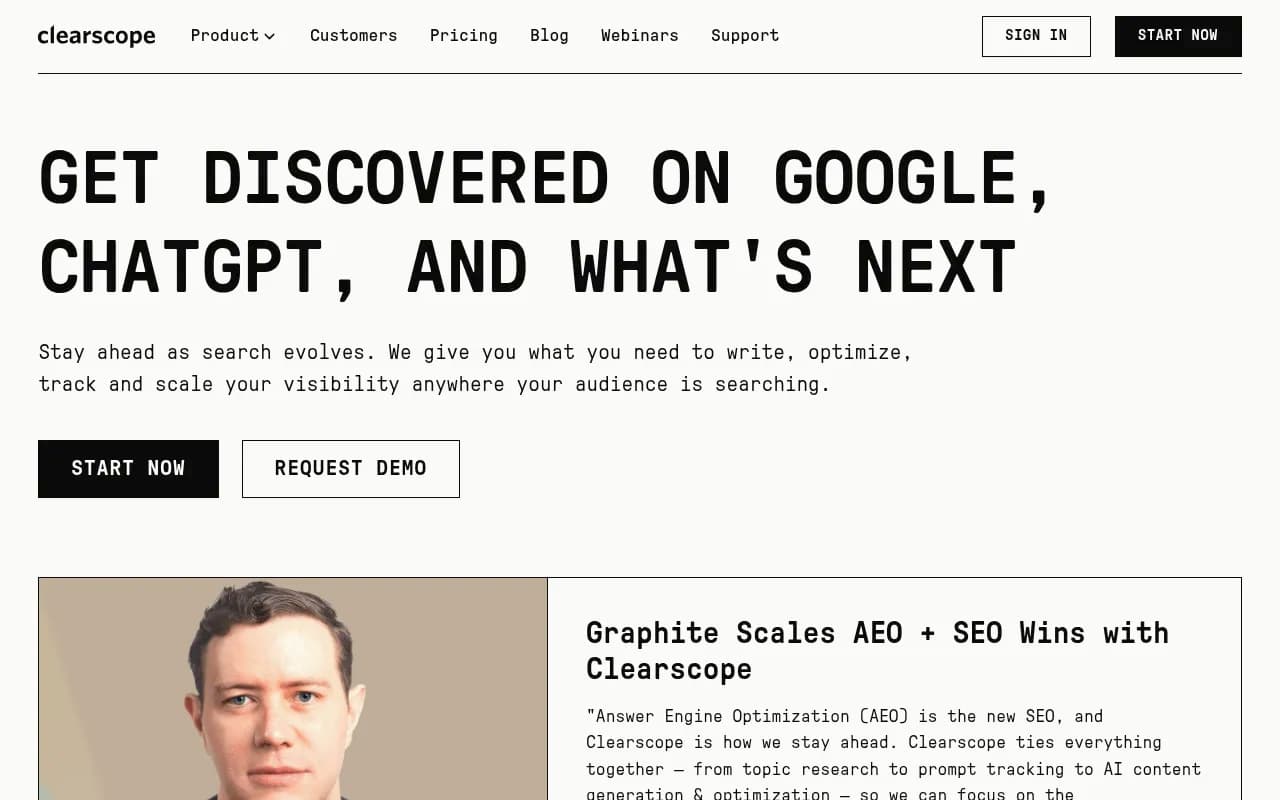
These tools are genuinely excellent at what they were built for. If you want to know your domain authority, find keyword gaps against a competitor, or audit your site's crawlability, they're the right choice. Surfer SEO and Clearscope extended this into content optimization, helping writers hit the right semantic signals for Google's algorithm.
The problem is that none of these tools were designed with AI answer engines in mind. When you ask Semrush "why isn't Perplexity citing me for this topic?" it has no answer. When you want to know which Reddit threads are influencing what ChatGPT recommends, Ahrefs can't help. The data models are fundamentally different.
Traditional SEO tools measure:
- Keyword rankings on Google/Bing SERPs
- Backlink profiles and domain authority
- On-page optimization signals
- Technical crawl health
- Organic traffic estimates
None of these directly predict or explain AI citation behavior.
What changed in 2025
Three things converged to make this gap matter:
First, Google's AI Overviews and AI Mode became the default experience for a large share of queries. When an AI summary appears, users click through to websites at roughly half the rate they used to. That's not a small shift.
Second, ChatGPT, Perplexity, and Claude became legitimate research tools for millions of people. A brand that doesn't appear in AI-generated answers is missing a channel that didn't exist three years ago.
Third, the "zero-click" problem got real. Bain & Company estimated that classic organic clicks fell 15-25% as AI summaries absorbed more of the answer surface. Ranking #3 on Google for a query where the AI overview gives a complete answer means far less than it used to.
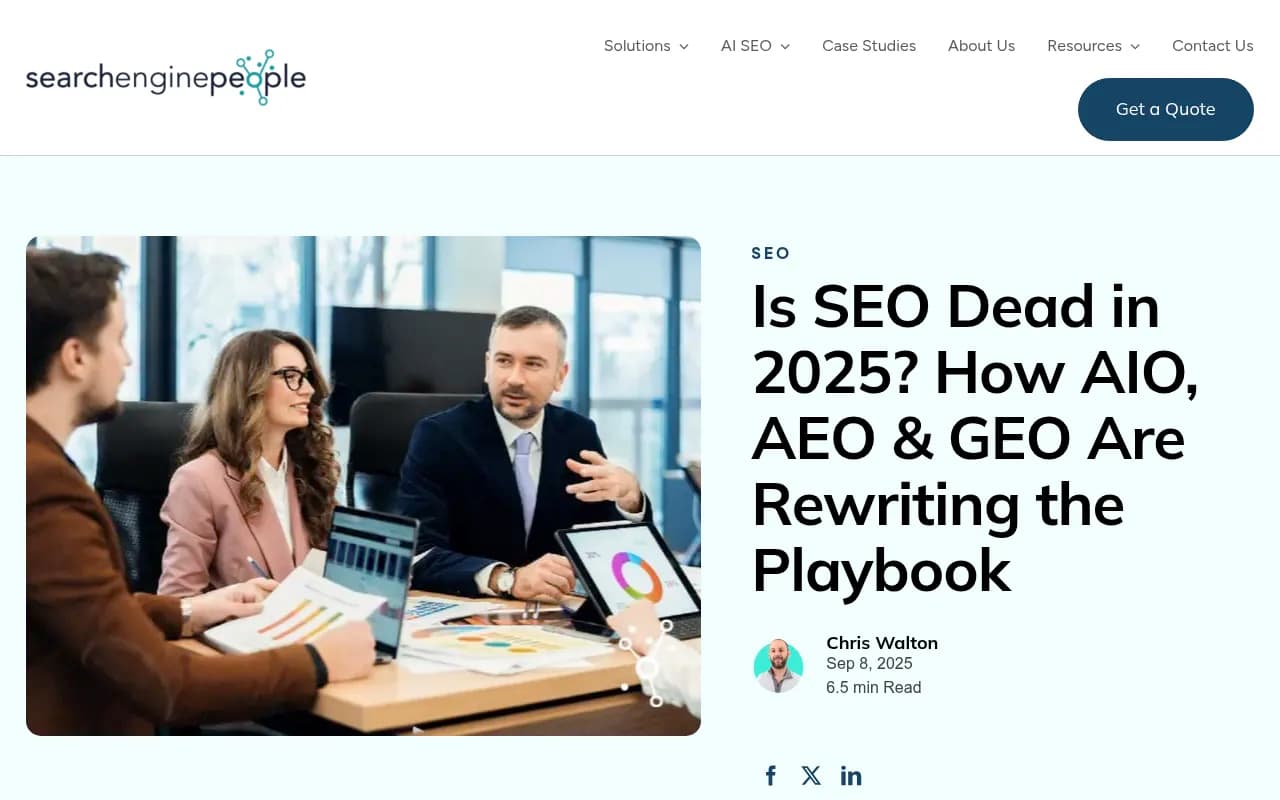
The response from the industry was a new category: Generative Engine Optimization (GEO). The core idea is that getting cited inside AI-generated answers requires a different strategy than ranking in traditional SERPs — and different tools to measure it.
What GEO platforms actually do
GEO platforms monitor how AI models respond to prompts relevant to your brand and industry. They track whether you're cited, how often, in what context, and how you compare to competitors. The better ones go further and help you understand why you're not being cited and what to do about it.
The monitoring piece is table stakes. What separates useful GEO platforms from dashboards is whether they close the loop: find the gap, help you create content that fills it, then track whether that content gets cited.
Promptwatch is the clearest example of this full loop. It runs prompts across 10 AI models (ChatGPT, Perplexity, Claude, Gemini, Grok, DeepSeek, and others), shows you which prompts your competitors appear in that you don't, generates content designed to get cited based on 880M+ citations analyzed, and then tracks whether that content actually moves your visibility scores.

That's meaningfully different from a tool that just shows you a citation count. The content generation piece matters because most brands don't lack the desire to create AI-optimized content — they lack the signal for what to write.
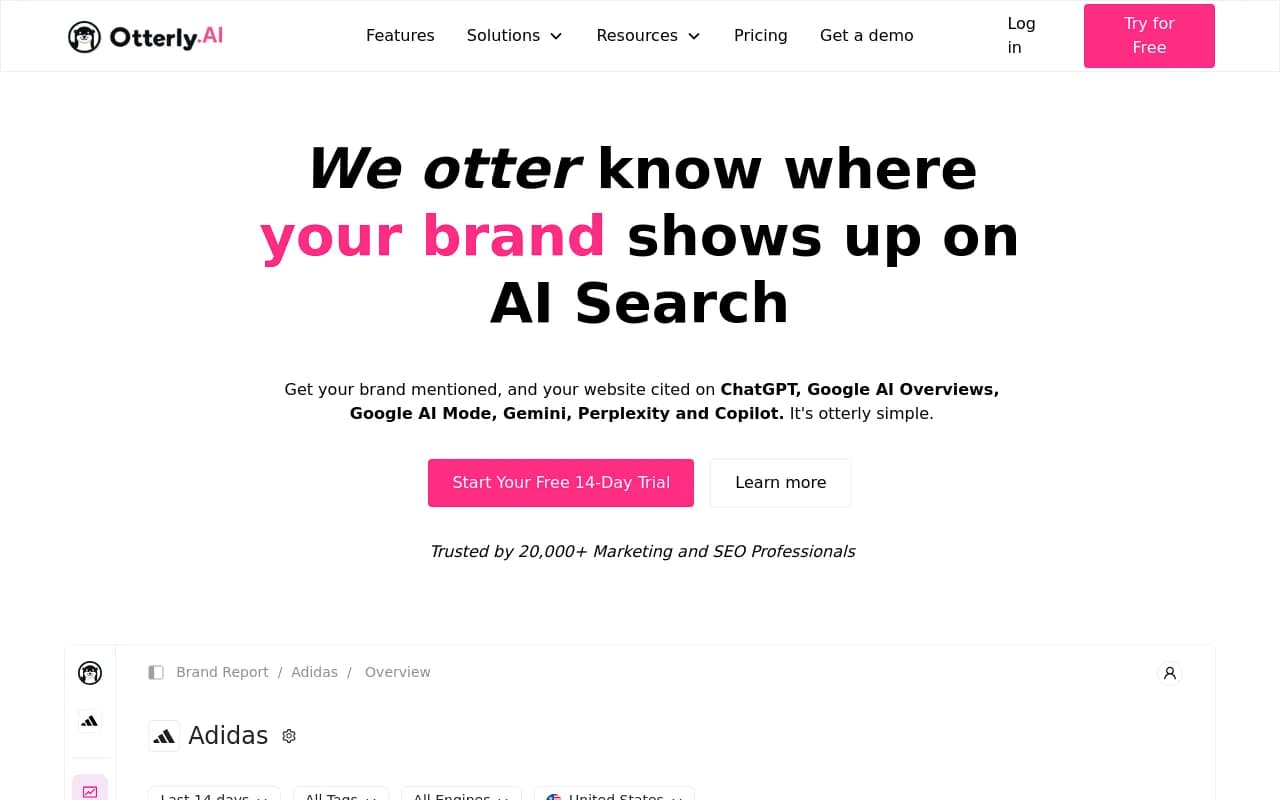
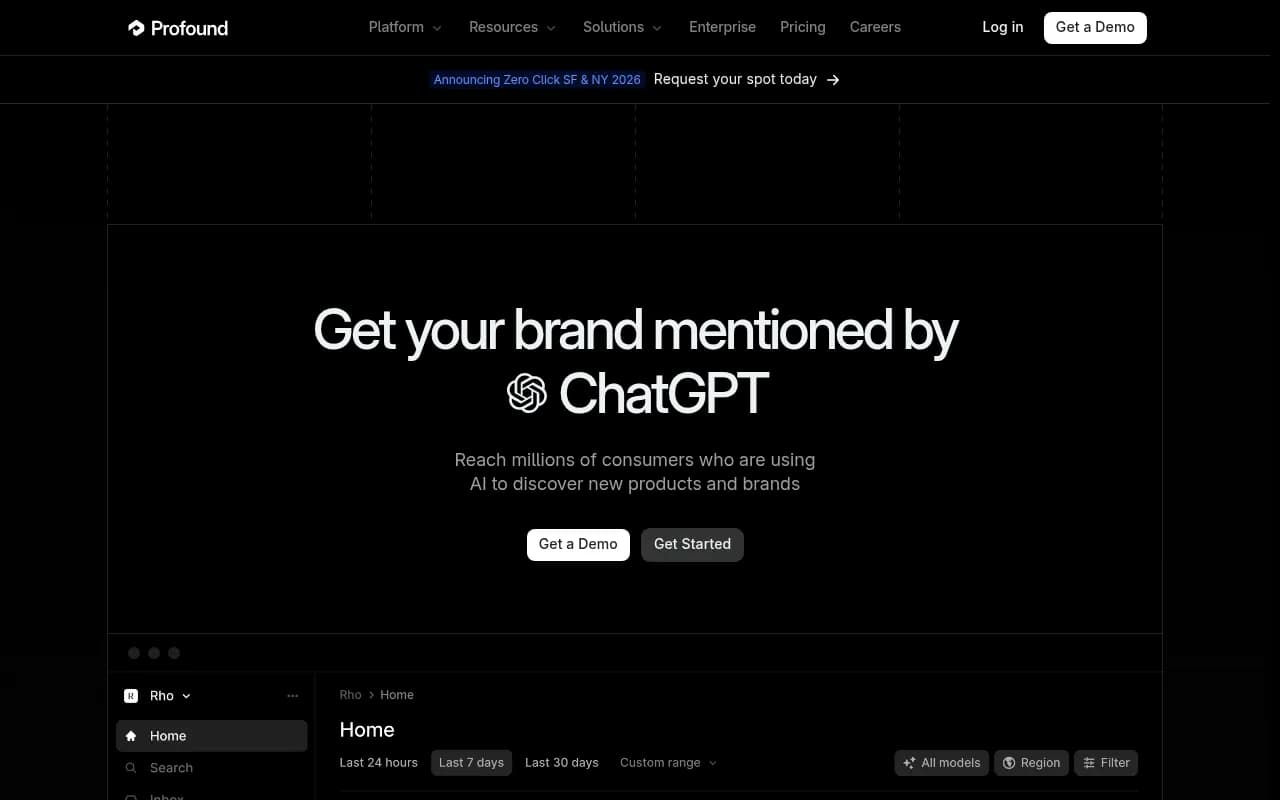
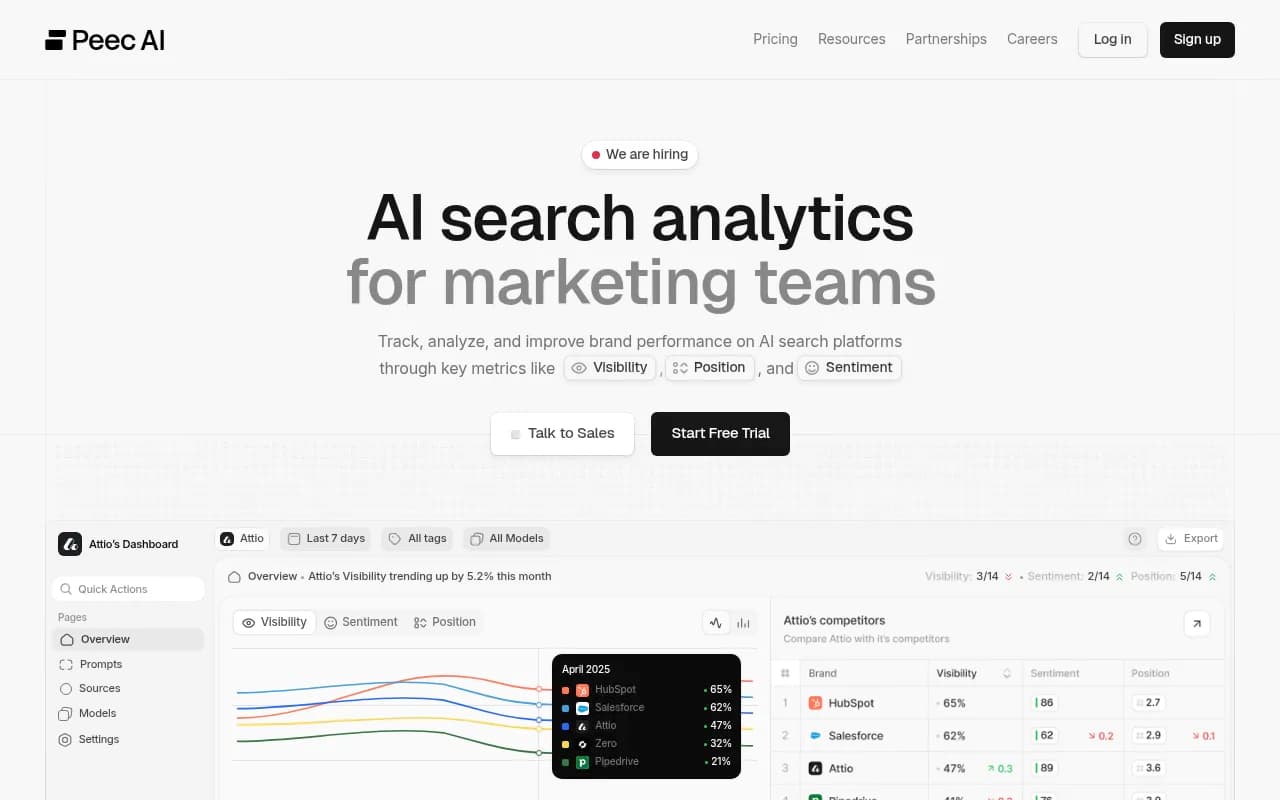
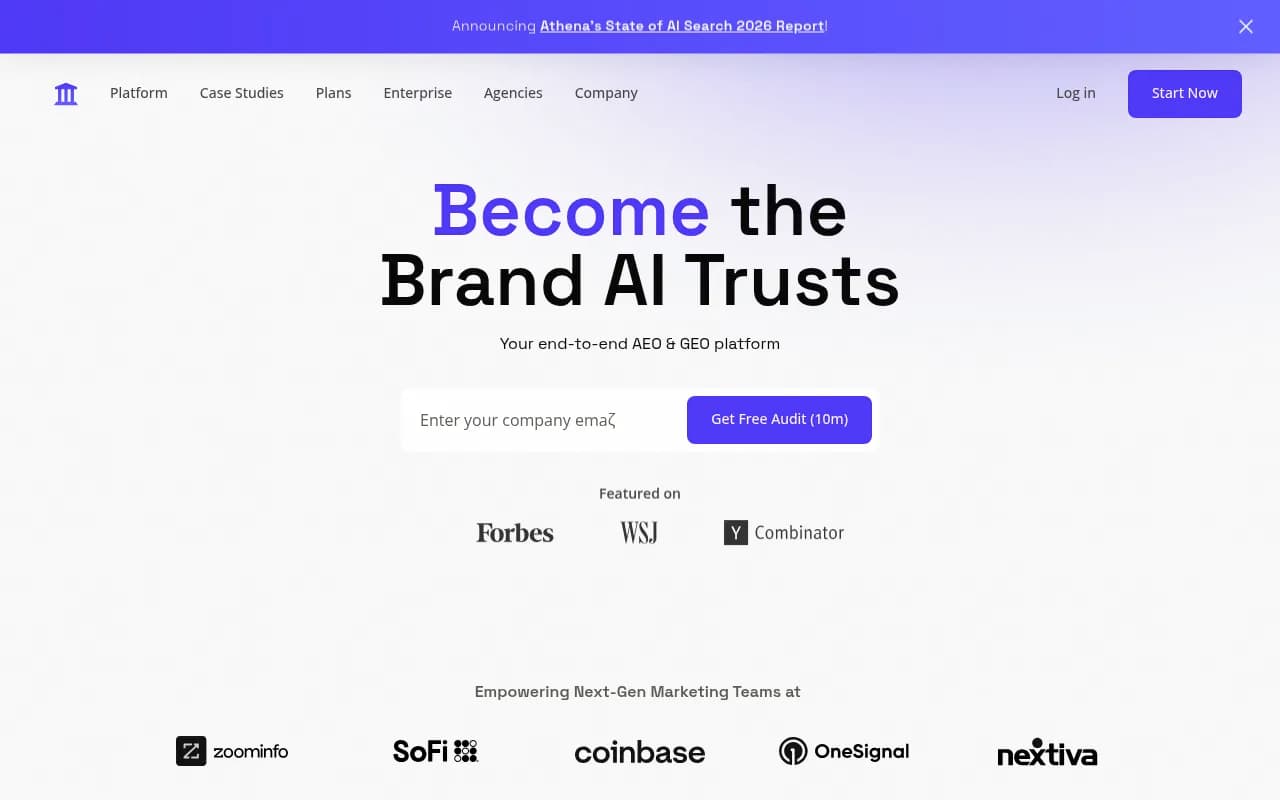
Other GEO platforms worth knowing:
Head-to-head: what each tool type actually measures
| Capability | Traditional SEO tools | GEO platforms |
|---|---|---|
| Google keyword rankings | Yes | Rarely |
| Backlink analysis | Yes | No |
| Technical site audits | Yes | Some (crawler logs) |
| AI citation tracking (ChatGPT, Perplexity, etc.) | No | Yes |
| Prompt volume and difficulty scoring | No | Yes (advanced platforms) |
| Content gap vs AI competitors | No | Yes |
| AI-optimized content generation | Basic | Yes (advanced platforms) |
| Reddit/YouTube influence on AI answers | No | Yes (advanced platforms) |
| AI crawler log analysis | No | Yes (advanced platforms) |
| Traffic attribution from AI search | No | Yes (advanced platforms) |
| ChatGPT Shopping tracking | No | Yes (advanced platforms) |
The table makes the split obvious. These tools aren't competing with each other — they're measuring different things. The mistake is assuming your Semrush subscription tells you anything about your ChatGPT visibility. It doesn't.
The tools that actually moved AI rankings in 2025
Let's be specific about what worked.
Content gap analysis
The brands that improved their AI citation rates in 2025 consistently did one thing: they identified the specific questions and prompts where competitors were being cited and they weren't, then created content that answered those questions better.
This requires a tool that can run prompts at scale, analyze the responses, and surface the gaps. Generic SEO keyword gap tools don't do this because they're looking at Google's index, not at what AI models are synthesizing.
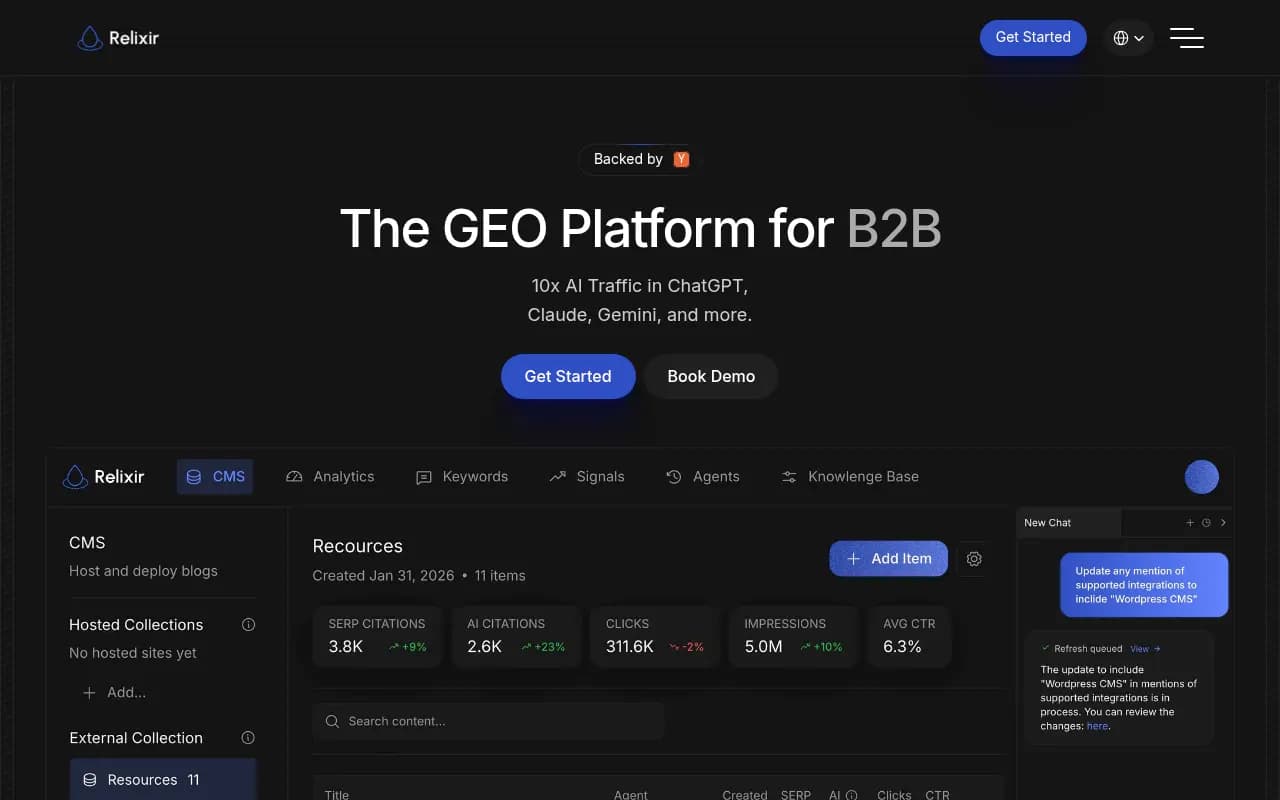
Platforms like Promptwatch's Answer Gap Analysis, Profound, and Relixir were built specifically for this. They show you the prompt, the competitor that's being cited, and the content that's missing from your site.
Prompt intelligence
Not all prompts are equal. Some get asked thousands of times a day; others are niche. Some are dominated by one or two sources; others are genuinely open. Knowing which prompts are worth targeting — based on volume estimates and how competitive they are — is the difference between strategic GEO and random content creation.
This is where tools like Promptwatch's prompt difficulty scoring and Peasy's real-time tracking added real value.
AI crawler logs
One thing that surprised a lot of teams in 2025: AI models crawl your website, and you can see what they're reading. If ChatGPT's crawler is hitting your homepage but never touching your product pages, that tells you something important about what it knows about you.
Traditional SEO tools have Google Search Console integration for this. GEO platforms with crawler log analysis fill the equivalent gap for AI crawlers. This feature is relatively rare — most monitoring-only tools don't have it.
Citation source analysis
AI models don't just cite websites. They cite Reddit threads, YouTube videos, Wikipedia articles, and specific pages from authoritative domains. Understanding which sources are being pulled into answers for your target prompts tells you where to publish and what to optimize.
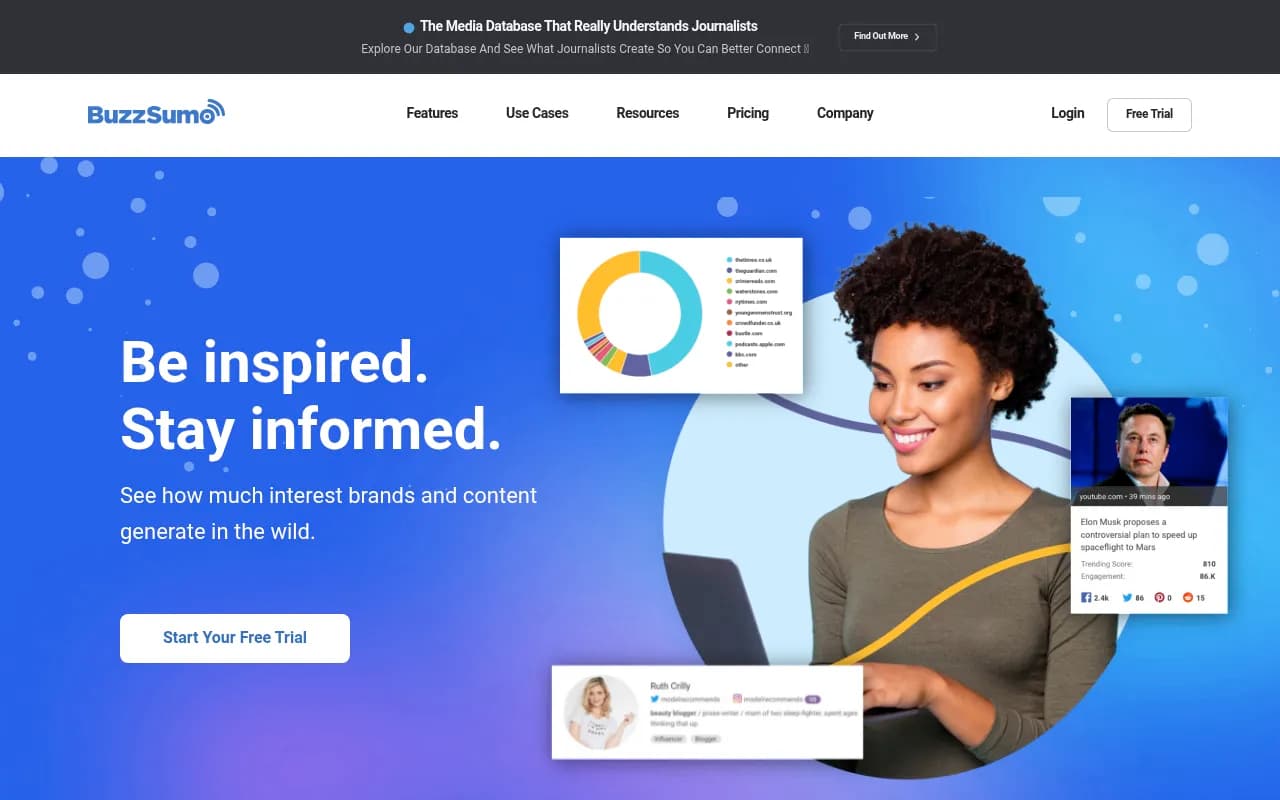
Tools like BuzzSumo can help identify where conversations are happening. Platforms with built-in citation analysis (like Promptwatch's source tracking) connect that directly to AI response data.
Where traditional SEO tools still matter
This isn't an argument for abandoning SEO tools. A few things remain true:
Backlinks still influence AI citations. AI models were trained on web data, and pages with strong backlink profiles tend to appear in training data more prominently. Building domain authority through traditional SEO still has downstream effects on AI visibility.
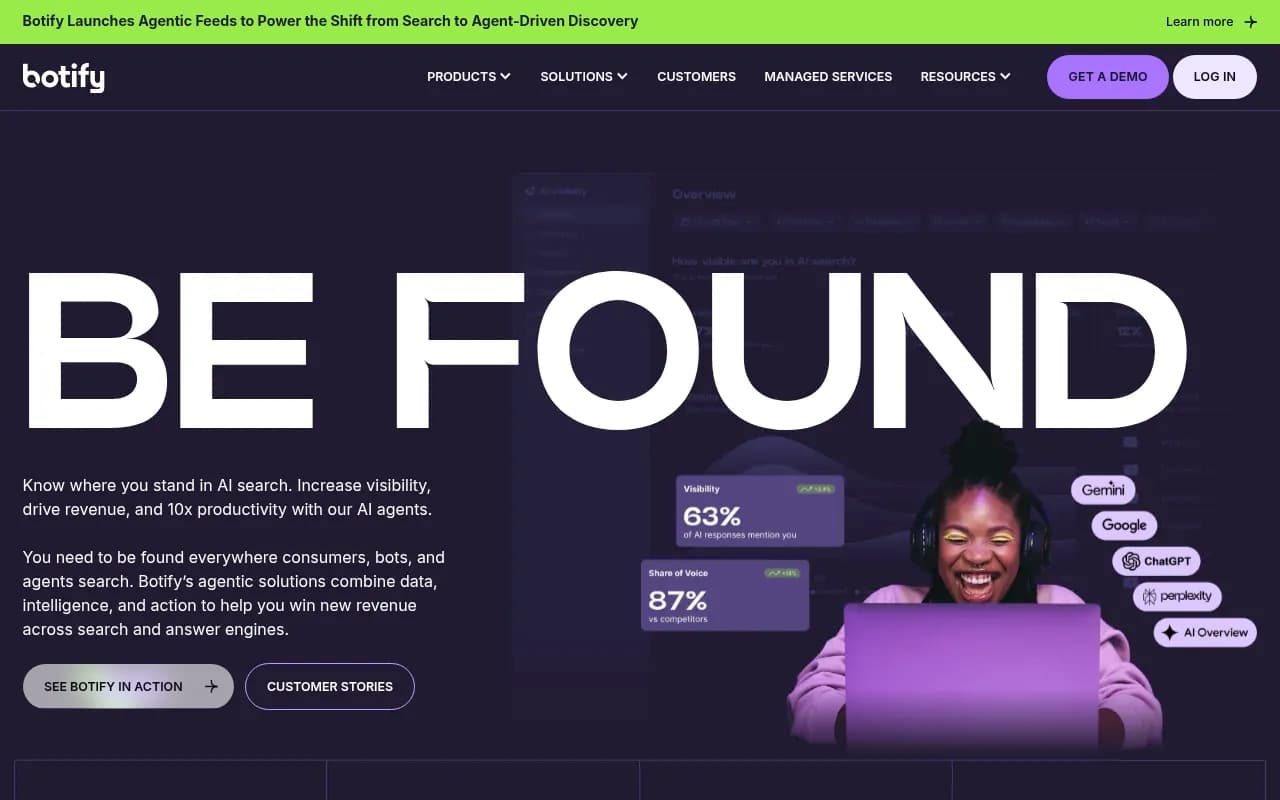
Technical SEO affects AI crawlability. If your pages are slow, poorly structured, or blocked from crawlers, AI models can't read them. Tools like Botify and Google Search Console remain essential for making sure your content is accessible.
Schema markup helps AI understand your content. Structured data that helps Google parse your content also helps AI models categorize and cite it accurately. This is traditional SEO work with GEO benefits.
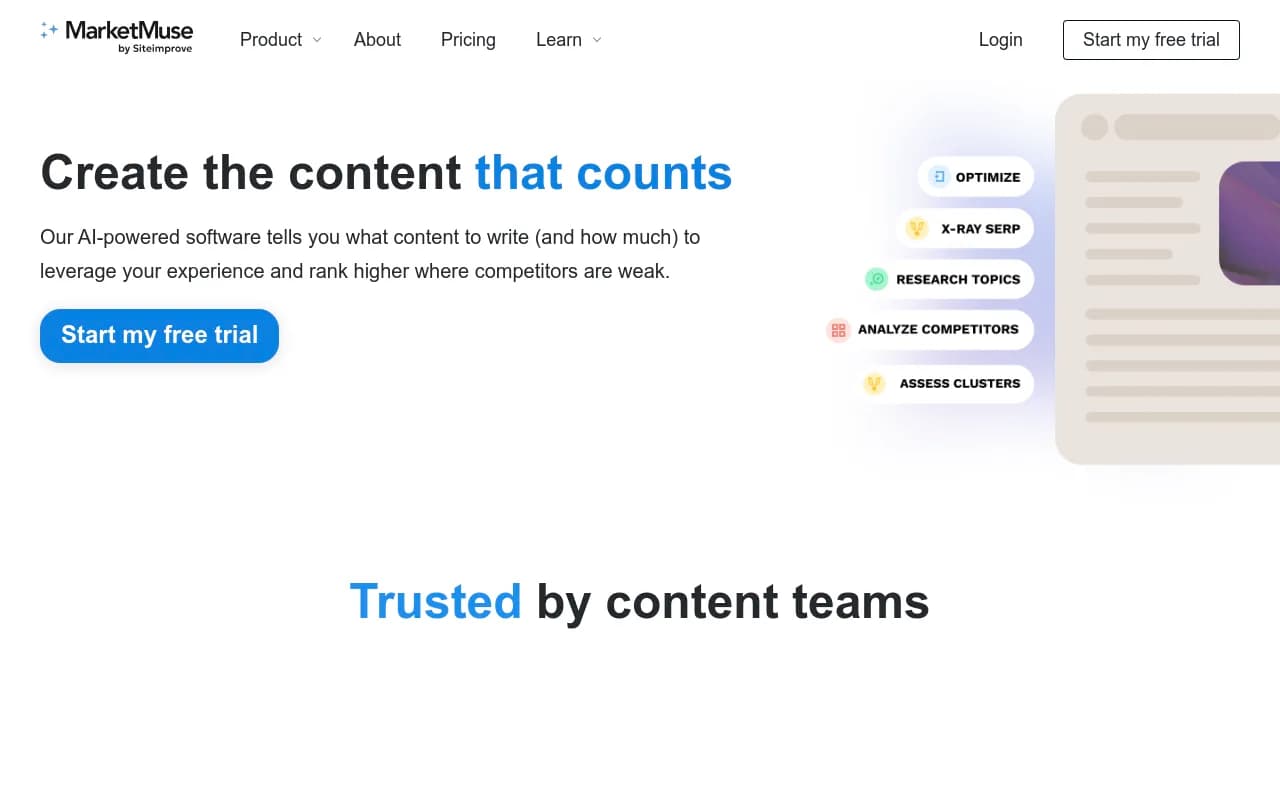
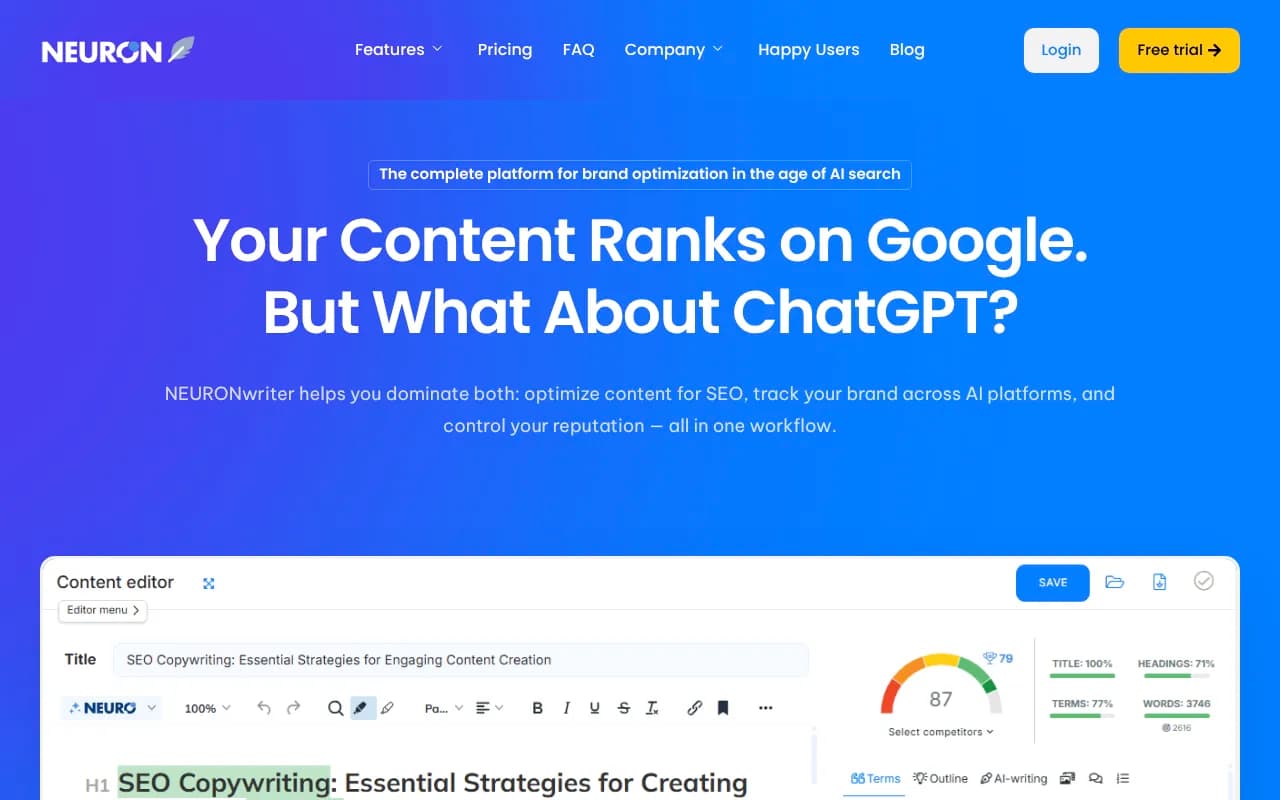
Content quality is the foundation. AI models cite sources that are clear, accurate, and authoritative. The content optimization work done with tools like Clearscope, MarketMuse, and NeuronWriter — writing comprehensive, well-structured content — directly supports AI citation potential.
The practical stack for 2025
If you're building or auditing your tool stack with both Google and AI search in mind, here's how to think about it:
For traditional search visibility: Keep your SEO platform (Semrush, Ahrefs, or Moz Pro) for keyword research, backlink monitoring, and technical audits. Add Google Search Console for free crawl data.
For content optimization: Tools like Clearscope, Surfer SEO, or MarketMuse help you write content that's comprehensive enough to rank in Google and authoritative enough to get cited by AI models.
For AI search visibility: You need a dedicated GEO platform. The minimum viable version is a monitoring tool that tracks your citations across ChatGPT, Perplexity, and Claude. The more useful version includes content gap analysis and generation — so you're not just watching your visibility scores, you're improving them.
For tracking what's working: Attribution from AI search to actual traffic is still early but improving. Platforms with server log analysis or GSC integration can help connect AI citations to real visits.
| Budget level | Recommended stack |
|---|---|
| Starter | Google Search Console + Otterly.AI or Peasy for AI monitoring |
| Mid-market | Semrush/Ahrefs + Promptwatch Professional (crawler logs, content gaps) |
| Growth | Semrush/Ahrefs + Promptwatch Business + MarketMuse for content strategy |
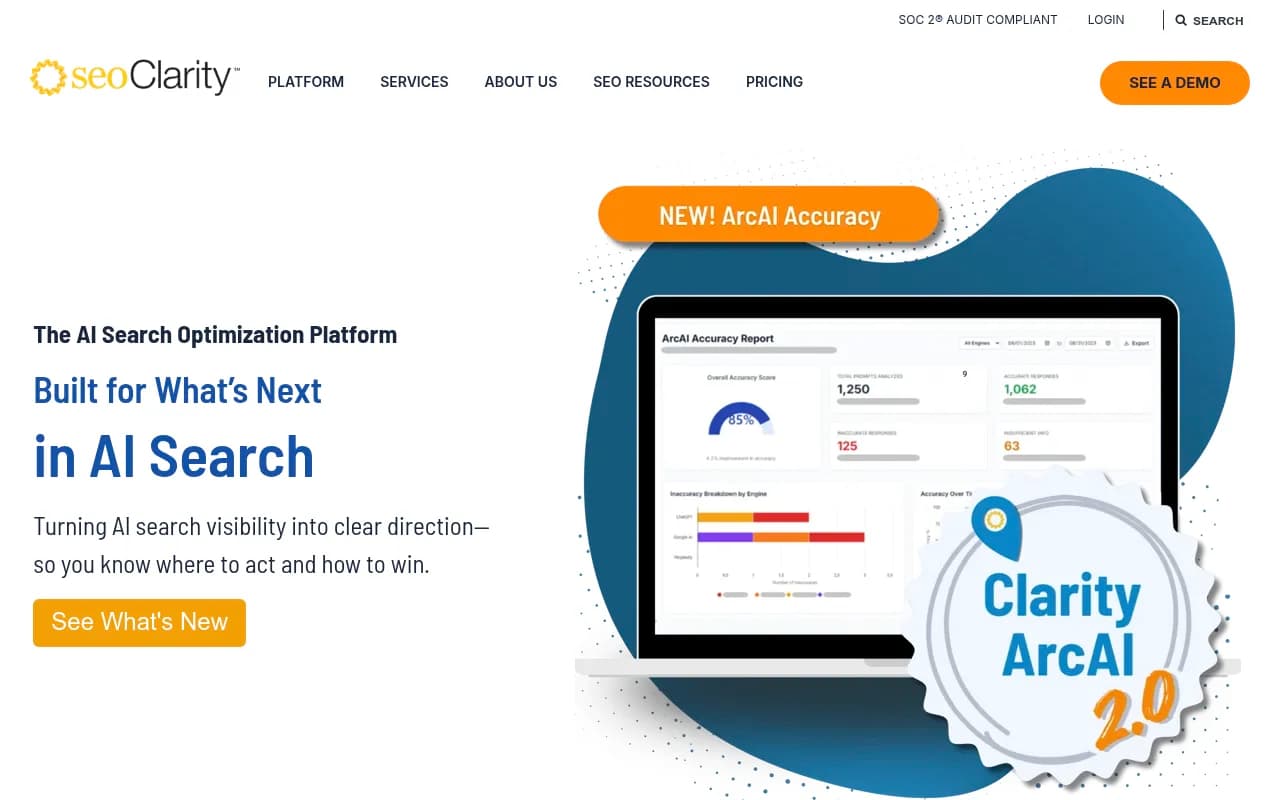
| Enterprise | BrightEdge or seoClarity + Promptwatch or Profound AI for full coverage |
The honest answer to the question
Did traditional SEO tools move your ChatGPT rankings in 2025? For most brands, no. They weren't designed to. The teams that saw real improvement in AI citation rates were the ones that added GEO-specific tooling — specifically, tools that could identify what content was missing and help create it.
The good news is that the two approaches aren't in conflict. Strong SEO fundamentals (authoritative content, solid backlinks, clean technical setup) create the foundation that GEO platforms build on. You don't have to choose between them.
What you do have to choose is whether to keep treating AI search as a future problem. The click data from 2025 suggests it's already a present one.