Key takeaways
- Ranking in ChatGPT and other AI engines in 2025 required a different strategy than traditional SEO -- but many affordable tools already covered the fundamentals.
- Free tools like Google Search Console combined with cheap paid options (Ubersuggest, Mangools, Yoast SEO) can handle keyword research, on-page optimization, and technical audits for under $50/month.
- AI search visibility -- whether ChatGPT cites you, recommends you, or ignores you -- depends heavily on content quality, topical authority, and structured data, all of which budget tools can help with.
- Dedicated AI visibility trackers are now available at entry-level price points, so you don't have to fly blind on whether your content is actually getting cited.
- The best cheap stack isn't one tool -- it's a combination of free Google tools, one affordable SEO platform, and a content optimization layer.
Something shifted in 2025. Marketers started asking a question that would have sounded strange two years earlier: "Do I show up in ChatGPT?"
Not "do I rank on page one." Not "what's my domain authority." But specifically: when someone asks ChatGPT or Perplexity a question in my niche, does my brand, my article, my product get mentioned?
That question changed how people thought about SEO tools. Suddenly the $299/month enterprise platforms felt even harder to justify -- especially when small teams were still figuring out whether AI search visibility was even worth chasing. And the good news, which this guide is really about, is that a lot of the cheap tools people were already using turned out to matter quite a bit for AI rankings too.
Here's what actually worked in 2025, and what it cost.
Why cheap tools can still win in AI search
AI models like ChatGPT don't rank pages the way Google does. They pull from their training data and, increasingly, from live web crawls. What they're looking for is content that clearly answers questions, comes from a site with some topical authority, and is well-structured enough to be understood and cited.
That means a lot of the fundamentals -- good keyword research, clean on-page SEO, readable content, solid internal linking -- still apply. You don't need an enterprise platform to get those right. You need to be consistent and intentional.
The tools that helped people rank in ChatGPT in 2025 fell into a few categories: keyword and content research, on-page optimization, technical SEO, and (for those who wanted to actually track AI visibility) dedicated monitoring tools. Let's go through each.
Keyword research on a budget
Ubersuggest
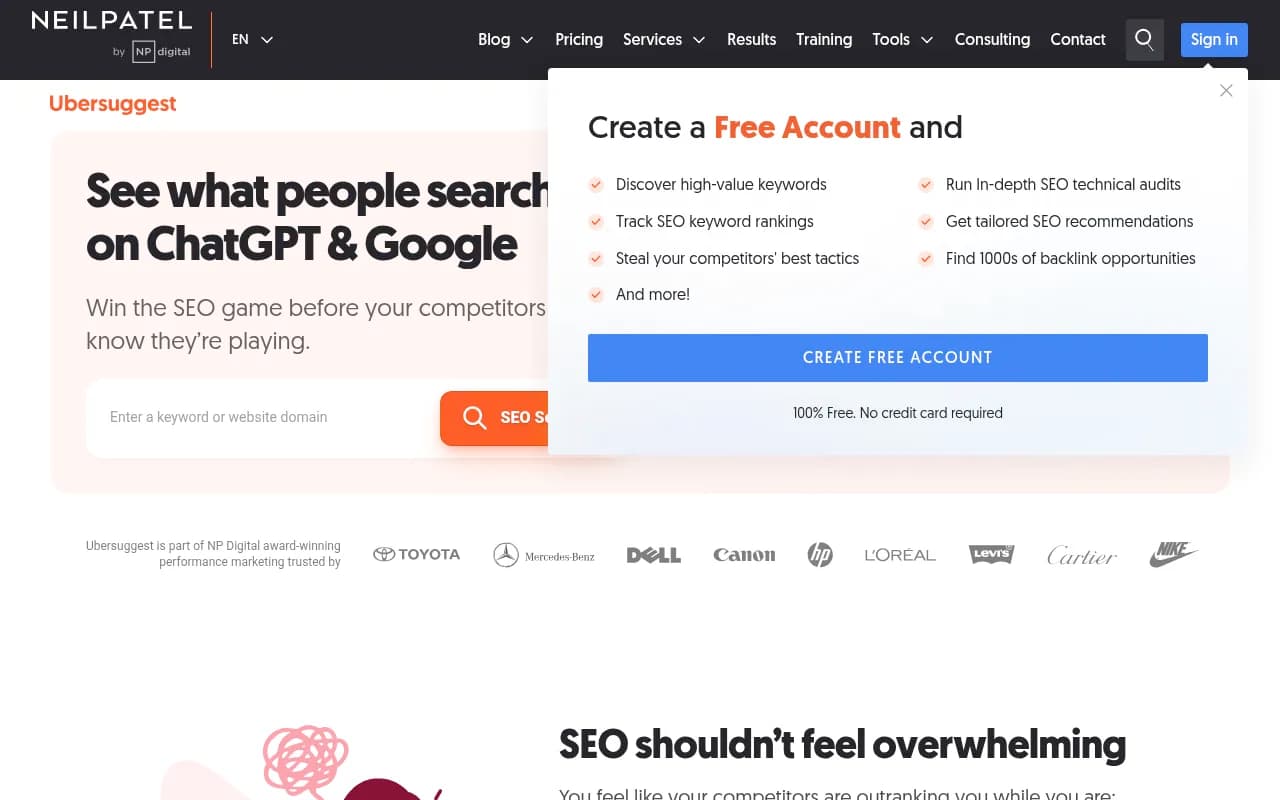
Neil Patel's Ubersuggest has been the go-to budget keyword tool for years, and it held up well in 2025. Paid plans start at $29/month, and there's a free tier that's genuinely useful for light research. The keyword database is large, the interface is simple, and it surfaces content ideas alongside search volume data.
For AI search purposes, Ubersuggest is useful for finding the question-based queries that AI models tend to answer. "What is the best X for Y" and "how do I Z" style prompts are exactly what ChatGPT gets asked, and Ubersuggest's keyword suggestions surface a lot of them.
Mangools
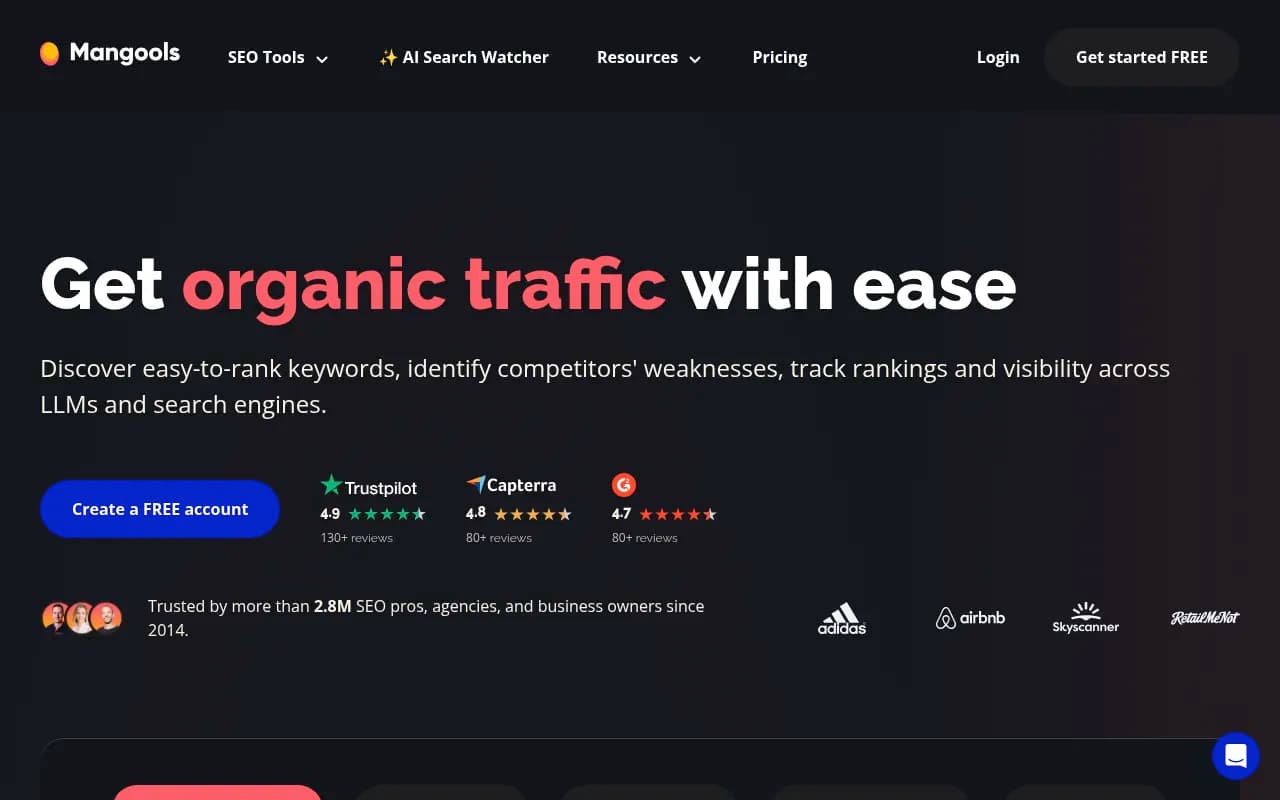
Mangools is one of the better-kept secrets in affordable SEO. For around $29-$49/month depending on the plan, you get KWFinder (keyword research), SERPChecker, SERPWatcher for rank tracking, and a few other tools bundled together. The UI is clean and the data is solid.
What made Mangools particularly useful in 2025 was KWFinder's ability to surface long-tail, conversational queries -- the exact type of prompts that AI engines field. If you're trying to build content that answers specific questions, Mangools helps you find which questions are worth answering.
Google Search Console (free)
This one is obvious but worth saying: Google Search Console is free, it's authoritative, and it tells you exactly which queries are driving impressions and clicks to your site. In 2025, GSC also started surfacing more data about AI Overview appearances, which made it even more valuable for understanding how your content performs in AI-adjacent contexts.
If you're not using GSC, start there before spending anything else.
On-page SEO tools that don't break the bank
Yoast SEO
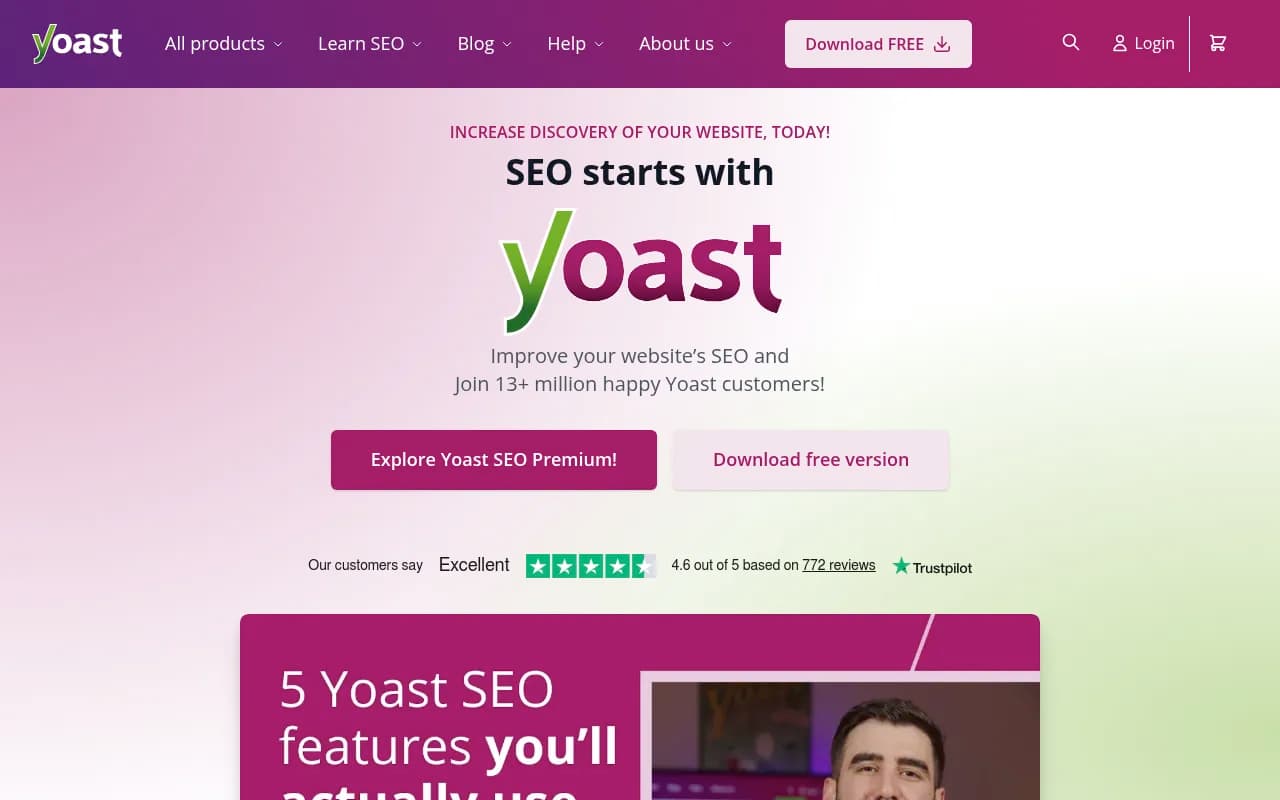
For WordPress users, Yoast SEO remains the default choice. The free version covers the basics -- meta titles, meta descriptions, readability scoring, schema markup. The premium version ($99/year) adds redirect management, internal linking suggestions, and multi-keyword optimization.
Yoast's schema markup features are particularly relevant for AI search. Structured data helps AI crawlers understand what your content is about, which increases the chance of being cited accurately. Setting up FAQ schema, Article schema, and How-To schema through Yoast is straightforward and free.
SEOBoost
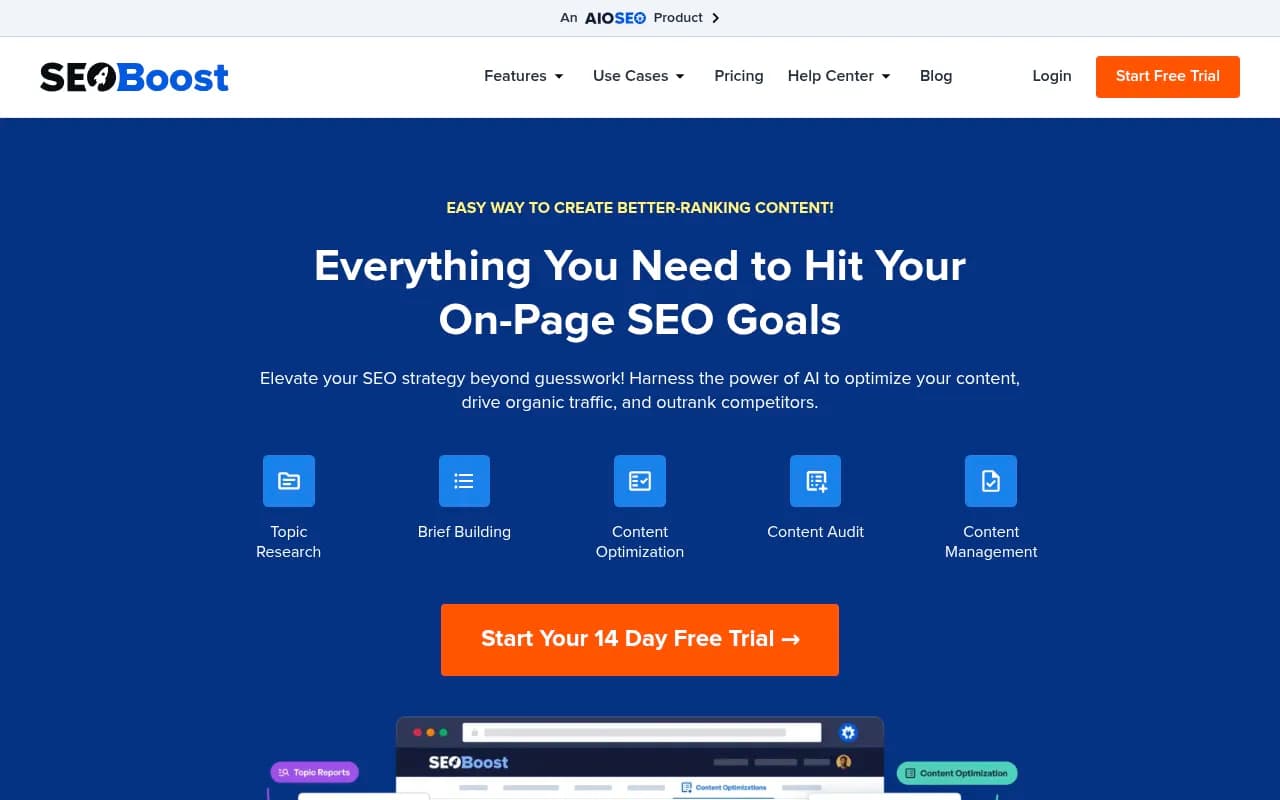
SEOBoost is a content optimization tool that gives real-time feedback as you write. It analyzes top-ranking pages for your target keyword and tells you which topics, questions, and terms to include. Plans start around $19.99/month, which makes it one of the more accessible content optimization tools available.
The reason this matters for ChatGPT rankings: AI models tend to cite content that comprehensively covers a topic. SEOBoost's topic coverage analysis pushes you toward that comprehensiveness without requiring you to manually audit competitor pages yourself.
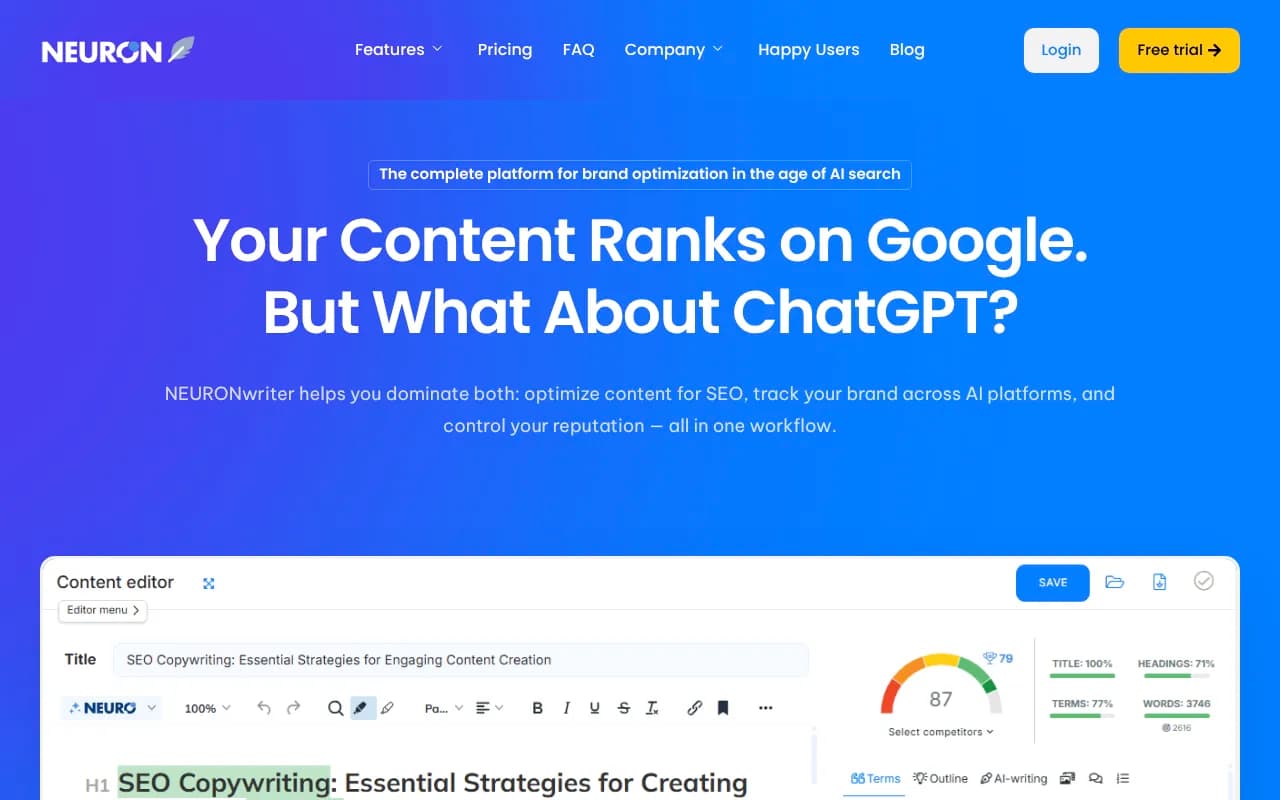
NeuronWriter
NeuronWriter sits in similar territory to SEOBoost but leans more heavily on NLP analysis. It shows you semantically related terms and questions that should appear in your content based on what's already ranking. Pricing starts at around $19/month for the basic plan.
In 2025, NeuronWriter added features specifically aimed at AI search optimization, including structured content recommendations designed to improve citation rates in LLMs.
Technical SEO on a budget
Technical SEO is where a lot of small sites leak AI visibility without realizing it. If AI crawlers can't access your pages, or if your site has crawl errors and broken links, you simply won't get cited -- no matter how good your content is.
Screaming Frog (free tier)
Screaming Frog's SEO Spider is free for up to 500 URLs, which covers most small sites. It crawls your site and surfaces broken links, redirect chains, missing meta tags, duplicate content, and other technical issues. The paid version is £259/year (~$330) and removes the URL limit.
For AI search specifically, Screaming Frog helps you identify pages that might be blocking AI crawlers -- whether through noindex tags, disallow rules in robots.txt, or other technical barriers.
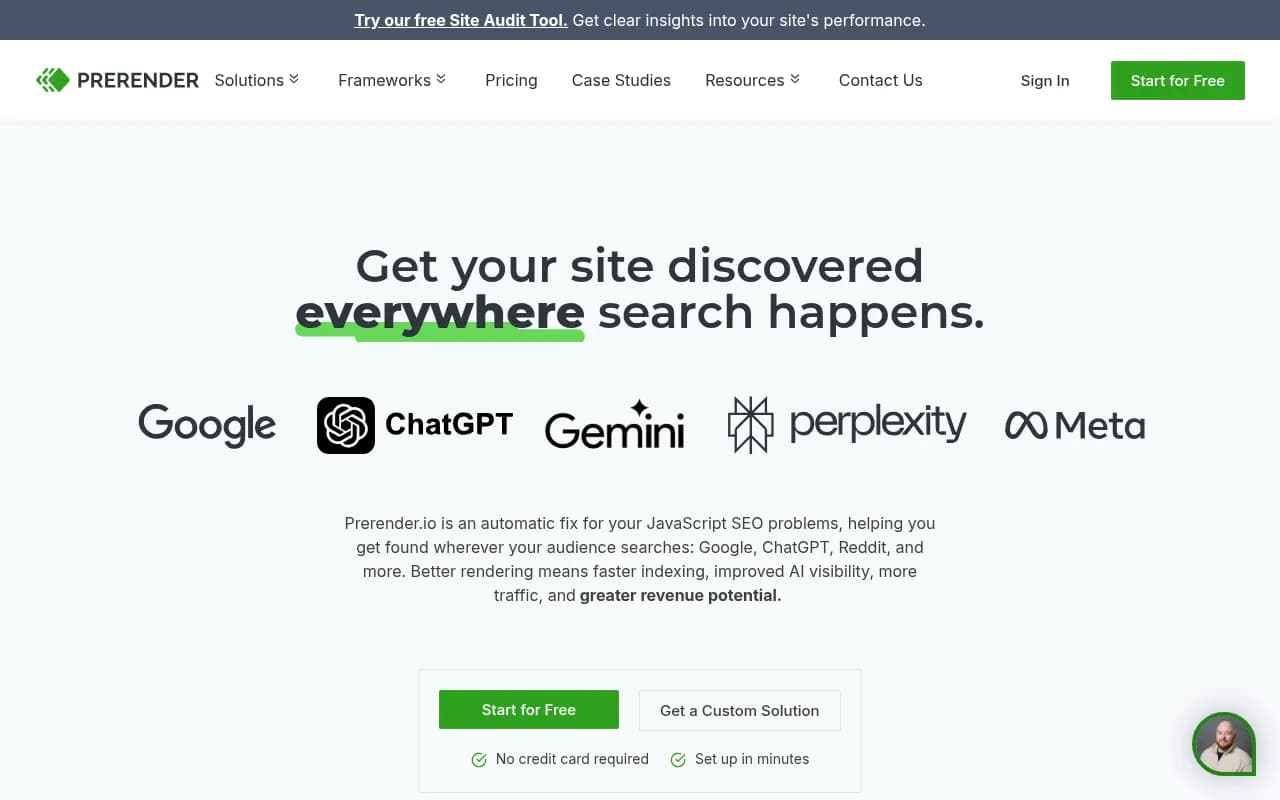
Prerender.io
If your site runs on JavaScript frameworks (React, Vue, Next.js), AI crawlers may struggle to render your pages properly. Prerender.io solves this by serving pre-rendered HTML to bots. It's not free, but entry-level plans are affordable relative to the problem it solves.
Content creation tools that helped
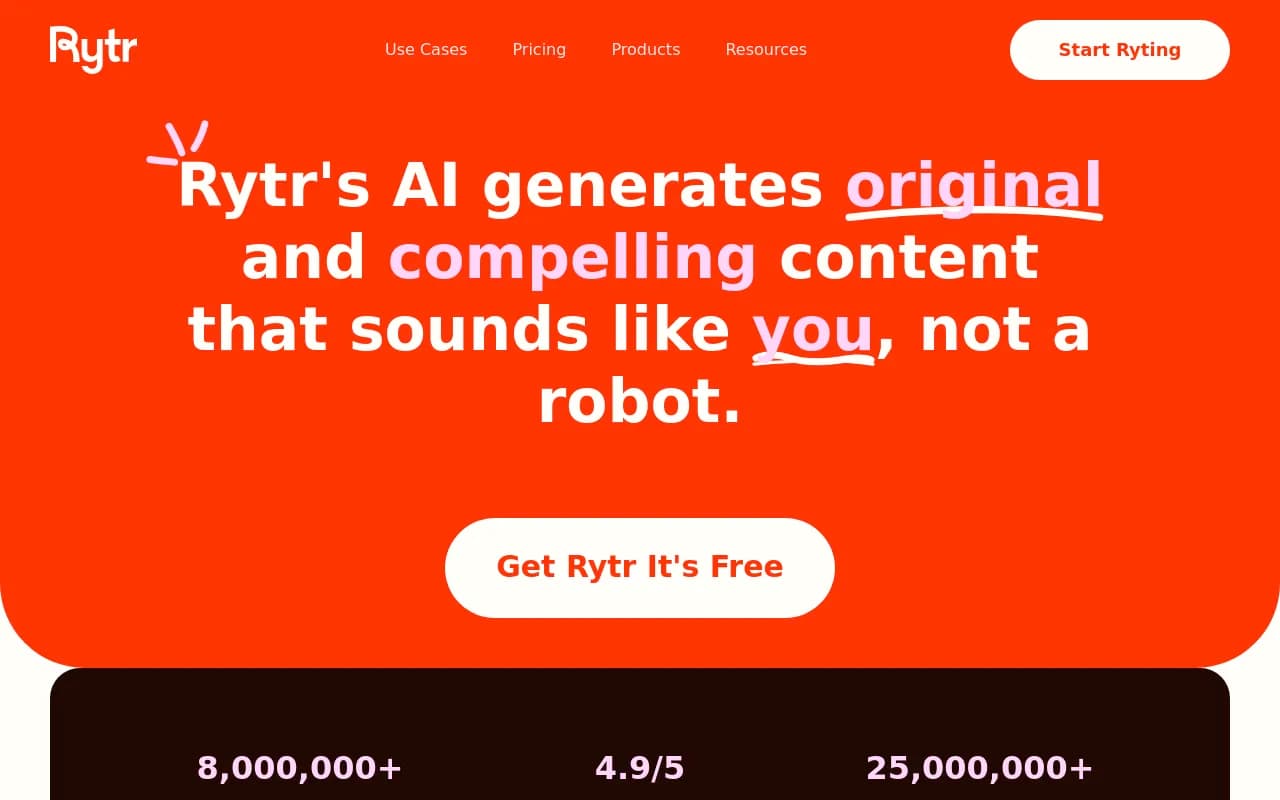
Rytr
Rytr is one of the cheapest AI writing assistants available -- plans start at $9/month. It won't replace a skilled writer, but for generating first drafts, FAQ sections, and content outlines, it's fast and functional. In 2025, a lot of small teams used Rytr to scale content production without scaling headcount.
More content, properly optimized, means more chances to get cited. That's the math.
GrowthBar
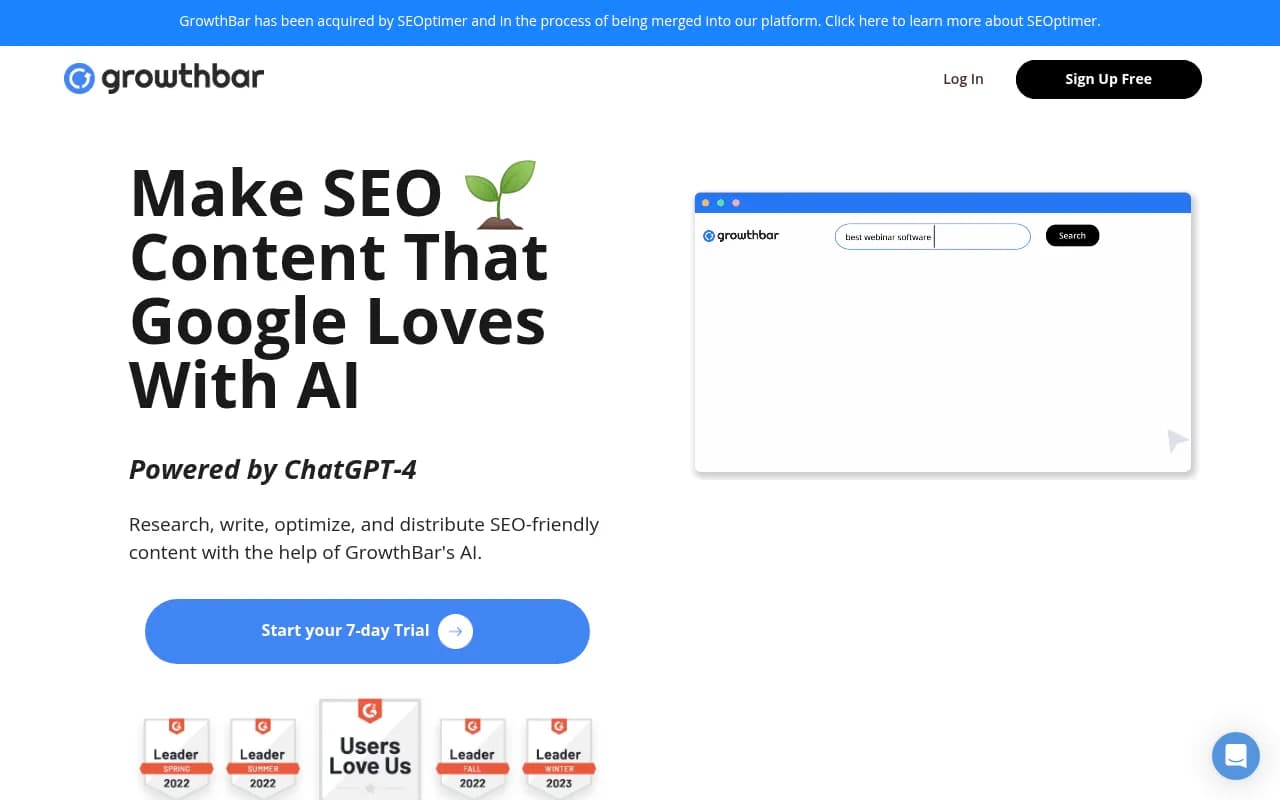
GrowthBar combines keyword research with AI content generation. You can research a topic and generate an SEO-optimized draft in the same workflow. Plans start around $29/month. It's not the most sophisticated tool, but for small teams that need to move fast, it reduces the friction between "I found a keyword" and "I have a publishable article."
Frase
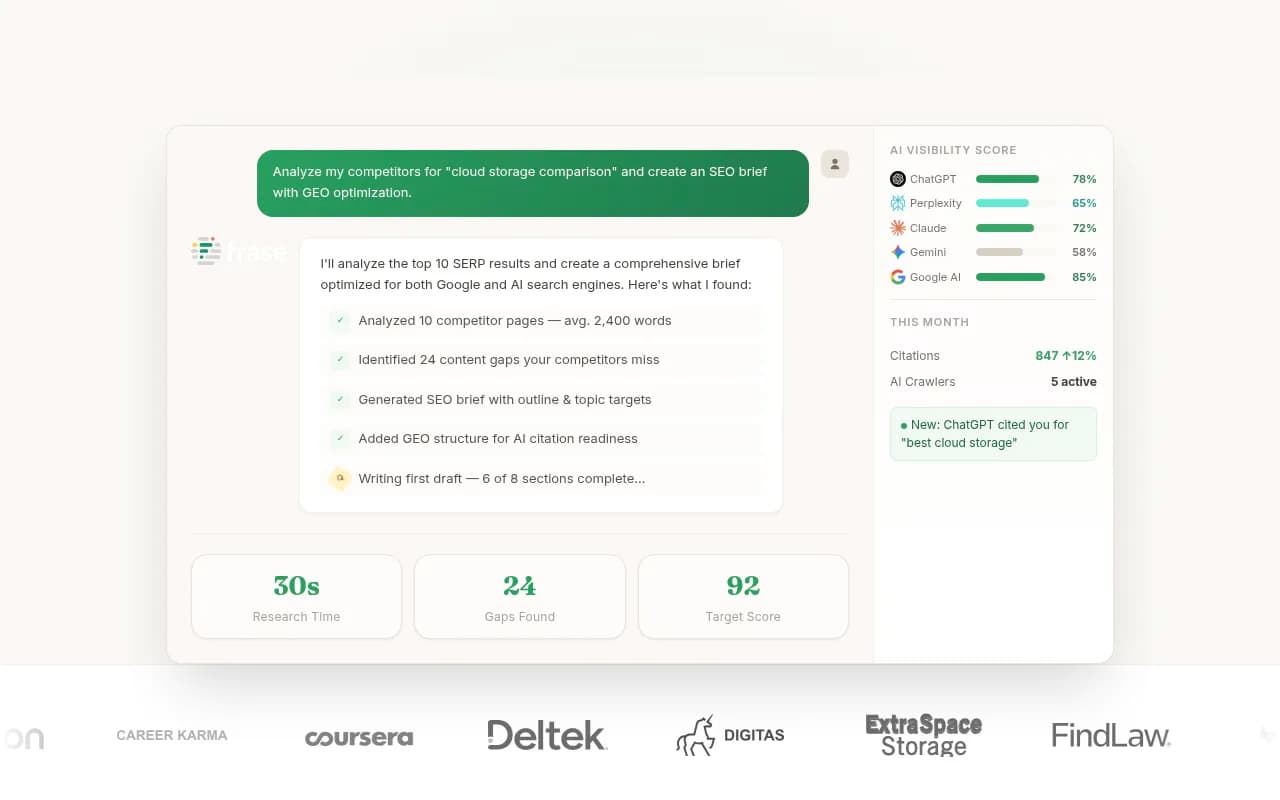
Frase is a content research and optimization tool that's been popular with budget-conscious SEO teams for a few years. It pulls together search results, SERP data, and content briefs in one place. Plans start at $15/month for the basic tier.
What Frase does well is help you understand what questions a piece of content should answer -- which directly maps to how AI models decide whether to cite something.
Rank tracking that includes AI visibility
This is where things got interesting in 2025. Traditional rank trackers show you your Google position. But if you're trying to rank in ChatGPT, you need to know whether you're being cited in AI responses -- and that's a different measurement entirely.
A few affordable tools emerged to fill this gap.
Otterly.AI
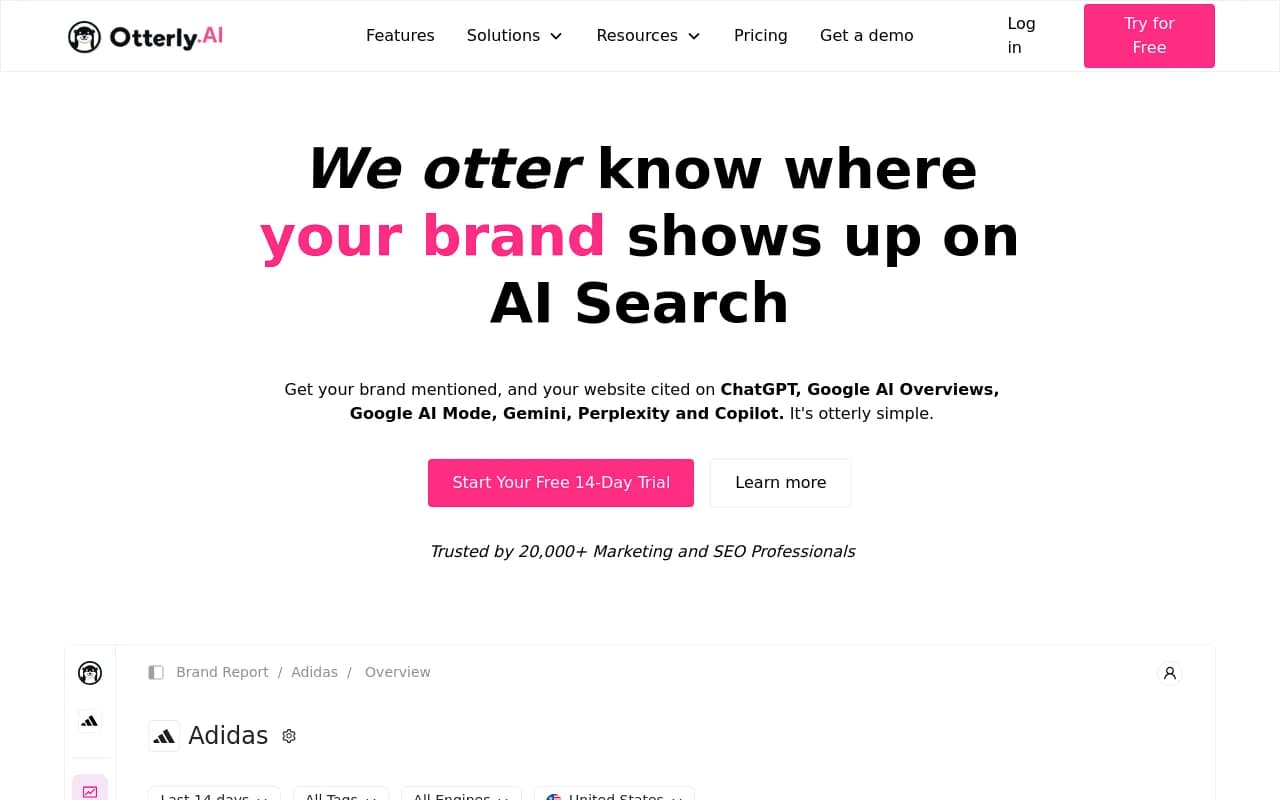
Otterly.AI is one of the more accessible AI visibility trackers. It monitors how your brand and content appear in AI-generated responses across multiple models. It's positioned as a monitoring tool rather than a full optimization platform, but for teams that just want to know "are we showing up?", it does the job at a reasonable price point.
Airefs
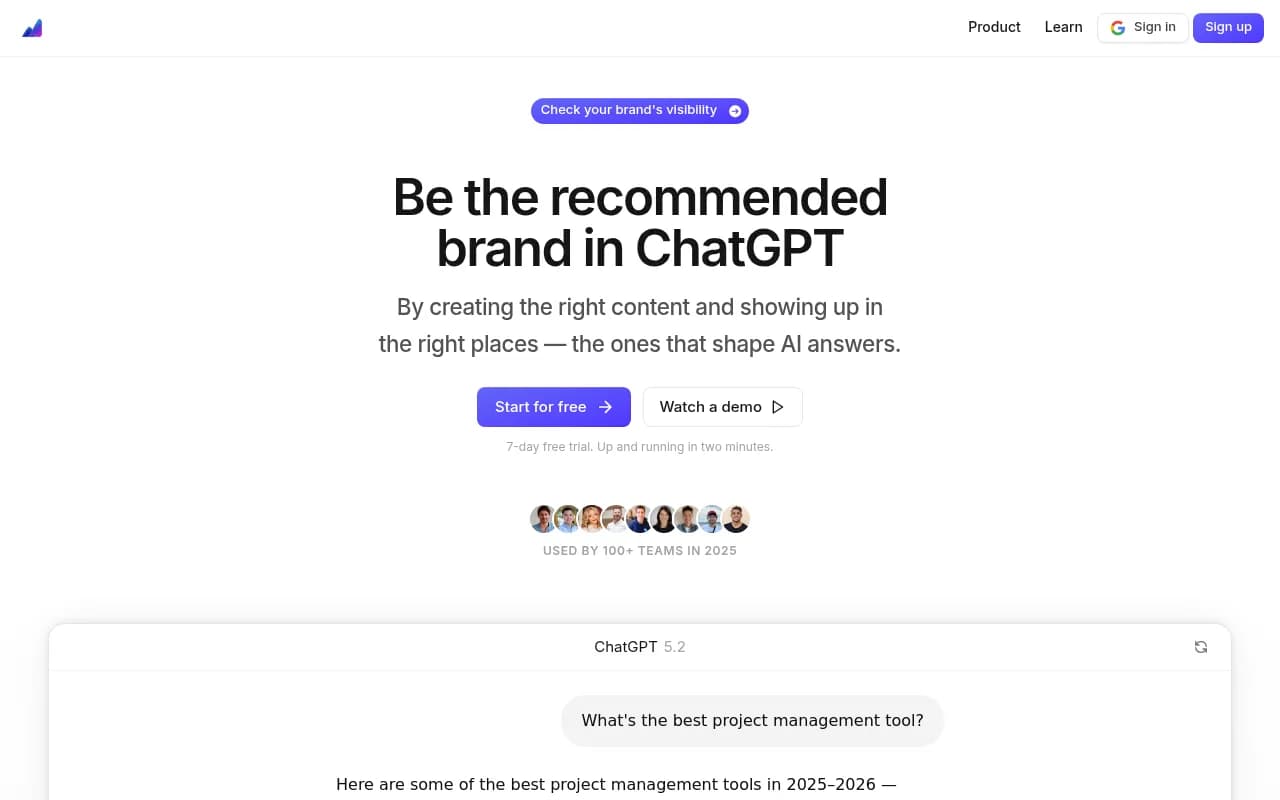
Airefs is a newer entrant specifically targeting budget-conscious teams who want AI search monitoring without enterprise pricing. It tracks brand mentions and citations across AI engines and surfaces which content is getting picked up.
Mentions.so
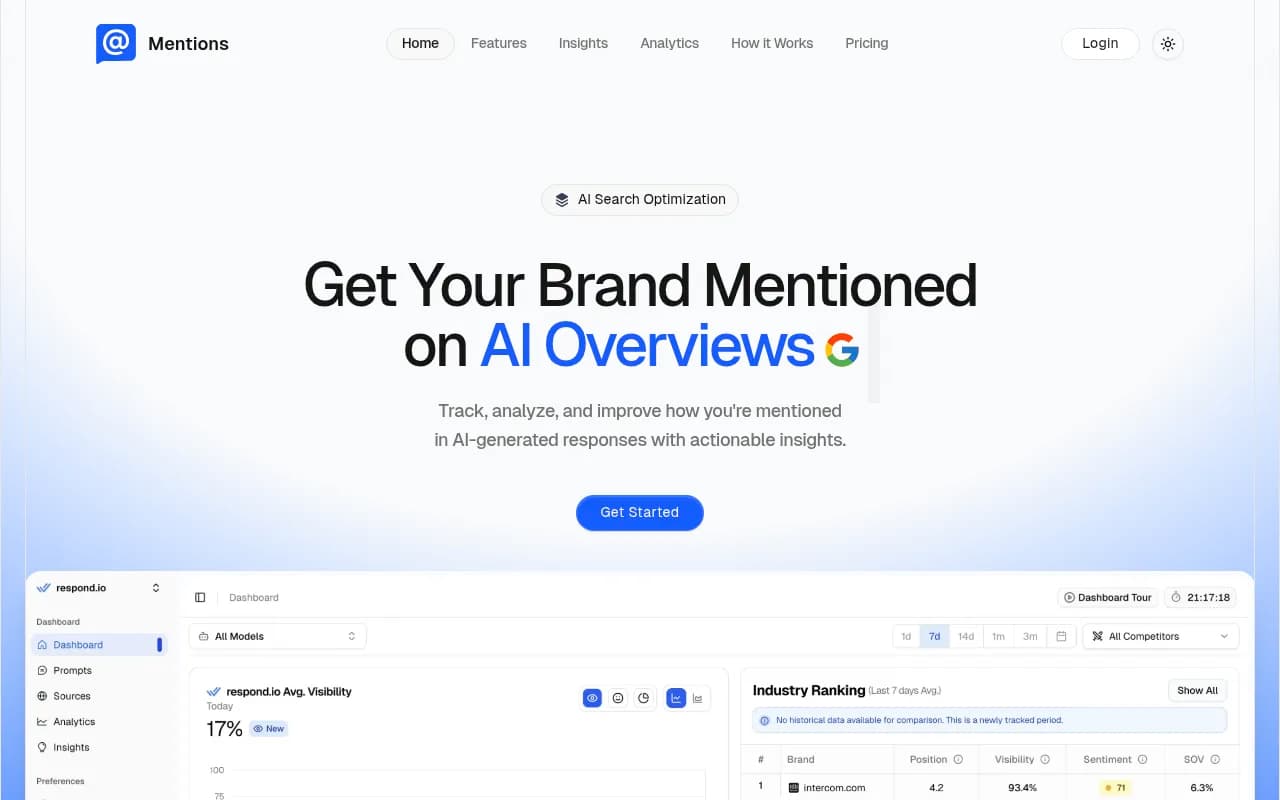
Mentions.so tracks brand mentions in AI search specifically. It's lightweight and focused -- you set up your brand name and key topics, and it tells you when and where you're appearing in AI responses.
Peasy
Peasy offers real-time AI search performance tracking at an accessible price point. For teams that want to see how their visibility changes week over week as they publish new content, it's a practical option.
Comparison: budget SEO tools for AI search visibility
| Tool | Starting price | Primary use | Helps with AI search? |
|---|---|---|---|
| Google Search Console | Free | Keyword & performance data | Partially (AI Overviews data) |
| Ubersuggest | $29/mo | Keyword research | Yes (question-based queries) |
| Mangools | $29/mo | Keyword research + rank tracking | Yes (long-tail query discovery) |
| Yoast SEO | Free / $99/yr | On-page SEO + schema | Yes (structured data) |
| SEOBoost | $19.99/mo | Content optimization | Yes (topic coverage) |
| NeuronWriter | $19/mo | NLP content optimization | Yes (semantic coverage) |
| Screaming Frog | Free / £259/yr | Technical SEO audit | Yes (crawler access) |
| Rytr | $9/mo | AI content writing | Indirectly (content volume) |
| Frase | $15/mo | Content research & briefs | Yes (question coverage) |
| Otterly.AI | Varies | AI visibility monitoring | Yes (direct tracking) |
| Airefs | Varies | AI citation tracking | Yes (direct tracking) |
The honest truth about cheap tools and AI rankings
Budget tools can get you most of the way there. If you're doing solid keyword research, writing content that comprehensively answers questions, keeping your technical SEO clean, and using schema markup -- you're doing most of what it takes to get cited in AI search.
What cheap tools can't easily do is tell you why you're not being cited when you should be, or show you exactly which competitor content is getting cited instead of yours, or help you systematically close those gaps. That's where more specialized platforms come in.
For teams that want to go beyond "I think my content is good" to "I can see exactly which prompts I'm winning and losing, and here's the content I need to create to fix it," a dedicated AI visibility platform makes sense. Promptwatch is one of the few that combines monitoring with actual content gap analysis and AI-powered content generation -- so you're not just watching the data, you're acting on it.

But if you're just starting out, or working with a tight budget, the stack above will get you further than you might expect. The fundamentals of good content still matter enormously in AI search -- maybe more than they ever did in traditional SEO.
A practical budget stack for under $100/month
If you had to build a lean but effective SEO stack for AI search visibility in 2025, here's what made sense:
- Google Search Console (free) -- your baseline performance data
- Ubersuggest at $29/month -- keyword research and content ideas
- Yoast SEO free tier -- on-page optimization and schema for WordPress
- Frase at $15/month -- content briefs and question coverage
- Otterly.AI or Airefs -- AI visibility monitoring to close the loop
Total: roughly $44-60/month depending on which monitoring tool you choose. That's a real SEO stack, not a toy setup. It won't give you everything a $500/month enterprise platform offers, but it covers keyword research, content optimization, technical basics, and AI visibility tracking.
The gap between "budget" and "enterprise" in SEO has always been about data depth and automation. In 2025, that gap narrowed considerably for AI search -- because the core signals AI models care about (clear answers, topical depth, good structure) are things any team can work on with affordable tools.
The teams that ranked in ChatGPT weren't necessarily the ones with the biggest budgets. They were the ones who understood what AI models were looking for and built content to match it. That's still a strategy anyone can execute.