Key takeaways
- Traditional SEO tools track rankings -- AI search doesn't have rankings. It has citations, recommendations, and mentions woven into conversational responses.
- The market splits into two types of tools: monitoring-only dashboards (show you data, leave you stuck) and full optimization platforms (find gaps, generate content, track results).
- Platform coverage varies widely -- some tools only track ChatGPT and Perplexity, while others cover 10+ models including Gemini, Claude, Grok, DeepSeek, and Mistral.
- Content generation and gap analysis are the features that separate useful platforms from expensive dashboards.
- Free trials are widely available, so there's no reason to commit without testing first.
Your SEO dashboard looks fine. Rankings are stable. Traffic is holding. But when someone types "best project management tool for remote teams" into ChatGPT or Perplexity, your brand might not appear at all -- and you'd have no idea.
That's the problem with AI search. There's no position 1 to chase, no SERP to screenshot. AI models synthesize answers from sources they've decided are authoritative, and if your content isn't one of those sources, you're invisible to a growing slice of your potential customers.
This guide covers what AI visibility platforms actually do, what separates the useful ones from the expensive ones, and which tools are worth your time in 2026.
Why AI visibility is different from traditional SEO
Google rankings are deterministic -- the same query produces roughly the same results for everyone. AI search is probabilistic. Ask ChatGPT the same question twice and you might get different brand mentions. Ask it in a different persona, region, or phrasing and the answer changes again.
This creates a measurement problem. You can't just check "your ranking" once a week. You need to run queries repeatedly, across multiple models, with varied phrasings, and track which brands appear, how often, and in what context.
That's what AI visibility platforms do. They run hundreds or thousands of prompts against LLMs on your behalf, record the responses, and tell you where your brand appears (and where it doesn't).
But monitoring is just the start. The more interesting question is: what do you do with that data?
What to look for in an AI visibility platform
Before comparing specific tools, it helps to know what capabilities actually matter.
LLM coverage
Some tools only track ChatGPT and Perplexity. Others cover 10+ models: Gemini, Claude, Grok, DeepSeek, Mistral, Meta AI, Copilot, and Google AI Overviews. If your audience uses multiple AI tools (and they do), narrow coverage means blind spots.
Prompt intelligence
Not all prompts are equal. A good platform tells you which prompts drive the most AI traffic, how difficult they are to rank for, and how one query fans out into related sub-queries. Without this, you're guessing which prompts to target.
Competitor benchmarking
Knowing your own visibility score is useful. Knowing how it compares to three competitors across each LLM is actionable. Look for heatmaps or share-of-voice metrics that show who's winning for specific prompts and why.
Content gap analysis
This is where most tools fall short. Monitoring tells you where you're invisible. Gap analysis tells you why -- specifically, which topics and questions AI models want to answer but can't find on your site. That's the difference between a dashboard and a roadmap.
Content generation
A handful of platforms go further and actually help you create content engineered to get cited. This isn't generic AI writing -- it's content built around real citation data, prompt volumes, and competitor analysis.
Traffic attribution
Visibility scores are vanity metrics unless you can connect them to actual traffic and revenue. Look for tools that offer a tracking snippet, Google Search Console integration, or server log analysis to close the loop.
AI crawler logs
Some platforms show you real-time logs of AI crawlers (ChatGPT, Claude, Perplexity bots) hitting your site -- which pages they read, how often they return, and what errors they encounter. This is genuinely useful for diagnosing why certain pages aren't getting cited.
The main platforms compared
The market has grown fast. Here's an honest look at the major players.
Full optimization platforms
These go beyond monitoring to help you actually improve your AI visibility.
Promptwatch is built around what it calls the "action loop": find gaps, create content, track results. The Answer Gap Analysis shows exactly which prompts competitors rank for that you don't, down to the specific topics and angles missing from your site. The built-in writing agent then generates content grounded in 880M+ citations analyzed -- not generic filler, but articles and comparisons designed to get cited by specific LLMs. It covers 10 AI models, includes AI crawler logs, Reddit and YouTube citation tracking, ChatGPT Shopping monitoring, and closes the loop with traffic attribution. Used by 6,700+ brands including Booking.com and Center Parcs.

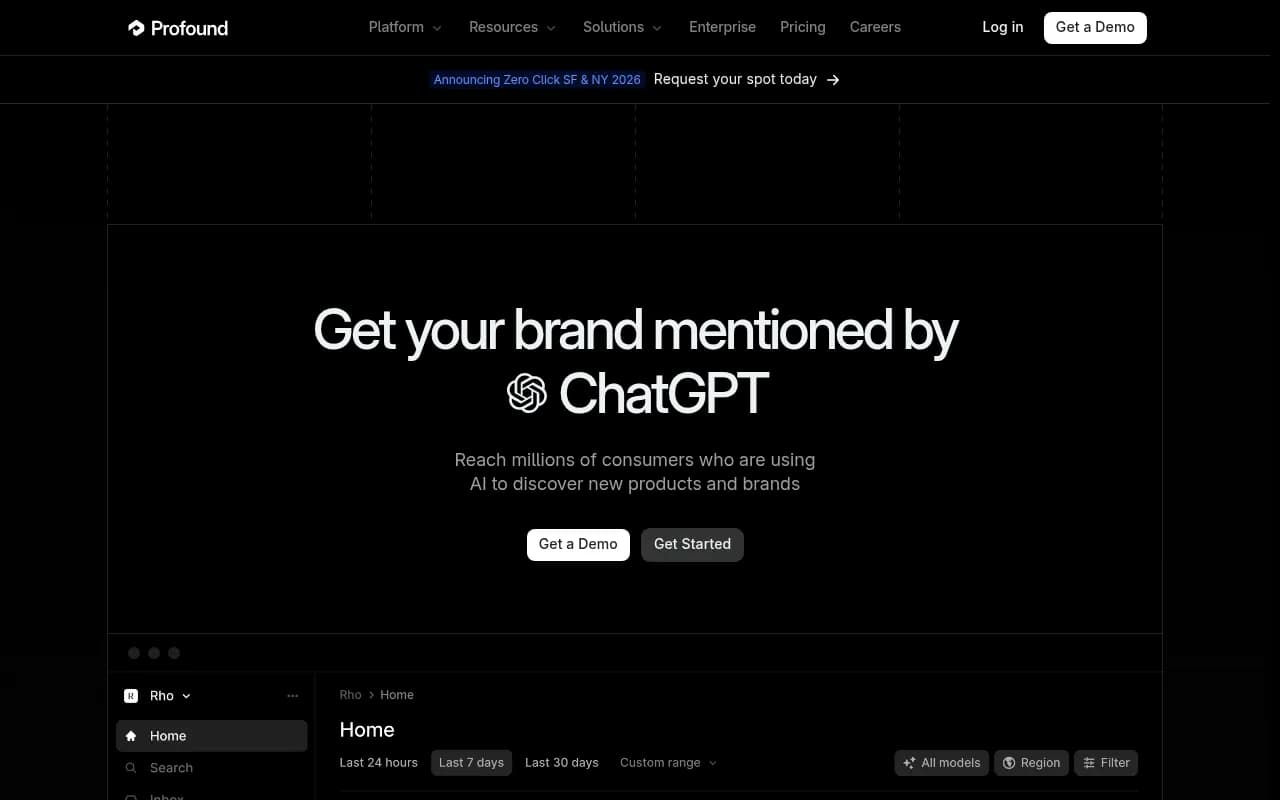
Profound is the other serious enterprise option. Strong on multi-brand portfolio management, executive dashboards, and prompt frequency tracking. Pricing starts at $99/month billed annually, with custom enterprise plans. It's well-regarded for depth of data but leans more toward reporting than optimization.
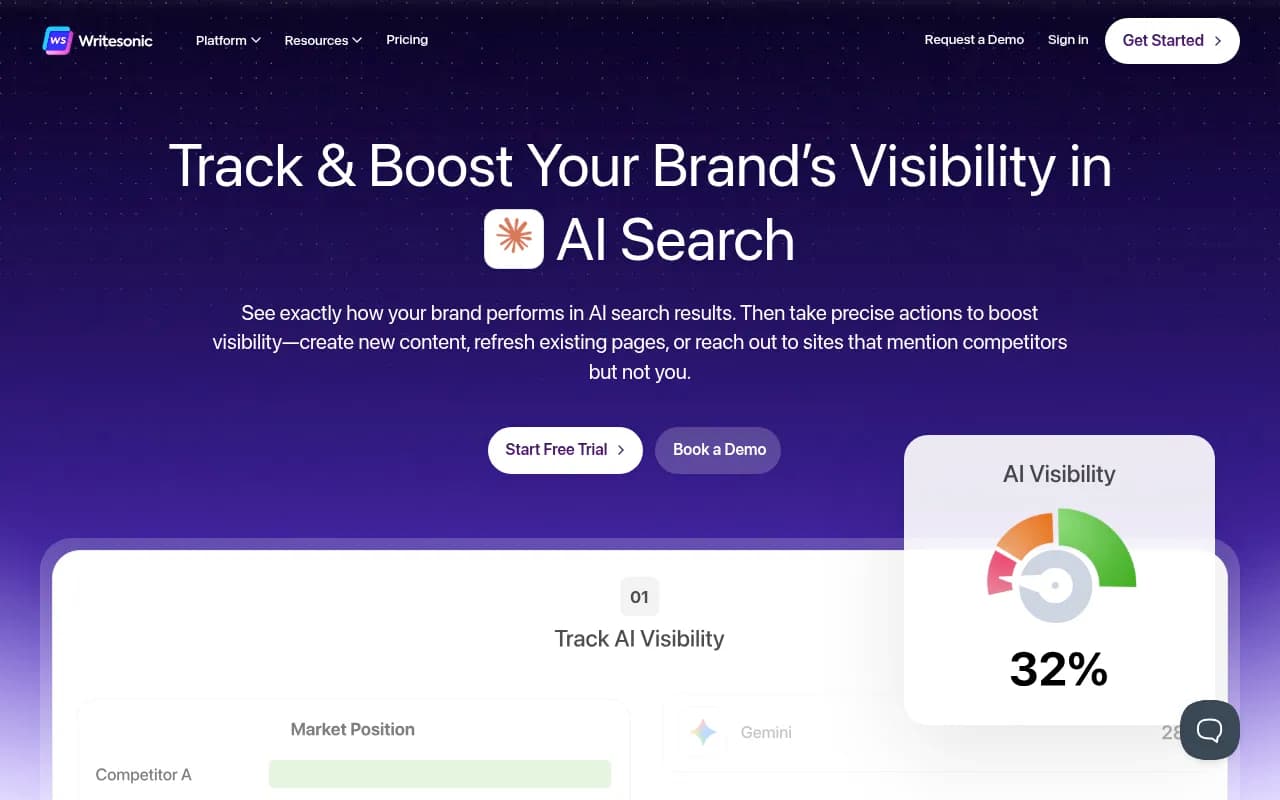
Writesonic has expanded from AI writing into AI search visibility, offering tracking alongside content generation. Worth considering if you're already in the Writesonic ecosystem.
Monitoring-focused platforms
These are solid for tracking but don't help much with the "now what" question.
Otterly.AI is one of the more affordable entry points for AI visibility monitoring. Good for teams that just want to know where they stand without a big budget commitment.

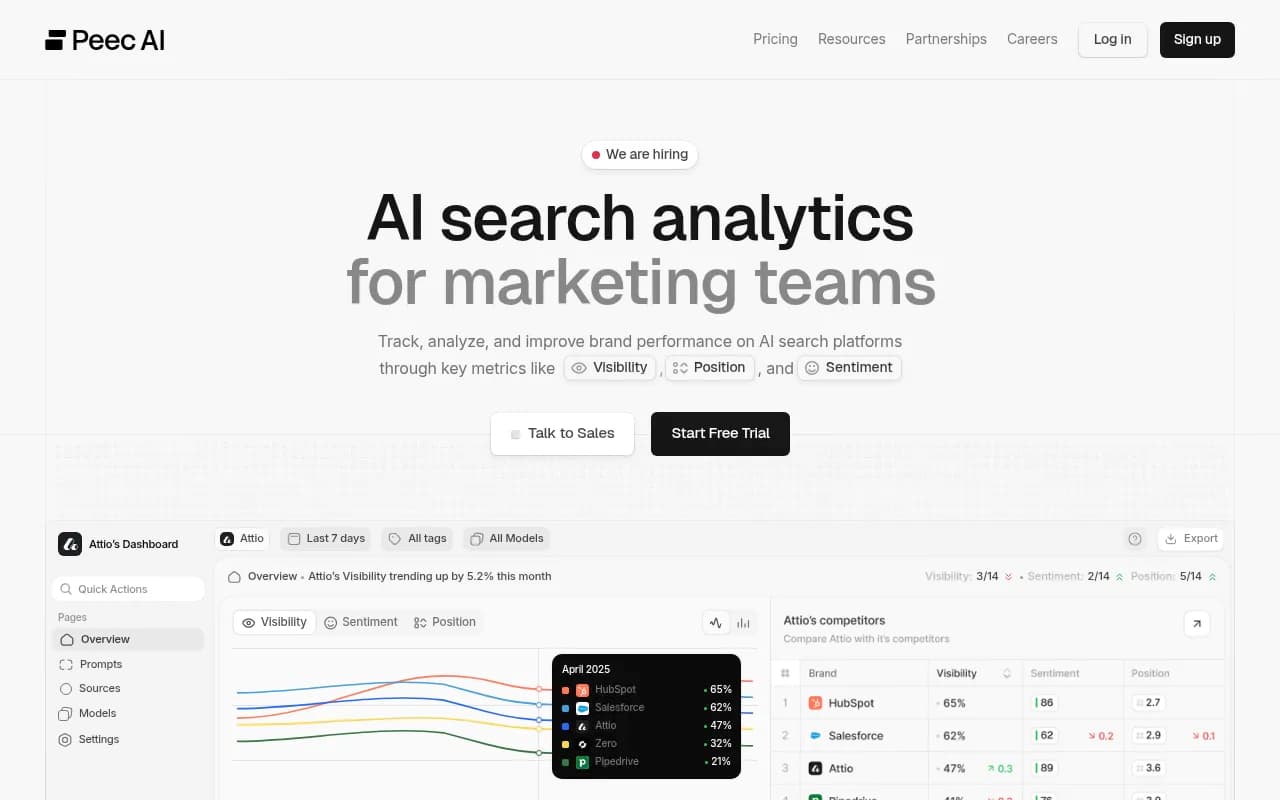
Peec AI covers multiple languages and regions, which makes it useful for international brands. Monitoring-focused with limited optimization features.
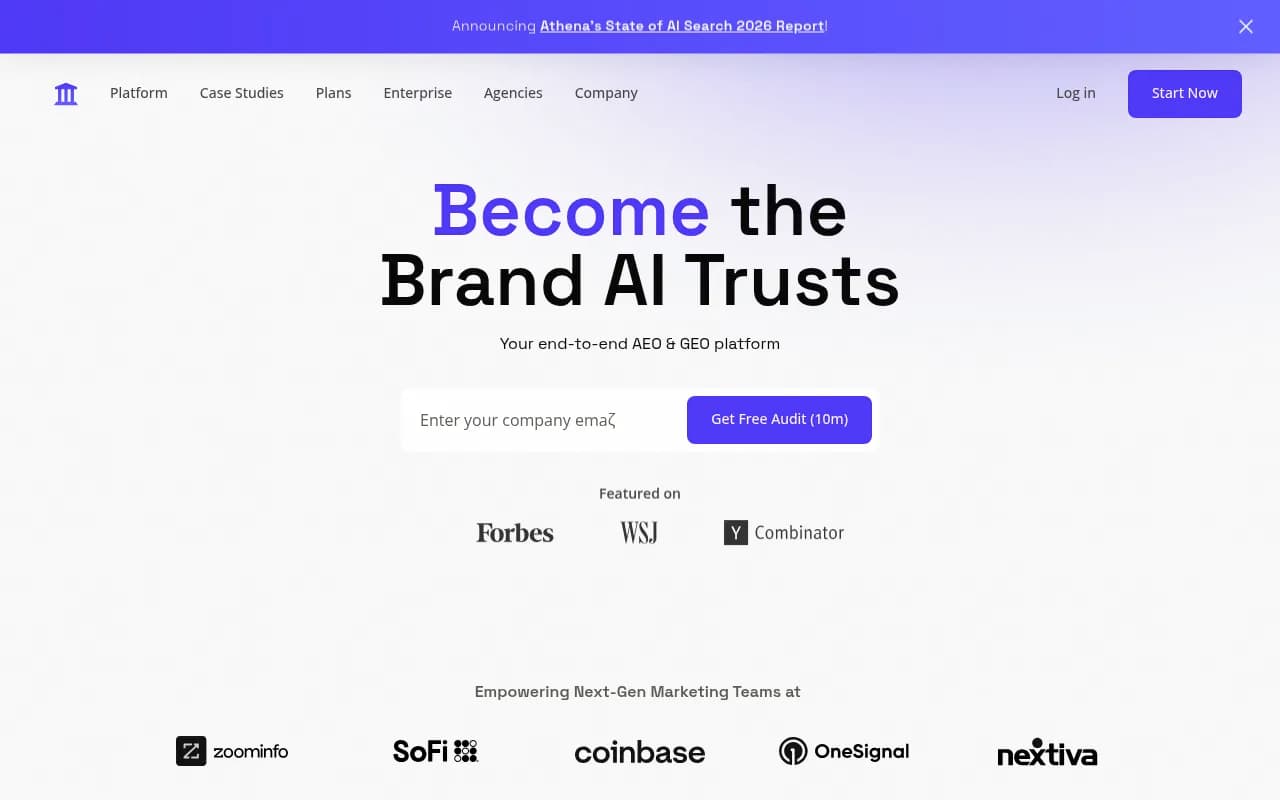
Athena HQ tracks visibility across 8+ AI search engines with clean dashboards. Solid for monitoring, but content optimization and generation aren't part of the package.
Scrunch monitors brand visibility across major AI engines and tracks sources and performance over time. Positioned more as a reporting tool than an optimization platform.
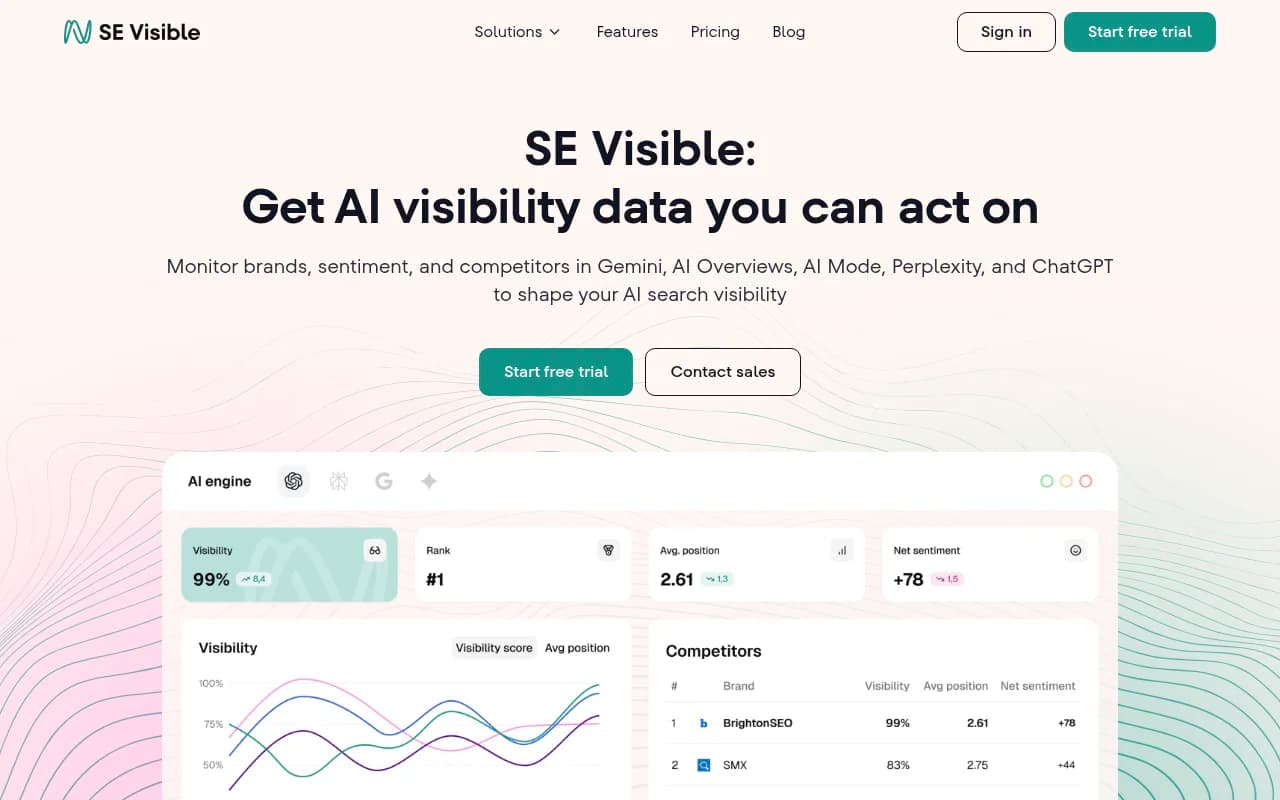
SE Visible (from SE Ranking) tracks brand visibility and sentiment across AI search engines. A reasonable add-on if you're already using SE Ranking for traditional SEO.
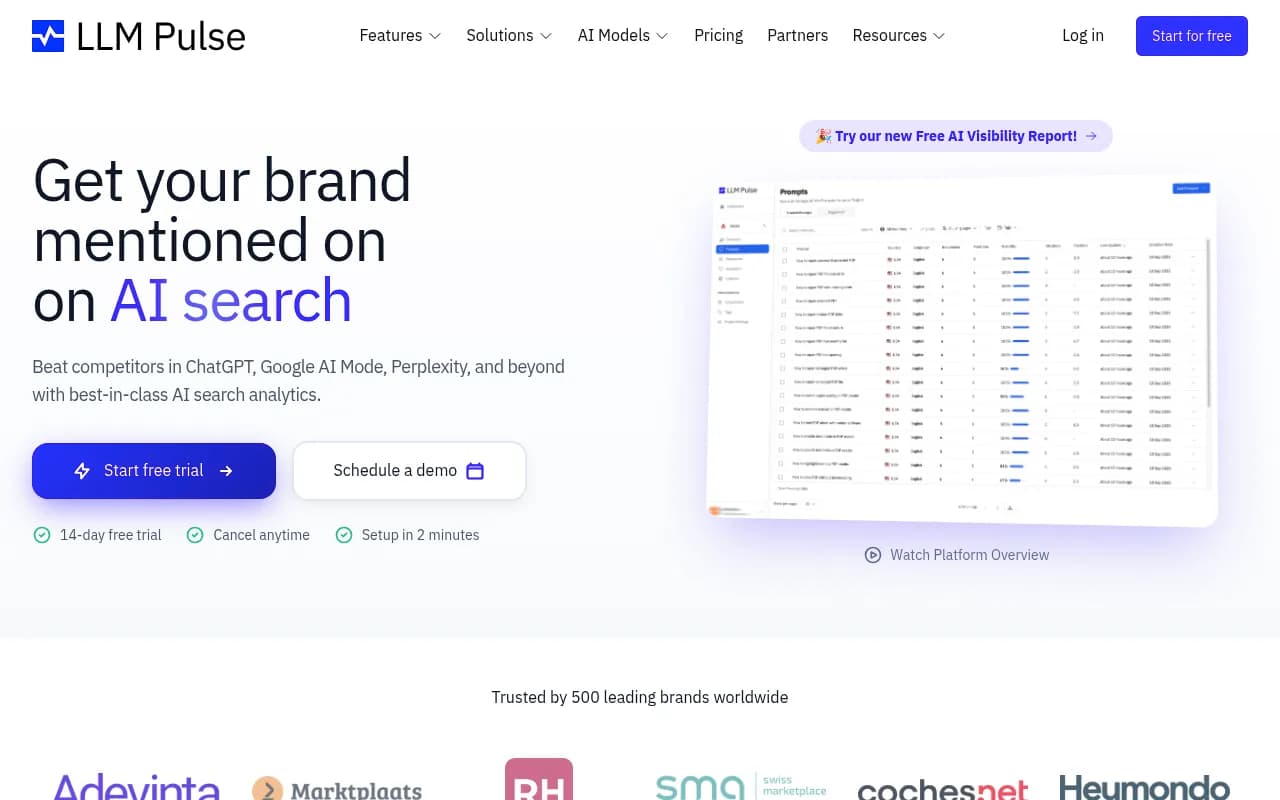
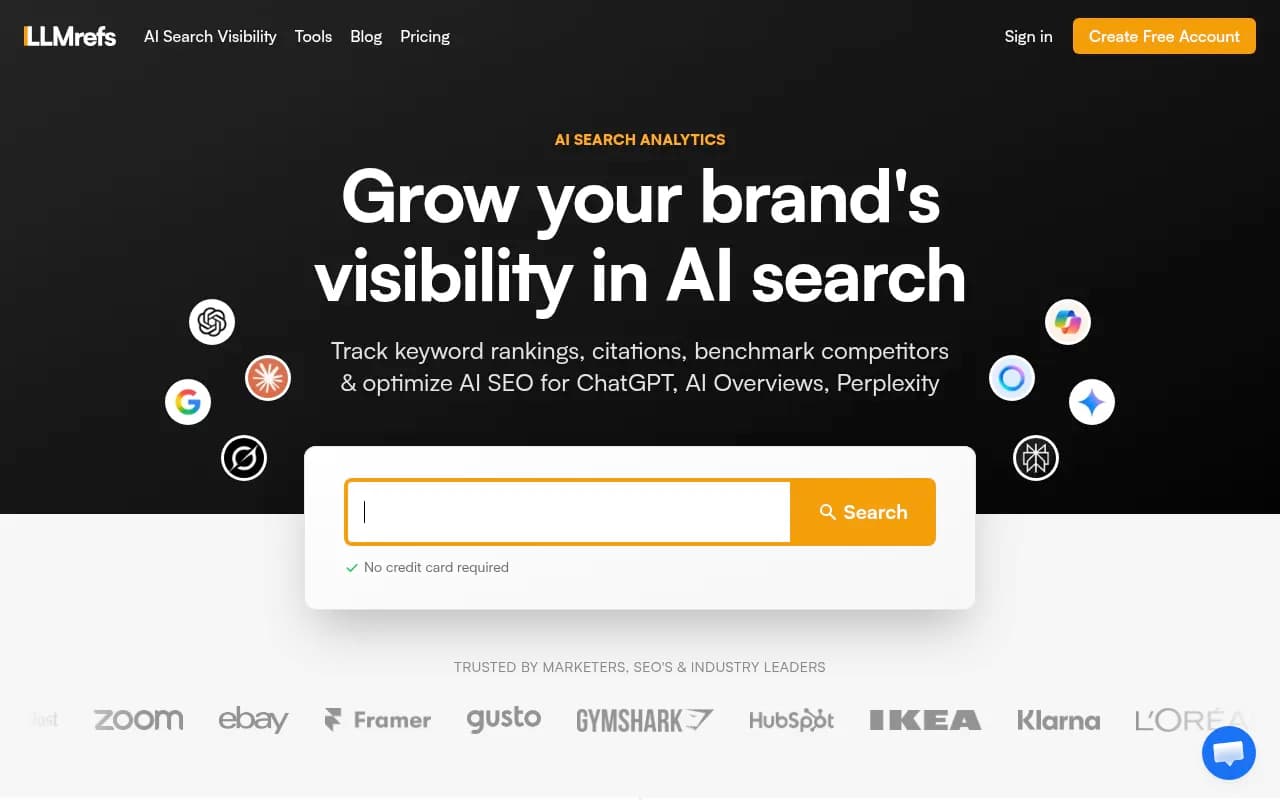
LLM Pulse and LLMrefs are lighter-weight options focused on brand mention tracking across ChatGPT, Perplexity, and similar models. Good starting points for smaller teams.
Traditional SEO tools with AI modules
Semrush added an AI Overview module that integrates with its existing keyword and backlink workflows. The main limitation: it uses fixed prompts rather than letting you define your own, which means you're tracking what Semrush decides matters, not necessarily what your customers actually ask.
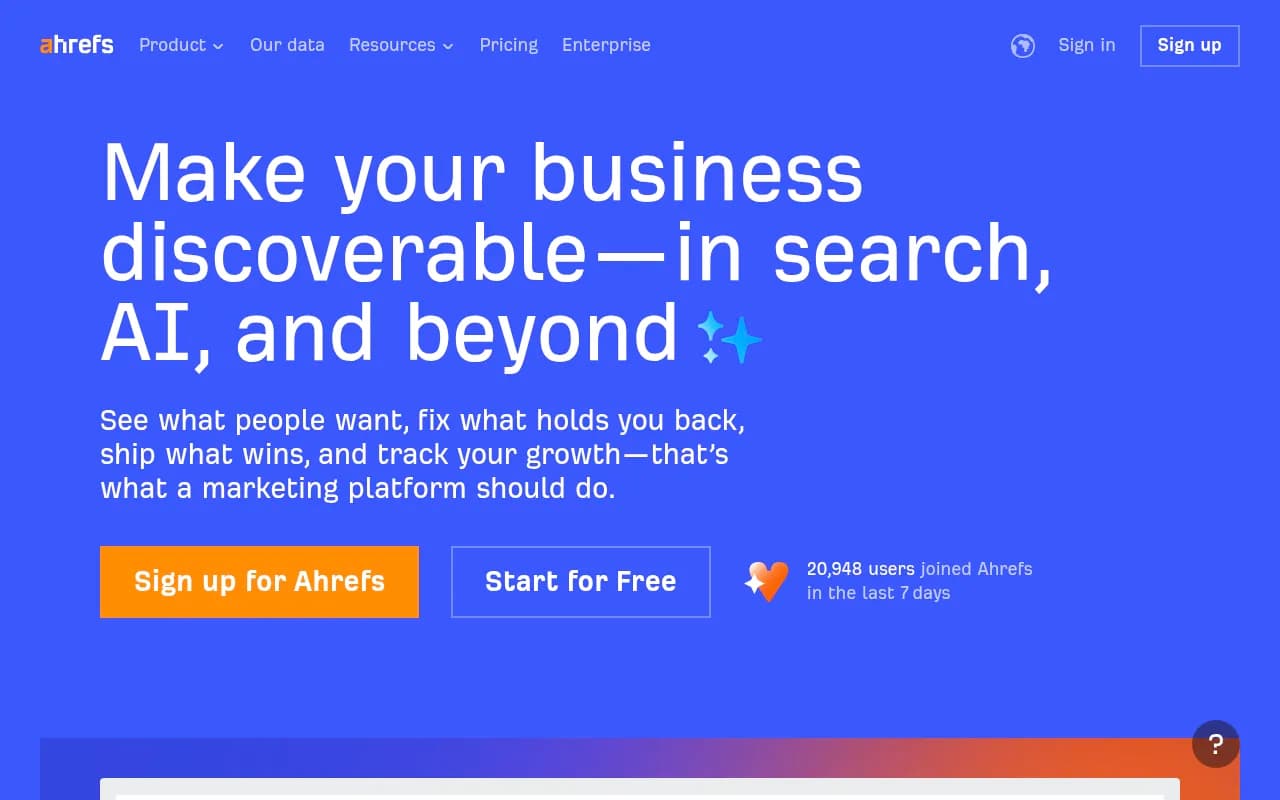
Ahrefs Brand Radar monitors brand mentions in AI search but similarly relies on fixed prompts and lacks AI traffic attribution. Fine as a supplementary signal if you're already an Ahrefs user.
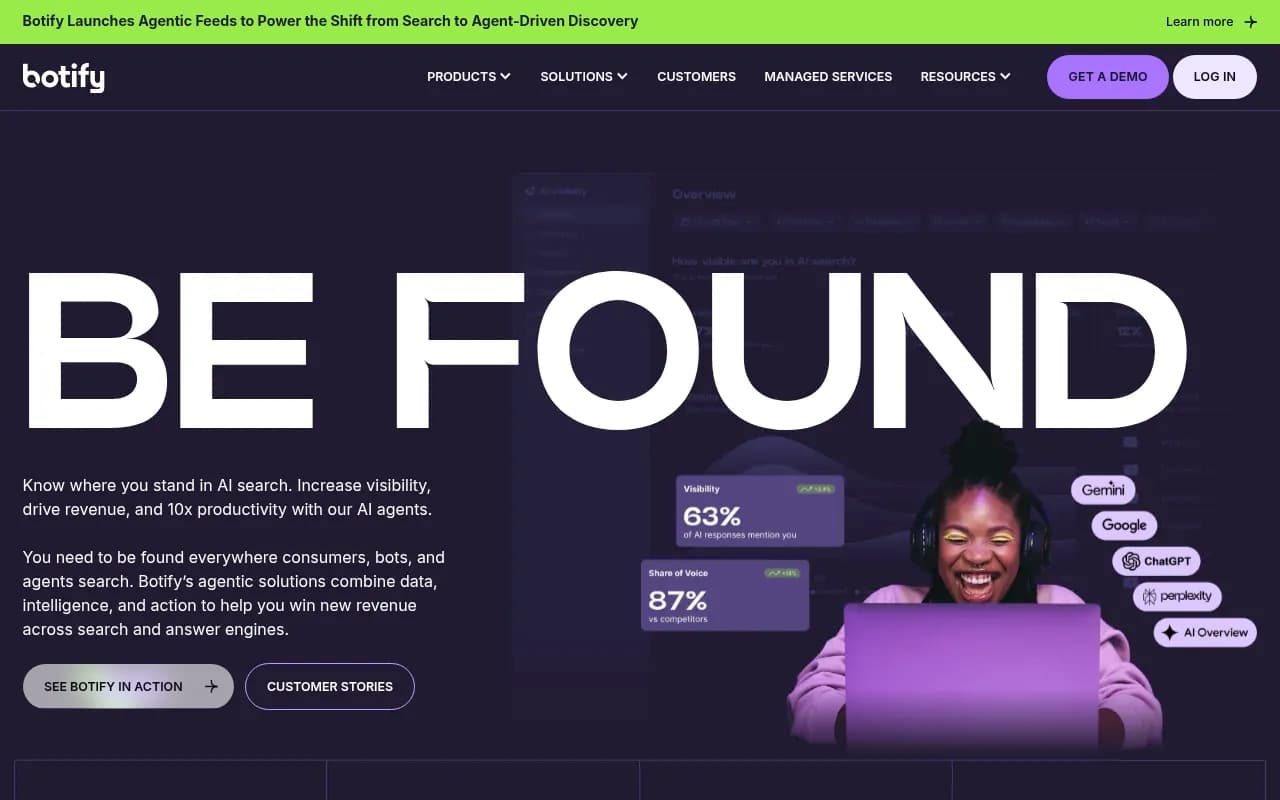
Botify covers enterprise SEO with AI search visibility features, though the focus remains on technical crawling and traditional search.
Feature comparison table
| Platform | LLM coverage | Content gap analysis | Content generation | Crawler logs | Traffic attribution | Starting price |
|---|---|---|---|---|---|---|
| Promptwatch | 10 models | Yes | Yes (AI writing agent) | Yes | Yes | $99/mo |
| Profound | 8+ models | Partial | No | No | Limited | $99/mo (annual) |
| Otterly.AI | 5+ models | No | No | No | No | ~$49/mo |
| Peec AI | 5+ models | No | No | No | No | ~$49/mo |
| Athena HQ | 8+ models | No | No | No | No | Custom |
| Scrunch | 5+ models | No | No | No | No | Custom |
| SE Visible | 4+ models | No | No | No | No | Add-on |
| Semrush (AIO) | 3 models | No | No | No | No | $99/mo add-on |
| Ahrefs Brand Radar | 3+ models | No | No | No | No | Included |
| Writesonic | 5+ models | Partial | Yes | No | No | Varies |
How to choose the right tool for your situation
The right answer depends on where you are and what you need.
If you're just getting started and want to understand your baseline AI visibility without a big investment, Otterly.AI or Peec AI give you a low-cost way to see where you stand. Don't expect them to tell you what to do with the data.
If you're an SEO team that already uses Semrush, the AIO module is the path of least resistance. You'll get AI visibility data inside a dashboard you already know. Just be aware of the fixed-prompt limitation.
If you're a marketing team that wants to actually improve your AI visibility -- not just measure it -- you need a platform that closes the loop between monitoring and content. Promptwatch is the clearest option here: it finds the gaps, helps you create content to fill them, and tracks whether that content starts getting cited. Most competitors stop at step one.
If you're an enterprise with multiple brands, Profound is worth evaluating alongside Promptwatch. Both handle multi-brand portfolios, but Promptwatch's content generation and crawler log features give it an edge for teams that want to take action rather than just report.
If you're an agency managing AI visibility for multiple clients, look for white-label options, multi-site pricing, and the ability to generate client-ready reports. Promptwatch's agency and enterprise tiers are built for this; Search Party is another agency-oriented option worth exploring.
Search Party
What the data actually tells you (and what it doesn't)
One thing worth saying plainly: AI visibility scores are not the same as traffic or revenue. A high visibility score means AI models are mentioning your brand -- it doesn't automatically mean those mentions are driving clicks or conversions.
This is why traffic attribution matters. The best platforms let you connect AI visibility to actual website visits, either through a JavaScript snippet, GSC integration, or server log analysis. Without that connection, you're optimizing for a metric that may or may not correlate with business outcomes.
It's also worth remembering that AI models update their training data and retrieval sources regularly. A visibility score from three months ago may not reflect your current situation. Consistent, ongoing monitoring matters more than a one-time audit.
The content question
Here's the thing most AI visibility guides don't say clearly enough: the single biggest lever for improving your AI visibility is publishing content that AI models want to cite.
That means content that directly answers the questions your target customers ask. Not keyword-stuffed pages, not thin product descriptions -- actual, substantive answers to specific prompts. AI models cite sources that are clear, specific, and authoritative on a narrow topic.
The gap analysis features in platforms like Promptwatch are valuable precisely because they tell you which of those questions your site currently can't answer. That's your content roadmap.
Some teams use this data to brief writers. Others use the built-in AI writing agents to generate first drafts. Either approach works, but the input data -- real citation patterns, prompt volumes, competitor analysis -- is what makes the output useful rather than generic.
A note on Reddit and YouTube
One thing most AI visibility platforms miss: AI models don't only cite brand websites. They cite Reddit threads, YouTube videos, review sites, and forum discussions. If a Reddit thread comparing your product to a competitor is what ChatGPT is pulling from, that matters.
A few platforms track this. Promptwatch surfaces Reddit and YouTube citations alongside traditional web sources, which gives you a more complete picture of where AI models are actually getting their information about your category.
Getting started
If you haven't checked your AI visibility yet, start with a free trial on any of the platforms above. Most offer 7-14 day trials. Run your core product or category prompts ("best [your category] for [your use case]") and see where you appear, where competitors appear, and which sources AI models are citing.
That baseline is your starting point. From there, the question is whether you want a tool that just shows you the data or one that helps you do something about it.
The market has plenty of dashboards. Platforms that close the loop between visibility data and content action are rarer -- and that's where the real value is in 2026.