Key takeaways
- Scrunch is a genuinely capable AI visibility platform with real strengths: persona-based filtering, GA4 revenue attribution, and solid enterprise credentials
- Six recurring gaps push teams away: pricing math that compounds quickly, limited content creation tools, no crawler logs, restricted model coverage on lower tiers, weak prompt intelligence, and agency reporting friction
- The "right" alternative depends on your team's specific pain point -- monitoring-only tools solve different problems than optimization platforms
- Teams that need to both find gaps and fix them should look for platforms that close the loop from visibility data to content creation to traffic attribution
Scrunch has had a good run. It helped define what AI visibility monitoring looks like as a product category, and for certain teams -- particularly enterprise brands with dedicated GEO budgets -- it still makes sense. But if you've spent any time in GEO communities or talked to practitioners who've evaluated the space, the same friction points come up over and over.
This guide is an honest look at both sides. What Scrunch actually does well (because it does some things well), and the six gaps that keep sending teams to alternatives.
What Scrunch gets right
Before getting into the gaps, it's worth being specific about the strengths. Scrunch isn't a weak product -- it's a product with a particular focus that doesn't fit every team.
Persona-based filtering
This is probably Scrunch's most distinctive feature. Instead of just tracking generic prompts, Scrunch lets you filter AI responses by persona -- essentially simulating how different buyer types phrase questions and what AI models recommend to them. For B2B companies with complex buying committees, this matters. A CFO asking about enterprise software gets different AI recommendations than a developer asking the same question.
Most competitors don't do this at all. It's a real differentiator.
GA4 revenue attribution
Scrunch connects AI visibility to actual revenue through GA4 integration. You can see which AI-driven traffic converts and at what rate. For agencies trying to prove ROI to clients, or in-house teams justifying GEO budget to leadership, this kind of attribution is genuinely valuable.
Enterprise credentials and stability
Scrunch has built credibility with larger organizations. The platform has the security posture, SLA expectations, and account management that enterprise procurement teams require. If you're at a Fortune 500 and need a vendor that can clear your security review, Scrunch has done that work.
Broad model coverage (at the right tier)
Scrunch monitors a meaningful range of AI models. The caveat -- which we'll get to -- is that full model coverage requires the Enterprise plan. But the coverage itself, when you have access to it, is solid.
The 6 gaps that send teams looking for alternatives
Gap 1: The pricing math gets painful fast
This is the one that comes up most consistently. Scrunch's pricing structure means that as you add prompts, AI engines, and clients, the effective cost compounds quickly. The prompt-credit model (where custom prompts multiplied by engines equals your effective limit) can make what looks like a reasonable monthly fee balloon into something that doesn't fit mid-market budgets.
Teams running 50+ prompts across multiple clients often find themselves doing the math and realizing they need to either cap their monitoring scope or move to a higher tier. Neither option feels great.
For comparison, some alternatives offer flat-rate prompt pools or credit systems that scale more predictably.
Gap 2: Monitoring without a path to action
This is the most common complaint across reviews and practitioner conversations. Scrunch shows you where your brand is invisible. It shows which competitors are getting cited. Then it stops.
There's no built-in content creation. No recommendations on what to write. No SEO data to contextualize the gaps. You find the problem and then have to go somewhere else to fix it.
For teams that just want a monitoring dashboard and have separate content workflows, this is fine. But for teams that want to close the loop -- find the gap, create the content, track the improvement -- Scrunch leaves you doing that manually.
Platforms like Promptwatch are built around exactly this problem. The answer gap analysis shows which prompts competitors rank for that you don't, and the built-in AI writing agent generates content grounded in citation data to fix those gaps. It's a different philosophy: optimization, not just observation.

Gap 3: No AI crawler logs
Scrunch doesn't show you which AI crawlers are hitting your website, which pages they're reading, how often they return, or what errors they encounter. This matters more than it sounds.
Understanding how ChatGPT's crawler, Claude's crawler, and Perplexity's crawler interact with your site is the technical foundation of GEO. If your pages aren't being crawled, your content won't be cited -- no matter how good it is. Without crawler logs, you're flying blind on the technical side.
This is a gap that most monitoring-only tools share, but it's worth naming explicitly because it affects how actionable your visibility data actually is.
Gap 4: Full model coverage requires Enterprise
Scrunch monitors a range of AI models, but the full picture -- including Meta AI, Grok, Copilot, Google AI Mode, and DeepSeek -- is locked behind the Enterprise plan. That means a sales conversation and custom pricing.
For teams that care about visibility across the full AI search ecosystem, not just ChatGPT and Perplexity, this creates a frustrating ceiling. You can see part of the picture on standard plans, but not all of it.
This is particularly relevant now that Google AI Mode has become a significant traffic driver. Monitoring ChatGPT without monitoring Google AI Mode is like tracking Google rankings but ignoring Bing -- you're missing a chunk of the story.
Gap 5: Limited prompt intelligence
Knowing that you're not visible for a prompt is useful. Knowing how many people are actually asking that prompt, how difficult it is to rank for, and how it branches into related sub-queries -- that's what lets you prioritize.
Scrunch's prompt intelligence layer is still maturing. Teams that want to build a prioritized GEO roadmap (rather than just a visibility snapshot) often find themselves without enough data to make confident decisions about where to invest first.
Prompt volume estimates and difficulty scores are the difference between a monitoring tool and a strategy tool. Several alternatives have invested more heavily here.
Gap 6: Agency reporting friction
Scrunch wasn't primarily designed for agencies managing multiple clients. The reporting workflows, white-labeling options, and multi-client dashboard structure that agencies need are either limited or require significant manual work to set up.
Agencies running GEO programs for 10+ clients need to be able to generate client-facing reports quickly, compare performance across accounts, and demonstrate progress over time without rebuilding reports from scratch each month. Scrunch's current structure makes this harder than it needs to be.
How the alternatives stack up
The alternatives market has fragmented into a few distinct categories. Here's a simplified view of what's out there and who each type serves:
| Tool | Best for | Content creation | Crawler logs | Prompt intelligence | Agency-friendly |
|---|---|---|---|---|---|
| Scrunch | Enterprise monitoring | No | No | Limited | Partial |
| Promptwatch | Teams that need to find gaps and fix them | Yes (AI writing agent) | Yes | Yes (volume + difficulty) | Yes |
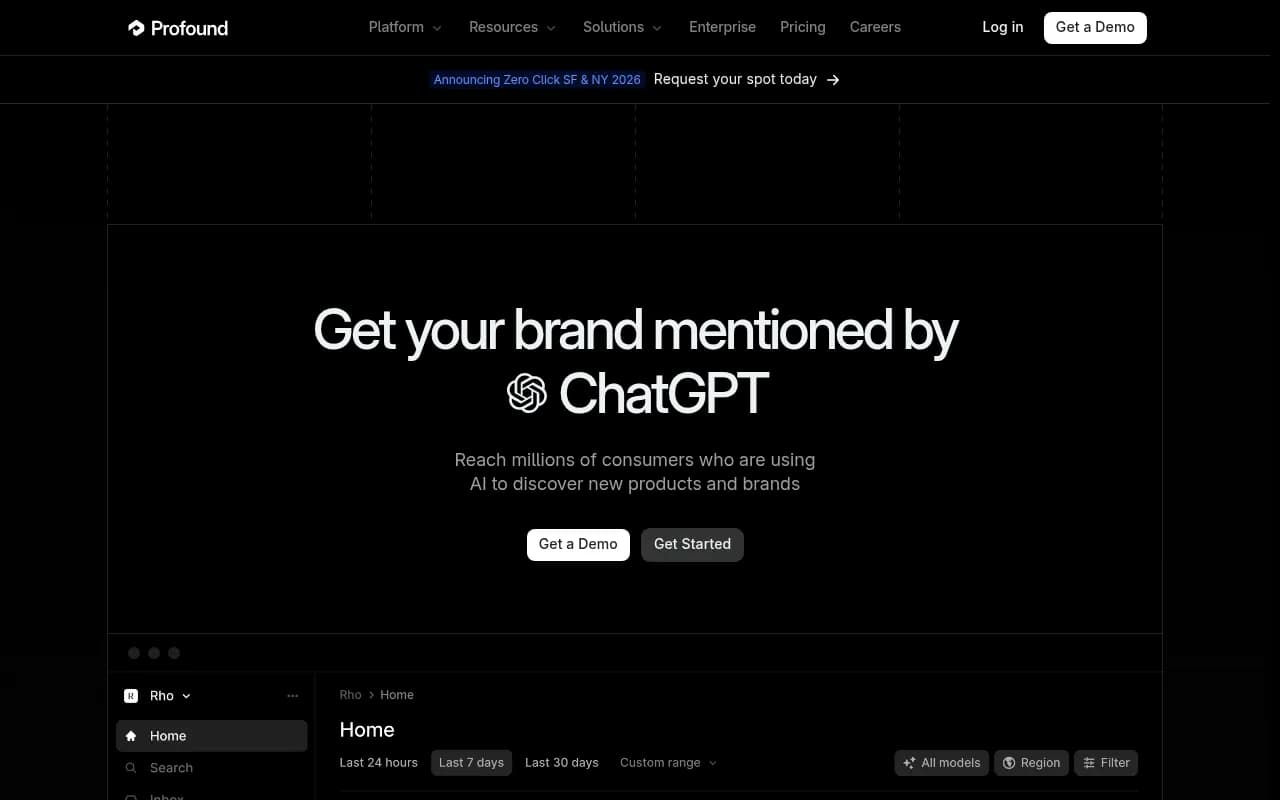
| Profound | Enterprise analytics, prompt volume data | No | No | Strong | Limited |
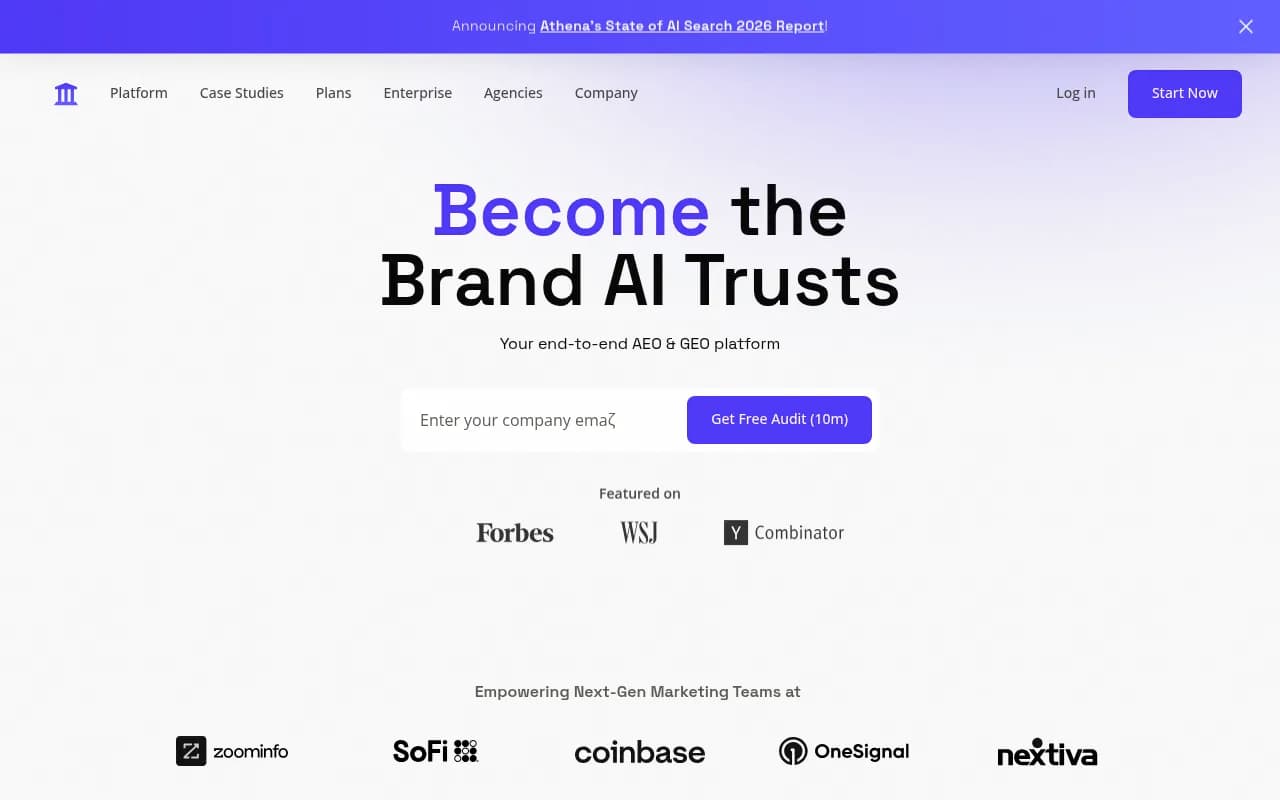
| Otterly.AI | Budget-conscious monitoring | No | No | Basic | Partial |
| AthenaHQ | Mid-market and e-commerce | No | No | Moderate | Partial |
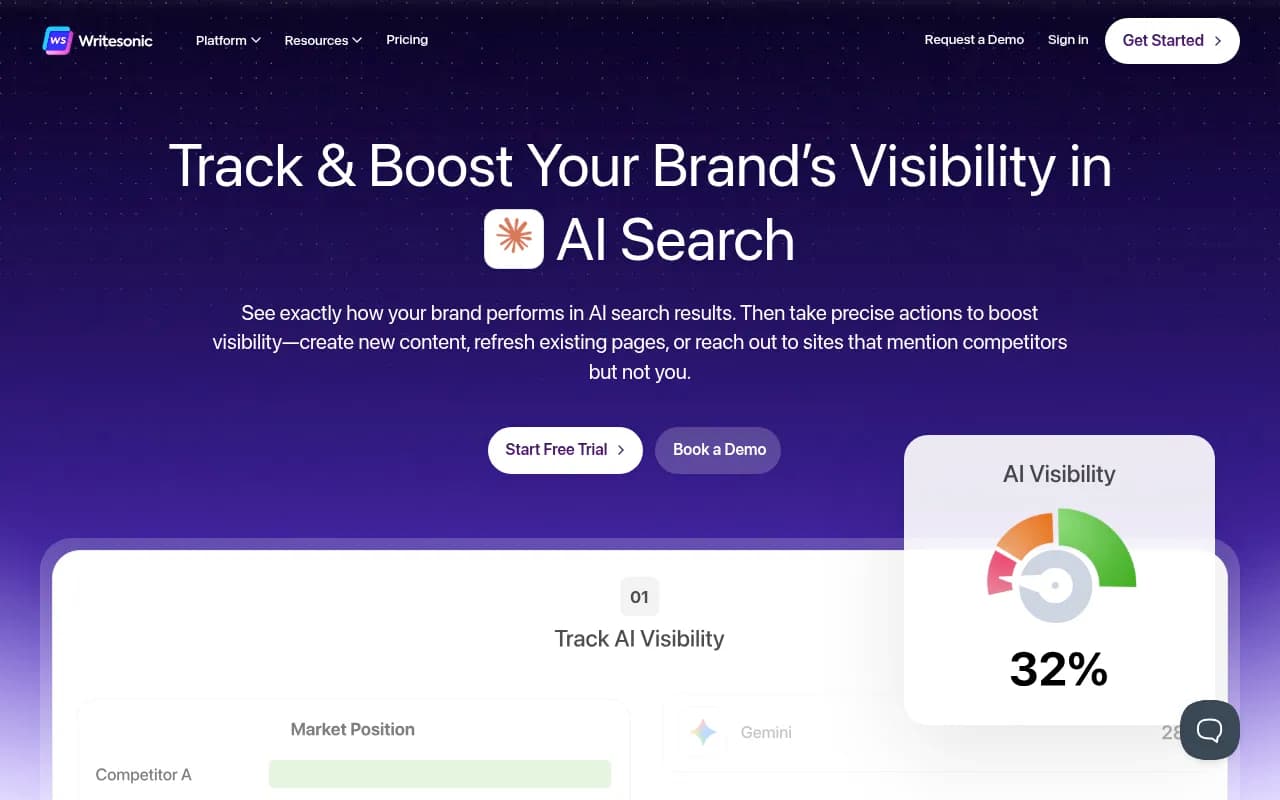
| Writesonic | Content creation + monitoring combined | Yes | No | Basic | Partial |
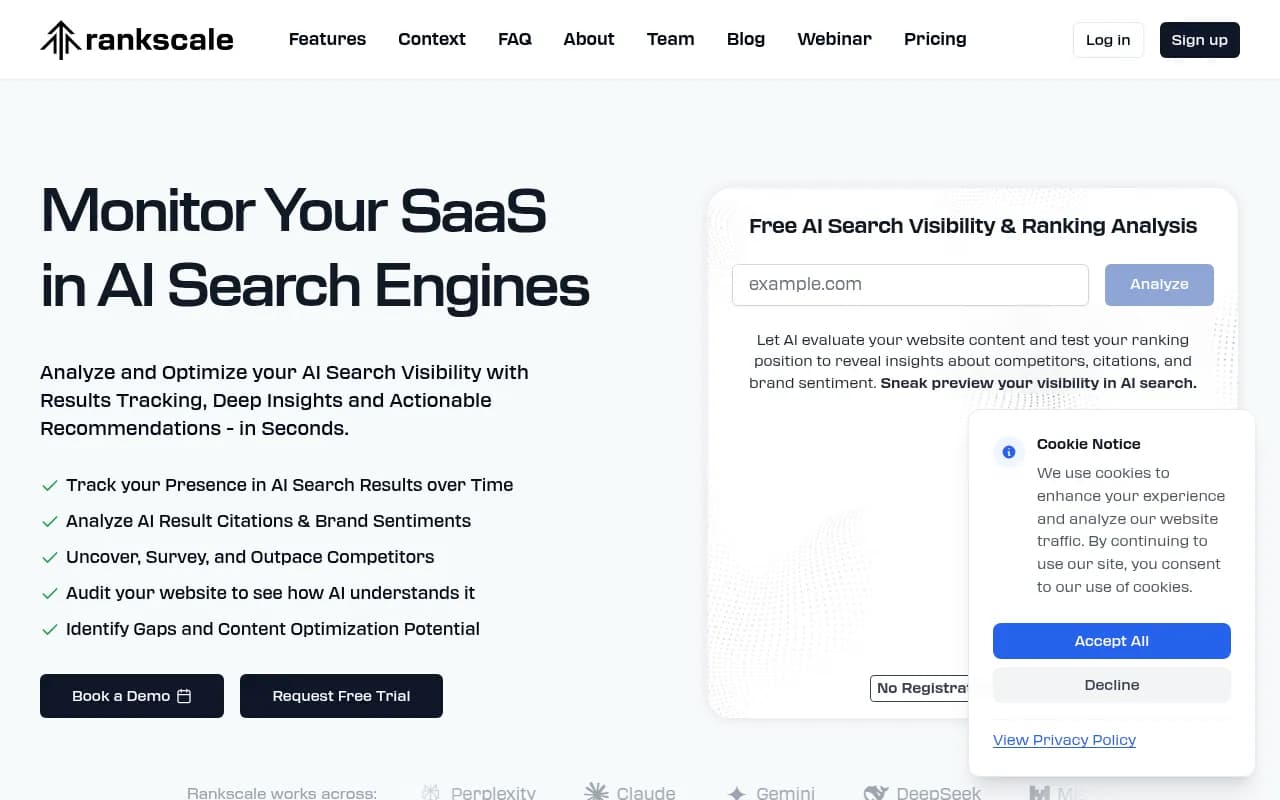
| Peec AI | Simple monitoring, lower price point | No | No | Basic | No |


Which gap is your actual problem?
The right alternative depends on which of these six gaps is causing you the most pain. They're not equally important for every team.
If the pricing math is the problem
Look at tools with flat-rate prompt pools or credit systems that don't multiply by engine count. Otterly.AI starts at $29/month and is genuinely useful for teams with modest monitoring needs. Peec AI is another option in this range.
If you need to go from monitoring to action
This is where the gap between monitoring tools and optimization platforms becomes most visible. Scrunch, Otterly, Peec AI, and AthenaHQ all stop at showing you data. Platforms like Promptwatch are built around the full loop: find the gap, generate the content, track the improvement.
The difference matters if your team is measured on outcomes (traffic, leads, revenue) rather than just visibility scores. Seeing that a competitor ranks for 40 prompts you don't is only useful if you can do something about it.
If you need crawler logs
This is a specific technical need, and relatively few platforms address it. Promptwatch's crawler log feature shows real-time data on which AI crawlers are hitting your site, which pages they read, and what errors they encounter. For technical SEO teams adding GEO to their workflow, this is often the deciding factor.
If you need full model coverage without Enterprise pricing
Look at platforms that include broader model coverage on standard plans. The AI search ecosystem has expanded well beyond ChatGPT and Perplexity -- Google AI Mode, Grok, DeepSeek, and Meta AI are all driving real traffic for some categories.
If you're an agency
Agency-specific needs (white-labeling, multi-client dashboards, client-facing reports) are genuinely underserved by most GEO platforms. Scrunch isn't the only one that struggles here. Look specifically for platforms that have built agency workflows, not just added a "teams" tier.
The honest summary
Scrunch is a solid product for a specific use case: enterprise brands that want AI visibility monitoring with persona filtering and GA4 attribution, and have the budget to access full model coverage at the Enterprise tier.
Outside that use case, the gaps are real. The pricing math is punishing for mid-market teams. The lack of content creation tools means you're always finishing the job somewhere else. No crawler logs means you can't diagnose technical indexing issues. And the agency reporting experience needs work.
The good news is that the alternatives market has matured quickly. In 2026, there are tools that cover every one of these gaps -- you just have to be clear about which gap matters most to your team before choosing.
If you're evaluating options, the most important question to ask any platform is: "After you show me where I'm invisible, what happens next?" The answer tells you whether you're buying a monitoring dashboard or an optimization tool. Those are different products, and they're worth different prices.