Key takeaways
- GetMint.ai does content creation and distribution well, especially for teams that need to move fast on visibility gaps
- Its biggest weaknesses are depth of AI monitoring, lack of crawler log access, limited prompt intelligence, and no traffic attribution
- Teams that outgrow GetMint typically need a platform that closes the full loop: find gaps, create content, and prove results
- Six specific gaps come up repeatedly when teams start evaluating alternatives
- If you need an end-to-end solution, platforms like Promptwatch cover monitoring, content generation, and attribution in one place
GetMint.ai has built a reputation as a fast, content-forward tool for teams trying to close AI visibility gaps without getting buried in dashboards. And honestly, that reputation is mostly earned. For a certain type of team -- one that knows roughly where they're invisible and just needs to publish content quickly -- it does the job.
But "mostly earned" isn't the same as "complete." The more I dig into how teams actually use GetMint, the clearer it becomes that several real limitations push people toward alternatives, often within the first few months. This isn't a hit piece. It's a clear-eyed look at what works, what doesn't, and when you should start shopping around.
What GetMint.ai actually does well
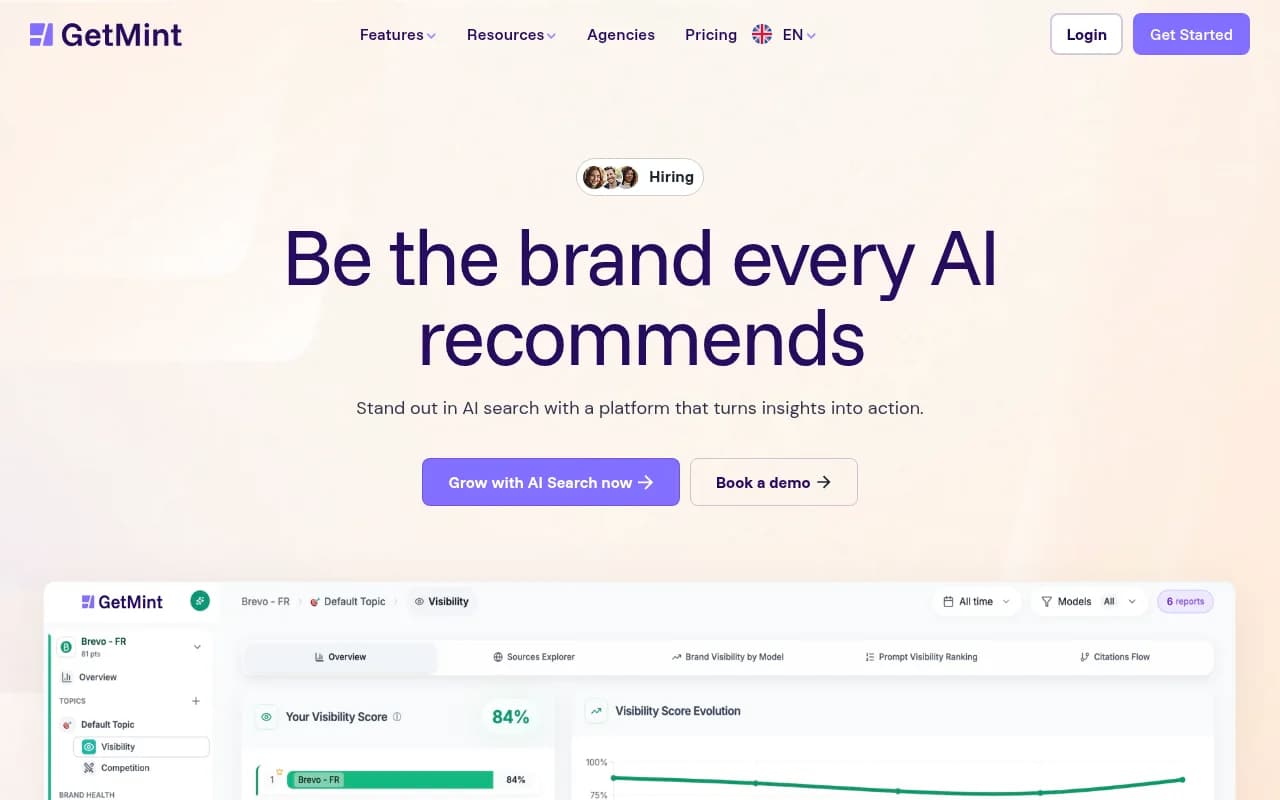
Before getting into the gaps, it's worth being specific about the strengths. GetMint's core pitch is turning AI search insights into content that fills visibility gaps, then distributing that content through a network of 150,000+ partner media outlets. That's a genuinely useful combination.
Content creation speed
GetMint is built for teams that want to move fast. The workflow from "we're not showing up for this topic" to "we have a published article" is shorter than most competitors. For content teams under pressure to ship, that matters.
Distribution reach
The partner media network is a real differentiator. Most GEO tools stop at telling you what to write. GetMint actually helps you get it placed. That's useful because AI models don't just cite your own website -- they cite third-party sources, Reddit threads, news articles, and industry publications. Having a distribution layer built in means you're not just optimizing your site; you're building the broader citation footprint that AI models actually respond to.
Agility for smaller teams
GetMint positions itself as the tool for teams that need to fix visibility gaps immediately without configuring complex automation workflows. That's a fair description. The setup is relatively light, and you can be tracking and publishing within a day or two of signing up.
Competitive comparisons
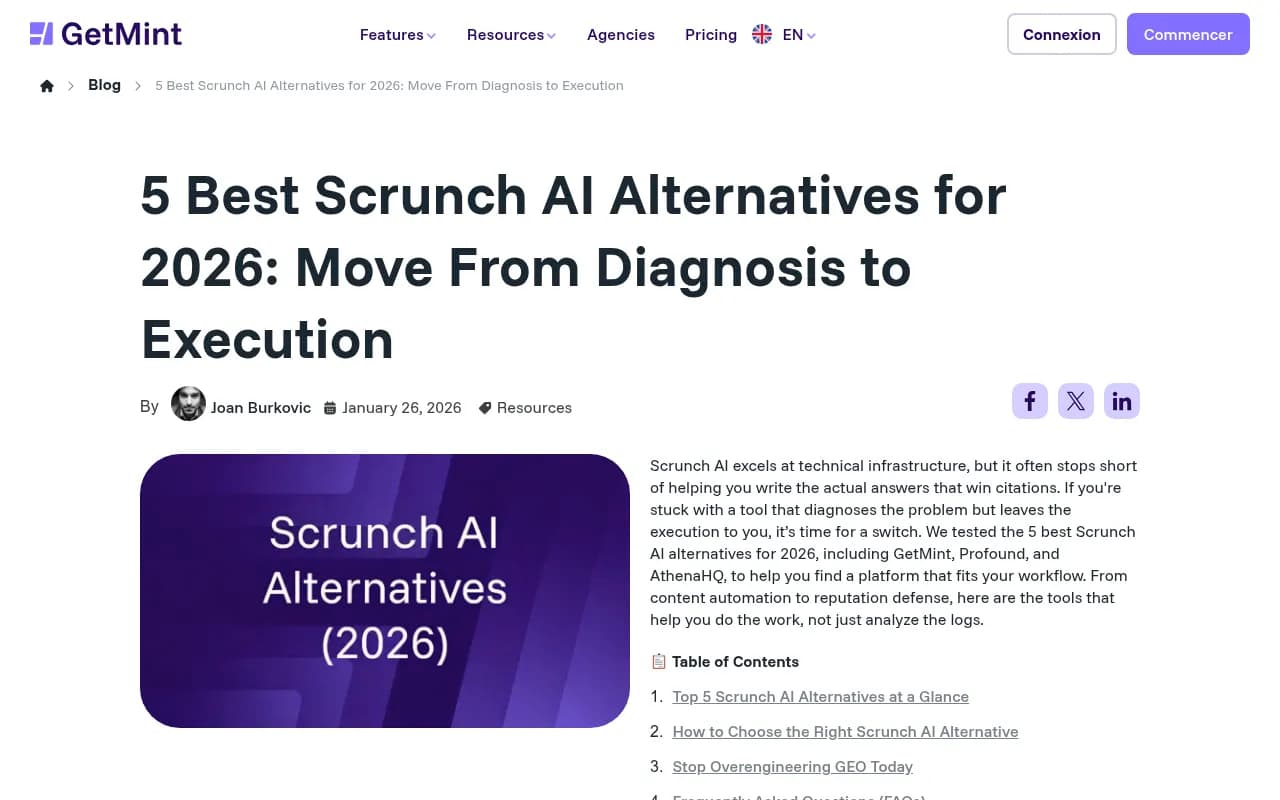
GetMint's own resources pages (their AthenaHQ alternatives guide, their Scrunch alternatives guide) show they understand the competitive landscape well. They know where they sit relative to enterprise-heavy tools like Profound and monitoring-only platforms like Otterly.AI.
The 6 gaps that push teams toward alternatives
Here's where it gets honest. These aren't hypothetical complaints -- they're the patterns that show up when teams start evaluating what's missing.
1. Shallow AI monitoring depth
GetMint tracks brand visibility across AI models, but the monitoring layer is relatively thin compared to dedicated visibility platforms. Teams that want to understand not just whether they're cited but how they're cited -- sentiment, accuracy, context, which specific pages are being referenced -- often find GetMint's data insufficient.
Platforms like Promptwatch track page-level citations across 10+ AI models, including ChatGPT, Claude, Perplexity, Gemini, Grok, DeepSeek, and Copilot. That granularity matters when you're trying to figure out why one piece of content gets cited and another doesn't.

2. No AI crawler log access
This is a big one. AI crawler logs show you which pages ChatGPT, Claude, Perplexity, and other AI engines are actually reading, how often they return, and what errors they encounter. Without this, you're flying blind on the technical side of AI indexing.
GetMint doesn't offer crawler log visibility. If your site has indexing issues -- pages that AI crawlers can't access, or content that's being skipped entirely -- you won't know about it through GetMint. You'd need a separate tool or a platform that includes this natively.
3. Limited prompt intelligence
Understanding which prompts drive AI traffic, how difficult they are to rank for, and how a single query branches into sub-queries (what some call "query fan-outs") is increasingly important for prioritizing content efforts. GetMint gives you topic areas to target, but it doesn't give you the kind of prompt-level data that helps you decide which prompts are worth pursuing first.
If you're working with a limited content budget, knowing that prompt A has 10x the volume of prompt B -- and that prompt B is already dominated by a competitor -- changes your strategy significantly. That kind of prioritization data isn't really part of GetMint's offering.
4. No traffic attribution
This is the gap that tends to matter most to marketing managers and anyone who has to justify spend. GetMint can show you that your visibility improved. It can't reliably connect that visibility to actual website traffic or revenue.
Proper traffic attribution for AI search requires either a code snippet, a Google Search Console integration, or server log analysis. Without it, you're reporting on visibility metrics that executives can't connect to business outcomes. That's a hard sell when budget review time comes around.
5. No Reddit or YouTube tracking
AI models don't just cite brand websites. They cite Reddit threads, YouTube videos, forum discussions, and third-party articles. Understanding which Reddit discussions and YouTube content are influencing AI recommendations in your category is a real competitive advantage -- and it's something GetMint doesn't surface.
This matters especially in categories where Reddit has strong AI citation rates (consumer tech, software, personal finance, health). If a Reddit thread is steering ChatGPT's recommendations away from your brand, you want to know about it.
6. Weak competitive intelligence
GetMint shows you your own visibility. It's less useful for understanding exactly where competitors are outperforming you and why. Answer gap analysis -- the ability to see which prompts competitors are visible for that you're not -- is a core capability for any team that wants to move from reactive to strategic.
Without that competitive layer, you're guessing at what content to create rather than targeting the specific gaps where you're losing to a named competitor.
How the alternatives stack up
Different teams hit different walls with GetMint, so the right alternative depends on which gap is most painful.
| Need | GetMint | Promptwatch | Profound | Otterly.AI |
|---|---|---|---|---|
| Content creation | Strong | Strong (built-in AI writer) | Limited | None |
| Distribution network | Strong (150K+ outlets) | Not included | Not included | Not included |
| AI monitoring depth | Basic | Deep (10+ models, page-level) | Deep | Basic |
| Crawler log access | No | Yes | No | No |
| Prompt intelligence | Basic | Full (volume, difficulty, fan-outs) | Partial | No |
| Traffic attribution | No | Yes (GSC, snippet, logs) | Partial | No |
| Reddit/YouTube tracking | No | Yes | No | No |
| Competitive gap analysis | Limited | Full answer gap analysis | Partial | No |
| Pricing entry point | Mid-range | $99/mo | Enterprise | Low |
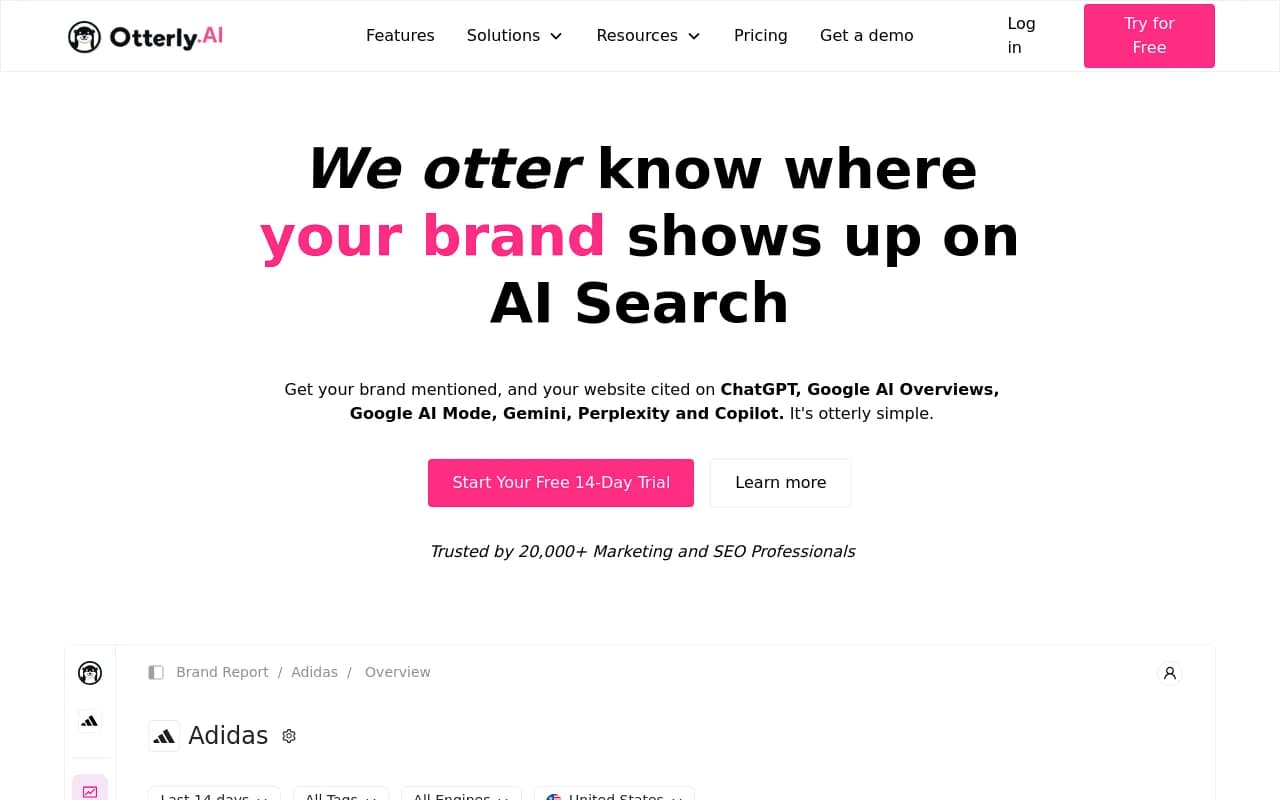
The table makes one thing clear: most alternatives trade one strength for another. Otterly.AI is cheaper but gives you less. Profound goes deeper on enterprise monitoring but doesn't help you create content. GetMint helps you create and distribute but leaves gaps in measurement and intelligence.
The platforms that try to close the full loop -- find gaps, generate content, track results -- are fewer. Promptwatch is the one I'd point to most directly, because it covers the monitoring depth, the content generation, the crawler logs, and the traffic attribution in one place. That's the combination that's hard to replicate by stitching together two or three separate tools.
Who should stick with GetMint
To be fair: GetMint is a good fit for some teams. Specifically:
- Content teams that already have a monitoring tool and just need a faster publishing workflow
- Brands that want third-party distribution as part of their GEO strategy
- Smaller teams that don't need deep analytics and just want to move fast
- Teams in the early stages of GEO who aren't yet ready to invest in a full-stack platform
If you're in one of those situations, GetMint's agility is genuinely useful. The gaps matter more as your program matures and you need to prove results, prioritize more precisely, or understand the technical reasons behind your visibility scores.
Who should look elsewhere
You should probably start evaluating alternatives if:
- You're being asked to show how AI visibility connects to traffic or revenue
- You want to understand which specific pages are being cited (and which aren't)
- You need to know why AI crawlers might be skipping parts of your site
- You're competing in a category where Reddit and YouTube heavily influence AI recommendations
- You want to see exactly which prompts competitors are winning that you're not
- You're managing multiple brands or client accounts and need deeper reporting
For teams in that second group, the monitoring-only tools won't solve the problem either. What you need is a platform that treats visibility as a cycle: find the gaps, create content to fill them, and then measure whether it worked.
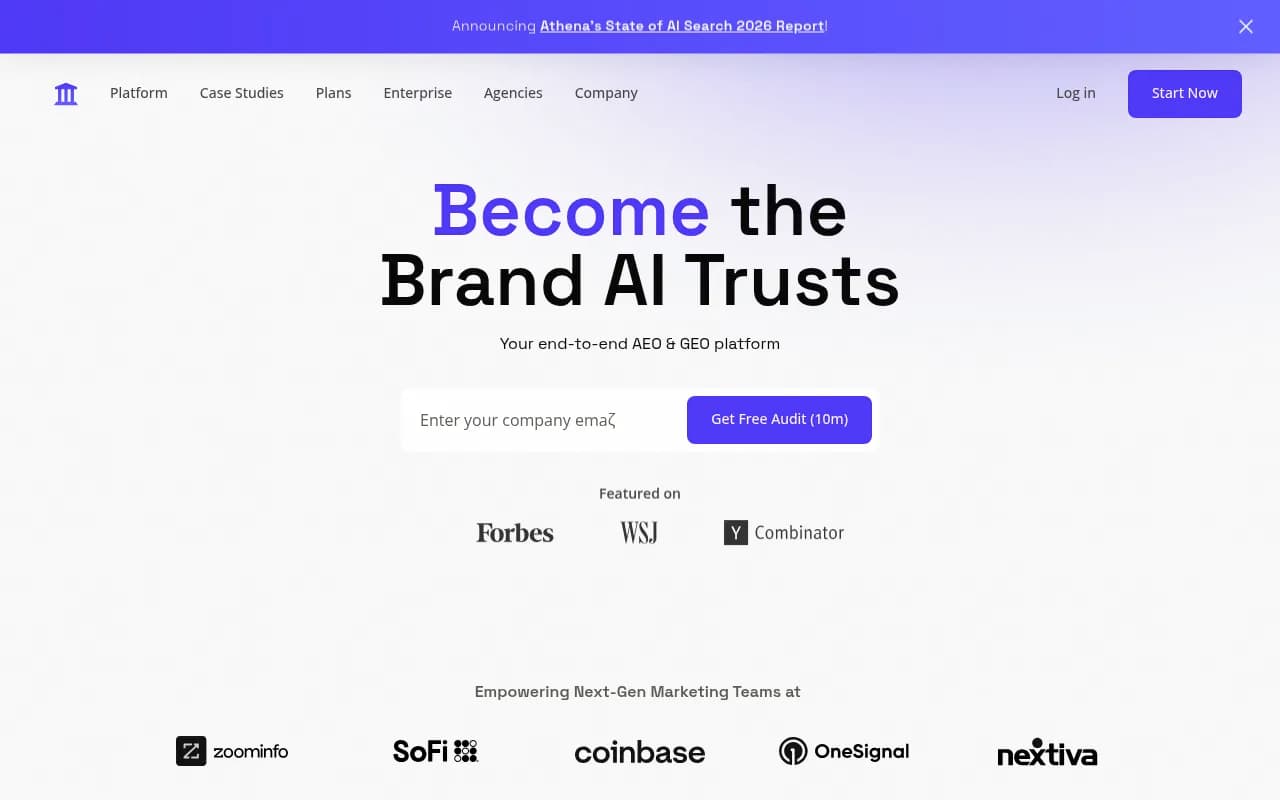
A note on the broader GEO tool market
The GEO tool space in 2026 is crowded and moving fast. New platforms launch constantly, and the feature sets are converging. What separated "monitoring tools" from "optimization tools" 18 months ago is blurring -- most platforms now claim to do both.
The real differentiator isn't the feature list. It's whether the platform actually helps you close the loop. A dashboard that shows you're invisible for 40 prompts is only useful if it also tells you what to do about it, helps you do it, and then shows you whether it worked.
GetMint gets partway there with its content creation and distribution layer. The gaps are on the intelligence and measurement side. Whether those gaps matter to you depends on where your program is and what you're being asked to prove.
If you're evaluating options, it's worth spending time with platforms that have built the full cycle natively rather than bolting on features over time. The difference shows up in the data quality and in how much manual work you end up doing to connect the pieces.
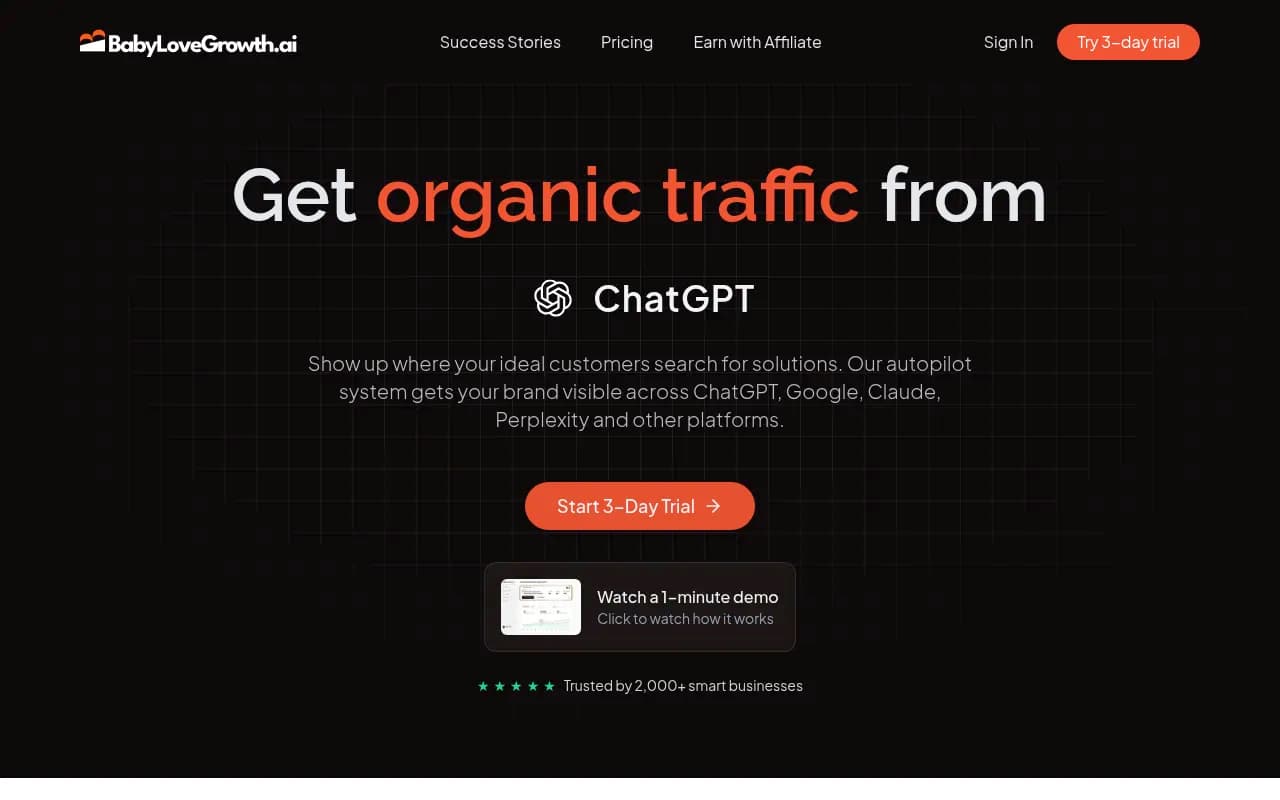
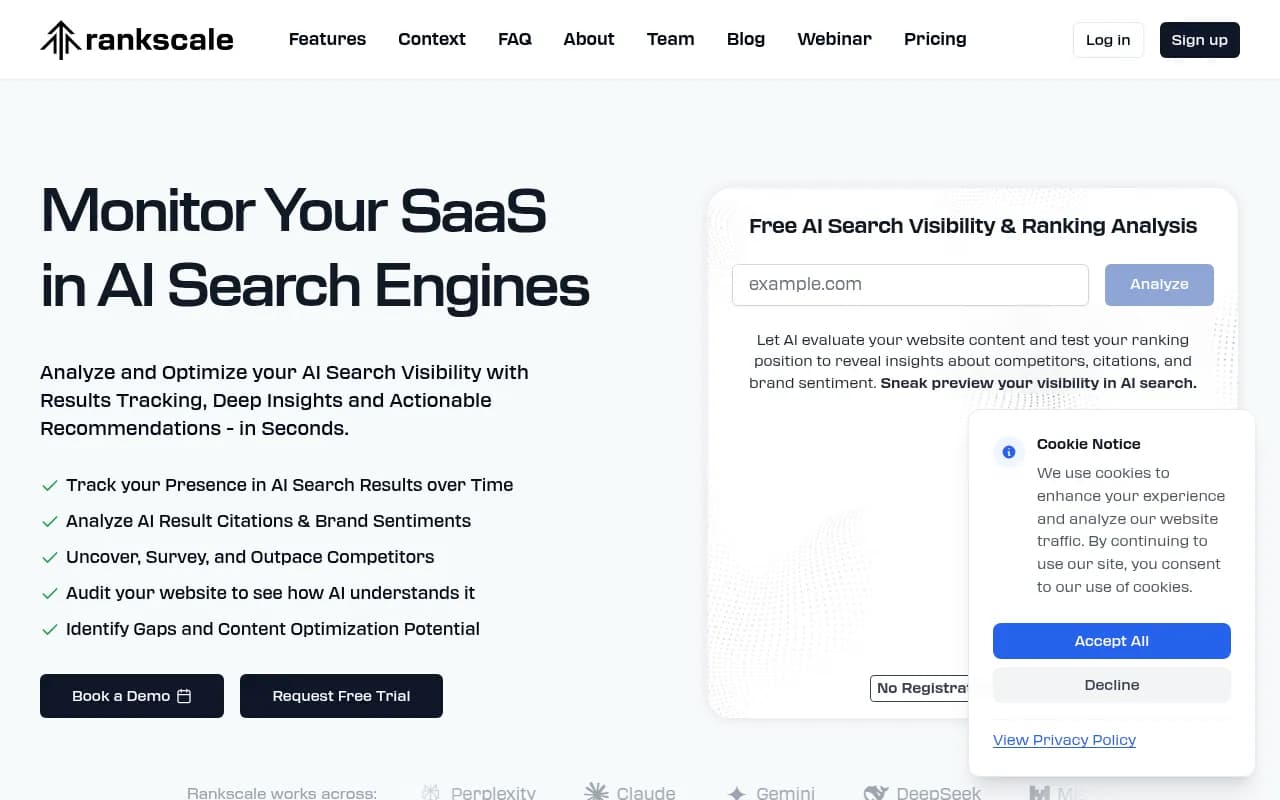
The GEO market will keep consolidating. The tools that survive will be the ones that can answer the question every marketing team eventually asks: "We invested in AI visibility -- what did we actually get for it?" Right now, not many platforms can answer that cleanly. That's the gap worth paying attention to.