Key takeaways
- Peec.ai and Frase are strong at their respective specialties (AI monitoring and SEO content research), but neither closes the loop between prompt data and content creation.
- Scalenut is a capable SEO content platform but has limited AI search visibility tracking -- it's built for traditional search, not LLM citation optimization.
- Promptwatch is the only platform in this comparison that connects real prompt data, content gap analysis, and AI-native content generation in one workflow.
- If your goal is to understand and fix why AI models aren't citing you, the tool you need is the one that does both -- not two separate tools stitched together.
- All four tools have free trials or entry-level plans, so you can test before committing.
There's a question most marketing teams are asking in 2026 that didn't exist two years ago: "Why is our competitor showing up in ChatGPT's answer and we're not?"
The frustrating part isn't the invisibility. It's that most tools will happily show you a dashboard confirming you're invisible, then leave you to figure out the rest yourself.
That gap -- between knowing you have a problem and actually fixing it -- is what this comparison is really about. Peec.ai, Promptwatch, Frase, and Scalenut each approach the AI visibility and content creation challenge from different angles. Some are monitoring tools. Some are content tools. Only one is genuinely both.
Let's get into it.
What we're actually comparing
Before diving into features, it's worth being clear about what the real question is. AI search visibility has two distinct jobs:
- Figuring out which prompts AI models are answering without citing you (and why)
- Creating content that fills those gaps so AI models start citing you
Most tools do one of these. The interesting question is which tools do both -- and how well.
Here's a quick orientation of where each platform sits:
| Platform | Primary focus | AI prompt tracking | Content gap analysis | AI content generation | Pricing (entry) |
|---|---|---|---|---|---|
| Peec.ai | AI visibility monitoring | Yes | No | No | ~$95/mo |
| Promptwatch | AI visibility + optimization | Yes (9 models) | Yes | Yes | $99/mo |
| Frase | SEO content research + writing | Limited | Partial (SEO-focused) | Yes | $45/mo |
| Scalenut | SEO content platform | Limited | Partial (SEO-focused) | Yes | $39/mo |
That table tells most of the story, but the details matter a lot.
Peec.ai: solid monitoring, stops there
Peec.ai is a purpose-built AI visibility analytics tool. It does one thing and does it reasonably well: showing you where your brand appears (or doesn't) in AI search responses.
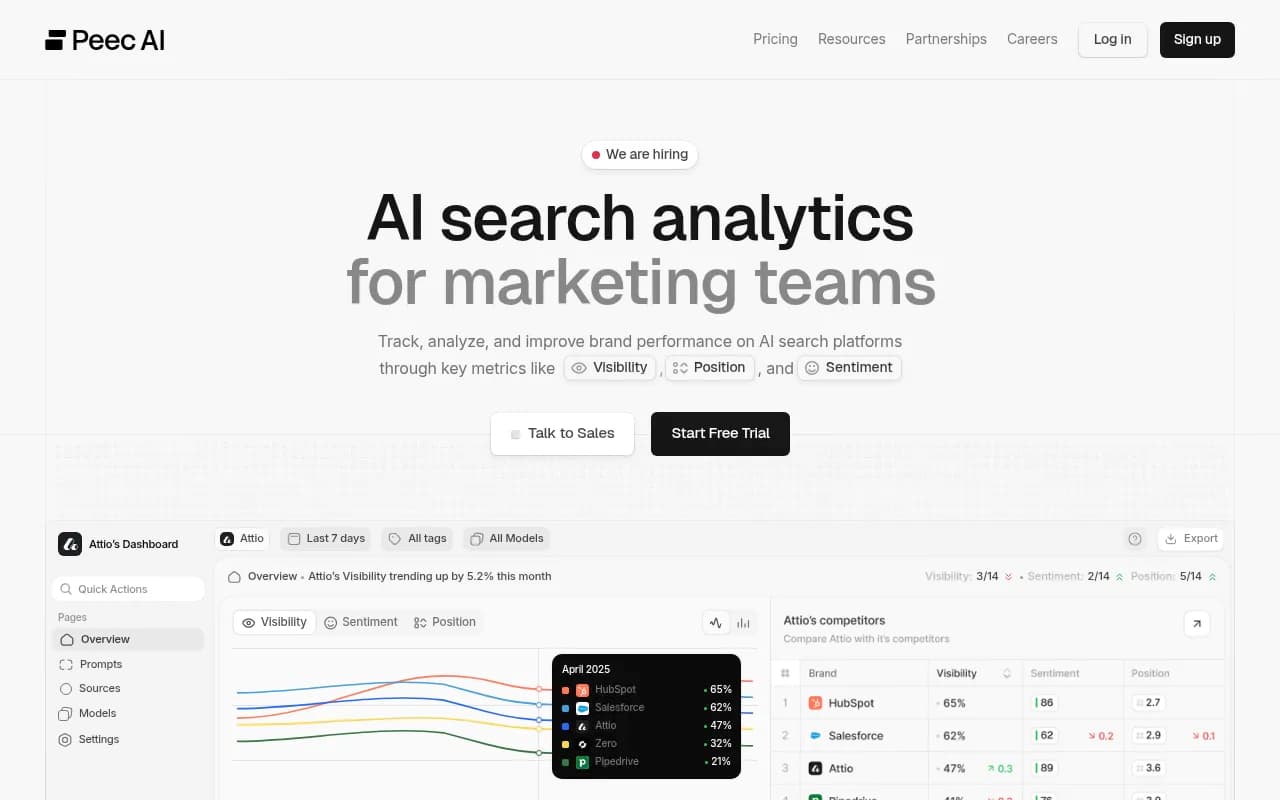
The interface is clean. Prompt tracking is straightforward. You can monitor visibility scores, see how competitors compare, and track sentiment. For teams that need clean reporting on AI visibility -- say, an agency showing a client their monthly AI share of voice -- Peec.ai works fine.
The limitations show up when you ask "okay, now what?" Peec.ai doesn't have content gap analysis. It doesn't generate content. It doesn't show you which specific topics or angles AI models want answered that your site isn't covering. On Starter and Pro plans, you're limited to tracking 3 AI platforms, which means you're missing coverage on most of the models your customers are actually using.
One practical note from Promptwatch's own comparison: Peec's entry plan starts at around $95/month for 3 platforms, while Promptwatch covers all 9 at $99/month. That's not a small difference in coverage for nearly the same price.
Peec.ai is a monitoring tool. If monitoring is all you need, it's a reasonable choice. If you need to act on what you find, you'll need something else alongside it.
Frase: excellent for SEO content research, limited on AI search
Frase built its reputation as one of the better content research and brief-generation tools for traditional SEO. It pulls SERP data, helps you understand what top-ranking pages cover, and generates content outlines and drafts. For teams doing high-volume SEO content work, it's genuinely useful.
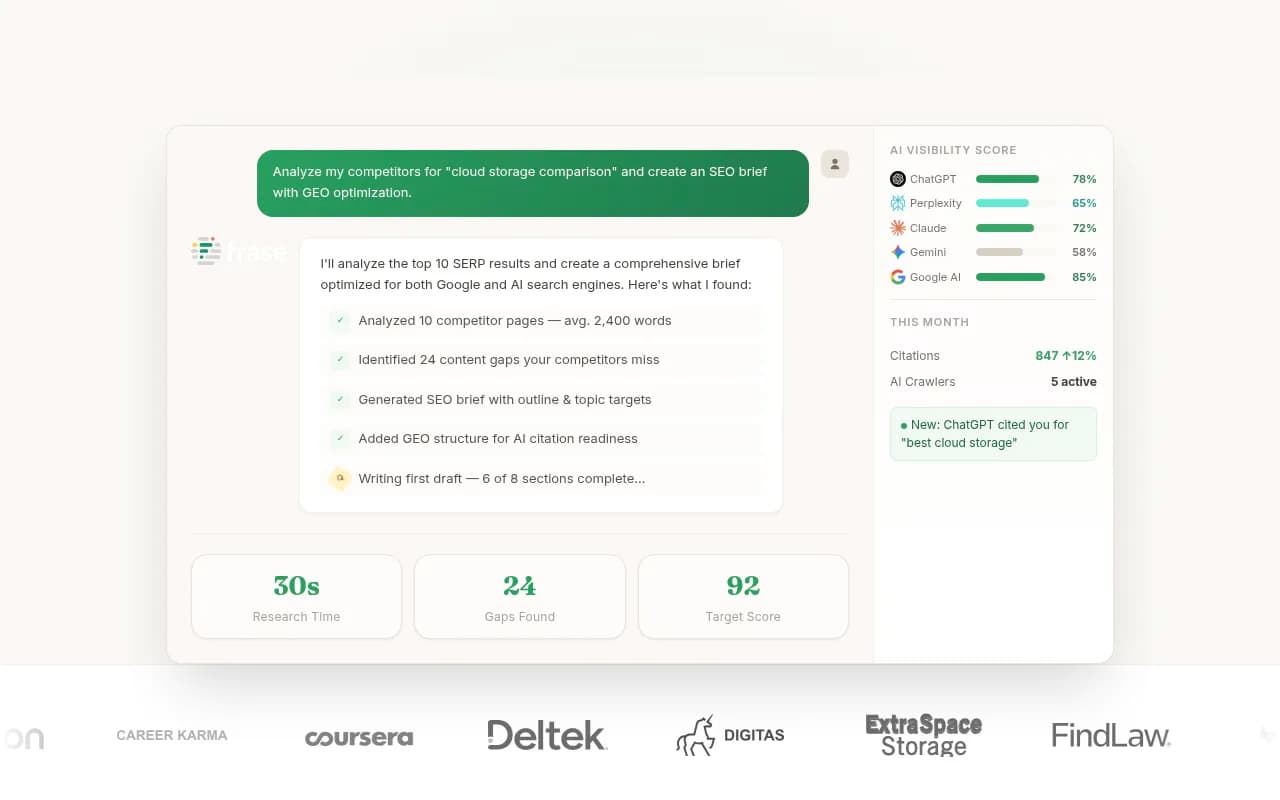
In 2026, Frase has added some AI visibility tracking features -- their blog even published a comparison of the top 10 AI visibility tools. But Frase's core product is still oriented around traditional search, not LLM citation optimization. The content it generates is designed to rank in Google, not necessarily to be cited by ChatGPT or Perplexity.
That's not a knock on Frase. It's just a different job. The prompts that drive AI citations aren't the same as the keywords that drive Google rankings. AI models respond to conversational queries, and the content they cite tends to be direct, authoritative, and structured to answer specific questions -- not necessarily the long-form, keyword-dense content that SEO tools optimize for.
If you're running a traditional SEO operation and want a solid content research tool, Frase is worth considering. If your primary goal is AI search visibility, it's not built for that.
Scalenut: strong SEO content platform, not an AI visibility tool
Scalenut is a full SEO content platform with NLP analysis, keyword clustering, content briefs, and an AI writing assistant. It's well-regarded in the SEO content space and has a genuinely competitive price point.

Scalenut has written about GEO topics -- including a comparison of Profound vs Peec.ai -- which shows they're paying attention to the AI search space. But their platform itself is built for traditional SEO content workflows. There's no real-time AI prompt tracking, no citation analysis across LLMs, and no mechanism for identifying which prompts your competitors are winning in ChatGPT or Perplexity.
Like Frase, Scalenut is a good answer to a different question. If you need to produce SEO content at scale with solid NLP guidance, it's a strong option. If you need to understand why you're not being cited in AI answers and create content specifically to fix that, Scalenut isn't the right tool.
Promptwatch: the one that closes the loop
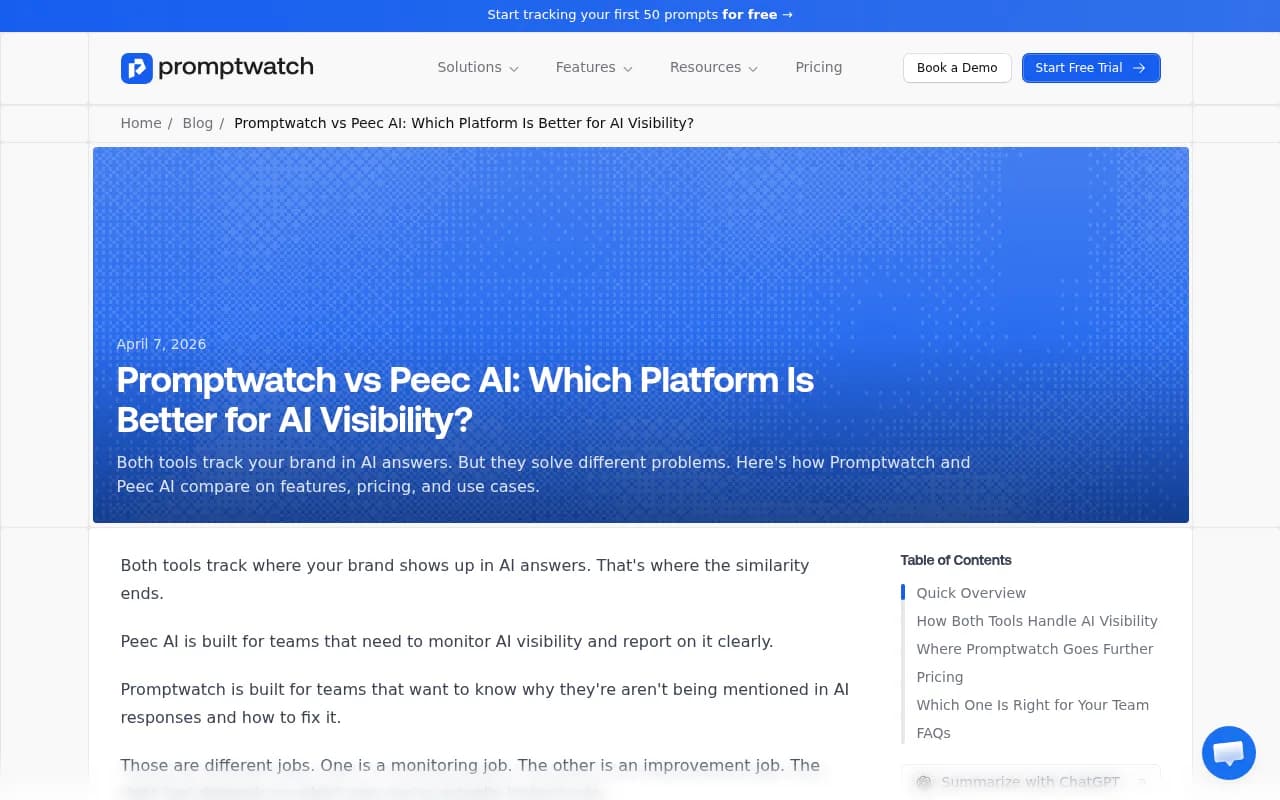
Promptwatch is the platform in this comparison that was built specifically to connect AI visibility data with content creation. The workflow is deliberate: find the gaps, create content to fill them, track whether it works.
Promptwatch tracks your brand across 9 AI models -- ChatGPT, Perplexity, Claude, Gemini, Google AI Overviews, Google AI Mode, Grok, DeepSeek, Copilot, and Mistral -- on all plans. That matters because your customers aren't using just one AI tool, and your visibility varies significantly across them.

Finding the gaps
The Answer Gap Analysis is where Promptwatch separates itself from monitoring-only tools. Instead of just showing you where you're invisible, it shows you the specific prompts where competitors are being cited and you're not -- and what content is missing from your site that would make AI models more likely to cite you.
For example: you track the prompt "best project management software for remote teams." Promptwatch shows you that you appear in ChatGPT at 40% visibility but only 12% on Perplexity, and two competitors consistently appear in Google AI Overviews where you don't. That's three separate problems on three separate platforms, visible in one view. More importantly, you can see what those competitors' cited pages are actually saying that yours aren't.
Creating content that gets cited
The Content Agents feature generates articles, listicles, comparisons, and briefs grounded in real prompt data. This isn't generic AI writing -- it's content engineered around the specific gaps AI models are exposing. The briefs include brand guidance, search results, news context, screenshots, and competitor analysis.
This is the part that most competitors skip entirely. Otterly.AI, Peec.ai, and AthenaHQ all stop at the monitoring step. Promptwatch keeps going.
Tracking whether it works
Page-level tracking shows exactly which pages are being cited, how often, and by which models. The crawler logs (available from the Professional plan at $249/month) show when AI crawlers like ChatGPT and Perplexity hit your pages, what errors they encounter, and when a crawled page moves to an actual citation. That timeline -- from publish to crawl to citation -- is something most platforms can't show you at all.
Pricing
- Essential: $99/mo (1 site, 50 prompts, 5 articles)
- Professional: $249/mo (2 sites, 150 prompts, 15 articles, crawler logs)
- Business: $579/mo (5 sites, 350 prompts, 30 articles)
- Agency/Enterprise: custom pricing
Free trial available. Annual billing discounts apply.
Head-to-head: the features that actually matter
| Feature | Peec.ai | Promptwatch | Frase | Scalenut |
|---|---|---|---|---|
| AI prompt tracking | Yes (3 models on entry) | Yes (9 models, all plans) | Limited | No |
| Citation analysis | Basic | In-depth, page-level | No | No |
| Answer gap analysis | No | Yes | No | No |
| AI content generation | No | Yes (Content Agents) | Yes (SEO-focused) | Yes (SEO-focused) |
| Content briefs from prompt data | No | Yes | Partial (SERP-based) | Partial (SERP-based) |
| Crawler logs / agent analytics | No | Yes (Professional+) | No | No |
| Reddit & YouTube insights | No | Yes | No | No |
| ChatGPT Shopping tracking | No | Yes | No | No |
| Competitor heatmaps | Basic | Yes | No | No |
| Multi-language / multi-region | Limited | Yes | Limited | Limited |
| Traffic attribution to AI | No | Yes | No | No |
| Entry price | ~$95/mo | $99/mo | $45/mo | $39/mo |
Who should use what
The honest answer here depends on what problem you're actually trying to solve.
If you need clean AI visibility reporting for clients or stakeholders and optimization isn't part of the brief, Peec.ai does that job adequately. The dashboards are clean and the reporting is straightforward.
If you're running a traditional SEO content operation and want better research and brief generation, Frase and Scalenut are both solid. Frase tends to be stronger on content research and brief quality; Scalenut has better NLP-based content scoring and a slightly lower price point.
If you want to actually improve your AI search visibility -- not just measure it -- Promptwatch is the only platform in this comparison built to do that end-to-end. The combination of real prompt data, gap analysis, and content generation grounded in that data is what makes it different. You're not stitching together a monitoring tool and a content tool and hoping they talk to each other. It's one workflow.
For teams that are serious about GEO in 2026, the monitoring-only approach is increasingly hard to justify. Knowing you're invisible is only useful if you know what to do about it.
A note on the broader landscape
These four tools don't exist in isolation. There are a few other platforms worth knowing about depending on your specific needs.
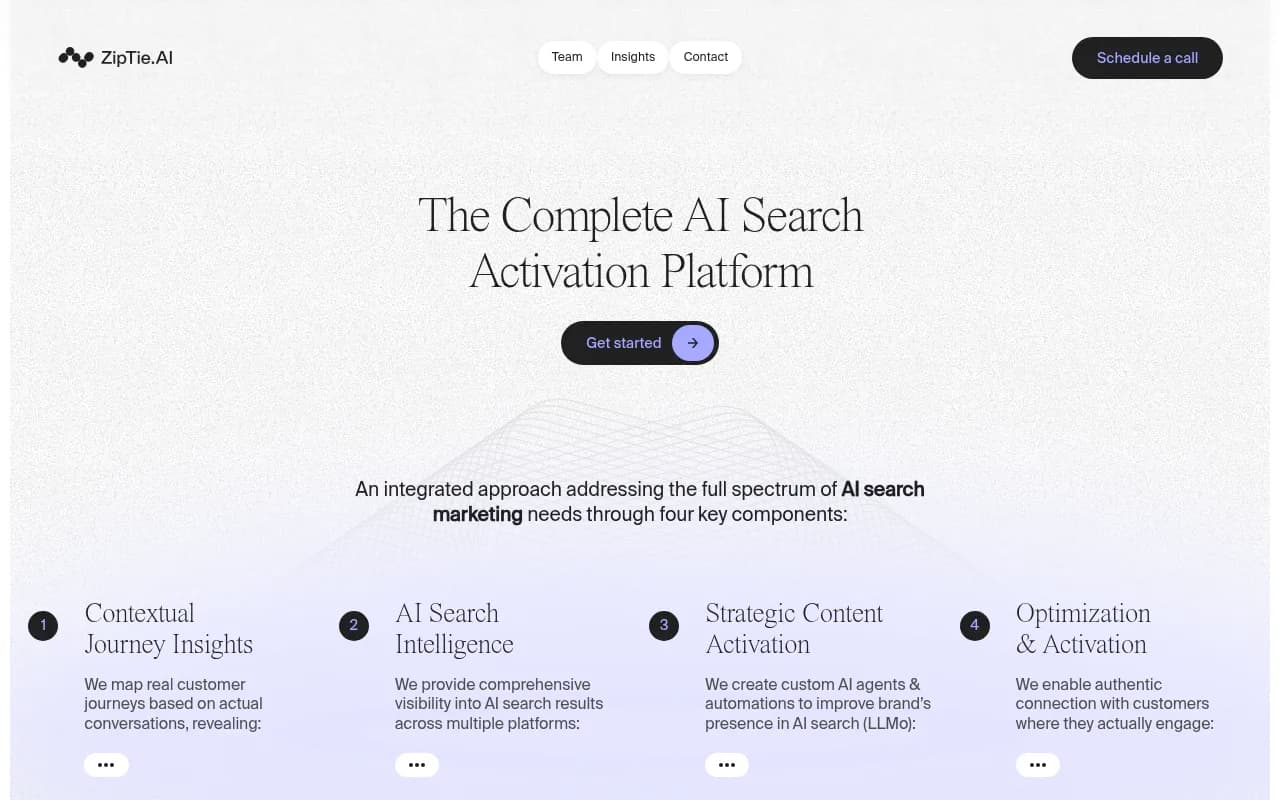
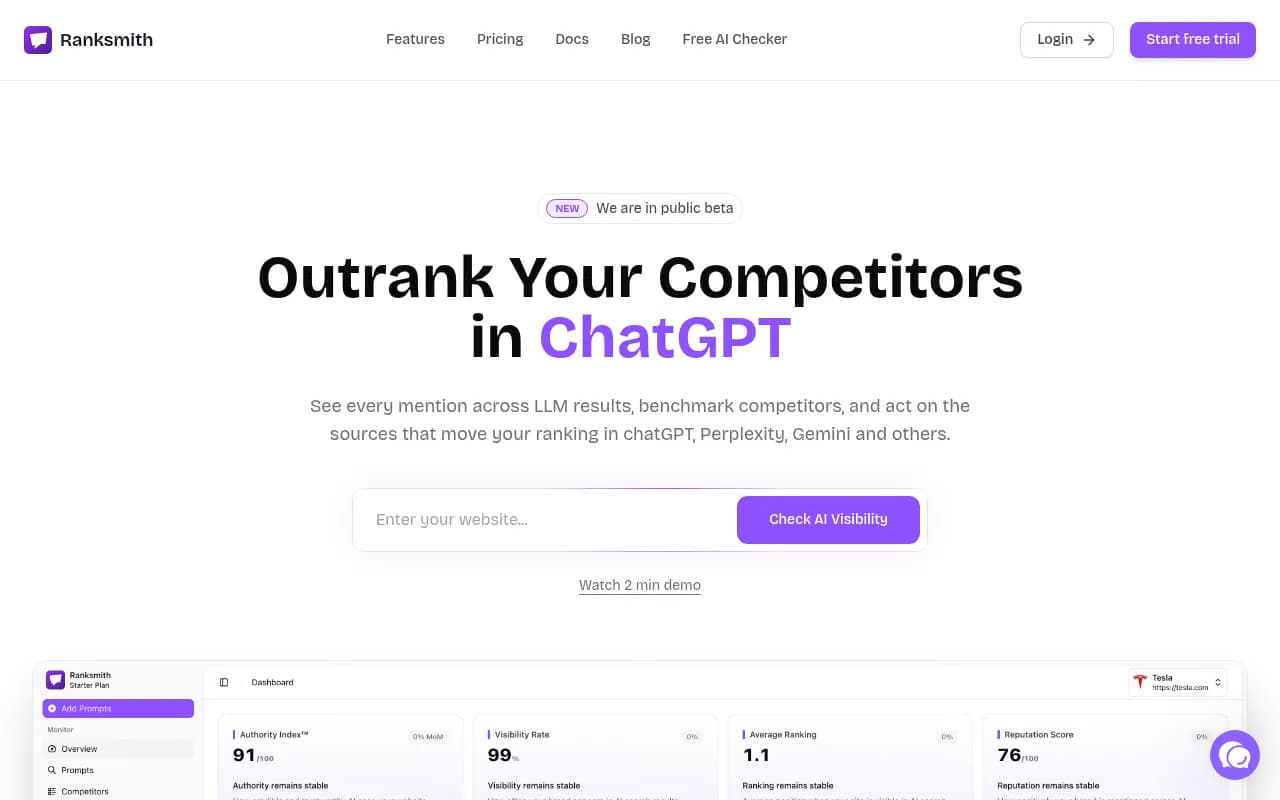
For AI visibility tracking with a focus on actionable insights, tools like ZipTie and Ranksmith are worth a look:
For teams that want enterprise-grade AI visibility with strong data depth, Profound is a common alternative -- though it comes at a significantly higher price point:
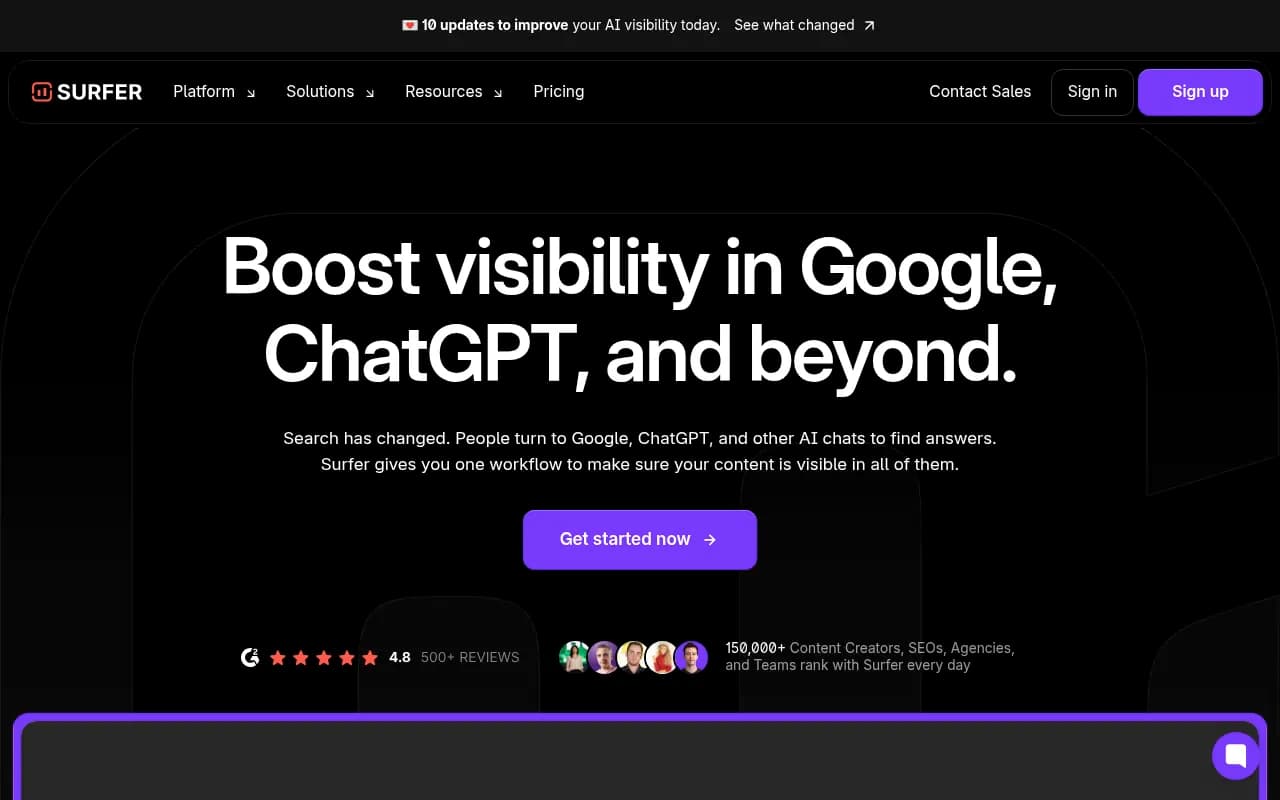
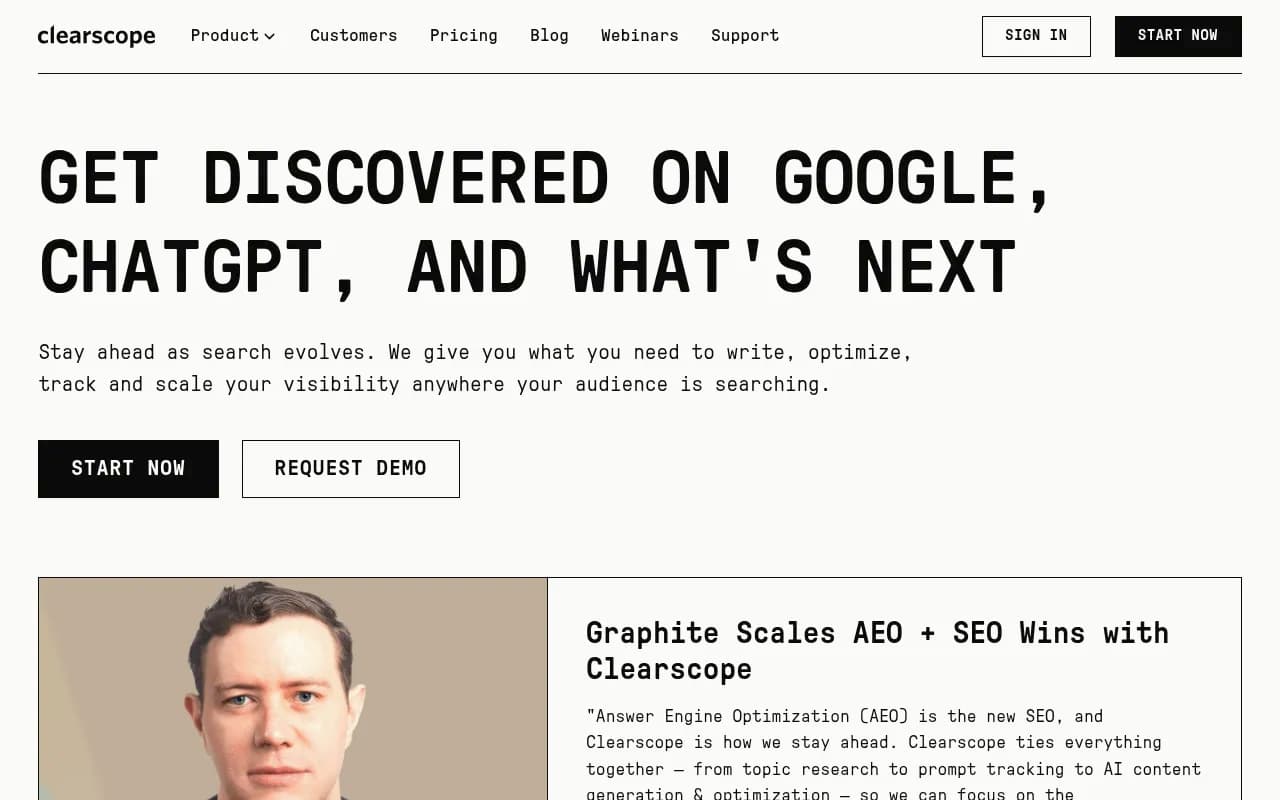
For content optimization specifically (not AI visibility tracking), Surfer SEO and Clearscope are the most established options in the market:
The bottom line
The question in the title -- which platform combines real prompt data with content that actually gets cited -- has a fairly clear answer in 2026.
Peec.ai monitors. Frase and Scalenut create content for traditional search. Promptwatch does both, and it does them in a connected workflow where the content you create is directly informed by the gaps AI models are exposing.
That doesn't mean Frase or Scalenut are bad tools. They're good tools for a different job. But if the job is AI search visibility -- understanding why you're not being cited and fixing it -- Promptwatch is the only platform in this comparison that's actually built for that.
The free trial is available on all plans. Given how fast AI search is moving in 2026, there's not much reason to wait.