Key takeaways
- Perplexity pulls from trusted, crawlable sources -- your content needs to be structured, specific, and answer real questions to get cited
- Entity recognition matters as much as keywords: Perplexity needs to "know" your brand exists before it will mention it
- Mentions, citations, and links are three different things -- track all three separately or you'll misread what's actually happening
- Content gaps are the biggest lever: find the prompts your competitors appear in but you don't, then create content that fills those gaps
- Tracking without acting is a waste of time -- the brands winning in Perplexity are the ones running a continuous loop of finding gaps, publishing content, and measuring results
Perplexity crossed 15 million daily active users in early 2026, and the way people use it is different from Google. They're not browsing. They're asking a question, reading a synthesized answer, and often making a shortlist decision before they've opened a single website. If your brand isn't in that answer, you're not in the consideration set.
This guide is about changing that. Not with vague advice about "being authoritative," but with the specific moves that actually influence what Perplexity says about your category.
How Perplexity actually decides what to cite
Before you can optimize for Perplexity, you need to understand what it's doing. Perplexity is a retrieval-augmented generation (RAG) system -- it searches the web in real time, pulls relevant sources, and synthesizes an answer. The model then decides which sources to cite in the references panel.
That means two things have to happen for your brand to appear:
- Perplexity's crawler has to find and index your content
- The model has to judge your content as relevant and trustworthy enough to cite
These are separate problems. A lot of brands have the first one solved (their site is crawlable) but fail on the second because their content doesn't actually answer the questions people are asking.
Perplexity also pulls from third-party sources -- Reddit threads, YouTube videos, industry publications, review sites. Your brand can appear in an answer without your own website being cited at all, if you're being discussed in the right places.
The three things Perplexity can do with your brand
It helps to be precise about what you're actually trying to achieve. There are three distinct outcomes:
- A mention: your brand name appears in the answer text
- A citation: your domain appears in the references panel
- A link: a clickable URL to your site that users can follow
These reflect different levels of trust and different kinds of value. A mention builds awareness. A citation signals that Perplexity trusts your content as a source. A link drives actual traffic. Track all three separately -- if you lump them together, you won't know which problem to fix.
Step 1: Get your entity recognized
Perplexity's model needs to know your brand exists as a real entity before it will confidently mention you. This is entity optimization, and it's the foundation everything else builds on.
The practical steps:
- Make sure your brand name, description, and category are consistent across your website, Google Business Profile, LinkedIn, Crunchbase, and any industry directories relevant to your space
- If you don't have a Wikipedia page, that's fine -- but make sure you're mentioned on pages that do (industry roundups, partner pages, press coverage)
- Use schema markup on your homepage and key pages:
Organization,Product,FAQPage, andHowToschemas all help Perplexity's crawler understand what you are and what you do - Your "About" page should be factual and specific -- not a brand story, but a clear description of what your company does, who it serves, and what category it belongs to
Think of it like this: if someone asked Perplexity "what is [your brand]?" and got a blank or wrong answer, you have an entity problem. Fix that first.
Step 2: Build content Perplexity actually wants to cite
This is where most brands go wrong. They have a blog, but it's full of thought leadership pieces and company news -- content that's interesting to existing customers but useless to someone asking Perplexity a research question.
Perplexity cites content that directly answers questions. The format matters less than the specificity. A 600-word page that clearly answers "what's the difference between X and Y" will outperform a 3,000-word pillar post that talks around the topic.
Content types that get cited
- Comparison pages ("X vs Y: which is better for [use case]")
- "Best [category] tools/services for [specific audience]" lists
- How-to guides with numbered steps and concrete outcomes
- FAQ pages that mirror the exact phrasing of real questions
- Data-backed pages with original statistics or research findings
- Definition pages that clearly explain what a term or concept means
The pattern here is that all of these are answer-shaped. They exist to resolve a specific question, not to build brand equity or tell a story.
How to find the right questions to target
Start with the prompts your buyers are actually typing into Perplexity. You can do this manually by spending time in Perplexity itself -- type in queries related to your category and see what comes up, who gets cited, and what questions the model suggests as follow-ups.
For a more systematic approach, tools like Promptwatch track prompt volumes and difficulty scores, and show you exactly which prompts your competitors appear in but you don't. That gap analysis is the fastest way to find content opportunities that will actually move your visibility.

You can also use Perplexity itself as a research tool for this.
Perplexity
Step 3: Optimize your pages for AI crawlers
Getting cited in Perplexity requires that its crawler can actually read and understand your pages. A few technical things that matter more than most people realize:
- Pages need to load fast and render server-side. JavaScript-heavy pages that require client-side rendering are harder for AI crawlers to process
- Your
robots.txtshould not be blocking AI crawlers (GPTBot, PerplexityBot, ClaudeBot, etc.) unless you have a specific reason to - Internal linking matters -- Perplexity's crawler follows links, so your most important pages should be well-linked from the rest of your site
- Structured data (schema markup) helps the model understand the context of your content. At minimum:
Article,FAQPage, andOrganizationon the relevant pages
One thing most brands don't check: whether AI crawlers are actually hitting their site, what pages they're reading, and whether they're encountering errors. This is something Promptwatch's crawler log feature surfaces -- you can see in real time which AI bots are visiting, which pages they're reading, and where they're getting blocked.
Step 4: Get mentioned in the sources Perplexity trusts
Your own website is only one input. Perplexity also pulls from Reddit, YouTube, industry publications, review aggregators, and high-authority blogs. If you're not present in those places, you're missing a big part of the picture.
Perplexity cites Reddit frequently, especially for "what's the best X" and "has anyone used Y" type queries. If your brand isn't being discussed in relevant subreddits, that's a gap. You can't fake this -- manufactured Reddit posts get spotted and removed -- but you can:
- Participate genuinely in communities where your buyers hang out
- Make sure your brand is mentioned in comparison threads (sometimes this means reaching out to thread authors)
- Create content that's worth linking to from Reddit discussions
Review sites and aggregators
G2, Capterra, Trustpilot, and similar platforms get cited heavily. If you're a software or service company and you don't have a strong presence on these platforms, Perplexity will cite your competitors instead of you when someone asks for recommendations.
Industry publications and blogs
Getting mentioned in a well-known industry publication carries real weight. A single mention in a TechCrunch article, a Substack newsletter with 50,000 subscribers, or a popular industry blog can influence what Perplexity says about your brand for months.
YouTube
Perplexity surfaces YouTube content for how-to queries and product comparisons. If you have a YouTube channel, make sure your video titles and descriptions use the exact phrasing of the questions you want to rank for.
Step 5: Track what's actually happening
You can't improve what you don't measure. And tracking Perplexity visibility is genuinely tricky because the outputs vary -- the same prompt can return different answers depending on the model, location, and timing.
The right approach is to build a repeatable tracking cadence:
- Define a set of prompts that represent real buyer queries in your category
- Run those prompts on a regular schedule (weekly is usually enough)
- Record mentions, citations, and links separately for each prompt
- Note which competitors appear and which sources Perplexity is using
This is tedious to do manually at scale. Most teams use a dedicated tool for it.
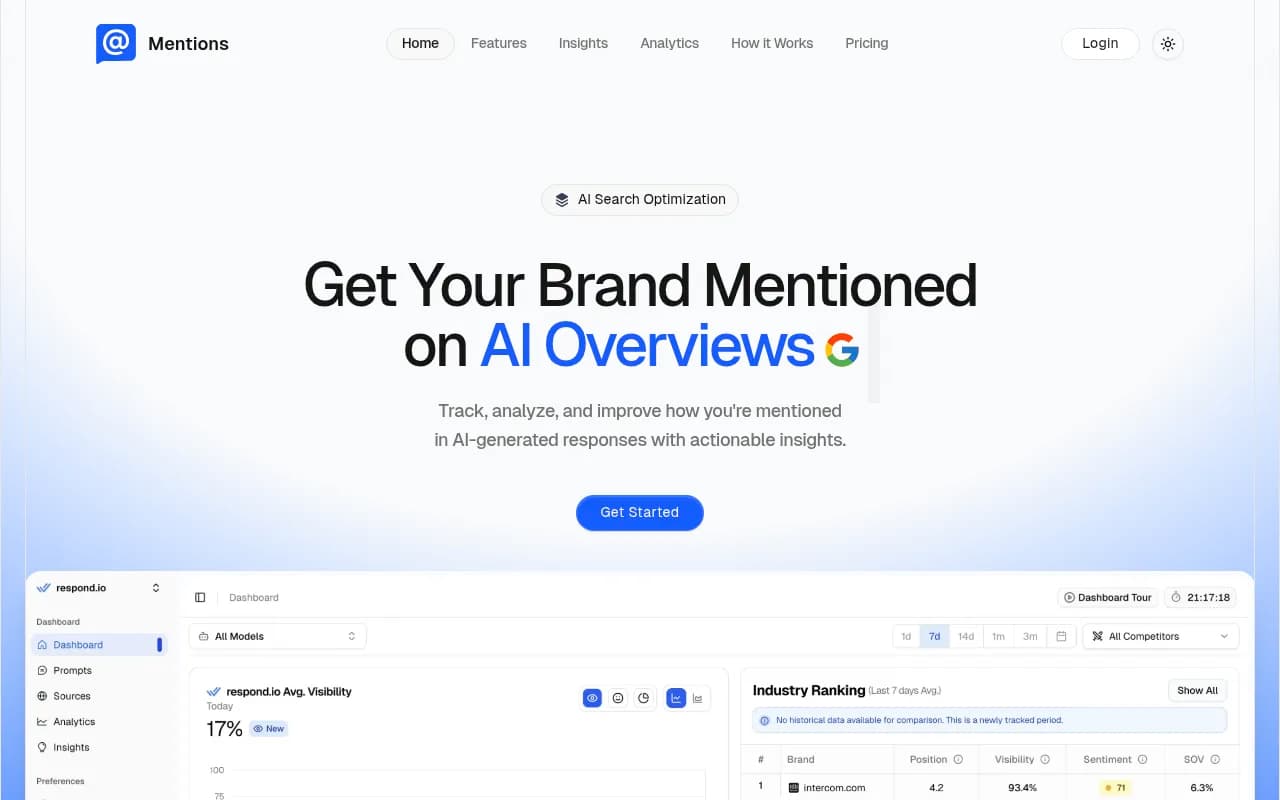
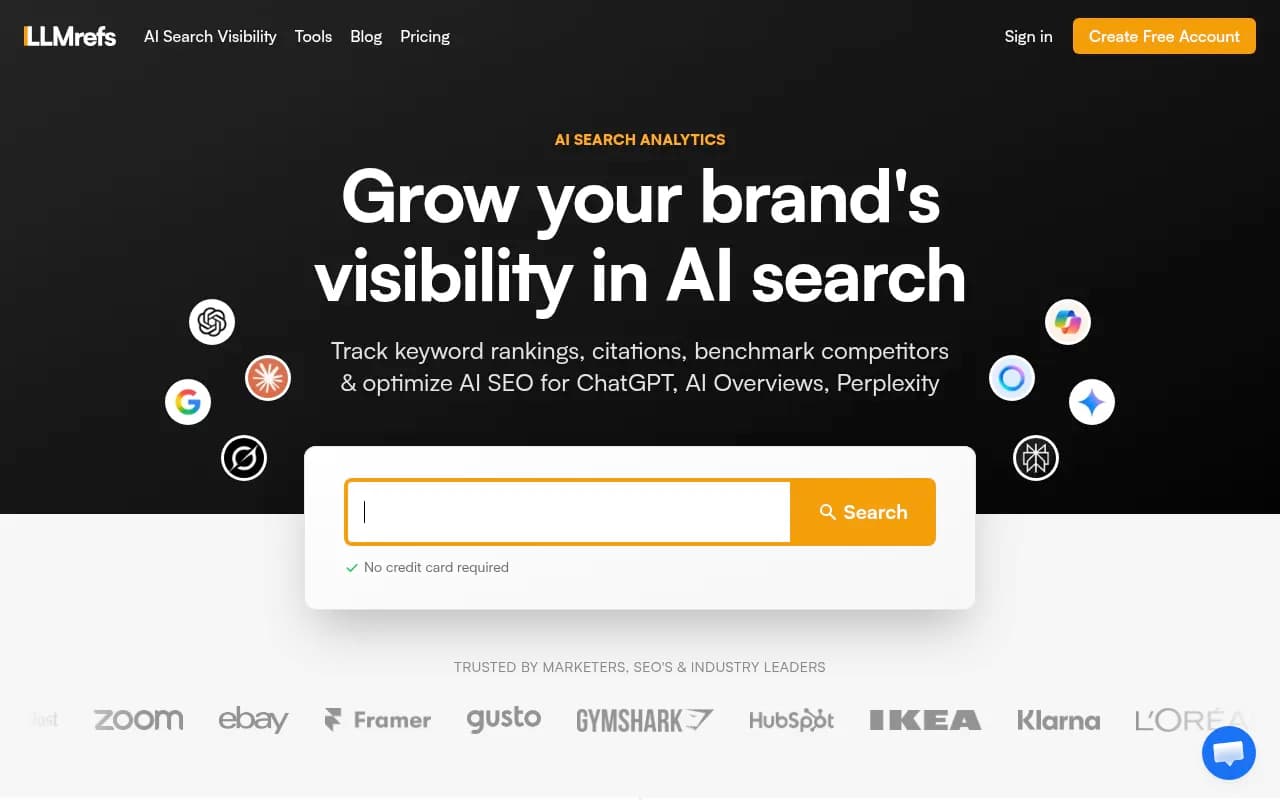
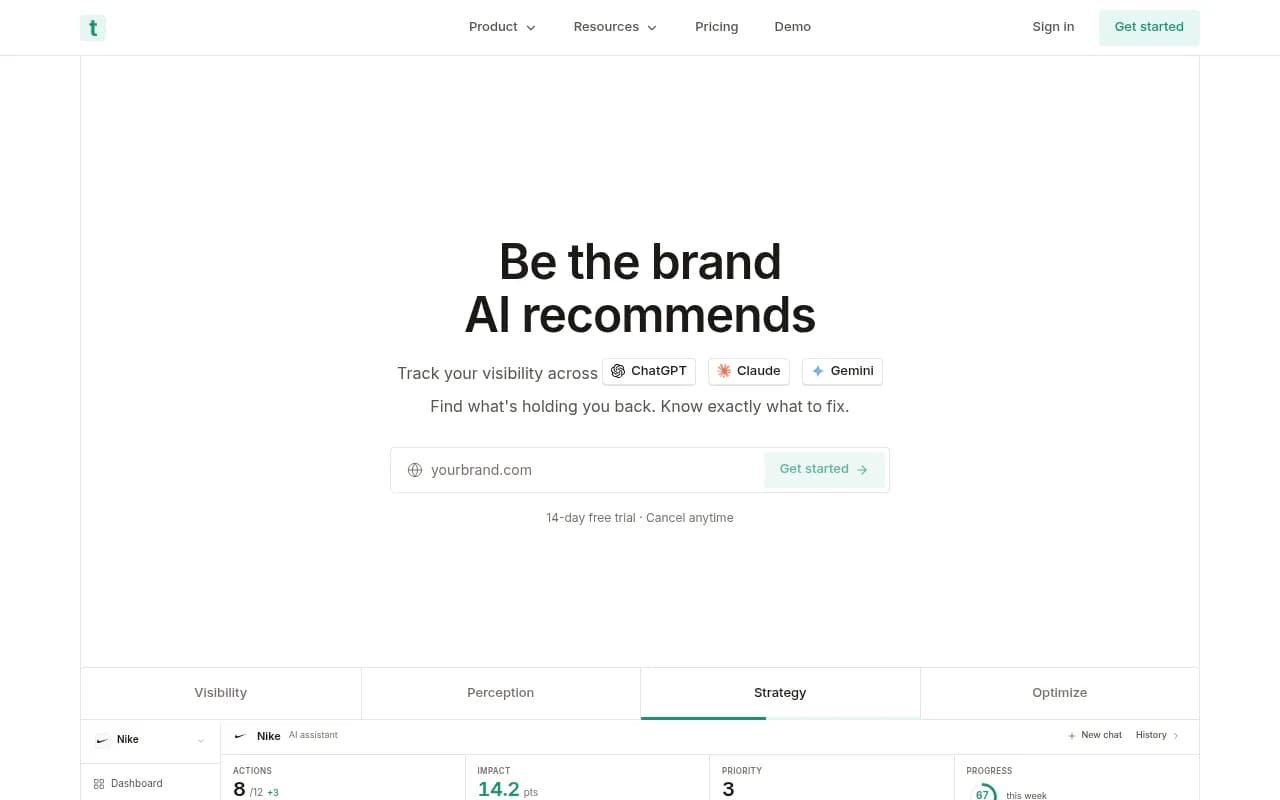
For teams that want to go deeper -- seeing prompt volumes, difficulty scores, and competitor heatmaps across multiple AI models -- Promptwatch covers all of this and connects visibility data to actual traffic through GSC integration and server log analysis.

Step 6: Close the loop with content creation
Tracking tells you where you're invisible. The question is what you do about it.
Most brands stop at monitoring. They see that a competitor appears in 40 prompts they don't, and they... write it down. The brands actually gaining ground in Perplexity are the ones treating those gaps as a content production queue.
For each prompt where you're invisible:
- Check what content is being cited -- read those pages and understand why Perplexity trusts them
- Identify what's missing from your own site that would make you a credible source for that prompt
- Create that content -- a specific page, not a vague blog post
- Publish, wait a few weeks, and re-run the prompt to see if your visibility has changed
This cycle -- find gaps, create content, track results -- is the actual work of Generative Engine Optimization (GEO). Tools like Promptwatch are built around this loop specifically, with built-in content generation grounded in citation data and prompt intelligence.
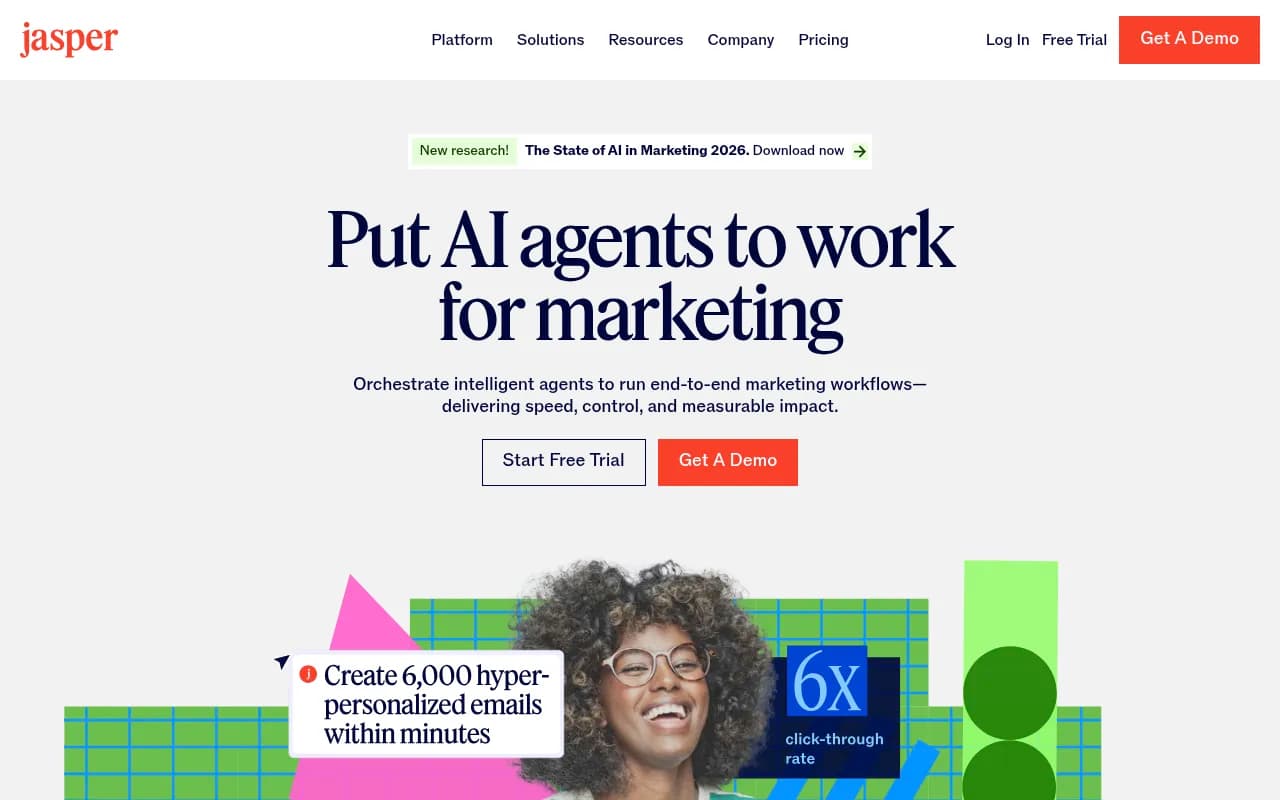
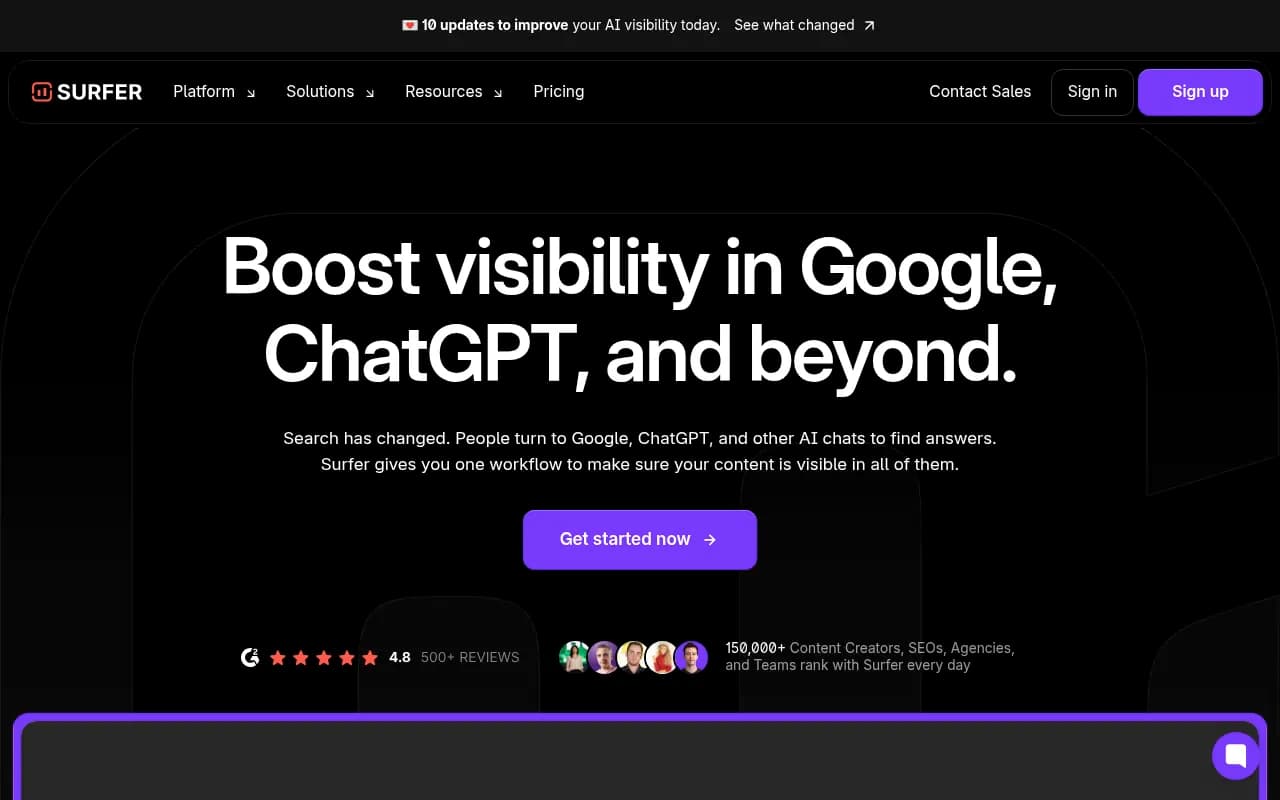
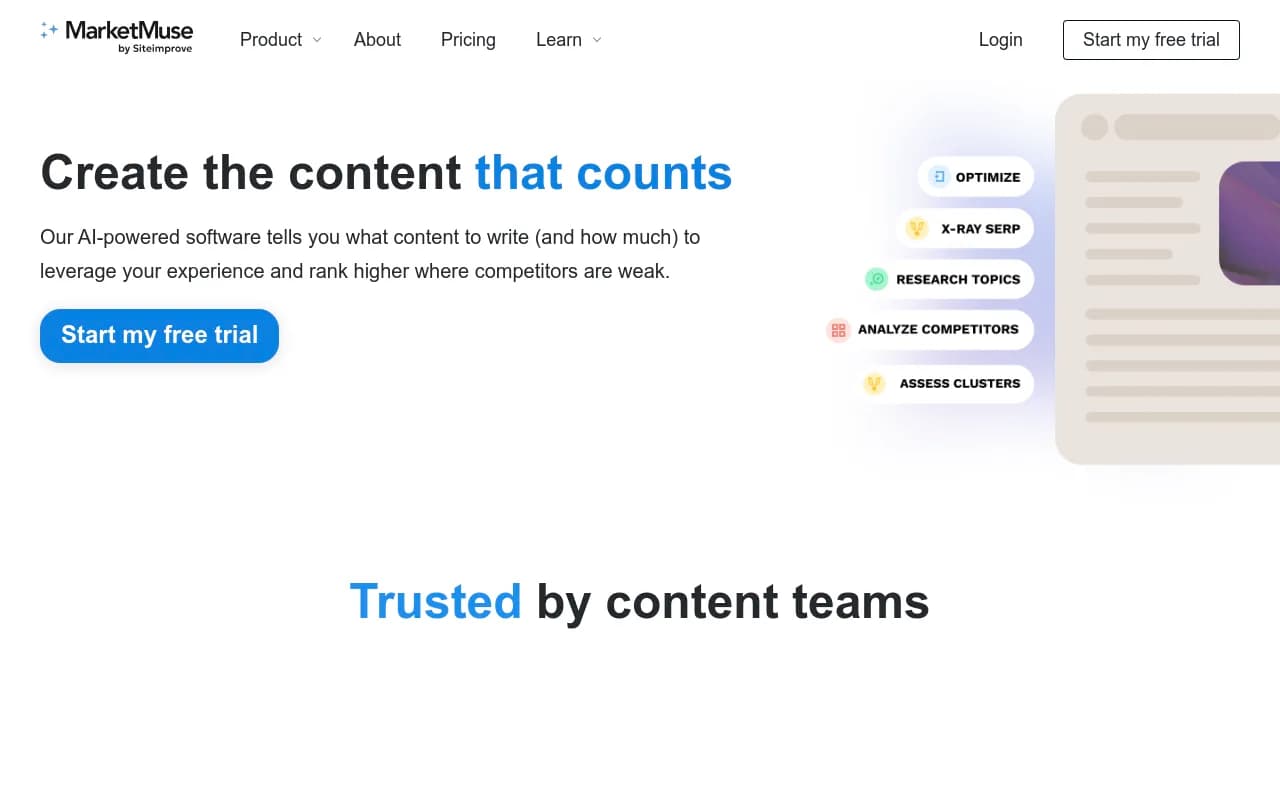
For content creation itself, there are several tools worth knowing:
Comparison: tools for Perplexity visibility
| Tool | Tracks Perplexity | Content generation | Crawler logs | Prompt volume data | Best for |
|---|---|---|---|---|---|
| Promptwatch | Yes | Yes (AI agent) | Yes | Yes | Full GEO optimization loop |
| Mentions.so | Yes | No | No | No | Simple mention tracking |
| LLMrefs | Yes | No | No | No | Multi-LLM monitoring |
| Trakkr.ai | Yes | No | No | No | Brand visibility tracking |
| Otterly.AI | Yes | No | No | No | Budget monitoring |
| Profound | Yes | No | No | Limited | Enterprise monitoring |
| Rankability | Partial | Yes | No | Yes | SEO + AI content |
The pattern is clear: most tools stop at monitoring. If you want to actually improve your Perplexity visibility rather than just observe it, you need something that helps you act on what you find.

Common mistakes that keep brands invisible in Perplexity
A few things that come up repeatedly when brands can't figure out why they're not getting cited:
- Blocking AI crawlers in
robots.txt(sometimes inherited from old SEO configurations that blocked all bots) - Content that's too vague -- Perplexity won't cite a page that says "we help businesses grow" when there's a competitor page that says "here's how to reduce customer churn in SaaS by 30%"
- Ignoring third-party sources -- thinking that optimizing your own site is enough, when Perplexity is pulling from Reddit and review sites where you have no presence
- Tracking the wrong thing -- measuring only whether your brand name appears, without distinguishing between mentions in the answer text vs. citations in the references panel
- Treating this as a one-time project -- Perplexity's index updates constantly, and a prompt that returns your brand today might not tomorrow if a competitor publishes better content
What to prioritize if you're starting from zero
If you're new to this and don't know where to start, here's a practical sequence:
- Check your entity: search for your brand in Perplexity and see what it says. If it's wrong or blank, fix your schema markup and third-party listings first.
- Audit your robots.txt: make sure you're not accidentally blocking AI crawlers.
- Pick 10-15 prompts that represent real buyer queries in your category and run them manually in Perplexity. Note who appears and who doesn't.
- For each prompt where a competitor appears but you don't, identify what content they have that you don't.
- Create one specific, answer-shaped page for each gap. Not a blog post -- a page that exists to answer that exact question.
- Set up tracking so you can measure whether your visibility improves over the next 4-8 weeks.
That's the whole playbook, compressed. The execution is the hard part -- specifically, doing it consistently over time rather than as a one-off sprint.
Perplexity's influence on buyer decisions is only growing. The brands that build a systematic approach to visibility now will have a compounding advantage over the ones that wait until it feels urgent.