Key takeaways
- AI visibility (being cited in ChatGPT, Perplexity, Google AI Overviews, etc.) is now a real marketing channel, not just a buzzword -- small businesses that ignore it are losing ground to competitors who don't.
- Most enterprise AI visibility platforms are priced for Fortune 500 budgets. But there are solid, affordable options starting under $100/month that give small teams what they need.
- The best tools do more than monitor -- they help you find content gaps and fix them. Monitoring-only tools leave you with data but no clear next step.
- For small businesses that want to grow into a full optimization workflow, Promptwatch offers the most complete feature set at a price that doesn't require a CFO sign-off.
- Start simple: pick one tool, track 20-30 prompts relevant to your business, and focus on creating content that answers those questions well.
If you've searched for your business on ChatGPT or Perplexity lately and come up empty, you're not imagining things. AI search engines are now a real discovery channel -- and they have strong opinions about which brands to recommend. The problem is that most of the tools built to help you show up in AI answers were designed for enterprise marketing teams with five-figure monthly budgets.
This guide is for the other kind of business: the one with a lean team, a real budget constraint, and a genuine need to understand what's happening to their visibility as search shifts under their feet.
We'll cover what AI visibility actually means, what to look for in a tool, and which platforms are worth your money in 2026.
What "AI visibility" actually means for a small business
Traditional SEO is about ranking on Google's blue links. AI visibility is about something different: whether ChatGPT, Perplexity, Claude, Gemini, or Google's AI Overviews mention your brand, recommend your product, or cite your website when someone asks a relevant question.
The mechanics are different too. AI models don't rank pages -- they synthesize answers from content they've ingested. So the question isn't "do I rank #1 for this keyword?" It's "does my content actually answer the questions AI models are being asked about my category?"
For a small business, this matters in concrete ways:
- A local accountant who shows up in ChatGPT's answer to "best accountant for freelancers in Austin" gets leads that never touch Google.
- An e-commerce brand cited in Perplexity's product comparisons gets traffic that bypasses traditional search entirely.
- A SaaS tool mentioned in Claude's answer to "what's the best project management tool for a 5-person team" gets signups from users who never saw a paid ad.
The catch: you can't optimize what you can't measure. That's where AI visibility tools come in.
What to look for in an AI visibility tool (especially on a budget)
Not all tools are built the same. Here's what actually matters when you're evaluating options as a small business:
Prompt tracking across multiple AI models. You want to know how you appear in ChatGPT, Perplexity, Google AI Overviews, and ideally a few others -- not just one. Single-model tracking gives you a partial picture.
Citation and mention detection. The tool should tell you when your brand or website is cited, in what context, and how often. Sentiment matters too -- being mentioned as a cautionary tale is different from being recommended.
Content gap analysis. This is where most budget tools fall short. Knowing you're invisible is step one. Knowing why and what to create to fix it is what actually moves the needle.
Competitor tracking. You need to know who AI models are recommending instead of you, and for which prompts. That's your roadmap.
Affordable pricing. Enterprise platforms like Profound and Evertune are excellent, but they're built for teams with dedicated GEO budgets. Small businesses need something that works at $50-$250/month.

The honest trade-off: monitoring vs. optimization
Here's something worth saying plainly: most AI visibility tools are monitoring dashboards. They show you data. They don't help you do anything with it.
That's fine if you have an in-house SEO team that can take a visibility report and turn it into a content strategy. For most small businesses, that's not the reality. You need a tool that shows you the gap and helps you close it.
Keep that distinction in mind as you read through the options below.
Best affordable AI visibility tools for small businesses in 2026
Promptwatch -- best overall for small businesses that want to actually improve
Promptwatch sits at the intersection of monitoring and action in a way that most competitors don't. It tracks your brand across 10 AI models (ChatGPT, Perplexity, Claude, Gemini, Google AI Overviews, Grok, DeepSeek, Copilot, Meta AI, Mistral), shows you where competitors are getting cited that you're not, and then helps you create content to close those gaps.
The Answer Gap Analysis feature is particularly useful for small businesses: it shows you the specific prompts where competitors appear but you don't, along with the topics and angles your site is missing. From there, the built-in AI writing agent can generate articles and content pieces grounded in actual citation data -- not generic SEO filler.
Pricing starts at $99/month for the Essential plan (1 site, 50 prompts, 5 articles/month), which is genuinely usable for a small business. The Professional plan at $249/month adds crawler logs, more prompts, and city-level tracking. There's a free trial.

Otterly.AI -- best for pure monitoring on a tight budget
Otterly.AI is one of the more affordable monitoring-focused tools in the market. It tracks brand mentions across major AI models and gives you a clean dashboard to see how your visibility changes over time.
What it doesn't do: content gap analysis, content generation, or crawler log access. It's a tracker, not an optimizer. But if you're just starting out and want to understand your baseline visibility before investing in a more complete platform, it's a reasonable starting point.

Peec AI -- good for multi-language tracking
If your small business operates in multiple languages or markets, Peec AI is worth a look. It handles multi-language prompt tracking reasonably well, which is a gap in many other tools at this price point.
Like Otterly, it's primarily a monitoring tool. You'll get visibility data but you'll need to figure out the content strategy yourself.

SE Visible -- solid mid-range option with SEO roots
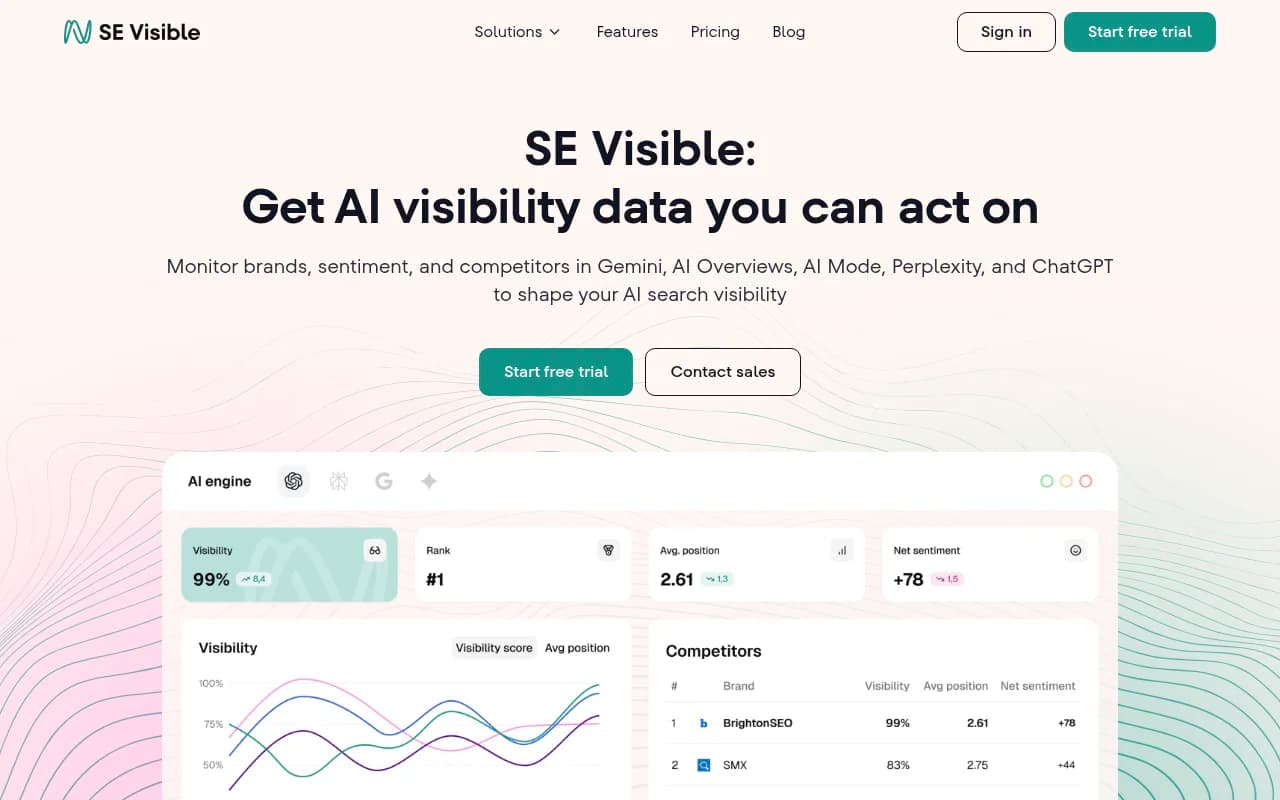
SE Visible comes from the SE Ranking family, which means it has strong traditional SEO roots alongside its AI visibility tracking. If you're already using SE Ranking for keyword tracking, SE Visible integrates naturally into that workflow.
It tracks brand visibility and sentiment across AI search engines and gives you a strategic view of how your AI presence compares to competitors. Good option if you want AI visibility tracking without abandoning your existing SEO tooling.
Airefs -- affordable entry point for AI search monitoring
Airefs positions itself as an affordable AI search monitoring tool, making it accessible for small businesses that want basic visibility tracking without committing to a higher-tier platform. It covers the core use case -- tracking brand mentions in AI responses -- without the complexity (or cost) of enterprise solutions.
Mentions.so -- focused brand mention tracking
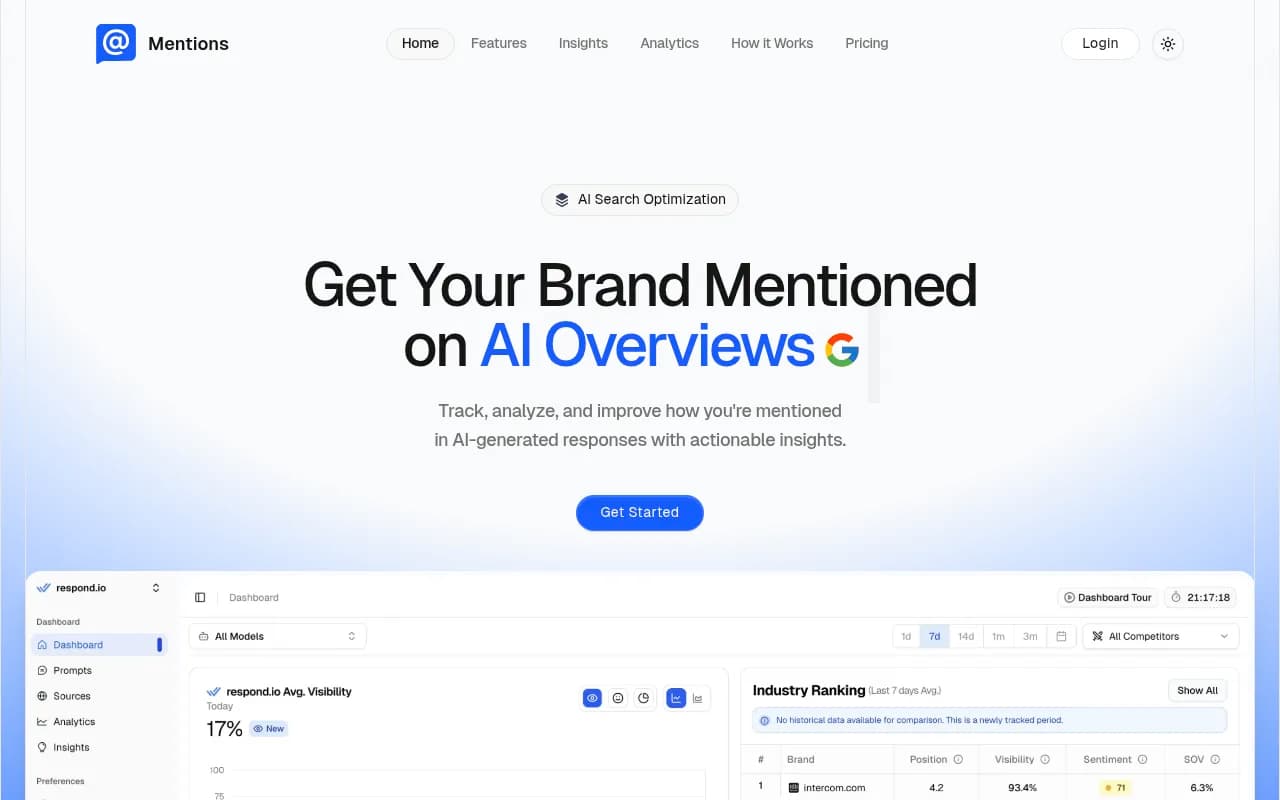
Mentions.so does one thing: tracks when your brand gets mentioned in AI search results. It's narrow in scope but does that specific job well. If your primary concern is reputation monitoring in AI answers rather than full visibility optimization, it's worth considering.
LLM Pulse -- lightweight tracking for smaller teams
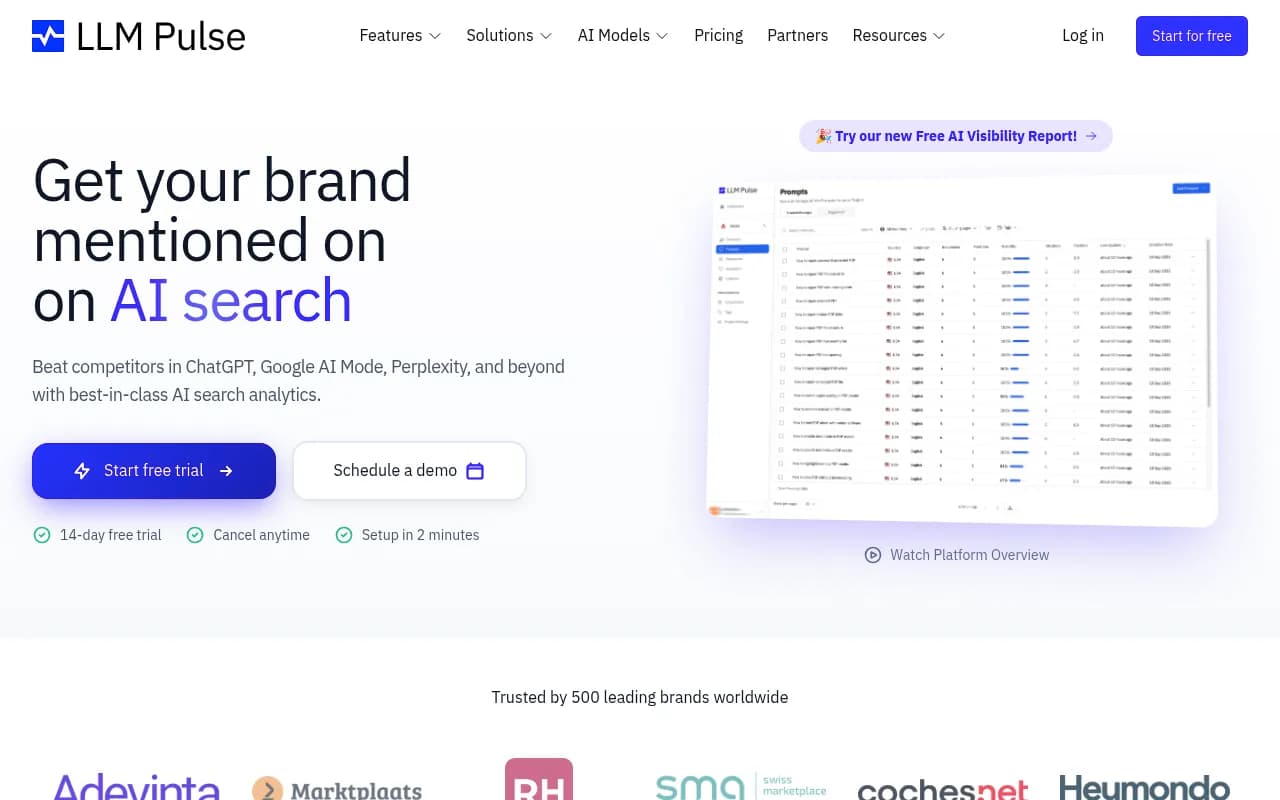
LLM Pulse tracks brand visibility across ChatGPT, Perplexity, and other major models. It's designed for teams that want a lighter-weight solution without a steep learning curve. Good for businesses just getting started with AI visibility monitoring.
Trakkr.ai -- straightforward multi-model tracking
Trakkr.ai covers the major AI models and gives you visibility data in a clean interface. It's a monitoring tool without deep optimization features, but it's accessible and doesn't require significant setup time.
Comparison table: AI visibility tools for small businesses
| Tool | Starting price | Models tracked | Content gap analysis | Content generation | Best for |
|---|---|---|---|---|---|
| Promptwatch | $99/mo | 10+ | Yes | Yes (AI writing agent) | Full optimization workflow |
| Otterly.AI | Low/affordable | Multiple | No | No | Basic monitoring |
| Peec AI | Mid-range | Multiple | No | No | Multi-language tracking |
| SE Visible | Mid-range | Multiple | Limited | No | Teams using SE Ranking |
| Airefs | Affordable | Multiple | No | No | Entry-level monitoring |
| Mentions.so | Low | Multiple | No | No | Brand mention tracking |
| LLM Pulse | Low | Multiple | No | No | Lightweight monitoring |
| Trakkr.ai | Low | Multiple | No | No | Simple multi-model tracking |
| Profound | Enterprise | Multiple | Yes | Limited | Large enterprise teams |
What about traditional SEO tools?
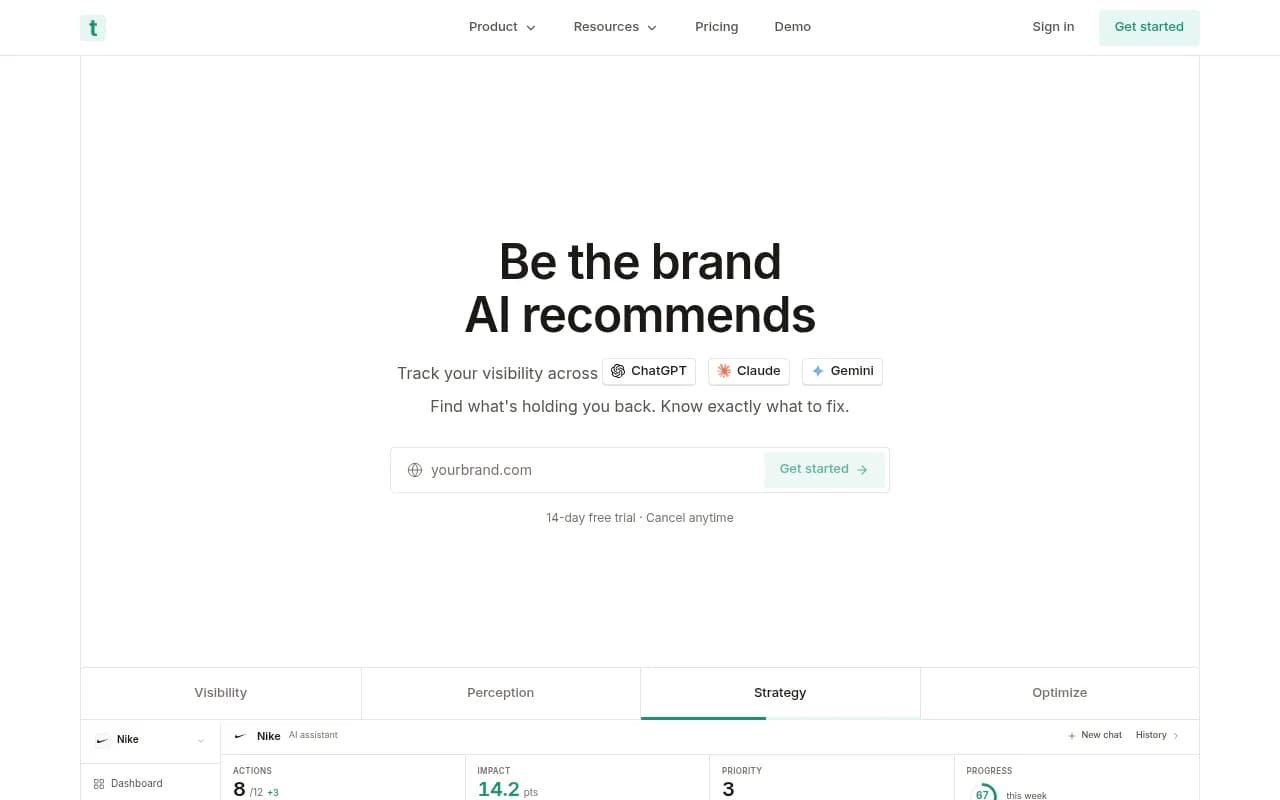
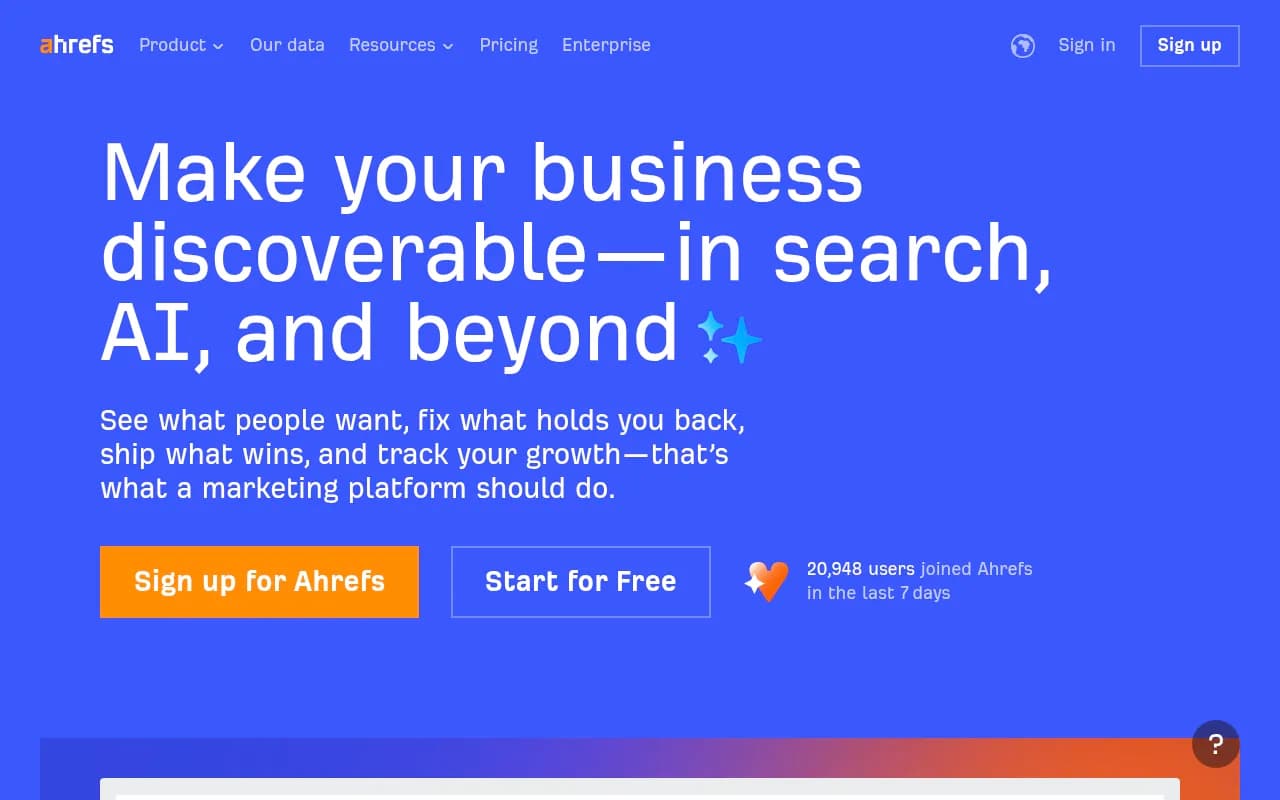
Worth addressing directly: tools like Semrush and Ahrefs have started adding AI visibility features, but they're not purpose-built for this use case. Semrush uses fixed prompts rather than dynamic prompt tracking, and Ahrefs Brand Radar has similar limitations with no AI traffic attribution. They're useful for traditional SEO, but if AI visibility is a priority, you'll want a dedicated tool.
How to actually get started (without wasting money)
The biggest mistake small businesses make with AI visibility tools is buying a platform, getting overwhelmed by the dashboard, and doing nothing with the data. Here's a more practical approach:
Step 1: Define 20-30 prompts that matter to your business. Think about how your customers actually ask questions. "Best [your category] for [your use case]", "what's the difference between X and Y", "is [your brand] worth it" -- these are the prompts you need to track.
Step 2: Run a baseline. Use your chosen tool to see where you currently stand. Don't panic if you're invisible -- most small businesses are. This is your starting point.
Step 3: Look at who's winning. For each prompt where you're not showing up, find out who is. Read their content. Understand why AI models trust it. Is it more comprehensive? Does it answer follow-up questions? Is it cited by other authoritative sources?
Step 4: Create content that actually answers the question. This is the part most businesses skip. AI models cite content that directly and thoroughly answers the questions users ask. Generic blog posts don't cut it. You need content that's specific, accurate, and structured in a way that AI can easily parse and cite.
Step 5: Track the improvement. Give it 4-8 weeks and check your visibility scores again. Page-level tracking (available in tools like Promptwatch) shows you exactly which new pages are getting cited and by which models.
A note on content quality
No AI visibility tool can fix thin content. If your website has 10 generic pages and your competitors have 200 detailed, well-structured articles, no amount of tracking will close that gap. The tools help you understand what to create -- but you still have to create it.
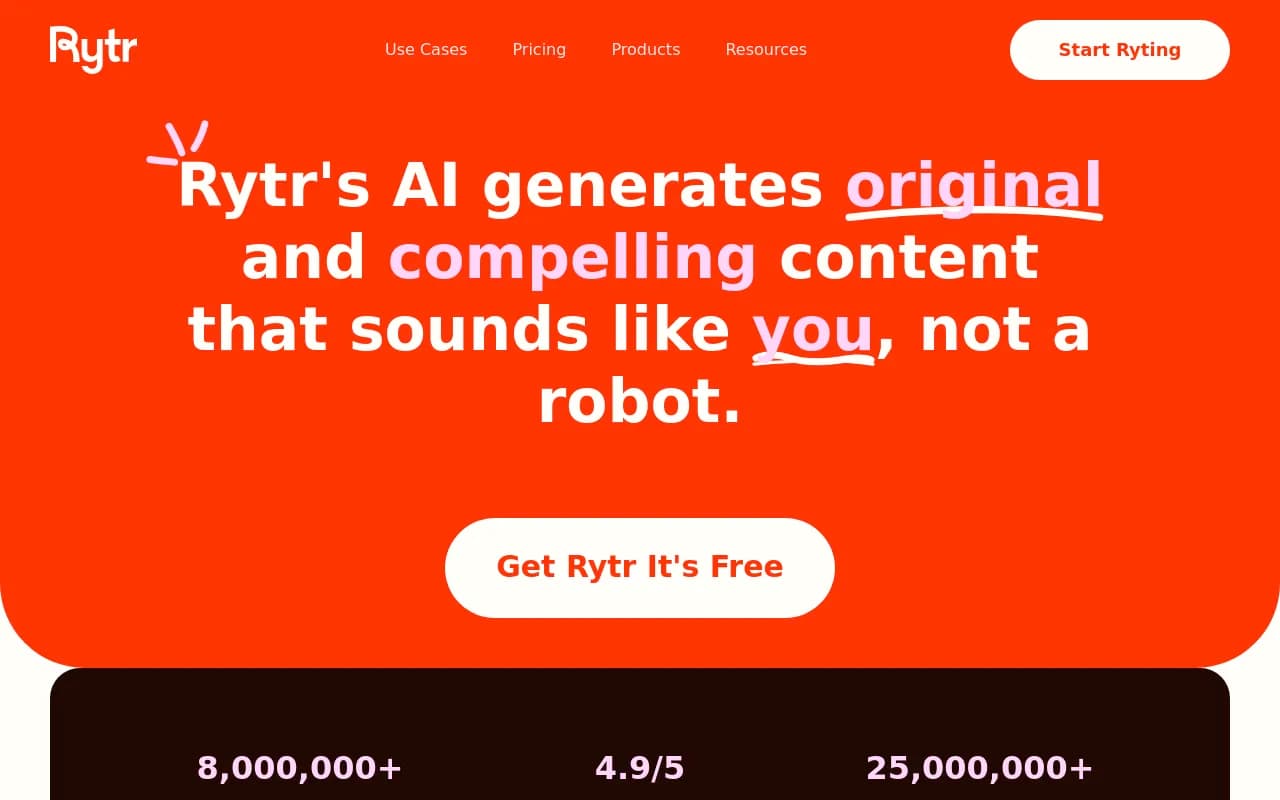
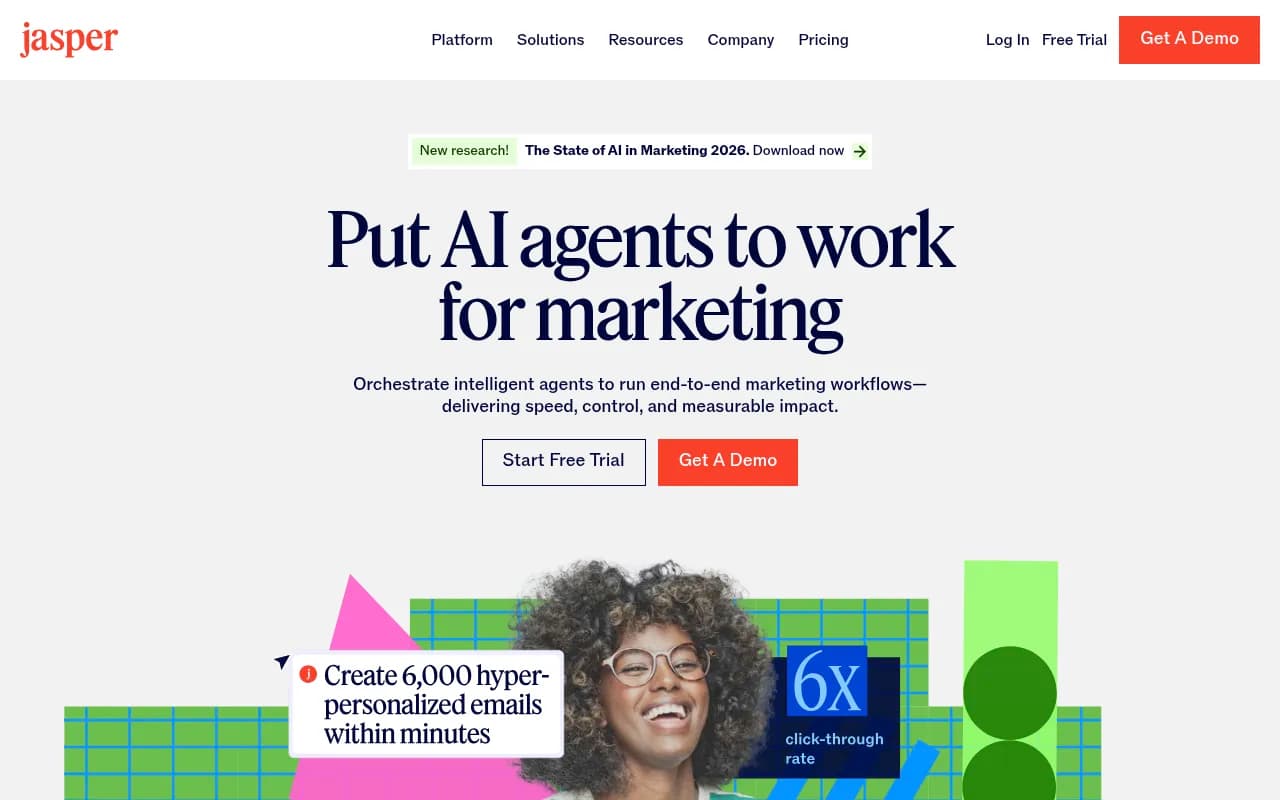
If writing is a bottleneck, tools like Rytr or Jasper can help with volume, though they're general-purpose AI writers rather than GEO-specific.
For content that's specifically engineered to rank in AI search, the content generation features in Promptwatch are more purpose-built -- they're grounded in citation data and prompt analysis rather than generic SEO signals.
The bottom line
AI visibility isn't a future problem. It's a current one. Businesses that show up in ChatGPT and Perplexity answers are already getting traffic and leads from those channels. The gap between them and businesses that don't show up will keep widening.
The good news: you don't need an enterprise budget to start. Tools like Otterly.AI and Airefs get you basic monitoring for under $100/month. If you want to actually fix your visibility rather than just measure it, Promptwatch's $99 Essential plan gives you gap analysis and content generation at a price that makes sense for a small business.
Pick a tool, track your prompts, and start creating content that answers the questions your customers are already asking AI. That's the whole game.