Key takeaways
- The "big six" (ChatGPT, Google AI Overviews, Perplexity, Claude, Gemini, Copilot) are table stakes in 2026. Tracking 10+ models means adding Meta AI, Grok, DeepSeek, Google AI Mode and others.
- Engine count alone is a weak buying signal. Check whether the tool queries the real user interface or an API, and whether it reports each engine separately.
- Promptwatch, Profound and KIME sit at the broad-coverage end. Otterly.AI, ZipTie and PromptScout are cheaper options with narrower coverage.
- Per-engine reporting matters because citation behavior differs sharply between models. Blended scores hide the problems you need to fix.
- Tracking is only half the job. Pick a tool that tells you what to do next, or pair a tracker with a content workflow.
Why 10+ models matter now
Two years ago, checking ChatGPT and Perplexity was enough. Now your buyers might ask Gemini on their phone, Copilot inside Windows, Meta AI inside WhatsApp, or Claude in a work tool. Each of them can name different brands for the same question.
The differences are bigger than most people expect. Promptwatch Data's average sources per response report shows ChatGPT citing about 5 sources per web-search answer, while Google AI Overviews and Perplexity each cite about 10. Microsoft Copilot swung from under 2 to nearly 17 sources per response within a few weeks. A tool that blends those into one score will mislead you.
Source mix varies too. In Promptwatch's social media citation data for Sep 28 to Oct 4, 2026, social platforms made up 0.46% of ChatGPT citations but 12.2% of Google AI Overviews citations, about 26 times more. Perplexity landed at 2.7%. Same web, very different citation habits.
One more data point: a PR Newswire-published multi-source analysis cited by Nathan Ojaokomo found only 11% of domains are cited by both ChatGPT and Perplexity. Cross-model monitoring is not optional.
What "tracking 10+ models" actually means
Vendors count engines differently. Before you trust a number on a pricing page, ask these questions.
Real interface or API?
The answer a user sees in ChatGPT, Google AI Overviews or Perplexity can differ from what the underlying API returns. API outputs show what a model believes from training data. Interface outputs show the live, search-grounded answer with citations. You want interface data for the engines your customers actually use.
Which tier unlocks which engines?
The engine count on a marketing page is usually the maximum on the top tier. KIME's own comparison notes that most tools track fewer engines on their entry plan. Free tiers often cover one model only.
Are countries and languages included?
AI Overviews are region-specific. If you sell in several markets, check that the same prompt can run per country and language.
Does it report each engine separately?
This is the one I would not compromise on. Share of voice in ChatGPT and share of voice in Copilot are different problems with different fixes.
Quick comparison of platforms with broad model coverage
Coverage figures below come from vendor pages and the review articles cited in this guide. Confirm current numbers and pricing with each vendor before buying.
| Platform | Engines tracked (as reported) | Standout trait | Best for |
|---|---|---|---|
| Promptwatch | ChatGPT, AI Overviews, AI Mode, Gemini, Perplexity, Copilot, Alexa, Meta AI, Claude, Grok, DeepSeek, Mistral, plus coding agents | Real-UI tracking plus content agents, crawler logs, traffic attribution | Teams that want to fix gaps, not just see them |
| Profound | ChatGPT, Perplexity, Claude, Gemini, Copilot, Meta AI, Grok, DeepSeek, AI Overviews | Enterprise programs | Large brands with big budgets |
| KIME | 9 engines incl. AI Mode, Claude, Grok, DeepSeek | Competitor ad tracking inside AI answers | Marketing teams and agencies |
| Athena HQ | 8+ engines | Visibility and optimization | Mid-market teams |
| Mentionable | 8 LLMs | Credit-free daily tracking | Teams tired of credit limits |
| Dageno AI | 10+ platforms | Free plan | Budget testing |
| Riff Analytics | Multi-model incl. emerging engines | Early coverage of new models | Teams watching niche engines |
| MentionFlow | 10 AI engines | Mentions, rankings, citations | Broad monitoring |
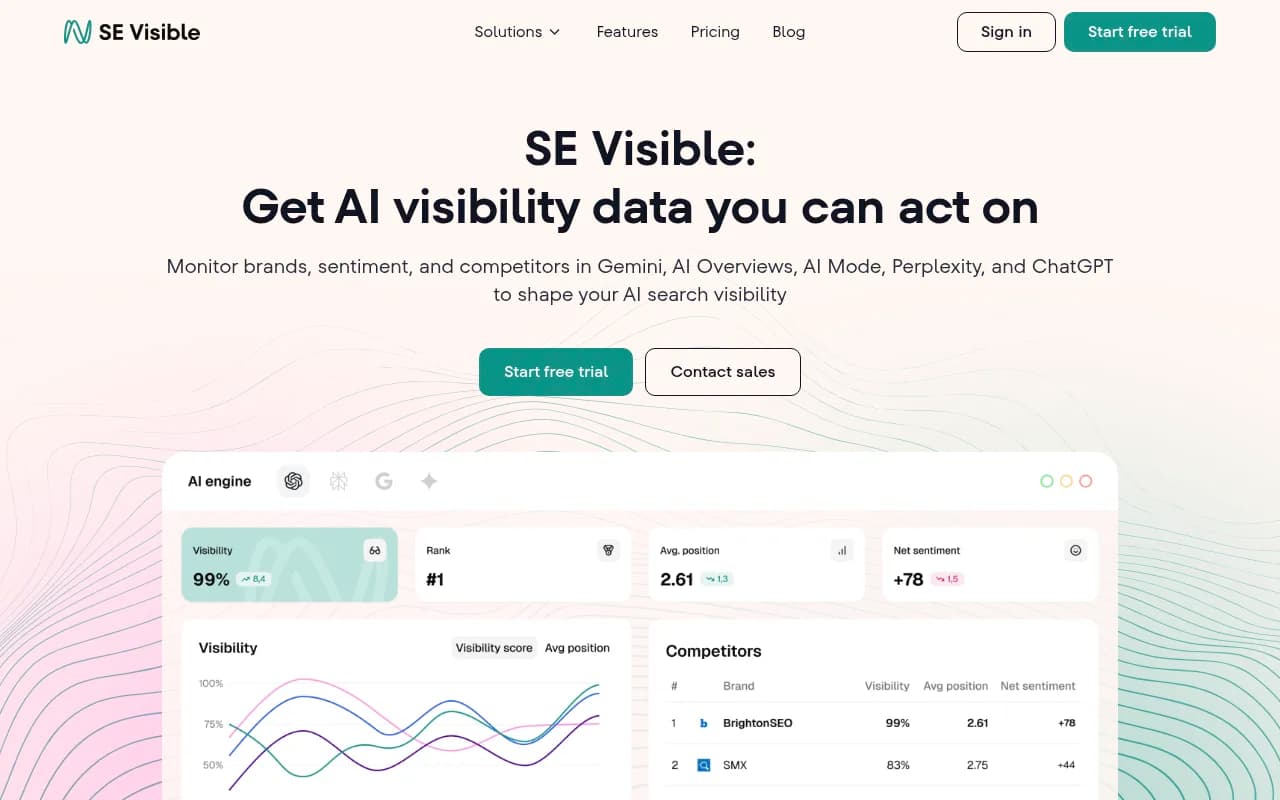
| SE Visible | 5 (ChatGPT, Gemini, AI Mode, AI Overviews, Copilot) | SE Ranking ecosystem | Existing SE Ranking users |
| Otterly.AI | Narrower set | Price, from $29/month per KIME's comparison | Small budgets |
The platforms worth shortlisting
Promptwatch
Promptwatch is the one I would put first for teams that want the whole loop. It monitors the real interfaces of ChatGPT, Google AI Overviews, Google AI Mode, Gemini, Perplexity, Copilot, Amazon Alexa and Meta AI, and tracks API models like Claude, DeepSeek, Mistral and Grok alongside them. It also covers coding agents (Codex, Claude Code, OpenCode), which matters if you sell developer tools.
What separates it from pure trackers is what happens after the data comes in. IP-verified AI crawler logs show whether bots can actually read your pages. Visitor analytics tie AI platforms to real traffic and conversions. The Action Board lists prioritized fixes, and the Content Agent can write and publish pages to WordPress, Webflow or Framer, then track whether those pages get crawled and cited. Crisp reported 2x higher conversion rates from AI traffic compared with traditional channels after working this way.
Pricing starts free (ChatGPT only, 10 prompts). Paid plans run $95/month (Essential) to $579/month (Business), and every paid plan unlocks all models. Confirm at promptwatch.com/pricing. Downsides: the Content Agent is a Business and Enterprise feature, and agency plans leave out some content tools.

Profound
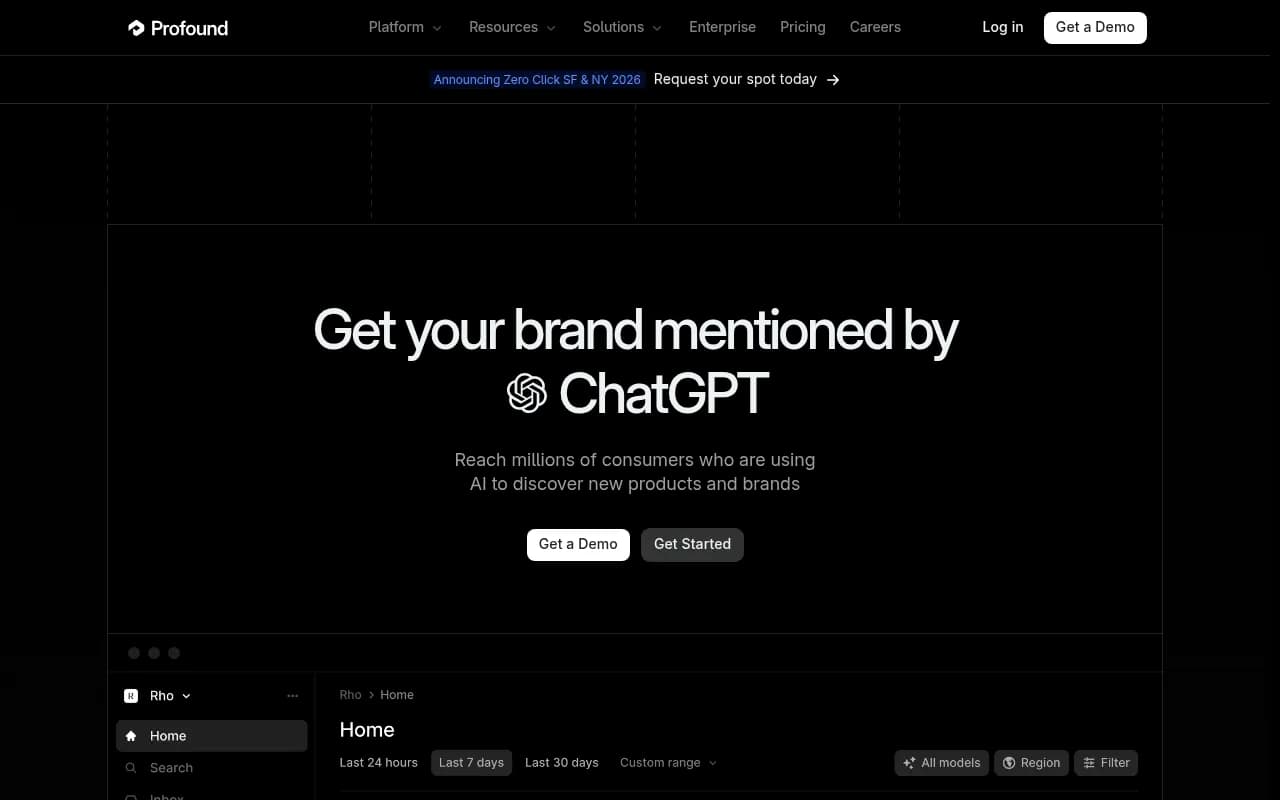
Profound is the enterprise name most people know. One review lists coverage across ChatGPT, Perplexity, Claude, Gemini, Copilot, Meta AI, Grok, DeepSeek and Google AI Overviews. It is strong on monitoring and research; its published work on query fan-out across 10,000 prompts is worth reading. Expect enterprise pricing, and note that I could not verify the Meta AI claim beyond the review sources.

KIME
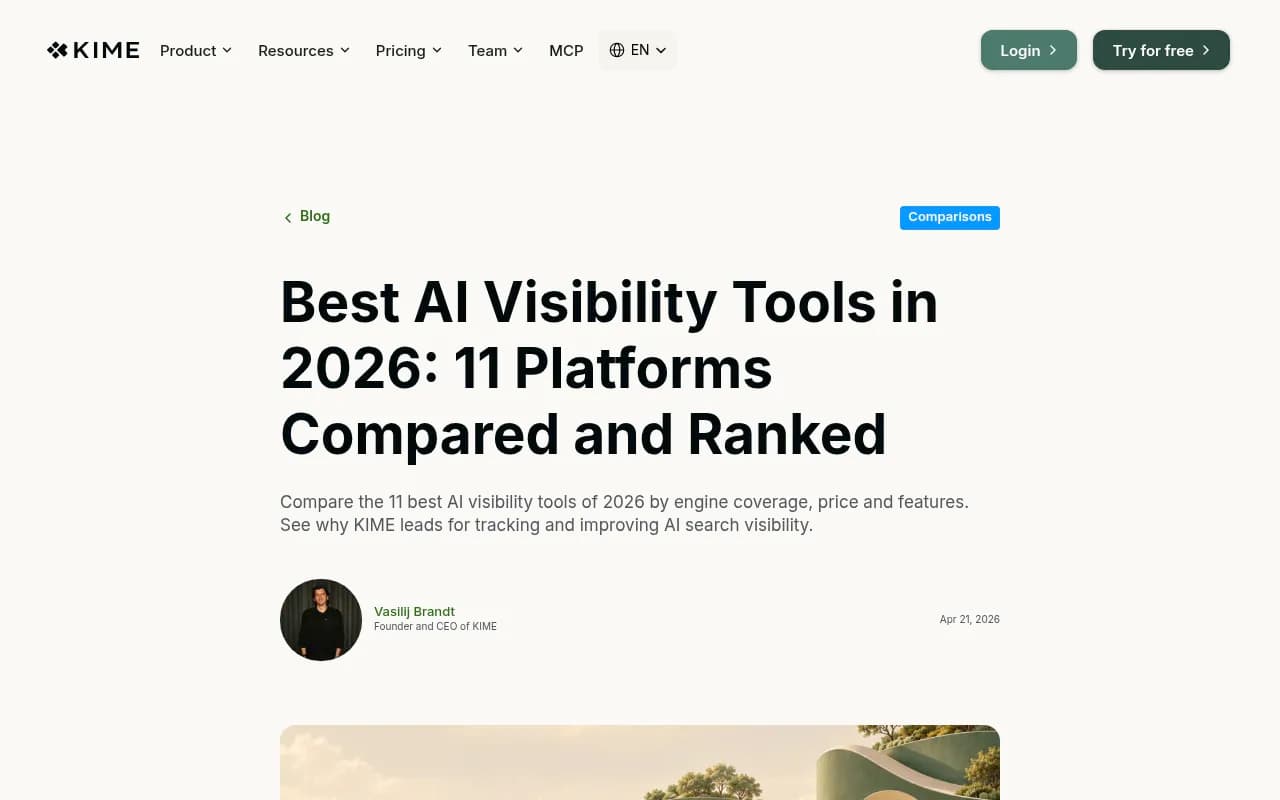
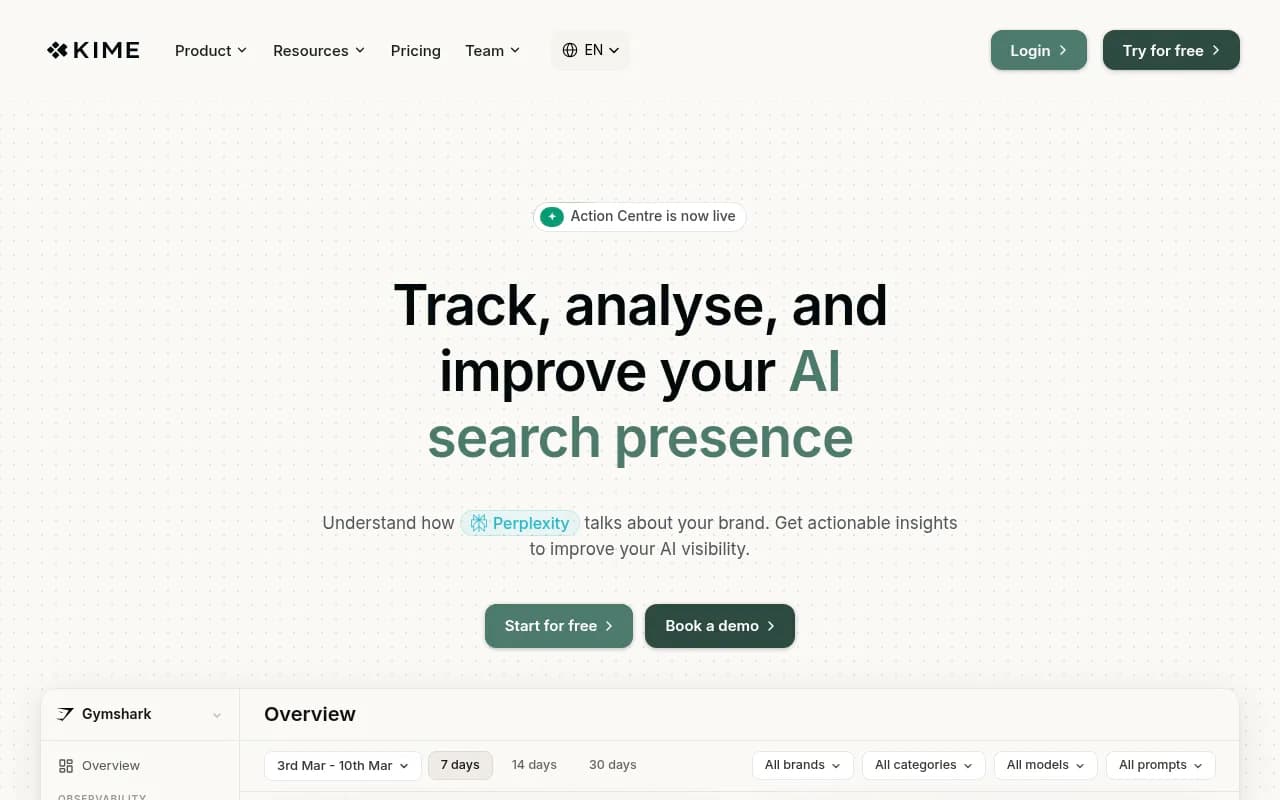
KIME tracks nine engines: ChatGPT, Google AI Mode, AI Overviews, Perplexity, Gemini, Copilot, Claude, Grok and DeepSeek. Its distinctive feature is KIME Ads, which shows which competitors advertise inside AI answers and the prompts they target. Pricing starts at EUR 99/month per its own blog. Keep in mind that KIME ranks itself first in that article, so treat the ranking as vendor-authored.
AthenaHQ and the mid-market tier
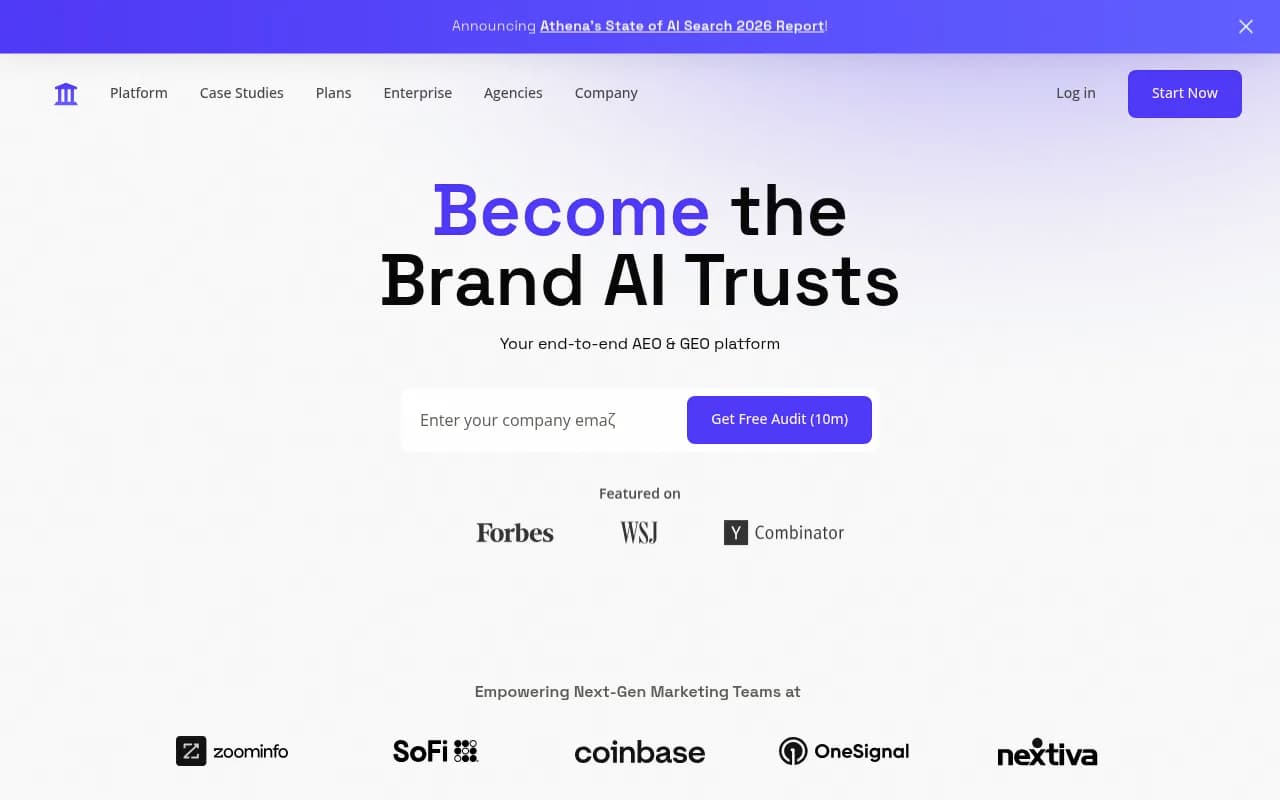
Athena HQ advertises 8+ engines and sits between enterprise suites and basic trackers. It is monitoring-focused, so plan to pair it with a content workflow.
Dageno AI, Riff Analytics and MentionFlow
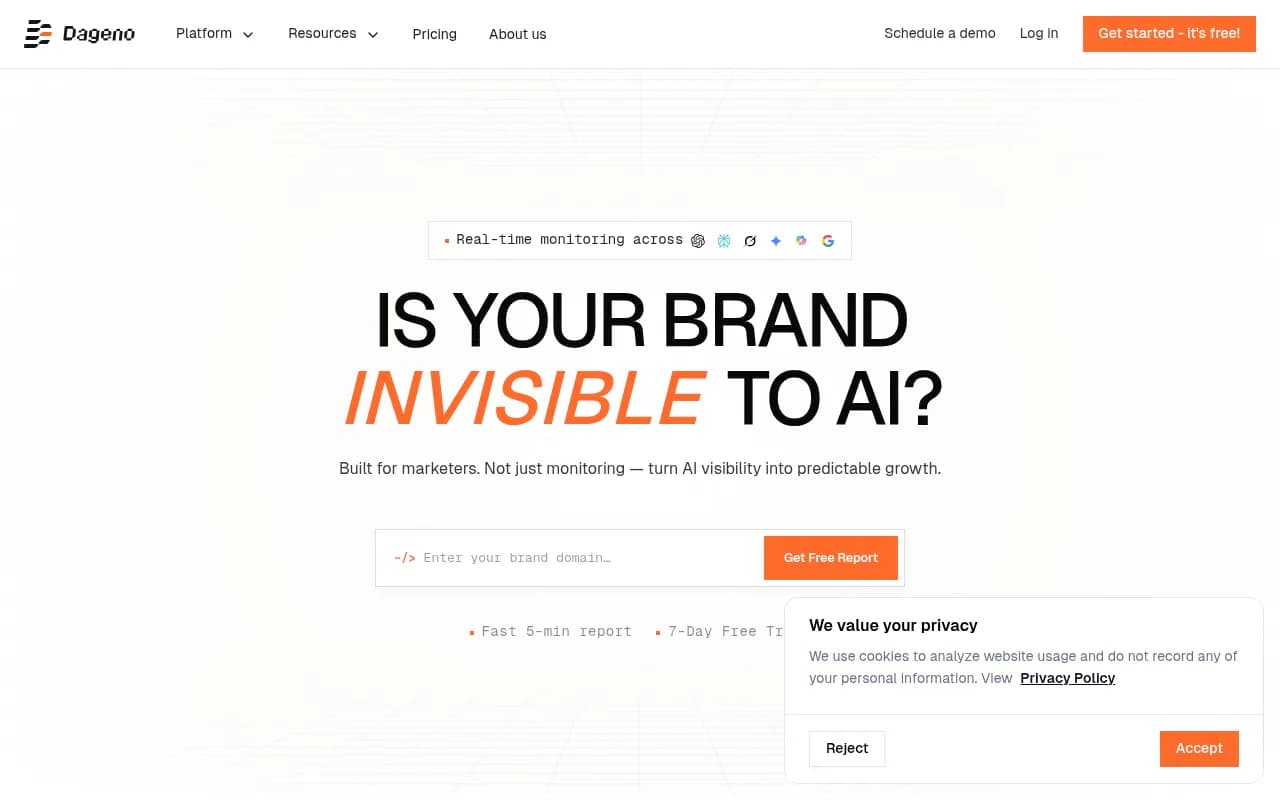
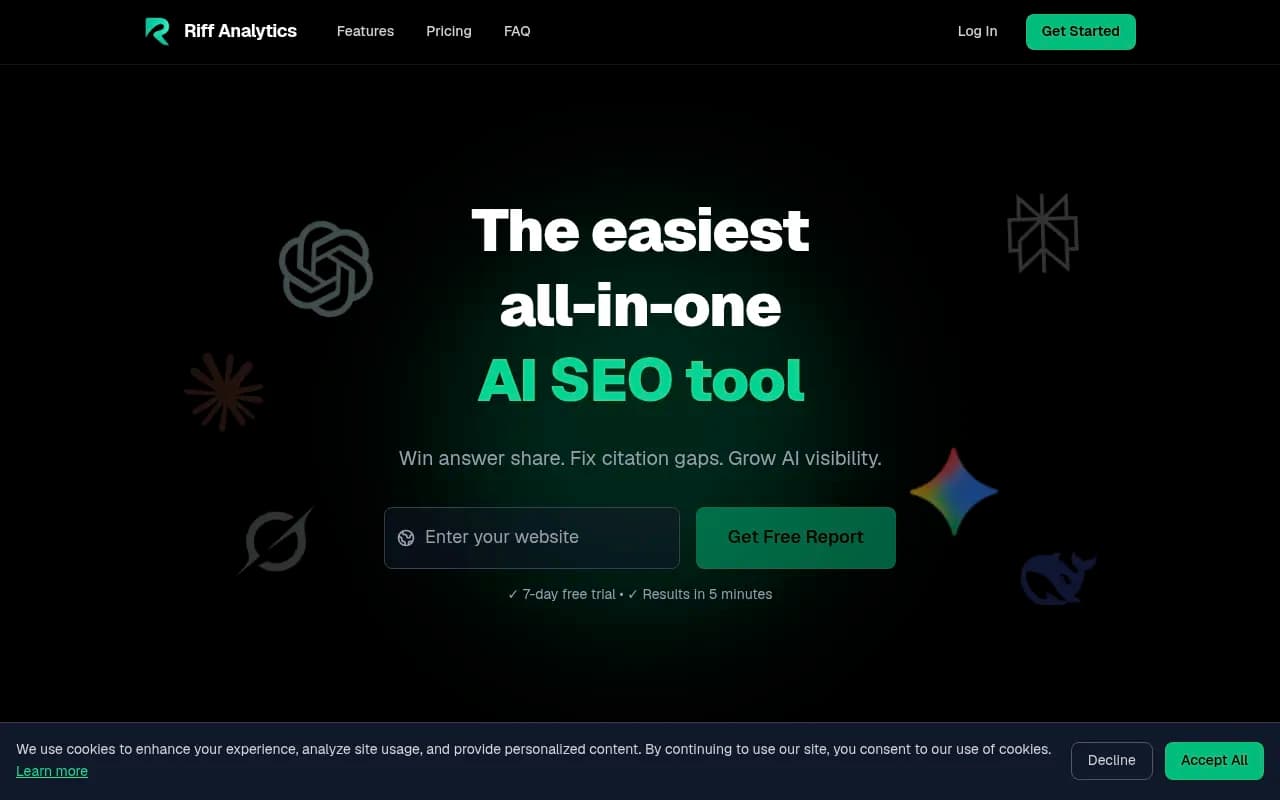
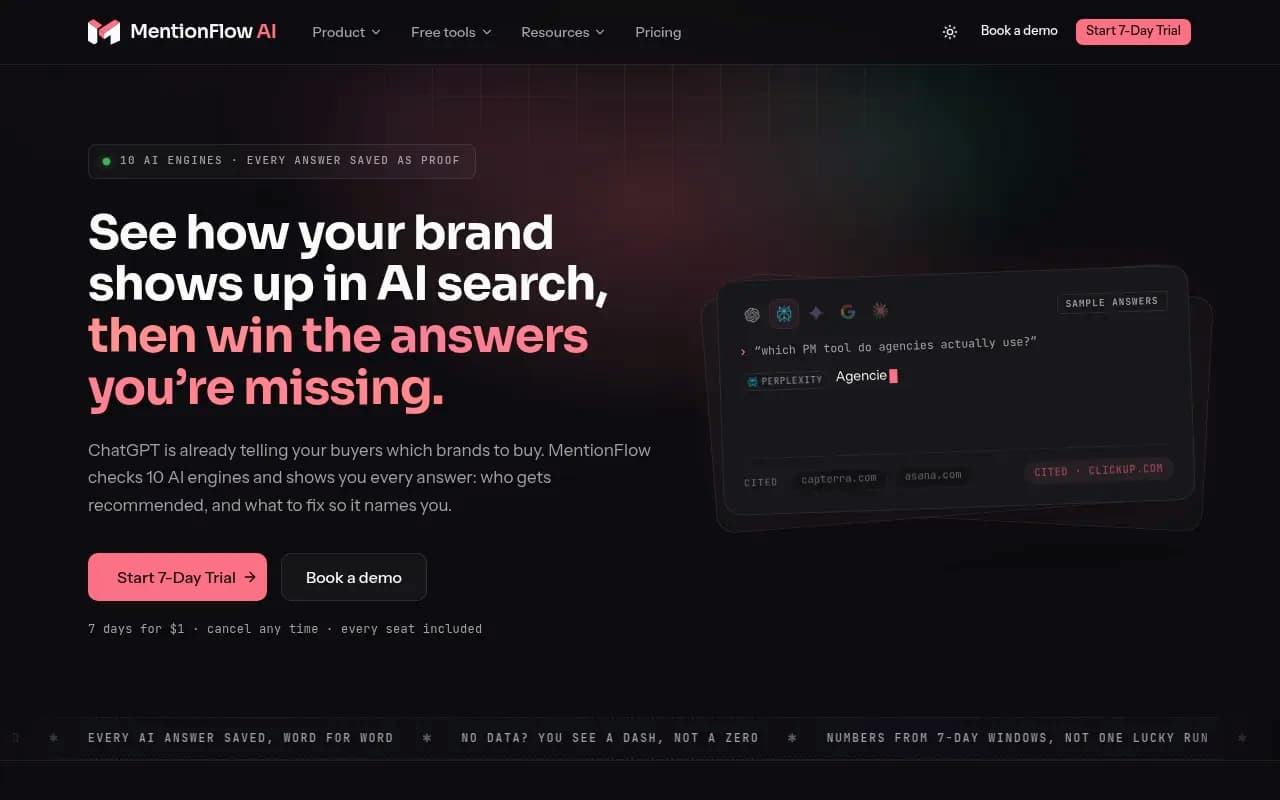
These three are the newer broad-coverage entrants. Dageno AI claims 10+ platforms and a free plan. Riff Analytics pitches multi-model tracking including emerging engines. MentionFlow says it covers mentions, rankings and citations across 10 engines. They are younger products, so test data quality on a trial before committing.
Mentionable
Mentionable offers credit-free daily tracking across eight LLMs. If credit-metered prompts have frustrated you elsewhere, this is a reasonable alternative.

Cheaper and narrower options
Sometimes five engines are enough. These tools cover fewer models but cost less.
| Tool | Coverage notes | Why consider it |
|---|---|---|
| Otterly.AI | Core engines | Cheapest entry, from $29/month per KIME's comparison |
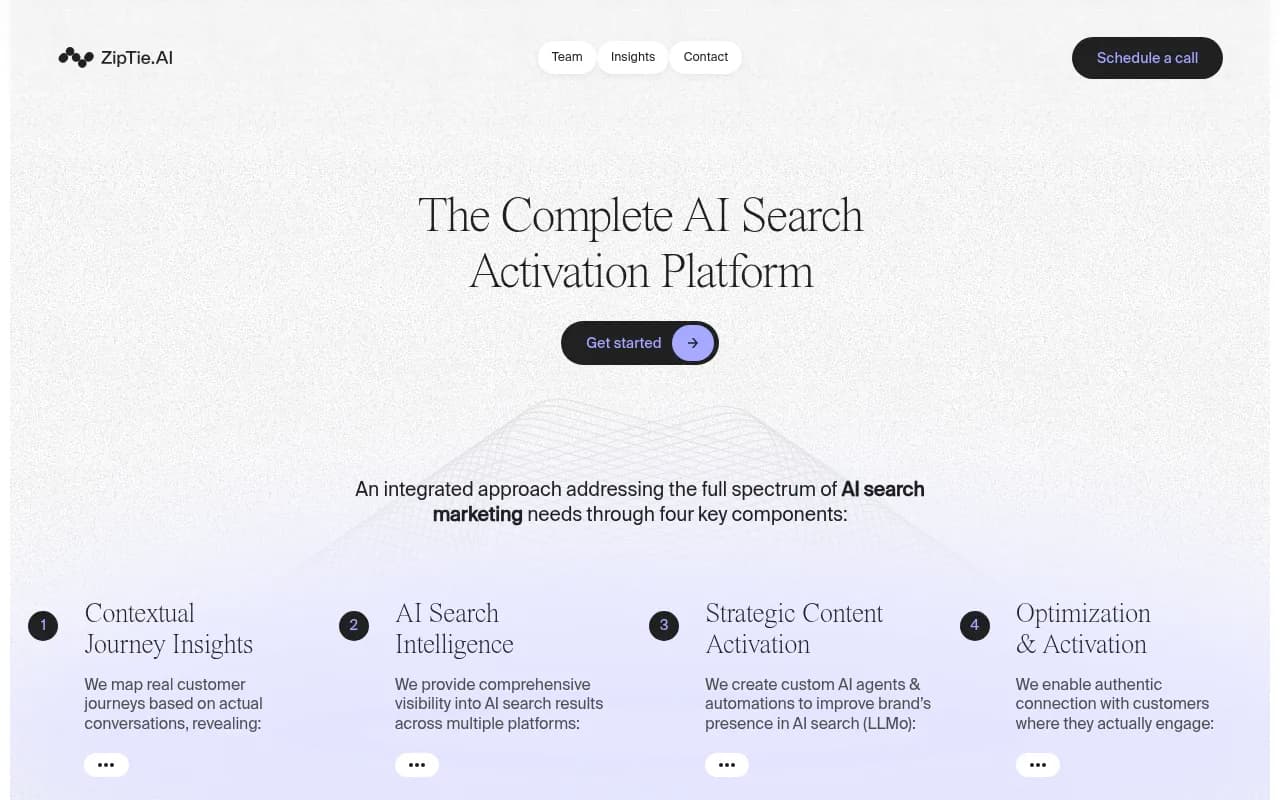
| ZipTie | Deep analysis on core engines | Low entry price |
| SE Visible | ChatGPT, Gemini, AI Mode, AI Overviews, Copilot | Daily prompt checks, SE Ranking ecosystem |
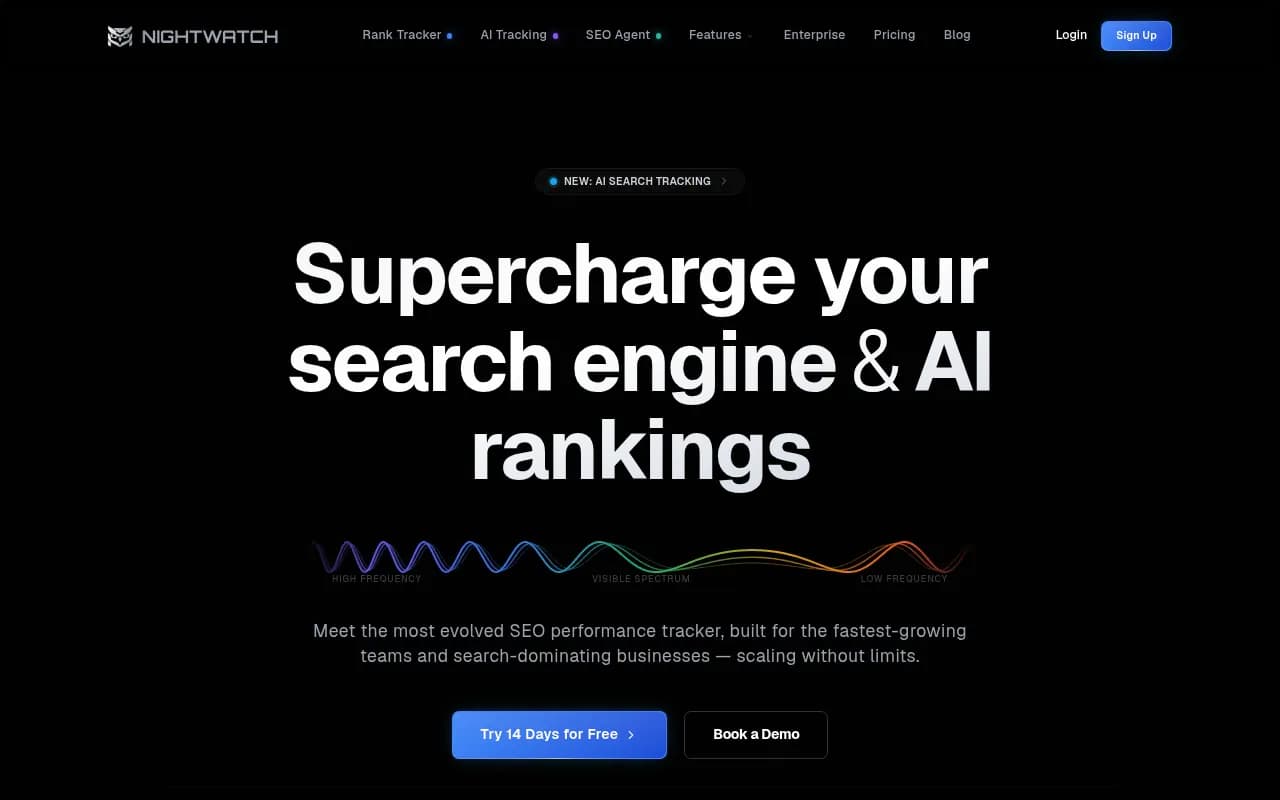
| Nightwatch | ChatGPT, Claude, Gemini, Perplexity, Copilot | Ties classic rankings to AI visibility |
| Peec AI | Core engines | Popular with European agencies |
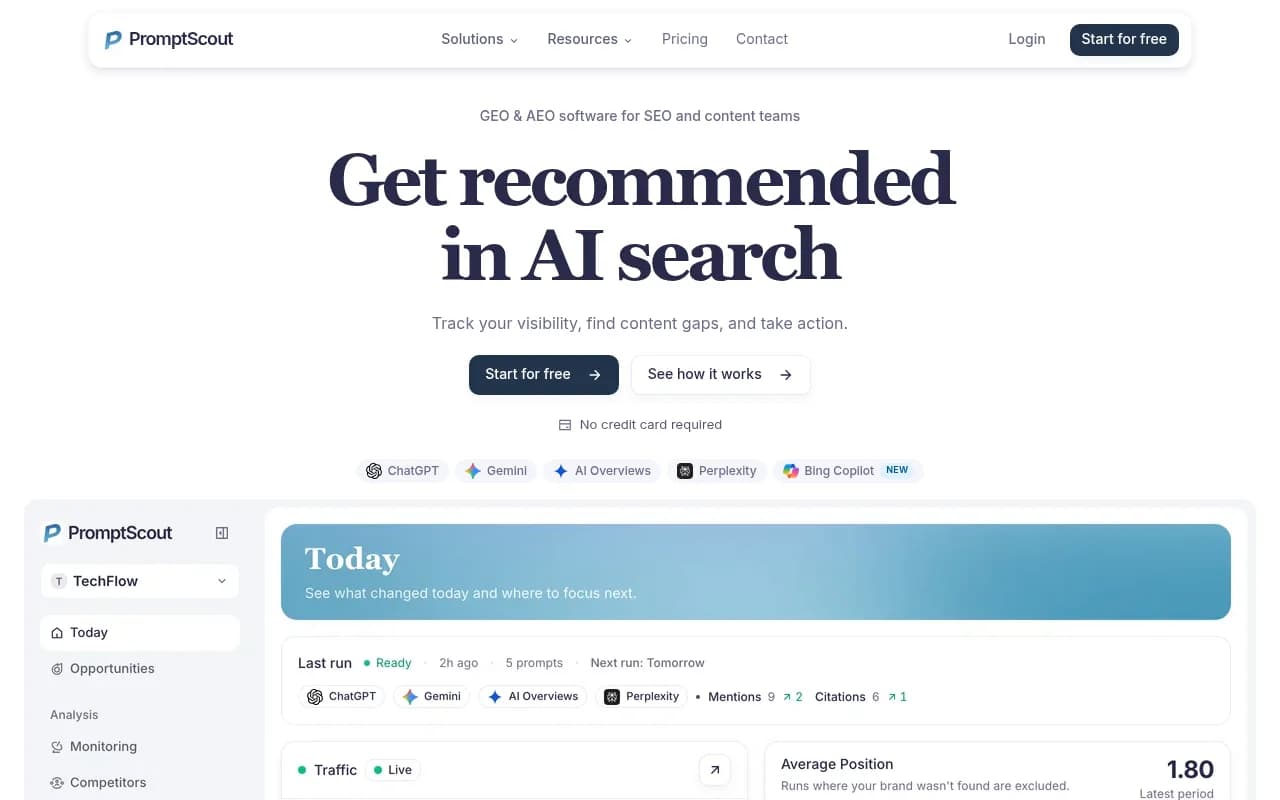
| PromptScout | Core engines | Affordable, weekly action items |
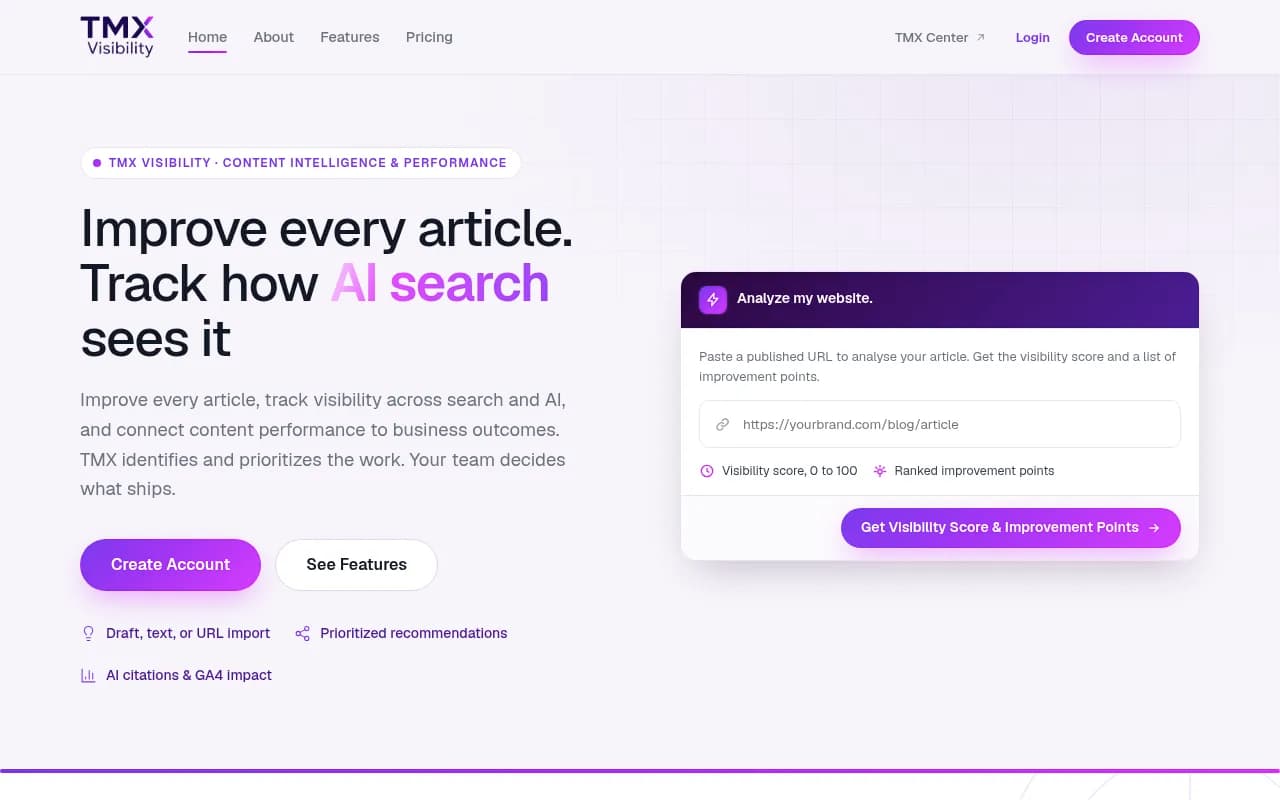
| TMX Visibility | Live tracking on 4 engines (ChatGPT, Perplexity, Gemini, Claude) | Misses AI Overviews, Copilot and Grok |


The AI Sightline review also lists the six big platforms as its coverage baseline and argues Meta AI matters less for now. That is a fair take if your audience is B2B. If your audience is consumers on WhatsApp or Instagram, Meta AI deserves attention.
Enterprise SEO suites with AI tracking
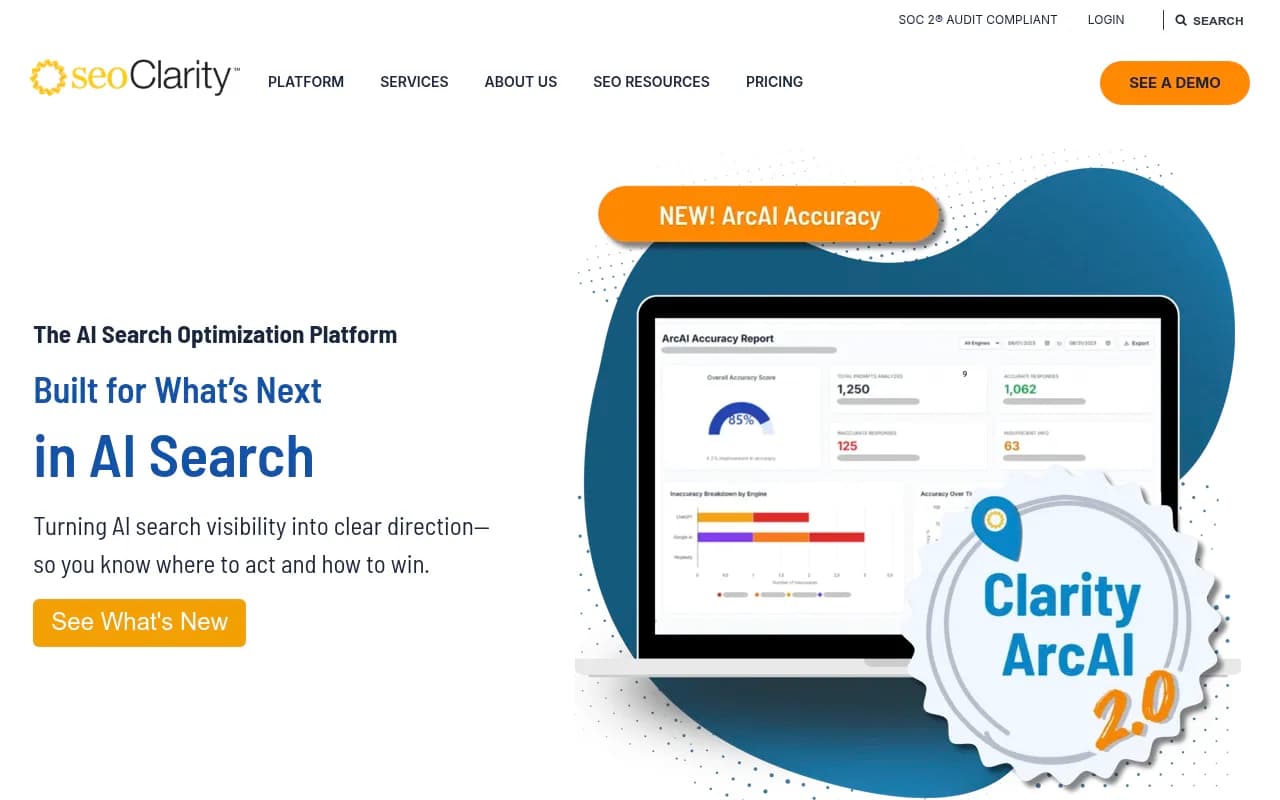
If you already pay for a big SEO platform, check its AI module before buying a separate tool. Semrush, Ahrefs Brand Radar, Conductor, seoClarity, BrightEdge and Searchmetrics all added AI search tracking. The trade-off is usually shallower AI-specific data and fixed prompt sets compared with dedicated platforms. They make sense when consolidating vendors matters more than depth.

How to choose
Start with where your buyers are
List the three or four engines your customers really use. A B2B SaaS team might care most about ChatGPT, Perplexity, Gemini and Copilot. A retailer may need Shopping coverage and Alexa. A developer-tools company should look at coding agents. Then check that your shortlist covers those on the plan you can afford.
Test the data, not the logo count
Run the same 20 prompts in a trial and manually check five responses against what the tool reports. Real-UI tools should match what you see. If a tool reports a mention you cannot reproduce, ask how it queries.
Look for the action layer
A dashboard that says you are invisible in Claude and Meta AI is only useful if it tells you why. Crawler logs, citation analysis, content gap reports and publishing workflows are what turn a number into a fix. Tools that stop at monitoring leave that work to you. You can browse more options in the GEO software directory at bestgeosoftware.com.
Plan for volatility
Citation behavior changes fast. Promptwatch Data shows reddit.com's share of ChatGPT citations falling from roughly 4% to 0.5% on August 14, 2026, while AI Overviews and AI Mode declined only gradually. A single weekly snapshot will miss shifts like that, so choose a tool with daily runs and trend history. Promptwatch's own advice on Copilot is to judge it on monthly trends, not weekly snapshots.
A practical rollout in four steps
- Pick 30 to 50 prompts that mirror real buying questions: category searches, comparisons and brand-specific queries.
- Run them across every engine your audience uses, in the countries you sell in.
- Read results per engine. Low share of voice means a coverage problem. Late position means a prominence problem. Mentions without citations to your own site usually point to a content or crawlability problem.
- Fix the top three gaps, then re-measure after a few weeks.
Benchmarks vary, but one review reports top brands in competitive categories reaching 40 to 60% share of voice across ChatGPT, Perplexity and Gemini. Use that as a rough ceiling, not a target for week one.
So which platform should you pick?
- Want broad model coverage plus a way to act on it: Promptwatch.
- Running an enterprise program with a large budget: Profound, or Promptwatch if you want crawler logs and publishing in the same product.
- Need competitor ad intelligence inside AI answers: KIME.
- Watching on a tight budget: Otterly.AI, ZipTie or PromptScout, accepting fewer engines.
- Already deep in an SEO suite: try its AI module first, then upgrade if the data feels thin.
If you would rather hand the strategy to specialists, 1001 SEO Media runs GEO programs for brands and uses Promptwatch as its visibility platform.
Whatever you choose, run a trial with your own prompts. The engine count on the pricing page is a starting point. The data you can verify yourself is what counts.