Key takeaways
- A keyword rank tracker reports where your URL sits in a list of search results. An AI rank tracker reports whether AI engines mention, cite and recommend your brand in generated answers. They measure different things.
- Most teams need both, but not in equal measure. Start with the channel that earns your revenue today, then add the other.
- Suites like SE Ranking, Ahrefs and Semrush now bundle some AI tracking. It is convenient, but quota and depth vary a lot, so check the prompt limits before you assume you are covered.
- AI answers are built from query fan-outs, not the prompt the user typed. A keyword tracker never sees those searches.
- Tracking alone does not fix anything. Whatever you buy, decide who turns the data into pages and fixes.
The short version
If your traffic still comes mostly from Google blue links, buy a keyword rank tracker first. If buyers in your category ask ChatGPT or Perplexity for recommendations before they ever search, you need an AI rank tracker too. If you are not sure, you probably do.
The reason is simple. SparkToro's 2026 analysis of Similarweb data found that 68.01% of US Google searches ended without a click in the first four months of 2026, and Seer Interactive measured a 61% decline in organic CTR on queries where an AI Overview appears. A page can sit at position 3 and still lose most of its clicks. A position number alone no longer tells you how you are doing.
What a keyword rank tracker actually measures
A keyword rank tracker takes a list of keywords, checks Google (and sometimes Bing) on a schedule, and records where your URL appears. Good ones split the data by device, country and city, record SERP features like local packs and featured snippets, and let you compare against competitors.
That model is stable and well understood. Your keyword list is fixed, the SERP is a ranked list, and a result is either at position 4 or it is not. Trends are easy to read.
The main variables between tools are:
- Update frequency (daily, weekly, on-demand, hourly)
- Local and mobile coverage
- Keyword capacity and cost per keyword
- Integrations such as API and Looker Studio
- Reporting and white-labeling for agencies
One scored comparison from November 2026 gives a useful benchmark. SE Ranking's Core plan at EUR 109/month tracks 2,000 keywords daily, which works out to about EUR 0.05 per keyword. Advanced Web Ranking is cheaper per keyword if weekly updates are enough. AccuRanker starts at $224/month for 2,000 keywords but lets you trigger a refresh on demand, which matters when you are testing a change or preparing a client report on short notice.
What an AI rank tracker actually measures
An AI rank tracker does not have a position 1 to 10 to report. It sends a set of prompts to engines like ChatGPT, Gemini, Perplexity, Claude and Google AI Overviews, collects the responses, and tells you:
- whether your brand was mentioned
- where it landed among the brands in the answer
- how it was described
- which sources the engine cited
- which competitors showed up next to you
That last part matters more than people expect. In Promptwatch Data's report on unique domains per ChatGPT response (Sep 28 to Oct 4, 2026), 47.6% of responses cited 10 or more different domains. For organic prompts with no brand named, it was 52.5%. You almost never have an answer to yourself. A binary "cited or not" metric hides most of the story, and position, tone and who you share the answer with tell you far more.
Why keywords do not translate cleanly
When someone asks ChatGPT a question, the engine often fires its own web searches behind the scenes. These are called query fan-outs, and they are what actually get matched against pages. Promptwatch Data's ChatGPT query fanout report measured an average of 2.15 fan-out queries per response in early December 2025, easing to about 1.84 by early March 2026, and the queries themselves got shorter, closer to keyword-style searches of six to eight words.
So the query your page needs to match is often not the one the user typed. A keyword tracker sees only the typed query. An AI tracker that exposes fan-outs shows you what the engine searched for. If you want to explore this yourself, the ChatGPT query fan-out generator is a free place to start.
Why the numbers move
AI answers are also less stable than SERPs. Promptwatch's sources per response data shows Google AI Overviews citing about 10 sources per answer and Perplexity almost exactly 10 every day, while Microsoft Copilot's average swung from under 2 to nearly 17 within weeks. Different engines behave differently, so a single score across all of them can mislead. Look at each engine on its own before you average anything.
Side-by-side comparison
| Keyword rank tracker | AI rank tracker | |
|---|---|---|
| Unit of measurement | Position in a ranked list | Mention, position among brands, sentiment, citations |
| Input | Keywords | Prompts (often with personas and countries) |
| Output stability | High, changes gradually | Lower, varies by engine and run |
| What it tells you | Where you rank on Google/Bing | Whether AI engines recommend and cite you |
| Sees query fan-outs | No | Only in tools that expose them |
| Competitor view | Rank vs competitor domains | Share of voice, who is named beside you |
| Typical question answered | "Did we drop for this keyword?" | "Why does ChatGPT recommend them instead of us?" |
| Mature, well-priced options | Many | Growing fast, uneven |
| Cannot tell you | Whether AI answers cite you | Your exact Google position |
When a keyword rank tracker is enough
You can reasonably skip AI tracking for now if:
- your buyers are local and transactional (plumbers, dentists, restaurants) and find you through the map pack
- your category has almost no AI Overview coverage in your tracked queries
- budget is tight and Google Search Console plus one affordable tracker covers your needs
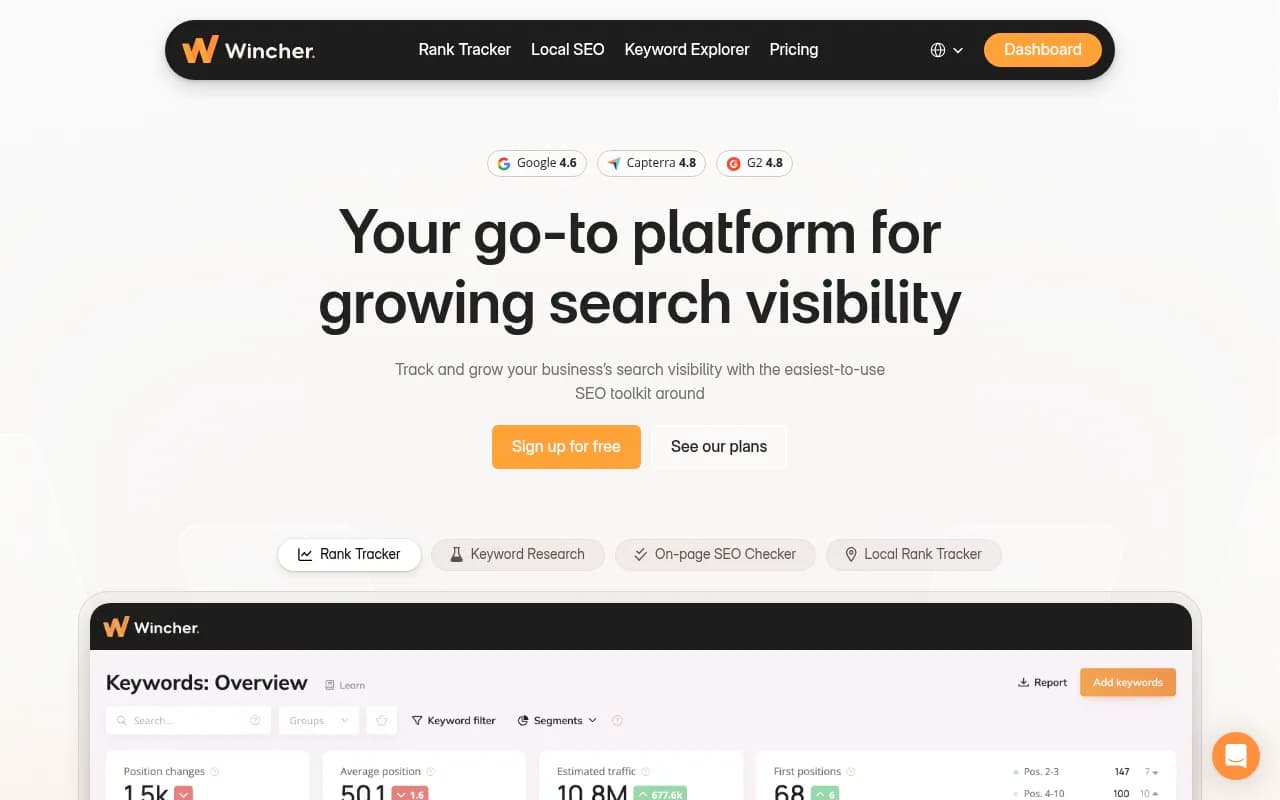
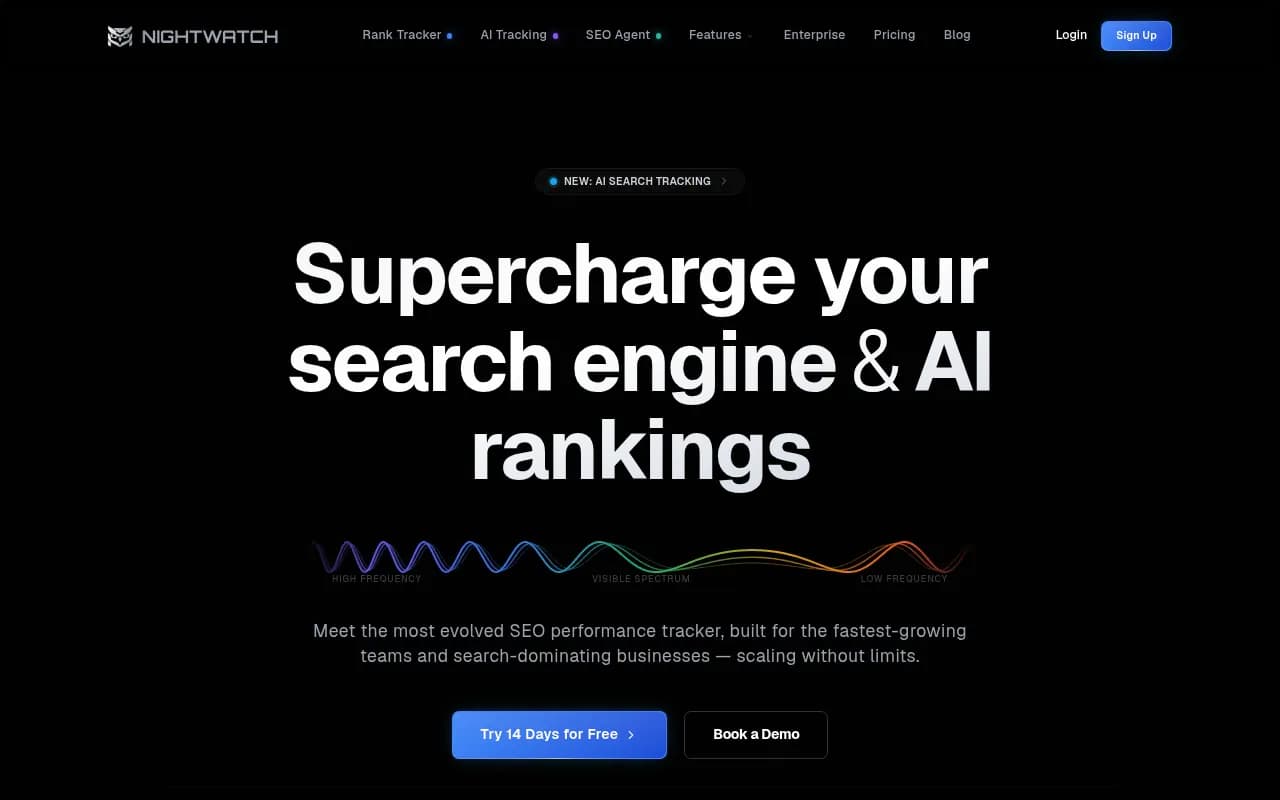
In that case, Google Search Console gives you free baseline data, and a tool like Nightwatch, Wincher or Advanced Web Ranking handles the rest. Be aware that Wincher, per the November 2026 comparison, has no AI answer tracking at all, so it is a clean keyword-only choice with no upgrade path inside the tool.
When you need an AI rank tracker
Add one when any of these are true:
- Buyers ask AI assistants "best X for Y" before shortlisting vendors (software, travel, healthcare, finance, ecommerce)
- Your rankings are fine but clicks and conversions are flat
- You have no idea what ChatGPT says about your brand, or whether it is accurate
- Competitors are getting named in answers you want to be in
Citation behavior also differs a lot by industry, which is why generic advice falls short. Promptwatch Data shows that for software prompts, GitHub, Microsoft's docs and G2 lead ChatGPT citations. For travel prompts, Skyscanner, Going and Tripadvisor lead. In both cases, third-party sites take a large share, so being cited often means getting listed or reviewed elsewhere, not only improving your own pages.
Social sources matter too, and they vary by engine. From Sep 28 to Oct 4, 2026, ChatGPT got 0.46% of its citations from social platforms, while Google AI Overviews got 12.2%. If your AI visibility plan leans on Reddit, you should know that ChatGPT's reddit.com share fell from about 4% to 0.5% on August 14, 2026.
The hybrid options: suites with AI tracking bolted on
A lot of keyword trackers now include some AI tracking. That is convenient, and sometimes good enough. It is worth reading the limits carefully.
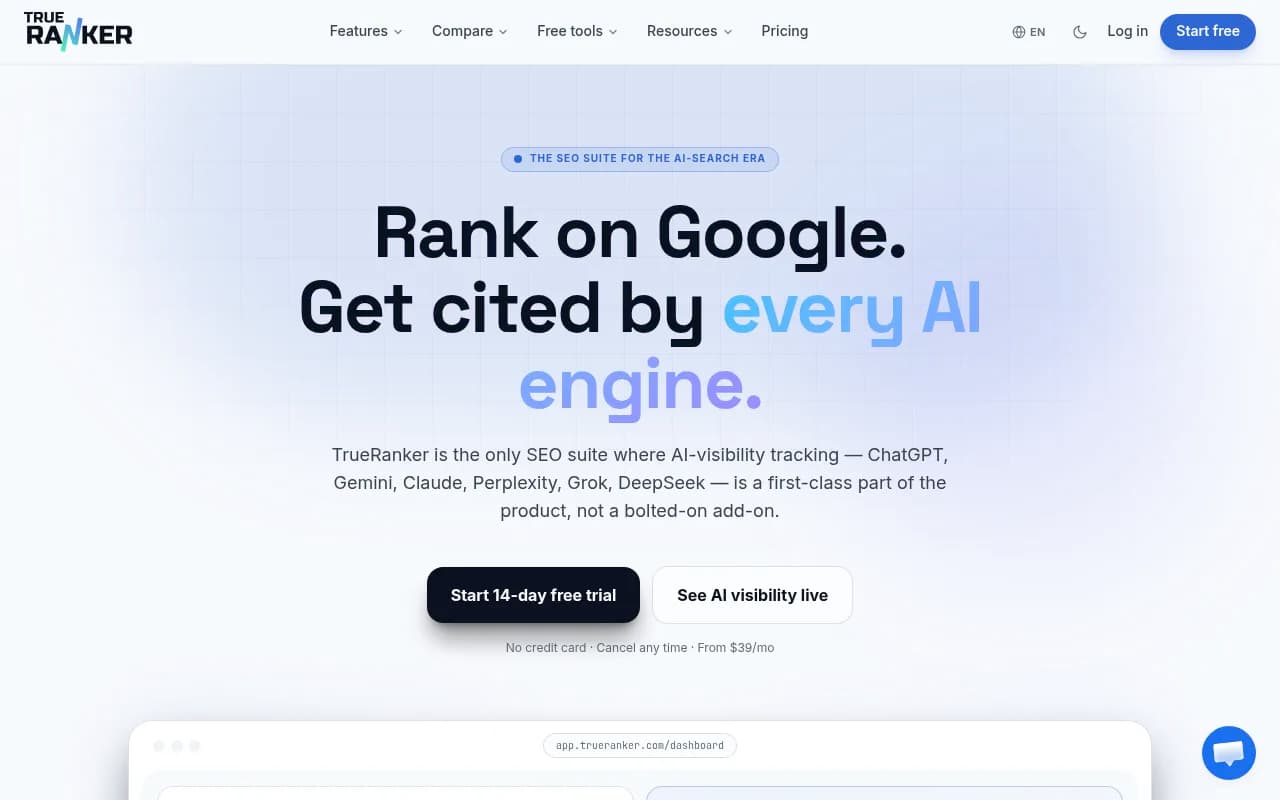
- SE Ranking includes AI visibility tracking in its entry plan, with 25 daily prompts across five AI engines on the Core plan. Nightwatch offers 50 daily prompts from EUR 79/month, the largest quota at entry price in that comparison.
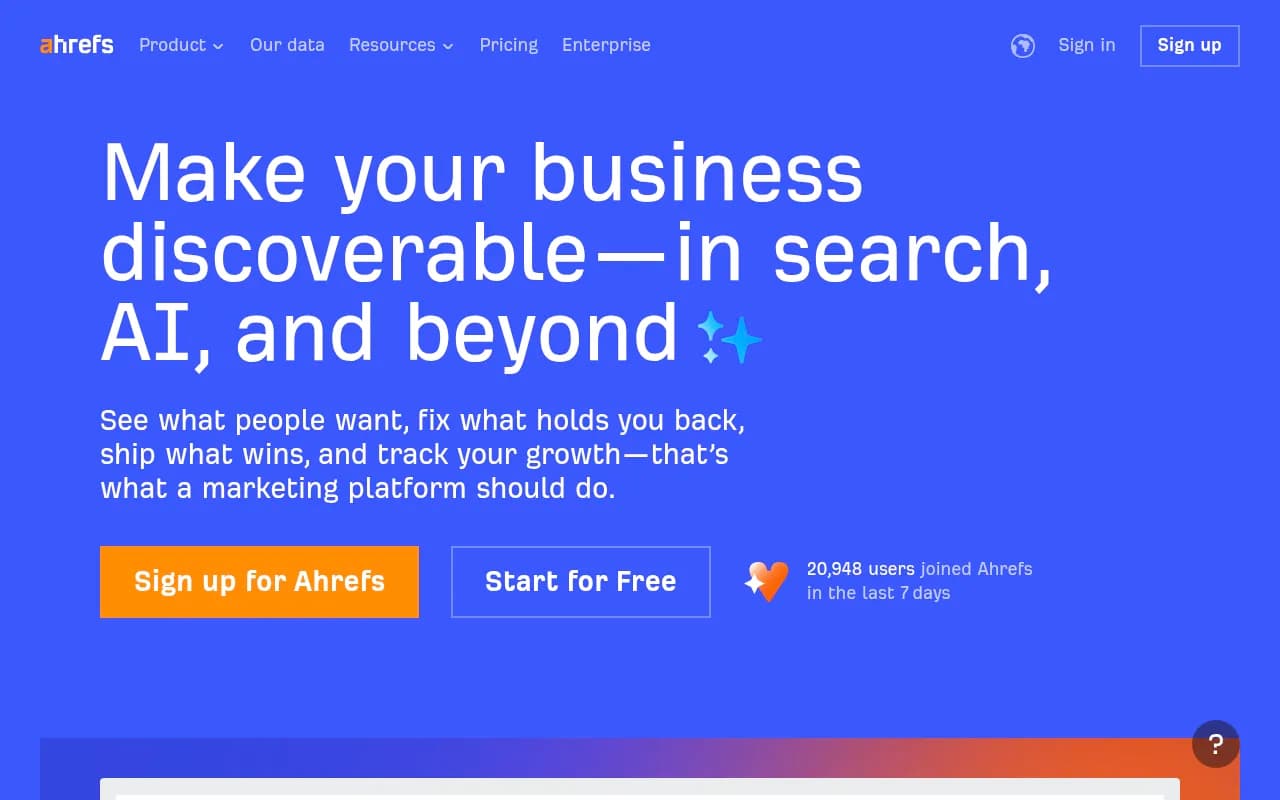
- Ahrefs sells its Brand Radar AI database as a separate add-on from EUR 179/month, and one reviewer estimates around $828/month minimum for full AI coverage. Its rank tracker itself updates weekly.
- Semrush is the most feature-complete for traditional position tracking, and also the most expensive entry point for small teams.
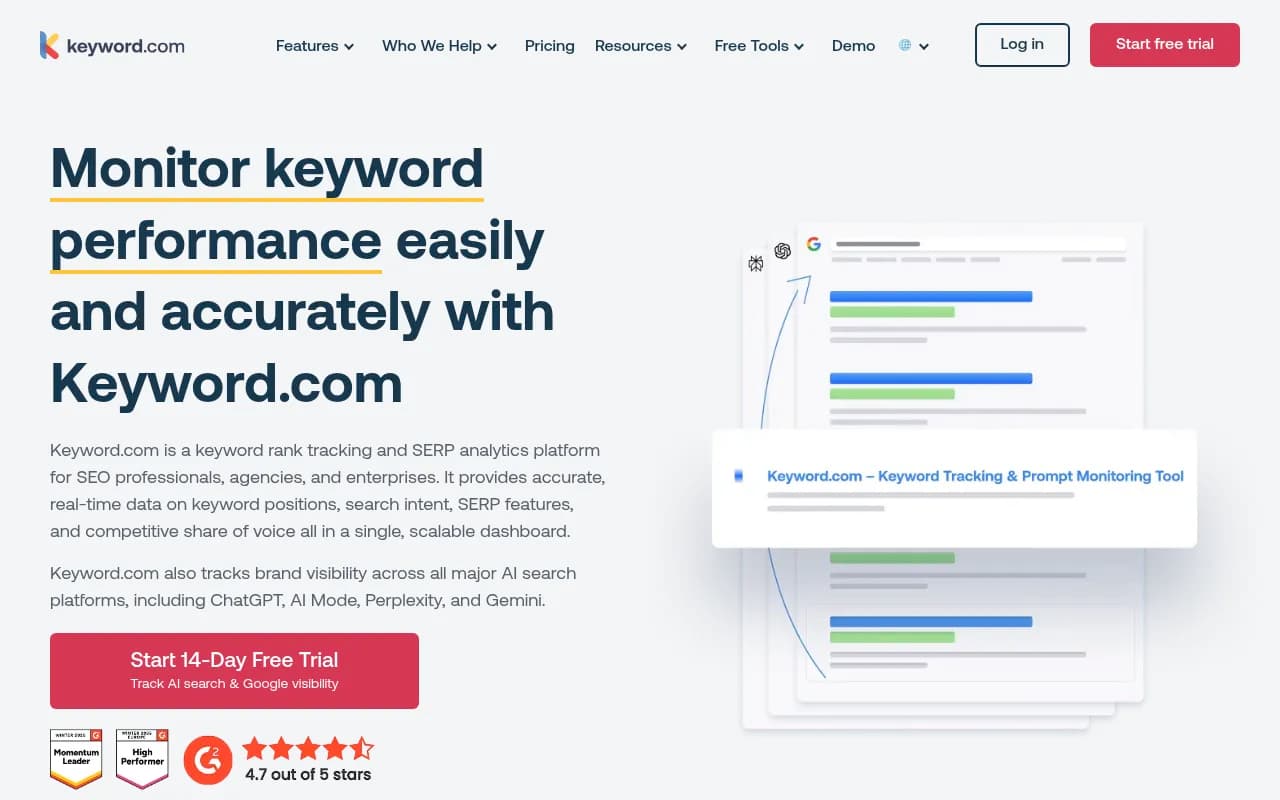
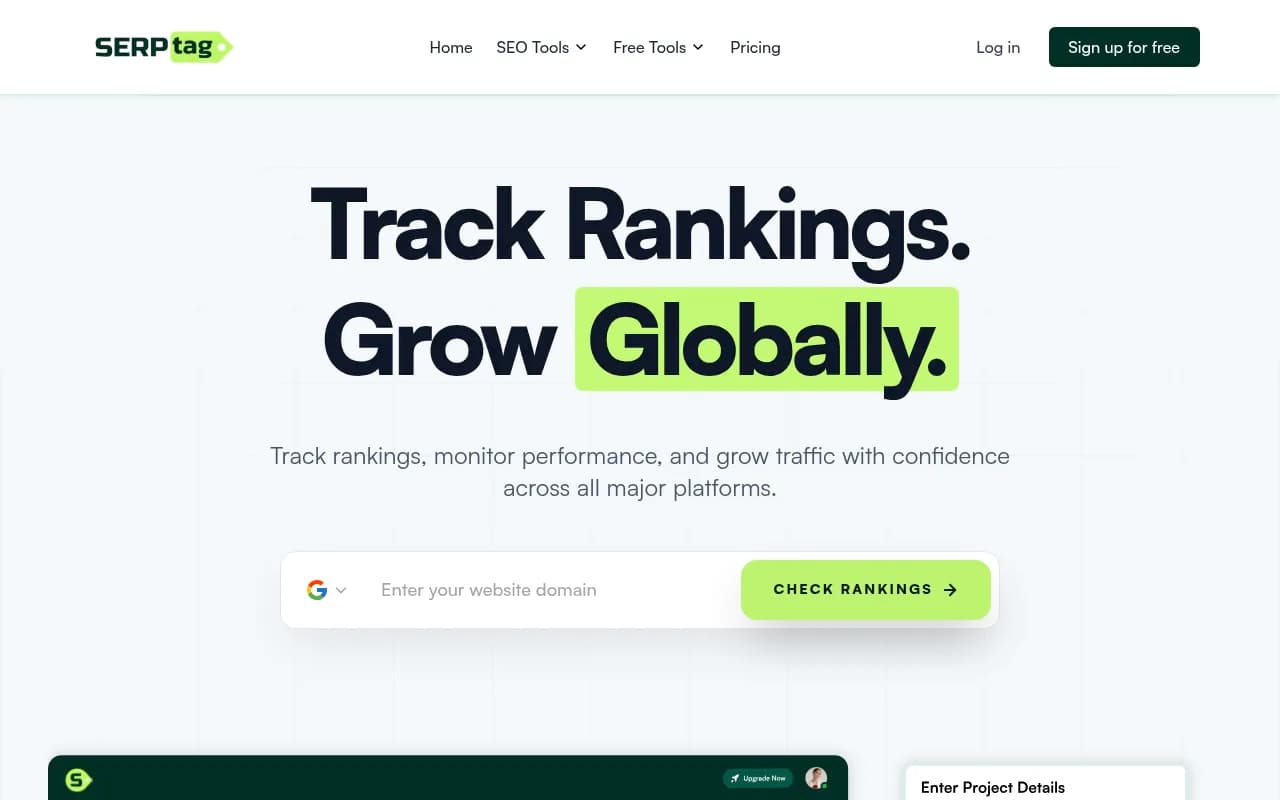
- Keyword.com and SERPtag combine rank tracking with AI Overview or AI citation detection.
The general pattern: suites give you a taste of AI tracking with a fixed quota of prompts. That is fine for a sanity check. It is thin if you need to monitor multiple countries, personas and competitors.
Dedicated AI visibility platforms
If AI search matters to revenue, a dedicated platform usually goes deeper than a suite add-on. There is a wide range, and the useful dividing line is whether the tool only reports or also helps you act.
Promptwatch is the one I would put first on a shortlist for teams that want to act on the data, not just watch it. It tracks ChatGPT, Gemini, Claude, Perplexity, Google AI Overviews and AI Mode, Copilot and others using the real interfaces of those engines, per country and language. It then ties that to IP-verified AI crawler logs, AI-referred visitor analytics, and a Content Agent that writes and publishes pages against the gaps it finds, so you can see whether a page got crawled, cited and clicked. Plans start at $95/month for Essential (50 prompts, daily tracking) and $245/month for Professional, with the Content Agent on Business at $579/month. Confirm current prices at promptwatch.com/pricing. There is a 7-day free trial on monthly billing and a free AI visibility report if you want a quick look first.

Other options worth a look, depending on what you need:
| Tool | Angle | Worth knowing |
|---|---|---|
| Profound | Enterprise monitoring | Strong feature set, higher price point |
| Peec AI | Prompt tracking | Monitoring-focused, no optimization layer |
| Otterly.AI | Affordable tracking | Basic prompt tracker |
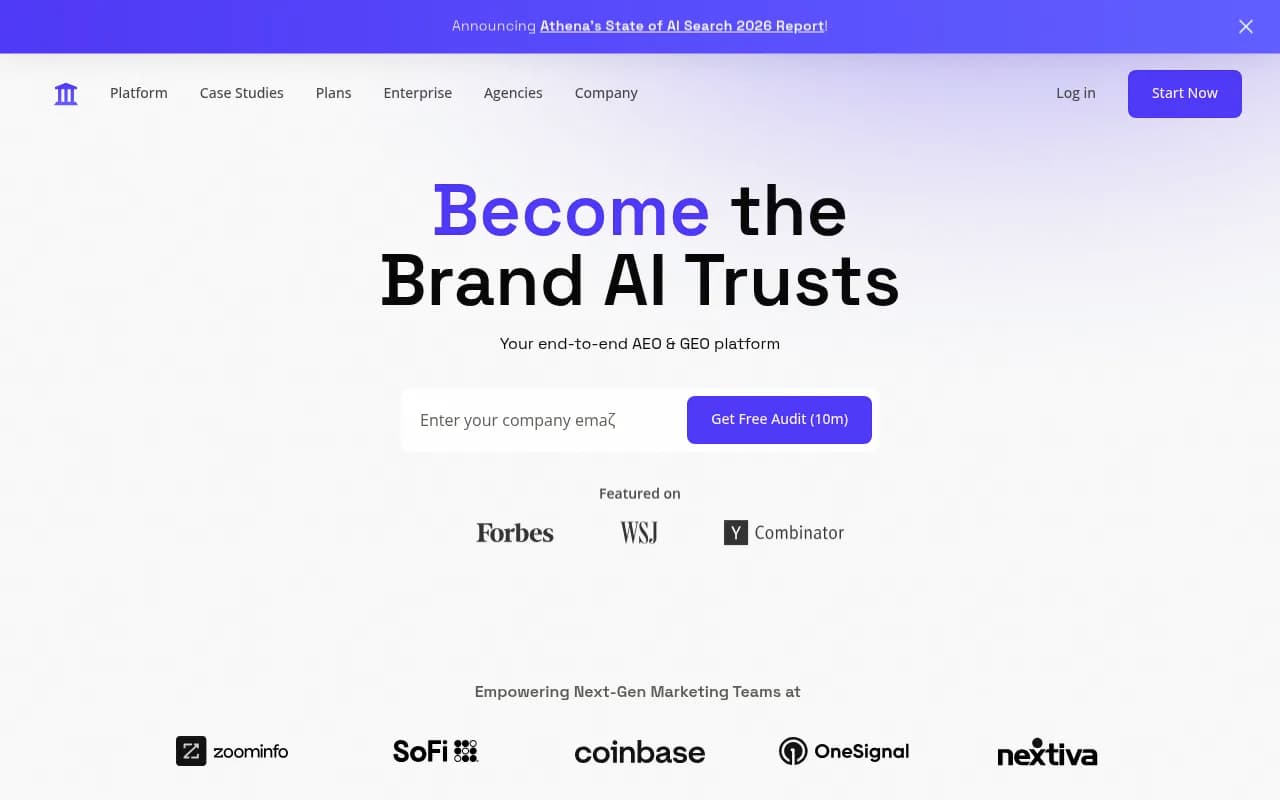
| AthenaHQ | Tracking across 8+ engines | Monitoring-focused |
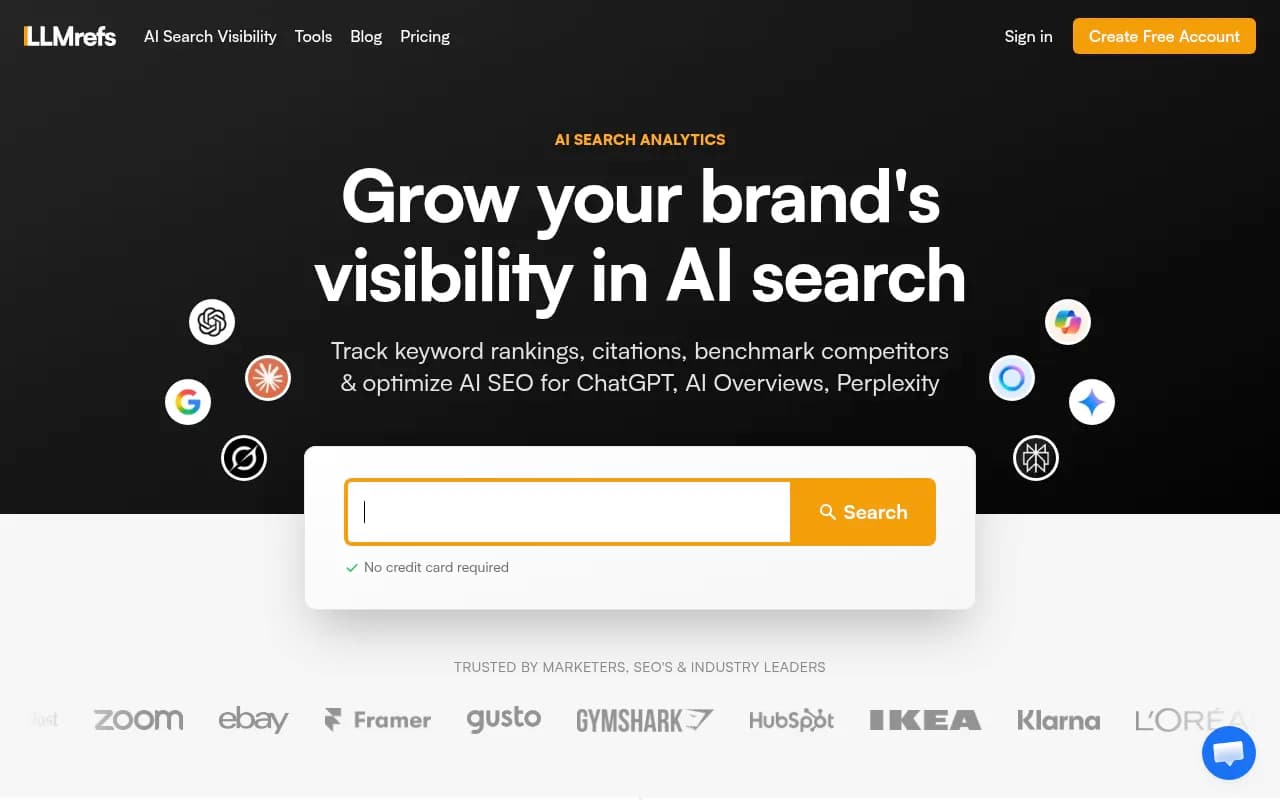
| LLMrefs | Brand visibility and rankings | Lightweight tracking |
| SE Visible | From the SE Ranking team | Brand visibility and sentiment |



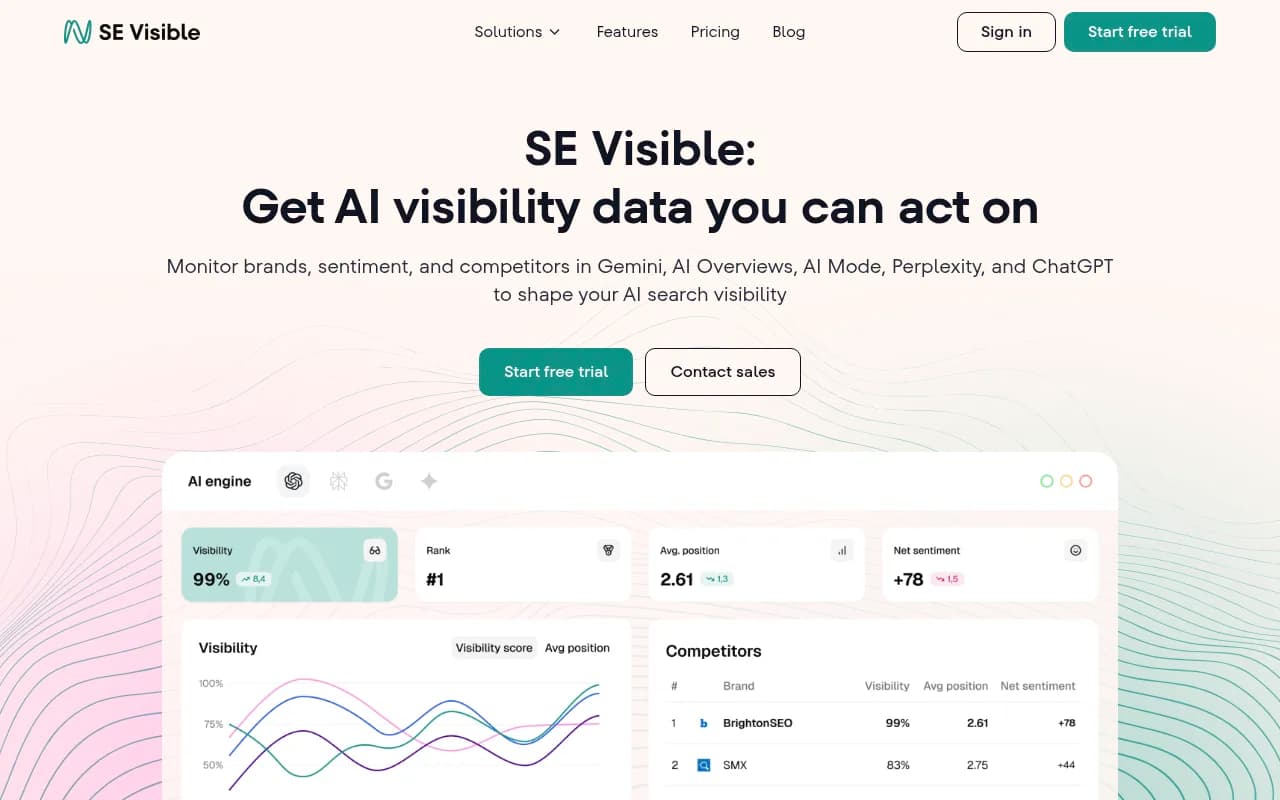
For a wider catalog, the AI rank tools directory lists many more trackers, and bestgeosoftware.com covers the broader GEO software category.
How to choose: a practical decision path
1. Check where your revenue comes from
Open Google Search Console and your analytics. If organic search drives most of your pipeline and AI referrals are a rounding error, keep the keyword tracker as the primary tool. Note that ChatGPT stopped sending a referrer on October 8, 2026, so AI traffic may be undercounted unless you tag links or use a tool that counts utm_source=chatgpt.com visits.
2. Test whether AI engines know you
Run 10 to 20 prompts your buyers would plausibly ask. Do it in ChatGPT, Perplexity and Google. Note whether you appear, in what order, and who else does. A free scan like Promptwatch's AI visibility report or a free checker such as AI Rank Checker gives a rough read in minutes.
3. Decide your stack
| Situation | Suggested stack |
|---|---|
| Local business, Google-first | One keyword tracker plus Search Console |
| B2B team already on Semrush or Ahrefs | Use the built-in tracker, add a dedicated AI tool if buyers use AI search |
| Standalone buyer, wants one invoice | SE Ranking or Nightwatch for both, accept the prompt quota |
| Large keyword sets, speed matters | AccuRanker plus a separate AI visibility platform |
| AI search is a real revenue channel | Keyword tracker for Google, Promptwatch for AI visibility and content action |
| Agency | Tracker with white-label reporting, plus an agency plan on an AI platform |
4. Match the tracking to the problem
AI visibility metrics read differently from rank. Low share of voice means a coverage problem. Late position inside the answer is a prominence problem. Mentions without citations to your own domain suggest a content or crawlability problem. Weak sentiment is a reputation problem. Promptwatch's academy pages on Visibility Score and citations vs mentions explain these in more depth.
5. Plan who does the fixing
This is the part buyers skip. A tracker produces a chart. Someone still has to write the comparison page, fix the crawler block, earn the third-party listing and refresh the stale article. If you do not have the people for that, weigh tools that include execution, or consider outside help. 1001 SEO Media, which publishes this site, works with brands on technical SEO and GEO and uses Promptwatch for AI visibility work.
Common mistakes
- Treating a single AI score as the truth. Responses vary by run and by engine, so look at trends over weeks, not one reading.
- Tracking only your brand name. Branded prompts cite fewer domains (21.3% cite 10 or more, per Promptwatch Data's September-October 2026 report). Non-branded, category prompts are where you win new buyers.
- Dropping keyword tracking because AI is new. Both signals matter. A brand can rank well on Google and be invisible in AI answers, or the reverse.
- Buying a suite for the AI feature and never raising the prompt quota. 25 daily prompts covers a handful of topics, not a market.
- Assuming page-one rankings guarantee citations. Mid-authority sites earn a big share too: in August 2026 domains with rank 46-75 took almost half of ChatGPT citations, per Promptwatch's domain rank data.
So which one do you actually need?
Keep a keyword rank tracker. It is cheap, mature and still tells you how Google treats your pages. Add an AI rank tracker the moment AI answers show up in your buyers' research, which for most B2B, software, travel, health and ecommerce brands is already now. Begin with whatever your suite includes if the budget is tight, and graduate to a dedicated platform when the prompt quota or the lack of crawler and traffic data starts to hold you back.
If you want a free first step, run a visibility scan, write down your top 20 keyword positions today, and compare the two after 30 days. The gap between them is your answer.
For more tool lists, surferstack.com has reviews and alternatives across SEO and AI search categories.