Key takeaways
- Goodie AI covers the core AEO loop (research, monitor, optimize, measure) but has meaningful gaps in areas like AI crawler logs, Reddit/YouTube tracking, content generation, and traffic attribution.
- Several of these gaps are filled better by specialist tools or by more comprehensive platforms like Promptwatch.
- The biggest risk with any monitoring-only or partially-closed-loop platform is that you see the problem but have no clear path to fix it.
- This guide walks through 7 specific missing features and recommends concrete alternatives for each.
Goodie AI (higoodie.com) has a compelling pitch. It calls itself a "closed-loop AEO platform" that lets brands research prompts, monitor AI visibility, take action on gaps, and measure attributed revenue, all in one place. That's the right framing for 2026, where showing up in ChatGPT, Perplexity, and Google AI Overviews matters as much as ranking on page one.
The problem is that "closed-loop" is doing a lot of work in that sentence. When you dig into what Goodie actually delivers versus what the category's best platforms offer, some real gaps appear. Not fatal ones necessarily, but gaps that matter depending on what you're trying to accomplish.
Here's what's missing, and what to use instead.
1. AI crawler logs
This is the one that surprises people most. Knowing that ChatGPT or Perplexity cited a competitor is useful. Knowing why they're crawling your competitor's pages and not yours is actionable.
AI crawler logs show you exactly which pages the bots from OpenAI, Anthropic, Perplexity, and others are visiting, how often they return, and what errors they hit. If a key product page is returning a 404 to GPTBot, your visibility problem isn't a content problem, it's a technical one. No amount of prompt monitoring will surface that.
Goodie's platform doesn't appear to offer crawler log access. This is a significant gap for technical SEO and GEO teams who want to understand how AI engines actually discover and index their content.
Promptwatch includes real-time AI crawler logs as part of its Professional plan and above, showing which pages each AI crawler reads, errors they encounter, and how frequently they return.

For teams that want crawler-level visibility as a standalone, Prerender.io handles technical rendering and crawlability for JavaScript-heavy sites, which is a related but distinct problem.
2. Reddit and YouTube citation tracking
Here's something most GEO platforms miss entirely: AI models don't just cite brand websites. They cite Reddit threads, YouTube videos, forums, and third-party review sites. When someone asks ChatGPT "what's the best project management tool for remote teams," the response might pull from a two-year-old Reddit thread more than from any vendor's homepage.
Goodie monitors brand mentions and citations across AI models, but there's no indication it tracks which Reddit discussions or YouTube content is influencing those AI responses. That's a blind spot. If a Reddit thread is shaping how Claude describes your category, you need to know about it.
Promptwatch tracks Reddit and YouTube sources that AI models cite, which lets you see exactly which third-party content is driving (or hurting) your AI visibility. That's a channel most platforms ignore entirely.
For broader social listening that can complement your GEO work, Brand24 monitors mentions across 25M+ sources including Reddit.
3. Built-in AI content generation tied to citation data
Goodie's "Action" step in its closed loop is described as identifying optimization gaps and executing improvements. But the execution part is vague. There's no clear evidence of a built-in content generation engine that's grounded in actual citation data.
This matters because generic AI writing tools produce generic content. What actually gets cited by LLMs is content that answers specific questions with authority, matches the angle AI models are already rewarding, and targets prompts with real volume. That requires content generation tied to citation intelligence, not just a text editor.
Promptwatch's built-in AI writing agent generates articles, listicles, and comparisons based on 880M+ citations analyzed, prompt volumes, and competitor gap data. The output is engineered to get cited, not just to fill a content calendar.
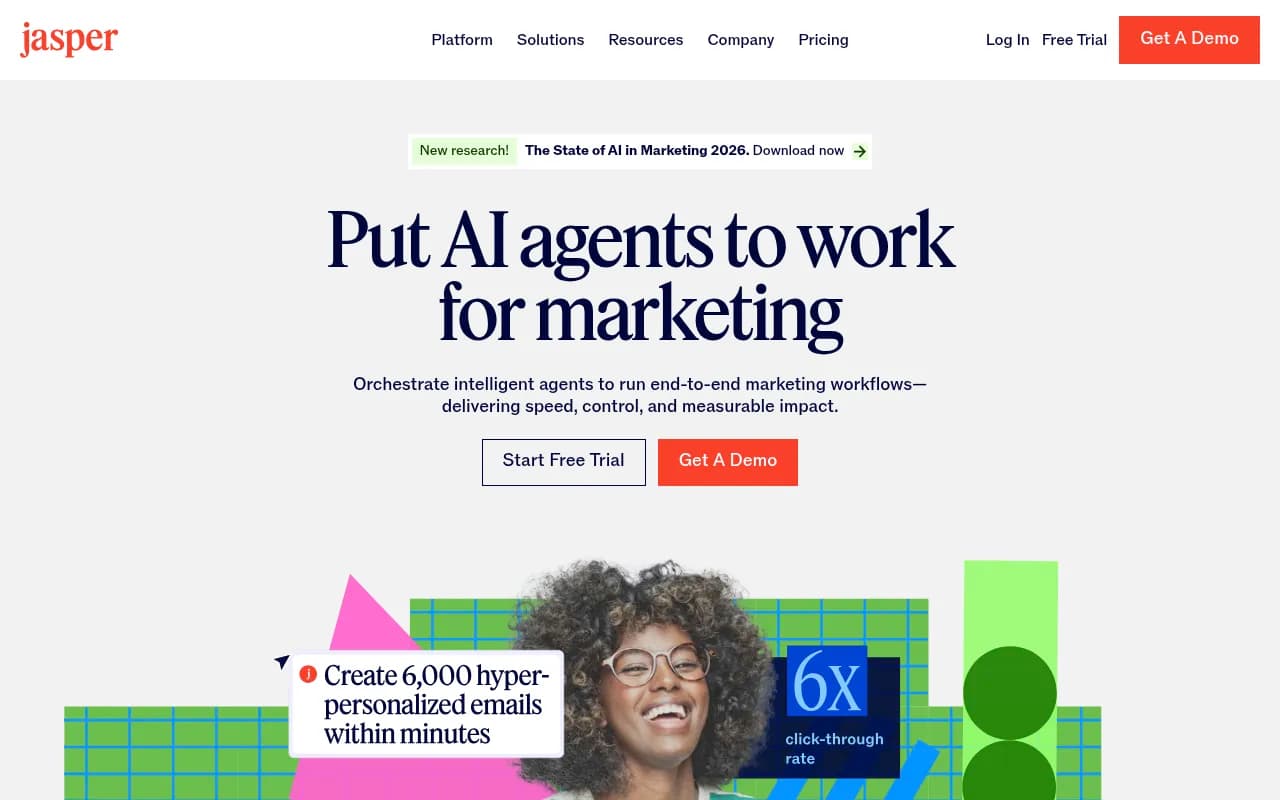
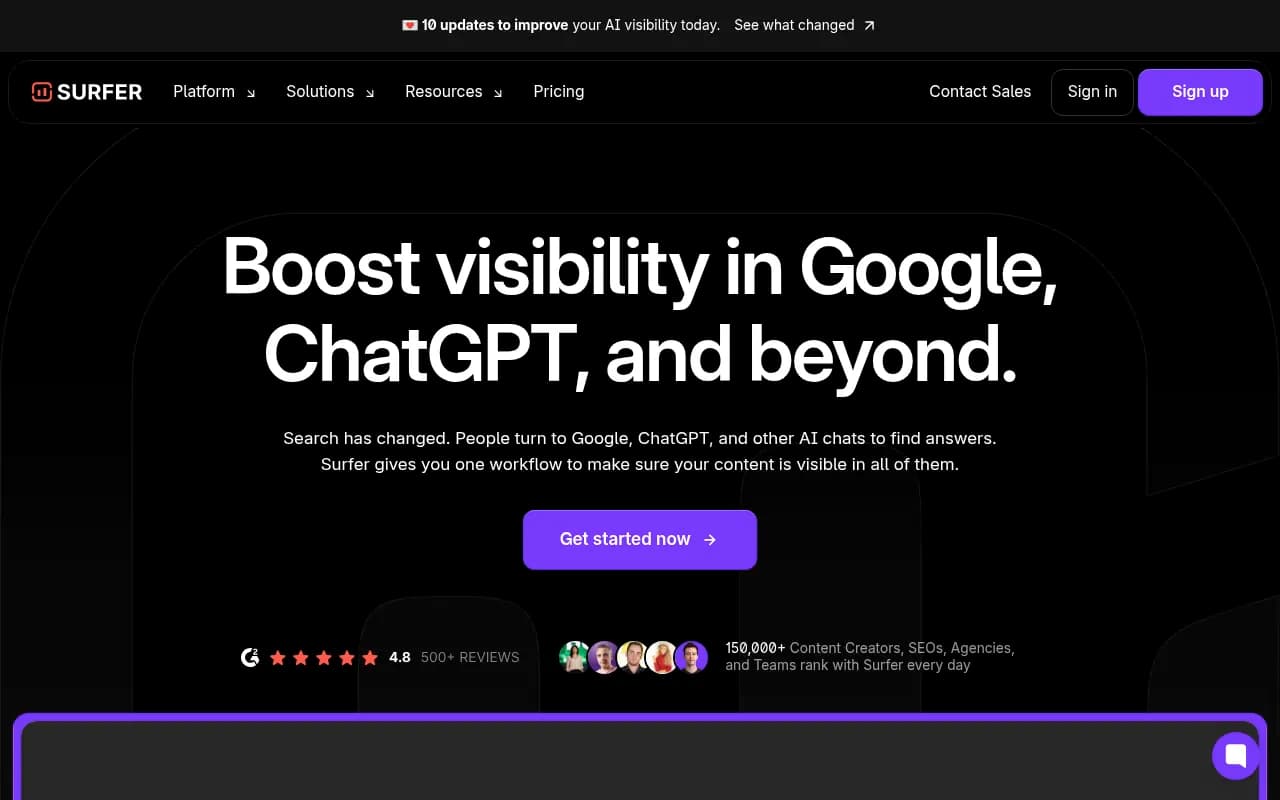
If you want a standalone content generation tool with strong SEO grounding, Jasper AI and Surfer SEO both have solid track records.
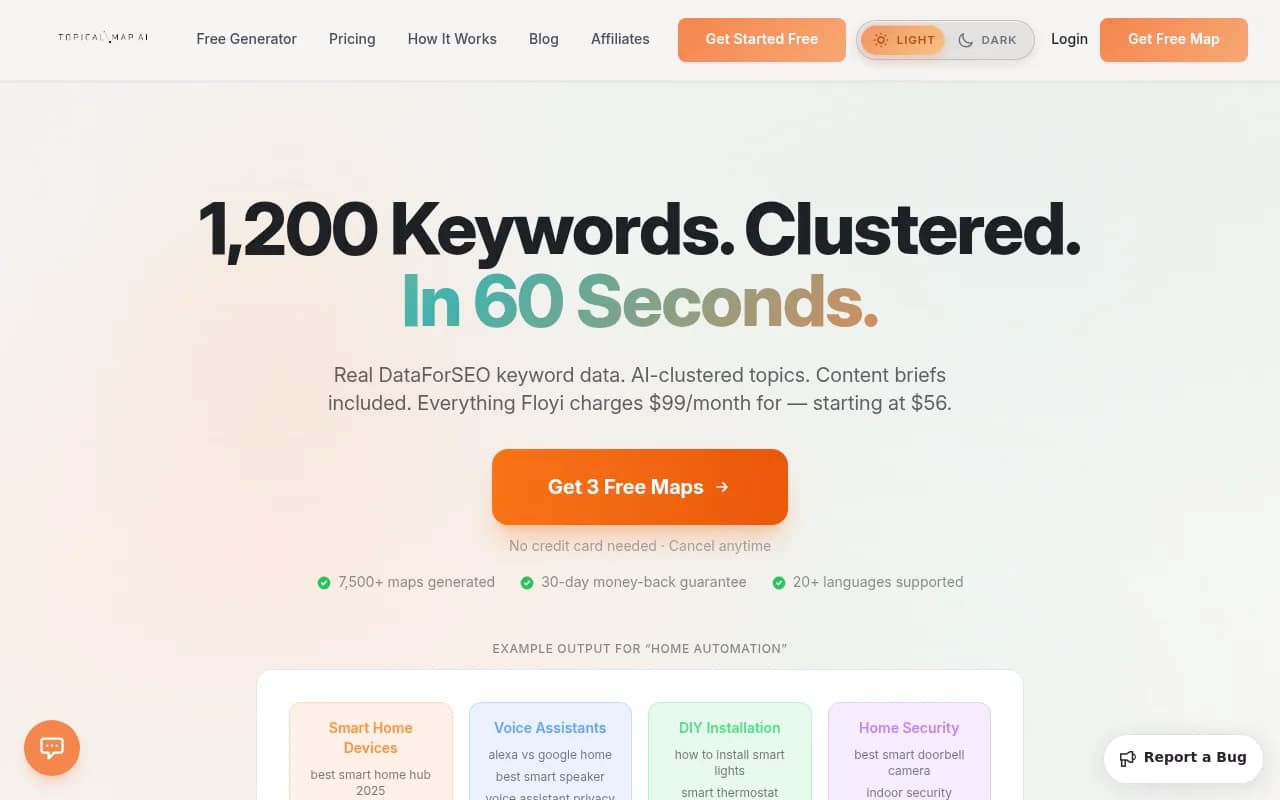
For teams focused specifically on topical authority (which is increasingly what LLMs reward), Topical Map AI helps you build out content clusters systematically.
4. Prompt volume and difficulty scoring
Not all prompts are equal. "Best CRM for startups" might get asked 50,000 times a month across AI engines. "Best CRM for early-stage B2B SaaS with fewer than 20 employees" might get asked 200 times. Knowing which prompts are worth targeting, and which ones you can actually win, changes your entire prioritization.
Goodie mentions prompt research as part of its platform, but there's limited public information about whether it provides volume estimates or difficulty scores for individual prompts. Without those metrics, you're essentially guessing which gaps to close first.
Promptwatch provides volume estimates and difficulty scores for each prompt, plus query fan-outs that show how one prompt branches into sub-queries. That's the difference between a prioritized roadmap and a list of everything you could theoretically do.
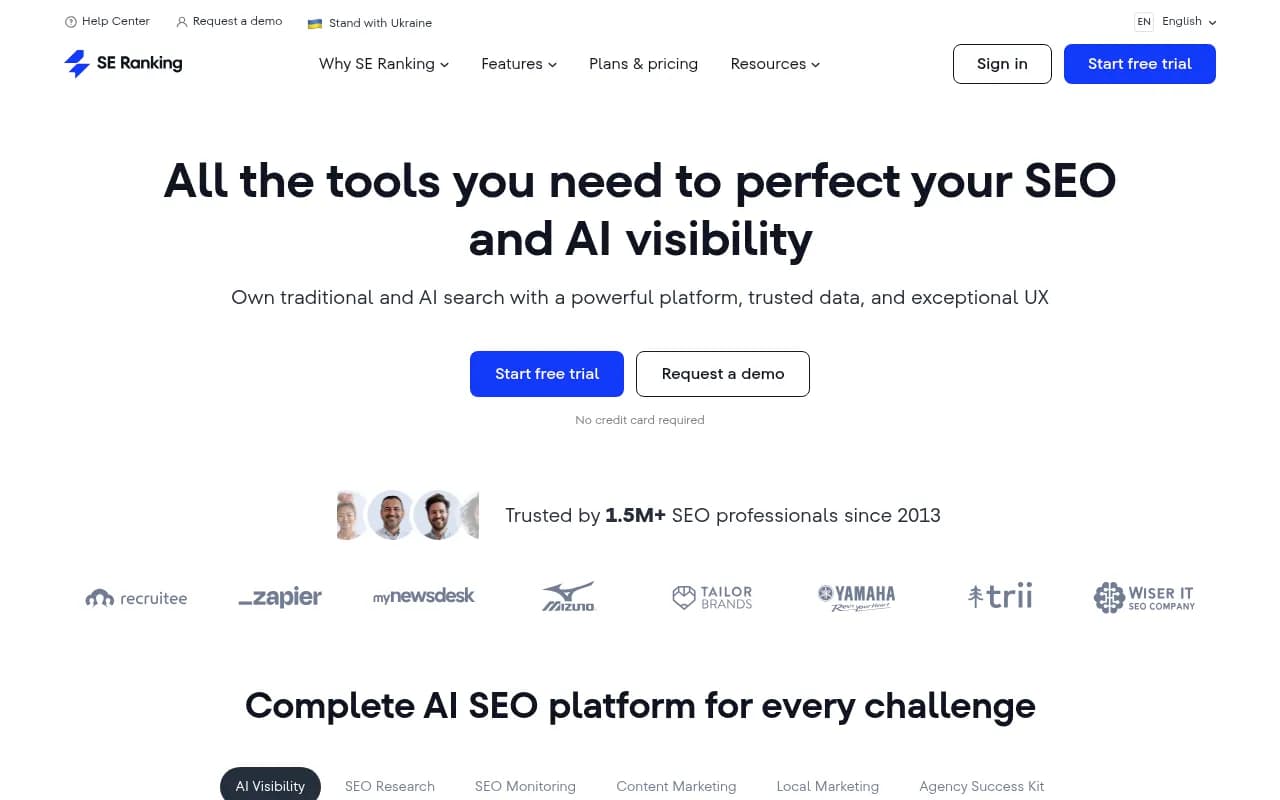
For teams that want to layer traditional keyword research on top of their GEO work, SE Ranking has been building out AI visibility features alongside its core rank tracking.
5. ChatGPT Shopping tracking
This one is niche but increasingly important for e-commerce and product brands. ChatGPT's shopping carousels are a real traffic driver now, and they operate differently from regular citations. A brand can be mentioned in a ChatGPT response but completely absent from its shopping recommendations, which is a separate visibility problem.
Goodie doesn't appear to track ChatGPT Shopping specifically. For brands selling physical products or software with pricing pages, this is a gap that could mean missing a meaningful traffic channel.
Promptwatch monitors when your brand appears in ChatGPT's product recommendations and shopping carousels, which is a feature most GEO platforms haven't built yet.
For broader product feed and shopping visibility work, Botify covers technical SEO and crawlability at enterprise scale, which feeds into shopping visibility indirectly.
6. Traffic attribution that connects AI visibility to revenue
This is where most GEO platforms, including Goodie, struggle to close the loop they promise. Monitoring visibility is one thing. Proving that improved AI visibility actually drove traffic and revenue is another.
Goodie's platform mentions attribution that "connects visibility to business outcomes," but the implementation details are thin. What integration methods does it support? Can it connect to Google Search Console? Does it require a code snippet? Can it handle server log analysis?
Promptwatch offers three attribution methods: a code snippet, Google Search Console integration, and server log analysis. That flexibility matters because different organizations have different technical setups, and some can't easily deploy JavaScript snippets on their sites.
For teams that want a dedicated marketing attribution layer on top of their GEO work, HockeyStack is worth looking at for connecting marketing touchpoints to revenue.
7. Competitive heatmaps across LLMs
Knowing your own visibility score is useful. Knowing how you compare to three specific competitors, broken down by which AI model is citing whom and for which prompts, is what actually drives strategy.
Goodie tracks competitive share, but the depth of competitive comparison appears limited compared to what the category's leading platforms offer. Specifically, there's no clear evidence of heatmap-style views that let you see, at a glance, which competitor is winning for each prompt across each LLM.
Promptwatch's competitor heatmaps show exactly this: your AI visibility versus named competitors, broken down by model (ChatGPT, Claude, Perplexity, Gemini, etc.) and by prompt. You can see who's winning for each query and start to understand why.
For teams that want competitive intelligence more broadly, Crayon tracks competitor moves across channels, which can complement your GEO competitive analysis.
How the platforms compare
Here's a direct feature comparison across the main platforms in this space:
| Feature | Goodie AI | Promptwatch | Otterly.AI | Profound |
|---|---|---|---|---|
| AI model monitoring | Yes (8+ models) | Yes (10+ models) | Yes | Yes |
| AI crawler logs | No | Yes | No | No |
| Reddit/YouTube tracking | No | Yes | No | No |
| Built-in content generation | Partial | Yes (citation-grounded) | No | No |
| Prompt volume/difficulty scores | Unclear | Yes | No | Partial |
| ChatGPT Shopping tracking | No | Yes | No | No |
| Traffic attribution | Partial | Yes (3 methods) | No | Partial |
| Competitive heatmaps | Basic | Yes | No | Yes |
| Answer gap analysis | Yes | Yes | Basic | Yes |
| Free trial | Yes | Yes | Yes | No |
So should you use Goodie at all?
Goodie isn't a bad platform. Its positioning is right, its model coverage is solid (ChatGPT, Gemini, Perplexity, Claude, AI Overviews, Meta AI, Amazon Rufus), and it's clearly built by people who understand how LLMs evaluate content differently from traditional search algorithms.
But "closed-loop" is a strong claim, and the gaps above are real. If you're a marketing team that needs to go from "we have no idea where we stand in AI search" to "we're monitoring our visibility," Goodie can get you there. If you need to actually fix the problem, generate content that gets cited, understand which Reddit threads are shaping your category, or prove ROI to a CFO, you'll hit walls.
The platforms that fill those gaps most completely right now are Promptwatch (which covers all seven gaps above), and to a lesser extent Profound for enterprise teams with bigger budgets.
For teams on tighter budgets who just need monitoring, Otterly.AI and Peec AI are simpler options, though they stop well short of a true optimization loop.


The honest summary: Goodie is a reasonable starting point for AEO monitoring in 2026, but it's not the end-to-end platform it claims to be. Know what you're buying before you commit.